Emily Carter
Emily Carter Facebook ad: “What we don't tell new mums about sleep.”
Ran for 155 days, from May 24 to October 26, 2026, the last day Crush saw it.
Run by Emily Carter on Facebook. Crush is not the advertiser and does not verify its claims. See this ad in Meta's Ad Library(opens in a new tab)
Make your own version of this ad
Crush makes it, launches it in your own Meta ad account, scales the winners and pauses the losers.
About this ad
- Meta Ad Library ID
- 974521435370634
- Platforms
- Facebook, Instagram, Audience Network, Messenger and Threads
- Relaunches
- 4
Ad text
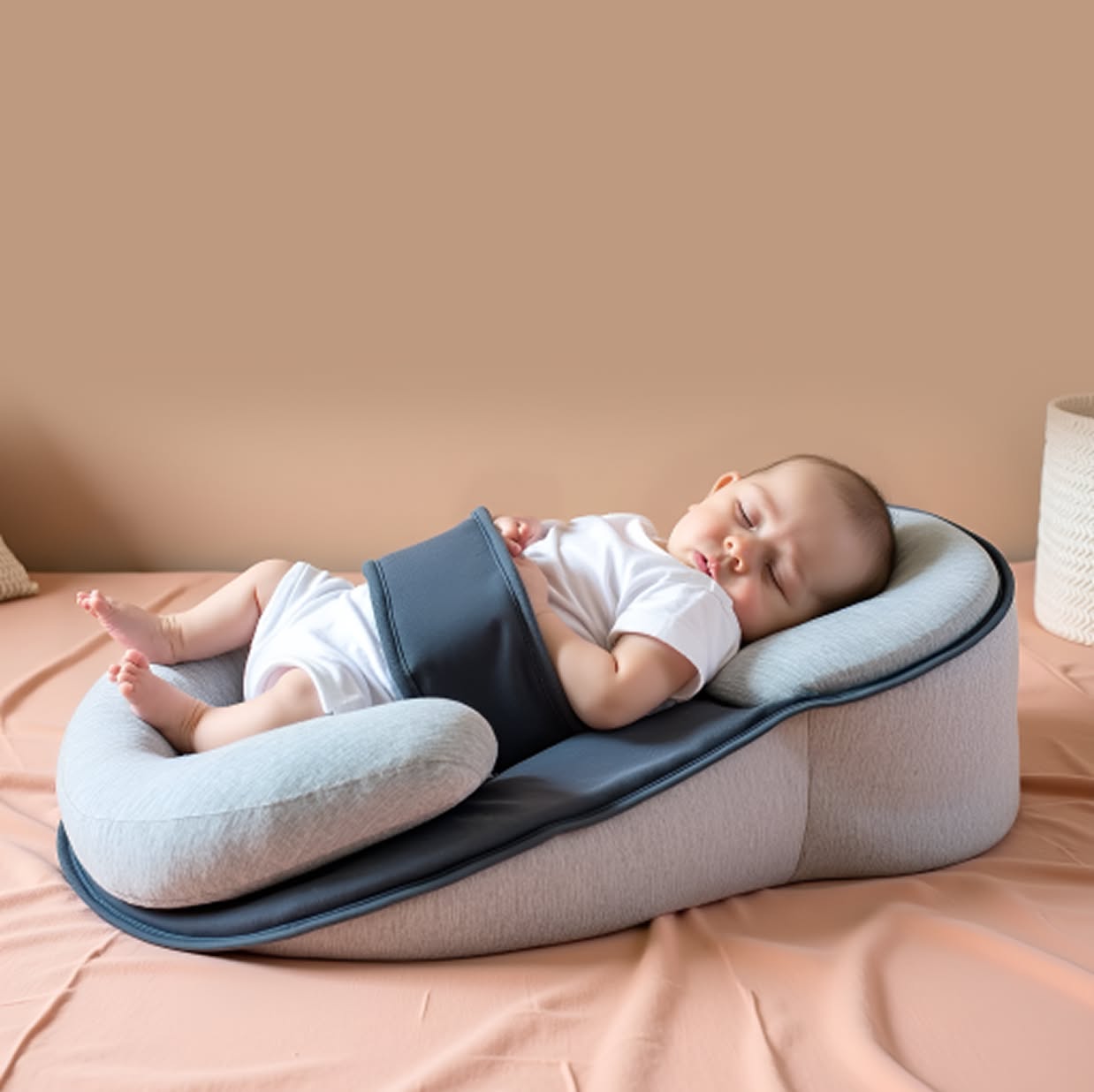
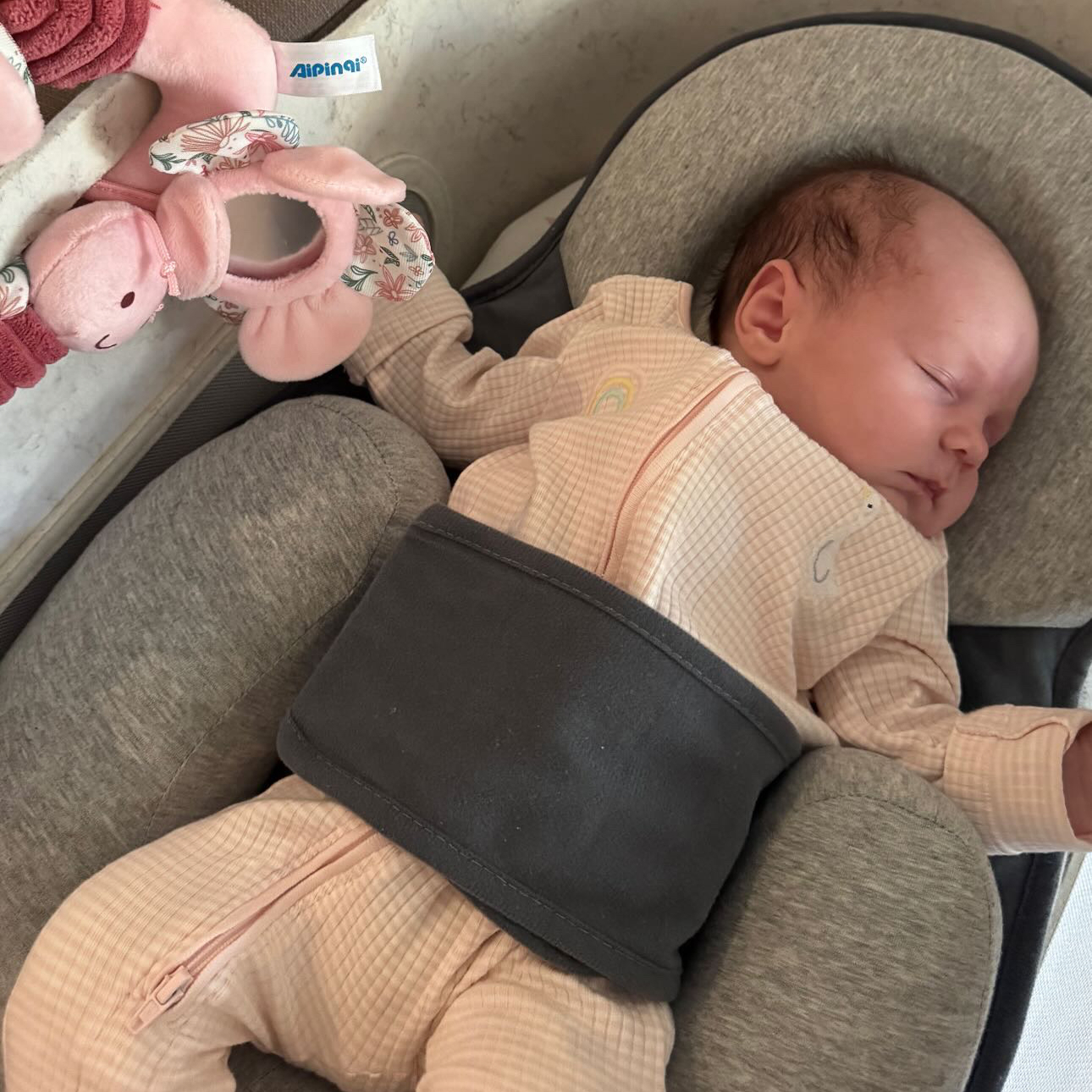
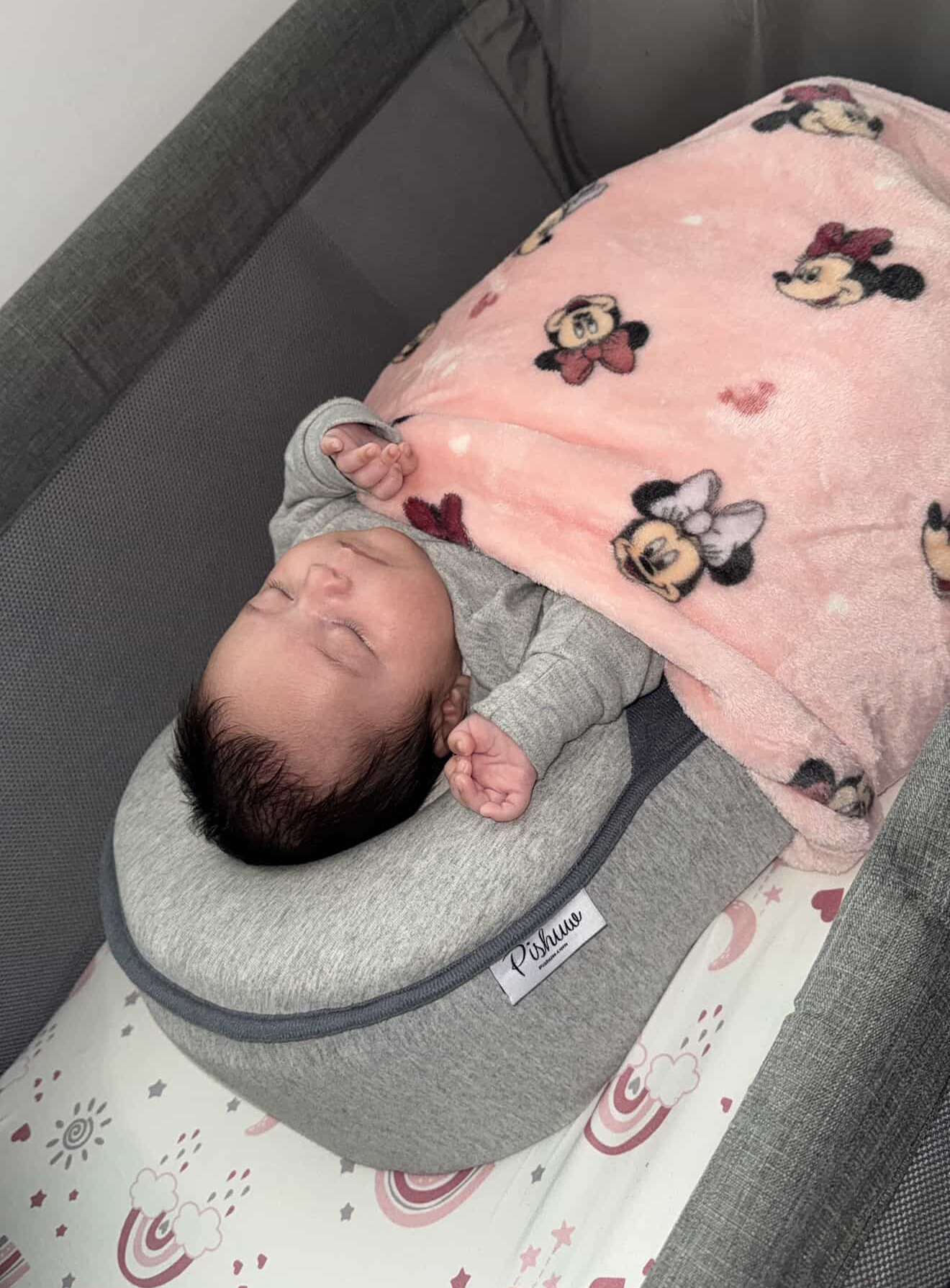
I've been a midwife for 9 years. I've worked with hundreds of new mums. Home visits, clinics, postnatal wards. And I can tell you something that most health professionals won't. When a mum brings me a baby who won't sleep, I can usually tell within the first visit whether they're going to be struggling for weeks or months. It has nothing to do with the baby's temperament. It has nothing to do with the mum's routine. And it has very little to do with whether she's breast or bottle feeding. It comes down to one thing. And once I explain it, you'll probably look at your own baby's situation completely differently. — When I first qualified, I was taught that reflux, colic, and sleep issues were mostly things babies grew out of. Some babies were fussy. Some had immature digestive systems. Some just needed time. The advice I was trained to give was: keep them upright after feeds, try smaller more frequent feeds, and wait it out. And for the first few years, that's exactly what I said. Because that's what I believed. But somewhere around year three or four, I started noticing something that didn't fit. I'd visit ten families in a week. All with babies around the same age. All dealing with some combination of reflux, gas, and sleep issues. And without fail, they'd split into two groups. Group one would improve within a few weeks. The reflux would ease. The gas would settle. The baby would start sleeping longer stretches. Group two wouldn't improve. Week after week. Month after month. The same symptoms. The same exhaustion. The same mum looking at me with dark circles and desperation asking "when does this get better?" I kept thinking it was severity. Some babies just had worse reflux. Some digestive systems took longer to mature. But it wasn't consistent. I'd see a baby with textbook severe reflux settle beautifully within weeks. And I'd see a baby with mild symptoms still screaming at three months, four months, five months. It didn't track with severity. It didn't track with feeding method. It didn't track with anything I'd been trained on. But it did track with one thing. How the baby was being put down to sleep. — It took me years to see it because I wasn't looking for it. But once I saw it, I couldn't unsee it. The babies who improved were almost always being held upright for long periods, or sleeping in something that kept them slightly elevated. Car seats. Swings. A mum's chest. Sometimes a makeshift arrangement with pillows — not safe, but it worked because of the position. The babies who struggled for months were being laid flat. Flat in the cot. Flat in the moses basket. Flat on the play mat. The only relief they got was the thirty minutes of upright holding after feeds — and then straight back to horizontal. And I started to feel uncomfortable. Because the pattern was clear. I brought it up with a colleague once. She said "well yes, gravity. If the baby's flat, the acid has nowhere to go but up." And I remember thinking — that's it? That's the whole thing? Because if that's the whole thing, then why are we telling these mums to keep their babies upright for thirty minutes after feeds and then lay them flat the other twenty-three and a half hours? We're undoing the very thing that was helping. — There was a mum I visited last year. I'll call her Sarah. Sarah had a three-month-old boy. He'd been struggling since birth. Reflux. Gas. Barely sleeping. The full picture. She was doing everything right. And I mean everything. Keeping him upright for thirty minutes after every feed. Her arms were visibly shaking from the effort some days. She had a specific burping routine — four different positions, ten minutes minimum. She'd tried three different formulas. She'd cut dairy. She was doing bicycle legs religiously after every feed to help the gas move. And some of it was working. In the moment. While she was doing it. The upright holding helped — while she held him. The bicycle legs shifted the gas — when she caught it in time. The burping got some of it up. But the second she laid him flat in the cot, everything she'd just spent forty-five minutes managing would start again. The acid would rise. The gas would get trapped. He'd arch, strain, grunt, and scream. Every single night. The same cycle. Hold him upright, everything settles. Lay him down, everything flares. She'd come to the door at every visit looking worse. More exhausted. More defeated. By month three she'd stopped getting dressed before I arrived. She'd open the door in the same clothes she'd slept in — if she'd slept at all — and say "he's still the same." I could see what was happening. Her body had become the only thing managing his symptoms. Her arms were the incline keeping the acid down. Her hands were the bicycle legs moving the gas. Her chest was the only surface he associated with comfort and safety. She was a human cot that never laid flat. And she was breaking. — Around this same time, I started reading more than just the standard guidance. Not the NHS leaflets. Actual research on infant reflux and gastric positioning. There's a well-documented principle in paediatric gastroenterology. When an infant is horizontal, the lower oesophageal sphincter — the valve between the stomach and the oesophagus — is at the same level as the stomach contents. Gravity isn't helping keep anything down. So in a baby with any degree of reflux, lying flat is essentially the worst possible position. The acid has a free path upward. This is why every mum with a reflux baby will tell you the same thing — "he only sleeps on me, upright, on my chest." It's not a behavioural preference. It's a physical one. Upright, gravity keeps the acid in the stomach. Flat, it rises. The same principle applies to gas. When a baby is slightly tilted — pelvis elevated, legs gently raised — trapped gas moves through the intestine more easily. It's basic physics. The gas follows the path of least resistance. Flat on their back, there's no assistance. The gas sits there. The baby strains, grunts, pulls their legs up, goes rigid — all of it the body trying to force out something that gravity would move naturally if the position was different. So here's what was happening with every family in group two. The mum would spend all day managing symptoms with positioning — upright holds, bicycle legs, chest sleeping. And it would work. Because the position was right. Then she'd lay the baby flat in the cot. And the position would be wrong. And every symptom would return. She wasn't failing. The cot was undoing everything she was doing. — I couldn't tell Sarah to keep holding him upright all night. That's not safe. That's not sustainable. I'd watched her deteriorate for three months — she needed sleep, not another technique that required her to stay awake. But I also couldn't keep telling her to wait it out. Because waiting it out meant three, four, five more months of this while her body and her mental health collapsed. I needed something that did what her arms were doing — but safely, consistently, without her. That's when I found DreamCradle. I was skeptical at first. I'd seen parents try wedges, propped cots, all sorts of arrangements. Most of them were either unsafe, ineffective, or both. But this was different. It wasn't just an incline. It had three things working together — a gentle incline so the acid can't travel back up, a raised section under the legs creating a pelvic tilt so trapped gas can actually pass through, and a snug cocoon shape so the baby feels held rather than placed on a flat open surface. That's what caught my attention. It wasn't addressing one symptom. It was addressing the position — the one thing I'd been watching cause all three symptoms for years. I mentioned it to Sarah at her next visit. I showed her the design and explained why I thought it might help. She looked at me and said "I'll try anything at this point." — The following week I visited again. Sarah opened the door and she looked different. Not transformed. Not glowing. Just less grey. Like someone who'd slept for more than forty minutes in a row for the first time in months. She said "he slept for four hours the first night." I asked about the reflux. She said the choking and gagging had almost stopped. He was still bringing some milk up but the episodes of acid distress — the arching, the screaming when laid down — had reduced dramatically. I asked about the gas. She said he was still grunting a bit but the rigid straining episodes had halved. She wasn't doing bicycle legs at 2am anymore because the gas seemed to be moving on its own. I asked about the sleep. She started crying. Not sad crying. Just exhausted relief. The kind where your body finally lets go of something it's been clenching for months. She said "he's sleeping in the cot. Not on me. In the cot. I didn't think that was going to happen until he was six months old." By the end of the second week, his overnight wakes had gone from seven or eight to two. He was feeding and going back down without the forty-five minute upright hold because the incline was doing it for him. Sarah said "I feel like a person again." Now — I always recommend supervised use, especially with younger babies. Flat on the back is still the safest sleep position and I'd never tell a parent otherwise. But what surprised me with Sarah — and with almost every family since — is that even the ones who mainly use it during the day see the nights improve. Because the baby's system has spent hours in the right position instead of minutes. The gas has been moving through all day instead of accumulating. The reflux has been managed by the incline during every nap instead of flaring after every flat stretch. By bedtime, the body is calmer. More settled. Less loaded. And the nights get better — not always because of what's happening at night, but because of what happened during the day. Sarah was one of the first families I saw this with. But she wasn't the last. — Since then I've mentioned DreamCradle to probably forty families. Maybe more. It's always the same situation. Baby has reflux and gas. Mum has tried everything. She's holding the baby upright all night because it's the only thing that works. She's exhausted. She's desperate. And everything she's doing is right — the problem is that she can't physically do it twenty-four hours a day. And almost every time, the mum comes back telling me the same thing. He's sleeping in the cot. The gagging has reduced. The gas is moving. She's sleeping. Not because the baby magically outgrew it. Because the position changed. — Here's what I tell every new mum who comes to me with a baby who won't sleep, who arches and screams when laid flat, who only settles upright on her chest. The first thing I ask is: what are they sleeping in? If the answer is a flat cot or moses basket, I explain what's happening. That the flat position is working against everything they're doing during the day. That the reflux isn't going to improve at night if the baby is horizontal. That the gas isn't going to move if there's no tilt. And that the baby isn't being difficult — they're uncomfortable. The product I've seen work consistently is the DreamCradle: https://pishuw.com/products/dreamcradle I have no affiliation with them. I just see what works across dozens of families every year. In nine years I've watched hundreds of babies go through this. The pattern is always the same. Right position — symptoms ease, baby sleeps, mum recovers. Flat position — symptoms persist, baby struggles, mum breaks. It really is that straightforward. I wish someone had explained it to me in my first year instead of my ninth. It would have saved a lot of mums a lot of very hard months.
Where the ad sends people
pishuw.com
What we don't tell new mums about sleep.
We’re so confident your baby will sleep better, we’ll let you try the DreamCradle for 100 nights risk-free. If you’re not 100% happy, return it for a full refund. No hassle. No worries.
Learn more: pishuw.com(opens in a new tab)