Megan Carter
Megan Carter Facebook ad: “I read this article about.”
Ran for 7 days, from April 22 to April 29, 2026, the last day Crush saw it.
Run by Megan Carter on Facebook. Crush is not the advertiser and does not verify its claims. See this ad in Meta's Ad Library(opens in a new tab)
Want an ad like this for your product?
Crush makes new ad images for your product from this ad: your logo, your product photo, your offer.
Trials from $19.95 USD, then $79.95 USD a month. Cancel anytime.
About this ad
- Meta Ad Library ID
- 976957901956548
- Platforms
- Facebook, Instagram, Audience Network and Messenger
- Relaunches
- 0
- Niche
- Clinics & Medical
Ad text
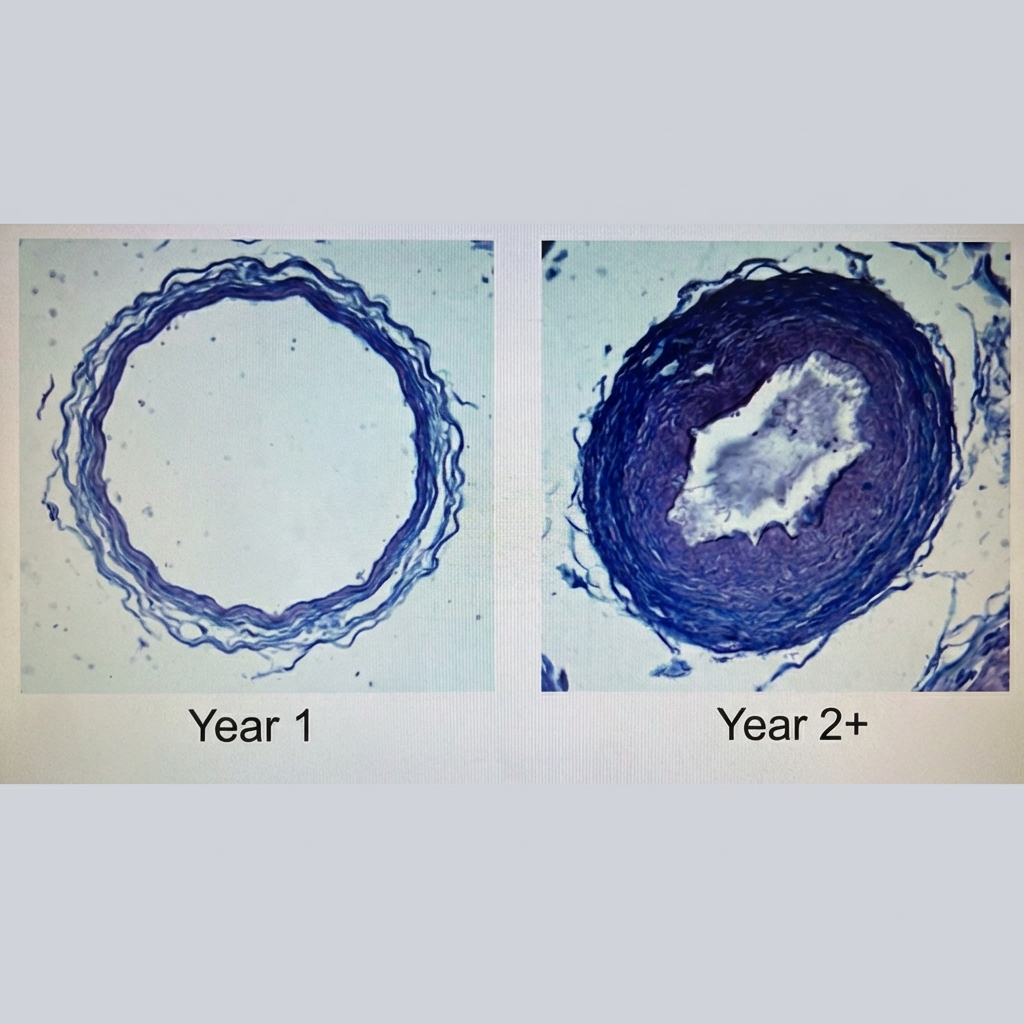
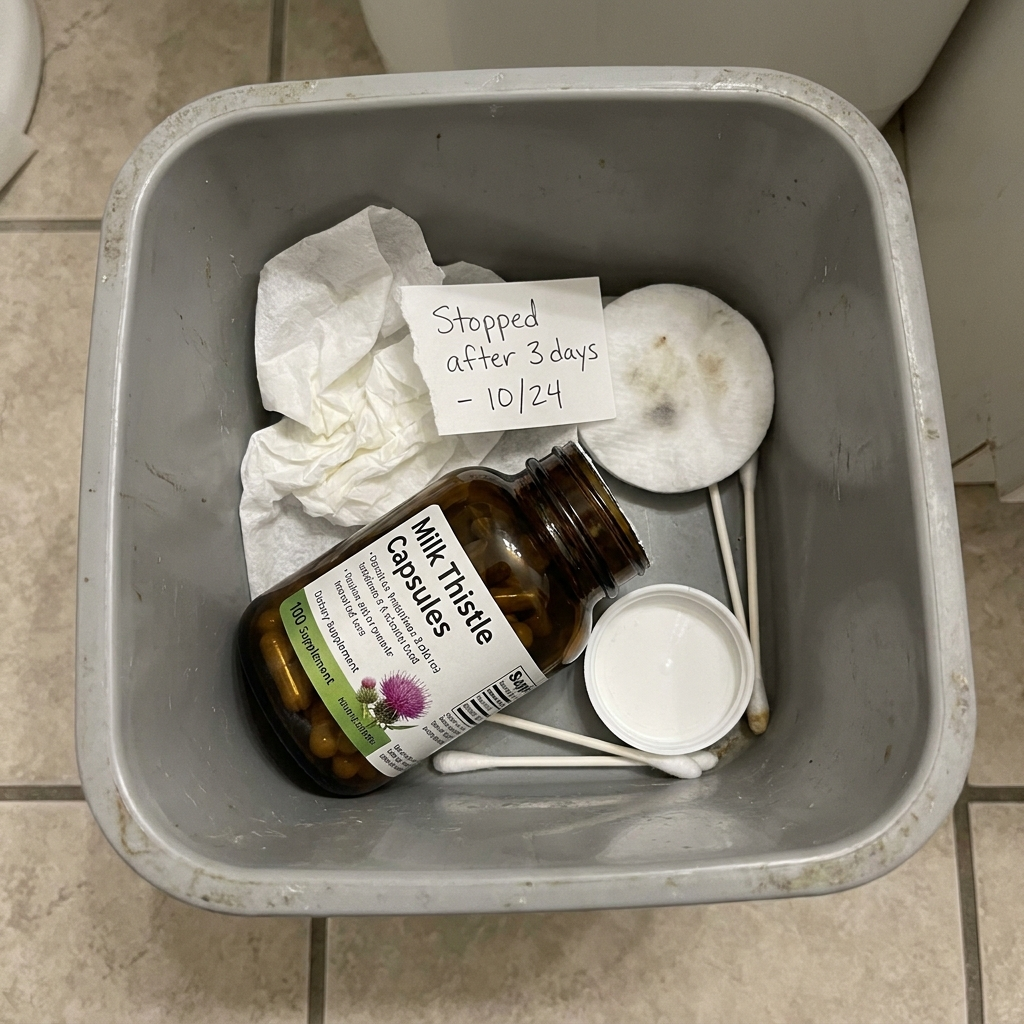
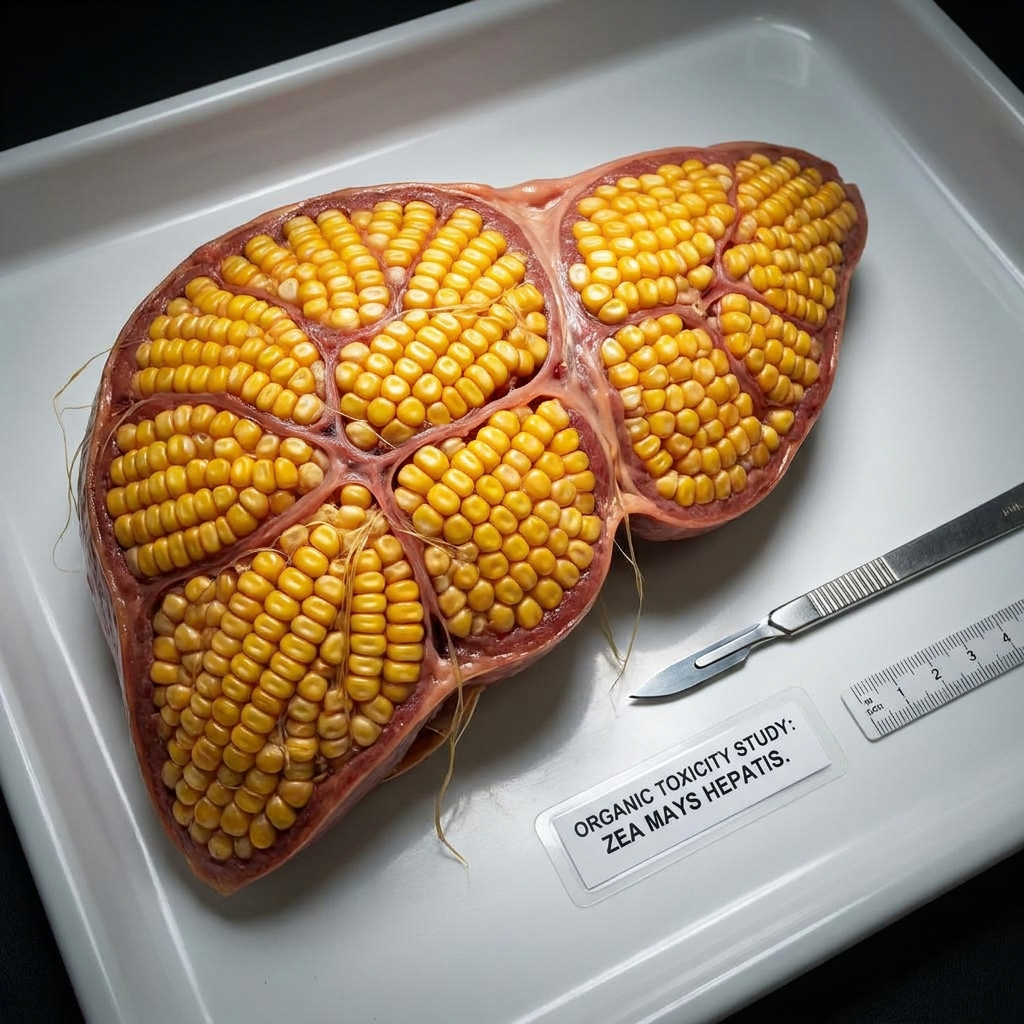
The corn that makes foie gras is the same corn in most American breakfast cereal. My liver figured it out before I did. The main ingredient in foie gras production is corn. Specifically: dent corn, ground and cooked into a paste, pushed down the duck's throat through a metal tube. That same corn ends up in high fructose corn syrup. In corn starch. In corn oil. In the enriched flour of most American breakfast cereal. Foie gras ducks get 14 days of it force-fed through a tube. I have been eating it three times a day for 20 years. When my ALT came back at 88 last month, I finally did the math. That realization sent me into the hepatology literature for three weeks. Here is what I learned. Your liver produces roughly half of all the lymphatic fluid in your body. Not your blood. Not your bile. Lymph. It is a second circulatory system. Its job is to carry waste products, fat, and inflammatory proteins out of your tissues. There is a dense network of lymphatic vessels threaded through your liver. They collect the fat and metabolic byproducts your liver processes and carry them out so the liver can reset. That is how a healthy liver works. Here is what goes wrong. When you eat processed carbohydrates, your liver converts the excess to fat. That is a normal process. In a healthy drainage system, that fat moves out of liver tissue and into storage elsewhere in the body. In a congested drainage system, the fat stays. And here is the piece that took me three weeks to fully understand. In a foie gras duck, the force-feeding is so intense that even a healthy drainage system cannot keep up. The liver fills with fat faster than lymphatic vessels can clear it. In a modern American diet, the input is milder but constant. Breakfast cereal at 7am. Coffee with creamer at 9am. A sandwich at noon. A granola bar at 3pm. Pasta or rice at 7pm. A bowl of ice cream at 9pm. Not extreme. Just constant. And after 20 or 30 years of constant input, the drainage slows the same way it slows in the duck at day 10. Not because the food is worse. Because the drainage gives up. That is fatty liver. That is the mechanism. Now here is where I got stuck for a while. If drainage is the problem, why is every fatty liver treatment focused on what I eat? Because diet is measurable. Diet is billable. Diet is what the American Association for the Study of Liver Diseases includes in their clinical guidelines. Lymphatic drainage is none of those things. There is no standard test for hepatic lymph flow. Fibroscan measures stiffness. Ultrasound measures fat volume. Blood panels measure enzymes. None of them measure drainage. There is no CPT code for "restore hepatic lymphatic function." No billable procedure. No protocol. No training. So the entire hepatology specialty has been pointed at diet for 40 years while the research on drainage sat in European phytomedicine journals and functional hepatology reviews. Not conspiracy. Just how the curriculum funnel is built. Which is why my hepatologist told me to cut sugar and come back in six months. Her toolkit doesn't include drainage. So I kept reading. Looking specifically for interventions that restore hepatic lymphatic flow. Four compounds kept coming up. Cleavers. Red Clover. Stillingia. Prickly Ash. They appear in the British Herbal Pharmacopoeia. In European functional medicine protocols. In research papers going back decades. Each one targets a different stage of the drainage chain. Cleavers gets lymphatic vessels contracting again. Called "the lymphatic tonic herb." Red Clover clears the oxidized waste sitting in backed-up lymph. When lymph stops moving, the fluid turns to sludge. Red Clover dissolves it. Stillingia unblocks the lymph nodes along the hepatic chain. The bottlenecks where years of metabolic waste harden. Prickly Ash activates the tiny lymphatic capillaries threaded through liver tissue. The entry point every other liver supplement ignores. Four compounds. Four stages of the drainage chain. I ordered them separately. Cleavers tincture from one brand. Red Clover from another. Stillingia was hard to find. I had to order the raw herb and make my own tincture. Prickly Ash was easy. Four bottles. $180 for the first month. Plus measuring drops and tracking ratios. It started working. Week 3 my evening bloating was easing. I ate dinner on a Thursday and my jeans still fit by 9pm. Week 6 I stopped dreading my afternoon. I was at my desk around 2:30pm and realized I was not exhausted. I had not been not-exhausted at 2:30pm in over a year. I kept waiting for the wall to hit. It did not hit. I worked until 5pm without lying down once. Week 10 my labs showed the first drop I had seen in three years. But $180 a month was not sustainable. And I was worried about ratios. These are not benign ingredients. Too much Stillingia can irritate the gut. Too much Prickly Ash can drop blood pressure. They are active botanicals with interaction patterns. Trying to DIY four raw herbs at the right doses is not what a normal person should be doing. So I looked for a formulation with all four in researched ratios. One company had it. Nuflos Lymphatic Drainage Drops. Made in the USA. Third-party tested. Alcohol-free liquid. Two teaspoons in your morning coffee. The economics were straightforward. $180 a month of DIY with measurement and ratio risk. Or one bottle of Nuflos at less than a dollar a day with the ratios already worked out. I switched at month two. My numbers kept moving. By week 12 my ALT had dropped from 88 to 46. AST down 18 points. Both inside normal range. My hepatologist asked what I had changed. I told her about the foie gras paper. She did not know what to say. She looked at my chart, looked at me, and wrote down the name. Now here is what matters to you. If you eat standard American food — bread, pasta, cereal, granola, any of it — your liver is being force-fed the same way a foie gras duck is force-fed. Just slower. And if your doctor is treating that with "cut sugar and take milk thistle," she is not wrong. She is just incomplete. This is not a miracle. About 10% of people don't respond. Their drainage has stalled too long, or something else is driving the congestion. Nuflos has a 30-day money-back guarantee. If you feel nothing by week 2, you get every dollar back. If you won't stay consistent for at least 30 days, don't even try. Tap the link. Order your first bottle. Two teaspoons in your coffee. Three months from now you could eat dinner on a Thursday and your jeans still fit at bedtime. Or you keep cutting sugar and watching your ALT climb. Link below. Foie gras is made in 14 days. My liver took 20 years to get there. The drainage that would have prevented it was sitting in journals the whole time.
Where the ad sends people
get.nuflos.com
I read this article about...
Nuflos is a premium 4-in-1 herbal formula combining Cleavers, Red Clover, Stillingia Root, and Prickly Ash Bark. Together, they help clear lymph congestion, reduce bloating, boost energy, and restore mental clarity.
Learn more: get.nuflos.com(opens in a new tab)