
Stopped· since Jun 26, 2026
- 21
- days it ran
- 0
- relaunches
Ad copy
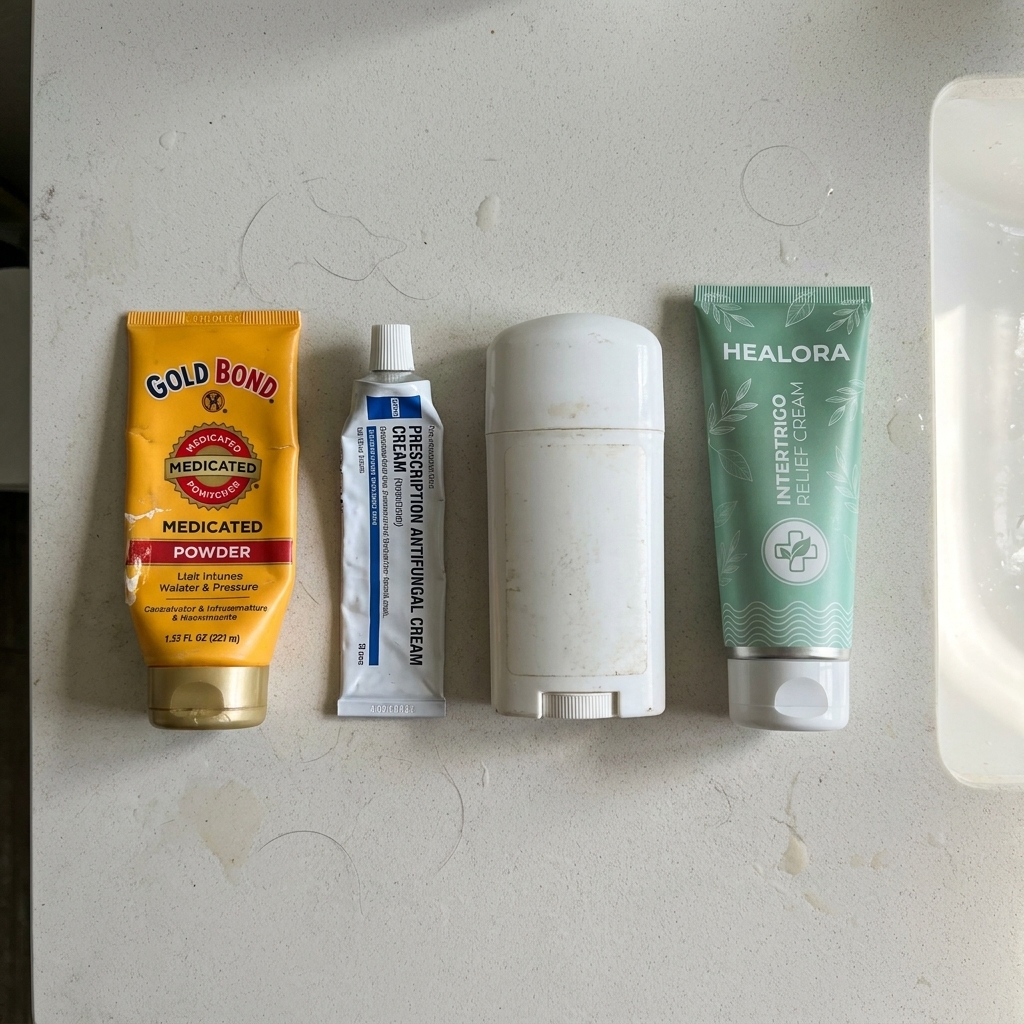
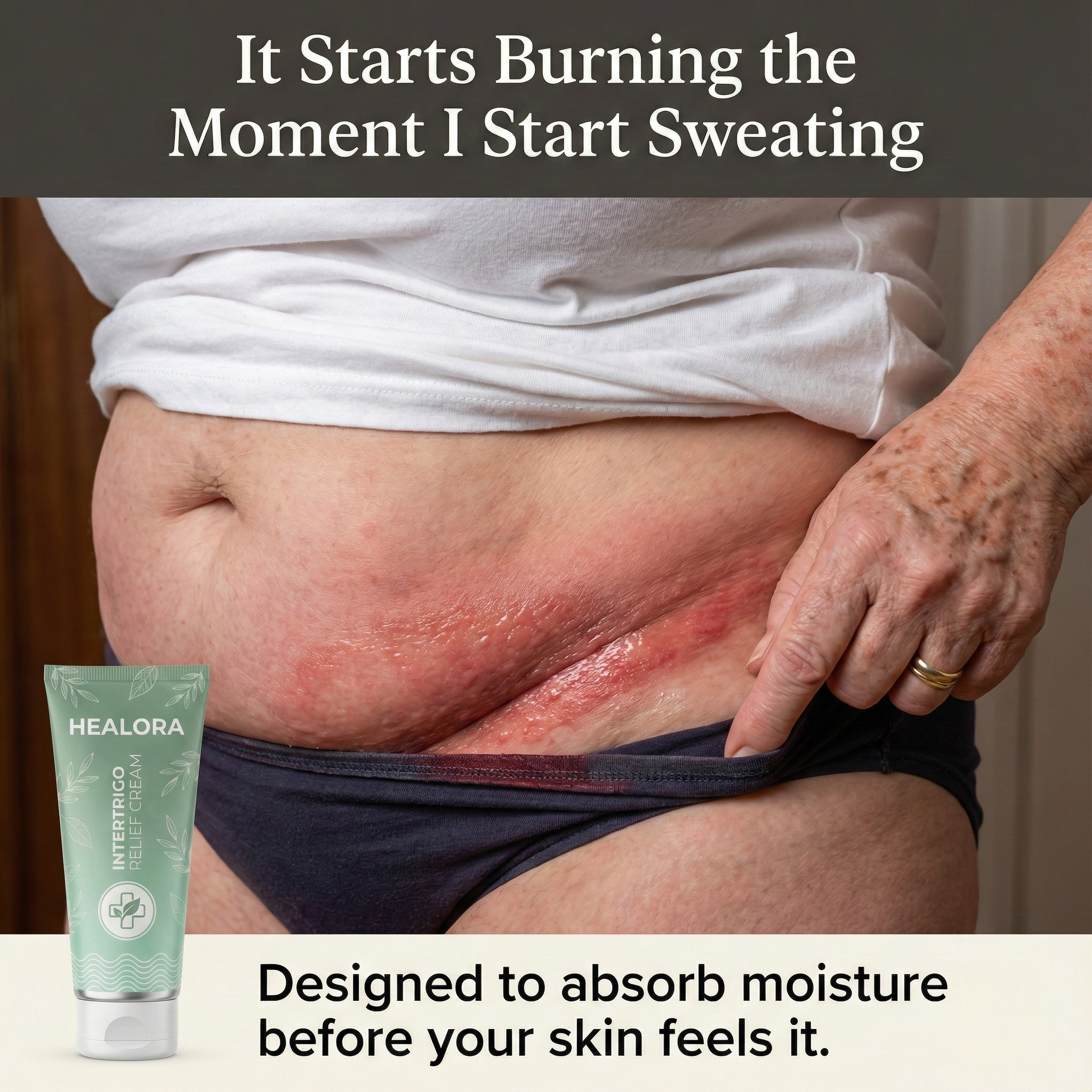
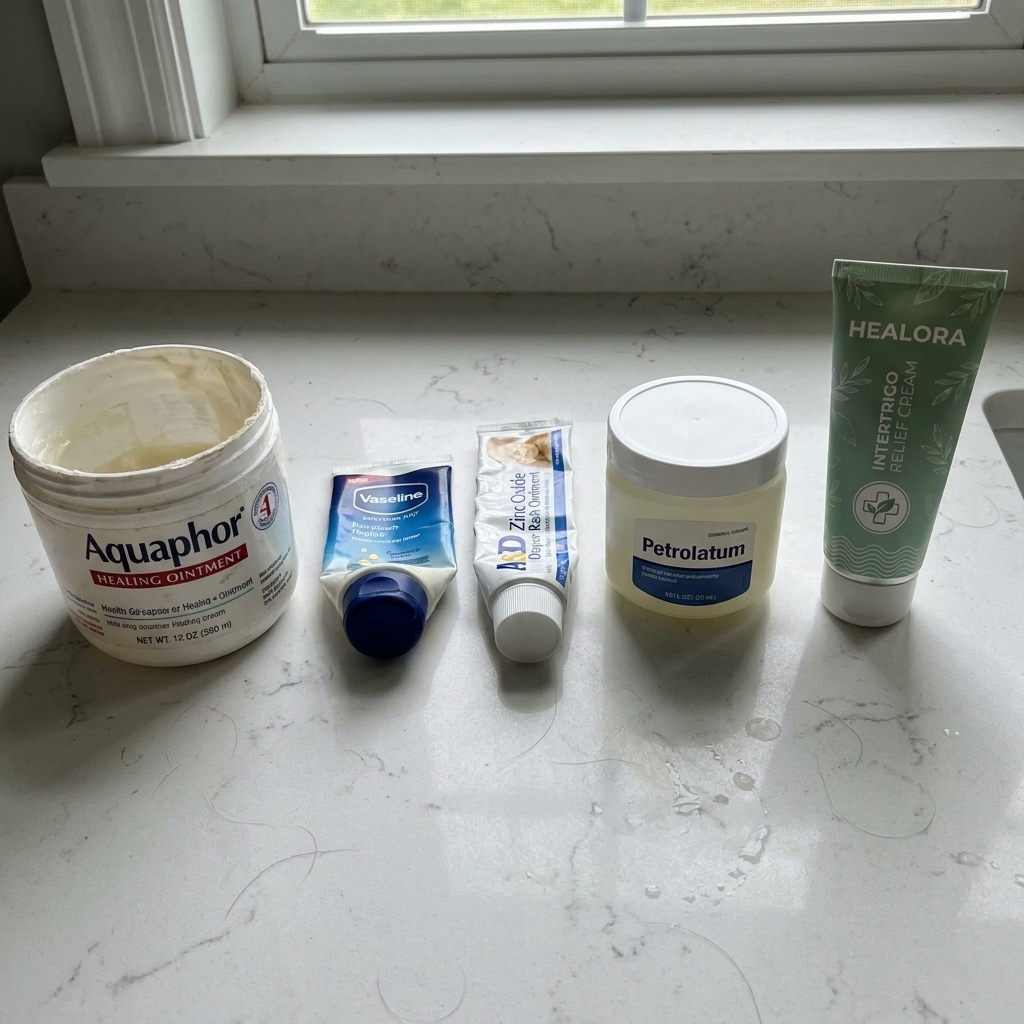
I finished radiation eighteen months ago. I want to be clear about something before I write a single word more. Healora — the cream I am about to talk about — is not a cancer treatment. It does not treat cancer. It does not treat radiation. The medical team I had was excellent and I owe them my life. This post is about the side effect they did not warn me about, that started months after radiation was complete, that none of the standard aftercare products fixed, and that I now know is treatable. I had thirty radiation treatments completed in early 2024. The treatments themselves were difficult and I will not get into them here, because that is not the story I am writing. The story I am writing starts about three months after the last treatment, when I thought I was clear and recovering. That is when the rash started. In the fold under the treated side. Then in the fold under the other side too, because skin gets quieter when you favor one side and louder when you don't. Then across the lower abdominal fold, because the radiation had stiffened the tissue there and the moisture started pooling. I called my oncology nurse, who was wonderful, and she said the same thing the post-treatment information sheet said: use Vaseline or Aquaphor as a barrier cream and keep the area dry. I tried that. I tried that for nine months. Vaseline does not treat a fungal infection. It traps moisture in. Aquaphor is the same. They are barrier creams. They are the right answer for a different problem — a fresh radiation burn on intact skin that needs a humectant. They are the wrong answer for what I had, which was a moisture-and-friction-and-fungus problem in a skin fold that the radiation had compromised. I did not know that for nine months. I want to be careful here, because I do not want anyone to read this and skip their oncologist. I want to be clear: I told mine, more than once. She gave me the protocol she had. The protocol she had was Vaseline / Aquaphor / keep it dry / call if it gets worse. It got worse. In month four I had to go in and have fluid drained from the fold that had become an active infection. I will spare the details. I had three rounds of antibiotics. I had a moment in month seven where I was told the infection might require the area to be opened and packed daily until it healed from the inside out. I do not blame her. She is an oncologist. She is brilliant at the cancer part. The rash that comes from the post-radiation fold environment is not really an oncology problem and it is not really a dermatology problem and that is exactly why no one in my care team had a real answer for it. It is an intertrigo problem. Intertrigo is the medical word for a moisture-friction-fungus rash in skin folds. Anyone can get it. Plus-size women get it all the time. Diabetics get it. Older women get it. Women who have just had radiation and whose skin is now permanently more reactive get it badly and almost no one talks about that part. I learned this from a woman named Carolyn in a survivor group on Facebook. She is a few years ahead of me. She said, in a thread, almost in passing: fungus was what turned into a major infection for me. The barrier creams kept the moisture in. I read that comment twice. I took a screenshot. I researched intertrigo for two days straight after that. Here is what I learned, drawn on a notepad on my kitchen counter at 9pm with a blue pen: There are three things happening in a fold rash. Moisture. Friction. Fungus. They feed each other. Trapped sweat softens the skin. Soft skin rubs itself raw. Raw wet skin lets candida — a yeast that lives on everyone's skin — turn from a quiet inhabitant into an active infection. The infection makes the area hotter, which makes more sweat, which traps more moisture. For someone whose skin is post-radiation and already inflammation-prone, this cycle is much faster. The skin barrier is compromised. The fungus has a head start. A barrier cream like Vaseline or Aquaphor only addresses one of the three — and not even the right one. It blocks the surface but it traps the moisture under it and feeds the fungus. That is why nine months of doing what the protocol told me had not worked. The cream I am going to name is called Healora. It addresses moisture and friction and fungus all in one product, by going on like a cream and drying down to a powder finish. The cream coverage gives it active treatment time. The powder finish stops the moisture trap. I bought it at a moment when I was, frankly, willing to try anything that wasn't a fourth round of antibiotics. Day 1. I applied it after my evening shower, on towel-dried skin. The cream went on smoothly and dried down within about three minutes. Compared to the Vaseline routine — which left me sticky for an hour — it was a relief just on application. The burning I felt at night, that I had taken as part of my new normal, was reduced enough that I noticed. Day 3. The redness in the fold under the treated side was lighter. The cracking edge of the fold, which had been weeping intermittently for nine months, was visibly drier. Not gone. Drier. Day 7. I wore a fitted cotton bralette for the first time since 2024. I had been sleeping in soft camis and going braless during the day because anything with a band against the fold was unbearable. On day seven I wore the bralette for two hours. I cried for the second hour, but I wore it. Day 14. The fold was smooth. The skin was the color of healthy post-radiation skin — a little darker than my surrounding skin, but no longer red and no longer broken. I have not had two consecutive weeks of intact skin in this area since the treatment ended. I am writing this at month four. I have been using Healora as my standard fold cream during this time. The rash has not returned. The active ingredients, because I am the kind of person who reads every label and I trust other women who are too: Undecylenic acid 10% — kills the candida fungus Zinc oxide 15% — forms the friction barrier (gentler than the petrolatum-based barriers; does not trap moisture) Witch hazel distillate — pulls trapped moisture out and balances the local skin pH Microencapsulated tea tree oil — releases slowly through the day for a continuous antimicrobial layer Silica + tapioca starch complex — the dry-down finish I asked my oncologist about it before I started using it. She had not heard of the brand but she read the ingredients and said none of them were contraindicated for me. She said, in fact, that she wished she had known about an option like this earlier. I am writing that down because some readers are going to be in active or recent treatment and you should ask your team before adding any topical to your routine. Always ask first. ✨ Treat the fold rash that came after treatment, not the cancer ✨ Address the moisture without trapping it under petrolatum ✨ Calm the friction in skin that has become more reactive ✨ Skip another round of antibiotics if your team agrees ✨ Sleep without the burning ✨ Wear regular bralettes again ✨ Replace the Vaseline / Aquaphor / antibiotic loop with one tube If you finished radiation and you are dealing with a fold rash that the standard barrier creams are not fixing — please do not spend nine months on it like I did. Talk to your team. Ask about intertrigo specifically. Mention that fold-area rashes are a moisture-friction-fungus problem that barrier creams alone do not address. Healora is one option. There may be others. The reason I am writing this is that nobody told me there were any options beyond Vaseline, and I want survivors who are where I was last year to know there is. The website is healora.com. They have a 90-day guarantee. The 3-pack is what I would have ordered if I had known about this in month one — it works out to about $16.65 per tube, free shipping, and one tube lasts a month with twice-daily use. If you are reading this in active treatment, ask your team first. If you are reading this post-treatment and you have been on the Vaseline-and-pray protocol for too long: there is more. That is the whole post. — Helen, 60 PS — Other survivors who wrote to me after I drafted this. I sent this to the women I'm in the survivor group with before I posted it publicly. Three of them wrote back and said I could include their words anonymized to first name and age: "I had 25 sessions in 2023. The fold rash started in month two of recovery. Vaseline made it worse. Healora was the first thing that addressed the actual fungus." — Carolyn, 64, post-radiation under-breast "The pelvic radiation aftercare information has a gap. I had the rash for a year before I knew it was intertrigo. Two weeks of this cream. Two weeks." — Vicki, 58, post-pelvic radiation "I gave up on getting an answer from doctors after a year. I trusted a woman in this group instead. I am sorry I waited that long." — Diana, 63, post-radiation multiple folds healora.com
After Radiation, I Got A Side Effect Nobody Warned Me About.
The oncologist said use Vaseline or Aquaphor as a barrier cream. It wasn't enough. I'm 18 months out and writing this for women who are where I was.
LEARN MORELike this ad? Make it yours.
Crush rebuilds this exact creative around your product — your brand, your colors, your offer — in about a minute.