
Active· since Jun 9, 2026
- 99
- days running
- 0
- relaunches
Ad copy
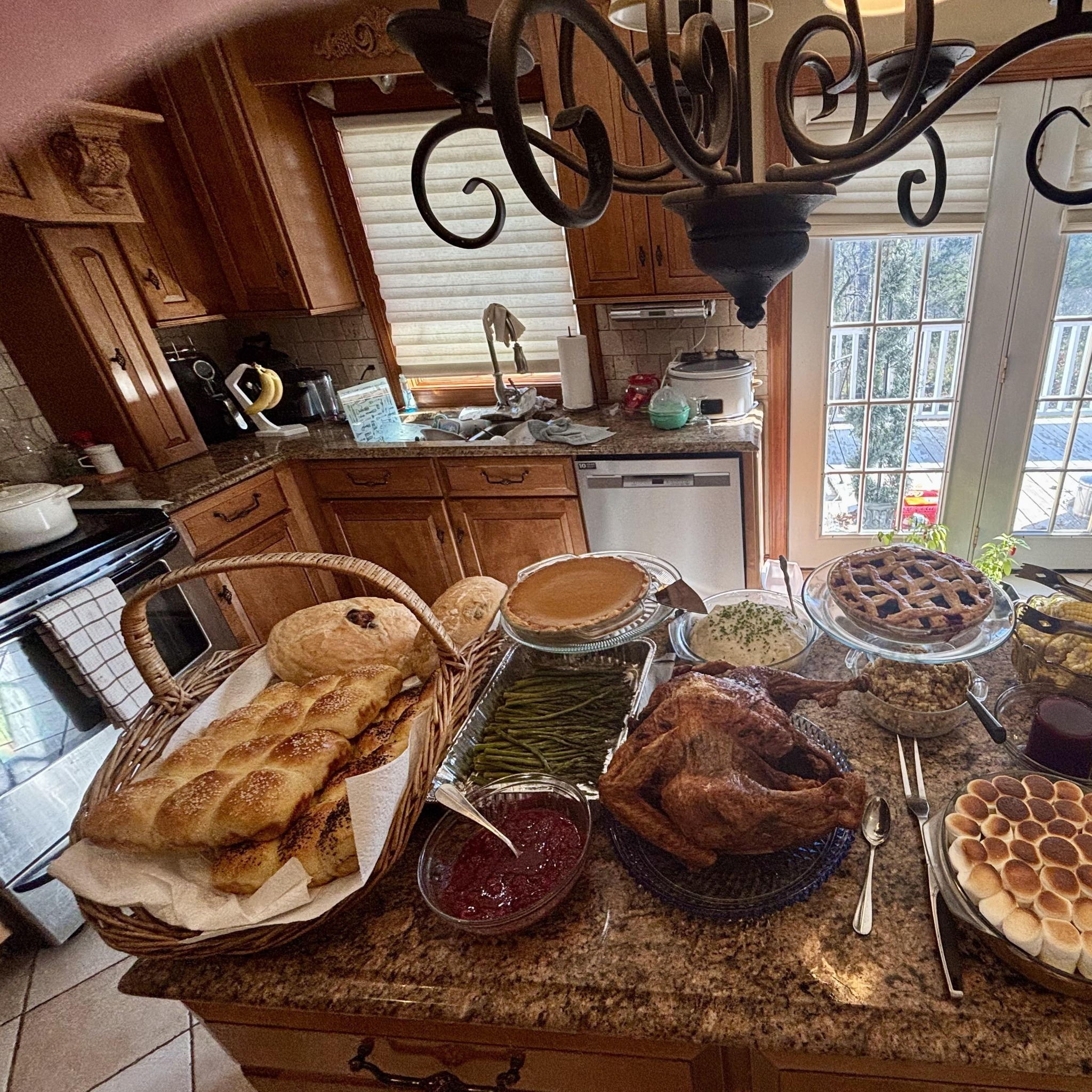
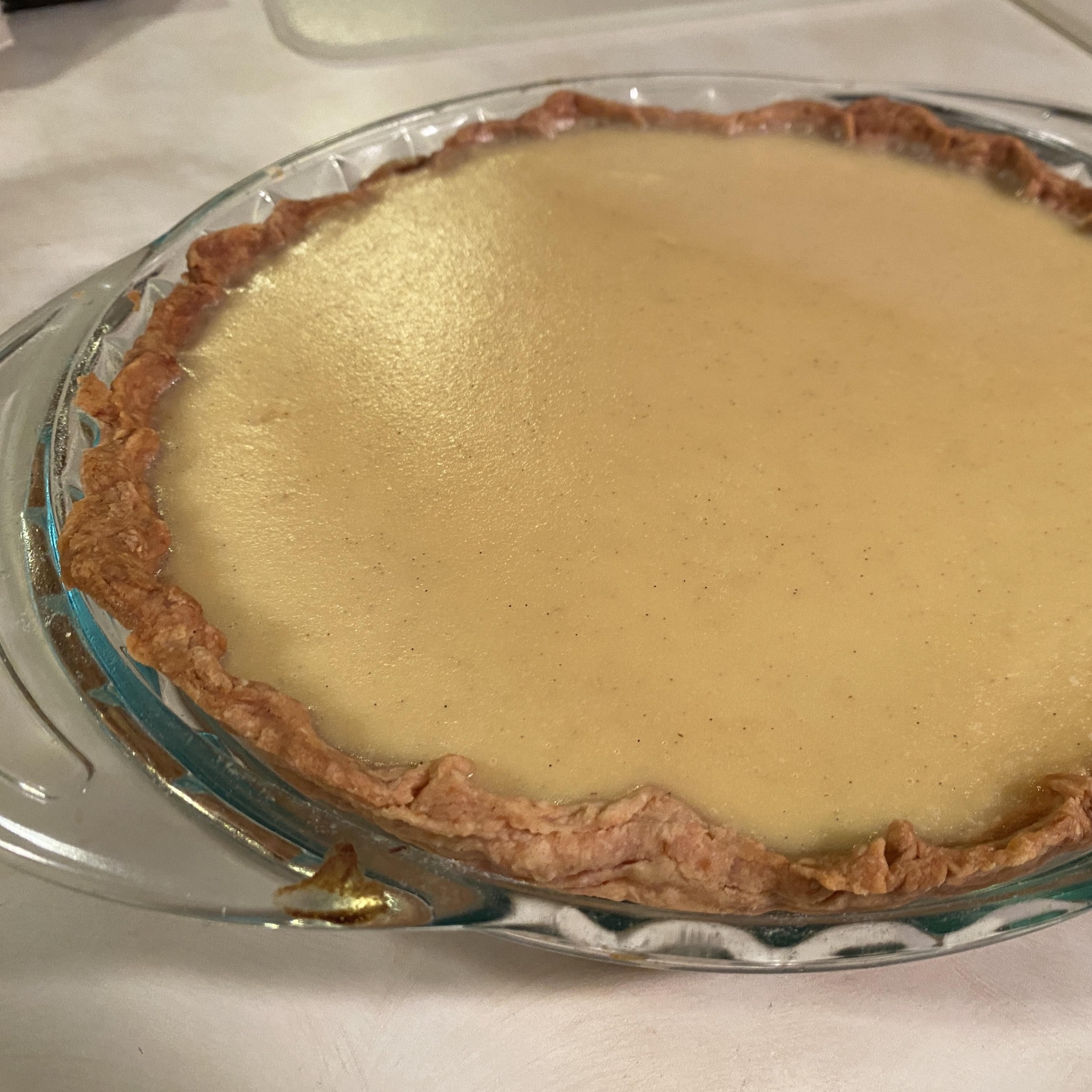
My granddaughter asked me why I wasn't eating my own pie. She's 7. So she just said it, the way 7-year-olds do. Standing there at the table, holding a paper plate with a slice of my sweet potato pie on it, looking up at me like she'd caught me doing something wrong. "Grandma. How come you're not having any?" And I just stood there. I've been running the bake sale table at Second Baptist in Meridian, Mississippi, every October for 22 years. Twenty-two years of sweet potato pies, seven-layer chocolate cakes, peach cobblers in aluminum foil pans. I know the layout of that fellowship hall better than I know my own kitchen. I know which card table wobbles on the left leg. I know to put the red velvet near the entrance because the smell pulls people in from the parking lot. And this October I was standing behind my own table and I had not eaten a single thing on it. My granddaughter, Destiny, she was looking at me with those big eyes, and I said, "Grandma's just watching her sugar, baby." And she tilted her head a little the way kids do when they know you're not telling them the whole truth, and then she went back to her pie. I watched her walk away. And something about that moment just broke me open a little. Because here's the thing nobody tells you about getting to 63. You don't get old all at once. You get old one small thing at a time. One food at a time. One morning at a time. One granddaughter looking at you sideways at a time. My name is Gloria Watkins. I'm 63 years old. I live in Meridian, Mississippi, about 20 minutes outside of town, in the same house my late husband Raymond and I bought in 1991. Green shutters. Magnolia tree in the front yard that Raymond planted from a sapling. The kind of house that gets warm by 9 AM in the summer and takes a ceiling fan all night to cool down. I worked 31 years as a school secretary at Longview Elementary. I retired 4 years ago. Most people expect retirement to feel like a vacation and I understand that, but for me it mostly just meant more time to notice things I used to be too busy to notice. Like how tired I was all the time. Like how my hands felt stiff in the mornings before I'd been moving for an hour. Like how I'd eat breakfast and feel just fine, and then two hours later feel like something was wrong. Not sick exactly. Just off. Foggy. Like a lamp turned down on a dimmer. I chalked it up to getting older. That's what you do. The doctor chalks it up too. "You're 63, Gloria. This is normal." I heard that so many times. And for a while, I believed it. But then my numbers started moving in a direction nobody was happy about. My doctor is a kind man. He's been my doctor for 11 years. At my last annual, he sat across from me with my labs and used the words "we need to keep an eye on this." He talked about diet. He talked about cutting back on sugar and white bread and "foods that spike." He told me to "watch my sweets." Watch my sweets. I've been making sweet potato pie since I was 8 years old learning at my mother's knee. I make 6 pies every October for the bake sale alone. I've been bringing something to this fellowship hall every single year since 1988, when Brother Simmons asked if anyone could bring desserts for the founders' day dinner and my hand went up before I even thought about it. And now I was watching other people eat my pie while Destiny looked at me wondering why grandma had gone quiet. That's when I started paying attention. Really paying attention. I want to be clear about something. I am not a doctor. I'm a retired school secretary from Meridian who knows how to make a pie that grown men cry over. I don't have any medical training whatsoever. But I can read. And I can listen. And I started doing a lot of both. My sister Vonda, who is 58 and lives over in Hattiesburg, had been through something similar a couple of years earlier. Her doctor said the same things mine did. Watch what you eat. Get more exercise. "We'll keep an eye on it." Vonda does water aerobics at the Y three times a week. She switched from white rice to brown rice, which she told me tasted like eating a damp paper bag but she adjusted. And her numbers got better. Not dramatically, but better. I called her the week after the bake sale. We talked for almost two hours. And at the end of it, she said something that stuck with me. She said, "Gloria, the problem isn't that you're eating sugar. The problem is that your body's relationship with sugar has changed. And that's different from just cutting it out." I turned that over in my mind for a few days. Your body's relationship with sugar. Because that was exactly it. That was exactly what I had been trying to find words for. It wasn't that I was eating different from how I'd always eaten. I ate the same things. My grandmother ate the same things at my age and never had this conversation with her doctor. Something had changed in how my body was handling what came in. And nobody was addressing that part. They were just telling me to eat less of the things I loved and wait for the numbers to get better. That didn't sit right with me. So I started looking. I want to tell you about the next three months, because they're important. I read a lot of things on the internet. Some of them were not useful. Some of them were selling things I didn't trust. I went down a lot of roads that went nowhere. But I also called my cousin Lenora, who is a retired nurse, and she pointed me toward some things worth reading. And one evening I was on the phone with Vonda again, and she mentioned something she'd read about. She said, "You know what I've been reading about? Pomegranate. Not the juice at the grocery store. A concentrated extract. Something different." I said, "Pomegranate? Like the fruit?" She said, "That's what I thought too. But apparently the science on it is more involved than you'd expect." Vonda is not someone who recommends things casually. She spent two years on the water aerobics before she saw any change in her numbers. She is patient and methodical and she doesn't get excited about things easily. So when she mentioned it, I listened. I started reading about pomegranate that same night. And I want to tell you what I actually found, not the flashy version, but the real version, because the real version is interesting enough on its own. Here's what the research I found said about what happens when your body processes sugar. Your body has a system for controlling how fast the food you eat breaks down into sugar in your bloodstream. Food comes in. Your digestive system breaks it down. Sugar enters your blood. When that system is running the way it's supposed to, the sugar comes in gradually, like water through a filter, and your body handles it easily. But that system is not invincible. Years of stress wear it down. Processed food wears it down. Aging itself wears it down. A little at a time, year after year, until the pathway that's supposed to control the speed starts slowing down, getting less responsive. And then one day the sugar is coming in faster than your body is built to handle. The spikes get higher. The crashes get lower. The cravings get louder. And you can change your diet all you want, but if the underlying pathway isn't working the way it used to, you're just managing the symptoms. That's what my doctor was asking me to do. Manage the symptoms. Cut the sugar. Watch the sweets. None of which addressed why my body was handling sugar differently now than it did 15 years ago. What the research on pomegranate extract is focused on is different. Pomegranate, and specifically the concentrated extract from the peel and rind, contains compounds called punicalagins. These aren't just antioxidants in the general sense. Researchers have been studying their role in supporting the pathway that controls how fast carbohydrates break down into sugar. There's been a meaningful amount of clinical research on this. A significant analysis published in 2025 looking at 34 separate clinical trials and about 1,500 people found that pomegranate supplementation was associated with statistically significant improvements in fasting blood sugar, in insulin levels, and in insulin resistance markers. Not miracle numbers. Not dramatic language. Just consistent signal across a large amount of data. And the way it seemed to work made sense to me when I understood it. Pomegranate's punicalagins appear to support the body's own mechanism for slowing down how fast carbohydrates convert to sugar. When that pathway is better supported, the sugar comes in more gradually. The spikes can ease. The crashes can soften. The cravings can settle. Same meals. Same food. Your body starts handling them more like it used to. Pomegranate also has one of the highest antioxidant profiles of any food studied. And that matters because a lot of what wears down the blood sugar pathway in the first place is oxidative stress. The same forces that age everything else. If you're supporting the pathway and also reducing the oxidative pressure that was damaging it, you're doing something that a dietary change alone doesn't address. I called Vonda back. I said, "Where are you getting yours?" She said, "I'll send you a link." The product she was using was from a company called Alevia. Their Pomegranate extract. 2 capsules a day. She'd been taking it for about 6 weeks at that point. I ordered a bottle. I didn't tell my doctor. I want to be honest about that. I know he would have probably said something like "well, we don't have enough evidence" or "just focus on the diet" and I'd heard that enough. I was going to see for myself. I kept doing everything he'd asked. I kept going to my morning walks. I kept with the brown rice that tastes like damp paper, like Vonda says. I just also started taking 2 capsules of Alevia Pomegranate every morning with my breakfast. The first couple of weeks, I didn't notice much. I won't pretend I did. I wasn't going to be the woman who says she noticed a change in 3 days. That's not how I'm built. But around the 3rd week, something shifted. The afternoons got easier. That's the only way I know how to put it. That foggy, dimmer-switch feeling I'd been having a few hours after eating, where I'd want to sit down and couldn't really explain why, started being less noticeable. I was getting through to 4 PM without that familiar drag. I was cooking dinner without having to sit on the stool by the counter to rest. By week 5, I was sleeping through the night more consistently than I had in over a year. I didn't connect it right away. But looking back, I think the way I was feeling in the afternoons had been affecting how I slept, and when one settled down, the other followed. I noticed my cravings were quieter. I don't want to make too much of that because I can't say exactly why. But the urgency I'd feel around mid-morning, that "I need something" feeling, was softer. Easier to just let pass. My next appointment with my doctor was about 8 weeks after I started. He looked at my numbers. He looked at me. He said, "Whatever you're doing, keep doing it." I said, "I'm taking a pomegranate supplement. And I kept doing my walks." He wrote something in the chart. He didn't argue with me. I've been taking Alevia Pomegranate every day for just over 4 months now. My mornings feel different. I don't mean dramatically different. I mean the kind of different that's hard to describe until you haven't had it for a while and then you get it back. The difference between waking up in debt and waking up even. You don't even realize how much energy you were spending just managing the imbalance until the imbalance starts to ease. I'm going to the Y now. Vonda finally convinced me. I'm not doing water aerobics, I'm doing a chair yoga class on Tuesday and Thursday mornings and I walk the indoor track for about 30 minutes after. It's not much. But I'm doing it, which I wasn't a year ago. Last month, I signed up to run the bake sale table again. This time, I had a slice of my own sweet potato pie. It's a small thing. I know it's a small thing. But Destiny was there, watching, and she didn't have to ask me why I wasn't eating. She just handed me a fork and went back to running around with the other kids, which is exactly what 7-year-olds are supposed to do. I stood at that table and I thought about the conversation I'd had with my doctor 11 months ago. "Watch your sweets." Like sweets were the whole problem. Like 22 years of sweet potato pie was the thing that needed addressing, and not the system that had gotten worn down without anyone taking a good look at it. I'm not saying pomegranate is magic. I am not that kind of person and I am not going to start now. What I am saying is that something in my body had changed, and then something else helped it start working more the way it was supposed to. And when it did, a lot of other things followed. The energy. The sleep. The quieter cravings. The ability to be present at a bake sale table without standing apart from my own life. That slice of pie tasted like November in Mississippi and my mother's kitchen and 22 years of community and I ate every bite of it. If any of this sounds like what you or someone you love has been walking through, I'd just encourage you to look into it. Alevia Pomegranate is 2 capsules a day. It's made in the USA. It has a 90-day money-back guarantee, which means you can try it for up to 90 days, and if it's not right for you, return the bottle and get your money back. I started because my sister mentioned it on a long phone call. I stayed because of how I felt at the bake sale table with Destiny handing me a fork. Sometimes the thing your body needs isn't another thing crossed off the list. It's support for the system that's been quietly worn down. Give it that, and it might just start doing what it's always known how to do. 👉 https://alevia.com/pom/5 P.S. I told my doctor about Alevia Pomegranate at my most recent appointment. He actually asked me to write down the name. I nearly fell out of the chair. But I wrote it down, and I slid it across the desk, and he said, "I've had two other patients mention pomegranate extract in the last few months." The world is changing slowly, is what I think. The information is getting out. And sometimes a retired school secretary from Meridian is just the one carrying it. P.P.S. Vonda is still doing water aerobics. She's been at it almost 3 years now. She called me last Tuesday and said her doctor asked her what she'd done differently because her numbers had moved in a direction nobody expected. She said she told him about the water aerobics. Then she paused. Then she said, "And the pomegranate." He wrote that down too. Whatever they're writing in those charts, something is changing. And I'd rather be on the right side of that change than still standing at a bake sale table wondering why I can't eat my own pie. P.P.P.S. The 90-day return policy is real. If it's not for you, ship the bottle back and Alevia refunds every penny. No argument. No runaround. I thought about the years I spent just "watching my sweets" and "keeping an eye on it" with no one offering anything. Alevia offers a real guarantee on a real product. That means something to me. It should mean something to you too. 👉 https://alevia.com/pom/5
Like this ad? Make it yours.
Crush rebuilds this exact creative around your product — your brand, your colors, your offer — in about a minute.