Linda Morrison
Linda Morrison Facebook ad: “The Note My Husband Left Behind”
Ran for 64 days, from May 12 to July 15, 2026, the last day Crush saw it.
Run by Linda Morrison on Facebook. Crush is not the advertiser and does not verify its claims. See this ad in Meta's Ad Library(opens in a new tab)
Want an ad like this for your product?
Crush makes new ad images for your product from this ad: your logo, your product photo, your offer.
Trials from $19.95 USD, then $79.95 USD a month. Cancel anytime.
About this ad
- Meta Ad Library ID
- 977752918081654
- Platforms
- Facebook, Instagram and Threads
- Relaunches
- 0
- Niche
- Home & Garden
Ad text
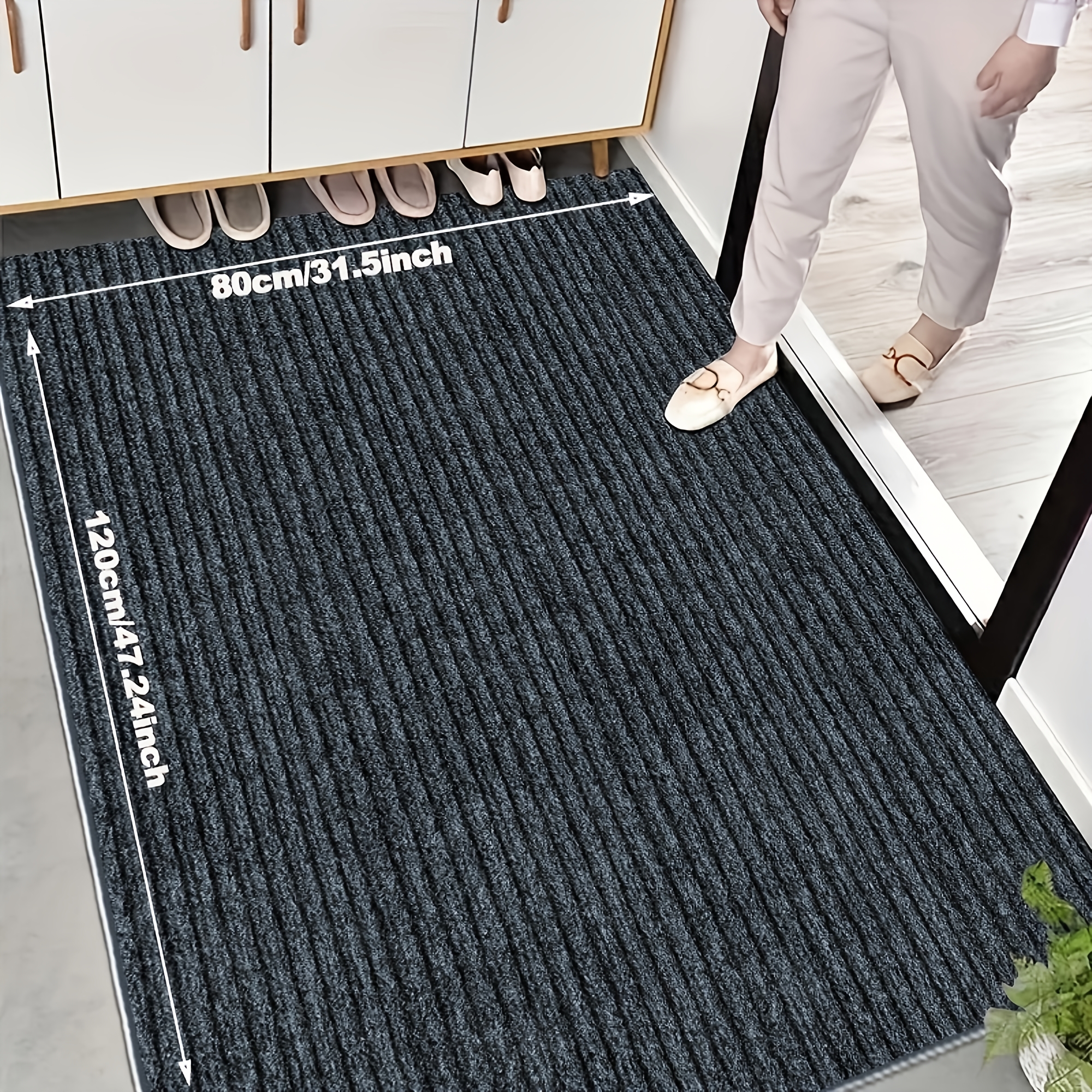
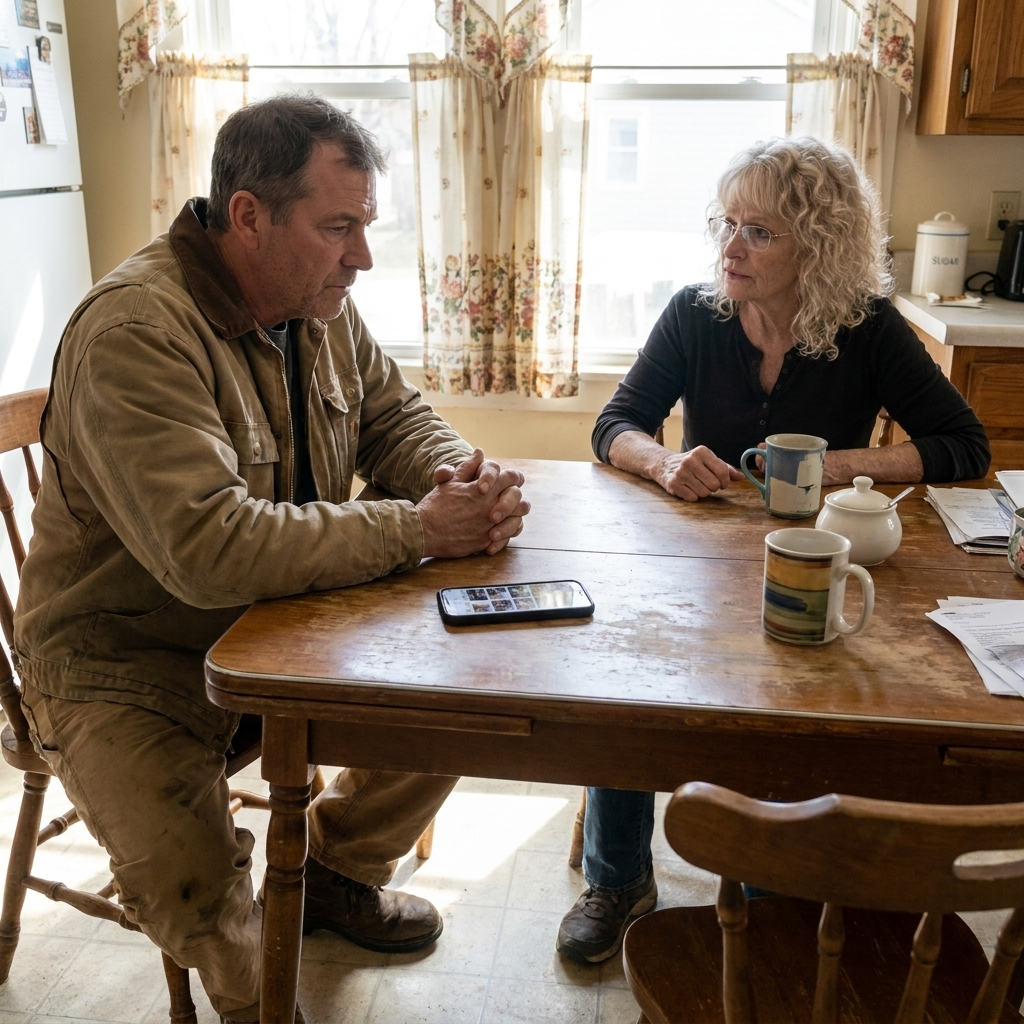
I found a note my husband wrote before he died. It's the only reason I'm still alive. I almost didn't make it to find out what he was trying to tell me. I want every widow reading this to read it twice. — Linda Morrison His name was Bill. We were married 41 years. He died this past October from pancreatic cancer. From diagnosis to gone was four months. He'd been the one who handled the house. The furnace. The water heater. The garage. The basement. The cars. The taxes. The bills. He had a whole system. He had folders for everything. After he died, I left most of it alone. Not because I didn't want to deal with it. Because every drawer I opened was him. His handwriting on the gas bill. His sticky notes inside the breaker box. His tools laid out on the bench in the garage exactly the way he'd left them on a Tuesday afternoon, before we knew anything was wrong. I kept paying the bills. I kept the lights on. I figured out the trash schedule. I figured out which day was recycling. I left his desk closed. I left his folders closed. For months. A few weeks ago, our daughter Karen came over for a weekend. She'd been gentle about it for a long time, but that visit she said something I'd been avoiding. "Mom. We need to go through Dad's office. You don't have to throw anything out. We just need to know what's in there." I knew she was right. We sat in his office on a Saturday morning. Coffee. Tissues. The radio on low. She started with the filing cabinet. I started with his desk. His handwriting was in everything. I found Christmas card lists from 1998. I found the receipt for the lawnmower he'd been so proud of. I found a folder labeled "Karen's Wedding" with every program, every photo, every note he'd written for his speech that we never saw because he wanted to surprise us. I cried for an hour and Karen cried with me. Then I opened the bottom drawer of his desk. There was a yellow legal pad sitting on top of everything else. The first page was a list. His handwriting at the top in pencil: HOUSE — TO DO Underneath, in his careful printing, were nine items. Item one was underlined twice. It said: Replace CO detector. Old one expired. Get the dewlora sensor kind. I sat on the floor of his office and held that piece of paper in my hands. He'd written it that summer. Before he was diagnosed. He'd known the detector was expired. He'd been planning to fix it. He never got the chance. And I had been living in this house for months with the same detector on the wall. Karen took the list and read it twice. "Mom. When was the last time someone looked at the furnace?" I told her her father always handled it. "When was the last time HE looked at it?" I didn't know. I didn't know if he'd had it serviced the fall before he got sick. I didn't know if he'd had it serviced the year before that. I didn't know what "looked at" meant exactly. She picked up her phone right there in his office. She called the HVAC company stamped on a sticker on the side of the furnace in the basement. The same company her father had used for 30 years. She told them her father had passed. She told them her mother lived in the house alone. She told them she wanted someone to come look at everything. They had someone available the next morning. The HVAC tech who came was a man named Joe. He was in his late 50s. Had a clipboard. Had work boots that had seen a lot of basements. He took off his cap when I opened the door and said, "Mrs. Morrison. I remember Bill. He was a good man. I'm sorry." I had to sit down. He went to the basement and was down there about 35 minutes. He came up holding a flashlight in one hand and his phone in the other. His face was different. "Mrs. Morrison. I have to tell you something. Can we sit at the table?" We sat at my kitchen table. He set the phone down face up. He'd taken pictures. "Your furnace has a crack in the heat exchanger. About three inches. It's been pumping carbon monoxide into your ductwork. I can't tell you how long. Could be months. Could be longer. The crack patterns are old." I asked him how it was possible. I asked him how nobody noticed. He took a breath. "Mrs. Morrison, this is the part that I have to be honest about. Heat exchangers fail from age. From stress. From the metal expanding and contracting every time the furnace fires. It happens to brand new units. It happens to ten year old units. It happens silent. You can't see it. You can't smell it. The furnace runs perfectly. The flame looks normal. The thermostat works. You have heat. Everything seems fine. Meanwhile carbon monoxide is going straight into every room of your house." He looked down at his hands. "And it's not just furnaces. Carbon monoxide comes from anything that burns fuel. Gas furnaces. Oil furnaces. Wood stoves. Pellet stoves. Fireplaces. Water heaters. Gas stoves. Gas dryers. Generators. Anything that burns wood, gas, oil, propane, kerosene, coal, charcoal. Anything with a flame or an exhaust. Every single one of them can fail. Pipes corrode. Vents rust. Seals crack. Chimneys clog. It happens slow. And it happens silent. The first sign for most families is symptoms. By then it's already in their bloodstream." I asked Joe how he knew it was so serious in our house. "Because I tested the air, Mrs. Morrison. I have a meter in my truck. I tested every room before I came up. The reading in your hallway is 110 PPM. In your bedroom it's 130. That's not a maybe. That's not a slow leak that might become a problem. That's a leak that should have killed you already." I held the edge of the kitchen table. "How am I still alive?" He paused. "You're a widow. You live alone. You probably keep the windows cracked more than most. You probably leave the back door open when you let the dog out and forget to close it for a few minutes. You probably have your bedroom door cracked at night. Those things bought you time. They bought you weeks. Maybe a couple months. If your husband were still here, if he kept the house tighter the way men tend to in the winter, if you had grandkids sleeping in the guest room with the door closed you'd be gone." I asked about my detector. The white CO detector on the wall in the hallway. The green light glowing the way its from a well known brand. Joe asked me to bring it to him. Joe called the fire department from my kitchen. A truck came out within 20 minutes. Two firefighters. One of them was younger. One was older. The older one walked into my kitchen and stopped. He looked at me carefully. "Mrs. Morrison?" I said yes. "I knew your husband. Bill Morrison. He volunteered with our department in the 90s. Two-year stint. He left when his daughter was born. I've been with the department for 31 years." He took his cap off. "I was at his funeral. I sat near the back." I didn't remember him. I'd hardly remembered who I was for a month after the funeral. He sat down at the kitchen table next to Joe. "I need to ask you something, Mrs. Morrison. What made you call about the furnace today?" I told him about the note. About the legal pad in Bill's desk. About the first item on the list. He held out his hand. "Can I see it?" I went to Bill's office and brought it back. The yellow legal pad. The list. Item one. Underlined twice. The firefighter put the paper on the kitchen table and looked at it for a long minute. His eyes got wet. "Bill knew." I asked what he meant. "When your husband volunteered with our department, we did a series of training events on residential carbon monoxide. Bill was on the training team for one of them. He was the one who taught the class on detector failures. Why test buttons don't test what people think. Why expired sensors keep glowing. Why cheap detectors wait too long to alarm." He tapped the legal pad gently. "He wrote 'get the dewlora sensor kind' because he learned about it in our class. He was planning to replace it. He was planning to upgrade. He was probably going to do it that fall. And then he got sick." I sat at my own kitchen table and I cried in a way I hadn't cried since the funeral. He'd been trying to protect me. Even on his way out, he'd been trying to protect me. I just hadn't found the note in time. The firefighter sat with me for a long time. He took the white CO detector off my hallway wall and turned it over in his hands. "Mrs. Morrison, I want to explain a few things to you. Because what almost happened tonight isn't a story about an expired detector. That's part of it. But it's the smaller part." He set the detector on my kitchen table. "Even if your husband had replaced this thing every single year, on schedule, with a brand new one from any hardware store, you still would not have been safe. And neither is anyone else who has one of these on their wall." I asked him what he meant. "These older big box store detectors everyone has at home. The white ones. The ones with the little green light and the test button. They're the same ones in 90 percent of homes. They are designed to barely meet a federal regulation. Not to save lives. There's a difference." He pulled out his phone. "The federal standard says these detectors are legally allowed to stay silent until carbon monoxide hits 70 parts per million. And even then, they can wait up to 4 hours before making any sound. Brain damage starts at 40. Symptoms start much earlier than that. By the time one of these things finally beeps, your body has already been poisoned for hours. You're not waking up to that alarm. You're hearing it from your bed and not being able to move." I asked him how that could be legal. "Because the standard was written to prevent false alarms, not to save sleeping families. The cheap detector industry lobbied for it. The slow alarm time means fewer nuisance calls. It also means more people die in their sleep with a green light glowing on the wall." He let that sit. "That's true even with a brand new one. That's true with the most expensive well known brands you can buy from a hardware store tomorrow morning. They all use the same standard. They all wait until it's almost too late." He picked the white detector back up. "Now here's the second part. This detector only sees one thing. Carbon monoxide. That's it. It is completely blind to natural gas. It is completely blind to propane." I didn't understand. "Mrs. Morrison, your stove runs on natural gas. Your water heater runs on natural gas. If a pilot light goes out tonight and gas starts pouring out of your range, this detector will not make a single sound. Ever. It's not designed to. The same is true if you had propane. Same is true if a gas line cracked behind your wall. This thing on your wall is silent for any of it. The first warning your house gets is when the spark hits. The furnace kicking on. The light switch you flip when you go to the bathroom. Anything." He shook his head. "Most people don't know that. Most people think a CO detector covers all gas threats. It doesn't. It covers one. The other two have to be detected by a different sensor entirely." I sat there trying to understand. I had thought we had a CO detector. I had thought that was the safety net. Karen put her hand on my arm. The firefighter wasn't done. "This is the part that's important. Your husband knew about a different kind of detector. We taught it to him years ago when he was on our department. The technology is much better now. There's a detector on the market that solves all three of these problems at once." He pulled out his phone again and showed me a picture. "It's called the Dewlora 4 in 1. It's what me and most of the guys on my crew use in our own homes. It's what we recommend to every family after a call like this." He explained why. "It uses what's called a grade 3 sensor. The fastest alarming sensors on the market right now. Same grade we use in our professional equipment. It alarms way earlier than any of the cheap ones. Before brain damage starts. Before symptoms even hit you. Not after." He scrolled to another picture. "It also has a digital screen. Real numbers. You can see exactly what's in your air at any moment. Zero means safe. If it's not zero, you know. No more trusting a green light that means nothing. No more hoping the cheap one finally decides to alarm. You see the levels rising in real time and you act before damage is done." Then he said the part that stopped me cold. "And it doesn't just see carbon monoxide. It's a 4 in 1. It detects carbon monoxide, natural gas, propane, and other combustible gases. All four. While you sleep. Your old detector was blind to three of them. The Dewlora is blind to none." He looked at me. "This is the detector your husband was talking about when he wrote 'get the dewlora sensor kind' on that list. It didn't exist exactly like this years ago, but he knew the principle. He was the one who taught me about it. The technology has caught up to what he was talking about." He pointed at the legal pad on the kitchen table. "This is what he wanted you to have, Mrs. Morrison. I have one in my house. So does my partner. So does the chief. Most of the guys on my crew. We don't trust the cheap ones for our own families. There's no reason you should have to either." I ordered four Dewlora 4 in 1s from my kitchen table that afternoon. One for the hallway. One for the bedroom. One for the basement near the furnace. One for the kitchen near the stove. I asked Karen to order four more for her house. She has two kids. Bill's grandkids. She did it before she left. When the Dewloras arrived. I plugged them in the way Bill would have. Slow. Careful. I waited 200 seconds for them to calibrate. The screens lit up. Zero. Zero. Zero. Zero. For the first time since Bill died, I knew what was in the air I was breathing. Not because a green light was telling me. Because I could see the proof on a digital screen. I check them every morning now. It's part of my routine. Coffee. The newspaper. The screens. Zeros across the board. That's all I need to see. I keep the legal pad in the drawer of my nightstand now. Bill's handwriting. His list. Item one. I read it sometimes when I can't sleep. I think about the Saturday morning I almost didn't open his desk. I think about Karen pushing me to go through it. I think about Joe taking off his cap on my front step. I think about a firefighter I didn't remember from the funeral telling me my husband knew. That he'd written the list because he'd been trained to know. I think about how close I came. If I hadn't opened the desk that morning. If Karen hadn't pushed. If I'd waited another season. If I'd kept telling myself I'd get to it eventually. I would not have made it to spring. The furnace would have run all winter. The leak would have grown. The detector on the wall would have kept glowing green. My bedroom door would have been closed. The cold weather would have kept the windows shut. I would have gone to sleep on a Tuesday in January and that would have been it. Karen would have come over on a Saturday and found me. I'm sharing this because I want every widow reading this to know what nobody told me. If your husband was the one who handled the house, please read this part. The detector on your wall was probably installed by him. It's probably the cheap white detector. It's probably been there longer than you remember. But here's what I needed someone to tell me. It wouldn't matter if you replaced it tomorrow with the most expensive one at the hardware store. The cheap detectors are designed to wait until you're already being poisoned before they alarm. Even the new ones. Even the expensive ones. They all use the same federal standard. They all wait too long. And every single one of them is blind to natural gas. Blind to propane. If your stove leaks tonight, your detector stays silent. If your water heater leaks, your detector stays silent. The first sign is the spark. It's not your job to know any of this. Nobody told you. Nobody tells anyone. But you know now. I linked the Dewlora 4 in 1 below. = https://trydewlora.com/products/dewlora-co-detector It's what's on my wall now. What Karen has on hers. What Bill was going to buy. Grade 3 sensors. The fastest alarming on the market. A real screen that shows real numbers. Catches carbon monoxide, natural gas, propane, and combustible gases. All four. While you sleep. It's what every guy on the firefighter's crew uses in their own home. It's what he uses. It's the only detector I will ever trust again. If you have anything in your home that burns fuel a furnace, a water heater, a wood stove, a fireplace, a gas range, a propane heater please don't wait the way I almost did. If your husband used to handle this stuff and you've been putting off going through his things, please open one drawer this week. You may find a list. You may find that he was trying to take care of you, even now. I think about Bill every morning when I check the screens. I see his handwriting in my head. Zero. Zero. Zero. Zero. That's all I need to see. — Linda Morrison 🤍
Where the ad sends people
trydewlora.com
The Note My Husband Left Behind
I'm an HVAC technician with 12 years in the industry. After one bad call, I tested my neighbors' detectors with my professional $400 CO tester. Out of 6 houses, FIVE had detectors that were either dead or wouldn't alarm until you were already dying. I urged each one of them to use the detector I use...
Shop now: trydewlora.com(opens in a new tab)