Anna Rodriguez
Anna Rodriguez Facebook ad: “My Indoor Cat Vomited Live Worms. She Never Went Outside.”
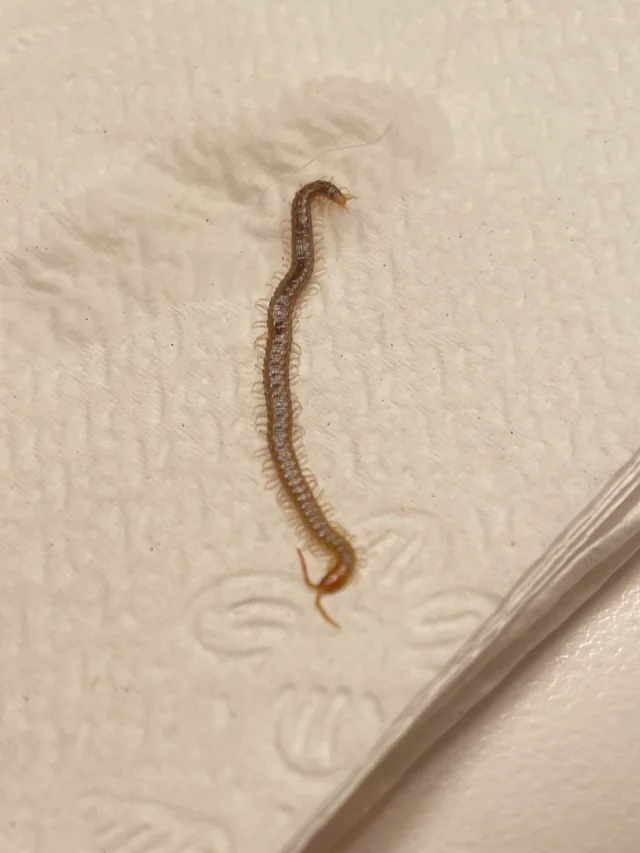
Ran for 120 days, from May 21 to September 18, 2026, the last day Crush saw it.
Run by Anna Rodriguez on Facebook. Crush is not the advertiser and does not verify its claims. See this ad in Meta's Ad Library(opens in a new tab)
Want an ad like this for your product?
Crush makes new ad images for your product from this ad: your logo, your product photo, your offer.
Trials from $19.95 USD, then $79.95 USD a month. Cancel anytime.
About this ad
- Meta Ad Library ID
- 978190717918145
- Platforms
- Facebook, Instagram, Audience Network, Messenger and Threads
- Relaunches
- 0
- Niche
- Food & Beverage
Ad text
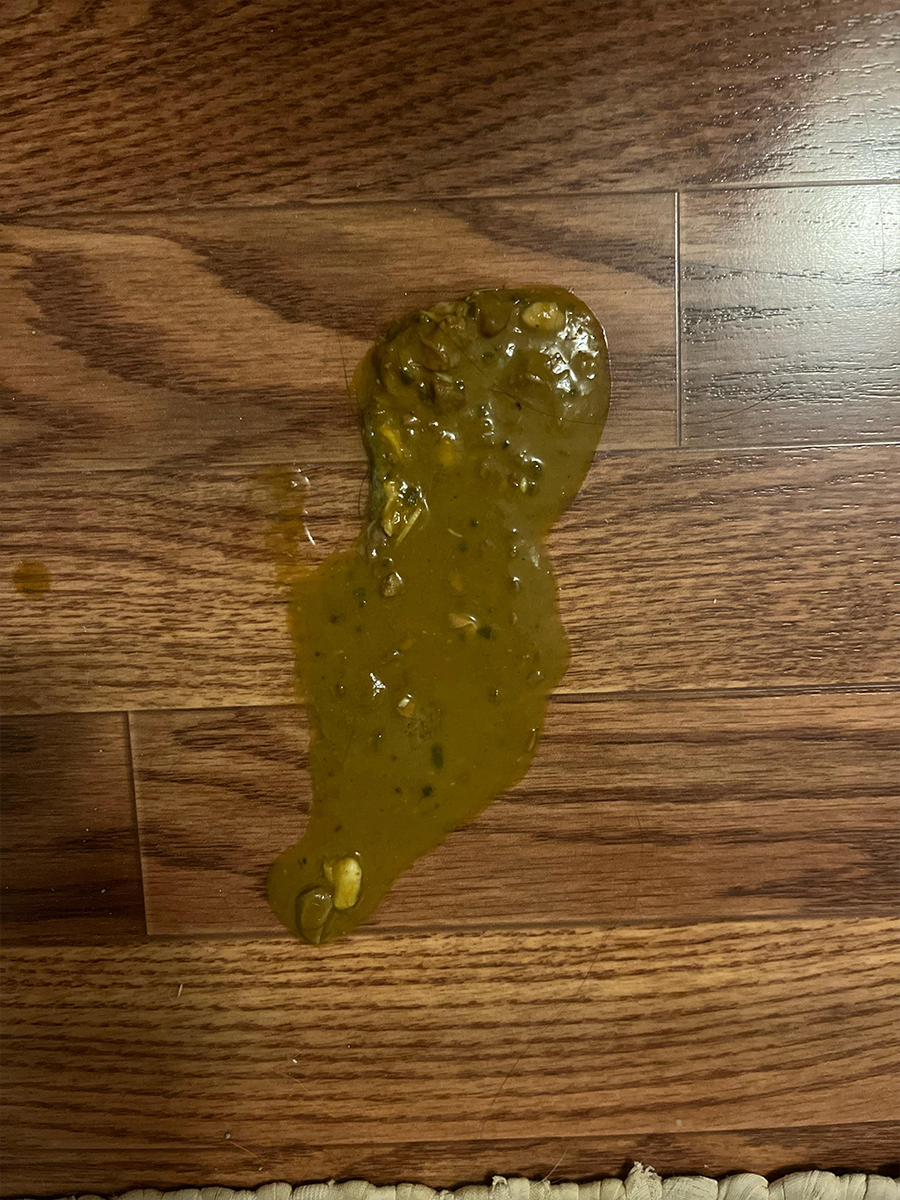
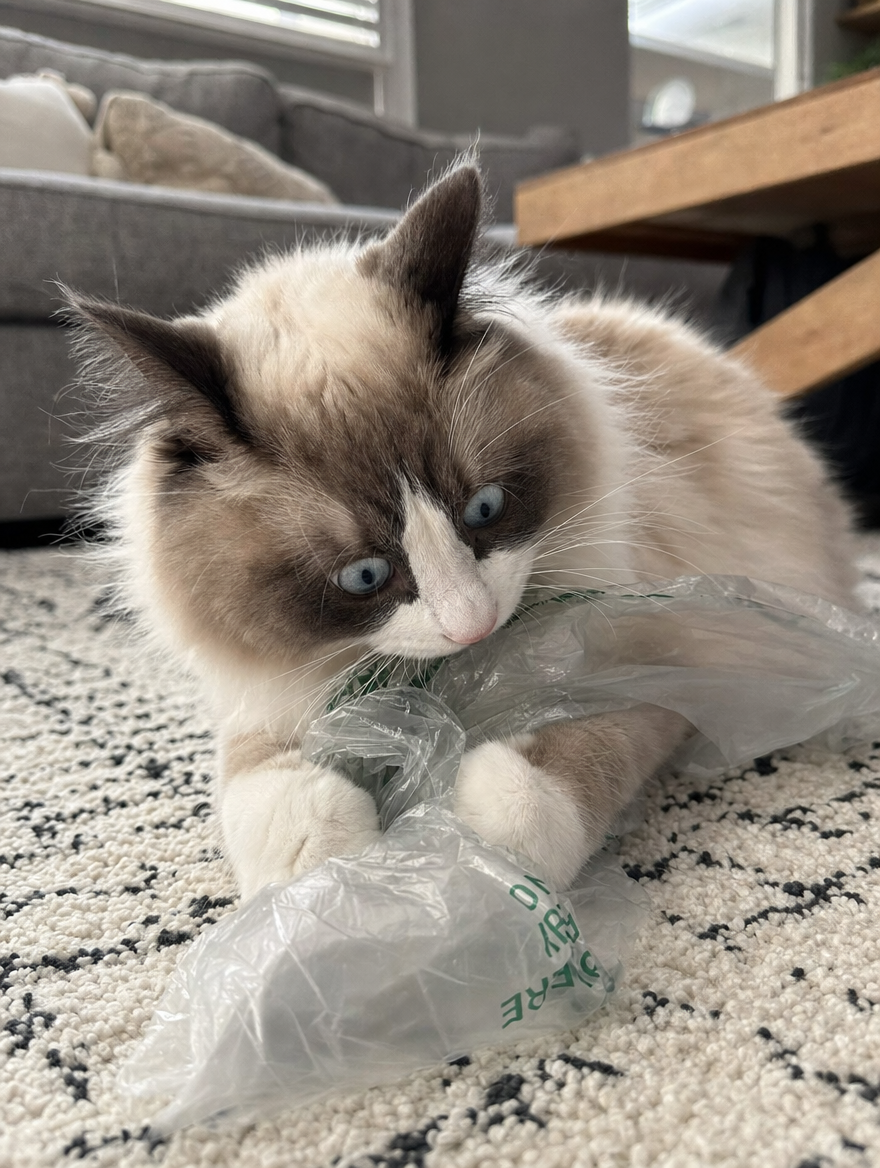
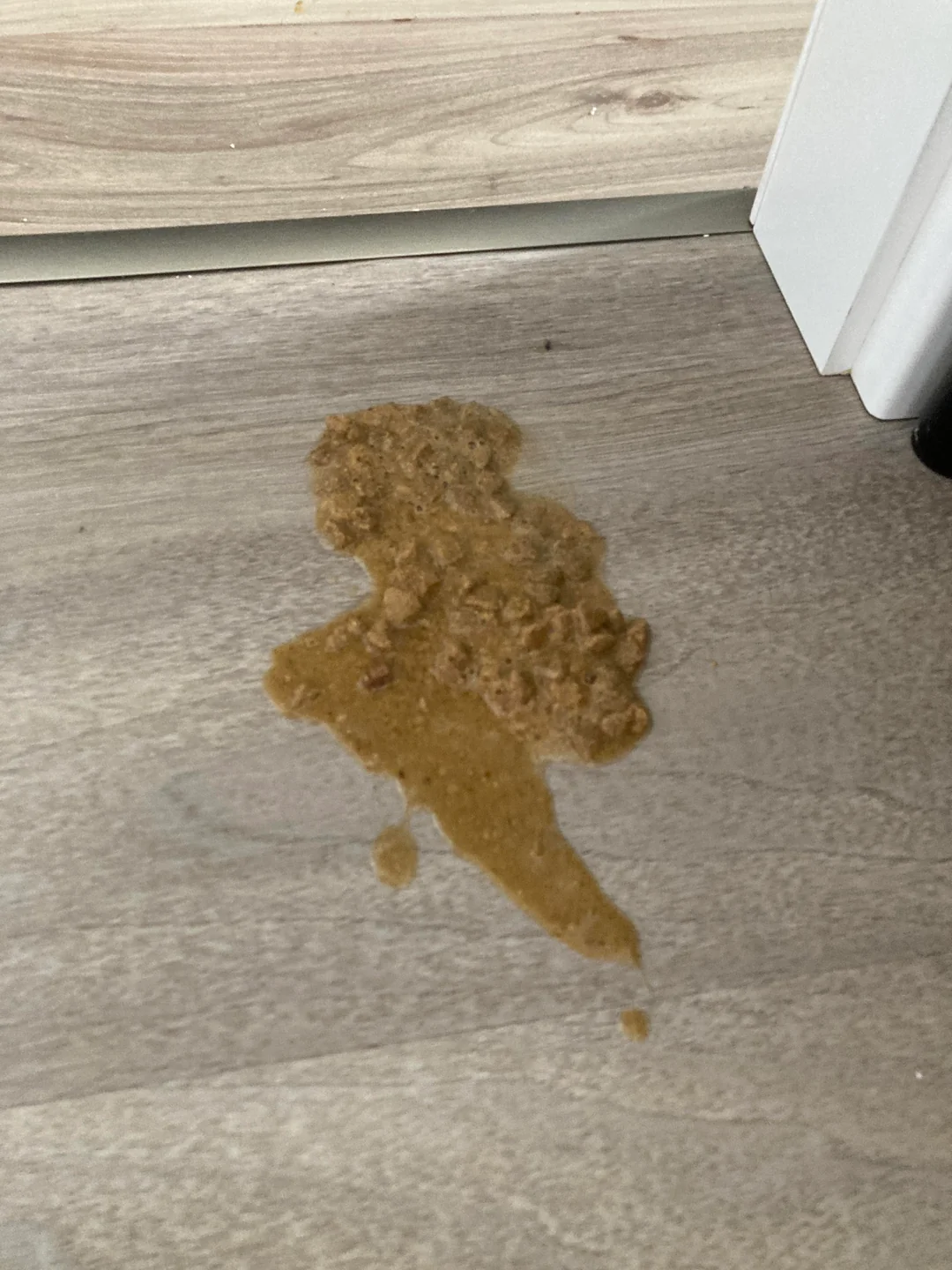
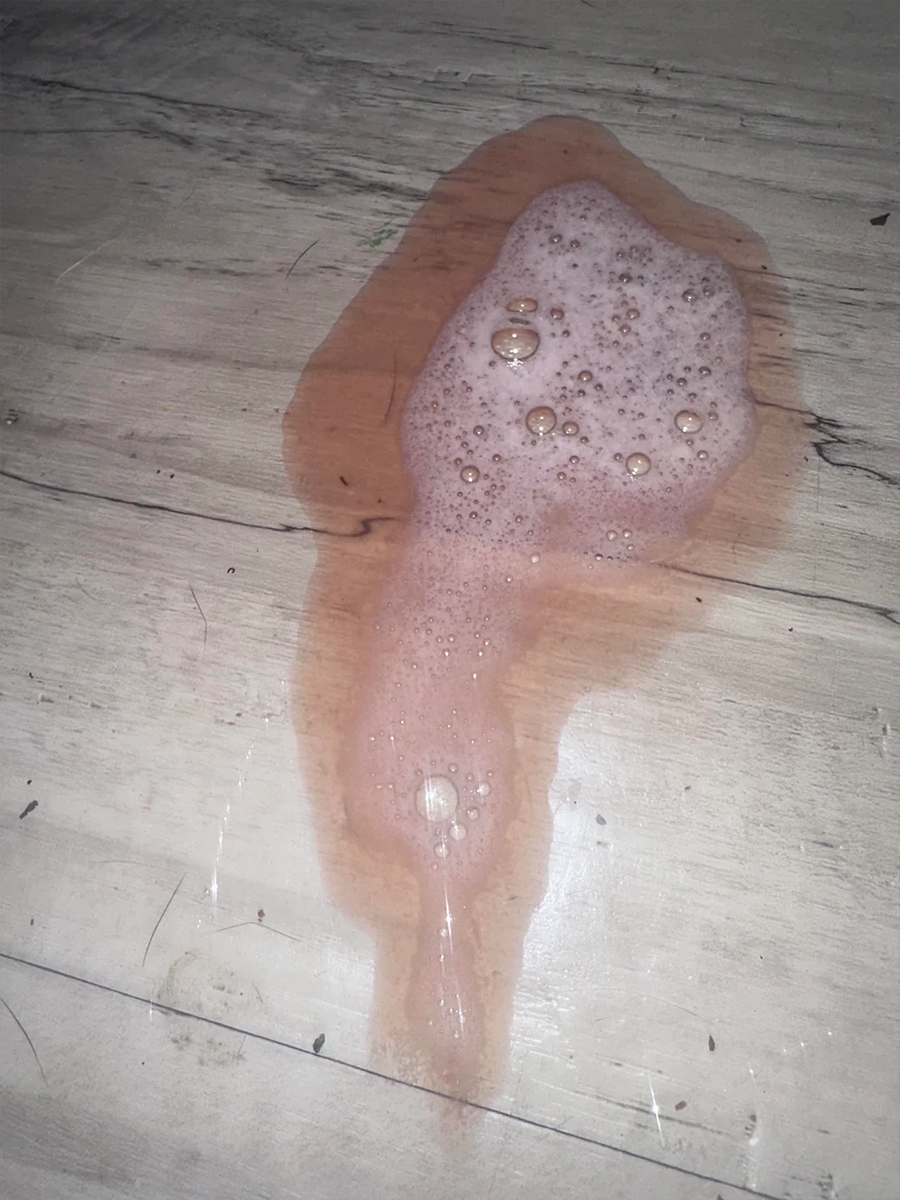
My cat Luna had been on a pure taurine supplement for just 9 days when she walked over to the rug, hunched her back, and threw up what looked like spaghetti in a puddle of yellow bile. Except the spaghetti was moving. Live worms. Long, white, wiggling. Coiled around each other on my living room floor. I stood there frozen, hand over my mouth, staring at something I genuinely thought was impossible. Because Luna has never been outside. Not once. Not on a balcony. Not even a leash walk. She was born inside. She has lived inside for 6 years. I close every window. I check every screen. I'm the cat mom who reads every label, buys the $90 grain-free bag, and trusts that keeping her inside means keeping her safe. But that morning, I learned the door was never the problem. And if your cat lives inside the way Luna does — if you've built your whole routine around keeping her protected from the outside world — there's something hiding in your home right now that you need to know about. My name is Anna Rodriguez. I live in Tampa with Luna — a 6-year-old indoor tabby who has spent every single day of her life inside our apartment. And like every indoor cat mom I know, I thought I had her health handled. Closed windows. Premium food. No outdoor access. Regular vet visits. The full checklist. So when the small things started, I dismissed them. It started about a year ago. Luna threw up on the rug. Yellow foam, a little undigested food. I cleaned it up and didn't think much of it. A week later, she did it again. Then twice the next week. I told myself it was just a hairball. Or a sensitive stomach. Or she ate too fast. Because — and I'm being honest here — she's an indoor cat. She doesn't eat anything off the ground. She doesn't drink from puddles. She doesn't hunt anything. Whatever was wrong couldn't possibly be serious. That was the lie I kept telling myself for months. The vet agreed with me. "She's just a sensitive cat. Try a different protein." So I did. Chicken. Salmon. Duck. Limited ingredient. Hydrolyzed. The vomiting didn't stop. It got worse. And then the smell came. I'd walk into my apartment after work and it hit me at the door. Sour. Rotten. Like something had died in the walls. The litter box was unbearable within an hour of cleaning it. I bought every premium litter on the market. Crystals. Pine. Walnut shell. I scooped 3 times a day. I bought an air purifier. I burned candles. I cracked windows even though I hated leaving them open. The smell stayed. It got into my couch. My bedding. My clothes. I stopped inviting friends over. I was embarrassed. But again — I kept telling myself it had to be something simple. She's a clean indoor cat. She eats expensive food. Indoor cats are supposed to be the healthy ones. The protected ones. That belief is exactly what cost me a year of her life. I threw everything at it. Three different vets. Two specialists. Four fecal tests — all negative. Bloodwork. Ultrasound. "Sensitive stomach" prescription kibble at $112 a bag. Probiotics. Hairball gel. Digestive enzymes. Anti-nausea meds. $2,400 in 8 months. Every vet said the same thing: "She looks fine on paper. Some cats are just like this. Manage it." Manage it. I watched my cat vomit on my rug every other day. I watched my apartment smell like a sewer. And the answer I kept getting was manage it. Every vet told me the same thing in different words: "She's an indoor cat. Whatever it is can't be that bad." The last specialist looked at me across the exam table and said, "Some cats are just like this." I sat in my car in the parking lot and cried. It was a Sunday night. Around 11 PM. I was on the floor of my bathroom cleaning up another puddle of vomit — the third one that week — and Luna was sitting in the doorway watching me. Her eyes were dull. Her fur was patchy. She wasn't purring anymore. She hadn't purred in weeks. I sat back against the tub and said out loud, "I don't know what I'm doing wrong." She just stared at me. And I started crying because I realized something terrifying. I had done everything an indoor cat mom is supposed to do. I kept her safe inside. I bought the best food. I went to the vet. I followed every protocol. The whole point of keeping her indoors was to protect her. And she was still dying in front of me. Slowly. Silently. While every test came back "normal." If I kept trusting the system, I was going to lose her. That was the night I stopped listening to vets and started reading research papers. I spent three weeks digging. Not on pet blogs. Not on Reddit. On actual veterinary journals. Parasitology databases. University publications. And what I found changed everything I thought I knew about indoor cats. Cornell Feline Health Center. Roundworms and tapeworms affect 25% to 75% of all cats — not just outdoor ones. All cats. A 2019 study published by the Royal Society confirmed it: more than 1 in 4 cats diagnosed with heartworm in the US never went outside. Not once. I read it three times before it sank in. Indoor doesn't mean safe. Indoor means undefended. Then I found the part that made me sit up at 2 AM. Roundworm eggs have a shell made of a compound called ascarosides. Public Health Agency of Canada confirms it directly — these eggs survive bleach. Lysol. Disinfectant wipes. Salt water. Almost every cleaner sold in a normal grocery store. A single female worm lays 24,000 eggs a day. And those eggs ride into your home on the bottom of your shoes. In bags of potting soil from the garden store — 1 in 7 bags are contaminated. On flies that slip through the door when you carry groceries in. On a mosquito that gets in when you grab the mail. Even on guests who pet their own cat at home and then come visit yours. Your house isn't a sealed box. It's a porous ecosystem. And every indoor cat mom I know — including me — has been operating on the lie that closing the door is enough. But that still didn't explain why Luna specifically was sick. Other indoor cats are exposed to the same eggs and don't end up vomiting worms onto a rug. What was different about Luna? That's when I found the parasitology paper that finally cracked it. A cat's gut isn't supposed to let parasites take root. When a healthy cat swallows a parasite egg — and they all do, all the time — her body has a defense system most owners have never heard about. It's called bile acid. When your cat's liver is working properly, it pumps out a powerful, concentrated bile acid into her gut every time she eats. That acid is the cat's first line of defense. It melts the protective shell on parasite eggs before they can hatch. It dissolves the outer coating of larvae. It strips parasites of the armor that makes them survive everywhere else. A healthy cat eats a contaminated piece of food, the bile acid hits the parasite, and it's destroyed before it ever gets a foothold. That's how Luna was supposed to be protected. From the inside. But here's the thing nobody told me. To produce that bile acid, your cat needs one specific nutrient: taurine. Not a little. A lot. Every single day. Cats can't make taurine on their own. Dogs can. Humans can. Cats cannot. Their bodies literally don't have the enzyme. They have to get every milligram of taurine from food. But here's the interesting part. Every single cat food bag in America has "Taurine Added" printed right on the side. Premium brands. Mid-tier brands. Even cheap supermarket brands. The pet food industry has been adding taurine to cat food for over 40 years. So how could my cat — eating a premium $90 bag, with "taurine added" right on the label — possibly have a taurine deficiency? That's the exact question I asked. And what I found in the research made me furious. It comes down to how cat food is made. Almost all commercial cat food — kibble especially, but even most wet food — is manufactured using extremely high heat. We're talking temperatures over 250°F, sometimes higher, applied for long periods to dry, sterilize, and shape the food. That heat is the problem. Taurine is an incredibly fragile amino acid. It does not survive that kind of processing. Studies have shown the high-heat manufacturing process used to make commercial cat food destroys up to 65% of the taurine before the bag is even sealed. So the food company adds taurine. The label says "taurine added." It's technically true. But by the time the bag gets to your house, most of that taurine is gone. Cooked out. Dead. I call it the Taurine Blockade. The taurine is on the label. Your vet checks the bag and says, "Complete and balanced." But almost none of it is actually making it into your cat's bloodstream. And if you've been feeding "premium grain-free" food — like I was — it gets worse. Because when manufacturers pulled grains out, they replaced them with legumes. Peas. Lentils. Chickpeas. Potato protein. Cheap, plant-based fillers that show up on the ingredient list as "natural" and "wholesome." Those legumes contain compounds called anti-nutrients. And anti-nutrients bind directly to whatever taurine survived the cooking process. They wrap around it. They lock onto it. They block your cat's body from absorbing the tiny bit that's left. So you've got a double hit. The heat destroys most of the taurine. The legume fillers block the rest. Your cat eats a premium meal. The taurine she desperately needs to make bile acid… gets cooked out. Or blocked. Or both. Her liver runs dry. Her bile acid weakens. And the first line of defense against parasites — the one her body was designed to have — just stops working. Now picture what's happening inside her every single day. Parasite eggs come in on your shoes. On flies that slip through the door. On a mosquito that gets in when you grab the mail. On a friend who pets her own cat at home and then comes over to visit yours. Your cat licks her paws after walking across the floor you tracked through. The eggs hit her stomach. And there's no bile acid to kill them. So they pass through her stomach untouched, hatch in her intestines, and start feeding. That's the Taurine Blockade. That's why Luna — a cat who'd never been outside in 6 years — was vomiting live worms onto my living room rug. Her body had stopped protecting her. The food I was paying premium for was the reason. But here's what really set me off. Even if you go to the vet and get a chemical dewormer, you're not solving the problem. You're just resetting it. Because chemical dewormers kill the adult worms living inside your cat right now. That's it. They do nothing to fix the broken bile acid. They do nothing to repair the gut. They do nothing to stop the next wave of eggs from hatching the week after. So you watch your cat suffer through the side effects — vomiting, diarrhea, lethargy. You pay $200 at the vet. The worms die. Your cat seems "better" for two weeks. Then it all starts again. The eggs keep coming in. The bile acid is still missing. The gut is still defenseless. You can deworm a cat every month for the rest of her life and never actually fix the problem. Unless you fix the taurine first. I emailed everything I'd found to a veterinary nutritionist in California. Twenty years of practice. Specializes in feline gut health and bile acid disorders. Her reply came back the next day. Two paragraphs. I still have the email: "Your research is correct, and frankly, this is a problem most general-practice vets don't recognize. Bile acid is the cat's primary intestinal antimicrobial defense, and chronic taurine deficiency from modern commercial diets is now well-documented. The cat must be supplemented with bioavailable, free-form taurine — not the bound taurine in kibble — to restore bile production. Until that's fixed, parasite resistance will keep failing. Address the taurine first. The rest follows." I read that email five times. Then I went looking for the right kind of taurine. Here's the part most owners get wrong. Buying just any taurine supplement on Amazon does nothing. I tested 4 of them with Luna before I figured this out. Cheap powders. Mystery sourcing. Half of them had less taurine in the bottle than the label claimed. What you actually need is pure, free-form taurine. Free-form means it's not bound to anything. No fillers. No legumes. No protein-bound taurine that needs to be broken apart in the gut before it can be used. And critically — it's added to your cat's food after the cooking is done. The heat that destroys taurine in commercial food never touches it. The blockers in legume fillers never get a chance to lock onto it. It's already in the form your cat's body can absorb directly. It skips the entire blockade. It bypasses the cooking. It bypasses the peas and lentils. It bypasses the broken digestion. It goes straight to the liver and gets converted into bile acid within hours. When that bile acid comes back online, your cat's body restarts the defense system it was always supposed to have. The acid hits the parasite eggs. Melts the shells. The parasites that are already inside her get exposed. Her immune system finds them and starts attacking. And the worms come out. I went through 6 brands before I landed on the right one. Most "taurine supplements" on the market are garbage. Mixed with cheap fillers. Maltodextrin. Magnesium stearate. Some had added flavors that Luna refused to touch. Some were so contaminated I found heavy metal warnings buried in the fine print. I was about to give up. Then I found KittySupps in a comment thread on a feline nutrition forum. Small brand. Third-party tested. Pharmaceutical-grade pure taurine. No additives. No fillers. No binders. Just one ingredient. I ordered one bottle. Half a scoop a day mixed into Luna's food. I didn't tell anyone. I didn't want to hear "you're wasting your money" one more time. Day 3, Luna ate her full meal without throwing up. First time in a month. Day 7, the litter box smell started fading. I noticed it walking in the door after work. The wall of sour rot I'd been living with for 8 months — gone. Day 9 was the morning everything came out. She hunched on the rug. I thought, oh no, here we go again. But what came up wasn't yellow foam. It was a pile of worms. Long, white, twisting around each other. Coiled in a puddle of yellow bile. I screamed. I genuinely screamed. I ran to the kitchen sink and threw up. Then I came back and looked at her. Luna was sitting calmly next to it, completely fine. Almost proud. That's when it hit me. Her body had finally found them. The bile acid was back. The parasites that had been hiding inside her for who-knows-how-long were finally being killed and ejected. Over the next 10 days, more came out. Not every day. But enough that I knew it was real. Some in vomit. Some in the litter box. Day 19, she purred. For the first time in weeks. She climbed onto my chest at 7 AM and purred so loud it woke me up. I cried for the second time in this story — but the good kind. Day 28, I came home from work and she was at the door waiting for me. Tail up. Eyes bright. Greeting me the way she used to before all of this started. I sat on the floor in my hallway and just held her. Luna's been on KittySupps for 7 months now. No more vomiting. Not once. Not yellow foam, not undigested food, not worms. The smell in my apartment is gone. Completely gone. I have friends over now without lighting candles first. My couch doesn't reek anymore. I sleep with my bedroom door open again. Her coat is shiny. Her eyes are clear. She jumps. She plays. She purrs every morning. Last week I took her in for a checkup. The same vet who told me "some cats are just like this" 9 months ago looked at her and said, "Wow, she's a different cat. What did you change?" I told her. Taurine. Pure free-form. KittySupps. Parasite die-off. Bile acid restoration. She paused. Nodded. Said, "Interesting." Then wrote nothing in the chart and moved on. I wasn't surprised. Once Luna's transformation became obvious, I started telling other cat moms in my building. My neighbor Jess — her indoor cat Mochi had been throwing up almost daily for over a year. Three vet visits. Negative tests. "Sensitive stomach." Two weeks on KittySupps and the vomiting stopped. She texted me a video of Mochi running across her hallway. She hadn't moved like that in months. My friend Carla — her indoor cat Theo had the same litter box smell I'd been fighting. Same embarrassment. Same closed-windows, premium-food routine I had. Three weeks on KittySupps and the smell vanished. "I can finally invite people over again." My coworker Diane — her indoor cat had been throwing up after every meal for 6 months. Negative tests. Prescription kibble. The vet told her it was "just stress." Six weeks on KittySupps and the vomiting was gone. Diane sent me a photo and just wrote, "I have my cat back." Every single one of them had an indoor cat. Every single one had been told it couldn't be serious because the cat never went outside. Every single one had a bile defense that had quietly collapsed. Parasites in the gut. Nutrients getting stolen day after day. And nobody saw it — because nobody was looking. If you're an indoor cat mom — if you've built your whole routine around keeping her safe inside, the way I did with Luna — please hear me out. Here's what I know now, after one year of failing her and finally figuring it out: If your indoor cat throws up regularly — even just "occasional" yellow foam — it's not a sensitive stomach. If your litter box smell is taking over your house no matter what brand you buy — that smell isn't normal. If your vet keeps telling you "she's an indoor cat, it can't be serious" — they're wrong. It's not the food brand. It's the Taurine Blockade. Her food blocks the one nutrient she needs to defend herself. Her bile acid weakens. And parasites move in through the doors and shoes and soil and air you can't seal her off from — no matter how careful you are. They feed on her nutrients. They steal her energy. They poison her gut. And every vet test misses them because the tests look for what's already passed — not what's hiding inside her right now. Your vet probably won't find it because she's not looking for it. I missed it for 14 months and I'm the careful one. So if you've been blaming yourself for not catching this sooner — stop. You couldn't have known. Nobody told us. But pure free-form taurine restores the bile acid. The bile acid kills the parasites. The parasites come out. Her body resets. It's not complicated. It's just not what they're trained to tell you. If your cat is suffering the way Luna was, you don't need another vet visit. You don't need a $112 bag of prescription kibble. You don't need another $50 fecal test that comes back negative. You need to fix the bile acid. KittySupps pure free-form taurine. One small scoop a day. Mix it into whatever food you're already feeding. That's it. 90-day guarantee. If it doesn't work, full refund. But it will work. Because it's not "sensitive stomach." It's not "just aging." And KittySupps fixes what's actually causing it. Three weeks from now, you could be the one writing this story instead of me. P.S. — A lot of you keep asking where to get the taurine Luna's been on… Here you go: https://kittysupps.com/products/taurine
Where the ad sends people
kittysupps.com
My Indoor Cat Vomited Live Worms. She Never Went Outside.
My indoor cat vomited live worms on day 9 of her taurine supplement. She had never been outside once. The eggs rode in on my shoes. Her food had been blocking her only defense.
Shop now: kittysupps.com(opens in a new tab)