The Inner Ear Report
The Inner Ear Report Facebook ad: “Read This If You Had Whiplash And Now Have Tinnitus And…”
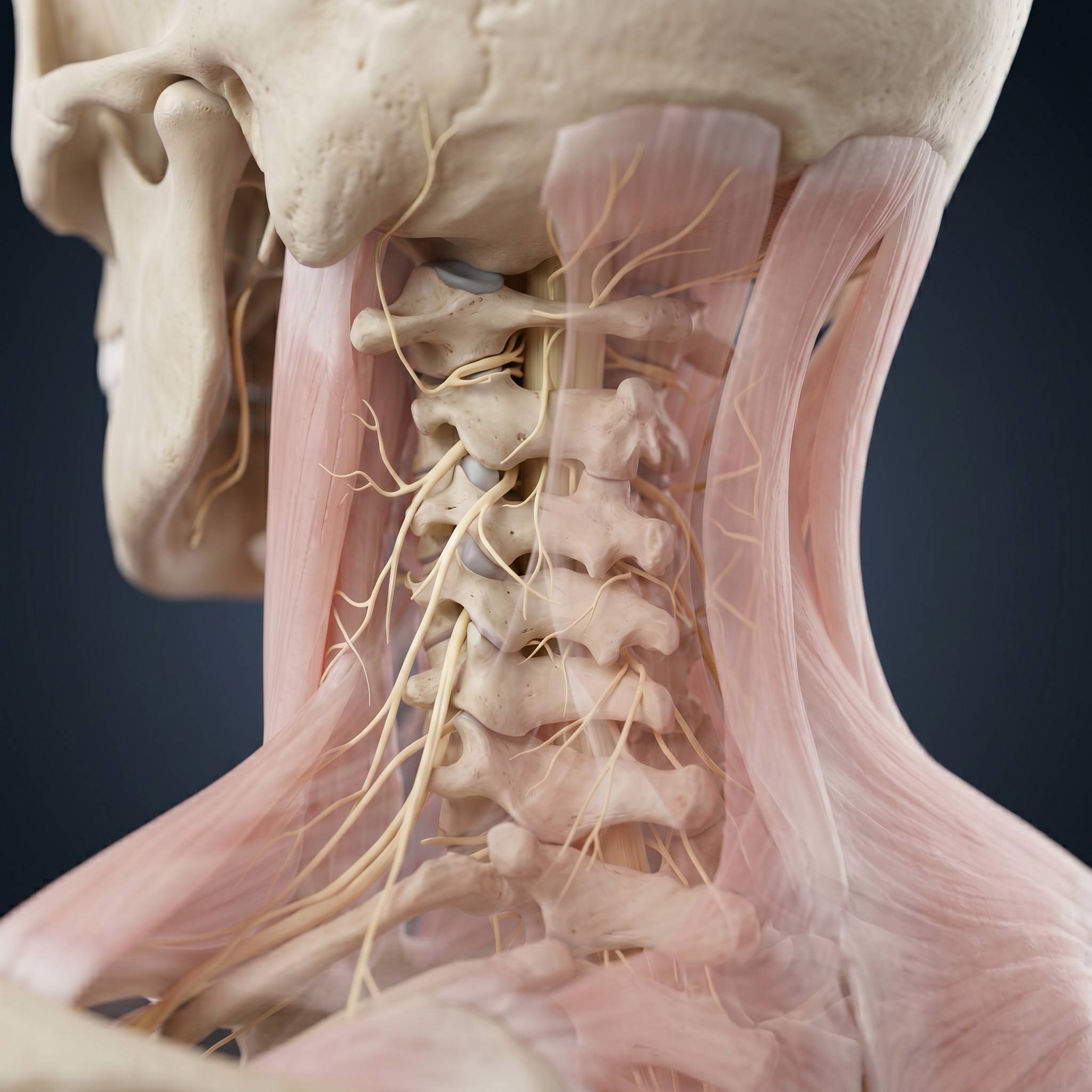
Ran for 18 days, from May 26 to June 13, 2026, the last day Crush saw it.
Run by The Inner Ear Report on Facebook. Crush is not the advertiser and does not verify its claims. See this ad in Meta's Ad Library(opens in a new tab)
Want an ad like this for your product?
Crush makes new ad images for your product from this ad: your logo, your product photo, your offer.
Trials from $19.95 USD, then $79.95 USD a month. Cancel anytime.
About this ad
- Meta Ad Library ID
- 978488464796617
- Platforms
- Facebook, Instagram, Audience Network, Messenger and Threads
- Relaunches
- 0
Ad text
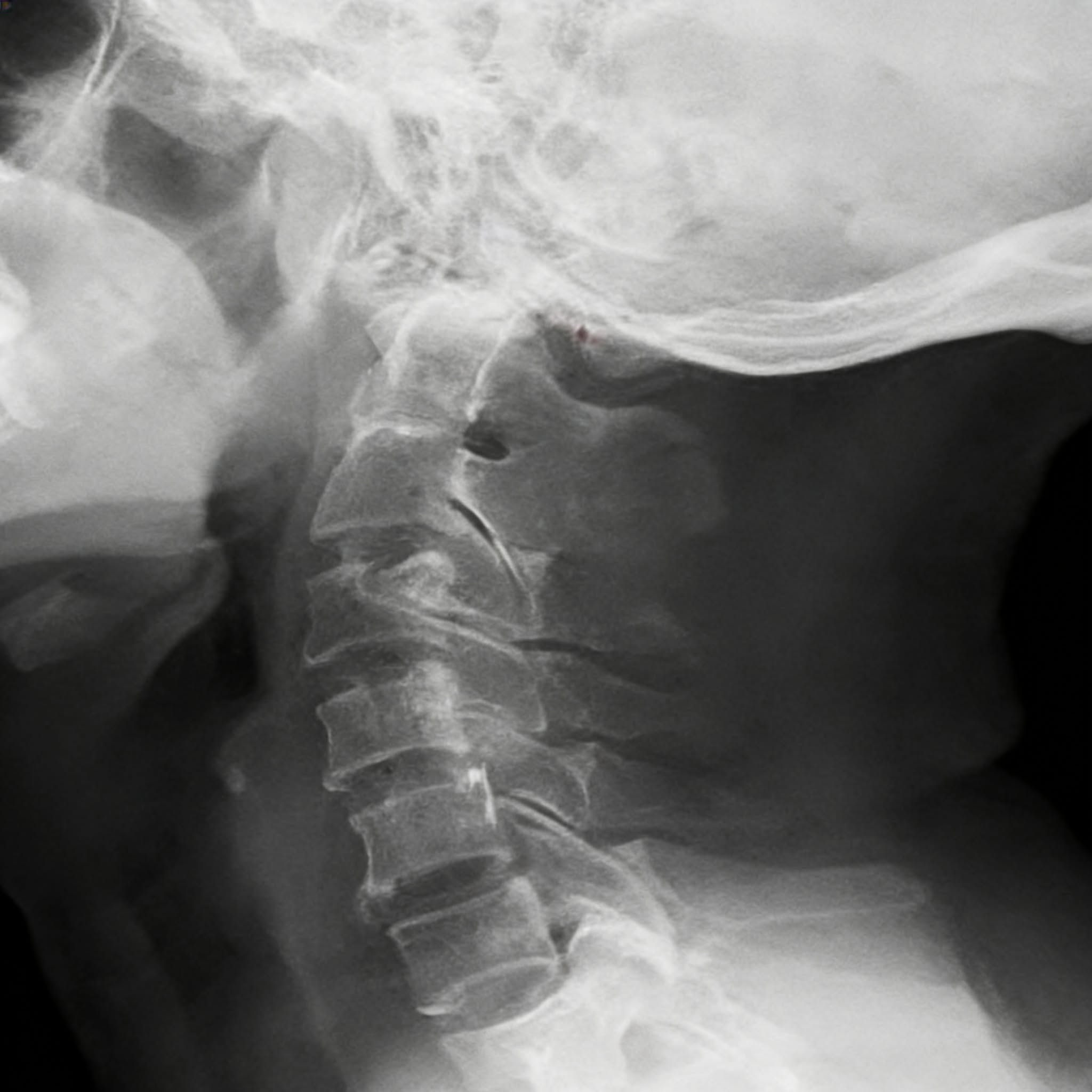
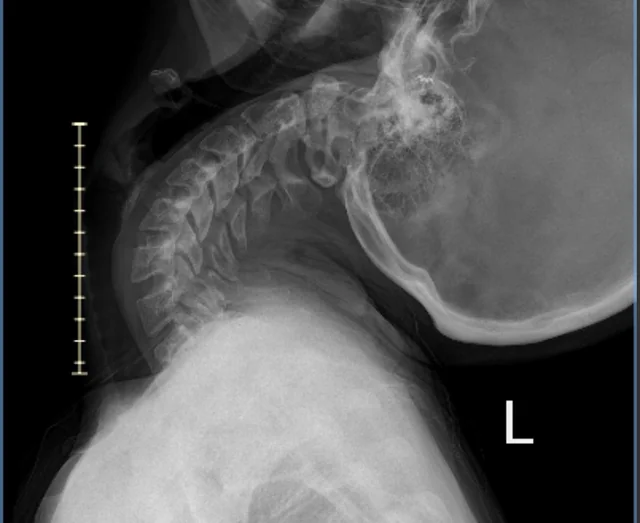
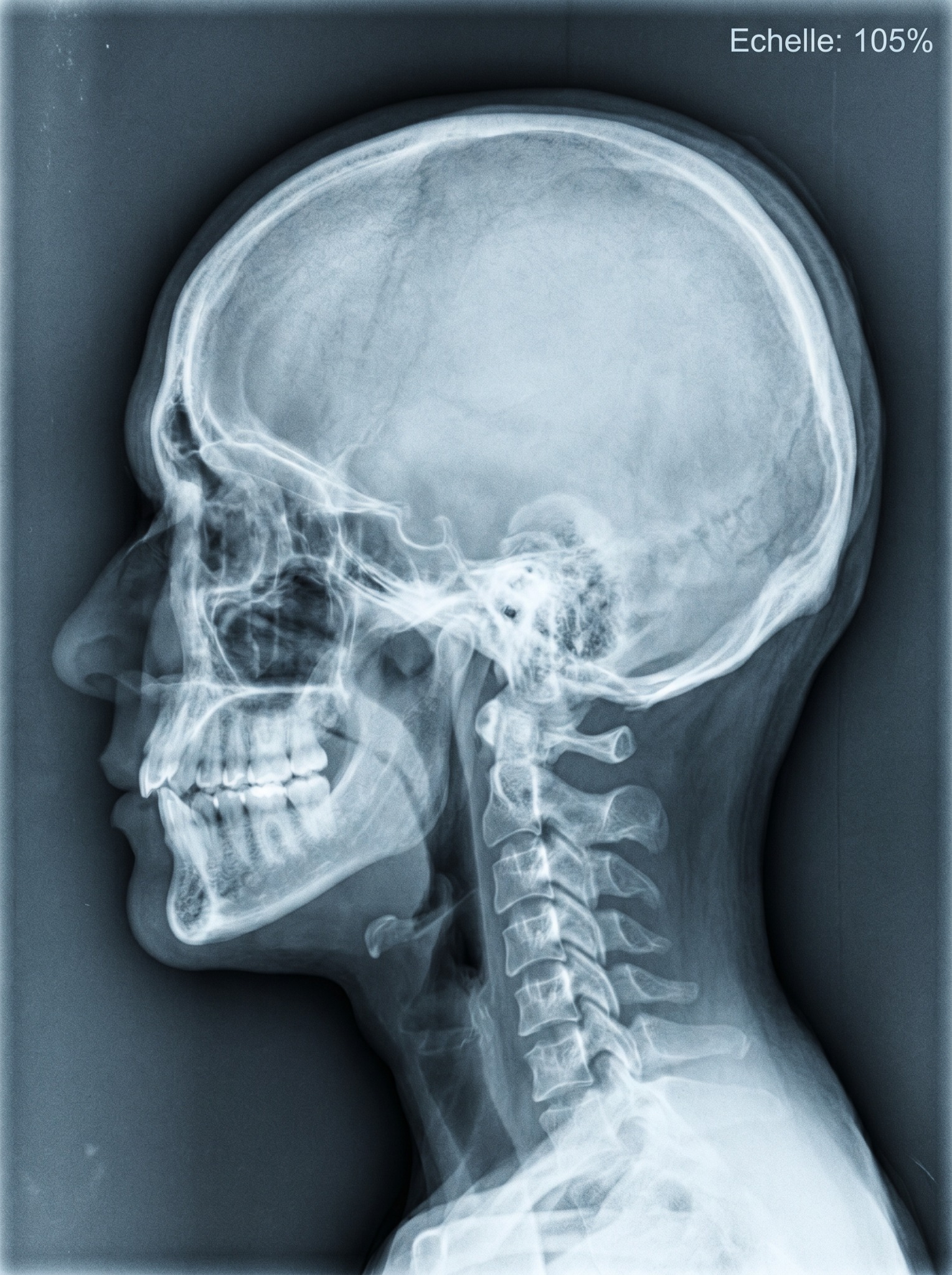
INNER EAR REPORT: A personal injury attorney with 22 years specializing in whiplash settlements is going public with a pattern she has been seeing in her former clients seven to fifteen years after their original accidents. None of them ever connected the two. She has now identified 847 cases. She is publishing what she found here. My name is Henrike Bormann. I am an attorney in private practice. Twenty-two years specializing in personal injury law with a subspecialty in cervical spine soft tissue injury from motor vehicle accidents. Over 1,200 whiplash settlements personally negotiated during the course of my career. I am not a doctor. I have no medical training beyond what I have learned reading thousands of orthopedic and neurological expert reports over two decades of litigation. I am going public here because what I have been watching happen to my former clients in the second decade after their accidents is something the medical experts I have used in those original cases will not put on the record now. Let me tell you about the case that finally forced me to start counting. Her name was Ingrid. She had been my client in 2012. She had been rear-ended at a stoplight at 32 miles per hour by a delivery van. Standard whiplash case. Six months of physical therapy. Cervical MRI showed soft tissue inflammation but no structural damage. We settled for the medical expenses, lost wages, and a modest pain and suffering allowance. The case closed in February of 2013. I did not hear from Ingrid again until October of 2022. She called my office on a Wednesday afternoon. She told my paralegal she needed to speak to me personally about something that might be related to her old case. I called her back that evening. She told me she had been suffering from chronic vertigo and right-side tinnitus for the past eighteen months. She had been to three ENTs. All three had told her it was probable Meniere's disease. Chronic. Progressive. Learn to manage it. She asked me if there was any chance the symptoms could be related to the rear-end collision from 2012. She had asked all three ENTs the same question. All three had told her the accident was too long ago to be relevant. I told her I did not know. I told her I was not a doctor. I told her I would look into it. I called the orthopedic expert who had written the original medical report on her case in 2013. He had retired in 2019 but had agreed to consult on rare occasions for previous clients. He told me the soft tissue inflammation we had documented in 2012 could in theory have led to long-term cervical alignment changes if the original injury had not fully resolved. He told me that without follow-up imaging from the years between the accident and the symptom onset, it was impossible to establish a causal link. He also told me he would not put that in writing. I asked him why. He said: "Henrike. If I write that whiplash injuries from a decade ago can cause chronic vertigo and tinnitus today, every personal injury attorney in this country is going to start filing motions to reopen cases that have been closed for years. The insurance industry will go to war. I am retired. I do not need that fight." I went back to my office. I started pulling files. I had handled approximately 1,200 whiplash settlements over 22 years. I did not know how many of those former clients might have developed chronic vertigo and tinnitus in the years since. There was no medical follow-up tracking in the legal system. There was no reason there would have been. I started calling them. Not all of them. I started with the cases from 2008 through 2015 — far enough in the past that any delayed symptoms would have had time to manifest, recent enough that the contact information might still be valid. I called approximately 600 former clients over the next eighteen months. I did it from my office between cases. I told my paralegal it was case-related follow-up. The responses fell into three categories. Approximately one-third of the people I reached had no chronic vertigo or tinnitus. They were doing fine. The accident was a distant memory. Approximately one-third had developed chronic vertigo or tinnitus or both at some point in the years following the accident — and had never connected the two. They expressed gratitude for the call. They asked me follow-up questions I did not have the medical training to answer. Approximately one-third had been diagnosed with probable Meniere's disease. They had been to multiple ENTs. They had been told it was chronic, progressive, and unrelated to anything in their medical history before the symptom onset. I started a spreadsheet. By the end of 2023 I had 847 confirmed cases of former whiplash clients who had developed chronic vertigo and tinnitus seven or more years after their original accidents. Almost none of them had ever been asked by an ENT whether they had a history of cervical spine trauma. In March of last year I attended an interdisciplinary continuing legal education conference in Minneapolis on a Saturday. The topic was emerging medical evidence in personal injury law. The speaker was a physical medicine and rehabilitation specialist named Dr. Lukas Brenner. He was presenting clinical and imaging data from 64 chronic vertigo and tinnitus patients. He had identified a pattern of cervical compression at the C1, C2, and C3 vertebrae in almost every patient. Roughly 30% of his patient cohort had a documented history of motor vehicle whiplash injury. I introduced myself after the session. I told him I had 847 former whiplash clients with the same symptoms. We sat in the lobby of the conference hotel for almost three hours. He explained what I had been documenting in my spreadsheet. The C1, C2, and C3 vertebrae contain dense clusters of proprioceptors — sensors that control the vestibular system and connect directly to the brainstem's dorsal cochlear nucleus simultaneously. One compression point. Two systems. Spinning. Ringing. Same pinch. Same source. He pointed me to a paper from the University of Michigan. Published in The Journal of Neurophysiology. Authored by Dr. Susan Shore. She had documented that cervical proprioceptor input converges with auditory input at the level of the dorsal cochlear nucleus. Compress the proprioceptors and you generate phantom signals to both systems at the same time. He then explained how whiplash injuries fit into the pattern. A rear-end collision at 30 to 40 miles per hour creates rapid hyperextension followed by hyperflexion of the cervical spine. The proprioceptor zones at C1-C3 absorb significant strain. Standard medical follow-up addresses the soft tissue inflammation and the acute pain. The acute symptoms resolve in most patients within six to twelve months. What is not typically followed is the cervical alignment. A subtle rotational asymmetry that develops as compensation during the healing process can persist for years without causing acute symptoms. Then, in combination with the cervical compression that accumulates from years of side sleeping on a standard pillow, the proprioceptor cluster gradually crosses a threshold where it begins generating phantom signals at the dorsal cochlear nucleus. Spinning. Ringing. Seven to fifteen years after the original accident. I sat in the hotel lobby and I thought about Ingrid. I thought about the other 846 names in my spreadsheet. Brenner had partnered with a sleep engineering company called Doréve to build a pillow specifically designed to hold the cervical spine in the position that decompresses the proprioceptor cluster for all eight hours of sleep. A lateral cradle design. Hollow center to suspend the ear in zero pressure space. Raised cervical ridge holding C1, C2, and C3 in neutral alignment. Arm cutouts so the shoulder doesn't compress the neck rotationally. Breathable Cloudfaser material to prevent the thermal buildup that triggers nocturnal bruxism — an independent driver of somatic tinnitus through the trigeminal-cervical pathway. The four design features the clinical and imaging data converged on. I called Ingrid the Monday after the conference. I told her what I had learned. I told her about the pillow. She ordered it that night. Her morning rating dropped from a 9 to a 4 in six weeks. She has not had a vertigo episode since the third week. I have called 134 of the 847 names in my spreadsheet over the last eight months. 89 of them have ordered the pillow. 51 have followed up with me. Every single one has reported a morning rating drop of at least four points. The orthopedic expert I called in 2022 has continued to refuse to put any of this in writing. I am writing it here because the medical experts the personal injury bar has been using for decades will not put on the record what they have been quietly telling individual attorneys for years. If you were ever in a motor vehicle accident with a documented whiplash injury — even one that you consider fully resolved and the case long closed — and you have developed chronic vertigo and tinnitus in the years since, what I have just told you is something nobody in your medical chain has been required to investigate. The morning rating is the most diagnostic indicator. If your symptoms are at a 9 the moment you open your eyes and stay elevated for the first hour, you are dealing with cervical compression that may have started with an injury you have not thought about in a decade. The Doréve Cloudfaser Pro Vertigo and Tinnitus Relief Pillow comes with a 120-night money-back guarantee. Four full months. Track your mornings. Watch what happens to the morning rating. If your morning ratings do not drop — you pay nothing. I checked the link below and Doréve was running low on inventory the last time I looked. Worth checking before your next ENT appointment ends with another doctor who never asked you about the accident. I have handled 1,200 whiplash settlements. I have now identified 847 of my former clients who developed chronic vertigo and tinnitus seven to fifteen years after their original accidents. Almost none of them ever connected the two. The medical experts I have used in court for two decades will not put it in writing. I am putting it here. — The Inner Ear Report P.S. — Ingrid sent me a card four months ago. She wrote: "Henrike. I drove to my niece's wedding in Toronto last weekend. Six hours each way. I had not been able to make that drive in nearly three years. The ringing was at a 2 the entire time. Thank you for calling me about an accident I had forgotten about a decade ago." That card sits in my office now. Right next to the spreadsheet with 847 names. Your morning vertigo and tinnitus rating is the most important number in your chart — if it's 2 or more points higher than your evening rating, the mechanism almost certainly applies to your case. The first week on a properly engineered cervical pillow will tell you everything.
Where the ad sends people
sleephealthjournal.com
Read This If You Had Whiplash And Now Have Tinnitus And Vertigo 👉
Doréve Luxury
Learn more: sleephealthjournal.com(opens in a new tab)