Cardiovascular Support Group
Cardiovascular Support Group Facebook ad: “Why I Recommend Cayenne Pepper.”
Ran for 15 days, from May 24 to June 8, 2026, the last day Crush saw it.
Run by Cardiovascular Support Group on Facebook. Crush is not the advertiser and does not verify its claims. See this ad in Meta's Ad Library(opens in a new tab)
Want an ad like this for your product?
Crush makes new ad images for your product from this ad: your logo, your product photo, your offer.
Trials from $19.95 USD, then $79.95 USD a month. Cancel anytime.
About this ad
- Meta Ad Library ID
- 978648877980301
- Platforms
- Facebook, Instagram, Messenger and Threads
- Relaunches
- 0
Ad text
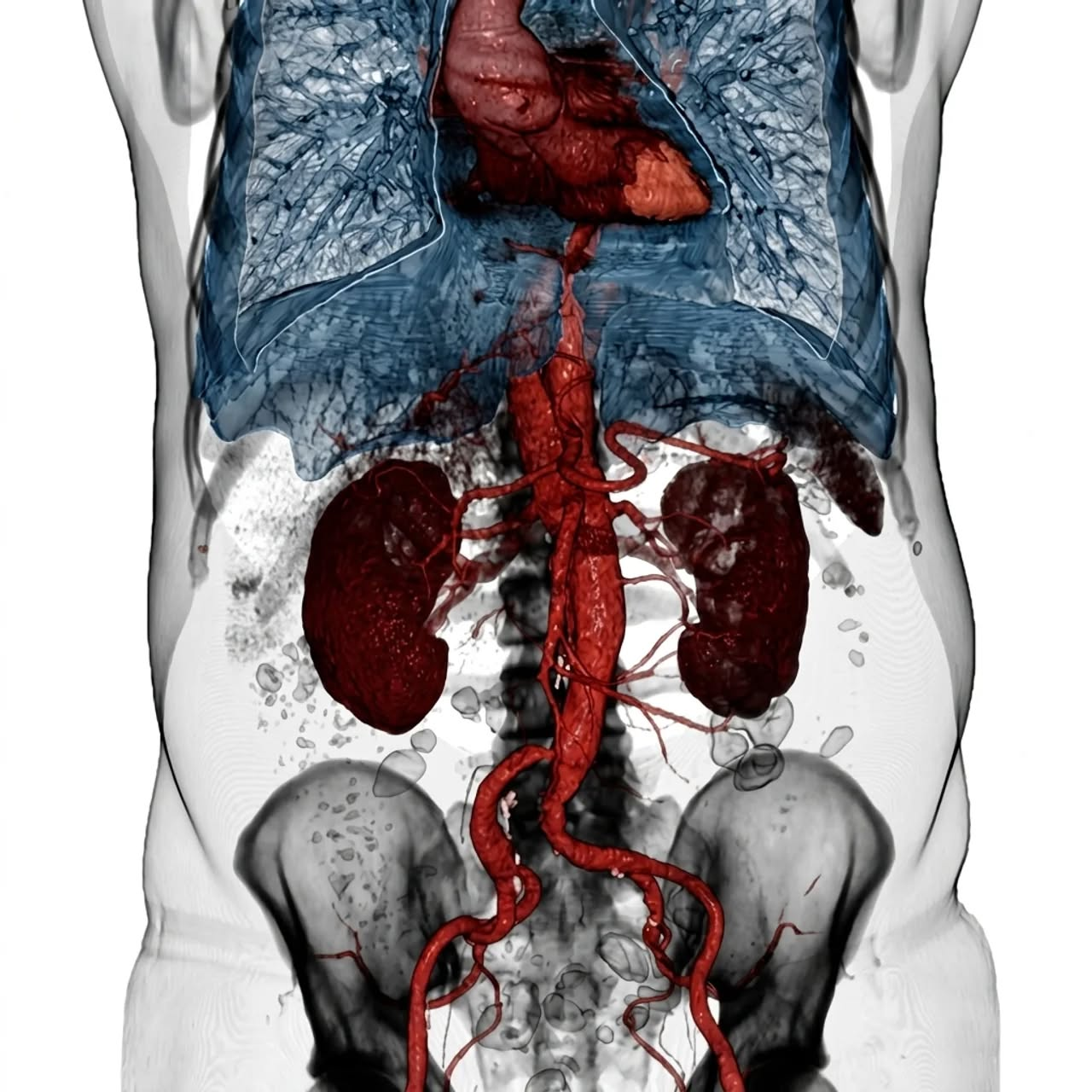
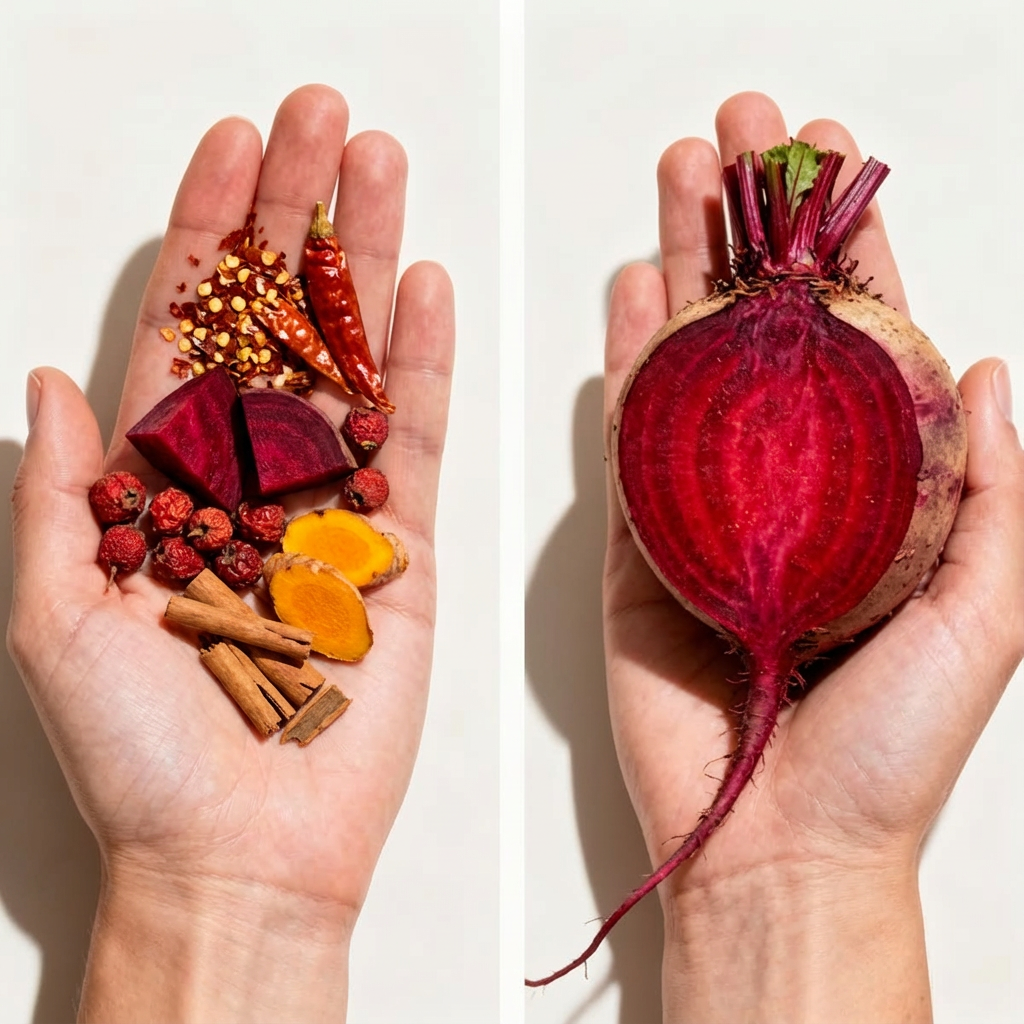
I always tell my patients with high blood pressure to skip the beetroot and take cayenne pepper instead. And every single time I say it, I get the look. The eyebrow raise. The slight smirk. The "you're joking, right?" face I have been getting in my office for over 18 years. I understand the reaction. Beetroot has been the darling of the cardiovascular supplement industry for the last decade. Every health magazine has written about it. Every podcast has someone selling beetroot powder. Every supermarket has a shelf full of beetroot capsules with promising labels and aggressive marketing. But here is what I have learned from watching thousands of patients try beetroot for their blood pressure and come back disappointed six months later. Beetroot works on one mechanism, and that mechanism wears off within hours of taking it. You drink the juice or swallow the capsule, your body converts the dietary nitrates into nitric oxide, the vessels open briefly, your blood pressure drops a few points for an afternoon, and by the next morning you are right back where you started. Nothing has been repaired. Nothing has been healed. You have rented a few hours of slightly better blood flow. Cayenne, when delivered correctly, does something fundamentally different. I have personally taken it every morning for the last 8 years, and I have watched it transform the cardiovascular markers of patients who had been stuck on blood pressure medication that was not getting their numbers where their doctors wanted them. Most patients think high blood pressure is a problem with the heart. It is not. It is a problem with the vessels. When the inner lining of your blood vessels, called the endothelium, becomes inflamed and damaged across decades of stress, processed food, poor sleep, and ordinary aging, the vessels lose their ability to relax and dilate properly. They become stiff. They become narrow. The heart has to push harder to move blood through them, which is what shows up as a high reading on the cuff. The number on the screen is the symptom. The damaged endothelium is the disease. Beetroot does not repair the endothelium. It provides a temporary chemical bypass that lasts a few hours. Most blood pressure medications do not repair it either. They lower the reading by forcing the vessels to dilate or by reducing the volume of fluid being pushed through them, but the underlying lining stays inflamed and continues degrading underneath the medication. Capsaicin, the active compound in cayenne pepper, works directly on the endothelial cells themselves. It binds to a receptor called TRPV1 on the lining of the vessels, which triggers sustained nitric oxide production from inside the vessel wall, not from the digestive tract. The result is a slow, continuous, structural improvement in vascular function rather than a four-hour override. My patients on it consistently see their systolic readings drop by 8 to 15 points over the first three to six months. Their resting heart rates ease. Their cardiologists start asking them what they have changed. This is also where most patients begin noticing things they had stopped expecting to feel again. The afternoon crash they had been blaming on age. The cold hands in winter that did not used to be cold. The brain fog that had crept into their mornings. The shortness of breath on stairs they once took two at a time. None of these are normal aging. They are the symptoms of vascular dysfunction that has been progressing alongside the blood pressure for years. When the endothelium repairs and the vessels start dilating properly, all of these things start lifting. My patients describe it in almost identical language. Thinking sharpens. Energy comes back through the afternoon. Hands stay warm. They walk further than they used to without noticing. They sleep more deeply. This is what proper circulation feels like. Most people in their fifties and sixties have not felt it in so long that they have forgotten it was an option. Here is what most patients also do not realise about the relationship between high blood pressure and what comes next. The reading on the cuff is a symptom of vascular damage happening throughout your entire body. The same damage showing up in your arm is happening in the arteries feeding your heart, your brain, and your kidneys. A reading of 145 over 92 is your body telling you the underlying vascular network is failing in slow motion, and somewhere between three and ten years from now, that failure will reach a critical point in a vessel that matters for your survival. Beetroot does not slow that timeline. It manages the reading. Cayenne slows it. By repairing the endothelium, calming the inflammation, and supporting natural nitric oxide production, capsaicin addresses the underlying disease that produces the event. My patients on it for two years or more show measurable improvements in arterial stiffness, inflammatory markers, and lipid profiles. They are not just managing a number. They are repairing the system the number is measuring. I want to be clear about one thing. Cayenne is not a replacement for blood pressure medication. If you are currently on a prescription, never stop it without talking to your doctor. But cayenne is the only natural cardiovascular intervention I have seen consistently move the underlying disease, which means many of my patients have been able to work with their doctors over time to reduce their medication as their numbers improved. That is the conversation I want every patient in their fifties and sixties to be able to have. Not "should I be on a higher dose?" but "should I be on a lower one?" But here is the thing. Most cayenne supplements on the market are worthless. They are raw cayenne powder packed into a capsule, where the capsaicin breaks down in stomach acid long before it reaches the bloodstream. They burn going down. They give people heartburn. They sit on warehouse shelves for months, slowly degrading in the heat until the active compound is essentially inert by the time it ships. I have watched patients waste money on these for years. Then I came across Aurivita Capsaicin Power, and it was the first cayenne product I had encountered in over a decade that actually delivered what the label claimed. The capsaicin is suspended in cold-pressed avocado oil inside a softgel, which is the only delivery method that allows the fat-soluble active compound to survive stomach acid and reach systemic circulation. Raw cayenne powder cannot do this. Most cayenne capsules cannot do this either. Each serving delivers 3 milligrams of standardised capsaicin, which is the exact dose range used in the cardiovascular research showing meaningful blood pressure improvements. Not a trace amount to justify the label. The real therapeutic dose. It comes in a resealable, light-blocking, moisture-sealed bag of 180 softgels, a two-month supply at three softgels per day. The bag matters because capsaicin degrades when exposed to oxygen and UV light, which is something almost every bottled supplement on the market ignores. There is nothing else in it. No fillers. No sugar. No proprietary blends hiding underdosed ingredients. Just the cayenne extract, the avocado oil carrier, and what is needed to deliver the active compound into the bloodstream intact. I take three every morning. So do most of my patients. It has become part of the morning routine alongside coffee, takes ten seconds, and is the single most consistent recommendation I make in my practice for cardiovascular wellness. Within two to four weeks, most people start noticing things. Hands staying warmer. Sharper thinking through the afternoon. Better sleep. Stairs feeling easier. The fog lifting from the mornings they had stopped expecting to feel sharp. Within three to six months, the readings on the cuff start moving. That is when the conversation with their own doctor becomes interesting. Aurivita comes with a 120-day money-back guarantee. Four months is enough time to find out whether it is working for you, which is longer than the trial period for almost any pharmaceutical I have ever prescribed. If your readings have not moved, if your energy has not lifted, if your hands are still cold and your mornings are still foggy, send the bag back, even empty, and they will refund every cent. In 18 years of recommending things to patients, I have never seen a blood pressure medication offer that guarantee. I have never seen a beetroot brand offer it either. That is how confident I am in what capsaicin actually does for vascular health when it is delivered correctly. If you are tired of taking a medication that manages the number without changing how you feel, or if you have been trying beetroot for years and waiting for it to produce something more than a few hours of slightly better readings, this is the next thing to try. Three softgels with breakfast. Every morning. That is the whole protocol. The link is below. The first bag may take a few weeks to make a noticeable difference. Most patients are convinced by the end of the second bag. https://aurivita.co/products/capsaicin-power-bloodpressure Individual experiences vary. These statements have not been evaluated by the FDA. This product is not intended to diagnose, treat, cure, or prevent any disease. Always consult your doctor before adding any supplement to your routine, especially if you are currently taking prescription medication for blood pressure or other cardiovascular conditions.
Where the ad sends people
aurivita.co
Why I Recommend Cayenne Pepper.
Support strong circulation today with our powerful cayenne pepper formula. 180 softgels and 60 servings per bag.
Learn more: aurivita.co(opens in a new tab)