Wellness Journal
Wellness Journal Facebook ad: “Feel Like Yourself Again”
Ran for 3 days, from August 29 to September 1, 2026, the last day Crush saw it.
Run by Wellness Journal on Facebook. Crush is not the advertiser and does not verify its claims. See this ad in Meta's Ad Library(opens in a new tab)
Want an ad like this for your product?
Crush makes new ad images for your product from this ad: your logo, your product photo, your offer.
Trials from $19.95 USD, then $79.95 USD a month. Cancel anytime.
About this ad
- Meta Ad Library ID
- 979231121848655
- Platforms
- Facebook, Instagram, Audience Network, Messenger, WhatsApp and Threads
- Relaunches
- 0
Ad text
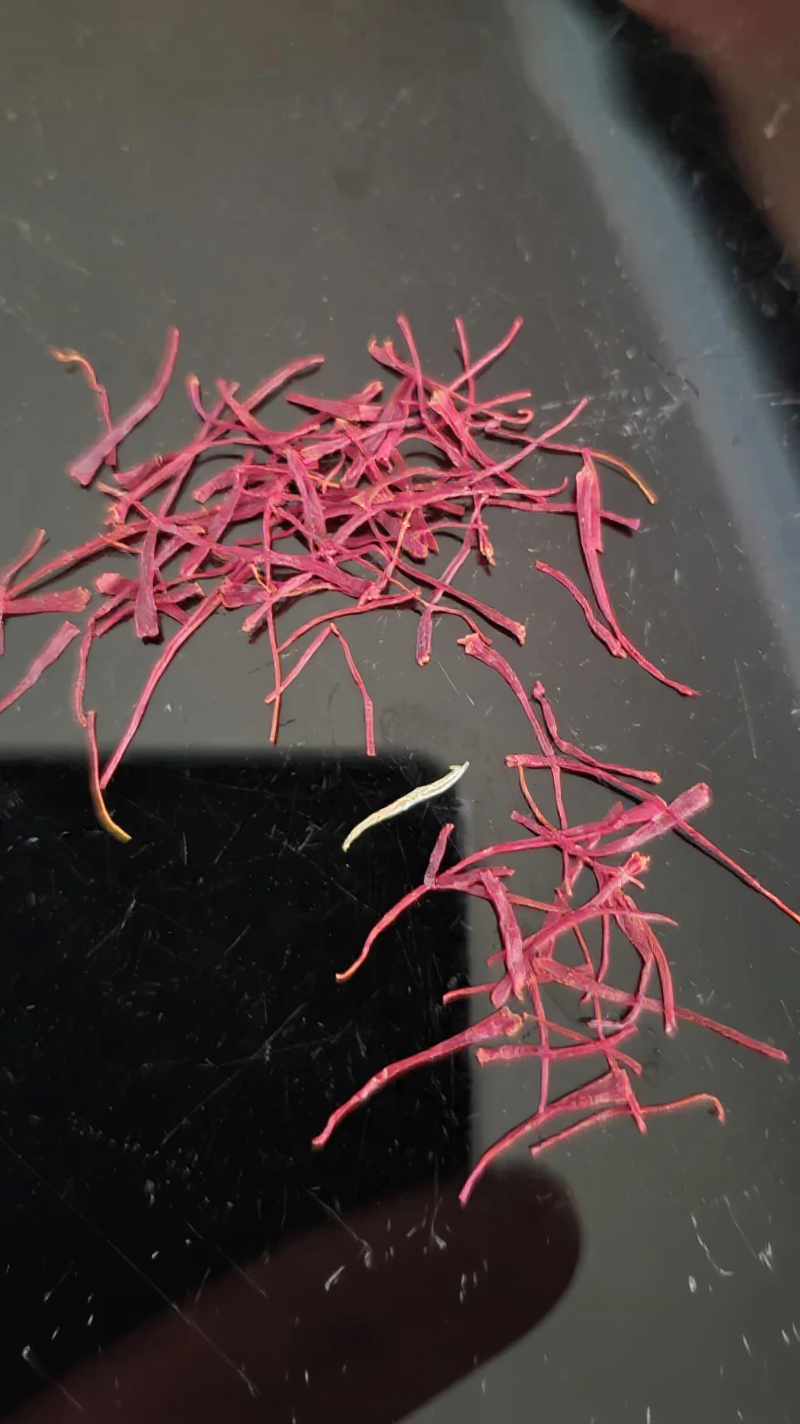
My son got his first job in October. He told me after his first shift. When I asked why he had kept it from me, he looked down at the kitchen floor and said, "Because you would have worried about it until I didn't want to go." I have spent eighteen years teaching middle-school students how to think clearly. My own child had learned to hide good news from me. That was the moment I stopped calling this my personality. My name is Laura. I am 47 years old, married, a mother of two, and I run the library at a public middle school. From the outside, I have a quiet job and an ordinary family and a life that looks completely fine. Inside my body, an alarm had been ringing for as long as I could remember. At 11 PM, my husband would hear me walking between the kitchen and living room. Back and forth. Back and forth. He used to ask me to come to bed. Eventually he stopped asking. He left the hall light on and turned the television down so I could hear it from the kitchen. At 3:07 AM, I would wake with my heart pounding and begin reviewing the evidence against me. The email that sounded too short. The pause before somebody answered. The joke that might have landed wrong. By four o'clock, my mind had moved on to disasters that had not happened yet. By five, I was calculating how much sleep I could still get and remain functional. I hid in bathrooms at parties. I let the phone ring, searched the number, then spent an hour rehearsing the return call. I wrote text messages, deleted them, rewrote them, sent them, and reread them until I found something new to regret. I called myself private. Introverted. A worrier. My husband called me tired. My children learned to tell me things after they happened. For thirty years, I believed the same sentence: this is simply who I am. Then my son showed me what that sentence was costing everybody else. I repeated his words to my therapist three days later. I had been seeing her for six months. She had taught me grounding exercises, breathing techniques, and ways to challenge catastrophic thoughts. They helped at the edges. I could identify a thought as irrational while my chest stayed tight and my body continued behaving as if the house were on fire. "I understand what my mind is doing," I told her. "Why can't I make my body believe me?" She put her pen down. "Because this may not be only a thinking problem," she said. "Your nervous system sounds like it has been stuck in overdrive for so long that overdrive feels normal." I gave her the answer I had given everybody. "I've always been anxious." "That describes what is happening," she said. "It does not explain why." Then she gave me the same seven-question anxiety screen I had completed at my first appointment. My score was 17. She turned the page toward me and said, "This is not a personality test, Laura. This is a nervous system asking for more support." That sentence broke something open. For thirty years, I had blamed my character for a biological alarm nobody had taught me how to switch off. She told me therapy could keep working on the thought loops, but it might be time to discuss medication support with my primary-care doctor. I made the appointment. I answered the questions. Two days later, CVS texted me. SERTRALINE 25 MG. READY FOR PICKUP. I sat in my car in the school parking lot and stared at that message. I am not against medication. I need to say that clearly. I have watched it save people I love. But I was afraid of trading the alarm for absence. I was afraid of emotional blunting, losing my sexual desire, gaining weight, and discovering only after I started that stopping was harder than beginning. I told my therapist and my doctor I wanted one monitored window before I made the decision. Eight weeks. We would repeat the same anxiety screen. The prescription would remain available if I needed it. They agreed. That night, I started reading. Not wellness blogs. Not influencers holding amber bottles in white kitchens. I spend my working life teaching children how to separate a source from a sales pitch. I went to the papers, checked the sample sizes, followed the citations, and read the parts most supplement pages leave out. The first trial stopped me. Six weeks. Double-blind. Randomized. Forty adults with mild-to-moderate depression. One group received 30 milligrams of saffron extract a day. The other received fluoxetine. The improvement was similar. Then I found another trial comparing the same daily saffron dose with imipramine. Again, the improvement was similar, while dry mouth and sedation appeared more often in the medication group. I reread both abstracts. This was not a sleepy herb being compared with nothing. This was saffron standing head-to-head with prescription antidepressants. Then I found the explanation that made the previous thirty years fall into place. Low mood and anxiousness are not failures of discipline. They are connected to physical systems involving serotonin, dopamine, and BDNF. Serotonin helps regulate mood and emotional steadiness. Dopamine is tied to motivation, interest, and reward. BDNF helps the brain form and strengthen new pathways. Therapy had been teaching my thinking brain that a phone call was not a threat. That one awkward sentence was not a catastrophe. That discomfort did not mean danger. But my body kept sending the opposite message. Alarm. Alarm. Alarm. And the alarm was feeding itself. I worried, so I slept badly. I slept badly, so ordinary problems felt more threatening the next day. My body stayed braced, so my mind kept searching for the danger that must be causing it. It always found one. Then I worried more. I had the order backwards. I thought the frightening thought was starting the alarm. Much of the time, the alarm was already ringing, and my mind was being recruited to explain why. That was the background alarm. It was the reason breathing exercises could calm me for ten minutes and disappear the moment an unknown number appeared on my phone. It was the reason I could understand every cognitive tool my therapist gave me and still pace at eleven o'clock that night. Therapy was not failing me. It was fighting the mental half of the loop while the physical half kept restarting it. Standardized saffron extract worked on that physical side. It supported the same serotonin and dopamine systems targeted by antidepressants, through a different mechanism. It also increased BDNF, the protein involved in the brain's ability to adapt and build new pathways. That mattered to me more than the phrase "mood support." Therapy was drawing the map. BDNF was part of the machinery my brain needed to follow it. And saffron did not come with the trade-offs I was afraid of. No emotional blunting. No sexual dysfunction. No weight gain. No withdrawal when you stop. The more I read, the angrier I became. Not at my therapist. She was the first person who admitted the explanation was incomplete. I was angry at every year I had been told to breathe more deeply, think more positively, stop overreacting, sleep better, exercise harder, and try harder without anybody asking why my body was behaving as if danger were standing in the room. I had tried magnesium. L-theanine. Ashwagandha. Valerian root. CBD gummies. Every calming tea with a moon printed on the box. Some made me sleepy. One made me foggy. Most did nothing. Because sedation is not regulation. And when an ingredient did have evidence behind it, the bottle I bought rarely contained what the researchers had tested. The wrong extract. The wrong form. Half the studied dose. A proprietary blend that named six ingredients and disclosed none of them. I had not proved natural options were useless. I had proved underdosed substitutes were useless. The research kept pointing to the same specification. Thirty milligrams of standardized saffron extract. Not kitchen saffron. Not powder. Not a gummy colored orange and marketed with the word "happy." Longvida curcumin. Not ordinary turmeric. The specific form used in human research on working memory and cognitive performance. Zinc glycinate. Not zinc oxide. A bioavailable form of a mineral involved in mood, neurotransmitter function, and healthy sexual function. All three at disclosed doses. No proprietary blend. Third-party tested. A guarantee long enough to cover the six-to-eight-week window in the research. I checked every label I could find. One company would not name its saffron extract. Another used the right extract at half the studied amount. Two advertised curcumin but used ordinary turmeric powder. One buried everything inside a blend total, which meant the expensive ingredients could have been present in dust-sized amounts and the label would still look impressive. The formula that survived every check was MyHerby Happy Saffron Plus. Award-winning affron saffron extract at the researched 30-milligram dose. Longvida curcumin. Zinc glycinate. Every active amount disclosed. Third-party tested. Made in the United States. Three ingredients doing three different parts of the same job. Saffron for mood and anxiousness. Longvida for working memory and focus. Zinc for the enzymatic processes and sexual function that get ignored until they disappear. I ordered one bottle. I took three capsules a day between meals, exactly as directed. For twelve days, nothing happened. No wave of calm. No sudden happiness. No movie-scene morning where the sunlight looked different. I kept taking it because the research said six to eight weeks, and I had agreed to give my doctor and therapist eight weeks of honest data before making the medication decision. On the seventeenth night, I woke at 3:11 AM. I looked at the clock. Felt the familiar drop in my stomach. Waited for my mind to begin presenting its case against me. The next thing I saw was 6:42. I had gone back to sleep. It happened once that week. Then twice the next. Around the third week, my husband said something while we were watching television. "You have been sitting here for the whole episode." I thought he was joking. Then I realized what he meant. I was on the couch. My feet were still. The hall light was off. He had noticed before I had. The following week, an unknown number called while I was shelving returns. Usually I let those calls ring, searched the number, invented three emergencies, then rehearsed the return call. This time I answered. It was the dentist confirming an appointment. The call lasted forty-three seconds. I hung up and went back to work. Forty-three seconds should not feel like getting part of your life back. It did. Then my son walked into the kitchen one Thursday and said he had an interview for a better job the following Monday. Before it happened. He told me before it happened. I asked what time it was and whether he wanted me to iron his shirt. I did not list everything that could go wrong. I did not make him calm me down about his own interview. He watched me for a moment. "This is why I told you," he said. I waited until he left the room before I cried. At eight weeks, my therapist handed me the same seven-question screen. Seventeen at the beginning. Six now. She checked the page, then checked it again. "What changed?" I told her everything. The saffron research. The sleep. The phone call. My son. She did not call it a cure. She did not tell me to stop therapy or close the door on medication forever. She said, "That is a meaningful change. Keep doing what is working, and we will keep monitoring it." That was four months ago. The prescription decision never became the catastrophe I had turned it into. It became a monitored decision made with actual evidence from my own life. The 3 AM wake-ups are rare now. The pacing has stopped. I answer the phone. I send a text once. I sit beside my husband in the evening instead of wearing a path between the kitchen and the living room. I still worry. I still have anxious days. But an anxious day is a day now. It passes. It does not recruit the rest of the week. And my family no longer waits until something is over before they tell me it began. That is the part I care about most. I had been wrong about almost everything. I was not born with a defective personality. My nervous system had been running an emergency program for so long that I mistook the program for myself. Therapy had not failed. It was trying to teach a body that did not yet have what it needed to learn. The supplement category had not failed. Weak forms, hidden doses, and products designed to make me sleepy had failed. The goal was never euphoria. It was regulation. Not becoming someone new. Getting myself back. If you know the 3 AM dread, the pacing, the deleted messages, the calls you cannot answer, or the family members who have quietly learned when not to tell you things, then you already know this is not "just stress." You are not lazy. You are not weak. You are not failing because you cannot willpower your way out of a nervous system that has forgotten how to stand down. The research exists. The head-to-head trials exist. The 30-milligram dose exists. And the exact three-part formula I used is MyHerby Happy Saffron Plus. One bottle is a thirty-day supply. That is important because the research window is six to eight weeks. A thirty-day bottle gets you started. It does not give a slow biological process permission to finish early. MyHerby gives you ninety days from delivery. If your mood does not lift, you get your money back. If the background alarm does not quiet, you get your money back. If you simply change your mind, you get your money back. No return required. Free shipping is included on the first order. The guarantee told me more than another paragraph of marketing ever could. My prescription did not come with ninety days to decide whether I still felt like myself. MyHerby was willing to let the result make the decision. Six weeks will pass whether you begin or not. The only question is whether you reach the end of them with another forty-two nights of staring at the ceiling, or with forty-two days of evidence about what happens when you finally address the system underneath the thoughts. 👉 https://myherby.co/products/myherby-saffron P.S. My husband turns the hall light off now. That click means more to me than the number on the anxiety screen. It means he no longer expects to hear my footsteps at midnight. P.P.S. My son got the better job. He told me about the interview four days before it happened. That is what came back first: not "calm," but my place inside my own family's life. P.P.P.S. If you currently take an antidepressant or any other prescription, do not stop or change it because of this post. That decision belongs with the professional managing your medication. Happy Saffron Plus was something I used alongside therapy during a monitored window. It was not permission to abandon care that was already helping. P.P.P.P.S. MyHerby produces Happy Saffron Plus in small batches. I learned that when I reordered late and had to wait ten days. If you want to give the formula the full six-to-eight-week window, check availability before you are desperate enough to make the decision from a pharmacy parking lot. 👉https://myherby.co/products/myherby-saffron
Where the ad sends people
myherby.co
Feel Like Yourself Again
MyHerby
Learn more: myherby.co(opens in a new tab)