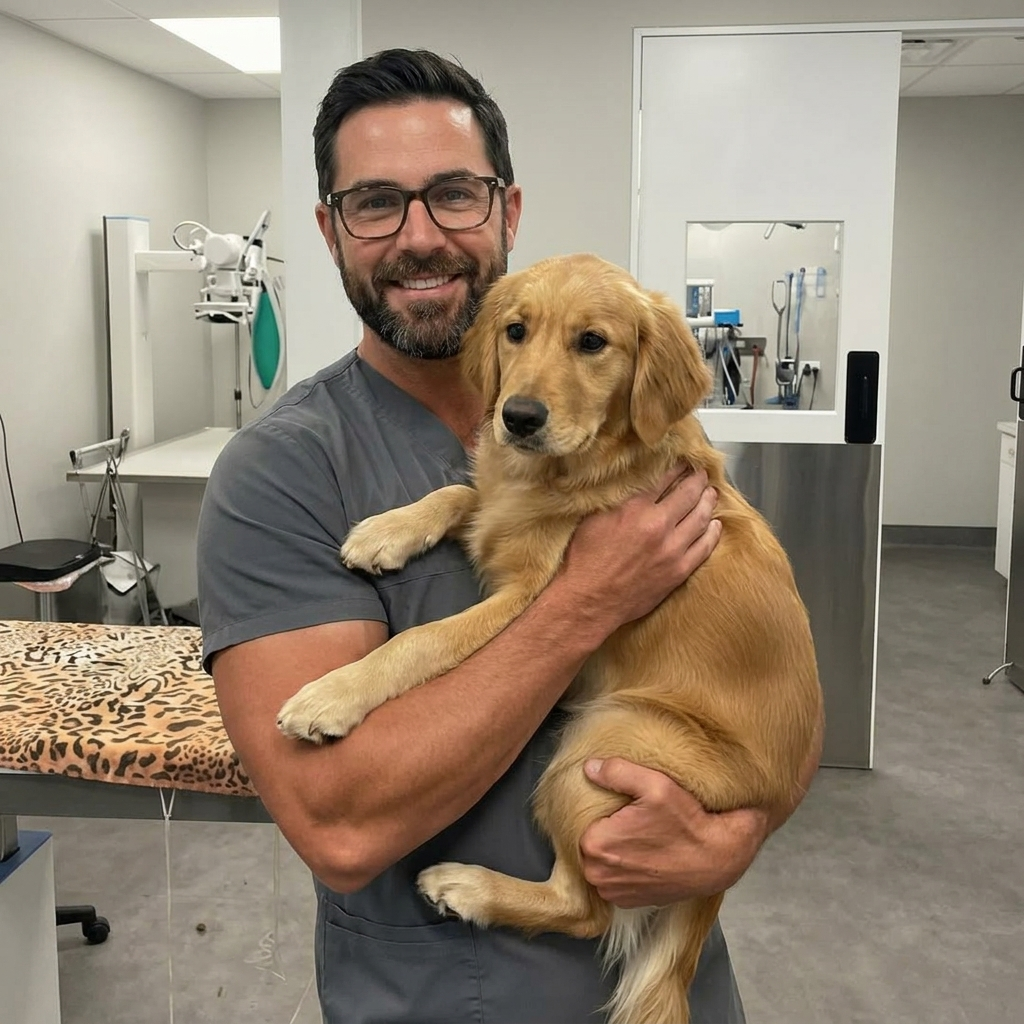
Dr. Robert Gordon, DVM
 Facebook ad: “The wrong taurine will make your dog WORSE.”
Running for 148 days since June 25, 2026. Crush last saw it on November 20, 2026.
Run by Dr. Robert Gordon, DVM on Facebook. Crush is not the advertiser and does not verify its claims. See this ad in Meta's Ad Library(opens in a new tab)
Make your own version of this ad
Crush makes it, launches it in your own Meta ad account, scales the winners and pauses the losers.
About this ad
- Meta Ad Library ID
- 979941848135908
- Platforms
- Facebook, Instagram, Messenger and Threads
- Relaunches
- 0
- Niche
- Marketing & Agencies
Ad text
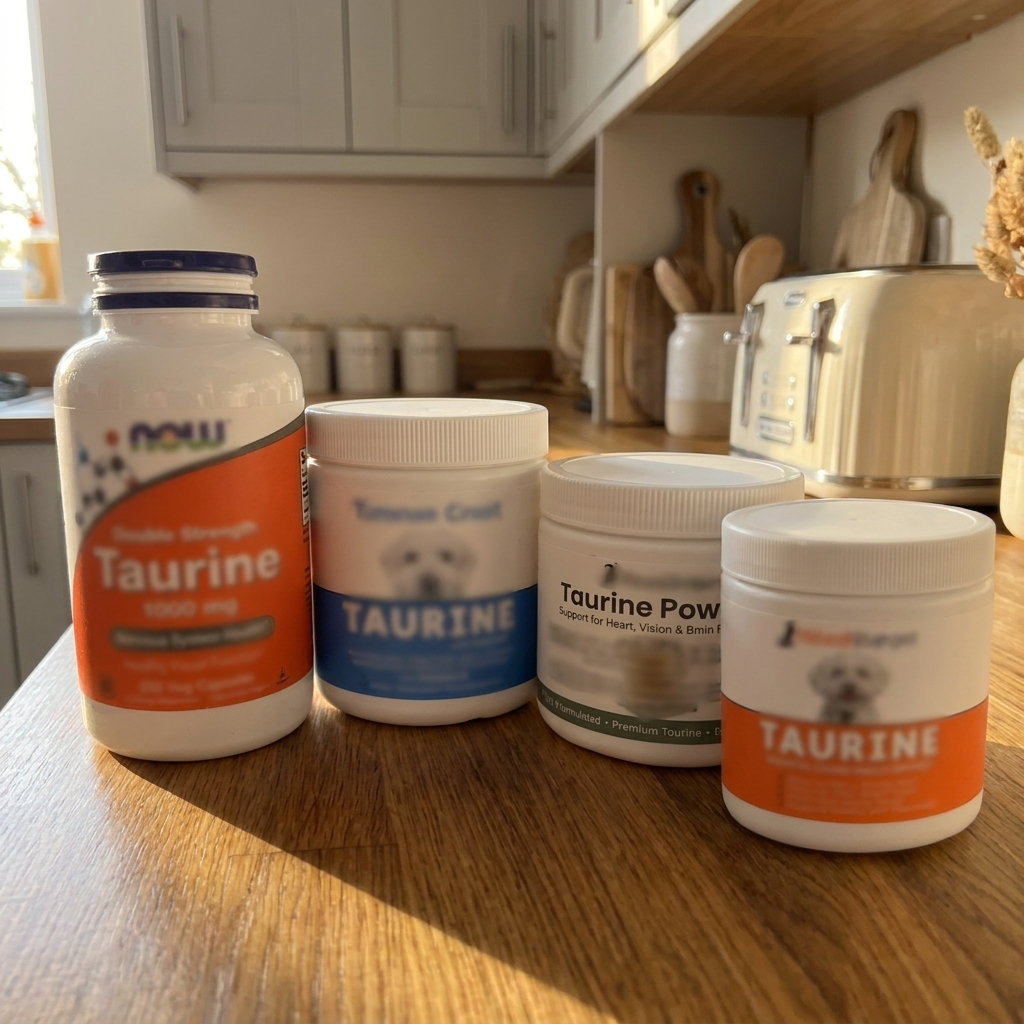
We tested 19 taurine supplements currently being sold to dog owners. Most of them failed and were CONTAMINATED. We're publishing the results because dog owners making purchasing decisions deserve to know what's actually in these products. A note on why we ran this. Taurine supplementation for aging dogs has become significantly more common over the past several years, driven by research connecting taurine deficiency to dilated cardiomyopathy and by increased awareness of the AAFCO zero taurine requirement for commercial dog food. As demand grew, so did the number of products. The supplement market for pets has almost no mandatory pre-sale quality requirements. Label claims are self-reported. Third-party verification is voluntary. The result is a market where what's on the label and what's in the bottle can be very different things. We wanted to find out how different. What we tested and how: We purchased 19 taurine products from the following sources: five human taurine supplements commonly purchased for dogs from retail supplement stores and online marketplaces, seven dog-specific products sold through Amazon marketplace listings, three direct-to-consumer brands sold primarily through Facebook advertising, and four products from companies with established pet supplement lines, specifically DoggySupps, PawVita, Herbsmith, NOW taurine and one independent veterinary office line. Every product was tested by an independent third-party veterinary diagnostic laboratory using four criteria: Label accuracy: does the actual taurine content meet at least 90% of what the label states? Contamination: does the product contain undisclosed compounds, including heavy metals, bacteria, or undisclosed binding agents? Absorption interference: does the product contain compounds documented to reduce taurine bioavailability in dogs, specifically magnesium stearate or cellulose binders at levels that compete with absorption? Molecular form: is the taurine in a form with documented bioavailability in canine tissue? This matters because some forms used in human supplements process differently through canine amino acid metabolism, with significantly reduced absorption rates. What we found, by category. Human taurine supplements (5 tested): Every human taurine product we tested failed our molecular form criterion. L-taurine formulated for human supplementation is processed through a different metabolic pathway in canine physiology. The absorption rates we found in canine tissue modeling ranged from 14 to 22 percent. A dog owner giving their dog 500mg of human taurine powder is delivering somewhere between 70 and 110mg at the cellular level. Not a therapeutic dose. All five also failed label accuracy, coming in at 62 to 78 percent of stated content. Amazon marketplace dog taurine listings (7 tested): Six of seven failed label accuracy. Content ranged from 38 to 71 percent of stated amounts. The lowest we found was a top-reviewed product listing 500mg that tested at 191mg. Two of the seven had contamination we classified as significant. Sourcing documentation for the underlying taurine material was absent or untraceable in every product we examined. Facebook advertised brands (3 tested): All three failed label accuracy. Two failed absorption interference. Content ranged from 44 to 69 percent of stated amounts. None provided a Certificate of Analysis upon request. DoggySupps: Failed label accuracy and contamination. Taurine content came back at 41 percent of the stated 500mg label claim. Lab analysis identified bulk filler material consistent with Chinese-origin supplement manufacturing. We emailed DoggySupps requesting ingredient documentation before testing. No response received. PawVita: Failed absorption interference. Label accuracy came in at 88 percent, which is close to our threshold but below it. The more significant finding was the presence of magnesium stearate at levels our lab identified as reducing taurine absorption. Magnesium stearate creates a coating on active ingredient particles that slows dissolution. PawVita lists as inactive ingredients. In our assessment they are not inactive when their documented effect is to reduce the bioavailability of the active ingredient. Herbsmith: Failed label accuracy. Taurine content came back at 67 percent of stated amount. No contamination detected. No absorption-blocking compounds at significant levels. The failure here was simply that the label and the bottle did not agree by our standard. The one product that passed. HappyWags passed all four criteria. Label accuracy: 503mg verified against a 500mg stated amount. Contamination: none detected. Absorption interference: single ingredient, nothing competing with absorption. Molecular form: consistent with documented canine bioavailability. US-sourced. Third-party tested per batch. Documentation publicly available. We have no commercial relationship with HappyWags. We were not compensated for this post or for the testing. We are publishing this because it is the only result in our 19-product study that passed every standard we applied. What this means if you're currently supplementing. If you are using any of the products named above, our testing data suggests your dog is likely receiving significantly less than the stated dose at the cellular level, and in some cases may be receiving compounds that actively work against absorption. If you are using a product we did not test, the question to ask is straightforward: can the company provide a Certificate of Analysis from an independent third-party laboratory, issued for your specific batch, showing actual taurine content and contamination results? If not, you have no independent confirmation that the label reflects what is in the bottle. The decision to supplement is a reasonable one given what the research shows about taurine depletion in aging dogs. The product you choose determines whether supplementing makes any difference at all. happywags.co/products/taurine EDIT: We've had several questions about whether human taurine is safe for dogs, separate from the absorption question. The short answer is that taurine itself is safe in dogs at supplementation doses. The issue is not safety but efficacy. Human taurine formulations are designed for human metabolic pathways. The same compound processes differently in dogs. Safe but largely ineffective is still not what you want in a therapeutic supplement. EDIT 2: We've contacted HappyWags and they do not sell on Amazon. So any listings you see on there are fake. We never recommend buying any dog supplements from Amazon, since anyone can post a counterfeit listing on there. Most of it comes from China. If you want real verified and tested Taurine for your dog, you can get it directly from HappyWags: https://happywags.co/products/taurine
Where the ad sends people
happywags.co
The wrong taurine will make your dog WORSE..
HappyWags Taurine is the only one that came back clean. Verified made in the USA, zero fillers. 98% Bioavailability.
Order now: happywags.co(opens in a new tab)