Laura Hayes
Laura Hayes Facebook ad: “THIS IS what you need to do”
Ran for 4 days, from May 24 to May 28, 2026, the last day Crush saw it.
Run by Laura Hayes on Facebook. Crush is not the advertiser and does not verify its claims. See this ad in Meta's Ad Library(opens in a new tab)
Want an ad like this for your product?
Crush makes new ad images for your product from this ad: your logo, your product photo, your offer.
Trials from $19.95 USD, then $79.95 USD a month. Cancel anytime.
About this ad
- Meta Ad Library ID
- 982648974156026
- Platforms
- Facebook, Instagram, Audience Network, Messenger and Threads
- Relaunches
- 5
- EU reach
- 13,935
- Niche
- Parenting & Kids
Ad text
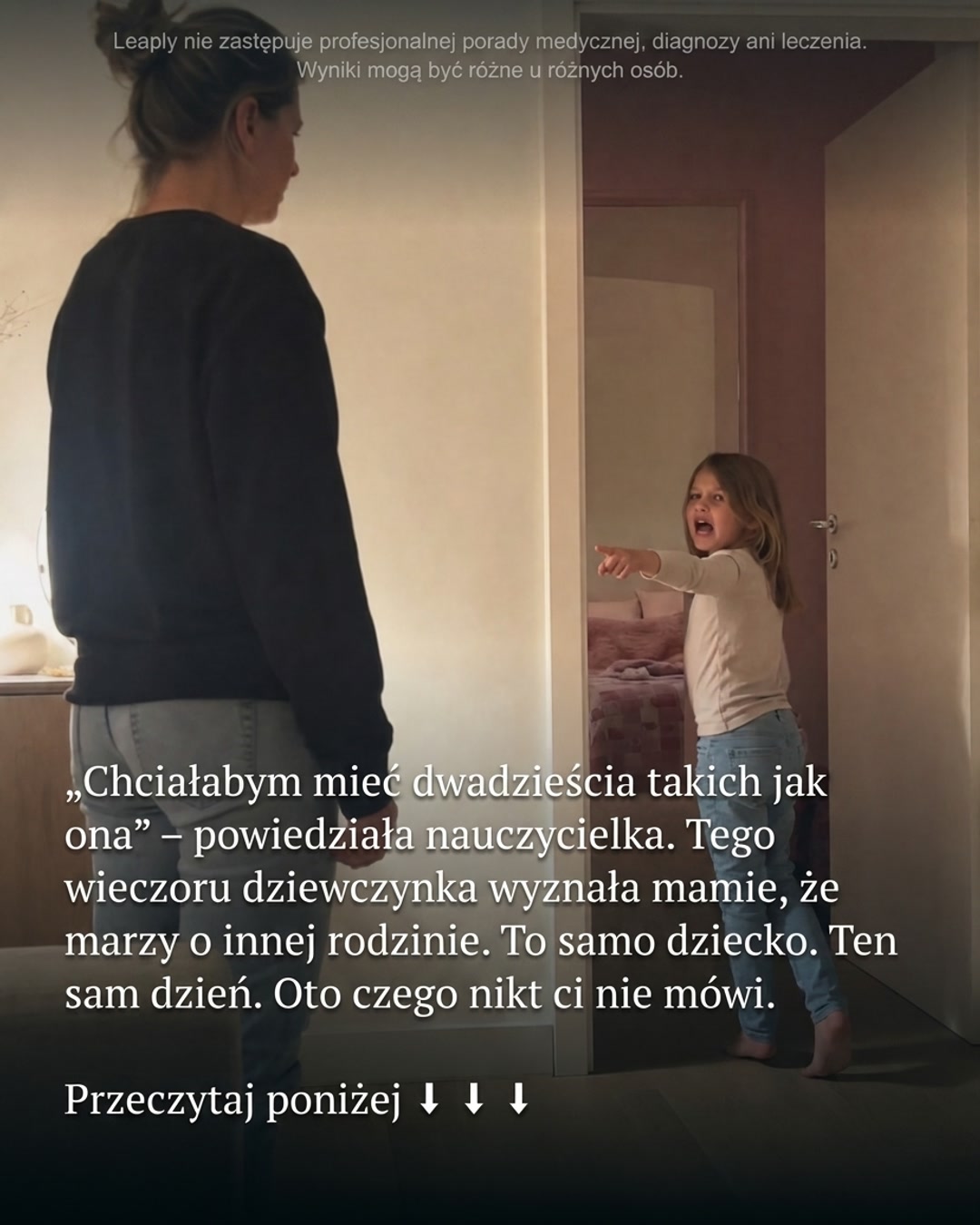
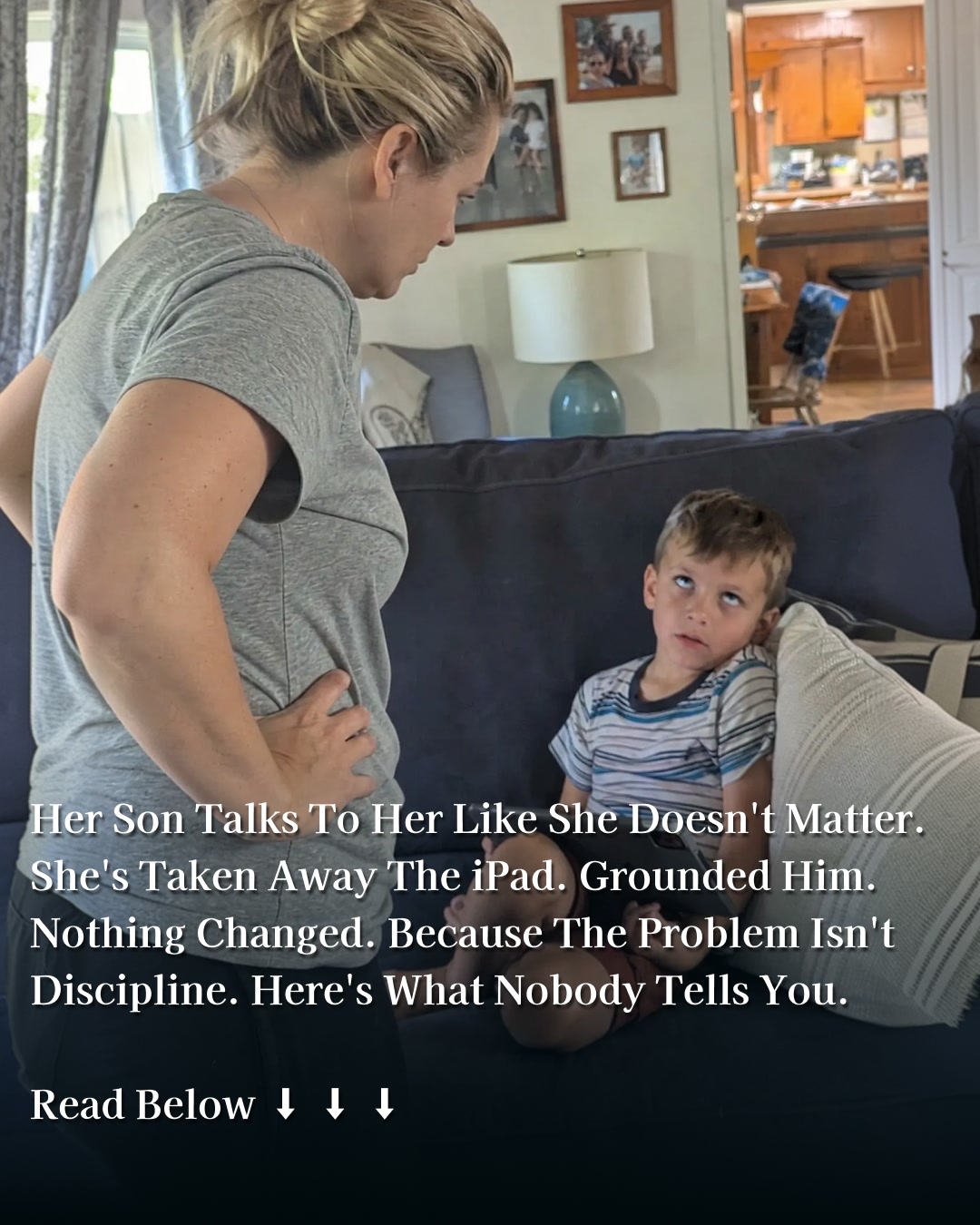
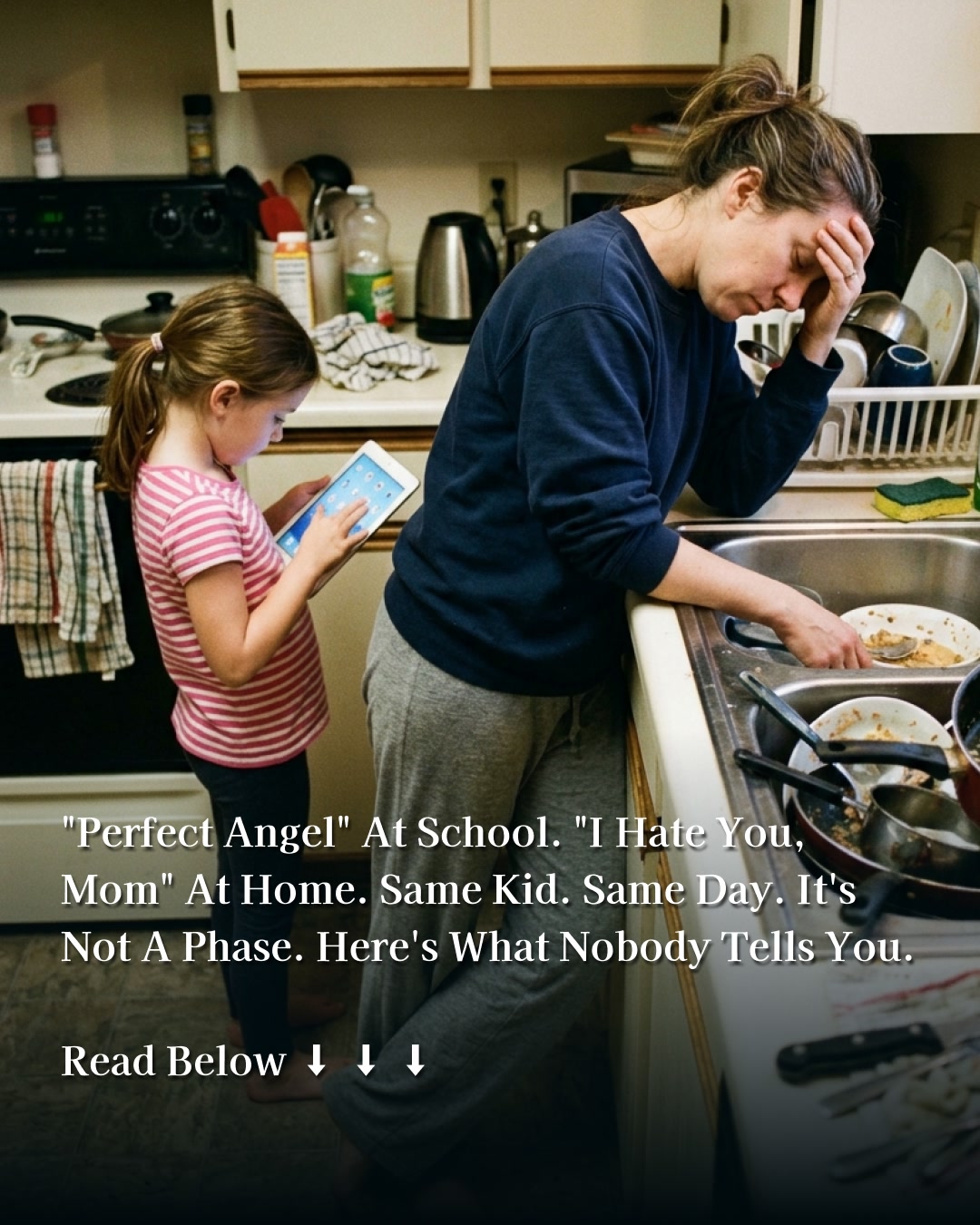
I watched my sister lose her daughter through the front door of her own house. Not to divorce. Not to illness. Not to anything the outside world could see. She lost her to the space between school pickup and dinner. That's the confession I need to start with. Because I'm not the mom who went through it — I'm the aunt who watched. And watching was its own kind of hell. Kate is my older sister. Two years apart. We grew up sharing a room, had kids eighteen months apart, and still text at 10 PM when the house is finally quiet. The kind of relationship where you say "I'm failing at this" and the other one says "same" and that's enough. Lily is eight. Her little sister Emma just turned five. Kate and Brad — normal family. Not perfect. Normal. Two years ago, I started noticing. The first time it registered: I picked Lily up from school for Kate on a Tuesday. She came out smiling. Hugged her teacher. Waved at her friends. Little golden girl, the one every parent points to and says "I wish mine behaved like that." She got in my car. "How was school, Lily?" "Fine." "What'd you do today?" "WHY DO YOU ALWAYS ASK ME THAT. JUST DRIVE." She was seven. She told her aunt to just drive. I thought: bad day. Didn't say anything. The next time: Saturday at Kate's. I walked in at 4:15. Kate's eyes were red. Lily was in her room, door shut. Emma was coloring at the kitchen table. Too quiet for a five-year-old. Kate said: "Don't ask." I didn't ask. Then I started watching the clock. Specifically: the gap between Lily walking through the front door and the first explosion. A year ago, the gap was about forty minutes. She'd come home, drop her backpack, have a snack. Then something small would set her off and the screaming would start. By 4:30, the house was a war zone. Six months later, the gap was fifteen minutes. Backpack hits the floor, shoes thrown in the hallway, and by 4:15 she was already yelling. Three months later, there was no gap. The explosion started in the car. Before they left the parking lot. 3:45 and the screaming had already begun. Every day at 3:42, Lily walked out of school smiling. By 3:45, she was someone else. I want to be clear: Lily wasn't a bad kid. Wasn't spoiled. Wasn't "raised wrong." One kid at school, a completely different one at home. Not because she was manipulating. Not because she didn't love us. But none of us understood that yet. Kate had a line she repeated: "It's her age. She'll grow out of it. All kids do this." The internet confirmed it. Mom groups. Forums. "Mine too." "Totally normal." "She's testing boundaries." The entire internet said: wait. It's a phase. I didn't think it was a phase. Because I knew Lily at five. When she ran out of her room yelling "Mommy, hug me!" When she drew Kate cards on random Tuesdays for no reason. When she said "you're the best mommy" and meant it. That Lily was gone. This Lily looked at her mother like an enemy. At school she held everything. The smile, the manners, the patience, the rules. Six hours a day. Perfectly. Not a single outburst, not a single complaint from teachers. Then she'd open the front door. And in that same second — her body changed. Shoulders up. Jaw clenched. Voice sharp as a blade. Eyes like something had been burning for six hours and finally found an exit. Lily didn't become "bad" at home. Lily exploded at home because home was the only place safe enough to explode. Six hours of holding it together — and zero ability to release it. A brain that learned how to grip but never learned how to let go. A body stuck on "on" all day with no off switch. Mom was the safest target. So mom caught all the fire. The night I almost said something and didn't: Kate's kitchen. 7 PM. Kids watching a movie. Emma came in. "Mommy, can I have some juice?" Lily — from the other room: "EMMA, NOBODY ASKED YOU. SHUT UP." Emma froze. Stood there holding her empty cup. Didn't cry. Just stood there. The way a kid stands when she's learned that reacting makes it worse. Kate poured the juice silently. Handed it to Emma. Emma left. Quietly. I opened my mouth. "Kate, can we talk about—" But Kate looked at me and said: "Don't. I know everything. I just don't know what to do about it." The moment passed. I drove home and sat in my car for fifteen minutes. The night I actually said something: Two months later. Her kitchen. 8:30 PM. Kids asleep. Kate drinking coffee. Swollen eyes that don't go away in one day. "Lily told me she hates me. In front of Emma. Then Emma said 'I hate you too, Mommy' — because she heard her sister say it." Kate said it like a weather report. The voice of someone who already burned out. "Kate. How long has this been every day?" "It's her age—" "It's not her age. At five she didn't scream. Six it started. Seven — worse. Eight — every single day. That's not age. That's escalation." She went quiet. "Her teacher says she's perfect at school." "That's exactly what scares me. A kid who holds everything in for six hours and then detonates on the people closest to her — that's not good behavior. That's a brain that can't cope." Then Kate said the thing I think about every day. "I give her everything. Everything I have. And she looks at me like I'm the worst person in her life. And I'm starting to believe she's right." I give her everything and she looks at me like I'm the worst person in her life. That sentence. I typed it into my phone when I got home. It's still there. She didn't change that night. But the sentence was out. The thing hiding behind "it's her age" for two years finally had a voice. A few weeks later I was up at 3 AM — my youngest had a fever — scrolling with a thermometer in one hand. I found an article about kids who are perfect at school and fall apart at home. Some kids' brains learn to control — but never learn to process emotions. They hold everything for six hours. Perfect behavior — but at the cost of internal pressure that builds every hour. Then they come home. The safe place. And the pressure finds the only exit the brain knows: explosion. The kid isn't "behaving badly." The kid isn't "disrespectful." The brain learned to hold — but never learned to let go. The article mentioned Brain Activation Exercises. Not discipline. Not "more boundaries." Exercises that work with the child's brain — teach it to find the off switch it lost. So the body doesn't need to explode to release the pressure. I texted Kate the link at 3:12 AM. One line: "Read this before she gets home from school tomorrow." She read it at 6 AM. Called me at 6:15. "This is her. This is exactly her. The door thing. The pressure. The brain not knowing how to turn off. This is her." "Take the quiz on their site. Then download the program." She took the quiz. Said yes to almost everything. Downloaded Brain Activation Exercises before Lily woke up. Here's what I watched over the next few months. The aunt's-eye view. Week one: Lily still exploded. Kate texted: "Day 3. We do the exercises every morning, 7 minutes. Lily thinks it's a game. Nothing's changed yet. Keeping going." Week two: "Lily came home from school. Didn't scream. Threw her backpack — then picked it up and hung it herself. No reminder. Is that something?" It was something. Week three: "Emma took her pencils. Lily said 'Emma, those are mine' — in a normal voice. Didn't yell. I almost fell off my chair." Week four: "Three days without 'you're the worst mom.' I'm not counting but I'm counting." Week six: I came over Saturday at 4 PM. Lily was doing homework at the kitchen table. Emma coloring next to her. Same table. No conflict, no screaming. I looked at Kate. She barely shook her head — "don't make it a thing." I didn't. But I sat in that kitchen and watched two sisters side by side and nobody was screaming and nobody was hiding and nobody was looking at their mom like the enemy. Lily wasn't tense. Shoulders down. Voice soft. She was talking the way she used to — with detours and "oh and also" and that chaotic kid-storytelling that means someone is actually thinking, not just surviving. Emma asked: "Lily, can I use the blue one?" Lily looked at her. Actually looked. "Here. Just don't break it." Emma looked surprised. The kind of surprised a kid gets when something good happens that she didn't expect. Week ten: They went to the zoo. The whole family. Made it there. Didn't turn around in the driveway. Kate sent a photo: Lily holding Emma's hand by the monkey exhibit. Both laughing. I saved that photo. It's been five months. Lily still has moments — she's a kid. But it's not the daily 3:45 explosion. Not "you're the worst mom" every night. Not Emma quietly disappearing into her room. Kate told me last week: "She came home, put her backpack away, walked into the kitchen and said: 'Mom, gym was so fun today.' No meltdown. No switch. Walked through the door and stayed the same kid she was at school." Stayed the same kid. That's the whole story. Her brain learned to process emotions — without the explosion. So the screaming wasn't necessary anymore. I'm posting this because I know there's a version of me reading this who has a Kate. Or a Lily. Someone whose kid is "perfect" at school and "impossible" at home. Someone who keeps hearing "it's her age" and "she'll grow out of it" — and nothing changes. Say something. Don't be polite about it. Be the friend who says "how long has this been every day?" Be the sister who texts the link at 3 AM. And if YOU are Kate — if your kid is an angel at school and looks at you like the enemy at home. If you hear "you're the worst mom" so often you're starting to believe it — It's not disrespect. It's not bad character. It's a brain that learned to hold everything — but never learned to let go. Brain Activation Exercises has a quiz. A few minutes. Find out what's really behind the behavior, and help their brain learn to regulate — all day long. Read this before she gets home from school tomorrow. Link below. 💙 P.S. — Kate knows I'm posting this. She read it first. She said: "Tell them about the zoo. Tell them we made it. Tell them Lily said 'thanks, Mom' in the car on the way home — for no reason. And that Emma doesn't hide in her room anymore." I'm telling you.
Where the ad sends people
tryleaply.com
THIS IS what you need to do
Leaply VGN quiz
Learn more: tryleaply.com(opens in a new tab)