Cholesterol Relief Community
 Facebook ad: “Natural Relief in Weeks”
Running for 36 days since October 16, 2026. Crush last saw it on November 21, 2026.
Run by Cholesterol Relief Community on Facebook. Crush is not the advertiser and does not verify its claims. See this ad in Meta's Ad Library(opens in a new tab)
Make your own version of this ad
Crush makes it, launches it in your own Meta ad account, scales the winners and pauses the losers.
About this ad
- Meta Ad Library ID
- 983338801488922
- Platforms
- Facebook, Instagram, Audience Network, WhatsApp and Threads
- Relaunches
- 0
- EU reach
- 693
- Niche
- Hair Care
Ad text
I found out I had a grandson when he texted me asking why I never came to his games. The number wasn’t saved in my phone. Just ten digits, area code 610, same as mine. The message came through at 11:42 on a Tuesday night. “Hi. This is Ryan. Michael’s son. I play baseball at Riverside Park on Saturdays at 10. How come you never come?” I read it once. Then again. Then I set the phone on the kitchen table and stared at it as if the words might rearrange themselves into something I understood. Michael’s son. Michael had a son. Michael had a son named Ryan who played baseball at Riverside Park on Saturdays at ten, and I didn’t know any of it because I hadn’t spoken to Michael in twelve years. The last time I saw my son, he was twenty-eight years old. Thanksgiving 2014. He brought Julie home and told us they were getting married. I’d met Julie twice. Once at a barbecue. Once at Easter dinner. She was polite. Quiet. Worked as a dental hygienist. She brought flowers for Ellen both times and helped clear the plates without being asked. None of that was the problem. The problem, as I saw it then, was that Michael was two semesters away from finishing his engineering degree at Penn State. He’d been taking classes at night while working days. Now he was talking about taking a semester off because he and Julie needed the money. He was helping me carve the turkey when I said it. “You’re making a mistake.” The knife stopped against the cutting board. “What?” “Dropping out. Getting married. You’re throwing your life away.” “I’m not dropping out,” he said. “I’m taking a semester off.” “A semester turns into a year. A year turns into never finishing. You’ll be thirty-five years old working construction, wishing you stayed in school.” “I’ll go back.” “No, you won’t. You’ll have rent, bills, a wife. You’ll get stuck.” Michael put the knife down. “Julie’s not a mistake.” “I didn’t say she was.” “You said I’m throwing my life away.” “Because you are.” His face went red. His jaw tightened. Michael did that when he was a boy. If he got angry enough, he didn’t yell. He went still. “You don’t know anything about my life,” he said. “I know you’re two semesters from a degree that could change it.” “And I know I love her.” “You’ve known her eight months.” “A year.” “Fine. A year. Finish school first.” He picked up the knife and finished carving the turkey without another word. Then he carried the platter into the dining room, set it down, and told Julie they were leaving. She looked from him to me. “We haven’t eaten yet.” “We’re leaving,” he said. She picked up her coat. On the way out, she stopped beside Ellen. “I’m sorry,” Julie said. That was the part I remembered later. She apologized to us. Michael didn’t. The front door shut. Ellen came into the kitchen. “What happened?” “He’s making a mistake.” “What did you say?” “The truth.” She closed her eyes. “Jack.” “What? I’m supposed to sit here and watch him throw his life away?” “He’s an adult.” “I’m his father.” “Exactly.” We ate Thanksgiving dinner, just the two of us. The turkey was dry. Michael didn’t call the next day. Or the day after that. I didn’t call him either. A week became a month. A month became two. Ellen would set her phone on the table beside dinner and look at it every time the screen lit up. “You should call him,” she said. “He should call me.” “You’re the one who told him he was throwing his life away.” “Because he was.” “You don’t know that.” “I know what happens when people quit with the finish line in sight.” “Maybe he didn’t quit.” “Then he can call and tell me.” “Maybe he wants his father to ask.” I picked up my fork. “He has my number.” That was how it started: I kept waiting for a phone call I believed he should make first. Six months later, Ellen came home from the grocery store and stood in the doorway with two bags in her arms. “Michael and Julie got married.” I took one of the bags from her. “Who told you?” “Julie’s mother. I saw her by the produce.” “Big wedding?” “Justice of the peace. Them and her parents.” I put milk in the refrigerator. “Did he finish school?” Ellen stared at me. “That’s what you want to ask?” “I’m just asking.” “I don’t know.” “He didn’t.” “You don’t know that.” “If he had, somebody would have said.” She took the canned tomatoes out of the second bag and lined them up harder than she needed to. “Call him.” “He got married without us.” “Call him anyway.” I didn’t. One year passed. Then two. Ellen collected scraps of news the way some people collect coupons. A neighbor’s daughter had seen Michael at a construction site. Someone from church said Julie looked happy. A cousin heard Michael was taking a class at night. “What class?” I asked. “I don’t know.” “Then it might not be true.” “It might be.” “People talk.” “Yes,” Ellen said. “They do. Because you won’t.” Year three brought a loss on Ellen’s side of the family. Everybody came. Cousins we hadn’t seen in years. Nieces with children who had grown taller than their mothers. People stood in small groups and told the same stories more than once because that’s what families do when somebody is gone. Michael didn’t come. Ellen called him twice. Left one message before the service and one after. On the way home, she sat with both hands in her lap. “He didn’t call me back.” “Maybe he was working.” “I needed him.” I looked out the windshield. “I was there.” She turned toward the window. “That isn’t the same thing.” Year five brought a loss on my side. Ellen called Michael again. He said he’d try to come. He didn’t. Afterward, she reached him and asked why. He said he couldn’t get the day off. She said, “It was your grandfather.” He said, “I know. I’m sorry.” That was it. I told myself he’d made his choice. What I meant was that I’d made mine and didn’t want to admit it. Year seven, Ellen needed him again. She asked me to call. “Why?” “Because he’s our son.” “He hasn’t called us in seven years.” “I know. Call him.” “He’ll ignore me.” “Then let him ignore you. At least you’ll have tried.” I found a reason not to pick up the phone. Ellen called herself. Left a message. Michael didn’t call back. That night she sat beside me on the couch. “You know what the worst part is?” I waited. “I’m starting to forget his voice.” I didn’t say anything. Year ten, Ellen’s mother turned ninety. Ellen planned the party for three months. She ordered a cake with tiny pink roses. She tracked down cousins. She printed photographs from every decade and clipped them to string across the living room. “Should we invite Michael?” she asked. “He won’t come.” “That wasn’t my question.” “Then invite him.” She mailed the invitation herself. He didn’t answer. He didn’t come. Halfway through the party, I found Ellen sitting on the edge of the bathroom tub. Her mascara had run under one eye. “I just want to see him,” she said. “I know.” “I don’t even know what he looks like anymore.” I sat down beside her. “I know.” “Do you?” I had no answer. Year twelve. Twelve years since Thanksgiving 2014. Twelve years since the carving knife stopped. Twelve years since I decided being right mattered more than making the call. Then the text came. I didn’t sleep that night. I sat at the kitchen table with the lights off and looked at Ryan’s message. How old was he? How long had Michael had a son? How had a child found my number? Why had he asked now? At two in the morning, Ellen came downstairs. “What are you doing?” I pushed the phone toward her. She read the message. Then she read it again. “Michael has a son.” “I know.” “We have a grandson.” “I know.” “How old is he?” “I don’t know.” “How long has Michael had a son?” “I don’t know.” She put both hands over her face. “We missed everything.” I didn’t answer because there was nothing I could say that would make it less true. I typed a dozen replies before breakfast. I didn’t know you existed. Deleted. Your father and I haven’t spoken in twelve years. Deleted. Why are you texting me? Deleted. At ten o’clock I finally wrote: Hi Ryan. I didn’t know about your games. What position do you play? The three dots appeared immediately. Right field. Sometimes second base. How old are you? 8. I’ll be 9 soon. Eight years old. Eight birthdays. Eight first days of school. Eight Christmas mornings. Eight years of class pictures and Halloween costumes and photographs Ellen would have put on the refrigerator. What time is your next game? Saturday 10 AM. Riverside Park. Field 3. I’ll be there. Three dots. Really? Really. Cool. I showed Ellen. She read the exchange and started crying. “He’s eight.” “I know.” “We missed eight years.” “I know.” “This is your fault.” The words landed exactly where they should have. “I know.” Saturday morning, I arrived at Riverside Park at 9:17. I’d told Ellen I’d leave at nine. I left at eight-thirty. Then I drove around for fifteen minutes because I didn’t want to be the first person in the parking lot. The park had six fields, two playgrounds, picnic pavilions, and more minivans than I’d seen in one place in years. I parked near Field 3 and sat behind the wheel. Kids crossed in front of me carrying bats longer than their arms. Parents pulled folding chairs and wagons full of coolers. Somebody was dragging a bucket of baseballs with a cracked lid. I almost left. I’d promised an eight-year-old I’d be there. He didn’t know that promises from me had a poor history. So I got out. Two teams were warming up, blue jerseys and red jerseys. I scanned the blue side first. There was Michael behind the dugout. Older. Thinner. Gray starting at the temples. He wore a blue cap and held a paper cup. From a distance, I could still see the boy he had been in the way he stood with more weight on his right foot. Next to him was Julie, blonde hair pulled back, talking with another parent. She laughed at something the woman said. On the field, in right field, a boy wearing number 12 dragged one cleat through the dirt. His helmet was too big. His glove was too big. His jersey was untucked. Ryan. My grandson. I sat at the far end of the bleachers, away from the families. I put both hands between my knees and tried to look like any other man waiting for a game to start. Ryan’s team batted first. He was seventh in the order. His first time up, he swung at three pitches and missed all three. He walked back to the dugout looking at the ground. Michael cupped his hands around his mouth. “It’s okay, buddy! You’ll get it next time!” Ryan didn’t look up, but his shoulders loosened. Bottom of the first, he jogged to right field. No ball came near him. He kicked at the dirt, made a little trench, then started looking toward the playground. “Stay ready, Ryan!” Michael called. Ryan crouched and held his glove up. His second time at bat, he hit a weak grounder to third and was thrown out at first. He ran hard anyway. “Good contact!” Michael shouted. “Way to hustle!” Ryan smiled all the way back to the dugout. Later, a high fly ball came toward right. Ryan took two steps in, then three steps back, then stuck his glove over his head. The ball dropped into it. For one second, he looked surprised. Then he held the glove up with both hands. Michael clapped. Julie shouted. I stood before I realized I was standing. Ryan’s team lost six to four. After the final out, the children lined up to shake hands. Then they ran toward their families. Ryan sprinted to Michael. Michael picked him up and swung him around. Ryan laughed. I’d missed eight years of that laugh. I stayed where I was until they left. I didn’t go down to the field. I didn’t say hello. I watched Michael carry Ryan’s bat bag to the parking lot, watched Julie take Ryan’s helmet, watched the three of them walk away together. Then I sat in my car for twenty minutes. Ellen was waiting by the kitchen window when I got home. “How was it?” “He looks like Michael.” “Did you talk to him?” “No.” “Did you talk to Michael?” “No.” “Why not?” “I don’t know.” “Jack.” “I sat in the bleachers. I watched the whole game.” “That isn’t what I asked.” “I didn’t know if Michael wanted me there.” “Ryan wanted you there.” “He’s eight.” “And he did what two adults wouldn’t do for twelve years. He made contact.” I knew what she meant. I just wasn’t ready to talk about Michael. “He hit a grounder,” I said. “Jack.” That night I texted Ryan. I came to your game today. You did great. You were there? Yes. I sat at the far end. I didn’t see you. I know. How come you didn’t come say hi? I stared at the question until the screen dimmed. I wasn’t sure if your dad wanted me there. The three dots appeared, disappeared, then appeared again. Oh. Can I come next week? Yeah. Same time? Same field? Yeah. Every Saturday at 10. I’ll be there. The second Saturday, I arrived at 9:30 and sat in the same spot. Ryan saw me during warmups, stopped with the ball in his hand and waved over his head. I waved back. Michael followed Ryan’s eyes. He turned toward the bleachers and saw me. His face went blank. He stared for five seconds. Then he turned away. That told me the rule. I could come because Ryan had asked me. I wasn’t there because Michael had forgiven me. Ryan caught another fly ball that day. After the game, he ran to the bleachers with his helmet still on and dirt across one cheek. “Did you see it?” “I saw it. You got under it better this time.” “Coach says I have to take my first step back.” “Coach is right.” He looked at me for a moment. “Are you my grandpa?” My throat tightened. “Yes.” “I thought so. Tyler said you look like my dad.” “Who’s Tyler?” “Shortstop. He talks too much.” “Every team has one.” Ryan grinned. “Do you want to meet my dad?” “I know your dad.” “Oh. Right.” He kicked the dirt under the bleacher. “How come you never came before?” “It’s complicated.” “Dad says that when he doesn’t want to tell me something.” “Your dad is smart.” Ryan looked back at Michael. Michael was watching us from beside the dugout. “Are you coming next week?” Ryan asked. “If that’s okay.” “It’s okay with me.” “Then I’ll be here.” He ran back across the dirt. Michael didn’t wave. I went the next Saturday. And the one after that. At the third game, Ryan struck out twice and threw his helmet against the dugout bench. Michael made him pick it up and apologize to the coach. Afterward Ryan came to me angry. “The umpire called a bad strike.” “Maybe.” “It was outside.” “What did your dad say?” “That I still swung at the other two.” “He’s right.” Ryan frowned. “Whose side are you on?” “Yours. That’s why I’m telling you the truth.” He considered that. “Did you play baseball?” “A long time ago.” “Were you good?” “Good enough to remember how often I wasn’t.” He laughed. At the fourth game, rain came in the third inning. Everybody ran under the pavilion while the field turned to mud. Ryan found me standing near a picnic table. “Dad says they might cancel.” “Looks that way.” “You drove all the way here for nothing.” “I drove here because I said I would.” He pulled the bill of his cap lower. “Are you coming if they move it to Sunday?” “Tell me the time.” “Two.” “Then I’ll be here Sunday at two.” The game was moved. I came back Sunday. Ryan noticed. So did Michael. At the fifth Saturday game, Ryan’s team won the last regular-season spot in the playoffs. Ryan hit a single in the final inning and scored from second on a ball that rolled through the outfield. He ran to me after the team meeting. “We made it!” “I heard.” “First playoff game is next Saturday.” “I’ll be here.” He hesitated. “My dad says you and him don’t talk.” “That’s true.” “How come?” “We had a fight a long time ago.” “About what?” “Grown-up stuff.” “That means you don’t want to tell me.” “It means your dad gets to tell you his part before I tell you mine.” Ryan looked toward Michael. “Do you think you’ll ever stop fighting?” “I hope so.” “Me too.” He hugged me before running back. First time. I sat in the bleachers after everybody left and pressed the heels of my hands against my eyes. The first playoff game was the next Saturday. Ryan went two for three. A single in the second inning, a double in the fifth. His team won eight to five. After his double, he stood on second base and looked toward the bleachers. I held up two fingers. He held up two fingers back. Michael saw it. He still didn’t speak to me. After the game, Ryan ran over with his batting gloves tucked into his back pocket. “Did you see the double?” “I saw it. You kept your head down and ran through first before you looked at the ball.” “Coach says I might bat fifth next week.” “That means he trusts you.” “We win next week, we go to the championship.” “Then win next week.” “That’s the plan.” He gave me another quick hug. It lasted less than a second, but I counted it anyway. On Wednesday night he texted me a picture of a baseball card. The player was sliding into second. This is my favorite player. I wrote back: Why? He never gives up on a play. I looked at that sentence for a long time. Then I typed: Good reason. The second playoff game was closer. Ryan grounded out his first two times up. In the sixth inning, tied three to three, he came to the plate with a runner on second. He fouled off four pitches. The fifth pitch came inside. Ryan turned on it and pulled a line drive between short and third. The runner scored. Ryan’s team won four to three. He reached the dugout and pointed at me. I pointed back. Michael looked up at the bleachers. For a second, I thought he might smile. He didn’t. But he didn’t turn away either. The championship was week eight. Ryan texted me Wednesday. Saturday 10. Field 3. Will you be there? I’ll be there. I’m nervous. You’ll do great. Thanks Grandpa. Grandpa. I read the word aloud in the kitchen. Ellen put down the dish towel. “He called you Grandpa?” “Yeah.” “What did you say?” “Nothing yet.” “Say something.” I typed: You’re welcome, Ryan. Ellen shook her head. “That’s what you wrote?” “What should I write?” “Maybe tell him you’re proud of him.” “He hasn’t played the game yet.” “Jack.” I added: I’m proud of you no matter what happens Saturday. Ryan answered with a thumbs-up and a baseball. Saturday I arrived at 9:15. Michael was already there talking to the coach. Julie was setting two folding chairs beside the fence. Ryan was in right field throwing with Tyler. I climbed to my usual place. Michael watched me sit down. Then he walked over. Twelve years is a long time to rehearse what you might say to somebody. I’d imagined anger. I’d imagined shouting. I’d imagined him telling me to leave. I hadn’t imagined him sitting beside me in silence. Thirty seconds passed. Then he said, “Why are you here?” “Ryan invited me.” “I know. But why are you here?” “He’s my grandson.” “You didn’t know he existed until eight weeks ago.” “I know.” “You missed eight years.” “I know.” Michael looked at the field. “He asks about you every day. Is Grandpa coming? Does Grandpa like baseball? Why didn’t Grandpa come before?” “What do you tell him?” “That we had a fight. That we don’t talk.” “What does he say?” “He asks if we’ll ever stop fighting.” The players were warming up below us. Ryan missed a throw, chased the ball, and tossed it back. Michael turned toward me. “What do you want, Dad?” “I want to know my grandson.” “Why now?” “Because he gave me a chance.” “And I didn’t?” That stopped me. “You didn’t call,” I said. “You didn’t come when Grandpa died. You didn’t answer when your mom needed you. You cut us out.” “You told me I was throwing my life away.” “You were leaving school.” “I went back.” I looked at him. “What?” “I went back. Night school. One or two classes at a time. Took me six years, but I finished.” “You finished?” “Graduated two years ago. I’m a project manager now. Construction company in King of Prussia.” I heard my own voice from that Thanksgiving. Thirty-five years old. Working construction. Wishing you had stayed in school. Every word had stayed with him. “Why didn’t you tell us?” Michael laughed once. No humor in it. “Why would I? You didn’t think I could do it.” “That’s not true.” “You said it in the kitchen while I was carving your turkey.” I looked down at my hands. “I was wrong.” Michael’s face changed. “What?” “I was wrong. About school. About Julie. About you. I was wrong about all of it.” “Twelve years, Dad.” “I know.” “You couldn’t say that twelve years ago?” “I should have.” “You could have called.” “I should have.” “Mom left messages. You never did.” “I know.” “Stop saying you know.” I nodded. “You’re right.” Michael looked back at the field. “He’s a good kid.” “I can see that.” “He has your stubbornness.” “He has your swing.” That almost got a smile. Almost. “He wants you in his life,” Michael said. “I want to be in his.” “Then you have to show up. Not just for games. Birthdays. School things. Holidays. The boring stuff too.” “I will.” “I mean it. You don’t get to show up for a few games and disappear when it gets hard.” “I won’t disappear.” “You disappeared for twelve years.” “You’re right. And I’m sorry.” He stood. “Game’s starting.” He walked down three rows, then stopped. “You can sit with us. If you want.” I followed him to the fence. Julie turned when she saw us together. “Hi, Jack.” “Hi, Julie.” “It’s been a long time.” “Too long.” She nodded. That was all I’d earned. Ryan’s team won six to four. He went three for four, two singles and a triple. On the last out, every child on the team ran onto the field. They handed out small gold trophies with plastic baseball players on top. Ryan held his over his head and ran toward us. “We won!” Michael picked him up. “You were amazing.” Ryan looked over Michael’s shoulder. “Did you see my triple, Grandpa?” “Every foot of it.” He hugged me while still holding the trophy. “Can you come to my birthday? It’s in three weeks.” I looked at Michael. He waited just long enough to make me understand that the answer was his to give too. Then he nodded. “I’ll be there,” I said. After the trophy presentation, Michael and Julie began folding chairs while Ryan ran in circles with his teammates. I stepped away and called Ellen. She answered before the first ring finished. “What happened?” “They won.” “Jack.” “Michael spoke to me.” She was quiet. “He said I could sit with them.” I heard her breathe out. “There's a diner near the park,” I said. “They're going. I think you should come.” “Does Michael know?” I looked toward him. He was watching me. “I'm asking now.” I lowered the phone. “I called your mother,” I told him. “She wants to meet Ryan. If that's all right.” Michael glanced at Julie. Julie nodded first. Then Michael did. “Tell her the diner on Ridge Road.” Ellen arrived fifteen minutes later. We were waiting outside beneath a faded red awning. She got out of the car and stopped beside the driver's door. Ryan looked at me. “Who is that?” I walked him across the lot. “Ryan, this is your grandmother. Ellen.” He looked up at her. “Grandma Ellen?” Her mouth opened, but no sound came out. She looked at Michael. He gave her one small nod. “May I hug you?” she asked Ryan. Ryan hugged her before she finished the question. Ellen held him with both arms and closed her eyes. “You have my dad's nose,” Ryan said into her coat. She laughed and cried at the same time. “You have your dad's whole face.” Only then did we go inside. First time the five of us had sat at one table. Ryan ordered pancakes even though it was almost one in the afternoon. Michael ordered a burger. Julie ordered soup. I had coffee because my stomach was too tight for anything else. Ryan talked enough for all of us. He described his triple pitch by pitch. He showed Ellen the trophy six times. He told us Tyler had cried after striking out and made us promise not to tell Tyler we knew. “How did you get my number?” I asked. Ryan looked at Julie. Michael looked at her too. Julie set down her spoon. “Mason's grandfather started coming to the games this season,” she said. “Ryan asked why his grandfather never came.” “Mom told me Dad had a dad,” Ryan said. “I knew that part,” Michael said. “I asked what his name was. Then I asked for his number.” Julie continued. “Ellen sent us a Christmas card last year. She wrote that Jack’s number hadn’t changed, in case Michael ever wanted to call.” Ellen looked down at the table. “You kept it?” she asked. “In the kitchen drawer,” Julie said. “Ryan kept asking. I gave him the number.” Michael leaned back. “He didn't tell me until the next morning.” “Were you mad?” Ryan asked. Michael looked at me. “I didn't know yet.” “Are you mad now?” “No.” Ryan turned to me. “Mason's grandpa goes to every game.” “Then I have catching up to do.” When Ryan went with Julie to choose a slice of pie from the case, Michael looked at me across the table. “What happens when baseball ends?” “What do you mean?” “You’ve had a schedule. Saturday at ten. Field 3. Easy to show up when a kid tells you exactly where to sit.” “Then I show up somewhere else.” “Where?” “His birthday. Sunday dinner, if you invite us. School play. Whatever he has.” “He doesn’t have a school play.” “Then I won’t go to a school play.” Michael looked down at the paper wrapper under his burger. “He gets attached fast.” “I noticed.” “If you leave again, it won’t just be me this time.” “I know.” He looked up sharply. I corrected myself. “You’re right. I won’t leave.” Ryan and Julie came back with chocolate pie. Ryan slid into the booth between Michael and me. “Grandpa, Dad says you used to play baseball.” “Your dad told you that?” “He said you were a catcher.” “For two seasons.” “Were you good?” Michael took a bite of his burger. “He couldn’t hit a curveball.” First joke he’d made with me in twelve years. “Neither could you,” I said. “I was ten.” “Excuses.” Ryan looked from him to me and smiled. Three weeks later, his ninth birthday was at a trampoline park. The place held forty children, loud music, foam pits, flashing arcade games and enough noise to make thought impossible. Michael was at the entrance checking names off a list. When I walked in with Ellen, he looked at the clock on the wall. “You’re early.” “Traffic was light.” “You’re twenty-five minutes early.” “I said I’d be here.” He took the wrapped gift from me. “You didn’t have to get him anything big.” “It isn’t big.” It was a book about famous baseball parks and a pack of cards. I’d almost bought a glove, but I didn’t know his size. I’d spent an hour in the sporting-goods store pretending I did. Ryan spotted us. “Grandpa! Grandma!” He ran straight to Ellen first. She dropped to her knees and wrapped both arms around him. “Hi, sweetheart.” When she stood, she wiped at her eyes. Ryan looked concerned. “Why are you crying?” “Because I’m happy.” “People cry when they’re happy?” “Grandmothers do.” “Oh.” He accepted that as a rule. Then he grabbed my hand. “Come see the foam pit.” I followed him across the padded floor. He climbed a platform, bounced twice and flipped into blue foam blocks. His head disappeared. Then one arm came up. “Did you see?” “I saw.” “You try.” “I’m the photographer.” “You don’t have a camera.” “Then I’m the witness.” “What’s that?” “The person who can say it really happened.” He climbed out. “Okay. You witness.” I witnessed every jump. At the food table, Michael grilled burgers on a small patio while Julie cut cake. Ryan opened the baseball book and sat on the floor with Ellen, turning pages. Michael handed me a spatula. “You still burn the first batch?” “Only when people bother me.” I took the spatula. “Then go cut cake.” He did. Later, while children ran through the room with frosting on their faces, Julie stood beside me. “He’s been waiting all week for this.” “The party?” “You and Ellen coming.” I looked at Ryan on the floor between his new gifts. “Thank you for letting us.” Julie folded her arms. “I’m letting Ryan have people who love him. What happens between you and Michael depends on what you do next.” “That’s fair.” “He won’t say it, but he’s glad you came.” “He has a funny way of showing it.” “So do you.” She walked away before I could answer. Two days later, Michael texted me. Dinner Sunday. 5:30. Mom too. I showed Ellen. She read the message, sat down, and read it again. “At their house?” “Looks that way.” “What should we bring?” “I don’t know.” “Ask.” I wrote: What can we bring? Michael answered: Just yourselves. Ellen made green beans anyway. Sunday was the first time I’d been inside Michael’s house. Small two-story brick place with a maple tree out front and chalk marks on the driveway. Julie opened the door. “Hi, Jack. Hi, Ellen.” “I brought green beans,” Ellen said. Julie smiled. “Michael said you would.” Ryan came down the stairs two at a time. “Grandpa! Grandma!” He hugged Ellen. She cried again. Michael came from the kitchen wiping his hands on a towel. “Hey, Mom.” Ellen crossed the room and hugged him. “Hi, baby.” Michael held her for a long time. Then he looked at me over her shoulder. I nodded. He nodded back. Dinner was pot roast, mashed potatoes, green beans and rolls. Ryan talked about baseball, school, a boy named Connor who cheated at four square, and a science project involving three cups of dirt. Ellen asked questions. Julie laughed. Michael listened. I watched all of them. This was what I’d missed. Not holidays in photographs. This. A boy refusing green beans. His mother making him eat three. Michael reaching for the salt before tasting the food. Ellen knowing where Julie kept the serving spoon even though she’d never been in the house. After dinner, Ryan pulled me upstairs. His room had baseball posters, a row of books, clothes on the floor and the championship trophy on a shelf. He took it down. “This is the one from the game you came to.” “I remember.” He handed it to me. “You can hold it.” “You earned it.” “The team did.” He sat on the bed. “Grandpa?” “Yeah?” “What did you and Dad fight about?” I sat beside him. “I told him he was making a mistake.” “Was he?” “No.” “What mistake?” “I didn’t think he should marry your mom.” Ryan looked offended. “Why?” “Because I thought I knew what was best for him.” “Mom is the best.” “She is.” “So you were wrong.” “Completely.” He considered that. “Did you tell Dad?” “Yes.” “What did he say?” “That I should have told him sooner.” “You should have.” “I know.” “You said it again.” “Said what?” “I know. Dad says you say that when you don’t know what else to say.” I looked at him. “Your dad talks about me?” “Sometimes.” “What does he say?” “Grown-up stuff.” Ryan grinned. I laughed. “Do you think you and Dad are done fighting?” he asked. “I think we’re trying.” “Good. I like it when you come.” “I like coming.” He leaned against me. “I love you, Grandpa.” The words caught me unprepared. “I love you too, Ryan.” On the drive home, Ellen held my hand across the center console. “That was wonderful.” “Yeah.” “Michael looks good.” “He does.” “Julie made us feel welcome.” “She did.” “Ryan is perfect.” “He threw a roll at dinner.” “Perfect.” We drove another mile. “You’re quiet,” she said. “I’m thinking about how much we missed.” “You can’t get it back.” “I know.” “But you can be here now.” The following Thursday, Ryan had a voluntary practice. He’d asked me at dinner if I’d come. I went into the garage and opened the old cedar chest under my workbench. At the bottom, beneath a fishing reel and a stack of road maps, was my baseball glove. Brown leather. Pocket flattened. My name written inside the wrist in black marker, faded almost to nothing. I’d used it when Michael was small. I’d thrown him grounders in the backyard with that glove. Once, when he was eleven, he’d asked if he could keep it. I told him he could have it when he learned not to leave his own glove in the rain. I never gave it to him. I carried it to Field 3. Ryan was taking leads from first while the coach hit ground balls. He kept crossing his feet. “Grandpa!” The coach looked over. “You know baseball?” “Some.” “Show him how to open toward second without turning his back on the pitcher.” I stepped onto the dirt. “Start with your right foot,” I told Ryan. “Small step. Stay low.” He tried and nearly tripped over the bag. “That felt weird.” “It’s supposed to. Again.” He tried again. “Better. Keep your shoulders square.” Michael stood behind the chain-link fence with his arms folded. Ryan took another lead. “How far?” he asked. “Far enough to make them think about you. Close enough to get back.” “That doesn’t tell me how many feet.” “Baseball doesn’t give you a ruler.” Michael called through the fence. “Two big steps and a shuffle, Ryan.” Ryan did it. “Like that?” “Like that,” Michael said. I tossed him my old glove. “Come show him.” Michael caught it by instinct. He looked down at the worn leather. “You still have this?” “Apparently.” He came through the gate. For the next twenty minutes, Michael held the ball while I worked with Ryan at first. Michael tried to pick him off. Ryan dove back, got dirt across his shirt, jumped up laughing and demanded another try. When practice ended, Ryan took off one cleat and retied it because it had been loose the entire time. “Can we do this again?” he asked. “Ask your dad.” Ryan looked at Michael. Michael turned the old glove over in his hands. “Next Thursday,” he said. He held the glove out to me. I closed his fingers around it. “When you were eleven, I told you this would be yours when you stopped leaving your glove in the rain.” “I remember.” “You stopped. I still never gave it to you.” Michael looked at my name faded inside the wrist. “I'm giving it to you now.” He tucked the glove under his arm. “Thank you.” That Sunday, Michael called and asked if we wanted to come for dinner again. The next Thursday, Ryan texted me a picture of the lineup for his summer clinic. That weekend, Julie sent Ellen three photographs from the championship. Small things. For the first time in years, I expected to hear from them again. A few days later, I walked down the driveway to get the mail. I stopped halfway. I couldn't catch my breath. The mailbox was sixty feet from the front door. Sixty feet. I put one hand on my knee and waited for the tightness to pass. When I came back inside, Ellen was standing at the kitchen counter. She looked at the envelopes in my hand, then at my face. “What happened?” “Nothing.” “Jack.” I put the mail down. “I had to stop on the way to the mailbox.” “Stop for what?” “To catch my breath.” She stared at me. “The mailbox?” “It's sixty feet.” “I know where the mailbox is.” I pulled out a chair. “How long has this been happening?” she asked. “I don't know.” “How long?” “A year. Maybe more.” She sat down across from me. “Why didn't you tell me?” “Because I thought it would pass.” “And did it?” “No.” “When was your last physical?” I looked at the stack of mail. “Jack.” “Three years ago.” “Three years?” “I felt fine.” “You just told me this has been happening for a year.” I didn't answer. Ellen reached across the table and took my hand. “You just got Ryan back,” she said. “You just got Michael back.” Her voice broke on his name. “You don't get to disappear now.” That got me. I called the doctor before I could talk myself out of it. Dr. Martinez had been my doctor for fifteen years. I saw him the following Tuesday. He took my blood pressure, listened to my chest, ran an EKG and ordered blood work. Then he came back into the room with the results in his hand. “Jack, your cholesterol is high.” “How high?” “Total cholesterol is 246. Your LDL cholesterol is 168.” “Is that bad?” “It's elevated.” He turned the page. “We also ran an oxidized LDL test. That came back at 112, which is elevated too.” “What's the difference?” Dr. Martinez explained that the regular LDL-C test estimates how much cholesterol is riding inside LDL particles in that blood sample. It doesn’t count the particles or show what’s happening inside an artery wall. The other test concerned LDL changed by oxidation, a set of chemical reactions that can alter it. “So what do I do?” “Given your overall risk and these results, I want to start you on atorvastatin. Twenty milligrams once a day. Then we'll repeat your blood work.” He handed me the prescription. I filled it that afternoon. That night, Ellen stood beside the sink while I took the first pill. “How do you feel?” she asked. “I swallowed it ten seconds ago.” “I'm allowed to ask.” “I feel fine.” The first week, I did feel fine. The second week, I was more tired than usual. By the third week, I’d sit down after breakfast and feel as though I’d already worked a full shift. The fourth week, my arms and legs began to ache. Ellen noticed me rubbing my shoulder. “How are you feeling?” “Fine.” “You say that every time something is wrong.” “It's just a sore shoulder.” It wasn't just my shoulder. By the fifth week, my back hurt. My thighs hurt. I started mowing the front lawn and had to shut the mower off before I reached the far hedge. I sat on the porch step. Ellen came outside. “You've been out here ten minutes.” “I need a break.” She helped me into the house. I hated that more than the pain. At the sixth week, I called Dr. Martinez and told his nurse about the fatigue and the muscle pain. He called me back an hour later. “Those symptoms can occur with statins,” he said. “Let's reduce the dose to ten milligrams and see how you respond. If the symptoms worsen, call me.” I did what he said. Ten milligrams every night. The seventh week, I was still tired. The eighth week, I could barely raise my arms to put a glass on the top shelf. The ninth week, I had to stop halfway up our stairs. Ellen stood at the bottom and watched me. “This is ridiculous,” she said. “Call him again.” “I have an appointment.” “When?” “Next week.” “You're missing your life while you wait for next week.” She was right. I still waited. The tenth week fell on a Saturday. Ryan had a game at Riverside Park. I drove there alone. Ellen had stayed home that morning. I parked in the same lot where I’d nearly turned around before Ryan's first game. Then I tried to get out. My legs wouldn't cooperate. I sat behind the wheel for ten minutes. Finally, I pulled myself upright and started toward the field. Forty feet from the parking lot to the bleachers. I stopped three times. Michael saw me before I reached the gate. “Dad, what's wrong?” “Nothing. I'm fine.” “You can barely walk.” “I'm tired.” Ryan ran over in his uniform. “Grandpa!” I tried to smile. “Hi, buddy.” His smile disappeared. “Are you okay?” “I'm fine.” Michael pointed toward the dugout. “Go warm up, Ryan. I'll be there in a minute.” Ryan kept looking back as he walked away. Michael turned to me. “You need a doctor. Today.” “I have an appointment next week.” “Look at your hands.” They were shaking. “Dad, I'm taking you.” “Ryan has a game.” “Ryan has coaches. He has Julie. Right now, you need me.” Twelve years earlier, I’d told myself my son didn't need me. Now he was standing in front of me, refusing to leave me alone. I nodded. Michael drove me to urgent care. They ran blood work, checked my heart and kept me there until a doctor came in with the results. She said my muscle enzymes were elevated, a sign of muscle injury, and told me to stop the atorvastatin immediately and follow up with Dr. Martinez. I stopped that day. Two weeks later, the muscle pain began to fade. At three weeks, I could raise my arms over my head again. At four weeks, I climbed the stairs in one trip. The mailbox problem had started before the prescription. Stopping it didn’t explain that. I still had days when sixty feet felt longer than it should, and no one had handed me a neat reason for why. But the numbers that started all of it were still there. Dr. Martinez reviewed my chart at the follow-up. “Your LDL-C is still 168, and the oxidized LDL result is still 112,” he said. “We need a plan.” He explained that some people tolerate a different statin or dose better. He named other options. He also made it clear that leaving an elevated cardiovascular risk untreated was not a plan. I heard him. I was also afraid of going through those ten weeks again. I left with another prescription in my pocket. I didn't fill it. The prescription in my pocket reminded me how much had happened without a call between our houses. In year three, Ellen's sister died of pancreatic cancer six weeks after the diagnosis. Michael didn’t come. In year five, my father died of a heart attack at eighty-four. Michael said he couldn’t get the day off. In year seven, Ellen had gallbladder surgery. She called him herself and never heard his voice. We’d lost people and gone through an operation without one another. I didn’t want my own heart to become one more piece of news delivered too late. I began reading. Oolong tea kept appearing in patient forums and articles. I'd read one account at the kitchen table, close the page, then open another after Ellen went to bed. The word kept turning up beside cholesterol, and I wanted something I could do the next morning while the prescription sat unfilled in my coat. On Thursday I stopped at the grocery store after picking Ryan up from practice. I told him I needed tea. He stood beside the cart in his dirt-streaked jersey and pointed me toward the coffee aisle. There were three kinds of oolong on the shelf. I turned the cheapest packet over twice. The front said oolong. The back told me how long to steep it. I knew what the tea was called and what it cost, and that was enough for me to put it in the cart. Ryan asked if it tasted like the sweet tea Julie made. I told him I hadn't tried it yet. At the register he set his baseball cards on the belt while I set down the packet. He asked if he could come over Sunday and throw with the old glove. I said yes before I looked at the schedule. I wanted to be able to keep saying yes. Ellen saw the packet on the counter when we got home. “That's what you found?” “It's a start.” She read the front, then the back. “What made you pick this one?” “It was there. It was cheap. And I can make it tomorrow.” She put it beside the kettle. “Then make it tomorrow.” The first morning I filled a mug while the kitchen window was still dark. I let the bag sit until the water turned brown, took a sip and burned my tongue. Ellen was buttering toast. She asked whether I liked it. I said I liked having something to do before I opened the drawer with the prescription in it. She didn't smile, but she put the kettle back where I could reach it. For seven weeks I made that grocery-store cup. Some mornings I drank it at the table with Ellen. Some mornings I carried it out to the porch before Ryan's game and left a pale ring on the arm of the chair. I took the same packet down from the cabinet until it was empty, then bought another. I wasn't waiting for a flavor to win me over. I was waiting for a reason to believe this small daily act belonged beside the larger problem Dr. Martinez and I kept discussing. The first blood draw came during those weeks. I folded the page into my jacket pocket before Ellen could see how quickly I'd looked at it. That night she found me at the table with it open. I ran my finger across the line, then across the date at the top, as though I'd missed something. She sat down and asked if I wanted to talk. I said I wanted to keep going until the next draw. She looked at the tea packet, then back at the page. She let me have the next few weeks, but she put the follow-up date on the calendar herself. By then Ryan had learned to look for my car at the field. One Saturday I took the bleachers slowly, a hand on the rail, and made it to our usual spot. He waved from the dirt. I waved back. The cup had been easy to make that morning. The climb hadn't become easy just because I'd made it. I watched the whole game and drove home thinking about the difference. After the second blood draw, I brought the page home and left it face up on the kitchen table. Ellen took the first result from the folder and set them side by side. Neither page gave me a reason to keep buying that particular tea. The seven weeks had been real. So had the mornings, the purchases and the hope I'd carried to the bleachers. I wanted something to show for them on those pages, and it wasn't there. “Seven weeks, Jack. How long are you going to give tea while those numbers stay where they are?” “I don't know.” “Then don't call another bag a plan just because it says oolong.” I picked up the packet and turned it over again. I'd read its directions often enough to know them by heart. I still couldn't tell Ellen how much leaf had gone into a bag or what the brewed cup contained. That was the question the two pages had made sharper. If I was going to keep making tea, I wanted to know what I was making. I put the packet down and opened the laptop. I spent the next two weeks looking harder. I read medical pages. I read studies badly at first, then went back and learned enough to see where I’d misunderstood them. One night, I found a post from a man named Jack. He was sixty-two. High cholesterol. Could not tolerate statins. He wrote that after twelve weeks with a specific oolong routine, his LDL-C had gone from 184 to 132 and his oxidized LDL from 118 to 64. Same first name. Almost the same problem. I read his post three times. Then I looked for what might make the idea plausible. This is the part I had wrong at first. LDL itself wasn't some useless poison floating through my blood. LDL particles carry cholesterol and other fats the body uses. The trouble can begin when some of those particles enter and remain in the artery wall. Once LDL is caught in an artery wall, oxidation can change its fats and proteins. The changed particles can stir up inflammation. Immune cells called macrophages take them up; as they fill with fat, they can become foam cells, one feature of developing plaque. My regular LDL-C number still mattered. It told me how much cholesterol the LDL in my blood sample was carrying, though it didn’t count every LDL particle. It didn’t take a picture of my artery walls. And it didn’t tell me, by itself, how much LDL had been oxidatively modified inside those walls. The oolong idea focused on a different part of the chain. Tea leaves contain polyphenols. In laboratory settings, some of those compounds can oppose reactive chemistry. I found a 2003 paper by Kurihara and other researchers that tested oolong tea extract in two separate ways. In one test, the researchers looked at how the extract reacted with unstable molecules; the paper called that a radical-scavenging assay. In the other, they took human LDL out of the body, triggered oxidation in the lab, and measured how long the LDL resisted the change. At the three extract amounts they tested, the wait before oxidation began grew longer. At the highest amount, it reached 199.9% of the untreated comparison sample. Kurihara measured that nearly doubled delay in isolated LDL in the laboratory. It made me curious enough to ask what was in the tea I’d been drinking. So I went looking for a tea I’d actually drink every day. I showed Ellen the laboratory paper and the two pages from my grocery-store trial. She read the paper first, then turned the old tea tag over in her hand. “This tells you what they put beside LDL in a lab,” she said. “It doesn't tell you what was in your mug.” “No.” “Then I want to know what’s actually in the tea we make.” She’d been the one who made me stop treating the first packet like an answer. For the next few days, whenever I came up from the porch with a new page open on my phone, she asked the same question: what would I put in the mug tomorrow? She'd watched me sit with the old blood results. She'd also watched me make every one of those morning cups. She believed I'd keep a routine if I could choose one for a reason. A few days later, I came home to find her at the kitchen table with a black pouch and a mug. She’d bought it while I was still reading. Beside the mug lay the old grocery tag, a pencil and the shopping receipt. She'd made a cup for herself three mornings in a row before asking me to try it. On the first morning, she'd followed the page on her phone while the kettle heated. On the second, she made it before breakfast. On the third, she caught herself looking forward to it. “I was ready to say tea was a waste of another seven weeks,” she said. “This one, I would actually drink. And at least we can name what we're trying.” “What's it called?” “PiPi Oolong.” I sat down. “You bought it before I finished reading?” “You weren't the only one reading. I wanted to see if the cup was worth making again.” She pushed the mug toward me. “Taste it.” It was smoother than the packet I'd been brewing, with an earthy smell and a little sweetness at the end. Ellen watched me take another sip. “Taste isn't the part I'm asking about,” I said. “I know. Turn the pouch around.” The ingredient list was one line: whole-leaf oolong tea. The page said the leaf came from Pu'er, Yunnan. Each pouch held twenty bags, four grams in each one. Ellen opened a bag and let me see the leaves inside. She pointed to the preparation on the page: water between 185 and 200 degrees Fahrenheit, three to five minutes. One new bag tomorrow would give us the same starting portion as today. “Four grams,” I said. “That's the line the grocery packet didn't have.” “And this is the line that made me look twice.” She turned the phone toward me. The seller reported 340 milligrams of total polyphenols in the prepared cup, including 187 milligrams of EGCG. The seller attributed its cup testing to Light Labs. Ellen read the numbers aloud, then looked at the laboratory paper beside my two result pages. “The paper showed you what those researchers tested,” she said. “Now we know what goes into the cup we'd actually make.” “You remembered all that?” “I remembered you staring at two pieces of paper and a tea tag with nothing useful on it.” She'd been skeptical of the first purchase, and she'd had reason. Now she'd found a cup she liked, a portion we could name and published figures for the prepared drink. We sat there longer than we needed to, comparing the old tag with the PiPi page and the directions she'd followed for three mornings. Ellen asked whether I wanted to make that cup every day and keep reading the blood work with her. I ordered my own pouch so I could start with one new bag a day and keep a clean record. That night I set the order confirmation beside the calendar where Ellen had written the next check. Then I put the old tea packet away. When it arrived, I opened the pouch and smelled the leaves before I boiled any water. Earthy. Toasted. A little floral. I heated the water to 190 degrees Fahrenheit, put one new bag in my mug and let it steep for three minutes. The water turned amber. I took the mug to the porch. Fifteen minutes after that first cup, I felt clearer. Lighter. I noticed it. Ellen came outside and sat beside me. “This is the plan?” she asked. “This is part of the plan.” “And the doctor?” “I'm going back for the blood work.” “Good.” “You were the one who said not to call another bag a plan.” “I did. The seller told us what was in a brewed cup, and I liked making it for myself. Three mornings later, I still wanted it.” She looked at the mug in my hands. “But I want to see the next blood test, Jack.” That was fair. I drank one mug every morning, using one new bag a day. I boiled the water, waited for it to cool into the recommended 185-to-200-degree range, and steeped the tea for three to five minutes. Then I took it to the porch and drank it before the day could get away from me. I kept going. At week four, I had new blood work. My LDL-C had gone from 168 to 148. My oxidized LDL result had gone from 112 to 86. Dr. Martinez looked at the page, then looked at me. “What have you changed?” “I started drinking oolong tea every morning.” “Anything else?” “No.” He looked at the page again. “Well, whatever you're doing, keep doing it. And keep coming back for the checks.” I kept tracking it. At week eight, the LDL-C result was 138. The oxidized LDL result was 72. At week twelve, they were 132 and 64. I’d found a daily choice I could live with, and the pages were moving in the direction I wanted. And by then, baseball season had started again. I went to every game. I sat with Michael and Julie. I learned the names of the other kids. Tyler. Mason. Connor. I learned which father shouted at every umpire and which mother carried enough orange slices for both teams. After one game, Michael watched me fold the bleacher cushion and put it under my arm. “You look better,” he said. “I feel better.” “What changed?” “I stopped the statin after urgent care. Then I started drinking that oolong tea.” “Tea?” “One mug every morning.” He gave me the same look I’d given the story online. “And your numbers?” “LDL-C went from 168 to 132 in twelve weeks. Oxidized LDL went from 112 to 64.” “Dr. Martinez knows?” “He ordered the tests.” Michael nodded slowly. “I’m glad you’re feeling better. Ryan and I want you here.” Ryan came running over before I could answer. “Grandpa, did you see me steal second?” “I saw it.” “Coach says I got a good jump.” “Coach is right.” “Can you come Thursday? He said family can help at practice.” I looked at Michael. He nodded. “I'll be there,” I said. Thursday, I showed up. Michael brought the old glove I’d finally given him. That became our pattern. Games. Practices. Dinner every other Sunday. On Ryan's tenth birthday, about six months after I began the tea routine, I gave him a new glove. He tore off the paper and held it to his face to smell the leather. “Grandpa, this is awesome.” “Your other one is too small.” “Because I'm getting taller.” “That's the rumor.” He hugged me, then ran across the yard to show his friends. Michael walked over to the grill. “Nice glove,” he said. “He needed one.” “Dad.” I looked at him. “I'm glad you're here.” “Me too.” “I was angry a long time.” “You had a right to be.” “Maybe. Twelve years was still too long.” The grill hissed behind us. “I'm sorry,” I said. “For what I said. For missing everything.” “I know.” “I can't fix that.” “No.” He looked toward Ryan, who was working the new glove open with his fist. “But you're here now.” “I am.” “I forgive you.” I turned toward the grill so Michael wouldn’t see me cry. The smoke had nothing to do with it. Michael put a hand on my shoulder. “You're a good grandpa,” he said. “I'm trying.” “You keep showing up. That counts.” The next year, Ryan's team reached another championship. Same park. Same metal bleachers. This time I sat in the front row beside Michael and Julie. Ryan caught the final out in right field. His team won 7–5. He ran to us with his glove over his head. “Grandpa, we won!” I picked him up. “You were amazing.” Michael put his arm around my shoulder. “Good game, Dad.” “Good game.” When Ryan was eleven, Michael asked me to stay after a Saturday game. We sat alone in the bleachers. “Ryan has career day next month,” he said. “He wants you to come.” “Me?” “He wants you to talk about being a machinist.” “I've been retired ten years.” “He doesn't care. He's proud of you.” For career day, I brought old blueprints, photographs and a caliper. I showed the class how to read a drawing and how a thousandth of an inch could be the difference between a part that fit and one that didn't. Ryan sat in the first row grinning. Afterward, he hugged me in front of his friends. “That was so cool, Grandpa.” I’d spent years thinking respect was something a son owed his father. An eleven-year-old taught me it was something you earned by showing up with a box of old tools. When Ryan was twelve, he tried out for travel ball. Tuesday afternoon. Four o'clock. Ninety degrees in the shade. Michael and I stood behind the backstop while Ryan took ground balls, turned a double play and drove three pitches into left field. The coach read the names beside the dugout. Ryan's was first. He ran straight to us. “I made it!” Michael grabbed him around the shoulders. “I'm proud of you.” Ryan looked at me. “Did you see, Grandpa?” “I saw. You earned it.” At thirteen, after a night game, Michael asked me to stay in the empty bleachers. “Do you think about those twelve years?” he asked. “Every day.” “I do too.” I looked at him. “I should have called,” he said. “I should have come when Grandpa died. I should have let you meet Ryan when he was born.” “I should never have said you were throwing your life away.” “No.” “And I should have called the next day.” “We both waited for the other one.” “Too long.” “Twelve years too long.” We sat with that. Then Michael stood. “Come on,” he said. “Let's go home.” At fourteen, Ryan made varsity as a freshman. One Friday night, he hit a walk-off single in the bottom of the ninth. His teammates chased him into right field. He found me in the stands and pointed. I pointed back. Michael smiled. “He's something.” “He gets it from you.” “He gets it from you.” “Maybe both of us.” That was the first time Michael spoke about the two of us as if we belonged on the same side of a sentence. At fifteen, Ryan asked me after a game how I’d handled my cholesterol numbers. “I tried the prescription,” I said. “My muscles couldn't tolerate it. Then I found the oolong tea.” “The stuff you drink on the porch?” “Every morning.” “And you still get checked?” “Every time I'm supposed to.” He nodded. “I’m glad the tea stuck with you.” “Me too.” I went to home games and away games. I sat through rain delays and extra innings. Ellen brought a blanket even in May because she never trusted the wind at Riverside Park. Ryan got taller than Michael. Then he got taller than me. Four months ago, Michael called. “Dad, my blood work came back.” “What did it say?” “LDL-C is 198. Oxidized LDL is 106.” “What does your doctor want you to do?” “Talk through medication and the rest of my risk. I'm going back next week.” I was quiet. “I remember what happened to you,” he said. “My experience doesn't tell you what yours will be.” “I know.” “Keep the appointment.” “I will. What tea do you drink?” I told him about PiPi Oolong. I told him exactly how I made it. One new four-gram bag each day. Water between 185 and 200 degrees. Three to five minutes. I told him to keep his doctor involved and keep checking. He ordered it. At twelve weeks, he called again. “Dad, it's moving.” “What is?” “LDL-C. One ninety-eight to 162. Oxidized LDL, 106 to 78.” But I could hear something in his voice I hadn’t heard on that first call. Relief. “Keep working with your doctor,” I said. “I am.” “And keep showing up.” He laughed. “I learned that from you.” Today, Ryan is sixteen. Junior year. Varsity baseball. Batting .340. College scouts have started appearing behind home plate with clipboards. I'm seventy-three. It's been seven years since the first text from a number I didn't recognize. It's been about six and a half years since I made that first amber mug of tea. My latest check still showed LDL-C at 132 and oxidized LDL at 64. This morning, Ryan had a game at ten. Riverside Park. Varsity field this time. Ellen sat beside Julie. Michael sat beside me. Bottom of the seventh. Tie game, 3–3. Two outs. Runner on second. Ryan took the first pitch for a ball. The second caught the outside corner. On the third pitch, he swung. Crack. The ball cleared the left-field fence. Ryan rounded first, then second, then third. His teammates waited at home plate. Before he reached them, he looked into the bleachers. He found me. He pointed. I pointed back. Michael put his arm around me. “Good game, Dad.” “Good game.” If you're reading this because a number on your lab sheet frightened you, I understand. If you want to make the tea Ellen found and I chose, the one I carried to the porch every morning, this is it. PiPi Oolong is whole-leaf oolong sourced from Pu'er, Yunnan. One pouch contains twenty individually portioned four-gram tea bags. I use one new bag each day. You can drink it hot or pour it over ice. For hot tea, use water between 185 and 200 degrees and steep it for three to five minutes. That's the whole routine. I noticed that clearer, lighter feeling after the first cup. I stayed with it because I liked the tea, could make it every morning, and could track what happened instead of guessing. I read the seller’s return policy before ordering extra pouches. It says you have ninety days from purchase to ask for return approval, and the goods must be unused, unopened, sealed and in condition to resell. Right now, the product page also shows a one-time Buy Two, Get One Free option. On that one-time offer, the three pouches are $22.21 each, $66.63 total, before shipping. Together they contain sixty daily servings if you use one new bag per day. Check the current page because offers can change. If you want to see the same PiPi Oolong I use, go here: https://shop.pipitea.com/oo/ppch/sp-nm I can't give you back twelve years with your son. I can tell you what happened when I stopped treating tomorrow like something I was owed. I made the appointment. I kept checking. I made the tea. And when my grandson asked me to come to one game, I went. P.S. My brother had refused statins for five years. He’d watched what happened to me and said he’d rather take his chances. His LDL-C was 210. I told him what I was drinking, not what to do with his prescription. He ordered the tea. His result was 168 at twelve weeks and 142 at twenty-four weeks. He still drinks it. P.P.S. Ellen eventually started drinking a mug with me on the porch. Her LDL-C result was 156 before that routine and 128 at twelve weeks. She’ll tell you the best part is still the twenty quiet minutes before either of us looks at a phone.
Where the ad sends people
shop.pipitea.com
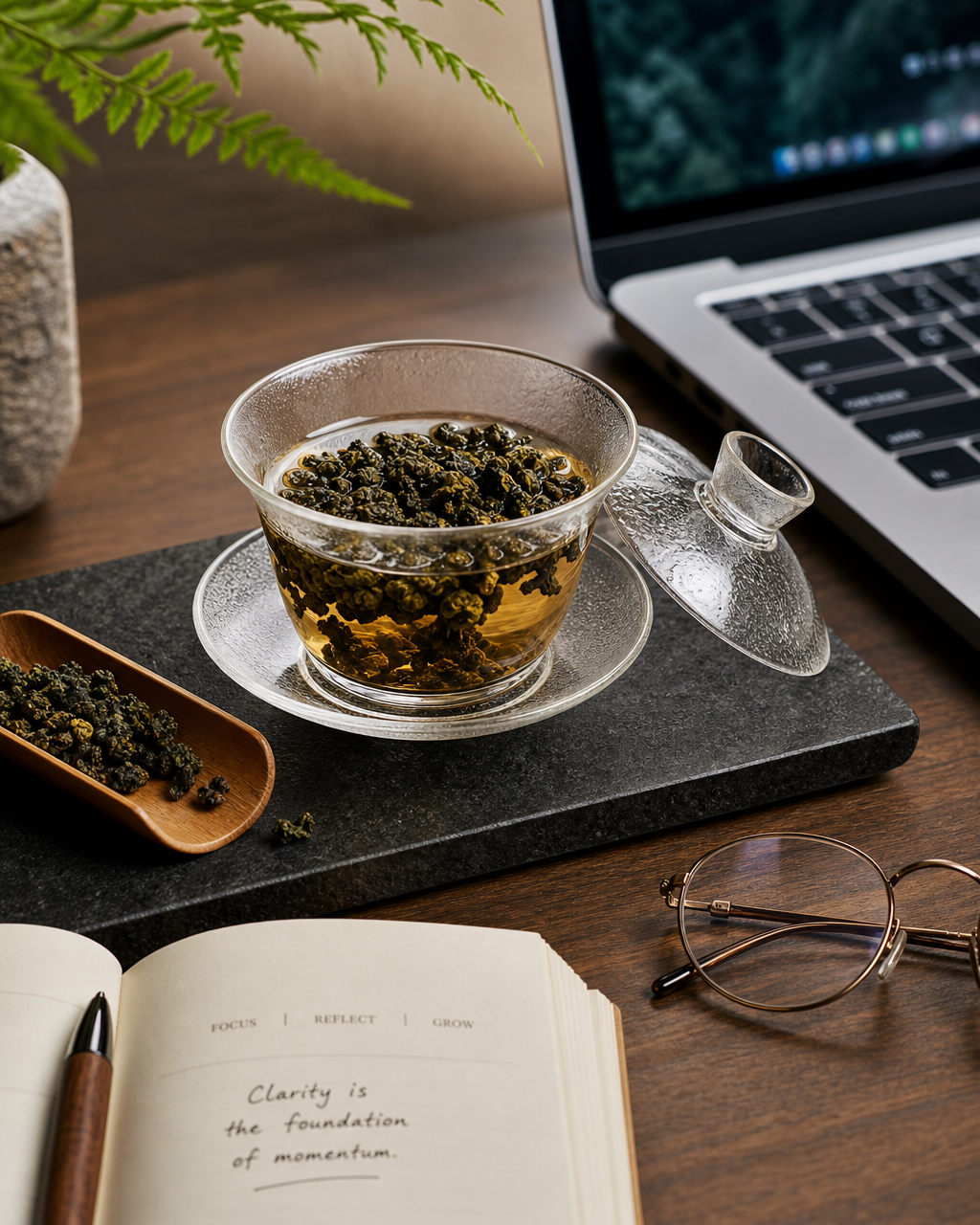
Natural Relief in Weeks
Learn more: shop.pipitea.com(opens in a new tab)