Willow Creek Physical Therapy & Posture Clinic
 Facebook ad: “Fix Yourself at the Signal Level”
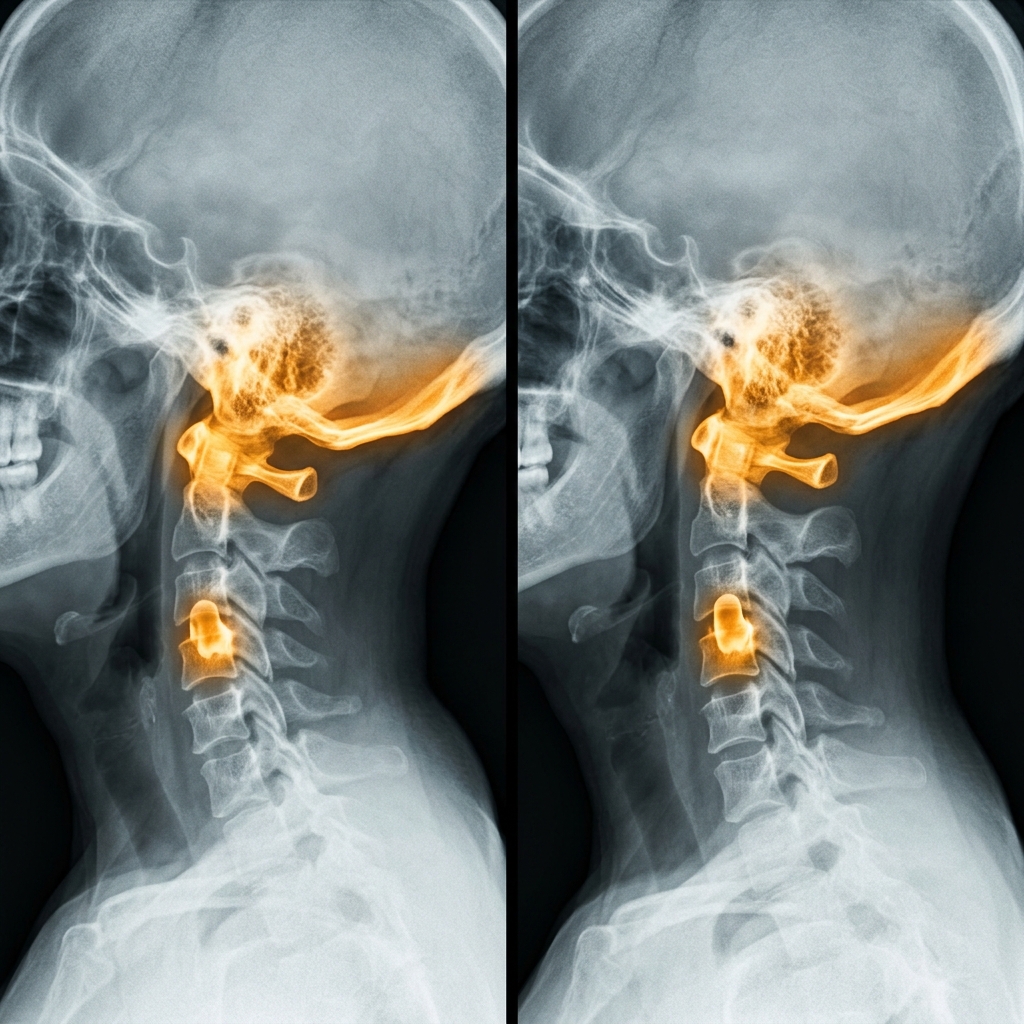
Running for 45 days since October 3, 2026. Crush last saw it on November 17, 2026.
Run by Willow Creek Physical Therapy & Posture Clinic on Facebook. Crush is not the advertiser and does not verify its claims. See this ad in Meta's Ad Library(opens in a new tab)
Make your own version of this ad
Crush makes it, launches it in your own Meta ad account, scales the winners and pauses the losers.
About this ad
- Meta Ad Library ID
- 983618801427689
- Platforms
- Facebook, Instagram, Audience Network and Threads
- Relaunches
- 0
Ad text
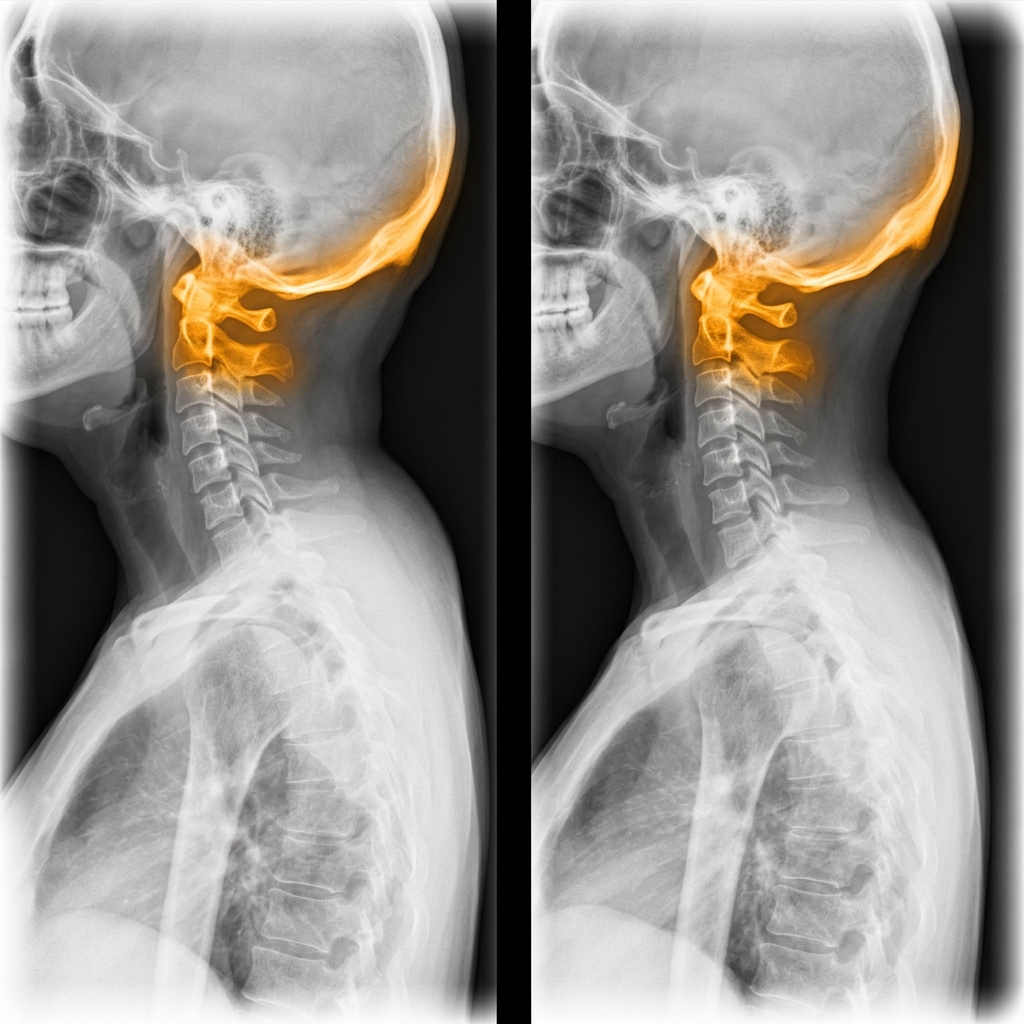
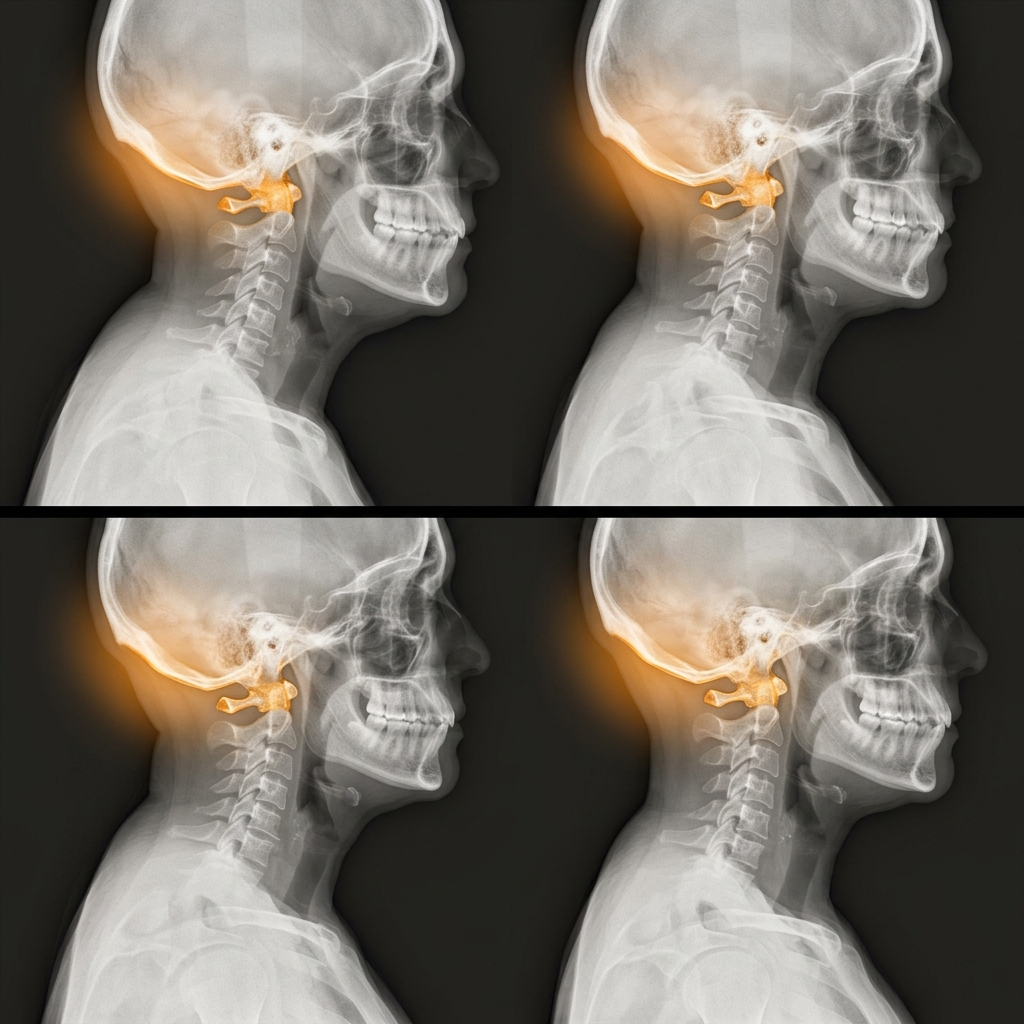
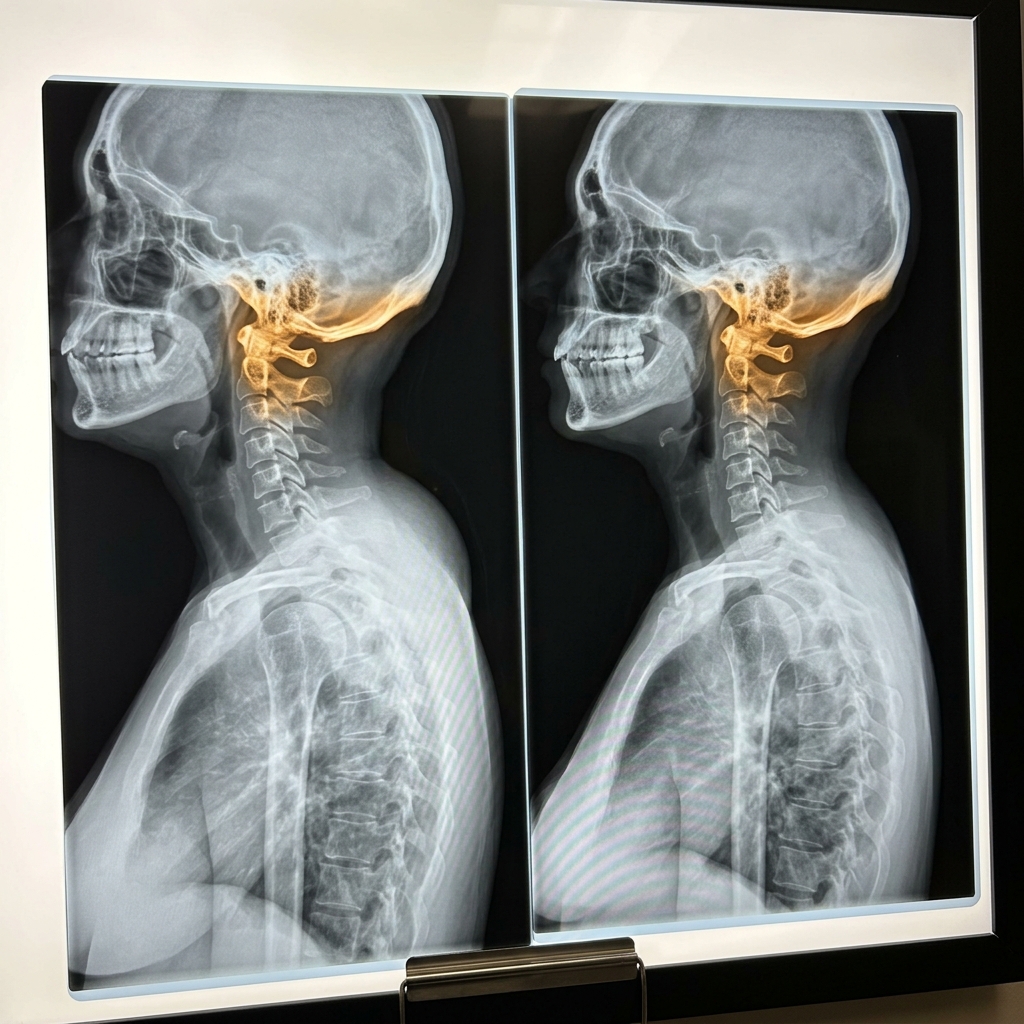
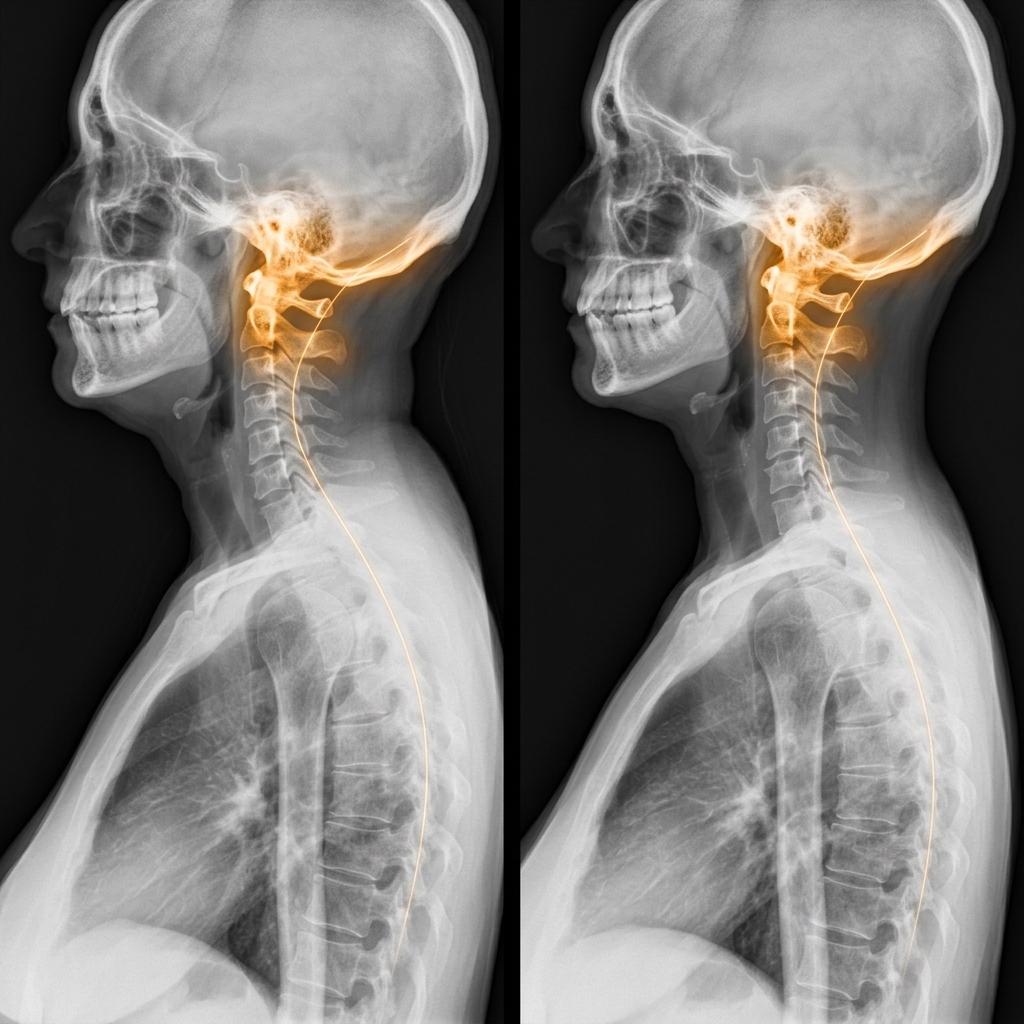
I am a manual therapist. I put my hands on the back of your neck and work the shape out of it. I have done this 912 times in twenty-two years. The patients in posture correctors keep showing up on my table. Last March I found out why. On my own scan. I am writing this because I owe it. Not to a company. Not to a colleague. To the 912 people whose necks I worked on without ever asking why the shape came back. I know what my clinical director will say when he reads this. I know what the brace representatives who walk through our practice every week will say. I have spent twenty-two years not saying it. I am done. If you are wearing a posture corrector right now — or someone you love is — and you have been told it is under control, please read all of it. I know it is long. I will not waste a sentence of your time. My name is Thomas Reiner. I am 58 years old. Board-certified orthopedic manual therapist. Twenty-two years of practice at a clinic that sees over 500 new cervical cases a year. I am the one you see after the doctor tells you it is age. I am the one who goes in with his hands. I chose this specialty because of my father. He was 71. Retired postmaster. A posture brace for eleven years. Never skipped a day. His doctor told him at every six-month visit that his posture was under control. Head within an inch of neutral in the brace. Upper back angle under 40 degrees. The chart was perfect. On a Sunday afternoon in October he was raking leaves in the front yard and he went down. My mother found him twenty minutes later. She thought he had sat down to rest. He had not sat down. Hip fracture. A fall from standing. He never walked again and he was gone within the year. Head within an inch of neutral at his last measurement. Eleven years of the brace. Eleven years of "under control." The chart was perfect. The man went down in his own front yard. I was 29 years old. Third year of practice. I stood in the hallway of a hospital I did not work at, looking at the chart of a man I could not help, and I made the decision that shaped my entire career. I would become the therapist who puts his hands on the neck itself. Who feels the shape firsthand. Who works it out. Because if the numbers on a chart could not protect my father, I would protect people with my hands. Twenty-two years later I have done that 912 times. And I need to tell you what I felt. When I put my hands on the back of a neck I am reading tissue. I can feel exactly where it thickens, exactly where it has set, and exactly how much the head is sitting forward of where it belongs. But there is something else I feel. Something that does not appear on a posture measurement. Something your doctor will never feel because your doctor reads numbers off a photograph. I read the neck itself. I feel the top. A healthy neck moves at the top. The skull rocks on the spine, small and free, the way a hand turns at the wrist. The whole neck flows from it. A neck that has lost the hold is something else entirely. The top is still. Locked. And underneath it, at the base, the tissue is thick in a way that is not fat and is not muscle and is not what most people picture when they hear the word hump. It is dense. Ropy. It sits across the base of the neck in uneven ridges that push the head forward and make everything below it work harder. I have worked this tissue with my thumbs for twenty-two years. I have felt it soften under my hands and I have felt it come back within three weeks. It does not feel like tight muscle. It feels like a rope that was pulled tight years ago and left. I used that phrase with a colleague once, during a session. Early in my career. He was watching over my shoulder as I worked the base of the neck of a 61-year-old woman who had been in a corrector for nine years. "Feel the top," I said. "That's not tightness from bad sitting. That's a joint that hasn't been asked to do anything in a decade." He nodded. We finished the session. We booked her follow-up. We never talked about it again. But I felt it again. And again. And again. Over twenty-two years and 912 patients I developed a pattern recognition that nobody trained me to develop, because nobody trained me to feel the top. They trained me to work the shape. Here is the pattern. The patients in correctors — the ones with controlled measurements, the ones whose doctors were satisfied, the ones who came to me as a last resort when the shape came back despite years of wearing it — their necks felt different from the patients who had never worn anything at all. Not better. Different. The unbraced patients had one clear area. Localized. The kind of tissue I could feel plainly and release cleanly. The long-term corrector patients had something else. A diffuse, widespread density across the whole base of the neck. Not one knot — a general thickening. As if the neck had been slowly setting from the inside for years. And at the top, where the skull meets the spine, nothing moved at all. Less motion than the imaging had suggested before I got my hands on it. I mentioned this to our clinical director once. At a staff meeting. Carefully. As an observation, not a conclusion. He said: "The correctors are doing their job. The measurements confirm it. What you're feeling is age-related change." I did not bring it up again. But I kept a count. Not officially. In my head. How many of my 912 patients were already in a corrector with controlled measurements when they ended up on my table. I stopped counting at 500 because the number made me sick. More than half. And every time — every single time — the referring note said some version of the same sentence: "Posture well controlled with current bracing." Well controlled. On my table. With my thumbs in the base of their neck. I put that pattern in a drawer in my mind and I left it there. Because I did not know what to do with it. I am a hands-on clinician. I work necks. I do not question what the prescribing doctors recommend. That is not my role. Then six years ago my own doctor sat me down with my posture assessment. Head 3.1 inches forward. Upper back angle 48 degrees. "Tom, you know what the guidelines say." I did. I had watched 500 patients follow those guidelines onto my table. But I also knew that my father's head had measured within an inch of neutral on the day he fell, and his doctor had been calling it excellent for eleven years while the hold quietly went out of him. I ordered the corrector anyway. The good one. Because I am a clinician, and I could not ignore my own measurements, and I did not yet understand why the measurements were not the right thing to watch. The brace worked beautifully on paper. Within four months my head measured 1.1 inches forward in the brace. Upper back angle 41. My doctor said the word "textbook" and smiled. I wore it for six years. Six years of textbook measurements. Six years of my doctor smiling. Six years of feeling progressively worse and telling myself it was aging. The heaviness that hit me by 3 PM every day. I blamed the schedule. Manual therapy is physically demanding. I am on my feet with my hands working for hours. The stiffness when I turned my head in the car. I blamed the table work. Repetitive motion. Twenty-two years leaning over other people's necks takes a toll. The fog that started settling over my thinking by late afternoon. I blamed sleep. I blamed stress. I blamed the fact that I was 57 years old and running a busy clinic. My wife noticed before I did. Claire is not a clinician. She is a high school biology teacher who has been married to a manual therapist for twenty-six years and knows more about the musculoskeletal system than most new graduates. She said it once, in February, sitting across from me at dinner. Quietly. Like she had been holding it for months. "You're disappearing, Tom. You're here but you're not here. You come home and you sit down and you don't get back up. That's not you." I told her I was tired. She didn't argue. She just looked at me the way she used to look at students who gave her the wrong answer and knew it. Last March I ran a full postural scan on myself. Out of the brace. I do not know why I ran it that week. I had not measured myself in four years. Something in me — the part that had been counting corrector patients on my table for twenty-two years and never saying anything — needed to see the number. The scan took twelve minutes. I opened the report standing in the hallway outside my own treatment room. The same hallway I walk through every morning on my way to work on other people's necks. My hands went still on the tablet. Head 3.4 inches forward. Upper back angle 51 degrees. Fall-risk score in the top percentile for my age. I have called patients at home with scores below half that and told them to come in within the week. I have booked urgent sessions on numbers I would have called mild compared to mine. I have sat across a desk from families and used the words "significant change" for less. I walked into my treatment room. Empty between patients. I stood in the room where I have worked 912 necks and I looked at the table where people lie down and give me their neck and trust me to know what I am doing. Six years in the corrector. Six years of a head that measured 1.1 inches forward in the brace. Six years of textbook numbers and my doctor smiling. And a scan that put me in the worst percentile for my age. I was looking at my own body and I was feeling the same pattern I had felt with my hands 912 times. The top locked. The base thickening. Quietly, for years, while every number on every chart said everything was fine. That night I did not go home. I stayed at the clinic and I ordered the workup I should have ordered five years ago. Not the standard posture panel. The full workup. Every system the neck feeds. The results came back over the following two weeks. I read each one alone, in my office, with the door closed. Neck. Head 3.4 inches forward. Already knew. Balance. I ran a computerized balance assessment — a test I have never run on myself in twenty-two years. Reaction to a sudden tilt in the 34th percentile for my age. It had been in the 90th when I was tested as a control subject eight years ago. The unsteadiness I had been blaming on fatigue was measurable. My balance was slowing down. Breathing. Forced vital capacity down 11 percent from four years earlier. I had been getting winded on the clinic stairs since the previous autumn. I told Claire it was my weight — something every man my age deals with. I never considered my neck, because the number was still technically in range and nothing triggers a referral until it drops further. Nobody had flagged it. I had not flagged it myself. Gaze. I had been squinting to read treatment notes and losing my place going back to the page. I ordered a gaze stability test. My eyes were working overtime to hold level because my head was not level. Below normal. Nobody had ever connected that to a neck. Jaw. My dentist had told me twice that my bite was wearing unevenly and I had waved it off. The assessment found my jaw tracking off-centre, the way it does when the head sits forward of the shoulders for years. Five systems. My neck. My balance. My breathing. My eyes. My jaw. Every one of them showing the same pattern. The same quiet slide. The same slow setting from the inside. And if I had gone through the system the way my patients do, each one would have sent me to a different specialist who would have recommended a different fix. A physio and more exercises for the neck. A vestibular therapist for the balance. A pulmonologist for the breathing. An optometrist and new glasses for the eyes. A dentist and a night guard for the jaw. Five specialists. Five fixes. Five measurements. Five charts in five offices. None of them talking to each other. And not one of those five fixes would touch the thing that was doing this to all five systems at the same time. What is doing this to five systems at the same time? I drove home that night with the five reports in my bag. Claire was reading in the living room. She looked up when I came through the door and the book came down from her lap. "Tom. What happened." Not a question. She could see it on my face. I sat down across from her and I told her. The scan. The balance test — 34th percentile, down from the 90th. The breathing. The eyes. The jaw. Five systems. I watched her face go white. I watched her hands close slowly around the arm of the chair. When I got to the balance test she put her hand over her mouth and held it there. "How bad?" she said. "It's early. All of it is early. But it is all moving in the same direction." She was quiet for a long time. Then she said: "Your father was 71." I could not answer that. That night Claire went to bed and I sat at the kitchen table and opened my laptop and did something I had not done since my training. I searched for the mechanism. Not the bracing protocols. Not the outcome studies. Not the guidelines I had followed for twenty-two years. The mechanism. What I had been feeling under my hands for 912 sessions and reading on five reports now sitting in my bag by the front door. I read until 3 AM. What I found was not hidden. It was sitting in the same journals I had been subscribing to for my entire career. The thickening I had been trained to call a postural hump — the dense, ropy tissue I had described as a rope pulled tight two decades earlier — was not the problem. It was the result. The next morning was a Saturday. Claire was making coffee. I had not slept. She took one look at me and knew I had been up all night. She set a mug in front of me. Sat down across the table. She had been crying — I could see it around her eyes. She had gone to bed knowing her husband's neck, balance, breathing, eyes and jaw were all quietly sliding, and she had spent the night with that. "Did you find anything?" she said. "I found what's doing it. To all five." She wrapped both hands around her mug. Steadied herself. "Show me." "There's a place," I said. "One place. It's the thing that connects all five reports. The very top of the neck, where the skull sits on the spine. And the signal that lives there has gone quiet." She was watching me the way she watches a complicated experiment unfold in her lab. Not interrupting. Just tracking. "The clinical term is suboccipital signal dormancy. You only need to hear it once. What matters is what it does." I pointed at her forearm. "You broke your wrist eleven years ago. Six weeks in a cast. You remember what the arm looked like when they cut it off." "Half the size of the other one." "Right. Nothing attacked that arm. Nothing damaged it. It just wasn't asked to do anything for six weeks, and the body stopped supplying what wasn't being used. That is what's happening at the top of my neck. Not damage. Disuse." I put two fingers at the base of my own skull. "There are four small pairs of muscles right here. The smallest ones in the whole system, and the most loaded with position sensors of anything you have. They are the reason your head sits over your shoulders without you ever thinking about it. They send the hold signal. Every second. All day." "And when nothing asks them — when the head is propped, or braced, or held by a headrest, or carried forward all day by looking down — the signal goes quiet. The head drifts. The base thickens to carry what the top stopped carrying. And everything below starts compensating: the balance, the breathing, the eyes, the jaw." I looked at her. "That's the rope, Claire. That's what I've been feeling under my hands for twenty-two years. Not a knot I need to work out. A base holding weight the top handed down. Five systems. One place." She was staring at my fingers. "And the corrector?" "The corrector is the cast." I pulled the brace out of my bag and set it on the table. "It holds the position. The measurement improves. The doctor smiles. But every hour it holds — " I pointed at her wrist. " — is an hour the neck isn't asked." She was quiet for a long time. Then she said it. "So your corrector has been the cast for six years. And underneath it, the thing that's supposed to hold your head has been wasting the whole time. That's what the scan is showing." "Yes." "And the fog? The heaviness? Your stiffness?" "Different cost. Same brace." I got up and unplugged the toaster from the wall. Set it on the table. "This is the hold. Every upright thing your body does runs on it. Your balance runs on it. Your eyes run on it. Your breathing runs on it. Think of the signal as the plug." I pointed at the cord, unplugged. "The corrector supplies the hold from outside. But the hold your body produces runs through the same job. Same switch. You cannot have something else do it all day without shutting your own down. The brace pulls the plug on the way to improving the measurement." She looked at the unplugged toaster. Then at me. "So the thing that's supposed to protect your neck is switching off the only part that could hold it." "Every day. For six years. The heaviness at 3 PM. The stiffness turning my head. The fog. That wasn't aging. That was my body running unplugged." She reached across the table and put her hand over mine. I want to be clear about something before I go further. Your doctor is not the villain in this. Neither was mine. Neither was my father's, who smiled at a head within an inch of neutral for eleven years. They recommended the best tool they were trained to use. The training is the problem. Every manual therapist in the country learned the same textbook I learned. Not one of those textbooks told us to check the top. "Is there anything that wakes the signal without holding it for you?" That was the question I had been up all night trying to answer. Claire got up and opened the hall closet. The one where we keep everything we have ever bought for my neck. She set four things on the table between us. "Foam roller," she said, pointing at the first one. "My sister has used one for eight years. Her physio told her it keeps her neck healthy." "It loosens the big muscles of the upper back. It does not touch the top. Your sister's head is still drifting. The roller cannot get there — the shape of it rolls straight past the base of the skull." She pointed at the second one. "Massage gun. You've had that for three years. You bought it after a conference." This one mattered. Because she was right — I had been using it on myself since year three of the corrector, specifically to deal with what the brace was doing to my shoulders. "It quiets the big muscles. I am not going to throw it out. But it does nothing about the hold. Nothing. You can loosen everything below all day, and if the top is still asleep, the head keeps drifting. Both problems have to be solved. The tightness and the hold. The gun addresses one. Nothing in this closet addresses the other." She picked up the third thing. A heated neck wrap. "This was my idea. I read about it." "It feels good. It reaches the surface for twenty minutes. Heat cannot ask a joint to do anything. The signal does not respond to warmth. It responds to being asked." She looked at the fourth thing. A second corrector, a more expensive one I had bought two years ago and stopped wearing after a month. "And that one?" "Same story as the first. The cast, in a better fabric." She looked at the four things on the table. Then at the brace. Then at the unplugged toaster. "So nothing reaches where the problem actually is." "One thing does." At 3 AM I had found a line of practice from Japan. Described in the same journals I had been subscribing to for twenty-two years. Not hidden. Not suppressed. Sitting in plain sight the way the pattern under my hands had been sitting in plain sight for two decades. In the highlands north of Tokyo, older women have been using a small firm support at the base of the skull before sleep for generations. The Japanese call it kubi-makura. A pillow for the neck. Not for comfort. Not for tradition. Because they watched each other stay. Stay upright. Stay steady. Stay present. The women worked into their 80s and 90s. Carried loads. Climbed hills. Kept their heads over their shoulders in a way nobody could explain. Researchers spent twenty years looking at everything — the diet, the genetics, the work, the floors they slept on. Then they looked at ten minutes before bed. And the mechanism is the thing I could not stop reading at 3 AM. The input is selective. It does not work everything at once the way a roller or a massage gun does. It does not press the big muscles that are already doing too much. It reaches one place. The top. The four small pairs where the hold signal lives. It asks the signal. And the signal answers. By holding. I stopped reading when I hit that line. I read it again. Then a third time. The smallest muscles in the whole system — the ones behind the drift in my neck, the slowing of my balance, the squint in my eyes, the shortening of my breath, the wear on my jaw — begin to hold again. On their own. The head comes back over the shoulders because the thing that is supposed to put it there is finally being asked to. The weight comes off the base. The thickening has nothing left to carry. The neck can begin to hold itself. And because the contact sits at the base of the skull — above everything a roller, a brace or a pair of hands can reach — it reaches the one place nothing else does. Not the shoulders. Not the mid-neck. The top. And because it asks the neck to hold rather than holding it for you, it leaves your own hold intact. Wake the signal. Take off the brace. Two things the corrector was never built to do. Two things the neck demands. "It asks it instead of holding it?" Claire said. "At the exact spot. Before sleep. Where nothing else can reach." She looked at the brace on the table. Then at me. "Then why doesn't everyone know about this?" I did not have a good answer. I still don't. I ordered a cervical traction unit that afternoon. Paid $380 for it. It arrived three days later. I used it for two weeks. I felt something. Slight. A small release by late evening. Enough to notice. Not enough to measure. After two weeks I re-ran my wall measurement for the first time. 3.3 inches between the back of my head and the wall. Barely different from the 3.4 in March. I kept using it for a third week. Retested. 3.2. Barely moved. That is when I found the research on contact point and duration — and understood why the American posture industry had turned a real clinical finding into a product that barely works. The work uses a contact point at the base of the skull. Held for a minimum of ten minutes. That is the threshold. The point and the time at which the signal actually responds. I measured where my $380 unit was contacting me with a tape and a mirror. Two and a half inches too low. Mid-neck. The same place the foam roller sits. The same place the massage gun works. The same place my own thumbs had been working for twenty-two years. I looked into the other devices. Same problem. Almost everything on the market is shaped to sit in the curve of the neck, because that is what feels good, and that is two to three inches below where the signal lives. The American posture industry found a real place in the body and did what it always does. Made the version that feels nicest. Slapped a label on it. Sold the idea without the point. Turned a practice into a shelf category. There is only one shape that holds contact at the right point without anyone doing anything. You lie back. The weight of your own head does the work. No straps, no hands, no effort, no rolling past it. Ten full minutes at the exact spot, right before sleep, when the neck is most ready to respond. I searched for a product that matched the point and the duration. One product met every requirement. Cevera. Claire wrote the name on the back of a napkin. Her hand was shaking. Contact exactly at the base of the skull. Ten-minute hold. Your own head weight as the only pressure. Nothing to wear, nothing to strap on, nothing to remember during the day. Claire asked me — standing in the kitchen looking at my $380 unit sitting on the counter — why something this simple could work when everything complicated had failed. I told her the truth. "Everything complicated is profitable. A brace is a product you replace every year. The unit on the counter cost $380 and contacts the wrong part of my neck. The things in that closet are complicated because complicated sells." "The simplest thing there is reaches where nothing complicated can. That is not a limitation. That is the point. A shape and ten minutes. Small enough to sit exactly where the signal is. Specific enough to ask only that, and nothing else. And it asks the neck to do the thing it was built to do instead of doing it for you. That is not simple — that is right. And there is no patent on the weight of your own head. No brace company will fund the research or the marketing for something they cannot own. That is why you have never heard this from your doctor. Not because the mechanism is weak. Because the business model does not exist." I ordered Cevera that night. It arrived on a Tuesday. I lay back on it on the bedroom floor that evening. Let my head rest. Ten minutes, the way the practice describes it. Eight minutes. I need to be precise about this because I am a clinician and I will not overstate anything. What I felt at eight minutes was not the postural benefit. The head does not come back in eight minutes. That takes weeks and shows up on a measurement. What I felt was release. At the base of my skull. Sharp and immediate, like a grip I did not know was there had let go. The late-afternoon heaviness that had become my normal — it lifted. At 9:15 PM. After ten minutes on the floor. That was the top of my neck receiving something it had not received in six years. Something had arrived where it needed to go. Claire was watching me from the doorway. She didn't ask. She could see it. Week one. The 3 PM heaviness disappeared on day four. I finished a full day of patients, walked to my office, and read an hour of journals without propping my head on my hand. I had not done that in three years. That evening I stood at the kitchen counter and chopped vegetables for dinner. Standing. Without sitting down after ten minutes. Claire stood in the doorway watching me and didn't say a word. Week two. The stiffness turning my head in the car started to quiet. By day twelve I reversed out of the driveway turning my head over my shoulder — not my whole body, my head — and realized halfway down the street that I had done it without thinking. That Saturday morning I looked up at the top shelf of the garage for something and the movement did not catch anywhere. I stood there with my head back, feeling the ease in it, and something tightened in my chest that had nothing to do with my neck. Week three. I ran my wall measurement. 2.4 inches — and I had stopped wearing the corrector the day I started Cevera. My head sat further back out of the brace than it had measured in the brace six years earlier. That same week I climbed the clinic stairs to the third floor without stopping on the landing. It simply was not necessary. Week four. I ran the test that changed everything. My forward head angle, out of the brace. On the $380 traction unit, after three weeks: 3.2 inches. On Cevera for four weeks: 1.9. I ran it again three days later. 1.8. The drift was not just slowing. It was reversing. For the first time in six years, the thing that was actually pulling my head forward was losing ground. Week six. Claire said something I was not expecting. We were walking from the car to a restaurant — a place we had not been to in over a year because I had stopped wanting to go out by evening. She was a half step behind me. She said it casually, like she was commenting on the weather. "You stopped doing that thing." "What thing?" "That roll. Every time you stood up from a chair, you'd roll your shoulders and stretch your neck to the side. This little routine. You've been doing it for two years. You didn't even know you were doing it." I had not known. "You didn't do it just now. Getting out of the car. You just got out." I stood on the sidewalk and I felt something shift. Not a clinical observation. Not a number on a report. My wife had been tracking a habit I did not know I had — and it was gone. Week eight. Full workup. Head 1.5 inches forward. Upper back angle 42 degrees. Balance reaction back to the 61st percentile, up from the 34th. Forced vital capacity back within 3 percent of where it had been four years earlier. And my gaze test had come back to normal range — I had been reading treatment notes for three weeks without losing my place and had not noticed until I saw the number. That evening Claire asked me how it looked. I showed her. She read it, then read it again. "Tom. The balance." "I know." "And your breathing." "I know." She put the paper down. Looked at me for a long time. Then she said something so quiet I almost missed it. "You look like you again." Week twelve. I ordered the scan I had been afraid to order. A second full postural scan. Upper back angle does not typically decrease at 58. The change in the thoracic curve is generally considered structural. A stable angle is a good outcome. A decrease is rare enough that most clinicians will tell you it does not happen. 51 degrees in March. 44 degrees in June. Seven degrees in twelve weeks. Head 1.2 inches forward, down from 3.4, out of any brace. I showed Claire that evening. She looked at the two reports side by side. She did not say anything for a long time. I knew what she was thinking. I was thinking it too. My father was 71. I am 58. And for the first time the trajectory was not pointing toward him. It was pointing away. She did not say it. Neither did I. She just put her hand on the back of my neck and held it there. I also re-ran the balance assessment. Reaction time back to the 71st percentile. The unsteadiness had not just lifted subjectively — it was measurable. The system that had been running unplugged for six years was measurably recovering. I printed both scans and the full workup and walked them down the hall to my colleague Daniel. Another manual therapist. Sixteen years on the table. A man who has worked nearly as many necks as I have. I put everything on his desk and I did not say anything. He read through it twice. Slowly. Flipped back to the two scans. Looked at the dates. "Tom. These are yours?" "Yes." He was quiet for a moment. "What happened between March and June?" I told him everything. The pattern I had been feeling for twenty-two years. The five reports. The 3 AM research. The cast and the plug. Claire's wrist. The place at the top. The unit that didn't work. The contact point. Cevera. All of it. He listened for the better part of an hour. When I finished he sat back and said something I think about every day. "I feel it too. The top doesn't move on the corrector patients. Their necks are different from the ones who never wore anything. I thought I was the only one who noticed." He paused. "Send me the name. I want to run it alongside standard treatment with my long-term patients. If you're right — if the top going quiet is what's bringing them back to our table — this is the first thing I've seen in twenty years that might actually stop the cycle." He has been running it with twenty-three of his patients for three months. He called me nine days ago. Seventeen have shown measurable improvement in their forward head measurement. Eleven have been cleared by their doctors to stop wearing the corrector entirely. None of them have come back for the shape. Last Sunday I carried two bags of mulch up the back steps. I have not done that in two years. My neck did not stiffen. My head did not feel heavy by the evening. My thinking did not fog over by the time I sat down. Claire was on the porch when I came up the driveway. She watched me climb the steps with the bag on my shoulder, without the little roll of the neck at the top, without the negotiation my body used to make with every load. "You're back," she said. Not a question. A verdict. And last Tuesday Daniel stood in my office doorway with my latest scan and used the word I have been waiting twenty-two years to hear a colleague use about a patient — and never thought I would hear about myself. Improving. Not managed. Improving. You are at a crossroads right now. I know because I stood at the same one. One path: you order the corrector. Or you keep wearing the one you already have. The measurement improves. The doctor smiles. And the hold keeps going quiet at the top of your neck, while the base keeps thickening, while your balance slows, while your breathing shortens, while your eyes work harder every year — silently, steadily, while every chart says you are fine. The heaviness gets a little worse each year. You blame aging. The fog settles a little thicker. You blame stress. Your neck stiffens. Your stride shortens. You slow down in ways you cannot quite name but your husband can see. He watches the chart. He also watches the woman. And he knows which one is telling the truth. And one morning — maybe five years from now, maybe three, maybe next spring — you are raking leaves or climbing stairs or turning too fast in the kitchen and the hold that has been fading for a decade is not there to catch you, the way it was not there for my father at 71, with a head within an inch of neutral and eleven years of excellent numbers in his chart. That is one path. I have watched 912 people walk it onto my table. More than half of them were wearing the thing that was supposed to prevent them from ever needing me. Another path: you wake the signal. You give the one place nothing else reaches the one input it actually responds to. Ten minutes. Your own head weight. Right at the base of the skull, right before sleep. You keep whatever your doctor has you doing — add this alongside it — and you measure. You watch the numbers move. Not just the measurement in the brace your doctor has been smiling at. The gap between your head and the wall, out of the brace, which nobody has been checking. Your balance. Your side profile. You feel the heaviness lift. You feel your head come back over your shoulders. You watch the chart start telling the same story your body is telling. And when you walk into your next appointment, your doctor does not say "looks great, keep wearing it." Your doctor says something different. Something new. Improving. The 90-day guarantee removes every dollar of risk from that second path. Try it for three months — the shortest honest window for real change to show on a measurement. If your numbers have not moved, you pay nothing. Every penny back. Your corrector does not come with a guarantee. Your sessions do not come with a guarantee. The "looks great" reassurance your doctor gives you every six months does not come with a guarantee. Twenty-two years of "well controlled" does not come with a guarantee. My father had eleven years of controlled measurements and nobody offered to give anything back when he went down in his own front yard. I chose the second path. It gave me back my neck, my balance, my breath, my steadiness, my clarity, and the woman sitting across from me at dinner who said I looked like myself again. Cevera. A shaped posture release tool. Contact at the base of the skull. Ten minutes. Your own head weight. Nothing to wear. $44.95 instead of $90.00. Lie back. Let your head rest on it. Every night before bed. 👉 https://trycevera.com/pages/adv-womens-wellness-report P.S. — My father wore a posture brace for eleven years. His measurements were excellent at every visit. He went down raking leaves in his own front yard at 71 and never walked again. I built my entire career on the belief that if I could get my hands on the neck and work it, I could prevent what happened to him. I have done it 912 times. More than half of those 912 people were wearing the same kind of brace my father wore, with the same controlled measurements, when they ended up on my table. The top was quiet every time. I just did not know what I was feeling until I saw it on my own scan. Please do not wait for yours. Do not forget about the 90-day money-back guarantee. P.P.S. — You will feel it within the first ten minutes of your first night. Not the postural benefit — that takes weeks and shows up on a measurement, not on a bedroom floor. What you will feel is release. Right at the base of your skull. The heaviness that settles over your neck by afternoon will lift. That is the top of your neck receiving something your corrector has never given it and never will, because a corrector sits below it and always has. If you have tried neck products before and felt nothing, it is because they never arrived where the problem is happening. This is different. You will know the first time you lie back on it. But the feeling is not the proof. The proof is the wall. Measure it. P.P.P.S. — About your corrector. Do not throw it out on day one. Start Cevera alongside whatever you are currently doing. That is exactly how the practice is described — people keep their routine and add the ten minutes on top. After your measurement starts moving — and you will see it at the wall within the first few weeks — bring the numbers to your doctor. Let them make the case. Daniel is working with twenty-three patients right now, all still doing their prescribed exercises, all measured monthly. Eleven have been cleared by their own doctors to stop the brace entirely based on the improved measurements. That decision came from their doctors, not from them. That is how you do this correctly. P.P.P.P.S. — For the woman reading this whose husband is the one in the brace. Or the one whose father's posture was "excellent" before the fall that changed everything. The hold works the same in men as it does in women. Cevera is not a women's product — it is a human product. If your husband is the one whose head is creeping forward, give him the ten minutes. If he is in the corrector and you can see the heaviness taking him, the fog settling, the steadiness starting to go, the man you married slowly stooping while his doctor says the measurements look great — trust what your eyes are seeing. The doctor watches the chart. You watch the man. You are closer to the truth than the chart is. P.P.P.P.P.S. — If you have tried a neck tool before and nothing happened, there is a specific reason. Almost every device on the market is shaped to sit in the curve of your neck, because that is what feels good. That is two to three inches below where the signal lives. I spent $380 on a traction unit and measured it against my own skull — mid-neck, the same place my foam roller sits, the same place my own thumbs had been working for twenty-two years. The American posture industry found a real place in the body and did what it always does — made the version that feels nicest and sold the idea without the point. Cevera sits at the base of the skull. The spot the practice actually uses. Worth knowing before you dismiss this based on a product that was never going to work in the first place. P.P.P.P.P.P.S. — Cevera is a small company. They refuse to change the shape to scale production faster, which means they sell out. I tried to order a second one for Claire's sister and waited eleven days for a restock. I keep a spare in the house now. They are running $44.95 instead of $90.00 right now. If you have a check-up or an assessment coming up in the next 30 to 60 days and you want to walk in with real numbers instead of the same "looks great, keep wearing it" conversation you have been having for years — check availability now. Do not forget about the 90-day money-back guarantee. P.P.P.P.P.P.P.S. — I have no financial relationship with this company. Nobody pays me anything. I am writing this in my office on a Wednesday night because a patient sat on my table last week — a 64-year-old woman I had treated fourteen months ago — and her head measured an inch and a half further back than it had at discharge. She told me she found Cevera on her own after reading something a clinician in another state had written. That is the third time this year a patient has walked in with a result I cannot explain by the standard protocol. I am done being quiet about the pattern. Please send this to anyone you love who has been told their posture is under control. I have worked 912 necks. Controlled measurements did not keep a single one of them off my table. 👉 https://trycevera.com/pages/adv-womens-wellness-report ~ Dr. Thomas Reiner, PT, DPT, OCS, age 58, orthopedic manual therapy
Where the ad sends people
trycevera.com
Fix Yourself at the Signal Level
Cevera is a next-generation posture release tool designed to support your neck's natural hold — helping you stand taller, feel steadier, and look more like yourself.
Learn more: trycevera.com(opens in a new tab)