
Inactive· since May 20, 2026
- 12
- days it ran
- 0
- relaunches
Ad copy
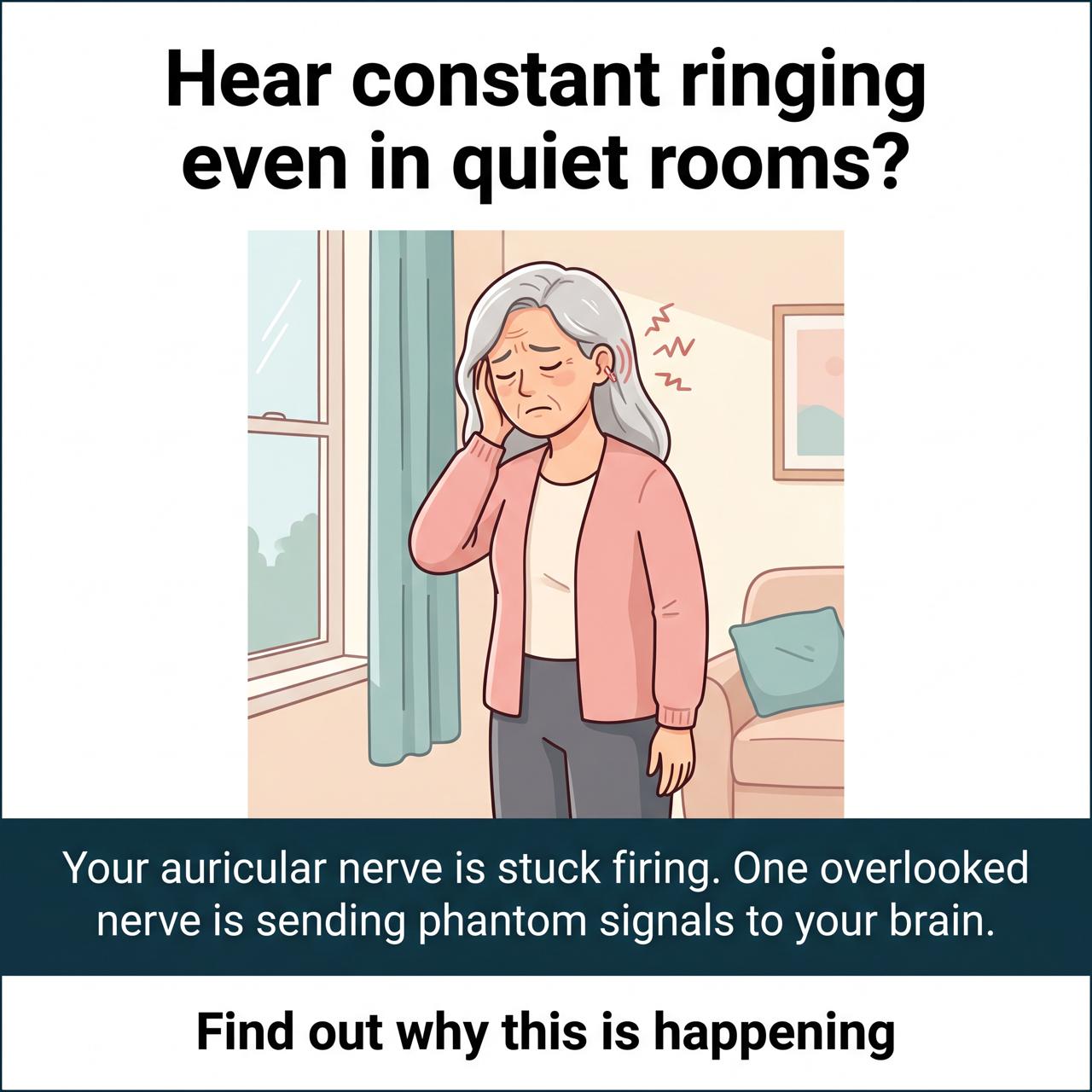
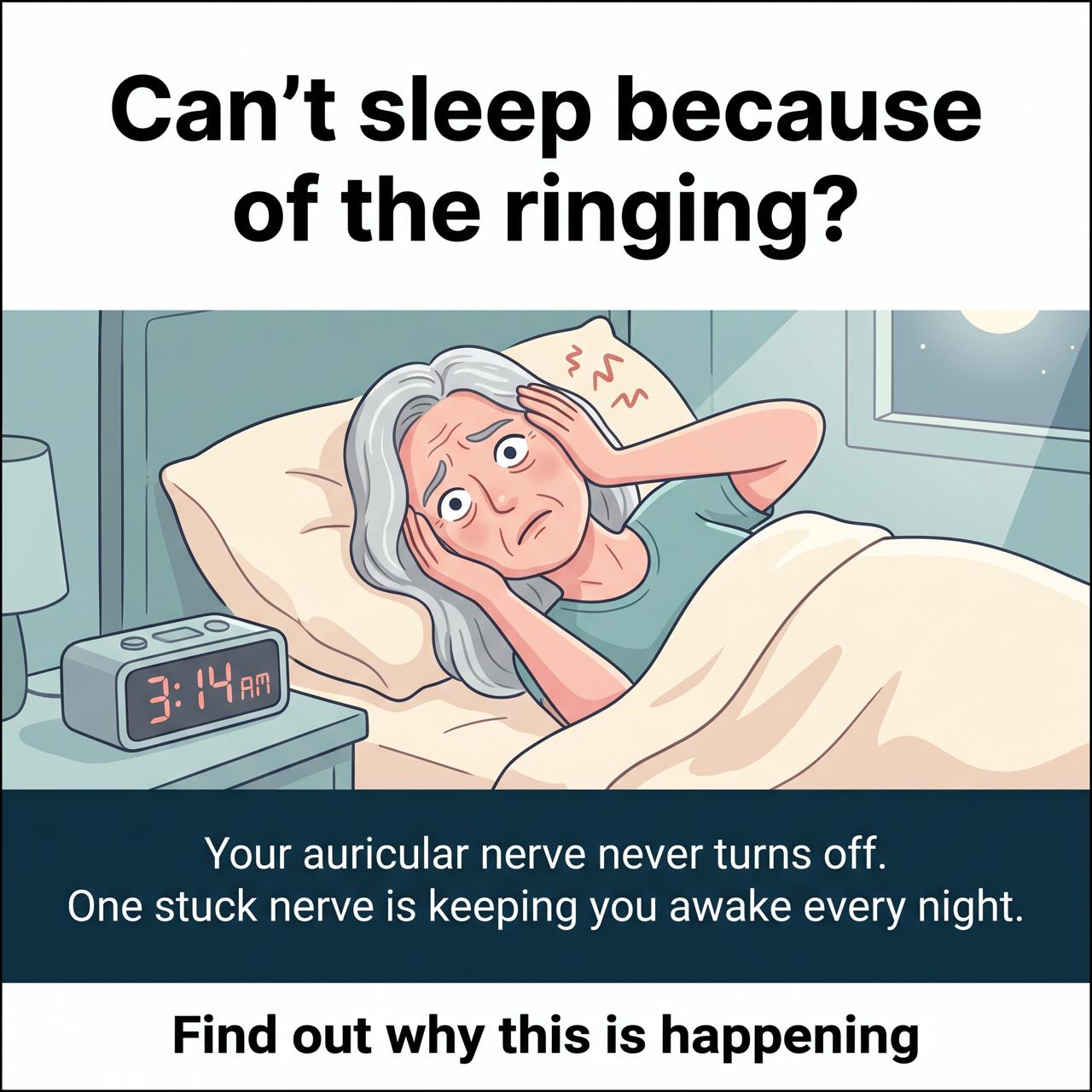
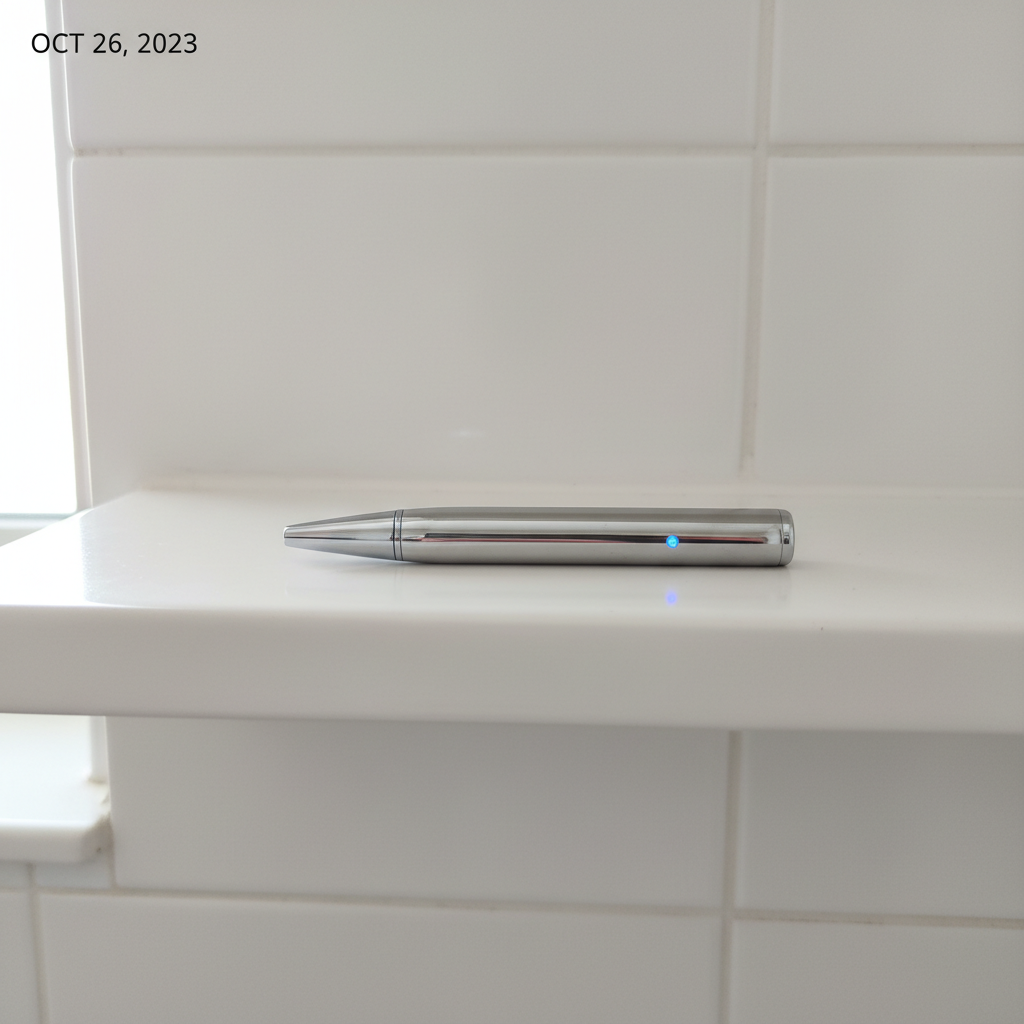
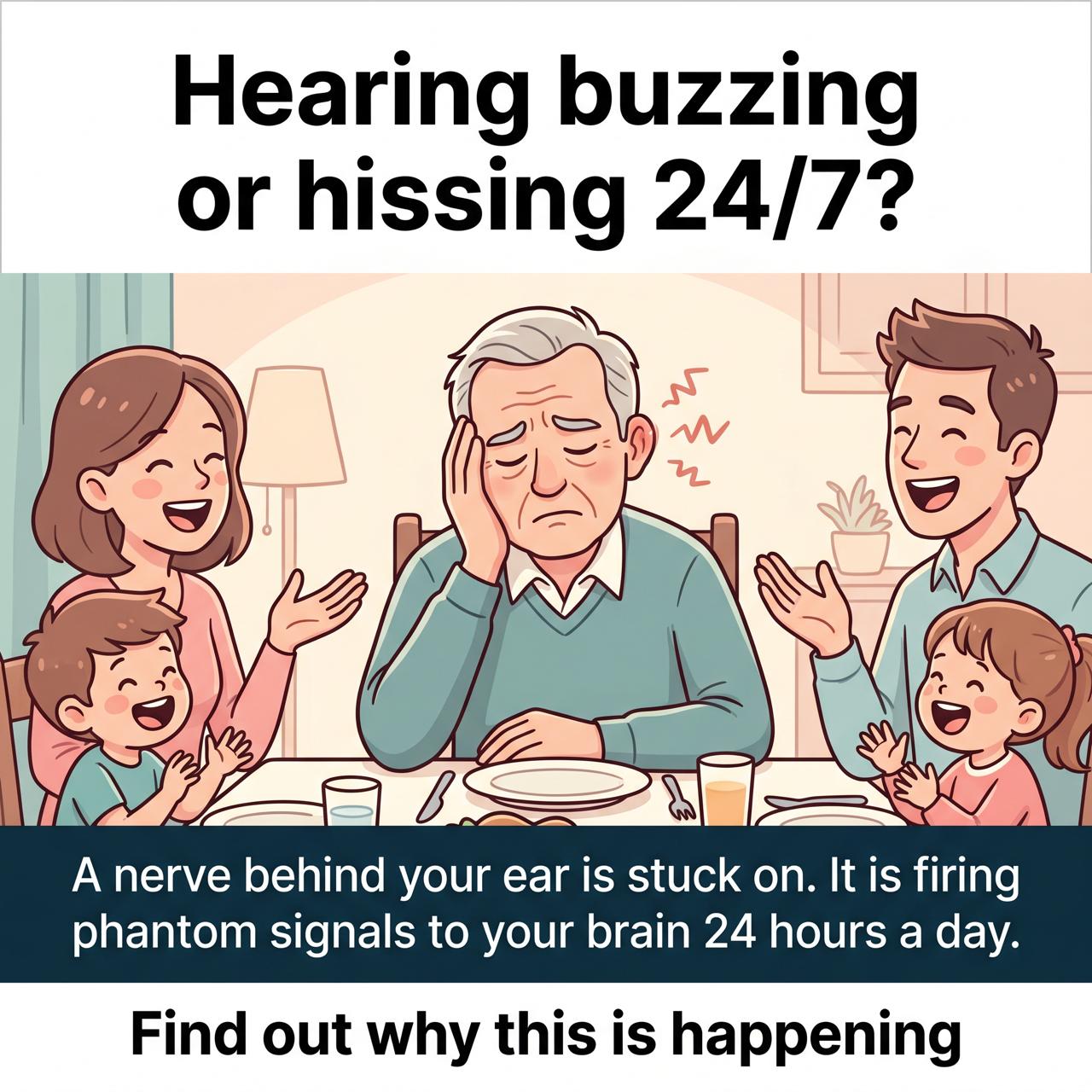
My mother has been waking up at 3 AM for fourteen years. If you have seen the image of the older woman lying in bed with her hands pressed to her ears — that is what my mother looks like at 3:14 AM. Almost exactly. The same gray hair. The same lamp on the nightstand. The same alarm clock she has had since 2003 and refuses to let my father replace. Six months ago we figured out why. I want every woman who has ever lost a night to this ringing — and every daughter and son and husband who has watched it happen — to read what we learned. My mother is 72 now. Her tinnitus started when she was 58. We never could pinpoint a single cause. She had been a high school English teacher for thirty-two years, and her classroom had been next to the band room, and she had taught with a fan running for two decades because the heat in the building was inconsistent. She had taken Advil daily for her arthritis. She had been to a rock concert in college and a few firework displays. None of it on its own explained the ringing. But I would learn later that for most women her age, the cause is a combination of all of these things over decades, and the tinnitus that results is just as real and just as loud as the kind a Vietnam veteran gets from gunfire. My mother went to the family doctor first. He referred her to an ENT. The ENT did a hearing test and looked into her ears with the otoscope and said the sentence we have since heard from four other ENTs across three states: "Your hearing is mostly fine. This is tinnitus. There is no cure. You will have to learn to live with it." After hearing that she ended up leaving and began crying in the car. Over the next fourteen years, she tried everything you can buy. She bought Lipo-Flavonoid because the bottle said "#1 ENT Doctor Recommended." She later read on a forum that the Better Business Bureau caught the company lying about that claim. The clinical study had shown 1 out of 28 patients had any decrease in tinnitus. She had taken it for nine months. She tried Quietum Plus. She tried Cortexi. She tried ginkgo, magnesium, B12, melatonin, and a sound therapy app she paid $14 a month for. She paid $5,200 for a pair of hearing aids in 2017 that helped her at restaurants and did absolutely nothing for the ringing. She declined a $4,000 tinnitus retraining program because by that point, she did not trust anything that asked for four figures and two years of her life. I noticed how bad it had gotten when she came to visit in March. She would sit in the living room with the TV on at a volume my children found uncomfortable. She would lean closer to my husband when he spoke. She would say "what?" three times at dinner. She would go to bed at 9 and be awake by 12:30 and read on her phone until 5 AM with the light dimmed so my father would not notice. He noticed. On the third night of the visit, I asked her what it felt like. She had never told me before in fourteen years. She said: "It's like a fire alarm going off inside my skull. Not the loud part. The part right before — where you can hear it starting up. It never finishes. It just stays at that part. Every second. For fourteen years." I went to my office that night and started researching. The first thing I found was a 2010 paper from neuroscientists at Georgetown University, published in a journal called Neuron. It was sixteen years old. None of the ENTs my mother had ever seen had mentioned it. None of the supplement companies had any reason to mention it. None of the doctors who told her "there's nothing we can do" had read it. The paper proved something I had never heard in my life: “Tinnitus does not come from the ear. It comes from the brain.” When the hair cells in the inner ear die — from noise, from age, from common over-the-counter medications — the nerves they used to feed go silent. The brain refuses to accept silence. Like an amputee's brain inventing pain in a missing leg, it begins firing on its own and generates a sound where no sound exists. The ringing my mother had been hearing for fourteen years was not in her ears. It was in her brain. I sat at my kitchen table reading that paper at one in the morning, and I called my brother before I called my husband. I said: "For fourteen years, every doctor she ever saw was treating the wrong organ." The follow-up research kept circling one nerve — the auricular branch of the vagus nerve, the only branch of the vagus nerve that runs through the skin of the ear. When you stimulate it gently with electricity, the signal travels up into the exact brain regions producing the ringing — and quiets them. There was a clinic device built on this principle. Audiologists prescribed it for $4,000 to $5,000. My mother could not afford that. My parents have a fixed income. The hearing aids had already wiped out their hearing-health budget for the decade. That is how I found Tinnito. It is a small handheld device, pen-shaped. It is pre-programmed with the same auricular nerve stimulation pattern documented in the clinical literature. You press it behind your ear for 30 to 60 seconds. It costs $39.99 for one. I ordered the 3-pack and it arrived at my mother's house on a Tuesday. She called me that Friday morning, and her voice was different. She had slept six hours straight. The first time in fourteen years. She did not say much else on the call. She just said "the ringing is quieter" three times in a row, in the same voice she used to use when she would tell me she was proud of me. My mother is still using it every night, eight weeks in now. The ringing has not vanished completely — but it has gone from a fire alarm to a quiet hum, and she sleeps five to seven hours most nights. My father noticed before she did. He said she stopped flinching when he closed the kitchen cabinet door too loud. I wrote this because I want every woman who has been lying in bed at 3:14 AM with her hands pressed to her ears for years to know what we learned. The ringing is not in your ear. It is in your brain. The reason nothing has worked is because nothing was aimed at the right place. There is a nerve that, when stimulated, can quiet the source of the sound. There is a clinic device that costs $4,000, and a home device that costs $39. There is a 30-day money-back guarantee if it does not work for you, you send it back and get every dollar refunded. My mother is sleeping again. If you are reading this at 3 AM please do not wait fourteen years.
Like this ad? Make it yours.
Crush rebuilds this exact creative around your product — your brand, your colors, your offer — in about a minute.