
Inactive· since Jun 15, 2026
- 77
- days it ran
- 0
- relaunches
Ad copy
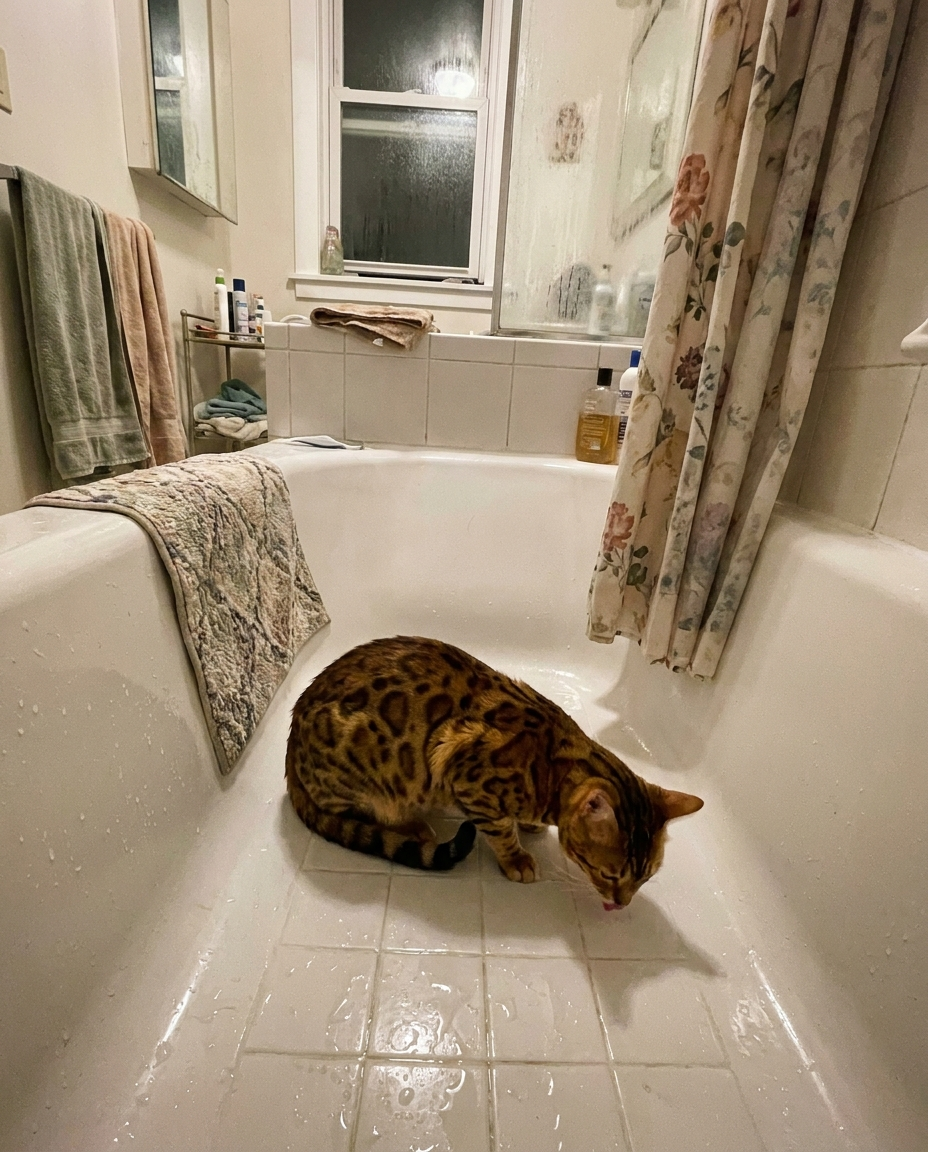
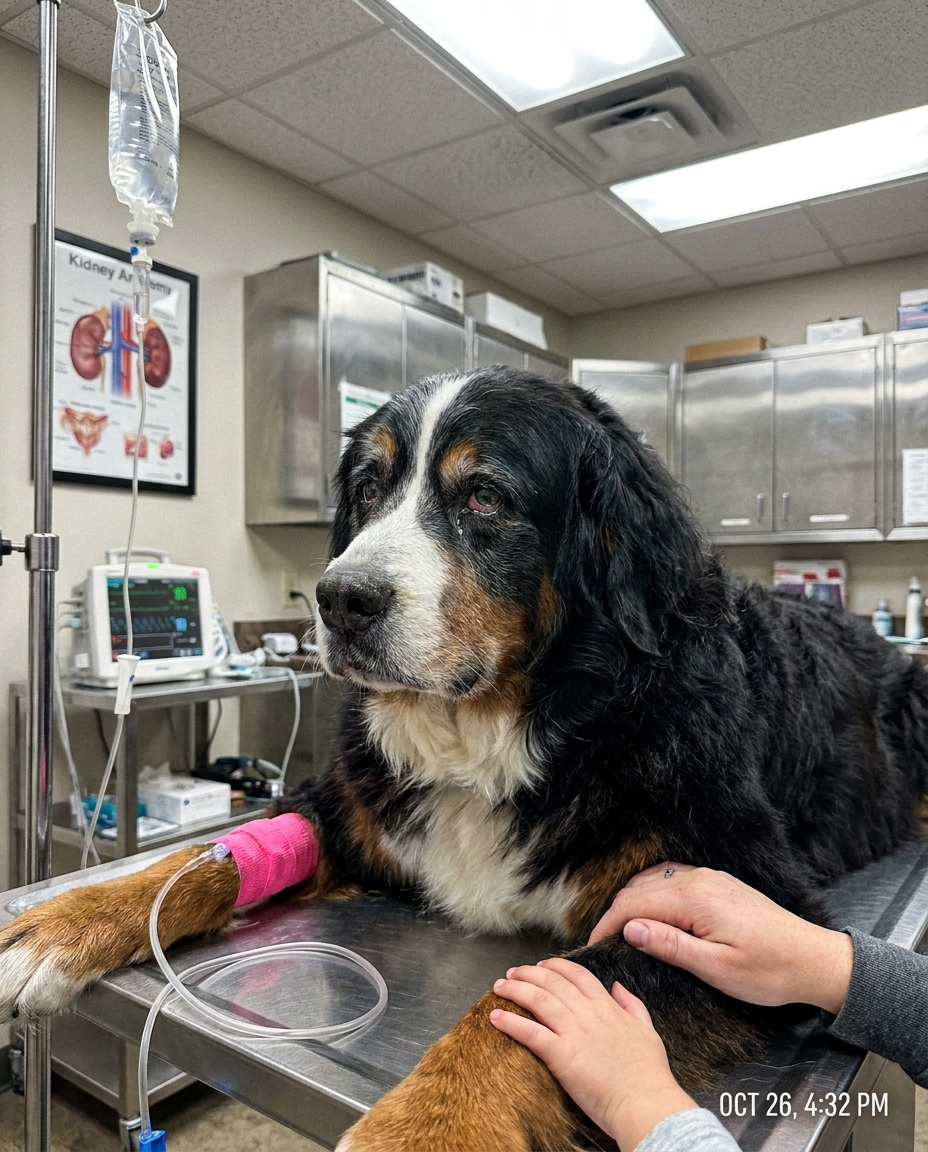
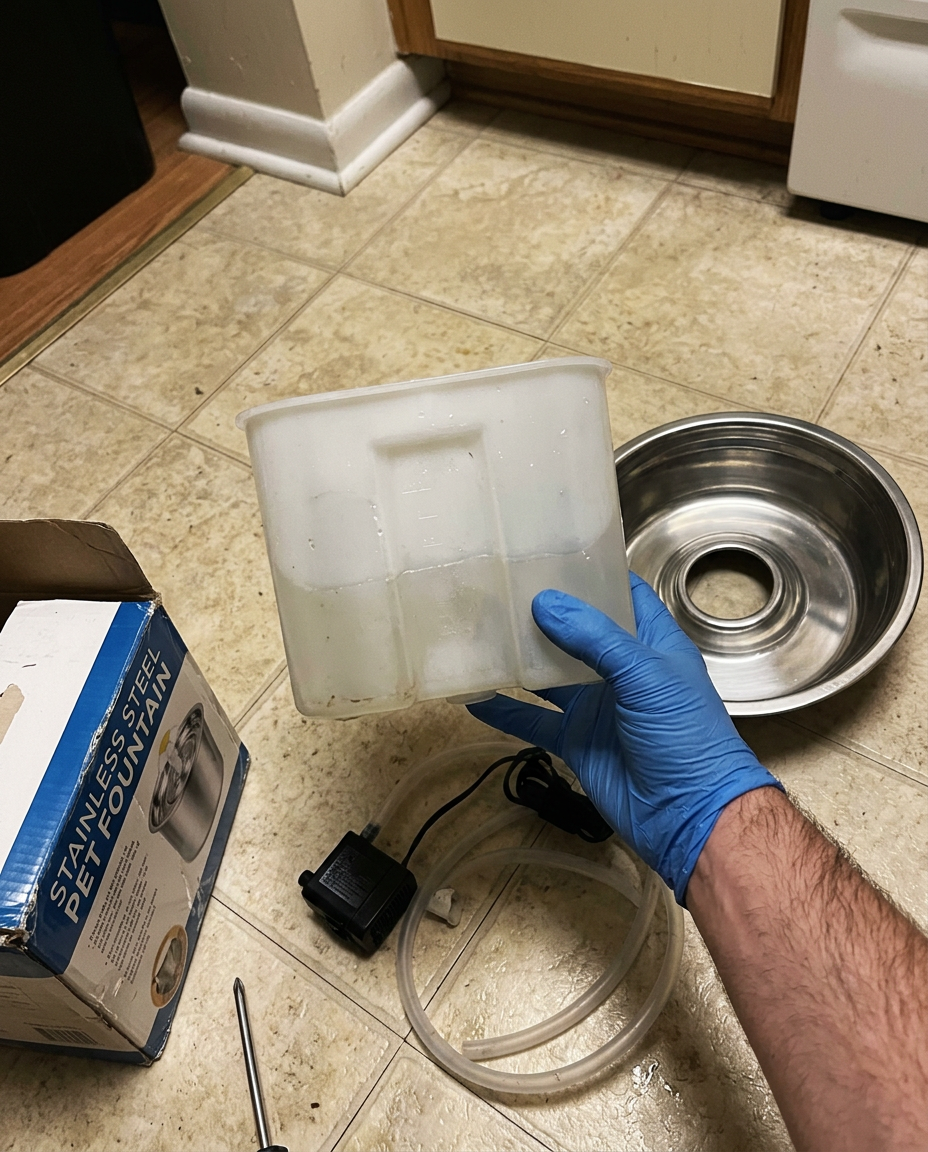
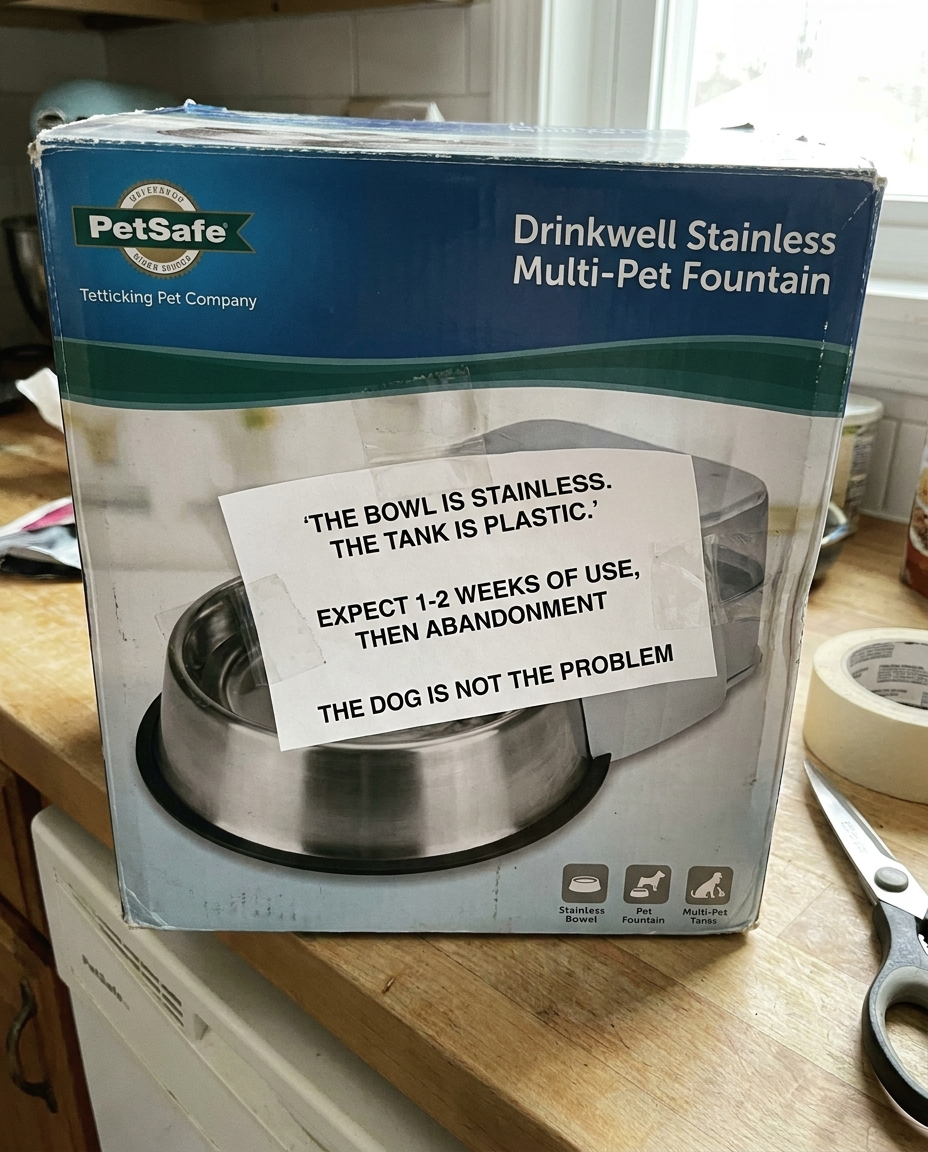
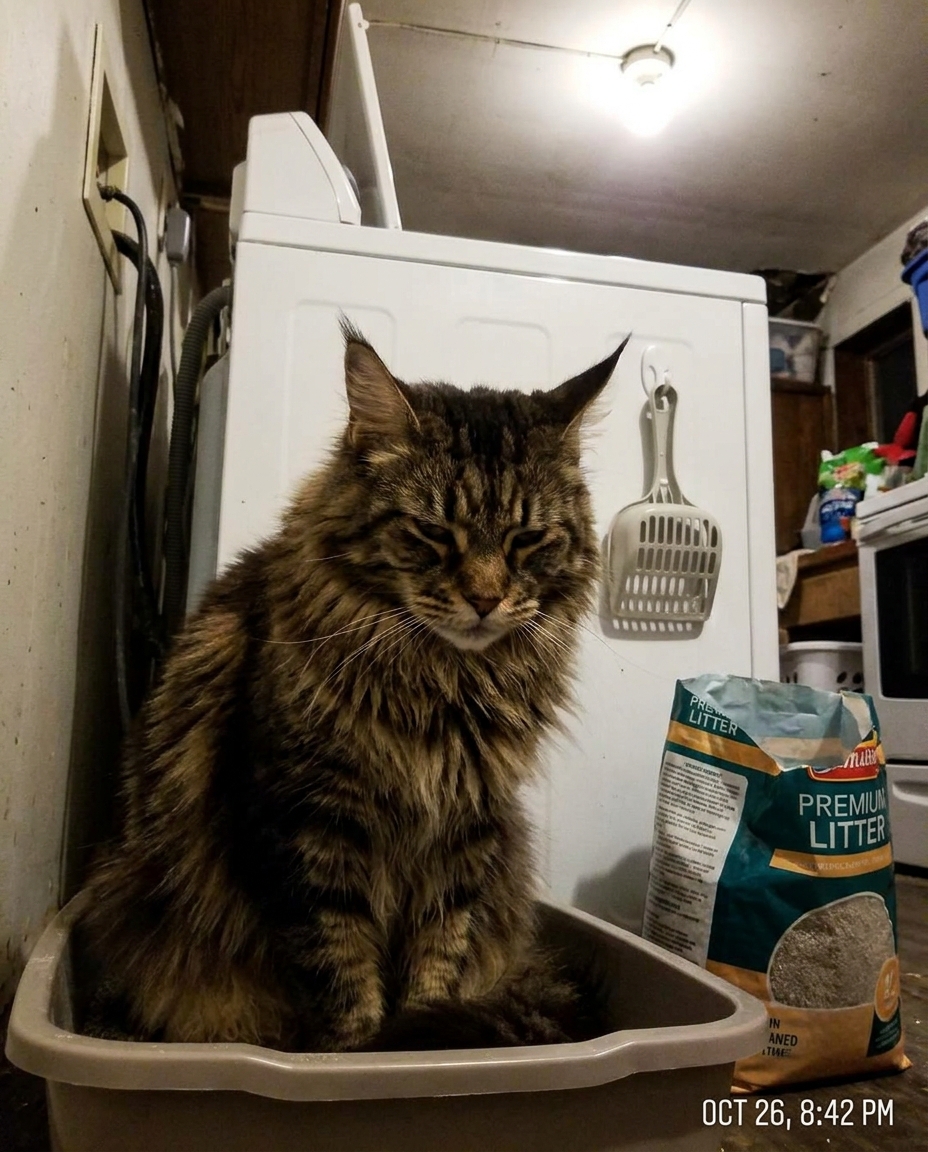
The litter box had been telling me for a year. I just thought I was scooping, not reading. If you have a male cat, please do not scroll past this one. What killed mine can kill yours in under 48 hours, and the warning is sitting in the box you clean every day. My name is Dana Okafor. I'm 45. Two cats. Well. Two again, eventually. Let me start where it started. Moose was my Maine Coon. Nineteen pounds of slow-blinking, trilling, gentle absurdity. He drank like he ate, which is to say barely, daintily, like a Victorian gentleman. His water bowl went down so slowly I topped it off more out of ritual than need. About a year before the end, the box changed. The clumps got smaller. He went more often. Sometimes he'd sit in there longer than usual, reposition, sit again. Once in a while a tiny cry, so soft I told myself I imagined it. I mentioned it at his checkup. Maybe constipation, maybe stress, maybe just Moose being Moose. Add a second box, try a different litter. I did both. I am a good cat owner. I did both the same week. The clumps stayed small. I stayed calm. Cats are weird, right? That sentence has a body count, and I did not know it yet. On a Sunday morning Moose went into the box, strained, and produced nothing. He came out, cried, went back in. Strained. Nothing. By afternoon he was hiding under the bed, and when I pulled him out his belly was tight as a drum and he screamed when I touched it. The emergency vet took him from my arms at a run, and I mean an actual run, down the hallway. A urinary blockage. Crystals had sealed his urethra completely shut. Nothing had left his body in over a day. His bladder was the size of a grapefruit, his kidney values were catastrophic, and his potassium was high enough to stop his heart. Which, that night, despite everything they did, it did. I sat in that lobby until 3 AM and learned the vocabulary of my failure from a pamphlet on the table. Male cats. Narrow urethras. Concentrated urine breeds the crystals. Blockage is a 24-to-48-hour emergency. The early sign: small clumps, frequent trips, straining. A year. The box had been telling me for a year, one small clump at a time. I went home to my other cat, Atlas, a younger Maine Coon who had spent his whole life shadowing Moose, and I sat on the kitchen floor and apologized to both of them. For months I scooped that box like a forensic analyst. Atlas's clumps were fine. Big, regular, boring. I have never been so invested in anything in my life. Then, eight months after Moose, they started getting smaller. I counted his trips. Six in one day. I watched him sit, reposition, sit again, and I heard, very softly, the cry I had once told myself I imagined. I had him at our regular vet by 8 AM the next morning. Urinalysis: concentrated urine, early crystal formation, no blockage yet. The vet prescribed a urinary diet and said the thing they say. We caught it early. We'll monitor. I drove home with a $94 bag of prescription food and a feeling I could not put down. Because Moose had eaten that same food for the last six months of his life. Monitoring is what I had done to Moose. I had monitored him into a grapefruit-sized bladder. That evening, the discharge nurse from the emergency clinic called to check on me. They do that, after a loss. Kindest phone call I've ever gotten. I told her about Atlas, the small clumps, the diet, the monitoring. She was quiet for a moment, and then she said, "Can I send you something? It's not official clinic advice. It's the article I send my own family." It was by a feline medicine specialist named Dr. Helen Park. Eleven years in a cats-only practice. It opened with a cat named Biscuit. An owner who did everything right. Premium food, clean bowls, fresh water daily. Biscuit strained in the box for a year, got a urinary diet, got monitored, and arrived at Dr. Park's clinic blocked, in crisis, at 2 AM. He didn't make it. I read that paragraph in my driveway and could not get out of the car. Then Dr. Park explained the thing that no vet, no pamphlet, and no $94 bag of food had ever explained to me. Cats are desert animals. They evolved getting almost all of their water from prey, so their thirst drive is naturally suppressed. A cat does not feel thirsty the way a dog or a human does. Left to a bowl, nearly every cat on the planet runs chronically dehydrated by default. It is not a flaw in your cat. It is the factory setting. And the bowl makes it worse. A cat's nose detects the biofilm that grows in the microscopic pores of any bowl within hours, long before we could. Their whiskers hate deep bowls touching them. And the ancient instinct says still water near the den is suspect, while moving water is safe. That is why cats beg at faucets. That is why they ignore a full bowl and lick the shower floor. So the cat drinks almost nothing. The urine concentrates. And concentrated urine is the exact chemistry that grows crystals. The diet helps the chemistry. It does nothing about the concentration, because the cat still is not drinking. That was the sentence that undid me. The food manages the chemistry. Only water fixes the concentration. Moose ate the right food and died anyway because the actual cause, the not-drinking, was never addressed. Monitoring just means watching the clumps shrink with better paperwork. Dr. Park explained what actually gets a desert animal to drink. Moving water, which reads as safe to the instinct. Real 304 food-grade stainless steel all the way through, including the tank, because the plastic-tank fountains sold everywhere grow the same biofilm a cat's nose rejects. Proper filtration. A wide, shallow drinking surface that never touches whiskers. She designed a fountain around all of it. I ordered it that night. The link to her article is below, and I am begging you to read the whole thing, but let me finish. The fountain arrived. Atlas, a Maine Coon, a breed that famously plays in water and still barely drank from a bowl, walked up to it, watched the moving surface for a full minute like television, and then drank longer than I had ever seen him drink in his life. He visits it constantly now. It is his spot. He drinks, he watches it, he dabs at it with one enormous paw, he drinks again. Three weeks in, I scooped the box and stopped, and crouched there in the laundry room, and laughed out loud alone like a crazy person. The clumps were huge. Boring. Beautiful. The most beautiful boring clumps I have ever seen. His recheck urinalysis: dilute urine, crystals gone. The vet said, and I quote, "Whatever you changed, don't change it back." It has been five months. Atlas drinks more in a day than Moose drank in three. The box reads like a clean bill of health every single morning, because that is what the box is. It is a daily lab report. I just never knew how to read it, and it cost Moose his life. So here is what I need you to do, today, before anything else. Go look at your cat's litter box. Actually look. Are the clumps smaller than they used to be? Is your cat going more often? Sitting longer? Have you ever heard a cry from in there that you told yourself you imagined? That is not constipation. That is not stress. That is not cats being weird. That is concentrated urine, from a desert animal that does not feel its own thirst, drinking from a bowl its nose and instincts reject. And if your cat is male, you are watching the fuse burn on the single fastest way to lose a cat that exists. Dr. Park's article explains all of it. The desert-animal thirst problem, the bowl rejection, the whisker fatigue, why urinary diets alone keep failing, and the fountain she built around the actual cause. It is the article a kind nurse sent me after it was too late for one of my cats and just in time for the other. I've linked it below. P.S. A blockage kills in 24 to 48 hours. The straining runs for months before it. The small clumps run for months before that. You are almost certainly earlier on this timeline than I was with Moose, and the box will tell you exactly where you are if you look tonight. Linked it below. P.P.S. Atlas sleeps on Moose's old windowsill now. Every morning he drinks from the fountain first, long and slow, and then takes his post. I cannot give Moose those years back. But the box in my laundry room has been boring for five months straight, and boring is everything. Read the article. Linked below.
The litter box warning most owners miss
Home to award-winning pet products. Shop premium, vet-approved items that both you and your pets will love. Quality you can trust, for pets that deserve the best.
LEARN MORELike this ad? Make it yours.
Crush rebuilds this exact creative around your product — your brand, your colors, your offer — in about a minute.