
Active· since Jun 19, 2026
- 88
- days running
- 0
- relaunches
Ad copy
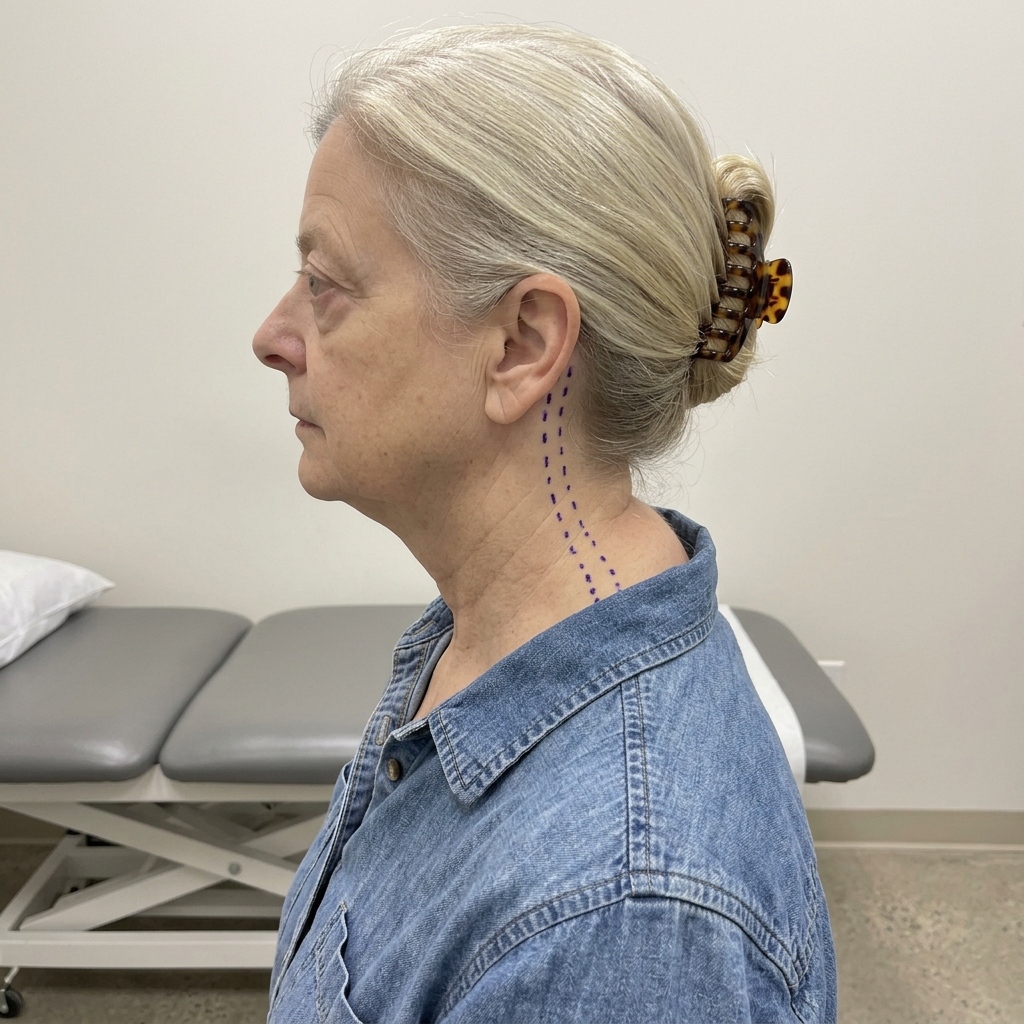
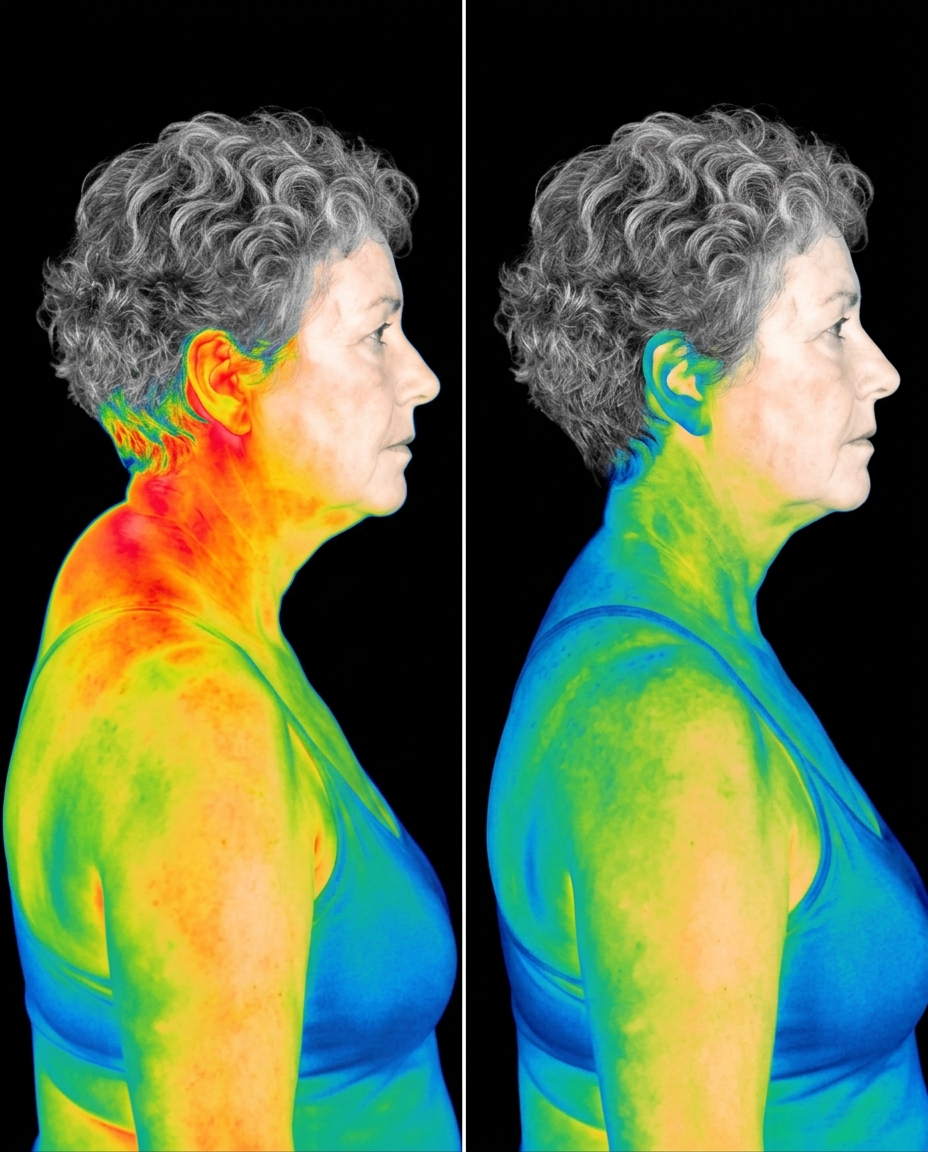
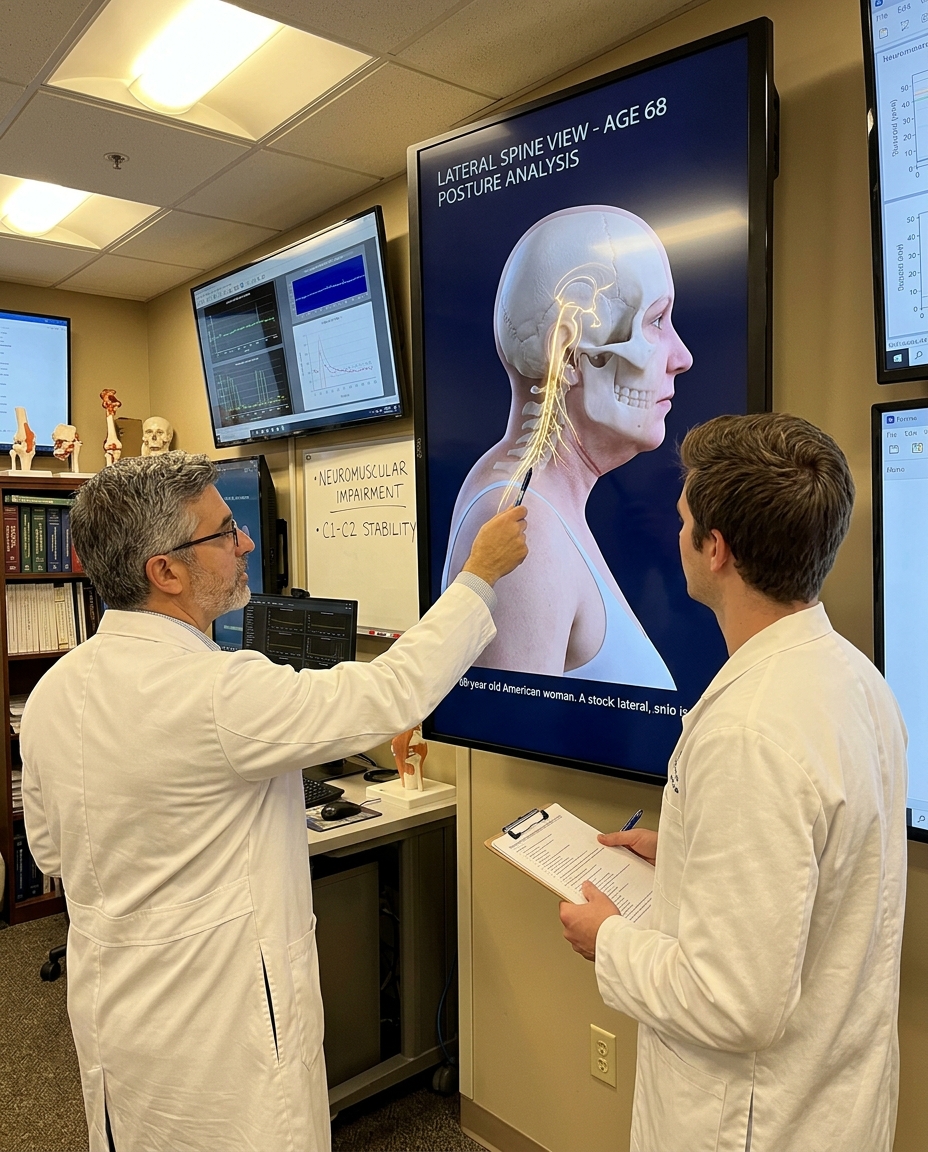
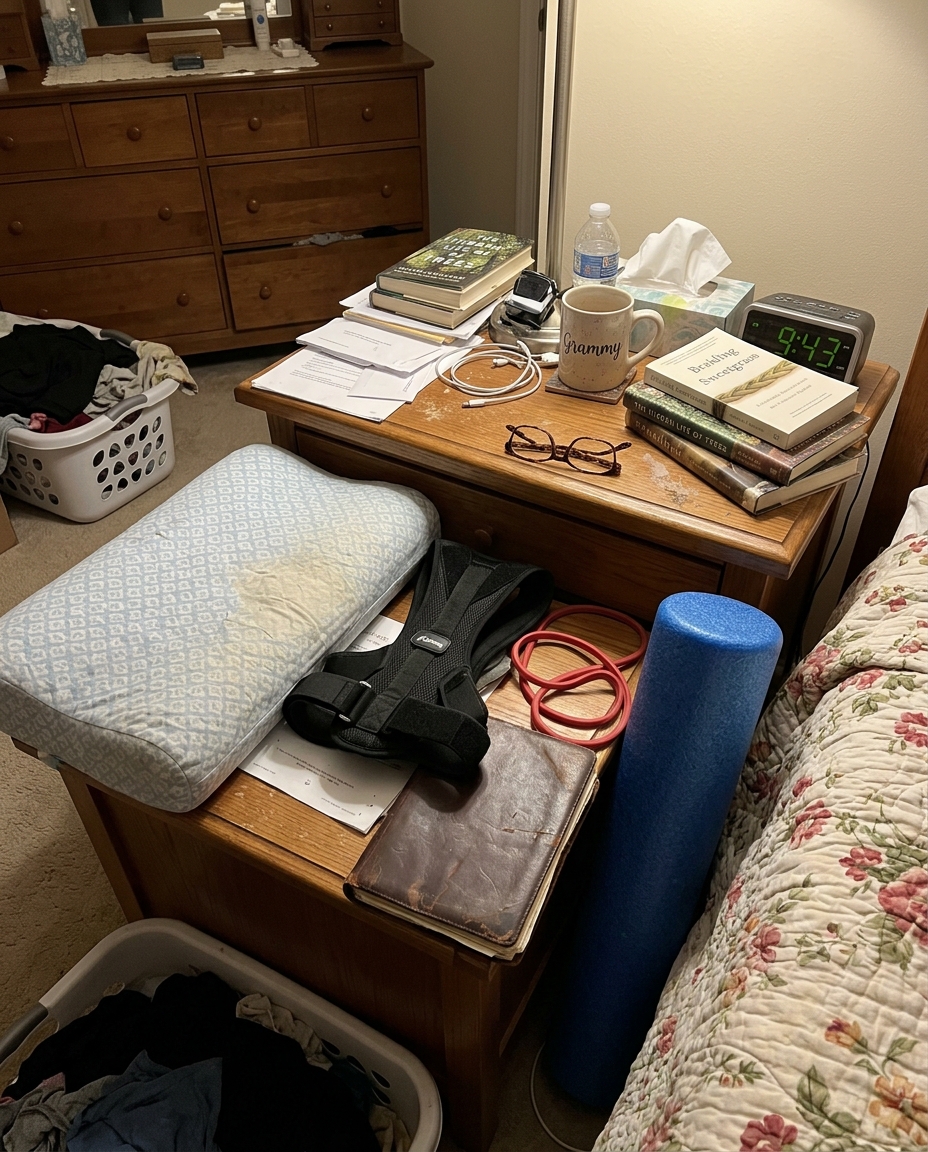
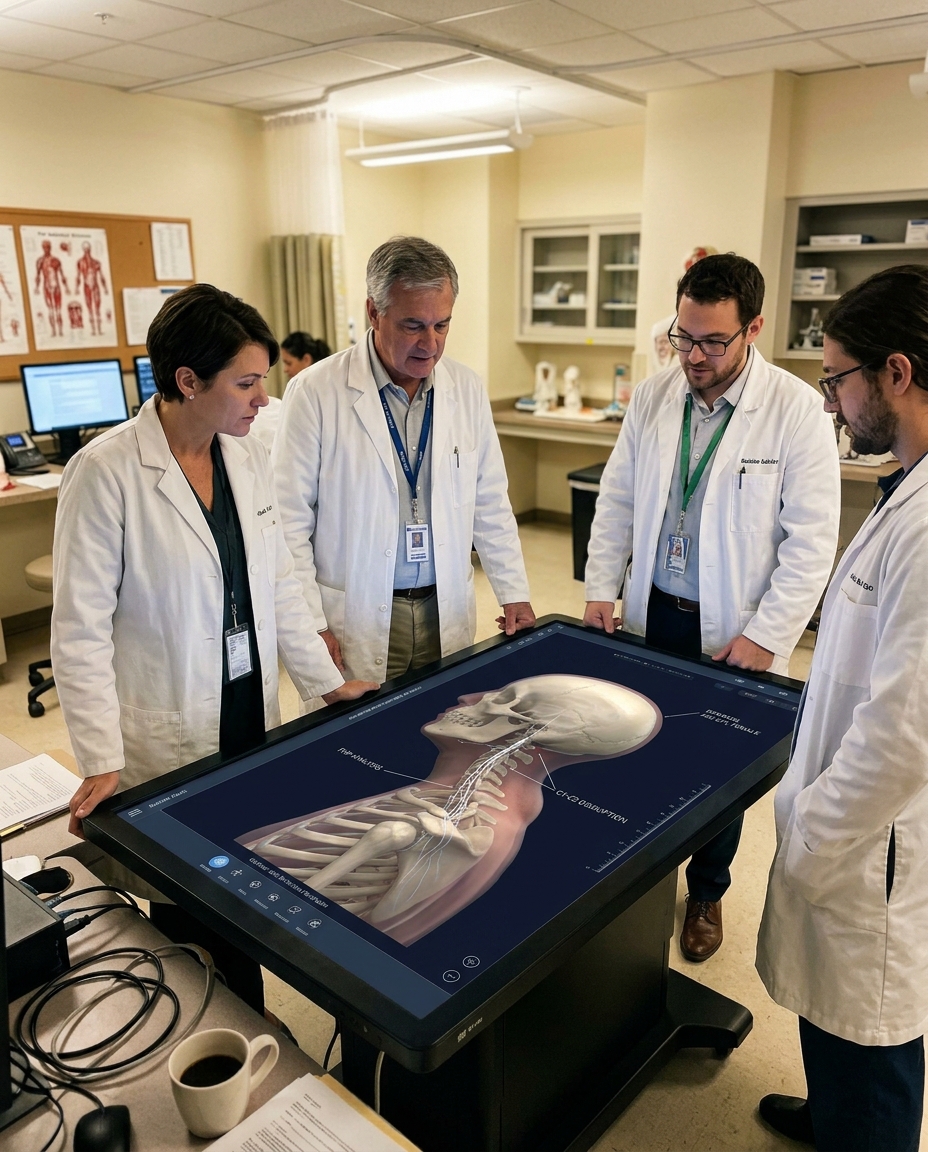
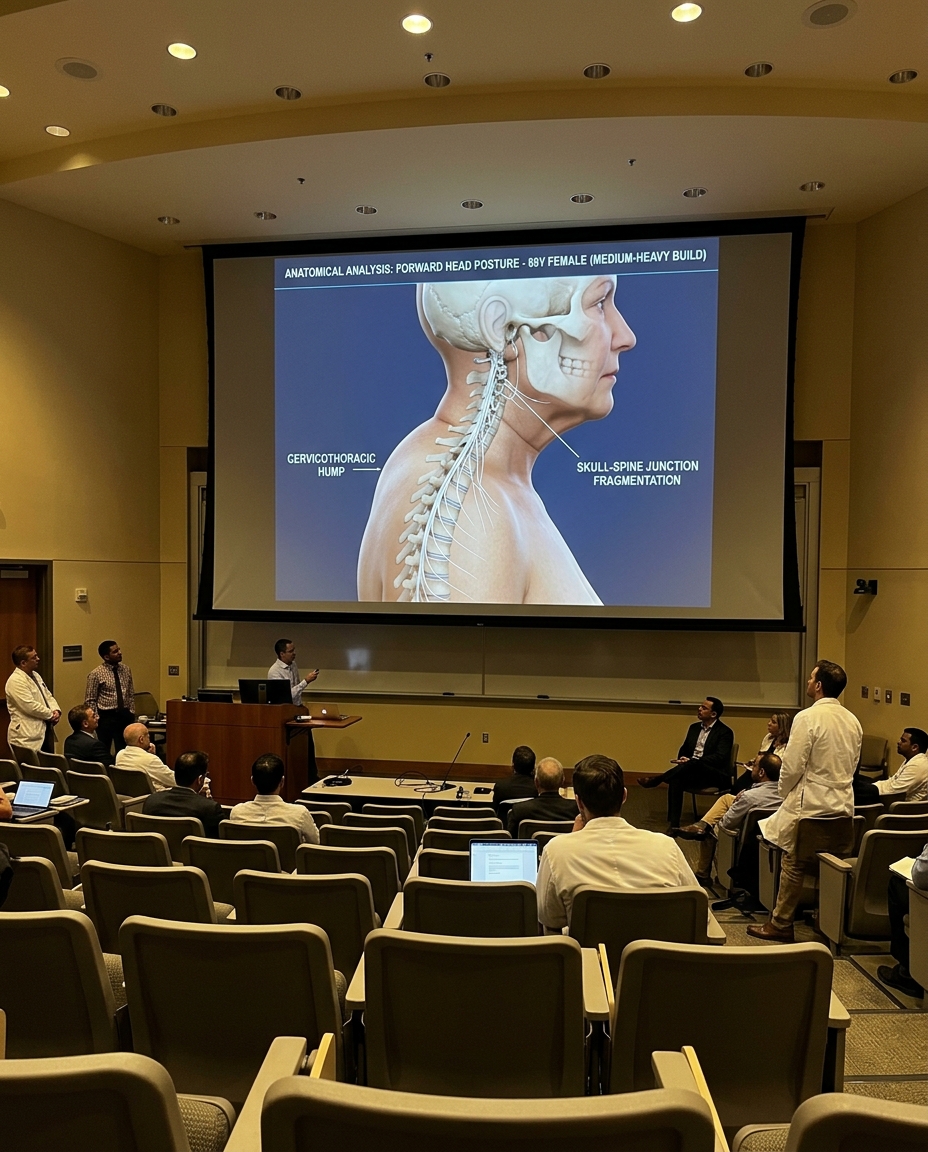
If you're a woman who has been managing her neck hump — maybe exercises every morning, sessions twice a week, brace in the evenings, nothing crazy — and lately the tissue won't go down, you're withdrawn by mid-afternoon, and two months of protocol now leaves you worse than when you started... I'm about to tell you exactly what's happening inside your body that nobody warned you about. And by the end of this, you're going to be pissed. Because there are three things happening right now: One — Your cervical system is telling you that 10 or 15 years of forward load accumulation has quietly caught up with you. Two — Nobody calls it a problem because your measurements are "stable" — so you have no idea how much signal damage has accumulated. And three — Doing more management isn't fixing it, because the damage isn't from last month's sessions. It's from years of buildup that's now blocking your signal layer. Let me tell you what happened to me, because it's probably going to sound familiar. I was never someone who ignored her posture. An exercise here, a session there. Ergonomic setup at work. Cervical pillow at night. What every woman I know does. What my mother did. What my friends do. Normal stuff. Nothing that ever felt like a "problem." Nothing that ever made me think twice. But somewhere around 52, things started changing. Two sessions and I'd wake up feeling like I'd been on a full management protocol for a week. Not "I worked too hard" tired. "I did my EXERCISES" tired. The kind where you wonder if something is wrong because there's no way two chin tucks should leave you managing for a full day. My tissue kept building even though nothing else had changed. Same diet. Same workouts. Same everything. But my cervicothoracic junction kept accumulating. I'd look in the mirror and not recognise my own neck. Didn't matter if I did clean ergonomics all week — by evening my forward pull would return like something inside me had reset. I stopped wearing open necklines. Started choosing high collars automatically. Positioned myself at the back of every family photo. My daughter bought me a new cardigan for my birthday — a structured one — and didn't say anything. She didn't have to. Presence fog so bad I'd lose myself mid-gathering. I've built relationships for thirty years. I built my social confidence on being the most fully-there person in the room. The one who remembered everyone's details. The anchor. Now I was drifting to the edges of events. Forgetting to call people back. Leaving early without being able to explain why. I started writing social commitments down because I didn't trust my own engagement anymore. Started genuinely wondering if something was wrong with me. Like seriously wrong. Withdrawn by 2 PM every single day. Didn't matter if I'd done my full morning routine. I'd hit this wall after lunch where my presence just shut off. I'd find myself at a dinner calculating my angle instead of listening. I'd come home, sit in my chair, and be unreachable before the evening was over. That low-level management at the base of my neck that I'd had for so long I stopped noticing it. Sometimes it'd sharpen enough to change how I was standing. Other times it was just this constant awareness, like something was pulling against everything else. I blamed stress. Working too hard. Not sleeping enough. Getting older. "Welcome to your 50s," my friend said. Everyone nodded. All my friends were dealing with the same stuff. We'd joke about our necks and how we "can't hold posture like we used to." Normal woman stuff, we told ourselves. Then I got a full cervical assessment done — the one my daughter had been nagging me into — and my practitioner said two words that stopped me: "Established inhibition." My forward head was 2.8cm. My motor nerve activation was severely reduced. She looked at me and said, "You need to increase your session frequency and adjust your brace protocol. Take your exercises more seriously. We'll monitor it." Monitor it. I was shocked. Established inhibition? I wasn't ignoring my posture. I wasn't sedentary. I exercised. I did my protocol. How could I have established inhibition? But I did what she said. Increased to twice-weekly sessions. Wore the brace more consistently. Took my exercises seriously — every morning, twice a day for eight months straight. My tissue stayed the same. My presence stayed crashed. My engagement stayed shallow. That management at the base of my neck didn't budge. And when I went back six months later? My forward head had dropped to 2.6cm. Barely moved. My practitioner shrugged and said, "Keep doing what you're doing. We'll check again in six months." Keep doing what I'm doing? What I'm doing ISN'T WORKING. I'd basically doubled my sessions. Done every exercise. Worn the brace consistently. And my cervical system was still struggling. My tissue was still there. My presence was still failing me. That's when I stopped listening to my practitioner and started researching for myself. Not wellness blogs. Not some influencer's posture reset. Actual clinical journals. Cervical rehabilitation research. Peer-reviewed studies on motor nerve function and signal restoration. I needed to understand what was actually happening inside my body. And what I found pissed me off so bad I wanted to put my fist through my desk. Here's what's actually happening inside your body after years of accumulated forward load: Every screen hour, every drive, every forward-loaded position triggers a gradual depletion response in your deep cervical motor nerve system. That's not an opinion — it's neuromuscular physiology. Forward load is metabolized by the cervical system as it holds your head back. Your deep cervical motor nerves fire continuously. Produce activation to maintain position. Handle the load. Restore between periods. Move on. When you're young, this works perfectly. Load today, restore tonight. Your cervical signal is a machine. But here's what nobody tells you. Your cervical motor nerve system doesn't just process load and make it disappear. It produces adaptation signals. Compensatory patterns. Inhibitory responses. And all of that builds up somewhere. Your cervical system has a restoration cycle. There's a whole network of motor nerve pathways running through your deep cervical layer whose job is to flush out the inhibitory responses, compensatory patterns, and activation debris from each load period. When you're young, this restoration cycle runs perfectly. Load today, restore tonight. No accumulation. No problems. But after 10 or 15 years of regular forward load accumulation — even moderate load from normal modern life — something starts happening. Each load period adds a tiny bit of inhibitory debris to the restoration pathways. Compensatory patterns accumulate. Inhibition proteins build up. The restoration pathways start to slow. One screen day? No problem. Five thousand screen days over 15 years? The buildup becomes significant. And slowly, year by year, session by session, your cervical system's restoration pathways become congested. Sluggish. Physically blocked with accumulated inhibition that never got fully cleared. Think of it like a drainage filter that's never been reached. The flow still moves, but it's getting slower and more blocked every month. Eventually the filter is so clogged that the system can't restore properly, can't activate properly, can't hold. The system isn't broken. The restoration pathway is choked. By your 50s, the restoration cycle that used to clear everything overnight is running at a fraction of its capacity. And this is when the symptoms hit. Not because you suddenly started loading more. But because your restoration cycle finally hit a wall. Your tissue — that "neck hump" everyone tiptoes around — that's your deep cervical motor nerve system, dormant and congested with inhibitory debris that should restore but can't. It's pressing outward against everything around it. That's why it doesn't respond to exercises, sessions, or wearing the brace consistently. It was never just position. It's a dormant system. The withdrawal — drifting to edges of gatherings, leaving events early, losing your presence by 2 PM, finding yourself unreachable by evening — that's inhibitory debris that should be cleared recirculating through your motor nerve system over and over, suppressing your holding capacity even when you haven't missed a session in days. The presence fog — drifting mid-gathering, losing your engagement, forgetting to call people back, calculating your angle instead of listening — that's the same recirculating inhibition reaching your awareness layer. Your presence isn't declining. It's trying to run through a fog of motor nerve debris that should have been restored years ago. The management intolerance — two sessions leaving you worse than they used to help — that's your cervical system unable to process new load while it's still drowning in years of old inhibition. Two sessions overwhelm a system that's already maxed out. That management awareness at the base of your neck? Your deep cervical motor nerve system, dormant and congested, pressing against everything it was supposed to hold. Every symptom. One root cause. Congested cervical motor nerve restoration. That's why doing more management didn't fix it. You stopped adding new load accumulation, which was smart. But you never cleared what was already trapped. You were protecting a system that was choking on its own inhibitory debris. Like adding premium sessions to a motor nerve pathway that's still blocked. The session quality doesn't matter when nothing can flow through. And here's what made me want to lose my mind. Practitioners KNOW about deep cervical motor nerve restoration. It's in the research. It's in clinical textbooks. Your deep cervical motor nerve system requiring direct activation to restore is established science. Not controversial. But unless you're in complete cervical collapse with tissue so consolidated it's structurally changing your profile — they don't address signal restoration. At all. Why? Because there's no ongoing appointment revenue in it. You can't build a repeat-visit model around a home device that restores the signal in 15 minutes. There IS money in keeping you on twice-weekly sessions at $80 each. Specialist referrals at $400 a block. Intensive programs every six months to "manage" your measurements while they creep. Assessments. Scans. Panels. An endless cycle of monitoring and managing without ever actually restoring anything. And eventually? If your cervical system gets bad enough? Surgical consultation. Tens of thousands of dollars. Monitor the decline. Bill at every stage. Never fix the restoration. Standard exercises contain protocols that protect cervical position from new load. That's real. But exercises CANNOT unblock your deep motor nerve restoration pathways. They cannot clear years of hardened inhibitory debris from your signal channels. You've been protecting a position that's already suffocating in its own accumulated inhibition. Like organizing a room that's got a broken foundation. The surface looks maintained. Underneath, everything is backed up. So I kept digging. I needed to find what actually restores signal. Clinical journals. Studies on motor nerve dormancy. Research on direct activation compounds documented to restore stagnant cervical signal. Conversations with cervical rehabilitation researchers who actually understood this mechanism. I found four specific delivery requirements that kept coming up: 8 unique programs — this is the one that made everything click. Your restoration pathways aren't just "slow." They're physically blocked by established inhibition patterns that load accumulation creates in dormant cervical tissue over years. Program specificity breaks those patterns apart. It targets the exact inhibition stage — early, established, advanced, maintenance — and delivers the activation parameters that dissolved that stage specifically. Think of it like signal restoration for your motor nerve system — it attacks the hardened inhibition that's been building load by load, year by year, and breaks it down so signal can finally flow. 19 graduated intensity levels — called the "progressive restoration protocol" in clinical rehabilitation research. Program specificity targets the inhibition stage, but the restored signal still needs to build gradually from there. Graduated intensity mobilizes it. Builds the dissolved signal progressively as the inhibited nerves begin to respond — starting where they are, not where you want them to be. Without graduated levels, you'd target the inhibition and overwhelm motor nerves that can't yet handle full intensity. Bilateral cervical delivery — this is the piece most women miss. Even after you target and build the signal, your motor nerve pumping mechanism itself has stalled. Your deep cervical system doesn't activate unilaterally the way surface muscles do. It relies on bilateral symmetry to pump signal through both sides simultaneously. After years of accumulated inhibition, that bilateral symmetry breaks down and eventually stops. Bilateral delivery restores the symmetry. Gets both sides firing simultaneously. Kicks the whole restoration engine back on. Clinical-grade parameters — this is what keeps you from ending up right back where you started. The first three requirements clear the old inhibition. But if you're still loading — screens, driving, looking down, all the normal modern life that built the inhibition in the first place — clinical-grade parameters prevent new inhibitory buildup between those load periods. Maintains the restoration so the daily load gets processed the way it's supposed to, instead of adding another layer of inhibition. Target. Build. Restore bilaterally. Protect. Not a random pile of EMS settings. A four-step signal restoration sequence. Each requirement does a job the others can't. Together they target the exact mechanism that exercises and sessions never touched. I finally understood what had to happen. I needed to activate years of accumulated motor nerve inhibition, not just protect a position that was already drowning. So I started looking for all four. And here's what surprised me — I didn't have to stop all my management completely. I kept doing my morning exercises. Because the problem wasn't about the daily exercises. It was 15 years of inhibition accumulation that had never been cleared. When I first started researching, I found devices with one or two of the requirements. Bilateral only. Or graduate intensity only. I wasn't even sure the single-parameter devices were reaching the inhibited layer at all. Then I found Cevera. I was reading through a cervical health forum one night and someone mentioned them. Went to their site. Ready to be disappointed. They had a device with every single requirement. 8 unique programs. 19 graduated intensity levels. Bilateral cervical delivery. Clinical-grade parameters. All four — the complete signal restoration protocol — in one device. And it wasn't a surface massager. It was direct motor nerve activation. Direct activation absorbs into the motor nerve layer faster and more completely than surface stimulation. The programs reach the deep cervical pathways and the activation enters the system directly. No surface layer blocking the active parameters before they reach your deep motor nerves. That's why people were saying they felt the difference within the first couple of weeks. Third-party tested parameters. Clinically calibrated. No single fixed frequency. No surface-only stimulation. I've been using it for six months. After about two weeks — the morning management started going down. First time in years I got dressed without running through what I was going to wear. My collar choices felt different. I reached for something open-necked without even thinking about it. My daughter noticed before I said anything. After three weeks — the presence fog started lifting. I was at a gathering and realized I hadn't thought about my angle once. I pulled myself into a conversation I would have drifted away from before. I felt like myself again. Fully there. Present. The way I used to be. After six weeks — that management awareness went quiet. I checked the base of my neck out of habit. Different. The withdrawal started breaking. I made it through a full evening without drifting. Started accepting invitations again after work because I actually had the presence. Hadn't done that in two years. My face changed. The tension around my jaw and neck went down. I looked in the mirror one morning and the woman looking back was five years younger. My husband said I looked "lighter." My friend at yoga asked if something had changed. Nothing had. I'd restored. After eight weeks — I ran a full assessment. My forward head had dropped from 2.8cm to 1.3cm. My motor nerve activation was significantly improved. My practitioner pulled up the old results and said, "What did you change?" I told her about the direct cervical signal restoration protocol. She'd heard of EMS. Never at this program-specific calibrated level. Wrote down the specifications. Said she'd look into it. That's rehabilitation for you. The research exists. The mechanism is documented. And most practitioners have never heard of it. I wasn't falling apart. My cervical system was drowning in 15 years of accumulated inhibition. And I finally restored it. My husband says I'm like a different person. Not because I look different — though he keeps saying I look "younger" and "more awake." He says it because I'm present again. I'm engaged. I've got energy for people. I'm not drifting to the edges of things by 8 PM every night. My friend started using Cevera after I told her about it. Same story — the tissue, the withdrawal, the management fog. Two weeks in she texted me: "I wore the boat-neck top to dinner last night. First time in over a year I didn't think about it once." Last weekend I stood in the front row of the family photo without thinking about it. First time in probably three summers I didn't have that moment of calculation before someone raised a camera. I just stood there. Because the management that had been there for three years was finally going down. Here's what I need you to understand. You're not someone who doesn't care about her posture. You're not someone who "let herself go." You're a woman who managed the way every woman does. Every morning. At sessions. With the brace. With the protocol. At barbecues and weddings and family gatherings and work events. Nobody warned you that even moderate forward load accumulates inhibition over time. Nobody explained that your cervical restoration pathways would eventually get blocked. Nobody told you that doing more management wouldn't be enough once the buildup hit a certain point. The damage doesn't announce itself. It builds quietly. Load by load. Year by year. Until one day you realize you can't hold posture like you used to. Your tissue won't go down. Your presence is gone. Your engagement is shallow. And nothing you try fixes it. More management stops new load accumulation. That's important. But it doesn't clear the 10 or 15 years of inhibition that's already blocking your system. You need to restore it. Your cervical system forgave your 30s. All those years of early screens and forward loading? Cleared and forgotten. It forgave your 40s. The laptop phase, the phone accumulation, the long drives? Handled. It's not forgiving your 50s. Because the restoration pathway is full. The filter is choked. There's no more room. But you don't have to quit. You don't have to give up your life completely. You don't have to become the woman who avoids every social situation. You have to clear the buildup. Restore the signal. Give your cervical system the ability to hold again. And once you do that? You might find you can attend a full gathering without managing once. Your tissue starts going down. Your presence comes back. Your engagement works again. That's what happened to me. That's what's happening to the women I've shared this with. Link below. Try Cevera at the current price with fast shipping today. Use it for 90 days. Just 15 minutes with your morning coffee. If your tissue doesn't go down, your presence doesn't come back, and your management doesn't clear — even while still living your full normal life — return it for a full refund. No questions. But move on this. Stock runs low regularly. And once you understand what's actually been happening inside your body — and that there's a way to restore it without giving up your life — waiting doesn't make sense. Because nobody else is going to tell you this. Your practitioner will say "keep managing and monitor it." Your friends will say "welcome to your 50s." And your cervical system will keep drowning while you wonder why nothing helps. You have to restore your own signal. 👉 https://trycevera.com/pages/adv2-womens-wellness-report
Reactivate your cervical signal.
Discover what's actually driving your neck hump — and what it's been doing to your presence, your energy, and your daily life.
LEARN MORELike this ad? Make it yours.
Crush rebuilds this exact creative around your product — your brand, your colors, your offer — in about a minute.