The Rider’s Journal
The Rider’s Journal Facebook ad: “I recovered in 8 weeks at 27. At 71, I'm still on a cane.”
Ran for 77 days, from May 1 to July 17, 2026, the last day Crush saw it.
Run by The Rider’s Journal on Facebook. Crush is not the advertiser and does not verify its claims. See this ad in Meta's Ad Library(opens in a new tab)
Want an ad like this for your product?
Crush makes new ad images for your product from this ad: your logo, your product photo, your offer.
Trials from $19.95 USD, then $79.95 USD a month. Cancel anytime.
About this ad
- Meta Ad Library ID
- 990706860047048
- Platforms
- Facebook, Instagram, Audience Network, Messenger and Threads
- Relaunches
- 0
Ad text
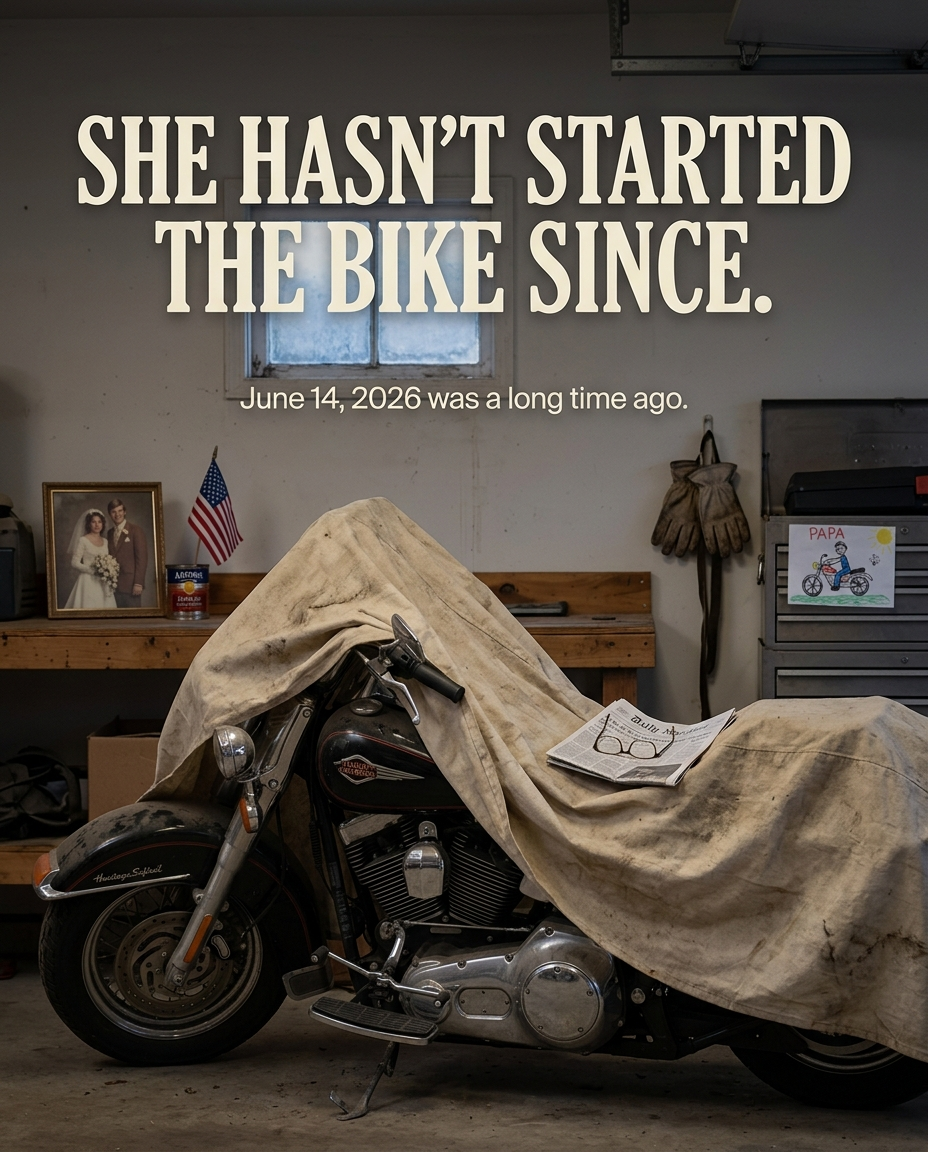
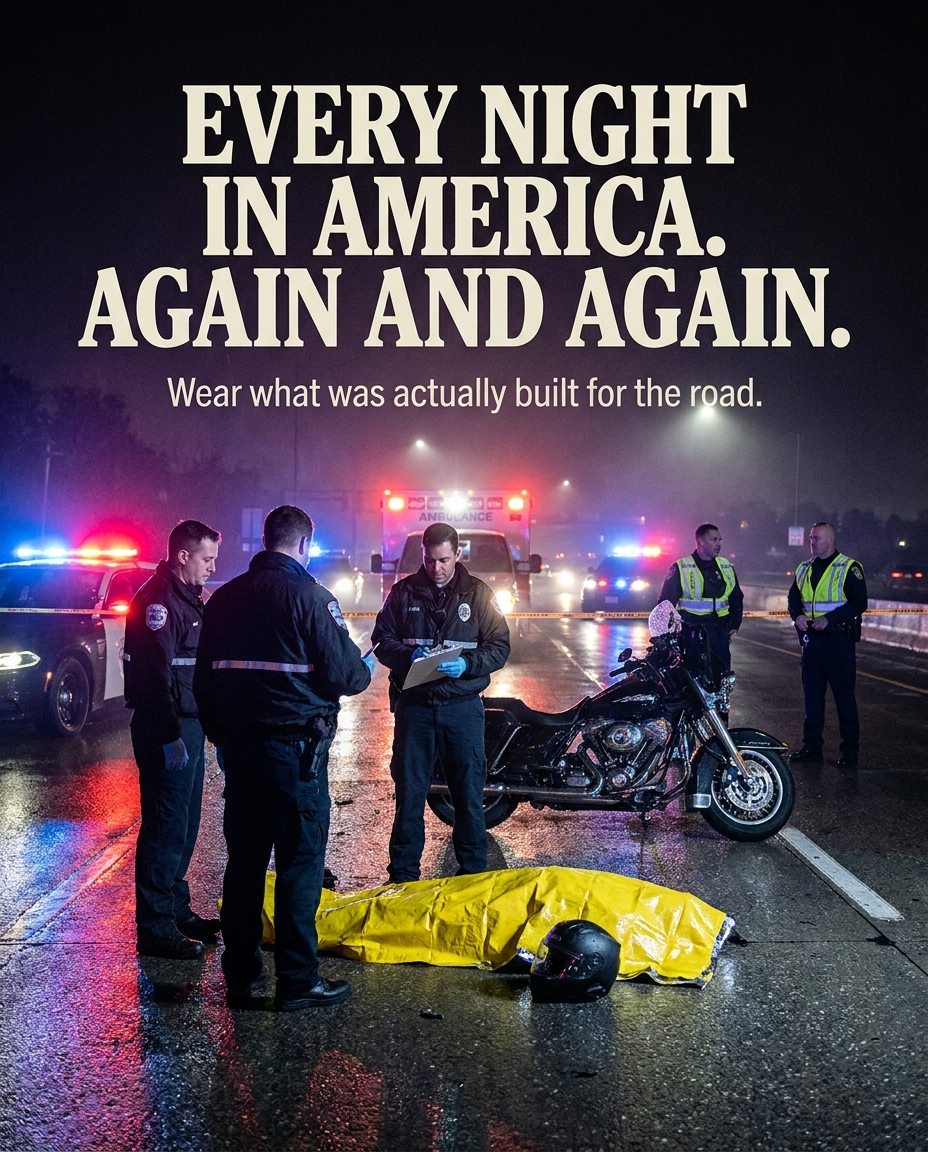
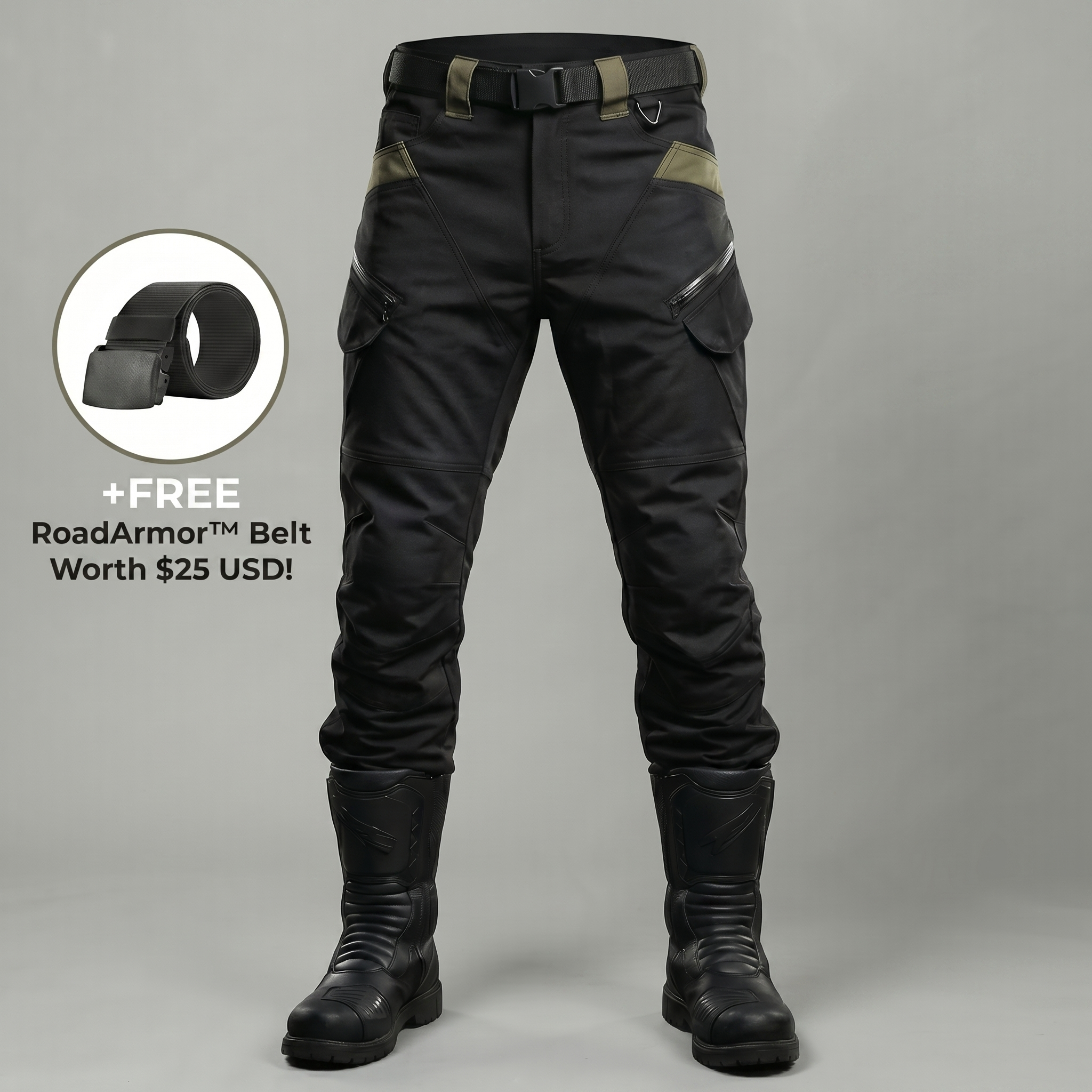
I crashed at 27 in 1979 and walked away in eight weeks. I crashed again at 71 in 2024 and I'm still on a cane 24 months later. In between I wasted 18 years and $1,089 on gear that was never built for me. Last October, a trauma surgeon in Mobile sat me down and told me why — and I got so angry I sat in her parking lot for 25 minutes before I could drive home. My name is Roy Donovan. I'm 73 years old. I live in Saraland, about 12 miles north of Mobile, Alabama. I'm writing this at 4:00 in the morning because I can't sleep. I need to tell you what happened to me in 1979, and what happened to me again in April of 2024. What a trauma surgeon named Margaret Sullivan told me last October at an appointment that was supposed to be about something else. And what I finally found, after 18 more years of wasting money on the wrong products, that changed everything. If you're over 50 and you ride — especially if you ride a cruiser in a hot state, in jeans, because everything else is worse — please read to the end. I lost 45 years of my life to a lie I told myself after my first crash. I lost 18 more to a gear industry that was lying to me. The second crash almost killed me. I'm not getting any of that back. You still can. THE FIRST CRASH, THE ONE THAT LIED TO ME. Saturday, July 14th, 1979. I was 27. I was riding a 1976 Sportster XLH-1000 home from a wiring job at Brookley. I came around a curve on Highway 98 outside Theodore at 38 mph and hit a slick of motor oil somebody had spilled in the inside line. The bike went out from under me like the road had been pulled with a rope. Dislocated right shoulder. Broken right wrist. Lost most of the skin off my right thigh and right palm in the Wrangler 13MWZs I was wearing. A young couple in a Pontiac stopped, called the ambulance, were gone before I was loaded. One night at Providence Hospital. Six weeks in a sling. Eight weeks until I was back on the Sportster. Total cost: $4,200. Insurance covered most of it. I was an electrician three years out of my apprenticeship and I was strong as a young bull. Helen and I had been married three years. She watched me sleep on a folded-out couch for six weeks because I could not lie on my side. The first thing I did when I could ride again was take her down the bayfront in Fairhope. I remember thinking I had dodged the bullet. I had not dodged the bullet. The bullet had been delayed by 45 years. And the lie I told myself in 1979 — that crashes were something a real rider walked away from — would cost me everything. THE 29 YEARS. I told myself a lot of things during the years between 1979 and my retirement in 2008. That I was a careful rider. That my eight-week recovery proved my body was tougher than most. That if you knew what you were doing on a motorcycle, you didn't go down. That riding skill was the gear, that intelligence on the throttle was the armor. None of it was true. The truth is I had been lucky exactly once, on exactly one curve, at exactly one age in my life. And I had spent the rest of my riding life believing I had been smart instead of fortunate. David was born in November 1979. Becky in 1981. I rode through both of their childhoods in jeans, came home greasy from work in jeans, took weekend rides up to Atmore in jeans. Helen would say "Roy, please, real pants." I would tell her I was being careful. I would tell her I had already been through one crash and had walked away. I told her this for 29 years. In 1996 a friend of mine named Earl Crawford went down at 53 mph on I-65 in jeans. I drove up to a rehab center in Birmingham and sat on the foot of his bed while a physical therapist worked on his right knee. Earl did not walk again. I drove home that night and convinced myself the difference between Earl and me was that Earl had been going too fast. In 2003 my brother-in-law Tommy Knox was killed at 64 on a Yamaha sportbike outside Pensacola. I stood next to my sister Linda at his funeral. I told myself the difference between Tommy and me was that Tommy had been on the wrong kind of motorcycle. You don't get the message until the message is delivered to you, personally, in your own body. And then by the time it is delivered, you are 71 years old and the body that bounced at 27 does not bounce anymore. 2008. I retired from Alabama Power in May 2008, after 36 years. The day of my retirement party I drove home, sat in my truck in the carport for an hour, and then walked inside and told Helen I was buying a new motorcycle. The Heritage Softail I had ridden since 1992 was 16 years old and tired and I was going to spend some of the pension on a Road King. Helen looked at me for a long time. Then she said: "Roy. I love you. I have loved you for 32 years. You are 56 years old. Will you please, this time, just buy real pants. I cannot sit through another emergency room phone call." I told her I would. I meant it. I drove the next morning to Mobile Harley-Davidson and bought a 2008 Road King — two-tone Pewter and Vivid Black — and the week after that I started shopping for serious gear. And then I spent 18 years making the same mistake the gear industry is quietly counting on every rider my age to make. I drove to Gulf Coast Cycle in Daphne. The kid behind the counter — early thirties, beard down to his sternum — walked me to a wall of leather. American brand, made in Massachusetts. 1.4mm full-grain steerhide. CE-rated knee and hip armor. $499. "This is what serious riders wear," he said. "Leather is the only real protection." I bought them. Three weeks later I took a 32-mile loop down to Dauphin Island and back. First week of August on the Alabama coast. 94 degrees by 11 AM with the kind of Gulf humidity that fogs your sunglasses from the inside. By mile 19 I thought I was going to fall off the bike at a stop sign. My legs inside that leather had to be 118 degrees. I could feel sweat pooling in the bottom of my Carolinas. My heart was pounding in a bad way. I got tunnel vision in my right eye for a few seconds. I pulled into a Shell station in Bayou La Batre and sat on the curb in the shade for 51 minutes. A guy in a shrimp boat captain's hat came over and asked if I needed somebody to call my wife. I had spent $499 on what the shop told me were the best pants money could buy and I could not finish a 32-mile ride on the Alabama coast in August. I went back two months later. The kid walked me to the next wall. Adventure-style textile. British brand. Armored. Zippered vents. $369. Wore them four months. They were maybe 6 degrees cooler than the leather. But they were enormous — built for guys crossing Mongolia on Triumph Tigers with two aluminum panniers full of camping gear. On a Road King going to a fish fry at Felix's in Mobile with Helen on the back, I looked like I was riding a humanitarian aid convoy. The vents were 6-inch vertical zippers that flowed air at 65 mph but did absolutely nothing at a stoplight in July. And the armor pads slid two and a half inches down my shins every ride longer than 35 minutes. Third pair: Cordura jeans with aramid lining. $221. Looked exactly like Wrangler 13MWZs. The armor pads were thin foam D3O wafers in fabric pockets that bunched and slid. The "aramid panels" were 8 inches by 5 inches, sewn approximately over the knee and hip. In 1979 I had gone down at 38 mph in Wrangler jeans and lost the skin off half my body. What I was now wearing was a pair of Wrangler jeans with an 8x5 patch of Kevlar stitched onto the leg. I was 64. I had $1,089 in failed riding pants hanging in my bedroom closet. So I did what every rider my age eventually does. I gave up and started riding in regular Wrangler 13MWZs for short trips. $26 at the Walmart in Saraland. I told myself it was only for short rides. Only when it was hot. Only on back roads. I rode in Wrangler jeans for the next eight years. THE SECOND CRASH. THE ONE THAT TOLD ME THE TRUTH. Friday, April 19th, 2024. I was 71. I was riding the 2008 Road King — same one I bought the year I retired — eastbound on Highway 90 outside Theodore, two and a half miles from my own driveway, on my way back from a Lowe's run for a piece of half-inch PEX pipe Helen needed for the kitchen sink. I was wearing Wrangler 13MWZs, a denim work shirt, my Carolina Loggers, and a half-helmet. 76 degrees. 2:15 in the afternoon. A 1990s Ford F-250 pulled out of the parking lot of a feed store on the south side of the road without ever turning his head to look. I had less than a second. I grabbed too much front brake and the Road King washed out from under me. I hit the asphalt at 47 mph and slid 80 feet on the side of my right hip and the back of my left leg. The Wranglers went to powder by the time I came to a stop. I was missing skin from my right hip down to the inside of my left knee. I do not remember the slide. What I remember is being on my left side at the edge of the road, looking down at a piece of bone — my own left tibia — sticking up through what was left of the denim. I tried to push myself up with my right arm and the arm wouldn't work. Something about the angle of my own bone in the sun was so wrong that for about four seconds I thought it was a stick that had gone through my pant leg before I understood what I was looking at. A man stopped. He was 78 or 79, white-haired, thin, in a faded blue work shirt and khakis, driving a brown 1990s Buick LeSabre with Mississippi plates. He had been heading home to Pascagoula. He pulled the Buick onto the shoulder at an angle that blocked my body from the eastbound lane and put his hazards on before he ever got out. He knelt down beside me on the asphalt — slow, the way old men kneel — and said, "Son. I'm a Navy corpsman. I did two tours in Vietnam. I am going to put a tourniquet on your left leg and I am going to stay with you until they get here. You are not going to die on this road today. Look at me. Look at my face." He pulled a brown leather belt out of his own pants — tooled western pattern, the leather cracked along the fold, a brass buckle worn smooth in the middle — and put it around my upper left thigh above the open fracture. He pulled it tight in one motion. I screamed. He said, "Good. That means you can still feel it." He looked at his watch. He told me the time so I would have something to count toward. Then he sat down on the asphalt next to me — actually sat, in his khakis, on the hot road — and put his right hand flat on the center of my chest. He kept it there for 17 minutes. He talked the whole time. Not about my injuries. About other things. He told me he had grown up in Bay St. Louis. He told me his wife Eleanor had died of pancreatic cancer in 2019. He told me he had a son who was a high school baseball coach in Hattiesburg and a granddaughter who had just started at Mississippi State. He told me about a boy he had lost in a field hospital outside Da Nang in February of 1968 — 19 years old, from Akron, Ohio — who had asked him to write a letter to his mother and died before he could finish dictating it. He said he had carried that letter in his head for 56 years and that today, on this road, he was going to make sure another mother did not get one. He said it twice. Not today. Not on my watch. When the ambulance came he stood up slowly, picked up the brown belt off the asphalt, and walked back to the Buick. The paramedics asked his name. He said only, "I owe somebody this." Then he got in the LeSabre and pulled back onto Highway 90 toward Mississippi. I have spent 24 months trying to find him. I have called every VFW post on the Gulf Coast between New Orleans and Pensacola. I called the Bay St. Louis American Legion four times. I have asked my son David, who works in IT, to try to trace Mississippi LeSabre registrations from 2024. Nothing. Every April 19th, I think about him. I do not know his name. I do not know if he is still alive. At USA Health University Hospital they told Helen that my right hip had a femoral neck fracture. My left tibia was an open compound fracture. My right collarbone was broken in two places. Four ribs were cracked. I had a grade 2 concussion and I had lost enough skin off my right side that the burn unit was consulted on day three. Six hours of surgery to pin the hip and put a titanium rod through the center of the tibia. Two more hours debriding the road rash. On day nine I spiked a fever of 104.2. The tibia fracture had become infected. They took me back into the OR at 11:30 at night for an emergency washout. Dr. Sullivan — the trauma surgeon who had done the first surgery — sat down on the edge of my bed at six in the morning when she came off shift and told Helen I had nearly died of sepsis between midnight and 4 AM. 14 days at University. 4 months in a wheelchair. 6 months on crutches. 24 months on a cane and counting. I still have physical therapy three days a week. I still cannot lift my left leg above 60 degrees. I still walk with a limp that is worse on cold mornings, and on Gulf Coast humid mornings, and on most mornings. Total cost in 2024 dollars: $187,000. Medicare and our supplemental covered most of it. Helen and I are out of pocket about $14,000. Helen's brother Dale lent us the gap — he wrote a check at our kitchen table on a Tuesday in May 2024 the way her sister Margaret had written one in 1979, except the check was bigger and the kitchen had aged 45 years. I have a four-year-old grandson named Bobby. He is David's youngest. He was two when I went down. He has now spent half his life watching his grandpa get dressed in the morning by sitting on the edge of the bed and pulling his pants on with his good arm. He has never seen me pick him up. He has never been on my shoulders. He has never sat on my lap on the riding mower. He asks me at every visit when I will be able to. I have not yet figured out how to answer him. David told me in February that Bobby had asked his mother whether grandpa was always going to be broken. The 2008 Road King was totaled at the scene. The tow company hauled it to a yard in Theodore. I did not look at it for nine months. DR. SULLIVAN. October 23rd, 2025. 18 months after the crash. I was at Dr. Margaret Sullivan's office at the USA Health Bone & Joint Center for what was supposed to be a routine 18-month follow-up on the tibia rod. Dr. Sullivan had done the original hip surgery and the emergency washout the night I went septic. I had seen her every three months since. Dr. Sullivan is in her late fifties. Salt-and-pepper hair pulled back in a low ponytail. Wears clogs in the office. Did her residency at Mass General. Spent 14 years as a trauma surgeon at UAB in Birmingham before moving down to Mobile five years ago to be closer to her aging mother. She read my X-rays. The hip pin was fine. The tibia rod was fine. Healing on schedule for a 73-year-old. I asked her when I could ride again. She did not answer the question. She set the films down. Then she said: "Mr. Donovan. Can I tell you something completely outside the scope of what we are doing here today. It is about motorcycle gear. I probably should not say it because it is not my lane. But I had four riders over 60 come through my trauma department in my last three years at UAB with injuries they should not have survived, and every single one of them was wearing jeans. Two of them never walked again. One of them — a 68-year-old retired pharmacist from Hoover — coded on me twice and we lost him on day six." I told her to go ahead. What she said next, I have played back in my head a hundred times. I'm writing it down as close to verbatim as I can. "Mr. Donovan, when you crashed in 1979, you were 27. Your body had every advantage. Peak bone density. Peak healing capacity. You walked away in eight weeks and it set up a lie in your head that hurt every rider who ever rode with you for 45 years. The lie was that the body bounces. The body does not bounce. The body of a 27-year-old man hit a statistical jackpot, and you mistook luck for physiology." She pulled up a stock X-ray of a femoral neck fracture on her monitor next to mine. "When you crashed in April 2024, you were 71. Look at what your body did. 14 days in our hospital. 4 months in a wheelchair. 6 months on crutches. You are sitting here today, 18 months later, walking with a cane. You almost died of sepsis on day nine. The man you were at 27 would have walked away from this exact same crash in six weeks. The man you are at 71 needed two emergency surgeries, six units of blood, and four kinds of antibiotics, and we still nearly lost you." She paused. "Mr. Donovan, your bones are at about 58% of the density they had in 1979. Your skin is about 25% thinner. The next time you go down — and I am being very direct with you, because nothing else has worked on men your age in my 26 years of doing this — there will not be another save. We do not have another one in us for you. The gear that failed you in April 2024 — those Wranglers — did not just fail you. It nearly killed you. You are alive in spite of those pants, not because of them." Then she said the part that made my hands start to shake. "And the motorcycle gear industry — this is the part I am actually furious about — has spent 40 years engineering products for three markets. Not yours." She held up three fingers. "One: young sportbike riders. Leather is engineered to survive a 130 mph racetrack slide for 30 seconds. That is why it is hot — it is supposed to be hot. For a 24-year-old on a Yamaha R1, leather is the right answer. For you on a Road King in 95-degree Gulf Coast humidity, leather is actively dangerous. It causes heat stroke in men your age, which causes crashes." "Two: adventure-bike tourers. Textile. Designed around weight, carrying capacity, gravel roads, and being seen at a campsite in Patagonia. Made bulky on purpose. That is the right product for a 45-year-old on a BMW GS in Argentina. It is not the right product for you riding to Felix's in Mobile." "Three: urban commuters. Kevlar jeans. Designed around how you look in them at a coffee shop in Brooklyn, not what happens when you hit pavement at 50 mph in Theodore, Alabama. They are denim with a sticker on it. They will not save you." She put her hand down. "The market that should exist — a 73-year-old man on a cruiser on the Gulf Coast, needing CE Level 2 impact armor that stays in place, a shell that resists abrasion at 50 mph, ventilation that works at a stoplight in July, and a silhouette that lets him walk into Felix's afterward without changing clothes — that market is worth hundreds of millions of dollars a year. There are roughly 6 million registered riders over 55 in the United States. We are the fastest-growing segment in the sport. And we are served by nothing." Then she looked straight at me. "Mr. Donovan, I am going to tell you something I would never put in writing or say in court. The next time you go down in Wranglers, you will die or live the rest of your life in a chair. We do not have another save for you. You have a grandson, you told me. If you want to be the man who can pick him up before he is too old to want it, you will not get on that motorcycle in those pants again. And I am tired — tired — of watching men your age come through trauma bays with injuries entirely preventable by gear the industry has had the technology to build for 15 years and chosen not to, because we are not the demographic their marketing departments are paid to care about." She stopped. I said nothing for the better part of a minute. Then I asked her what I should do. "Go home. Do your own research. Find the companies building for us. They exist. They are small. They sell direct — your local dealer will not carry them, because dealers stock what the legacy brands push, and the legacy brands are not going to cannibalize their own leather lines. You will have to find them yourself." I walked out to my pickup with my cane. Sat in the driver's seat. Did not turn the key. I sat there for 25 minutes. I was thinking about 18 years of cooking to death in leather and adventure textile. I was thinking about the $1,089 in my bedroom closet. I was thinking about the man in the brown Buick with his hand on my chest. I was thinking about every guy in my Mobile HOG chapter — Wayne, Charlie, Bobby Lee, Big Sam — riding to the Whataburger in Wranglers in 95-degree heat, one bad pickup truck from being the next one Dr. Sullivan worked on at three in the morning. I was so angry I couldn't drive. FINDING ROADARMOR. I spent three weeks after that appointment in a research spiral. CE certification standards. European motorcycle trauma data. The MAIDS report. Forums for older riders, which are brutal, depressing places where guys post photos of their crash injuries and ask each other whether riding is worth it anymore. I was looking for a product that did four things: CE Level 2 armor that stayed in place, ventilation that worked at a stoplight, abrasion protection that survived 50 mph, and a silhouette that did not look like adventure gear. I could not find it in any mainstream store. Not Gulf Coast Cycle, not the Mobile HD dealer, not any of the big online retailers. Products that nailed three boxes always failed on the fourth. Then my Mobile HOG chapter friend Wayne Coleman texted me at 9:08 PM on a Tuesday. Wayne is 71. Retired tugboat captain — 39 years on the Mobile River pushing barges down to the Gulf. His daughter Linda was killed by a drunk driver on I-10 outside Pensacola in October of 2020. Wayne almost sold his Street Glide that Christmas. He told me at Linda's funeral that the only thing keeping him riding was that Linda had loved going to bike rallies with him as a teenager. Wayne had just come back from Thunder Beach Spring Rally in Panama City Beach. At a Whataburger parking lot off Front Beach Road, while waiting on a triple burger, he had talked to a guy on a Street Glide wearing pants Wayne had never seen before — coyote tan, looked like cargo pants, but with clearly visible armor at the knees and hips. Wayne asked. The guy told him. His text was one line: "Roy. You gotta see these. Place called EKON. Built for boys our age." THE MOMENT I ALMOST SENT THEM BACK. The pants are called RoadArmor. I ordered Coyote Tan, size 38, on November 26th. $149. They came with a free belt and a 60-day money-back guarantee, which was the only reason I clicked buy after $1,089 of disappointments. They arrived in five days. I took an 18-mile ride that Saturday afternoon. 67 degrees. Mild Mobile December weather, the kind we get between cold fronts off the Gulf. And here's the honest part: I came home and told Helen I didn't know yet. Because leather feels fine at 67 degrees. Adventure textile feels fine at 67 degrees. Wranglers feel fine at 67 degrees. Everything works at 67. The test was going to be when it got hot. And on the Gulf Coast, hot lasts from late April to mid-October. So I rode them for two weeks, quietly skeptical. I had been burned three times. I figured: these are adventure textile in a different color shell. The armor is going to slide. Something is going to be wrong. Two weeks in, I had opened the return shipping label in my email on a Friday night. I sat with the cursor hovering over the print button for 19 minutes. Helen walked past the desk on her way to the kitchen and saw the screen. "Roy. What are you doing." "Sending them back. They're going to be like the others." She looked at me for a long time. Then she said: "Roy Donovan. You are 73 years old. You spent 45 years lying to yourself about a crash. You spent 18 years in the wrong pants because you were too tired to keep trying. You spent two years in a hospital bed and a wheelchair and on crutches and on a cane. And there is a four-year-old boy down the road in Daphne who has never been picked up by his grandfather. A man at a Whataburger told Wayne about these, and Wayne told you, and you have worn them for two weeks on cool days. Don't you dare send them back before you've given them a real chance. Ride them in May. Then decide." I closed the laptop. THE STOPLIGHT. The real ride was the first Saturday in April. 41 miles. 79 degrees at start, 84 by the time I came back through Spanish Fort. Coming back on Highway 31, I caught a long red at the intersection with Highway 90. I was sweating — not heat-stroke sweating, just normal riding-in-84-degrees-on-the-Gulf-Coast sweating. I reached down and unzipped the horizontal vents across my thighs. And I felt something I had not felt in 18 years of riding on the Gulf. Air. Moving across my legs. While the bike was standing still at a red light. It's a small thing. I know it is. If you haven't spent 18 years cooking to death every summer on a cruiser in Alabama, I understand it doesn't sound like much. But at that intersection, it was proof. Proof Dr. Sullivan had been right. Proof there had been a fourth option the whole time. Proof an entire generation of men my age had been defaulting to one of three wrong choices because the industry never bothered to build what we actually needed. The light turned green. About 250 yards down the road I realized I was crying inside my helmet, which I had not done in 49 years of riding — not even in the back of the ambulance on Highway 90 on April 19, 2024, with a stranger's leather belt around my left thigh. That night I couldn't sleep. I got up at 2:40 in the morning, walked out to the garage in the dark with my cane, and sat on the new bike — a 2024 Road King I had bought to replace the totaled one — with the lights off for an hour. I was thinking about the 47 years — 45 of false confidence, then 2 in a wheelchair — that I had given away without ever knowing there was another choice. And for the first time since April 19, 2024, I understood that the answer to Bobby's question was no longer on a calendar of physical therapy appointments. The answer was in a pair of pants that had been sitting on a hook in my garage for four months. I went back inside, made coffee, and started writing this. THREE MONTHS IN. Week 4. 96-mile ride to Fairhope and back along the bayfront. 84 degrees outbound, 87 coming home. I was not physically wrecked when I got home. For 18 years, any ride longer than 60 miles in over 80 degrees used to leave me wobbly and dehydrated for the rest of the day. After the second crash I had not done a 96-mile ride in two years. Week 6. First spring thunderstorm coming up Mobile Bay. Zipped the vents shut in five seconds, rode 28 minutes through driving Gulf rain on Highway 98. The inside of the pants was bone dry. Month 2. I put 1,420 miles on the new Road King in May. More than I had ridden in any single month since 2010. THE CHAPTER. Wayne Coleman ordered the same week I did. Three weeks later, at the bottom of the on-ramp to I-10 in Daphne, he leaned across his Street Glide at a stoplight and told me he had ridden alone down to Gulf Shores on a Wednesday afternoon for absolutely no reason except that it was a beautiful day. He hadn't done that since Linda was killed in 2020. I had to look down at my odometer so he wouldn't see my face. Charlie Thibodeaux, 73, retired oil rig roustabout, ordered in February. Charlie had a heart attack in November of 2022. His cardiologist told him to "seriously consider" giving up the motorcycle. Charlie called me the week his pants showed up: "Roy, I think my doctor was actually telling me to give up the heat stroke, not the bike. I just didn't realize that was an option." Charlie has been riding three days a week since. He told me his blood pressure was the lowest it had been at his April physical in 11 years. Bobby Lee Henderson, 70, ordered in March. Bobby Lee hadn't been on his Street Bob in six years. The Mobile heat used to wreck his arthritic shoulders by mile 30 and he had finally just stopped. The Street Bob had been an expensive piece of garage decoration since 2019. Bobby Lee rode 36 miles the first day his pants arrived. He texted me that night: "Roy. I had forgotten what this was." Big Sam Russo, 68, retired Pensacola police detective who relocated to Mobile with his wife Theresa in 2018. Big Sam does not text. Big Sam leaves voicemails. He left me one last week. The entire 49-second message was: "Roy. These goddamn pants. You hearing me, Roy. These pants. Call me back, Roy." There are eight guys in the Mobile HOG chapter wearing RoadArmor right now. Six of us are over 65. WHAT DR. SULLIVAN SAID IN MAY. I saw her at a six-month follow-up in early May. The hip and tibia were both stable. She cleared me to start riding longer distances again. I told her the story. She nodded slowly. Then she said: "Mr. Donovan. Can I tell you something. I shouldn't say this in an exam room and I am going to say it anyway. If I could walk into every HOG chapter meeting between Houston and Atlanta and hand every rider over 60 a link to the pants you're wearing, I would do it tomorrow. I am a trauma surgeon, not a motorcycle salesman. I have been watching men in your demographic die of preventable injuries for 26 years. I am telling you this, and you can tell whoever you want." Then she asked me about Bobby. I told her I had picked him up two weekends earlier in his front yard in Daphne — first time in his life. He weighs 38 pounds. He cried. So did I. Dr. Sullivan turned away to put a chart back on her desk and I think she did too, but she would never admit it. I wrote her words down in the Notes app on my phone in the parking lot afterward, so I would not lose them. I need to be extremely clear about something. Nobody paid me to write this. I do not work for EKON. Nobody sent me a free pair. I paid $149 on my Discover card ending in 8836 on November 26th, 2025. I bought a second pair on December 28th, 2025. I bought a third pair for my older brother Carl, 75, who lives in Pensacola and rides a 2002 Road Glide — Carl had been wearing Wranglers for the same reason the rest of us had. I am a 73-year-old retired electrician. I rode a 1976 Sportster into a slick of motor oil on Highway 98 outside Theodore, Alabama on July 14, 1979, and walked away in eight weeks. I rode a 2008 Road King into a Ford F-250 on Highway 90 outside Theodore on April 19, 2024, and almost died on the side of that highway — kept alive by a stranger from Mississippi with a leather belt and his hand on my chest for 17 minutes. In between I spent 45 years lying to myself about what crashes did to a body, and 18 years lying to myself about what the gear industry was selling me. I am passing the truth along because I do not have 40 more years, and some of you reading this don't either. WHAT I'D TELL MY 27-YEAR-OLD SELF, IF I COULD DRIVE BACK TO HIGHWAY 98 ON THE MORNING OF JULY 14, 1979. I'd tell him the oil is on the curve. He cannot see it. He cannot outride it. I'd tell him the eight-week recovery is not toughness. It is luck billed at 45 years' interest, and the bill comes due on a Friday afternoon in front of a Ford F-250, two and a half miles from his own driveway. I'd tell him that in 1979, the gear industry has not built what he needs. Leather is for racers. Jeans are for everybody else. He has no choice. In 2026, there is no excuse. There is gear that breathes. There is CE Level 2 armor that stays in place. There is a shell that survives 50 mph on Alabama asphalt. There is ventilation that works at a stoplight in July on the Gulf Coast. There is a silhouette that lets you walk into Felix's afterward without changing clothes. If you are reading this and you are over 50, you ride a cruiser, you live in a hot state, and you have been in Wranglers for "short trips" because leather is too hot and adventure gear is too bulky and Kevlar jeans are denim with a sticker on it — You have the same choice I had last October in Dr. Sullivan's parking lot, on a cane, two and a half years after the crash that should have killed me. You can accept what the industry has sold you for 40 years. Or you can refuse it. THE SIMPLE PART. The pants are called RoadArmor. The company is EKON. They sell direct — your local shop doesn't carry them because the dealer channel stocks what the legacy brands push. $149 for one pair. $249 for two. Free belt included. 60-day money-back guarantee. Here's the link: https://ekontravel.com/products/roadarmor-pants Try them. Ride them on a 90-degree day. Stop at a light, unzip the vents, see what happens. If they don't change everything, send them back. That's the whole deal. Something is coming. Maybe not today. Maybe not this year. Maybe ten years from now, on a road you've ridden a hundred times, on a morning that starts like any other, with a piece of fate stepping out into your lane and giving you one second to do nothing about it. For me, it was an oil slick at 27 and a pickup truck at 71. The first time, my body bounced. The second time, my body did not bounce. The body does not bounce twice. For you it might be a deer, or a cow, or a wet leaf, or a tire that lets go, or a kid on a bicycle. Whatever it is, it is coming. In 1979, I had no choice — there was no gear built for what I needed. I can live with that morning on Highway 98 because there was nothing else I could have done. What I cannot live with is the 18 years afterward, and the four months in the wheelchair, and the six months on crutches, and a four-year-old boy who spent half of his life so far waiting for his grandfather to be able to lift him off the floor. That was a choice. The industry was selling me the wrong thing. Nobody told me anything else existed. You know now. Whatever you do next is on you. — Roy Donovan Saraland, Alabama May 2026 P.S. The $499 American leather pants are still hanging in my bedroom closet. So are the $369 British adventure textiles. So are the $221 Kevlar jeans. Helen refuses to let me throw any of them out. "Roy. You paid eleven hundred dollars for those pants. We are not putting them in a Hefty bag." Untouched since October 23rd, 2025. I marked the date on the inside of all three with a Sharpie. P.P.S. My son David — 46 now, the man who pushed his father in a wheelchair through the parking lot of USA Hospital for half of 2024 and through my own front yard for the four months we had a hospital bed in the family room — called me in February. He asked if I would teach him to ride. Forty-five years after his father came home from Providence Hospital in a sling, and 22 months after his father came home from University Hospital in a wheelchair, my son wants to learn. I told him yes. We are going to Mobile Harley-Davidson in July to pick out a Sportster. The first thing we are buying — before the bike, before the helmet — is a pair of pants. The pants I am wearing right now. If you have a father, a brother, a husband, a son, or a friend over 55 who rides — send this to him. Not for EKON. Not for me. For him. And for whatever four-year-old boy in his life is waiting to be picked up. Please.
Where the ad sends people
ekontravel.com
I recovered in 8 weeks at 27. At 71, I'm still on a cane.
April 19, 2024. Pickup pulled out at a feed store. I went down at 47 mph in Wranglers. Almost died of sepsis on day nine. I'm 73. Here's what I wish I'd known.
See details: ekontravel.com(opens in a new tab)