Katelyn Perales
Katelyn Perales Facebook ad: “Feel Like Yourself Again”
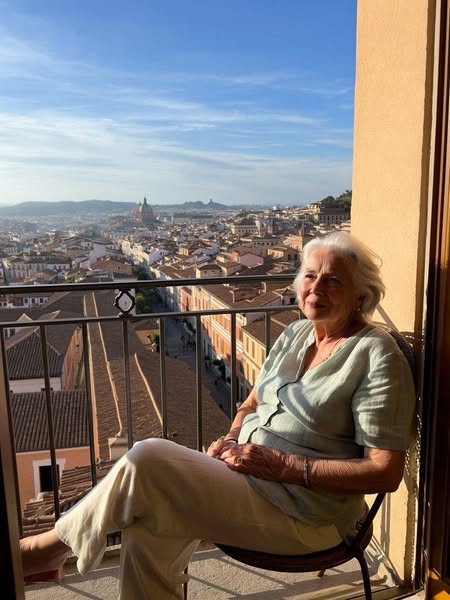
Ran for 16 days, from June 4 to June 19, 2026, the last day Crush saw it.
Run by Katelyn Perales on Facebook. Crush is not the advertiser and does not verify its claims. See this ad in Meta's Ad Library(opens in a new tab)
Want an ad like this for your product?
Crush makes new ad images for your product from this ad: your logo, your product photo, your offer.
Trials from $19.95 USD, then $79.95 USD a month. Cancel anytime.
About this ad
- Meta Ad Library ID
- 994354013531462
- Platforms
- Facebook, Instagram, Audience Network, Messenger and Threads
- Relaunches
- 0
Ad text
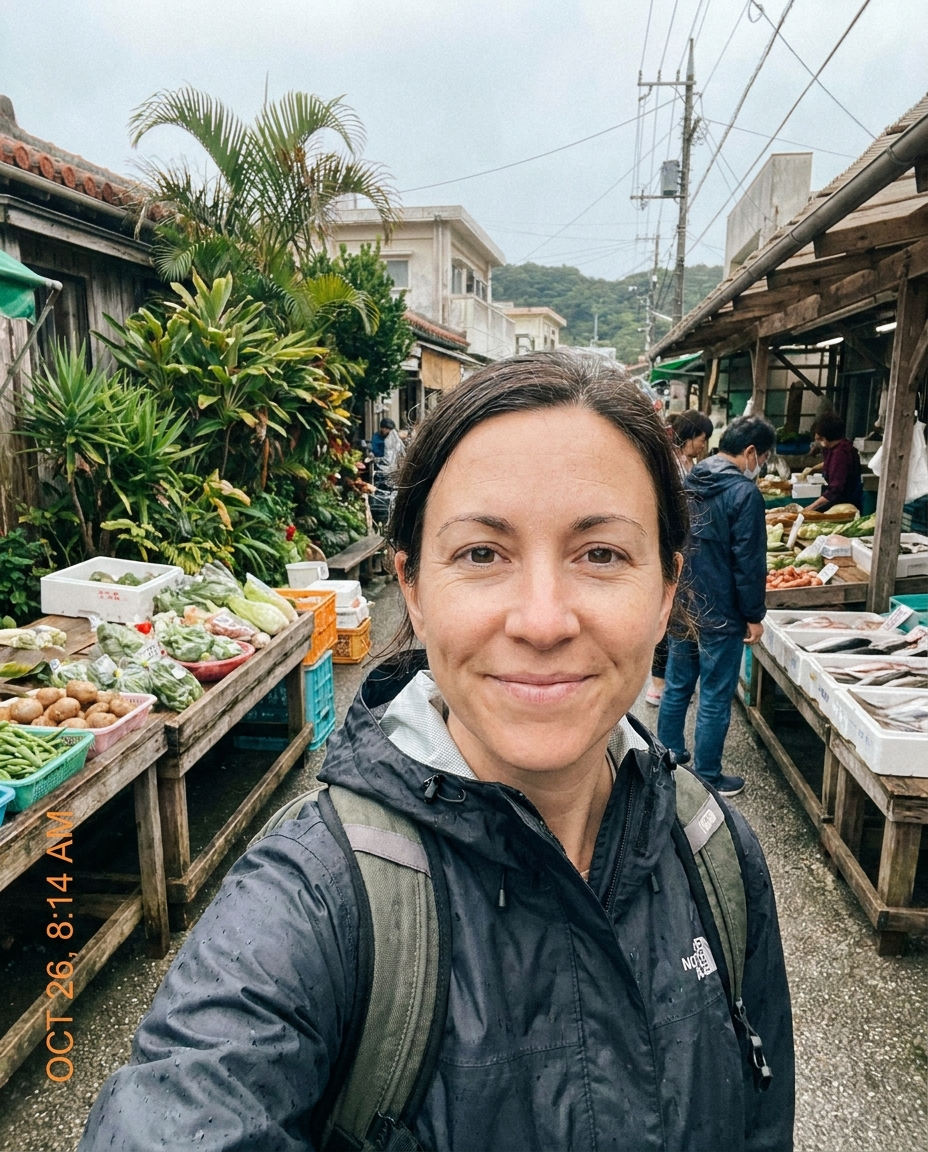
I've spent 13 years studying Blue Zones. These are the five places on earth where people routinely live past 100 — not in nursing homes, but actually healthy, sharp, and active well into their 90s and beyond. Sardinia, Italy. Okinawa, Japan. Ikaria, Greece. Nicoya, Costa Rica. Loma Linda, California. I've visited all five. Multiple trips. Exposed myself to things in these communities that researchers before me glossed over because they didn't fit the narrative. And I found something that every single Blue Zone has in common. Something that has nothing to do with diet, exercise, community, or any of the things you've been told. Nobody in the wellness world talks about it. And when I tell you what it is, you're going to understand why. — Let me start with what made no sense. The Blue Zone narrative you've heard goes like this: these people live long because of what they eat. Mediterranean diet. Plant-based. Whole grains. Good fats. Maybe some red wine. I believed that too. For the first three years of my research, I was building the same case every other longevity researcher builds. Diet. Movement. Purpose. Community. Then I actually spent time in all five zones. Not a week in each. Months. Living with families. Eating with them. Watching how they actually live day to day. And the diet theory fell apart. In Sardinia, they eat cheese and bread at every meal. Full fat. Pecorino with everything. Red wine every night. The shepherds eat almost no vegetables. Their diet would make any American nutritionist panic. In Okinawa, they eat raw fish. Sometimes twice a day. Pork. Seaweed. Almost no dairy. Almost no bread. Nothing like the Sardinian diet. In Ikaria, Greece, it's wild greens, honey, potatoes, goat's milk. Heavy on legumes. Different again. In Nicoya, Costa Rica, it's beans, corn tortillas, squash, tropical fruit. A completely different nutritional profile from any of the others. In Loma Linda, it's a Seventh-Day Adventist community. Largely vegetarian. No alcohol. No pork. The exact opposite of Sardinia. Five Blue Zones. Five completely different diets. Some eat meat. Some don't. Some drink. Some don't. Some eat dairy. Some eat raw fish. Some eat almost no protein. If diet were the driver, at least two of these should agree on what to eat. They don't. Not even close. So I started asking a different question. If it's not what they eat — because they eat nothing alike — what are they all doing that IS the same? That question changed everything. — The answer didn't come from a study. It came from a 97-year-old woman named Maria in a mountain village in Sardinia. I was staying with her through a homestay program. She still herds goats every morning before sunrise. Still makes cheese with her bare hands. Still walks mountain paths that would leave most 40-year-olds gasping. Hasn't seen a doctor in over 20 years. Not because she can't. Because she hasn't needed to. On day three I asked her the question I ask everyone: what's your secret? She looked at me like I'd asked something very obvious. "It's not what I eat. Everyone asks about the food. The food is nothing." She sat down across from me. "The secret is what I take. Every morning. Before anything else." She got up, opened a cabinet, and brought back a small clay jar. Inside were dark, dried berries — bitter, sour, nothing you'd eat for pleasure. She took a spoonful on an empty stomach, the way she had every morning for as long as she could remember. "This is not food. This is medicine. The kind that is not from a doctor." "My mother gave me this. She did the same thing every morning of her life. She lived to 103. Her mother did the same. Every woman in this family. Every woman in this village who lives past 90." "It goes deep inside. Where the pills cannot reach. It breaks down the walls the parasites build. And it cleans you from the inside while the rest of us are arguing about dinner." Then she said something I couldn't get out of my head. "Americans take pills in the morning for problems that happen at midnight. That's why Americans are sick." I wrote it down. I thought it was interesting. A cultural practice. Maybe folklore. Maybe something worth a paragraph in my book. I didn't realize yet that I'd just heard the answer I'd been looking for across all five zones. — Six weeks later, I was in Okinawa. Different country. Different culture. Different language. Different food. No contact with Sardinia. No shared history. No overlapping traditions. I was staying with a woman named Fumiko. 98 years old. Lives alone. Tends her garden every morning. Eats raw fish every single day. Sharp, clear-eyed, and more energetic than most people half her age. I asked her the same question. She said almost the exact same thing Maria said. Almost word for word. "You must clean from the inside. The right way. Every day. Not with the pills — the pills pass through and the parasites stay. You take the bitter one. On the empty stomach. That is the one that reaches them." She walked to a cabinet and pulled out a ceramic jar. Not the same berries as Maria's. A different fruit, local to her. But bitter, sour, taken first thing, treated as medicine and not as food. Her grandmother taught her. Her grandmother's grandmother taught her. Every woman in the village who lives past 90 does the same thing. I sat there staring at my notes from Sardinia. Maria's words next to Fumiko's. Two women on opposite sides of the planet who have never heard of each other. Different fruit. Same ritual. Same explanation. Same results. My hands were shaking. — In Ikaria, a 94-year-old man named Dimitri showed me the same setup. A clay pot, a bitter dried fruit, taken every morning before the day began. "Every morning since I was a boy. My father did it. His father did it. You take it on an empty stomach and it cleans you out. In the morning, you are clean." In Nicoya, an 89-year-old woman named Luz kept hers in a glass jar on the windowsill. Different plant, local to the tropics, but the method was identical. Bitter fruit. Empty stomach. Every single morning. "Mi abuela me enseñó." My grandmother taught me. Every single Blue Zone. Every single one. Different foods. Different climates. Different religions. Different genetics. Different languages. Zero contact with each other across human history. Same practice. Same kind of remedy — a bitter, sour fruit, treated as medicine, not food. Same timing — first thing, on an empty stomach. Same explanation — cleaning from the inside because the pills never reach where the problem lives. In nine years of research, across all five zones, this is the only practice I found in every single one. Not diet. Not exercise. Not prayer. Not community structure. Not olive oil. Not red wine. Not fermented food. A daily dose of a bitter medicinal fruit, taken before anything else. The one thing nobody in the wellness world has ever mentioned. — I need to explain why that matters. Because when I brought this finding back and started digging into the science, I realized these elderly villagers understood something that modern medicine has been ignoring — or missing entirely. Here's what's actually happening. You're exposed to parasites constantly. Undercooked meat, contaminated water, unwashed produce, pets, everyday contact. These aren't exotic infections. They're routine. They're everywhere. These parasites take up residence in your gut. They burrow into your intestinal lining. And then they do something that makes them almost impossible to find or remove. They build biofilm. A thick, dense biological shield around themselves. Like a fortress wall cemented into your intestinal tissue. That biofilm hides them from your immune system. Hides them from lab tests. And hides them from everything you swallow — every supplement, every cleanse, every prescription. The standard parasite test your doctor orders misses 70 to 90 percent of infections. It only catches what's floating loose. The ones behind biofilm? Invisible. You could have a massive infection and every test would say you're healthy. That's why millions of Americans are bloated, exhausted, brain-fogged, and being told "it's just stress." It's not stress. It's organisms living behind walls that nothing in your medicine cabinet can penetrate. And those organisms are nocturnal. Most active between midnight and 4am. That's when they feed. When they reproduce. When they release the toxins that wake you up at 3am with your heart pounding. "Americans take pills in the morning for problems that happen at midnight." Maria was right. Fumiko was right. Dimitri was right. Luz was right. They were all right. — Now here's what clicked when I looked at the science. Every one of those village elders was taking a fruit rich in the same class of compound — a group of powerful natural antioxidants shown to break down biofilm. The specific one that kept showing up in my research was a set of compounds called emblicanins. When researchers tested the antioxidant strength of thousands of foods, the fruit richest in emblicanins ranked at the very top. Higher than blueberries. Higher than turmeric. Higher than green tea. And it wasn't close. Emblicanins don't just kill what's floating loose. They dissolve the biofilm matrix itself. Not push through it. Break the walls down — so the parasites hiding behind them are finally exposed and your body can clear them. But here's the part that explains every failure. You can't get there with cheap fruit powder off a shelf. I looked at the supplements. Almost all of them are heat-processed, low-grade powder that has already lost most of its emblicanins before the bottle is even sealed. What little survives is so under-dosed it never reaches the gut lining at a concentration that does anything to a biofilm fortress. That's why every oral cleanse, every herbal protocol, every "parasite detox" fails the same way. Two good weeks, then a crash. The exposed parasites die. The ones behind biofilm survive. Their eggs survive. Two to three weeks later, the eggs hatch. New generation. Symptoms come back. Often worse. Every one of those protocols shares the same four fatal flaws. It's the wrong compound — herbs and generic "cleanse" blends can hit what's exposed, but they can't dissolve the biofilm wall. It's degraded — most Amla on the market is heat-processed powder that lost its emblicanins long before you swallowed it. It's under-dosed — nowhere near the clinical concentration needed to reach the tissue where the parasites are dug in. And it only clears the exposed ones — the colonies behind biofilm and their eggs survive, hatch, and come roaring back. The week-three crash. The Blue Zone elders solved all four. Independently. On five different continents. Their fruit delivered emblicanins at full strength, undiluted, on an empty stomach — straight to the gut lining where the parasites have built their fortresses. Bitter and raw, the way the compound actually works, not cooked into a dead powder. They took it every single morning, without fail. So the moment one generation of biofilm came down and a new wave of eggs tried to establish, the next dose was already there to break it. Constant pressure on the colony until there was nothing left to come back. The fruit breaks the walls. The daily rhythm catches every new generation before it can dig in. The empty stomach gets it where the pills can't. Five Blue Zones. Five different diets. One shared practice that addresses every single reason oral protocols fail. That's not coincidence. That's convergent discovery. In science, when independent populations arrive at the same solution without contact, we take that very seriously. It means the solution is driven by the biology itself. The human body needed this. And every culture that listened to the body figured it out. The one culture that stopped listening? Modern America. — Now think about what that means. The entire wellness industry is arguing about diet. Keto or vegan. Mediterranean or carnivore. Supplements or whole foods. Intermittent fasting or six meals a day. I've been to all five Blue Zones. The people who live the longest on earth can't agree on any of it. They eat completely different things. Some eat cheese daily. Some eat raw fish. Some are vegetarian. Some drink wine. Some don't touch alcohol. They agree on one thing. And it has nothing to do with what's on their dinner plate. Meanwhile Americans spend $50 billion a year on supplements. See their doctors twice a year. Count calories. Meal prep. Track macros. Do everything right. And they can barely function past 3pm. Bloated. Exhausted. Foggy. Waking up at 3am. Being told it's IBS, stress, hormones, aging. The Sardinians eat full-fat cheese and drink wine every night. The Okinawans eat raw fish twice a day. The Ikarians drink mountain tea and eat honey. The Nicoyans eat beans and corn. And they all live past 100. Not because of what they eat for dinner. Because of the one thing they take every single morning. The contrast is so extreme it made me question nine years of longevity research. Everything I'd been taught about why these populations are different was either incomplete or wrong. The diet mattered less than this one practice that nobody was studying. — I started the practice myself when I came home from my last research trip. I couldn't get a Sardinian jar of berries shipped to my kitchen. But I could get the compound — the most concentrated source of emblicanins on earth, from a fruit called Amla. Two capsules every morning, on an empty stomach, the same as Maria. The same as Fumiko. Day 5, my brain fog lifted. I'd been living with a kind of mental haze for years — I thought it was just the pace of academic life. It wasn't. It was like someone cleaned a window I'd been looking through without realizing it was dirty. I sat at my desk and worked for two hours straight without losing focus. Hadn't done that in months. Week 2, the bloating started going down. Not temporarily. Steadily. Day by day. I'd been unbuttoning my jeans after dinner for years, thinking that was normal. It wasn't normal. It was something my body couldn't move on its own. Week 3, I slept through the night. No 3am wake-ups. No heart pounding. Deep, uninterrupted sleep. This is the week that matters most — because every oral protocol crashes at week three. Eggs hatch. New generation. Symptoms come roaring back. Nothing came back. The cycle was actually broken. Week 4, a colleague told me I looked different. I hadn't changed my diet. Hadn't started a new workout. I was just doing what Maria does. What Fumiko does. What Dimitri and Luz and every centenarian I've ever interviewed does. Week 6, full transformation. Energy steady all day. Digestion smooth. Sugar cravings gone. Brain sharp. Every symptom that had been part of my daily life for years — just gone. I'm 44 years old and I feel better than I did at 30. Not because I found some new supplement or protocol. Because I finally did the one thing that every long-lived population on earth does and that nobody in the wellness world told me about. — Now — before you go buy the cheapest Amla powder you can find on Amazon, let me save you the disappointment. I tried. Bought a bag of bulk powder. Choked it down every morning. Nothing happened for weeks. Then I read the label, then I read the research, and I understood why. It was heat-processed. The emblicanins — the entire reason the fruit works — were already gone before I opened the bag. I was swallowing dead powder and wondering why my body felt the same. Maria's berries were medicine. Fumiko's were medicine. Raw, potent, alive with the compound. Almost nothing on an American shelf is. The brand I use now, and the one I recommend to anyone who asks, is a small company called Relievas. Clinical-strength organic Amla extract, standardized for emblicanins, not the watered-down powder everyone else sells. Cold-processed to keep the active compound intact. Third-party tested for purity and potency. No fillers. Made in the USA. Two capsules every morning, on an empty stomach. It's the modern version of what every Blue Zone has been doing for generations. What Mediterranean women used for centuries. What Okinawan grandmothers passed to their daughters. What every ancient culture did before modern medicine told them to swallow pills instead. One bottle. Take two a morning. No monthly cleanse that crashes after two weeks. 90-day money-back guarantee. If nothing changes, every penny back. — I've spent nine years asking why these people live so long. I've sat in their kitchens. Eaten their food. Walked their mountains. Listened to their stories. The answer was never on the plate. It was in the cabinet. The clay jar. The bitter fruit they take before anything else. The nightly — no, the daily — ritual that every single one of them does and that nobody in the longevity field thought to write about. Five Blue Zones. Five different diets. Five different cultures with no connection to each other. One shared practice. If you're bloated. If you're exhausted. If you wake up at 3am. If your brain fog makes you feel like you're losing your mind. If you crave sugar like something is pulling you toward the kitchen against your will. Those aren't separate problems. Those are warnings. Something is living inside you. Building walls. Stealing your nutrients. Releasing toxins into your bloodstream every single night. Your doctor won't find it. The tests won't catch it. The cheap powder won't reach it. I've been to the five healthiest places on earth. None of them trust the pharmacy. None of them rely on tests. None of them swallow dead supplements and hope. They all do the same thing. Every morning. The one fruit that reaches where nothing else can. Every day you go without it is another day they feed. Another day they reproduce. Another day they dig deeper. You can start tomorrow morning. But Relievas is a small company and they sell out constantly. If you click and they're out of stock, sign up for the restock notification. It's worth the wait. Stop feeding what's feeding on you. Almost forgot the link. Here it is: https://relievas.com/products/amla-gut
Where the ad sends people
shop.relievas.com
Feel Like Yourself Again
"This actually worked, thank you so much." - Ashley R.
Learn more: shop.relievas.com(opens in a new tab)