
Inactive· since Jun 18, 2026
- 7
- days it ran
- 0
- relaunches
- 5
- EU reach
Ad copy
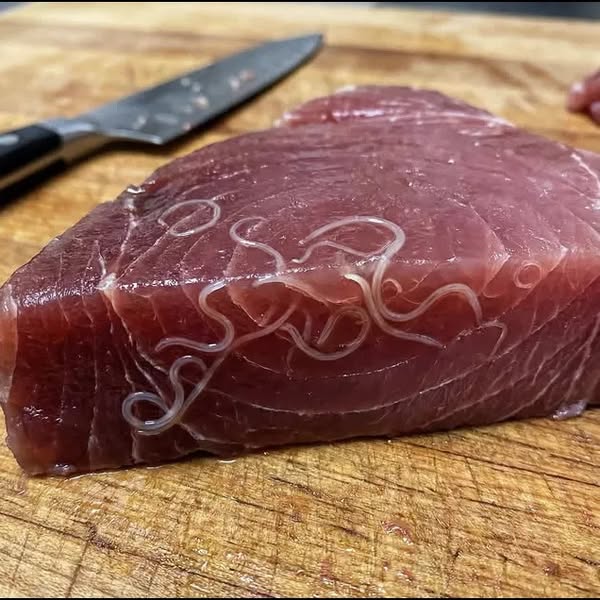
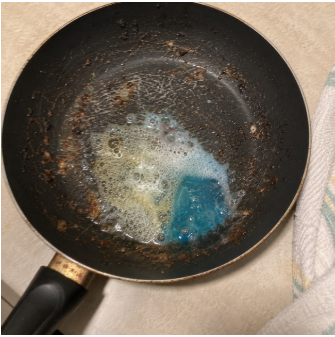
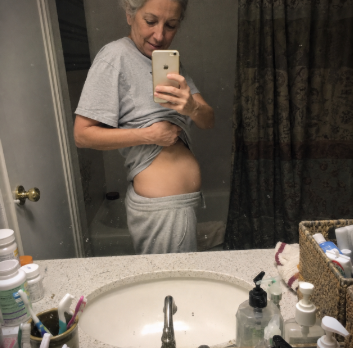
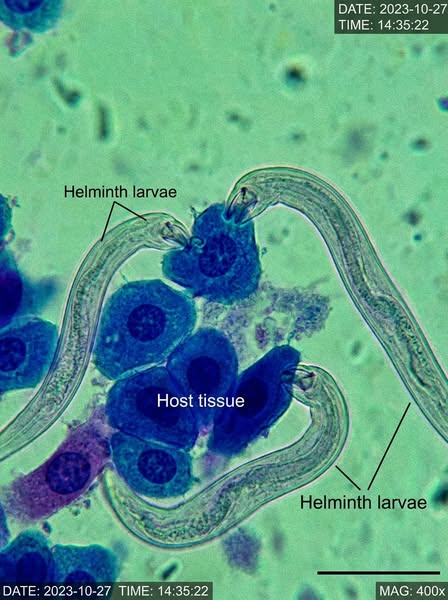
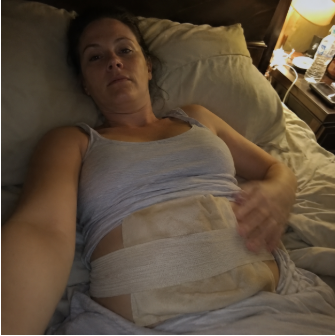
I called on 340 gastroenterologists in six states for fourteen years. I had their cell numbers in my phone. I knew which ones took a lunch meeting and which ones only had seven minutes between patients. I knew their nurses by name, their front-desk staff by name, their preferred conference room. I drove 42,000 miles a year to make sure the doctors who could write the prescriptions had what they needed to write them. I'm telling you this because I owe you an explanation. I sold you the drugs that kept you in the waiting room. My name is Denise. I'm 53. I spent fourteen years in pharmaceutical sales, the last nine calling specifically on GI specialists: gastroenterologists, colorectal surgeons, functional medicine doctors. My products were the medications that showed up on IBS management charts. Antispasmodics. Motility agents. Prescription-strength acid reducers. Newer biologics for the harder cases. I was good at my job. I knew the clinical profiles of every product I carried. I knew the mechanism of action, the contraindications, the trial data, the approved patient population. I knew, because part of my job was knowing it, exactly where each product worked and exactly where it stopped working. And I knew, from fourteen years of sitting across from GI doctors in their offices and in hospital conference rooms, that IBS was not a diagnosis. It was a category of exclusion. A label that meant: we've ruled out everything on our checklist, and this is what we call what's left. I sold products for the symptoms inside that label. Medications for bloating, for motility, for pain, for the anxiety that develops around a gut you can't predict. None of them were designed to address root cause. Root cause wasn't on the approved indication. Root cause wasn't a line item on the billing code. I told myself that wasn't my department. I sold what I was paid to sell. I sold it well. That was before my mother got sick. My mother. Sixty-eight years old. Retired schoolteacher. The kind of woman who made the vegetable garden and canned the tomatoes and had never been on a prescription medication in her adult life. She called me on a Thursday evening and said, almost as a footnote, that she'd been having some stomach trouble. I knew that "stomach trouble" in her language meant she'd been sitting with it for a while and had finally decided I should know. I drove to her house that weekend. What I found was not stomach trouble. She was bloating after every meal, even small ones. She was exhausted in a way she described as feeling like she was running on something she didn't have. She was waking at 3am with her hand on her belly, lying there for hours, not in pain exactly, just registering something she couldn't name. She'd lost weight she hadn't been trying to lose. She was making small mistakes she never made before — wrong names, wrong dates, sentences that started in one direction and arrived somewhere else. I sat at her kitchen table and felt fourteen years of product knowledge reorganize itself inside me. She had seen her GP. Bloodwork. Stool sample. A colonoscopy. Everything came back normal, they told her. IBS, he said. Very common at her age. He suggested a low-FODMAP diet and a prescription antispasmodic for the bloating. I knew that antispasmodic. I had a folder on it in my sample bag for eleven years. I knew exactly what it did and exactly where it stopped. It managed spasm in the gut lumen. It had no mechanism for what was on the gut wall. It was designed for the interior of the gut, not for what had taken up residence in the wall itself. I'd sat across from the doctor who had just prescribed it. I'd been in his office with my clinical literature and my product samples. I'd been in more than three hundred offices like his, in meetings with more than three hundred physicians like him. And I knew, with a clarity that made me feel slightly ill, that there was nothing in my fourteen-year portfolio that was going to reach whatever was actually happening inside my mother. Not because the products were bad. Because they were built for the lumen. They were never designed for the wall. I tried the herbal cleanses first. The functional medicine approach I'd watched patients cycle through on their way to my doctors' waiting rooms. Wormwood, black walnut, clove. Three weeks. My mother was disciplined. Something shifted a little in week two. By week three, we were back to baseline. Harder, even. Like the cleanse had reached something and made it angry, and then left the angry thing there. I knew something was wrong with my approach. I didn't yet understand what. I called the one physician in fourteen years who had ever said plainly, in a conference room, what he actually thought was going on with IBS patients. Dr. Anand. He'd been a senior GI doctor at a major academic center for twenty-eight years before he retired. He'd been one of my longest-running accounts. He was gruff and methodical and the new attendings thought he was behind the times. He was also the only doctor I'd ever sat across from who would close the door, lean back, and say out loud that IBS was a management problem, not a treatment problem, because in most of the cases he was seeing, nobody had looked for the actual source. I told him about my mother. About the cleanse. About the week-three crash. He listened to all of it. Then he said: "She's got biofilm." "Tell me what that means for treatment." "Parasites and pathogenic bacteria in heavy gut loads don't float around loose indefinitely. The ones that survive long-term do it by building a wall around themselves. A film. Part watery, part oily, both layers at the same time. That's why your standard stool test misses them. They're not shedding into the sample. They're fixed behind the film. And that's why your cleanse crashed at week three. The unshielded ones cleared. The ones behind the film waited, and the moment the pressure from the protocol stopped, they repopulated." "So what breaks through the film?" "Ricinoleic acid. About 90 percent of pure castor oil. You know why soap cleans a greasy pan when water doesn't? Because soap molecules are amphiphilic. One end grabs the water side of the grease. The other end grabs the oil side. It holds both at once. That's why it can lift what water can't touch. Ricinoleic acid is amphiphilic the same way. One end holds the watery outer layer of the biofilm wall. The other holds the oily inner layer. It dissolves both simultaneously. Nothing you've ever carried in a sample bag can do that. Every oral product you and I have ever been in a room with was designed for the lumen. Not the wall." "And you can't take it orally." "No. Stomach acid degrades most of it before it gets near the lower gut. What survives is a fraction, and the film turns even that away from the luminal side. You go transdermal. Over the lower abdomen with compression, overnight. It carries through the skin directly into the tissue above the biofilm. Outside the gut entirely. No stomach. No dilution. No wall turning it back from the wrong direction." He paused. "And overnight matters. That's when they feed. The film is thinnest during the active cycle. The 3am waking is her body registering that activity at the lightest stage of sleep. You go in during that window, not after." I tried to build her a pack that same week. Old dishcloth, pharmacy castor oil, plastic wrap to protect the mattress. By 2am the oil had soaked through the cloth and the wrap and onto the sheets. My mother sat up in the low light and looked at me with the expression she'd been saving for emergencies since I was twelve. I called Dr. Anand in the morning. He said everyone improvises first. Then he told me about a brand he'd been quietly recommending to patients for years, off the record, after he retired. Tavio. Organic cotton and bamboo that holds the oil without bleeding through. An adjustable compression wrap that stays in place through a full night's sleep without bunching or shifting. No plastic. No mess. When it arrived I held it next to the dishcloth and understood in about thirty seconds what I had gotten wrong. My mother put it on that first night. Slept through to 6am. First unbroken night she'd had in months. Week one: bathroom activity unlike anything the cleanse had produced. Something moving that had not been moving. I did not tell her what I thought it meant yet. Week two: the bloating started coming down. Consistently, day to day. A trend, not a day. By Thursday she called me and said her stomach looked the way it used to before any of this started. Week three: no 3am. I'd call at 7am to check in and she'd answer from the kitchen, fully herself, nothing weighted in her voice. That was the week I held my breath. Every protocol she'd tried had crashed at week three. This one didn't. The direction held, and I exhaled something I'd been holding for two years. Week four: I drove out to visit. She answered the door with flour on her hands. She'd been up since 5:30, baking. She looked at me standing in the doorway and said, "You've been worrying." I had been. About her, and about fourteen years of waiting rooms, and about the folder in my old sample bag with the antispasmodic that managed spasm and never touched the wall. The fog had lifted. The energy was back. She told me the sugar cravings she'd been fighting every afternoon had just stopped, quietly, without announcement. She felt like herself. Like she'd gotten herself back from somewhere she hadn't realized she'd gone. She'd had herself the whole time. Something had been taking the edge off everything she was, night after night, while her tests came back clean and her charts said IBS. I wear one now too. The tiredness I spent years blaming on the pace of the road and the performance of fourteen years of sales calls and the cumulative cost of being "on" every single day. Gone. I sleep the way I slept before the fourteen years started. We both wear ours a few nights a week. That's how we keep it. I still have my old account list in a filing box somewhere. More than three hundred doctors. I made sure they had what they needed to write the prescriptions. I believed the products worked. They did work, for what they were designed for. They were not designed for the wall. The bloating. The exhaustion that sleep doesn't fix. The 3am waking. The fog. The cravings that don't have an explanation. Those aren't separate problems. They're one source. And I spent fourteen years in the offices of the people who were supposed to find it, selling them products that treated what it produced, never what it was. Something is living inside you. Behind a wall. Taking what your body produces while your charts say everything is fine. Your tests will come back normal. Your doctor will say IBS, stress, hormones, age. I spent fourteen years in those offices. I know exactly what they have for you. I know exactly where it stops working. Nothing you've swallowed reaches the wall. Stomach acid, distance, the film itself: three barriers between every treatment and the target. That is not a failure of effort. That is how those products were built. They were built for the lumen. Not for the wall. Ricinoleic acid. 90 percent of pure castor oil. Delivered through the skin, over the lower abdomen, with warmth and compression, overnight, during the hours the film is thinnest and the colony is active. That's what reaches it. That's what Tavio makes. Organic cotton and bamboo. Holds the oil without leaking. Adjustable fit that stays through a full night. No plastic. No ruined sheets. Comfortable enough to wear every night. One purchase. Reusable for months. No subscription. No more refilling something that was always going to stop at the same wall. 30-day money-back guarantee. If you don't feel a real difference, every penny back. Small company. They sell out. If they're out when you check, get on the list. Worth the wait. Every night you sleep without it is another night it feeds. I spent fourteen years in waiting rooms making sure the doctors had what they needed. I know what they had. I know what it could and couldn't reach. I'm not carrying that anymore. The bloating won't lift on its own. The 3am won't stop. The fog won't clear. Not until something reaches what's behind the wall. Stop feeding what's feeding on you. Almost forgot the link. Here it is: https://buytavio.com/products/tavio-castor-oil-pack-bundle-1
I called on 340 gastroenterologists for 14 years. I sold them the drugs that do not reach the wall.
Tavio
LEARN MORELike this ad? Make it yours.
Crush rebuilds this exact creative around your product — your brand, your colors, your offer — in about a minute.