
Inactive· since Jun 23, 2026
- 50
- days it ran
- 0
- relaunches
Ad copy
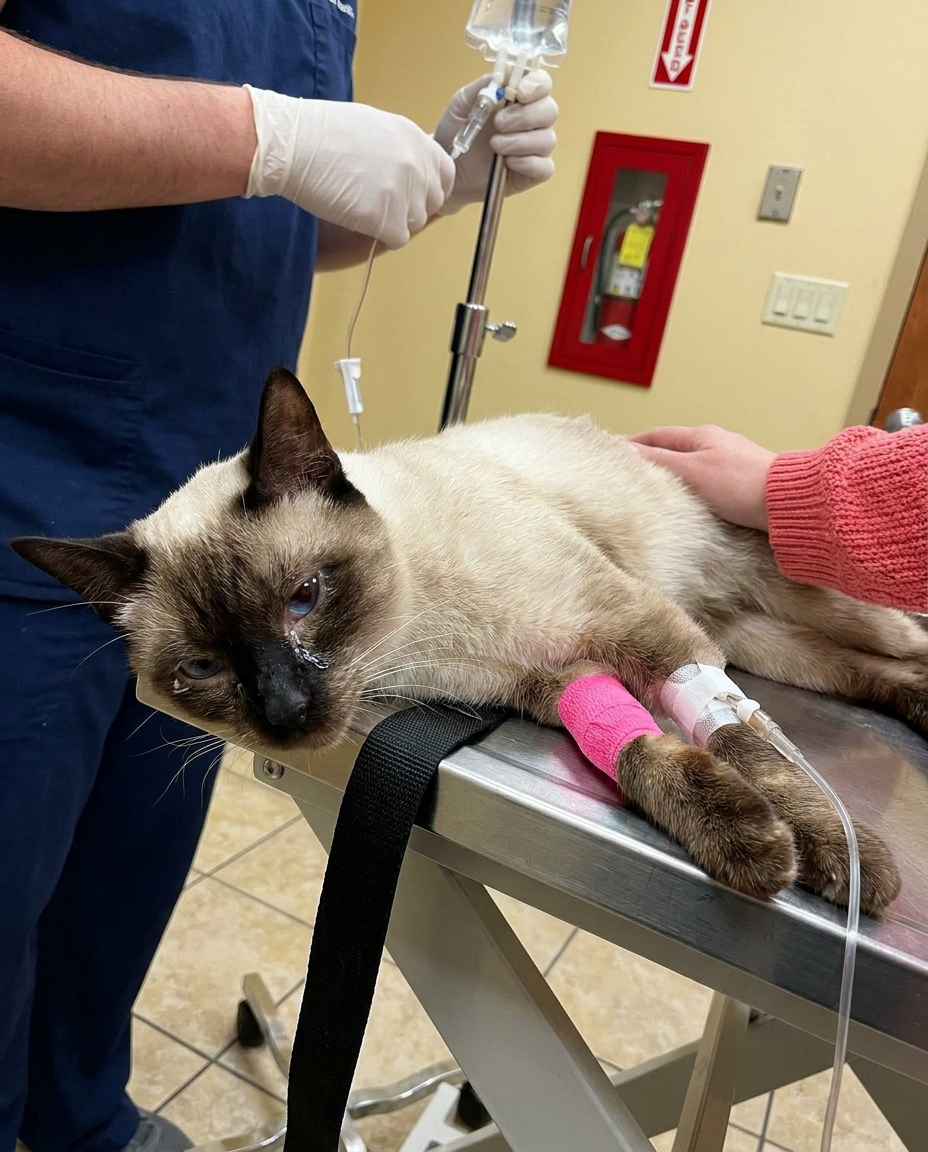
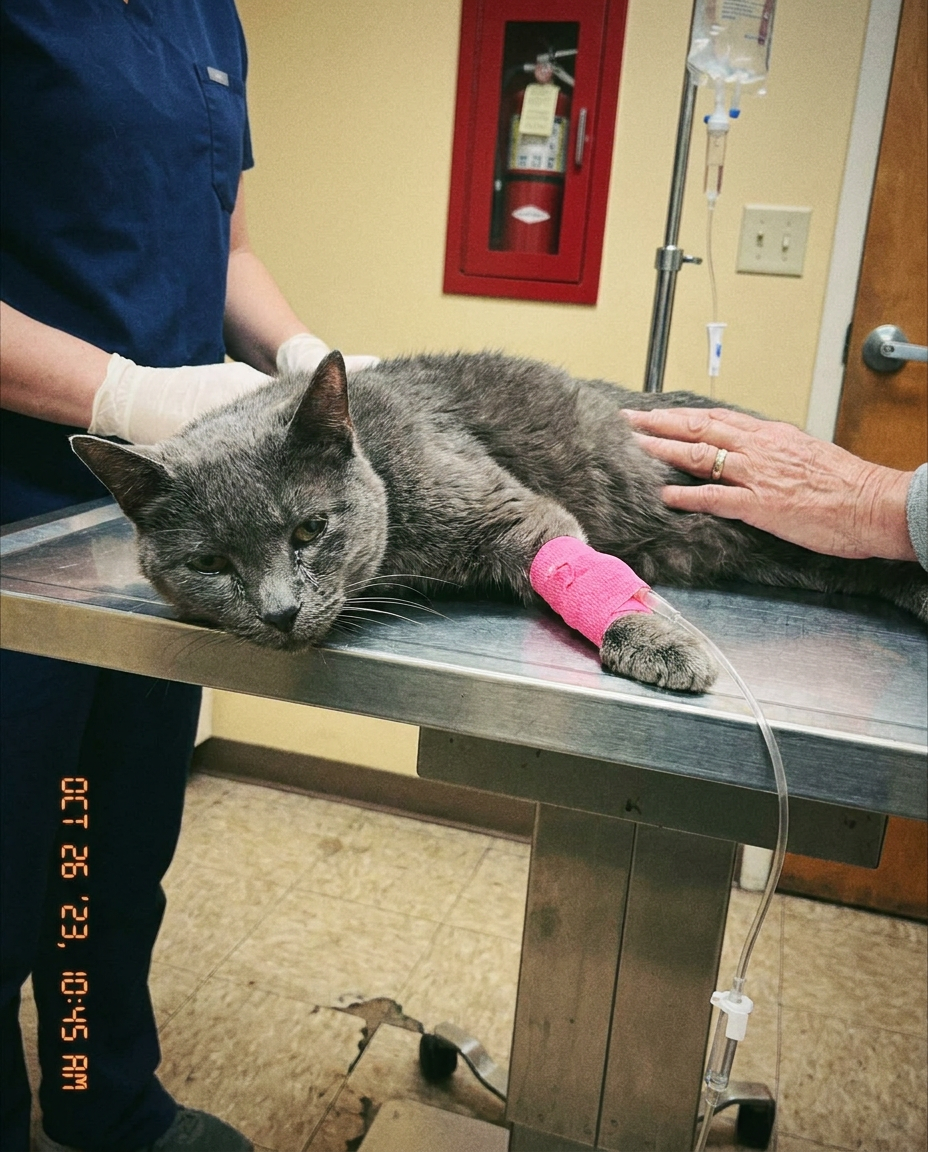
That clean bill of health your vet gives your cat every year is not protecting her kidneys. It never was. And nobody told you. Here is what years of annual checkups never mentioned. You have been doing everything right. The premium food. The clean, scrubbed water bowl. Every annual visit, on time. And every year the same conversation happens. She looks good. Same food. See you next year. You pay at the front desk and take her home. Somewhere between that visit and the next one, there are the small things. She is drinking a little more from the bowl, or going to the sink, or the bathtub, when she used to ignore them. The litter clumps are bigger, or there are more of them. She sleeps more than she used to. Her coat is not quite as sleek. She is a little thinner over the spine. Things you have been writing off as getting older. As a fussy senior cat. As nothing worth a vet trip. You stopped mentioning them, because they never felt serious enough for a visit that was going to end with "she looks good, see you next year" anyway. Here is what nobody said to you in any of those visits. The weight and the water bowl are almost just the warning light. The real damage is happening to her kidneys the entire time, quietly, while everyone is looking at how good she seems for her age. That is not one vet's opinion. That is the single most common thing I have spent my career watching happen, one cat at a time, after it was already too late to undo. Did anyone ever actually sit you down and explain your cat's kidney risk? Or were you left to find it out the hard way, the way most people do? Most people find it out the hard way. And most people find it out too late. More than one in three cats over the age of ten has chronic kidney disease. The overwhelming majority of them seem completely fine. Your cat's kidneys filter her entire blood supply many times a day. They pull out waste, balance her minerals, manage her blood pressure, keep her whole body in chemical balance. They are doing some of the most complex work in her body, every minute, for her entire life. And they have almost no way to tell you when they are failing. You cannot see a cat's kidneys struggle. There is no limp. No cough. No cry. No symptom you would ever notice, until roughly 75 percent of kidney function is already gone. By the time she is visibly drinking more. By the time she is visibly thinner. By the time she is tired in a way that a senior cat "just gets" you have already lost most of the filtration she will ever have. There is a number that catches this early. It is called SDMA. On many modern blood panels it is sitting right there, and it can flag kidney decline far sooner than the older markers. Most cat owners have never had it run, and have never had it explained. He seemed fine at eleven. His SDMA was a little high, the vet said keep an eye on it. By thirteen he was getting fluids under the skin twice a week. That is not a rare story. That is the standard path of feline kidney disease when the cat seems healthy on the outside but the filtration is quietly eroding underneath. Chronic kidney disease is one of the leading killers of cats over ten. And there is no cure. There is only management. Fluids under the skin. Prescription diet. Numbers that decline a little more each visit. For the rest of her life. Most cats do not lose their kidneys overnight. They lose them slowly, silently, over years, while everything on the surface looks fine. Here is the cascade nobody ever drew for you. Your cat is a desert animal. She descends from a wildcat that got nearly all of its water from the prey it ate, so it almost never needed to drink. Over millions of years, her sense of thirst became suppressed by design. She does not feel thirst the way you do. She can be genuinely dehydrated, sitting right next to a full bowl, and not drink. And it gets worse, because she does not just fail to feel thirst. She actively refuses the bowl. A cat's nose carries hundreds of times more scent receptors than yours. Within a couple of hours of you filling that bowl, the still water grows a film of bacteria in the microscopic pores of the bowl itself, a film you cannot see or scrub away. To you it looks perfectly clean. To her, it smells like a stagnant puddle. Her whiskers hate the walls of a deep bowl. And an instinct as old as her species tells her that still water is dangerous and only moving water is safe. So a desert animal that barely feels thirst is handed the one kind of water her own biology tells her to reject. She drinks a fraction of what her body needs. Her urine becomes more and more concentrated. And concentrated urine is what slowly grinds down the tiny filtration units inside her kidneys, year after year. Year one. Year five. Year ten. Year fourteen. The cat looked fine. The kidney damage looked like nothing. Because kidney damage looks like nothing until most of it is already done. Here is why the usual plan cannot stop this. A prescription kidney diet lowers the workload on kidneys that are already struggling. It does not get your cat to drink more. Fluids under the skin push water into the body from the outside. They buy time. They do not fix why she will not drink on her own, and water absorbed through the skin does not flush the system the way real drinking does. None of it touches the actual cause. The system was built to manage the decline, not to prevent it. And here is the part that matters most. There is a reason your cat will not drink, and it is not laziness and it is not pickiness. It is a fifteen thousand year old survival instinct sitting in a desert animal. No diet, no fluid bag, no pill, and no annual checkup addresses it, because you cannot patent an instinct, and you cannot sell a cat's own biology back to her as a treatment. So it never comes up. It sits in the gap between "she looks good" and "see you next year," every single visit. Now, the fountain you may have already tried. Maybe you bought one. Your cat used it for a few days, then went back to ignoring it, and you concluded she just does not like fountains. Here is exactly why it failed. Nearly every fountain on the market is sold as stainless steel because there is a stainless bowl on top where the photo is taken. But the tank underneath, where the water actually sits for hours, is plastic. The water grows the exact same film of bacteria in that plastic tank, then circulates up to the pretty steel dish. Her nose still catches it. She still walks away. It was not that fountains do not work. It was that the plastic tank was doing the very thing her instincts were trying to avoid, while you thought you had solved the problem. The flow was often wrong too, stopping and starting instead of running like a real stream. And the basin was deep enough to press on her whiskers, one more reason to refuse it. Here is what the Rhykin FreshFlow actually does. The basin and the tank are both 304 food grade stainless steel, the whole way through. There is no plastic anywhere for the water to sit in and spoil, which means there is nowhere for the film of bacteria her nose rejects to grow. I have taken one apart to confirm this myself. It runs a continuous, genuinely moving flow, quiet enough not to frighten a nervous senior cat, constant enough that the ancient instinct reads it as a safe, running stream. This is the key. It does not wait for a thirst signal that evolution switched off. It triggers the one instinct that still works. So she drinks, whether she feels thirsty or not. The drinking surface is wide and shallow, so it never touches her whiskers. The water runs through triple stage filtration. It is independently tested, it is backed by a lifetime warranty, and more than eighty one thousand cats are already drinking from it. This does not replace your vet's care. If your cat is already in kidney decline, that management matters, and you should keep working with your vet. What this does is finally fix the upstream cause that none of the management was ever designed to touch. It gets a desert animal to drink. Within the first two weeks, most owners see their cat drinking noticeably more than she has in years, and the trips to the sink and the bathtub stop, because she finally has water she will accept. The urine starts to clear. Within the first month, the litter box looks healthier. The afternoon flatness you had blamed on age starts to lift. She holds her water better through the day. Within three months, this is the part owners write to me about. The kidney markers, run again, hold steady or improve. And the vet looks at the panel, sits down, and asks what changed. You tell them. They go quiet. They look at the numbers again. Then: keep doing exactly what you are doing. Not just managed. Holding. Or improving. The pet fountain market is full of products that will not solve this. Plastic tanks under a steel lid. Weak pumps. The same fountain rebranded ten times. You may have already bought one or two of them. That is exactly why nothing changed. The FreshFlow is the only fountain I recommend that meets the standard. Real 304 stainless throughout. Continuous true flow. A whisker friendly basin. No plastic tank quietly working against you. Independently tested. You have been watching the wrong number for years. Nobody told you that "she looks good for her age" was never the same thing as "her kidneys are protected." More than a third of senior cats already have kidney disease. Most of their owners have no idea. Ask your vet to run an SDMA at her next visit. Not just a look-her-over and a weigh-in. And give her kidneys the one thing the diet, the fluids, and the annual checkup were never designed to provide. Water she will actually drink. The FreshFlow is backed by a 30 day money back guarantee and a lifetime warranty. If her drinking does not change, you pay nothing. But when your vet sits down at the next visit and asks what changed, you will know exactly what you did differently. I've linked it below. P.S. If your cat drinks from the sink, the bathtub, or the toilet but ignores her bowl, that is not a quirk and it is not her being spoiled. It is a desert animal refusing still water while her kidneys quietly pay for the shortfall, for years, with no symptom you could see. It is the single most overlooked early sign there is. Ask for the SDMA. And fix the water. Linked below. P.P.S. I am not telling anyone to skip veterinary care. The opposite. Ask for more of it, specifically the kidney number almost nobody runs early enough. What I am telling you is that the most powerful thing you can do for a cat's kidneys is not in a pill or a prescription bag. It is getting a desert animal to drink, every day, for the rest of her life. The fountain is how you do that. Linked below. Written by a veterinary nephrologist, eighteen years in feline kidney medicine.
1 In 3 Senior Cats. No Symptoms.
Home to award-winning pet products. Shop premium, vet-approved items that both you and your pets will love. Quality you can trust, for pets that deserve the best.
LEARN MORELike this ad? Make it yours.
Crush rebuilds this exact creative around your product — your brand, your colors, your offer — in about a minute.