Colin Ashworth
Colin Ashworth Facebook ad: “Put an End to Neuropathy Pain for Good?”
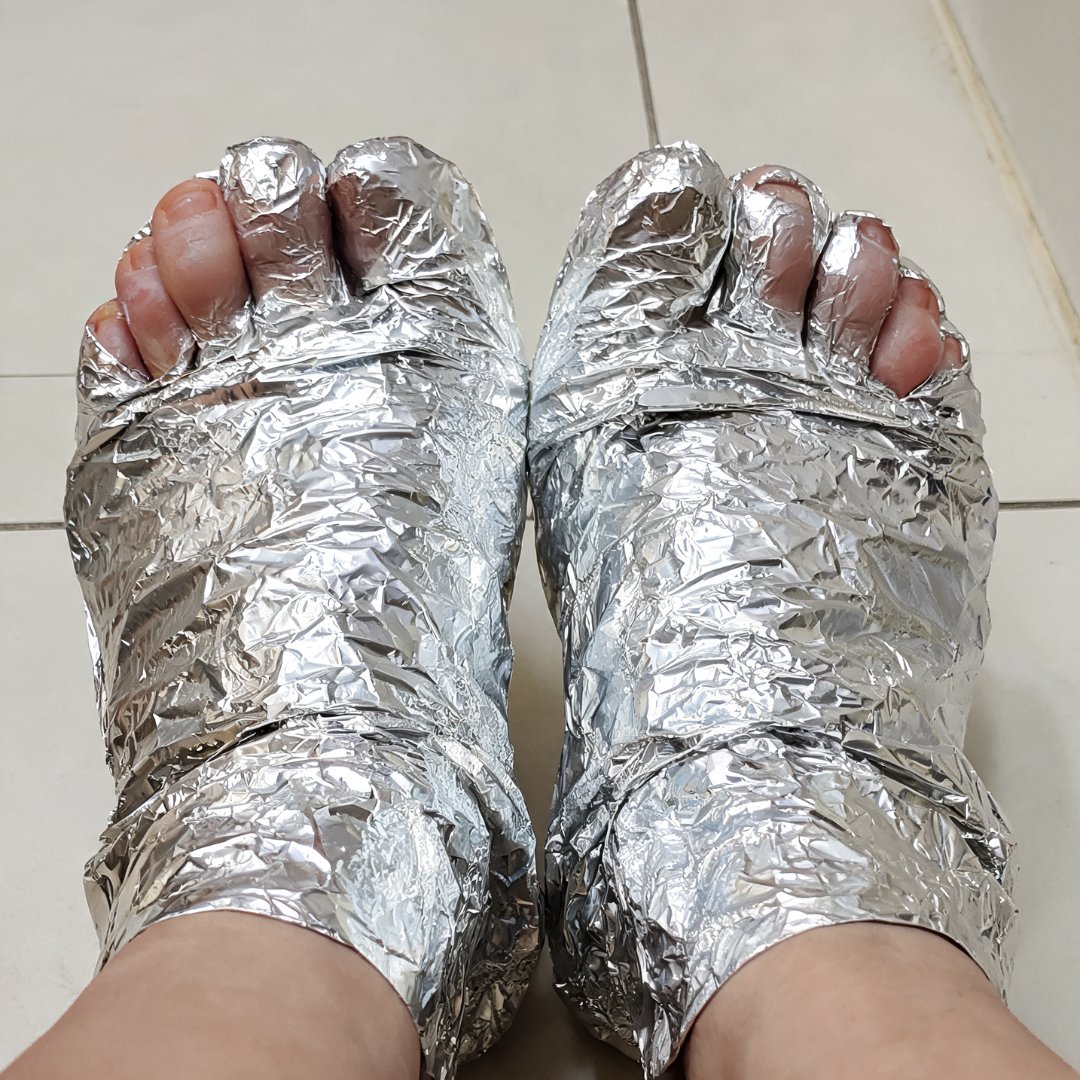
Ran for 46 days, from July 22 to September 6, 2026, the last day Crush saw it.
Run by Colin Ashworth on Facebook. Crush is not the advertiser and does not verify its claims. See this ad in Meta's Ad Library(opens in a new tab)
Want an ad like this for your product?
Crush makes new ad images for your product from this ad: your logo, your product photo, your offer.
Trials from $19.95 USD, then $79.95 USD a month. Cancel anytime.
About this ad
- Meta Ad Library ID
- 998349936351938
- Platforms
- Facebook, Instagram, Audience Network, Messenger and Threads
- Relaunches
- 1
- Niche
- Business & Money
Ad text
𝐈 𝐡𝐚𝐯𝐞 𝐛𝐞𝐞𝐧 𝐚 𝐧𝐞𝐮𝐫𝐨𝐩𝐚𝐭𝐡𝐲 𝐩𝐚𝐢𝐧 𝐬𝐩𝐞𝐜𝐢𝐚𝐥𝐢𝐬𝐭 𝐟𝐨𝐫 𝟏𝟗 𝐲𝐞𝐚𝐫𝐬. 𝐀𝐧𝐝 𝐢𝐟 𝐲𝐨𝐮𝐫 𝐟𝐞𝐞𝐭 𝐚𝐫𝐞 𝐛𝐮𝐫𝐧𝐢𝐧𝐠, 𝐭𝐢𝐧𝐠𝐥𝐢𝐧𝐠, 𝐨𝐫 𝐠𝐨𝐢𝐧𝐠 𝐧𝐮𝐦𝐛... ⠀ ⠀ I am about to tell you exactly what they are hiding from you and why they will never tell you the truth. ⠀ ⠀ And by the end of this, you are going to be outraged. ⠀ ⠀ My name is Dr. James Hartley. Consultant neurologist, based in London. ⠀ ⠀ Nineteen years treating chronic nerve pain, burning feet, numbness, tingling, electric shocks, and the kind of neuropathy pain that steals sleep, balance, and independence from people after 60. ⠀ ⠀ And I am breaking ranks with my own profession to tell you this. ⠀ ⠀ Because there are three things happening right now. ⠀ ⠀ One. Your feet are screaming at you that something is wrong. ⠀ ⠀ Two. The medical system is gaslighting you into thinking nerve pain is just "normal ageing." ⠀ ⠀ And three. There is a billion-pound industry that profits every single day you stay on pills that block pain signals but never help your nerves recover. ⠀ ⠀ So let me tell you what happened with one of my patients. ⠀ ⠀ Because her story is going to open your eyes to how messed up this really is. ⠀ ⠀ Her name was Margaret. 72 years old. Type 2 diabetic for eleven years. ⠀ ⠀ For three straight years, she dealt with this. ⠀ ⠀ Burning in her feet so intense she said it felt like walking barefoot across hot pavement. ⠀ ⠀ Pins and needles at night. ⠀ ⠀ Electric shocks shooting through her toes. ⠀ ⠀ Numbness so bad she could not always feel the floor beneath her. ⠀ ⠀ She had been active her whole life. ⠀ ⠀ Gardened every morning. Walked her neighbourhood. Went to book club. Played with her grandchildren. ⠀ ⠀ Then slowly, her feet started betraying her. ⠀ ⠀ At first it was tingling. ⠀ ⠀ Then burning. ⠀ ⠀ Then stabbing. ⠀ ⠀ Then numbness. ⠀ ⠀ By the end, she was afraid to walk across her own kitchen without holding the counter. ⠀ ⠀ She stopped driving at night because she could not clearly feel the pedals. ⠀ ⠀ She stopped walking outside because she was terrified of tripping. ⠀ ⠀ She stopped going to her book club because sitting too long made the burning worse, and standing too long made her feet feel like they were buzzing with electricity. ⠀ ⠀ And the worst part? ⠀ ⠀ She stopped sleeping. ⠀ ⠀ Every night, the same thing. ⠀ ⠀ She would finally lie down, exhausted, and then her feet would start burning like someone had plugged them into a wall socket. ⠀ ⠀ She tried cooling socks. ⠀ ⠀ Ice packs. ⠀ ⠀ Heating pads. ⠀ ⠀ Foot soaks. ⠀ ⠀ Different shoes. ⠀ ⠀ Nothing lasted. ⠀ ⠀ And here is what makes me sick to my stomach. ⠀ ⠀ She came through my clinic. ⠀ ⠀ Multiple doctors. ⠀ ⠀ Her GP. ⠀ ⠀ A neurologist. ⠀ ⠀ A podiatrist. ⠀ ⠀ Me, the consultant. ⠀ ⠀ Thousands of pounds in appointments, bloodwork, nerve tests, prescriptions, and follow-ups. ⠀ ⠀ And you know what every single one of us told her? ⠀ ⠀ "Your nerves are damaged." ⠀ ⠀ "It happens with age." ⠀ ⠀ "Try gabapentin." ⠀ ⠀ "Try an antidepressant." ⠀ ⠀ "Try stronger pain medication." ⠀ ⠀ "Just manage the symptoms." ⠀ ⠀ Just manage the symptoms. ⠀ ⠀ This woman's feet felt like they were on fire every night and we were basically telling her to accept it. ⠀ ⠀ Then we put her on gabapentin. ⠀ ⠀ You know what happened? ⠀ ⠀ She felt foggy. ⠀ ⠀ Dizzy. ⠀ ⠀ Tired. ⠀ ⠀ Her balance got worse. ⠀ ⠀ She said she felt like she was walking through wet cement all day. ⠀ ⠀ And her feet? ⠀ ⠀ Still burning. ⠀ ⠀ Still tingling. ⠀ ⠀ Still numb. ⠀ ⠀ The pills dulled her brain more than they helped her feet. ⠀ ⠀ Because the medication was never designed to fix what was breaking down inside her nerves. ⠀ ⠀ It was designed to block the pain signals. ⠀ ⠀ That is it. ⠀ ⠀ I watched this woman do everything I told her, spend thousands of pounds, take my prescriptions, and get worse. ⠀ ⠀ Not better. ⠀ ⠀ Worse. ⠀ ⠀ And I did not understand why. ⠀ ⠀ Until a professor of neurology from Tokyo stopped me in my tracks at a conference and taught me more about burning neuropathy pain in 30 minutes than I had learned in two decades of practice. ⠀ ⠀ October 2024. ⠀ ⠀ Vienna. ⠀ ⠀ The International Congress on Peripheral Nerve and Pain Medicine. ⠀ ⠀ I was standing alone during a coffee break, rubbing the bottom of my own foot through my shoe. ⠀ ⠀ Because 14 months earlier, my own feet had started burning at night. ⠀ ⠀ At first I ignored it. ⠀ ⠀ Then the tingling started. ⠀ ⠀ Then the electric zaps. ⠀ ⠀ Then the numbness in my toes. ⠀ ⠀ And nothing I had been prescribing to patients for 19 years worked on me either. ⠀ ⠀ That is when I noticed him. ⠀ ⠀ Dr. Watanabe. ⠀ ⠀ Professor of Neurology at Keio University School of Medicine in Tokyo. ⠀ ⠀ Standing for hours in the exhibit hall. ⠀ ⠀ Calm. Balanced. Comfortable. ⠀ ⠀ A man in his late 60s who had been on his feet all morning, yet moved like his nerves were twenty years younger. ⠀ ⠀ No shifting from foot to foot. ⠀ ⠀ No grimacing. ⠀ ⠀ No stopping to rub his ankles. ⠀ ⠀ No signs of the burning, buzzing discomfort I was hiding inside my own shoes. ⠀ ⠀ I walked over. ⠀ ⠀ "Excuse me. At your age, after standing all morning, how are your feet not burning?" ⠀ ⠀ He smiled. ⠀ ⠀ The kind of smile that knows something you do not. ⠀ ⠀ He looked down at my feet and did not need to ask. ⠀ ⠀ "Dr. Hartley, may I show you something? It will take thirty minutes. But it will change how you understand neuropathy completely." ⠀ ⠀ He pulled out a notepad and drew a simple diagram. ⠀ ⠀ "Your treatment model treats neuropathy as a nerve-damage problem. So you numb it with gabapentin. You sedate it with antidepressants. You block it with injections." ⠀ ⠀ Then he tapped the page. ⠀ ⠀ "That is like turning off a smoke alarm while the house is still on fire." ⠀ ⠀ He looked me dead in the eyes. ⠀ ⠀ "Neuropathy pain is not just nerve damage. Nerve damage is the result. The real problem is that the blood supply your nerves depend on has quietly collapsed." ⠀ ⠀ Here is what is actually going on. ⠀ ⠀ Every nerve in your feet is fed by a network of tiny blood vessels. ⠀ ⠀ That blood delivers the oxygen and nutrients the nerves need to work, to calm down, and to protect themselves. ⠀ ⠀ The protective coating around your nerves depends on it. ⠀ ⠀ Your nerve endings depend on it. ⠀ ⠀ Every repair signal your body sends depends on that steady flow of blood arriving where it is needed. ⠀ ⠀ And when you are younger, it works almost automatically. ⠀ ⠀ Blood reaches the feet. ⠀ ⠀ The nerves stay fed. ⠀ ⠀ The nerves stay protected. ⠀ ⠀ Your feet feel normal. ⠀ ⠀ No burning. ⠀ ⠀ No tingling. ⠀ ⠀ No stabbing. ⠀ ⠀ No numbness. ⠀ ⠀ But after age 60, especially if you have blood sugar problems, poor circulation, inflammation, or years of wear and tear, something changes. ⠀ ⠀ The tiny blood vessels feeding your nerves narrow and weaken. ⠀ ⠀ Circulation to the feet, the furthest point from your heart, drops off first. ⠀ ⠀ And the nerves at the end of the line start to starve. ⠀ ⠀ Starved of oxygen. ⠀ ⠀ Starved of nutrients. ⠀ ⠀ Starved of the fuel they need to stay quiet and stable. ⠀ ⠀ And a starving nerve does not go silent. ⠀ ⠀ It misfires. ⠀ ⠀ That is when the burning starts. ⠀ ⠀ That is when the tingling starts. ⠀ ⠀ That is when the electric shocks start. ⠀ ⠀ That is when the numbness creeps in. ⠀ ⠀ Because your nerves are not just "damaged." ⠀ ⠀ They are trapped in a circulation deficit. ⠀ ⠀ They are being starved faster than your body can feed them. ⠀ ⠀ Dr. Watanabe pointed to the diagram again. ⠀ ⠀ "This is the part most doctors miss. The pain is not the disease. The pain is the warning signal. The body is losing the battle to keep the nerves fed." ⠀ ⠀ I felt my stomach drop. ⠀ ⠀ Because I immediately thought of Margaret. ⠀ ⠀ And every patient like her. ⠀ ⠀ Every person I had told, "Your nerves are damaged. You just need to manage it." ⠀ ⠀ I was treating the alarm. ⠀ ⠀ Not the fire. ⠀ ⠀ Then Dr. Watanabe said something I will never forget. ⠀ ⠀ "There is one thing that helps restore this flow. But almost no one in the West is talking about it in the context of neuropathy." ⠀ ⠀ Magnetic therapy. ⠀ ⠀ Not a magnet from a fridge. Not a bit of decorative jewellery. ⠀ ⠀ A specific magnetic field, of a specific strength, worn over a specific point on the body. ⠀ ⠀ "In Japan," he said, "we have been doing this for over 800 years." ⠀ ⠀ And then he told me the history that I have not been able to stop thinking about since. ⠀ ⠀ For eight centuries, Imperial court physicians in Japan bound magnetised stones to the inner wrist of the elderly, specifically to maintain nerve and circulatory health. ⠀ ⠀ It was not folklore. It was formal, documented medical protocol, practised continuously until Japan's Westernisation swept it away in the late 1800s. ⠀ ⠀ And as the magnetic stones disappeared, neuropathy quietly appeared. ⠀ ⠀ After the war, a Japanese scientist named Takahashi reconstructed the original design, calibrated to a precise field strength, and put it back into people's hands. ⠀ ⠀ Japan's neuropathy rate dropped and stayed the lowest in the industrialised world. ⠀ ⠀ Over 30 million Japanese people still use magnetic therapy devices every single day, sold in chemists right next to the aspirin. ⠀ ⠀ "And here is what the modern research finally confirmed," he said. ⠀ ⠀ He pulled up a study on his phone. ⠀ ⠀ A 2019 systematic review at Stanford University Medical Center tested magnetic therapy on neuropathy patients. ⠀ ⠀ Eighty percent showed measurable improvements in nerve function scores. ⠀ ⠀ Not pain-relief scores. Nerve function. ⠀ ⠀ The nerves themselves were responding differently. ⠀ ⠀ And the review identified the optimal therapeutic range at 700 to 900 Gauss. ⠀ ⠀ The exact strength the traditional Japanese devices had used for centuries. ⠀ ⠀ "But here is the critical piece," he said. ⠀ ⠀ "Field strength is everything. Below about 500 Gauss, the magnetic field cannot penetrate deep enough to reach the artery. It does nothing. That is why the cheap 200 to 300 Gauss bracelets people buy are just decoration dressed up as therapy." ⠀ ⠀ Then he explained the part that changed everything for me. ⠀ ⠀ "And the placement matters as much as the strength. You do not put it on the feet." ⠀ ⠀ I must have looked confused, because he smiled again. ⠀ ⠀ "The pain is in the feet. But the gateway is at the wrist." ⠀ ⠀ He turned my hand over and pressed two fingers to my inner wrist, over the radial pulse. ⠀ ⠀ "The radial artery here sits closer to the surface than almost any other major artery in the body. And it runs right alongside the radial and median nerves. Apply a strong enough magnetic field to this exact point, and you get a mild vasodilatory effect. The vessel widens. Blood flow improves." ⠀ ⠀ Then he traced a line from my wrist down my arm. ⠀ ⠀ "And that improved flow does not stay at the wrist. It radiates out through the whole peripheral circulatory system. The same network that feeds your hands and your feet." ⠀ ⠀ So you support circulation at the one point where it is easiest to reach, and the effect cascades down to where the nerves are starving. ⠀ ⠀ The ancient court physicians called that point the body's "gateway." ⠀ ⠀ Modern anatomy just confirmed they were right. ⠀ ⠀ And when the blood finally reaches the starving nerves, two things happen at once. ⠀ ⠀ The nerves are finally fed the oxygen and nutrients they have been missing. ⠀ ⠀ And as they are fed, the frantic misfiring that causes the burning can begin to settle. ⠀ ⠀ The underfed nerve. ⠀ ⠀ And the overactive, burning nerve signal. ⠀ ⠀ Both addressed by restoring the one thing they were both missing. Flow. ⠀ ⠀ I sat there thinking about every patient I had put on gabapentin. ⠀ ⠀ Blocking nerve signals. ⠀ ⠀ Not restoring blood flow. ⠀ ⠀ Dulling the brain. ⠀ ⠀ Not re-feeding the nerves. ⠀ ⠀ Masking the smoke alarm. ⠀ ⠀ Not helping put out the fire. ⠀ ⠀ Here is what makes my blood boil. ⠀ ⠀ The medical system knows circulation matters. ⠀ ⠀ We talk about poor blood flow. ⠀ ⠀ We talk about narrowed vessels. ⠀ ⠀ We talk about oxygen-starved tissue in the feet. ⠀ ⠀ We talk about diabetics losing circulation to the extremities. ⠀ ⠀ But the connection between a calibrated magnetic field at the radial pulse point, improved peripheral circulation, and burning neuropathy pain in the feet? ⠀ ⠀ Nobody is joining those dots in a clinical setting over here. ⠀ ⠀ Because there is no profit in it. ⠀ ⠀ You cannot patent a magnetic stone. ⠀ ⠀ You buy one and you wear it for years. No refills. No follow-up appointments. No monthly prescriptions generating revenue. ⠀ ⠀ The money is in keeping you on pills that block the pain signal after the nerves are already screaming. ⠀ ⠀ Not in restoring the flow that helps the nerves quiet down in the first place. ⠀ ⠀ Every prescription I had written for 19 years worked downstream. ⠀ ⠀ Not one of them sent a single drop more blood to a single starving nerve. ⠀ ⠀ After that conversation, I went looking for a device that matched what the research pointed to. ⠀ ⠀ The 800 Gauss. ⠀ ⠀ The inward-facing magnets positioned over the radial pulse point. ⠀ ⠀ The build quality to hold that field strength through continuous, everyday wear. ⠀ ⠀ Most of what I found was junk. ⠀ ⠀ Decorative bracelets at 200 to 300 Gauss, too weak to reach the artery. ⠀ ⠀ Fashion magnets scattered outward around the band instead of facing inward toward the pulse. ⠀ ⠀ Expensive jewellery that looked the part and did nothing. ⠀ ⠀ Until I found Neurivane. ⠀ ⠀ An 800-Gauss magnetic therapy bracelet built to Takahashi's original specifications. ⠀ ⠀ Not a pain-masking pill. ⠀ ⠀ Not a numbing trick. ⠀ ⠀ Not a cheap bracelet that is all shine and no field. ⠀ ⠀ Medical-grade 800-Gauss magnets, calibrated to the exact range Stanford confirmed. ⠀ ⠀ An inward-facing array positioned over the radial pulse point, not scattered decoratively around the band. ⠀ ⠀ Built for 24/7 continuous wear, which is Takahashi's protocol. ⠀ ⠀ When I looked at how it was made, it mapped directly onto what Dr. Watanabe had explained. ⠀ ⠀ They understood the mechanism. ⠀ ⠀ They built the device to match it. ⠀ ⠀ I started wearing it myself first. ⠀ ⠀ Day 1 to 2: Put it on my wrist, over the pulse point, and left it on. Went about my day. Feet still burning at night. Started composing the sceptical review in my head. ⠀ ⠀ Day 3: The nighttime burning that usually started the second I got into bed felt noticeably calmer. Muted, like someone had turned the volume down by half. ⠀ ⠀ Day 9: I slept through the night without waking up to electric zaps shooting through my toes. ⠀ ⠀ Week 3: The pins and needles were no longer constant. I could walk across my kitchen in the morning without feeling like my feet were buzzing. ⠀ ⠀ Week 8: I realised I had gone an entire day without thinking about my feet. ⠀ ⠀ That had not happened in over a year. ⠀ ⠀ Then I called Margaret. ⠀ ⠀ And every other patient I had failed. ⠀ ⠀ "I need to tell you something. The treatments I prescribed were incomplete. I was treating your nerve pain like a signal problem when I should have been looking at the blood flow underneath it. I did not know the difference. But I do now." ⠀ ⠀ Margaret started wearing it day and night. ⠀ ⠀ On her wrist, over the radial pulse point. ⠀ ⠀ Left on while she slept, while she gardened, while she made her tea. ⠀ ⠀ Week 1: "The burning at night is not as sharp." ⠀ ⠀ Day 11: "I slept five hours straight. I cannot remember the last time that happened." ⠀ ⠀ Week 4: "The electric shocks are not waking me up anymore." ⠀ ⠀ Week 6: "Dr. Hartley, I walked to the postbox without holding the railing. I did not realise how scared I had become." ⠀ ⠀ Week 9: "I drove myself to book club. I could feel the pedals again." ⠀ ⠀ That sentence nearly broke me. ⠀ ⠀ Because this was never just about pain. ⠀ ⠀ It was about independence. ⠀ ⠀ It was about sleep. ⠀ ⠀ It was about walking without fear. ⠀ ⠀ Driving without panic. ⠀ ⠀ Standing in the kitchen without burning. ⠀ ⠀ Playing with grandchildren without wondering if your feet will give out. ⠀ ⠀ This is the mechanism they do not want you to know about. ⠀ ⠀ Because the second you understand that neuropathy pain is not just "dead nerves," you stop accepting symptom management as your only option. ⠀ ⠀ You stop believing gabapentin is the end of the road. ⠀ ⠀ You stop thinking burning feet after 60 is just something you have to live with. ⠀ ⠀ Your nerves are not screaming because your body forgot how to heal. ⠀ ⠀ They are screaming because they are being starved. ⠀ ⠀ Narrowed vessels. ⠀ ⠀ Poor circulation to the feet. ⠀ ⠀ Oxygen-starved nerve endings. ⠀ ⠀ Nutrients that never arrive. ⠀ ⠀ A blood supply that has quietly collapsed at the furthest point from the heart. ⠀ ⠀ And if you never restore that flow, the burning keeps coming back. ⠀ ⠀ The tingling spreads. ⠀ ⠀ The numbness gets worse. ⠀ ⠀ Balance becomes less reliable. ⠀ ⠀ Walking becomes risky. ⠀ ⠀ And your world gets smaller and smaller. ⠀ ⠀ But when you support the circulation feeding those nerves directly, something different can happen. ⠀ ⠀ The nerves can finally get fed. ⠀ ⠀ The burning can calm. ⠀ ⠀ The tingling can fade. ⠀ ⠀ The electric shocks can quiet. ⠀ ⠀ The feet can feel steadier. ⠀ ⠀ And you can start trusting your body again. ⠀ ⠀ Now, here is what I need you to understand about timing. ⠀ ⠀ Circulation problems compound over time. ⠀ ⠀ The longer your nerves sit in an oxygen-starved, underfed state, the harder it is for the body to bounce back. ⠀ ⠀ Early cases often respond faster. ⠀ ⠀ Longer-term cases may take more consistent wear. ⠀ ⠀ But doing nothing while the burning spreads is the worst decision you can make. ⠀ ⠀ If you have been dealing with burning feet, tingling toes, electric shocks, numbness, or that awful pins-and-needles feeling at night, do not wait longer. ⠀ ⠀ It is not because you are just getting older. ⠀ ⠀ It is not because your nerves are "too far gone." ⠀ ⠀ It is because the blood flow feeding those nerves has never been properly supported. ⠀ ⠀ And nobody is talking about it. ⠀ ⠀ Neurivane comes with a 90-day money-back guarantee. ⠀ ⠀ If it does not help, you pay nothing. ⠀ ⠀ And honestly? ⠀ ⠀ Even if you are sceptical, try it for a month. ⠀ ⠀ Wear it on your wrist, over the radial pulse point, day and night. ⠀ ⠀ See if your body responds the way mine did. ⠀ ⠀ The way Margaret's did. ⠀ ⠀ Because the medical system is not coming to save you. ⠀ ⠀ We profit too much from keeping you on pills that block the pain while your nerves keep starving underneath. ⠀ ⠀ A professor from Tokyo taught me more in 30 minutes than I learned in two decades of practice. ⠀ ⠀ It is about time I passed that lesson on. ⠀ ⠀ Go get it. ⠀ ⠀ P.S. I no longer think of burning neuropathy pain as just a "nerve-damage problem." I think of it as a circulation problem. If all you do is block the signal, you never restore the blood flow that helps the nerves calm down in the first place. ⠀ ⠀ P.P.S. Gabapentin may turn down the volume on the pain signal, but it does not widen a single blood vessel, it does not send one extra drop of oxygen to your feet, and it does not restore the circulation your nerves need to function. That is why so many people stay stuck. ⠀ ⠀ P.P.P.S. Margaret: "Three years of burning feet, pills, and sleepless nights. A few weeks of wearing this bracelet and I finally felt like my feet belonged to me again. I wish someone had told me sooner." https://www.trenvit.com/neurivane/lander
Where the ad sends people
www.therapybracelet.com
Put an End to Neuropathy Pain for Good?
"I Had Burning Feet for 4 Years Until I Discovered Japan's 800‑Year Imperial Secret That Almost Nobody in Britain Knows About"At 61 and diabetic, I had tried it all, until I discovered a Japanese Imperial secret, a post‑war scientist and a bracelet that changed everything in weeks.James Whitfiel...
See details: trenvit.com(opens in a new tab)