EVEBRA
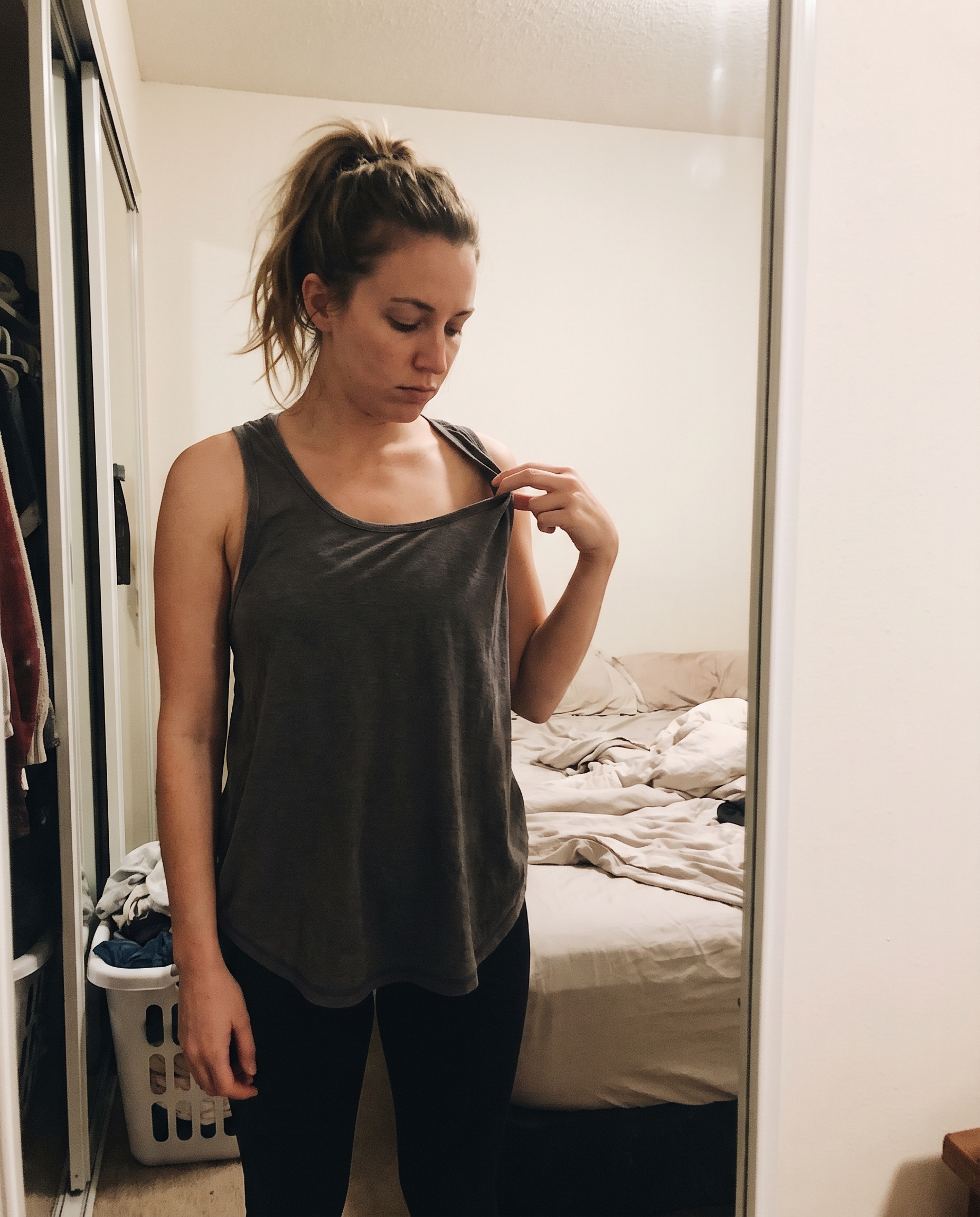
EVEBRA Facebook ad: “The Non-Surgical Way Women Restore Fullness After Weight…”
Ran for 8 days, from August 24 to September 1, 2026, the last day Crush saw it.
Run by EVEBRA on Facebook. Crush is not the advertiser and does not verify its claims. See this ad in Meta's Ad Library(opens in a new tab)
Want an ad like this for your product?
Crush makes new ad images for your product from this ad: your logo, your product photo, your offer.
Trials from $19.95 USD, then $79.95 USD a month. Cancel anytime.
About this ad
- Meta Ad Library ID
- 998385826584168
- Platforms
- Facebook, Instagram, Audience Network, Messenger, WhatsApp and Threads
- Relaunches
- 0
Ad text
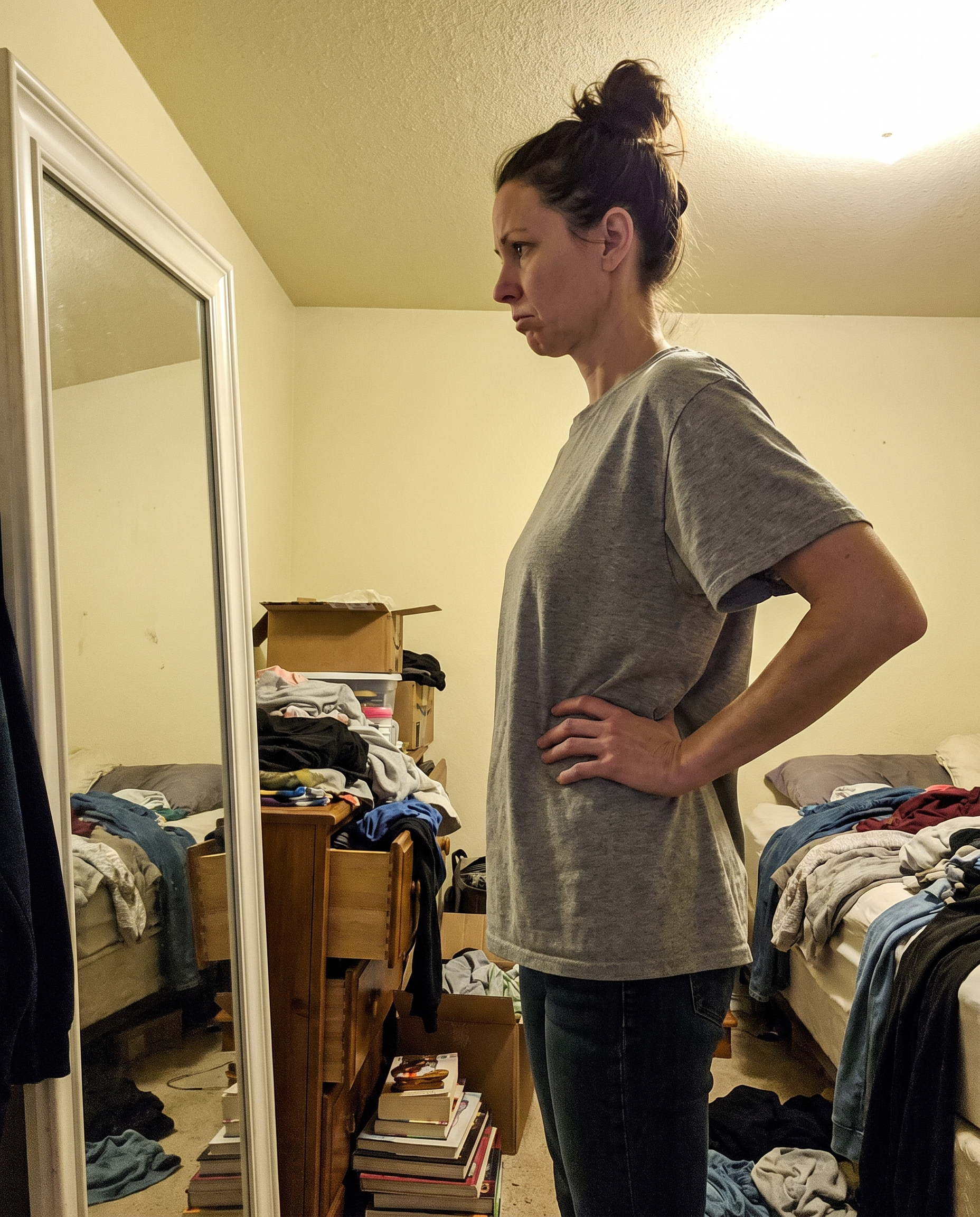
I lost 40 pounds. My breasts went with them. Nobody warned me about that part. I hit my goal weight last spring. I bought the smaller jeans. People who had not seen me in a year did a double take. And here is the thing I did not say out loud to any of them: I stood in front of my mirror, in the body I worked so hard for, and I felt robbed. My arms looked great. My waist looked great. My jeans fit. And my chest looked like someone had let the air out. The sports bra I wore all through the weight loss now had a gap at the top. My favorite fitted shirt hung flat where it used to fit. My husband said I looked amazing. He meant it. And I still went to bed feeling like I had lost something I did not agree to give up. Because nobody tells you this. When the weight comes off fast, the chest often goes first. And it goes hardest. The number on the scale finally says the right thing. The nice comments come in. And your bras quietly stop fitting in the one direction you did not ask for. I did everything right. And the mirror still found a way to take something from me. So I typed my question into Google at one in the morning. And Google finished my sentence for me. That is how I learned I was not the only one. Millions of women are going through the fastest group body change in decades right now. And it turns out we are all sitting alone at 1 a.m. asking the same thing. So I did what I do when I am mad. I started digging. I read for three weeks. And I am going to save you those three weeks. Because most of what I found was junk. And the one thing that was not junk, nobody is telling women about. Let me give you the junk first. I will be blunt. The creams. There is no way for a lotion on your skin to tell your body to build new tissue. None. I looked for one real study. It does not exist. That whole aisle is priced hope. The pills. The "bust boosting" supplements. Same story. No mechanism. No proof. No refund. The $40 pumps. These at least do something. For about six hours. Short, hard bursts of suction pull fluid into the area. That is swelling. It drains back out by morning. If you tried one and watched it vanish overnight, that was not you failing. That was the product doing exactly what it was built to do. For a little while. The chest workouts. Muscle sits under the breast. Breasts are fat tissue. You can build the shelf. You cannot build what sits on it. Ask anyone who has done a hundred chest presses and waited. Which leaves the one option everyone lands on at 1 a.m.: surgery. And look. Implants are a real choice. They are fast. But I had just spent a year changing my body the natural way. My own food. My own feet. My own stubborn will. Ending that story on an operating table with two silicone bags in my chest felt like a betrayal of the whole project. Then I read the FDA's own words on implants, and it got worse. Implants are not lifetime devices. That is not a purchase. That is a subscription. Future surgeries included, whether you plan them or not. So my menu was: accept it, pad it, or get cut open. I hated all three. I kept digging. That is when I found the paper that made me sit up in bed. The year was 2000. A Harvard-trained plastic surgeon named Roger Khouri published a study on the opposite question. Can a woman grow her own breast tissue without surgery? Here is why I trusted him. He still does implant surgery when it is the right call for a patient. He is not against surgery. He built this for the women who do not want it. And the idea behind it made me feel a little dumb for not knowing it sooner. Because I had already worn the proof as a teenager. Braces. Your body answers to gentle, steady tension. Not force. Not bursts. Steady pull, held for hours. That is how braces move teeth through solid bone. That is how surgeons grow new skin before a big repair. The body gets the signal and builds where it is asked to build. There is a long science word for it. It is one of the most boring, most proven facts in medicine. Dr. Khouri's idea was to point that boring fact at breast tissue. His system was worn like a soft bra, 10 to 12 hours a day. It held gentle, steady tension on the breast. The signal told the body: build here. New fat cells. New blood vessels to feed them. Real tissue. Here is what the published study showed. And notice how exact I am being. Because this is the part where every other product got vague. Breast size increased in all 12 women who finished the 10-week protocol. And they did not check it with a tape measure and a flattering photo. They checked it with MRI. The scans showed the new volume was real tissue. Not swelling. Not fluid. Not a good bra day. And in follow-up scans months later, after an early settling period, the change held. MRI. Not lighting. Not angles. Imaging. Now the honest part about the study. It looked at an earlier version of this system, the research generation before the current device. And 12 women is a small study. I am not going to pretend it was ten thousand. But it is 12 more MRI-checked women than the creams, pills, and pumps have produced in 50 years of taking our money. The modern, at-home version of that method is called EVEBRA. Same idea. Same wear pattern. Gentle, sustained expansion, worn like a soft bra, at home, on your own schedule. Most women wear it overnight and forget it is on. It is the only non-surgical breast enlargement method I found that is built on published, MRI-checked research instead of a promise. Here is what wearing it actually looks like. You put it on in the evening, the way you would put on a soft sleep bra. A small pump holds gentle, steady tension through the night. You sleep. In the morning you take it off and go about your day. Nobody at work knows. Nobody at the gym knows. There is no clinic, no appointment, no one to explain yourself to. It is a quiet routine that fits around a normal life. It costs $2,499. Right now the code summer brings it down to $1,799. That is about $150 a month with Shop Pay. You get the bra system, the pump, four dome sizes, and the full protocol guide. Everything. Yes, that is more than a $40 pump. But it is not a pump. It is a different signal, a medical-grade build, and a published protocol. And it is a fraction of what surgery costs, with no operating room, no recovery, and no repeat surgeries down the road. Now, the questions I asked, because I bet you are asking them too. "Won't it just go away when I stop, like the pumps?" The pumps pull in fluid, and fluid leaves overnight. That is exactly what the MRIs were for. They measured tissue, not swelling. In the study, the change held through follow-up after the early settling period. "I'm still losing weight. Should I wait?" Probably, yes. Let the weight level out first, so what you build sits on a steady base. If you are still changing fast, or still adjusting medication, talk to your doctor about timing. The EVEBRA page says the same thing, which is one more reason I trusted it. "Is it safe?" It is external. Nothing goes inside your body. It is gentle tension, not force. It is not for everyone, though. Not during pregnancy or breastfeeding. Not with implants. And if you have any medical history around your breasts, ask your doctor first. The page lists all of it plainly. "Why have I never heard of this?" Honestly, that one bothered me the most. The answer is money. Implants are a multi-billion dollar business. Nobody in that business makes a dollar by telling you there is a slower, cheaper, non-surgical method with published research behind it. Now the part no ad wants to tell you. Which is exactly why I am telling you. This is slow. This is months of daily wear. Not a weekend. The protocol is about 12 hours a day for around four to six months. In the research, consistency was the one thing that separated the women who got somewhere from the women who did not. There is no version of this where you wear it twice and check the mirror. If you need fast, this is not for you. Surgery is fast. And at least now you know what fast actually costs. Here is what the road looks like, so nothing surprises you. The first weeks are about fit and habit. Getting the seal right. Getting used to sleeping in it. The first win most women get is just sticking with it. Not a new bra size. Just the habit. The real work is the months in the middle, where it is boring and you just keep going. That is the whole method. Steady signal, over time, until the body answers. So who is this for? It is for the woman who wants a non-surgical option and is willing to be patient. Who can realistically wear it about 12 hours a day, mostly while she sleeps. Who wants to read the research and the limits before she spends a dollar. It is not for the woman who needs a result by a date on the calendar. And it is not a promise. It is a method with published research behind it and a routine you have to keep. But here is the thing that finally got me. Every other option on my menu asked me to be lucky, or rich, or willing to be cut open. This one asked me to be consistent. And if you just spent months proving you can do a hard thing every single day, then you already have the one skill this method needs. I had already done the hard part. This part is just more of the same. I am not going to show you before-and-after photos. Any brand waving one woman's chest around as proof is selling you lighting and angles. I will do something better. I will tell you to check my homework. Look up "Khouri external breast tissue expansion." The research has been sitting in the published journals for 25 years. And an implant industry with billions in marketing money has had exactly zero reason to mention it to you. So here is where I landed. I changed my body once, on my own terms. Before I accept the mirror's version of the ending, or pay a surgeon to write a different one, I am going to work on it the same way I did everything else. Slowly. Honestly. On purpose. If you lost the weight and you know exactly what I mean about the mirror, read how the mechanism works. Tap below. It is a four-minute read. It explains what changes after major weight loss, why the usual fixes fail, and how sustained tissue expansion is different. The 1 a.m. Googling cost me three weeks. This will cost you four minutes. You did the hard part already. This part has a method. (Educational content from EVEBRA. Individual results vary and depend on consistent wear. The cited study evaluated a predecessor external-expansion system. Not intended to diagnose, treat, cure, or prevent any disease. EVEBRA is not suitable during pregnancy or breastfeeding, for people with breast implants, or for certain medical conditions; see the product page for fit and suitability.)
Where the ad sends people
evebra.com
The Non-Surgical Way Women Restore Fullness After Weight Loss
Educational · Individual results vary
Learn more: evebra.com(opens in a new tab)