Bio Forge
Bio Forge Facebook ad: “Screen Time Limits Don't Work Because They Fight The Wrong…”
Ran for 4 days, from May 30 to June 3, 2026, the last day Crush saw it.
Run by Bio Forge on Facebook. Crush is not the advertiser and does not verify its claims. See this ad in Meta's Ad Library(opens in a new tab)
Want an ad like this for your product?
Crush makes new ad images for your product from this ad: your logo, your product photo, your offer.
Trials from $19.95 USD, then $79.95 USD a month. Cancel anytime.
About this ad
- Meta Ad Library ID
- 999046402945250
- Platforms
- Facebook, Instagram, Audience Network, Messenger and Threads
- Relaunches
- 0
Ad text
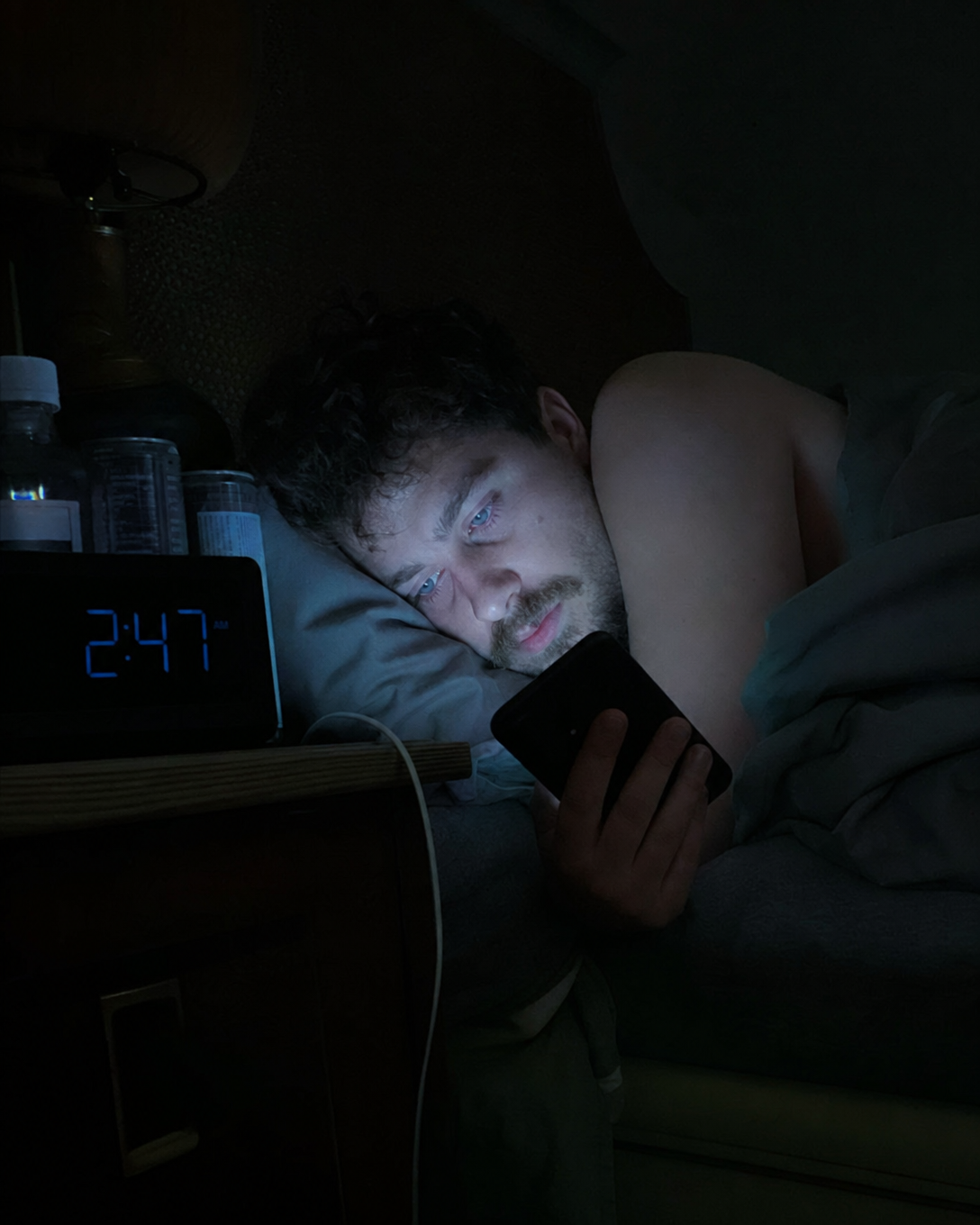
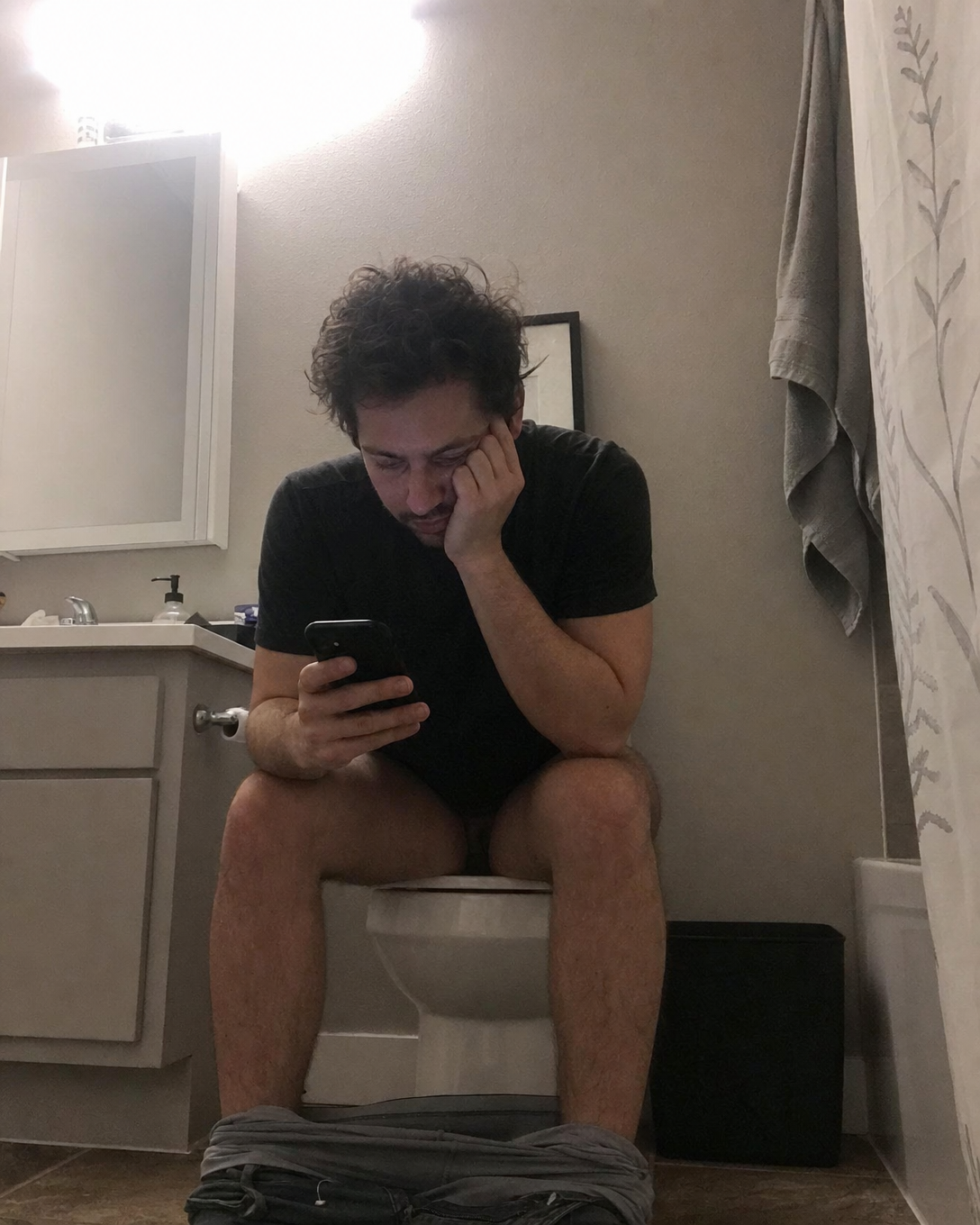
If you've tried to stop doomscrolling by setting app limits, turning your screen to grayscale, or leaving your phone in another room—and you're still losing two hours a night to the infinite scroll—I need to explain why those tricks are failing you. They fail because they treat your phone habit like a bad choice. It's not a choice. It's a biological self-soothing mechanism driven by a nervous system that cannot stand down. Let's look at what actually happens when you try to use willpower to stop scrolling. You hit your 30-minute app limit. The screen locks. You feel a brief moment of pride. And then, within five minutes, an uncomfortable, itchy feeling starts creeping into your chest. It's a low-grade anxiety. A sense of restlessness. Your brain starts whispering that you might be missing an important email, or a text, or the news. Eventually, you hit "Ignore Limit for Today." You didn't fail because you lack discipline. You failed because you tried to put a band-aid on a fire alarm. Here is the loop nobody explains when they talk about "screen time." When you live with chronic, low-grade stress—the kind of modern tension that keeps your jaw clenched and your shoulders tight—your body is stuck in a mild fight-or-flight state. This state burns through your brain's natural calming chemicals, like serotonin and GABA. Your brain, feeling depleted and stressed, demands relief. It needs a hit of dopamine to numb the discomfort. And the tech companies have built the perfect, frictionless dopamine delivery device, right in your pocket. Every swipe, every like, every new video is a micro-dose of dopamine. It works. For about three seconds, the stress is gone. But the blue light and the rapid context-switching actually agitate your nervous system further. So the moment you stop scrolling, the anxiety comes rushing back, worse than before. So you scroll more to push it away. This is why behavioral tricks like grayscale screens don't work long-term. They make the dopamine hit slightly less potent, but they don't fix the underlying stress that's driving the hunger for it. You're still starving; you're just trying to eat cardboard. To actually break the loop, you have to stop fighting the phone and start calming the nervous system. When your baseline stress response is lowered, the desperate, itchy need for constant digital stimulation naturally quiets down. You don't have to white-knuckle it. You just lose interest. This is where the clinical research on saffron becomes highly relevant. I'm not talking about the spice aisle. I'm talking about standardized saffron extract, specifically the active compounds crocin and safranal, used at clinical doses. In placebo-controlled trials, a 30mg dose of standardized saffron has been shown to blunt the body's cortisol spike following a stressor. It improves physiological resilience to stress. It supports the exact neurotransmitter systems—serotonin and GABA—that a stressed brain burns through. It is not a "cure for screen addiction." It won't delete your apps for you. What it does is address the biological driver of the behavior. It helps take your nervous system out of the braced, fight-or-flight state that makes the infinite scroll feel so necessary. When you calm the stress response, the phone stops being a lifeline and goes back to being just a tool. The problem is that most saffron supplements on the market are useless. They are underdosed, or they aren't standardized to guarantee the presence of crocin and safranal. You take them and feel nothing, because the active compounds aren't there in the right amounts. If you want to test this mechanism, you need a product that matches the clinical trials. Bioforge makes a Pure Saffron Extract that is standardized to 2.5% crocin and 1.5% safranal. It's third-party tested to prove it. It costs $34. What you should look for isn't a sudden disgust for your phone. It's the absence of the itch. It's sitting on the couch at 9pm, watching a movie, and realizing you haven't reached for your phone in an hour. It's getting into bed, checking your alarm, and actually putting the device down without feeling that anxious pull to open just one more app. It's the quiet realization that you are finally in control of your attention again, because your nervous system is finally at peace. If you're tired of losing your evenings to a screen, stop fighting the symptom. Address the loop. 👉 https://www.getbioforge.com/products/pure-saffron-extract-capsules-with-crocin-safranal
Where the ad sends people
getbioforge.com
Screen Time Limits Don't Work Because They Fight The Wrong Enemy
Why grayscale screens and app blockers fail, and what actually stops the infinite scroll.
See details: getbioforge.com(opens in a new tab)