
Inactive· since Apr 22, 2026
- 14
- days it ran
- 3
- relaunches
Ad copy
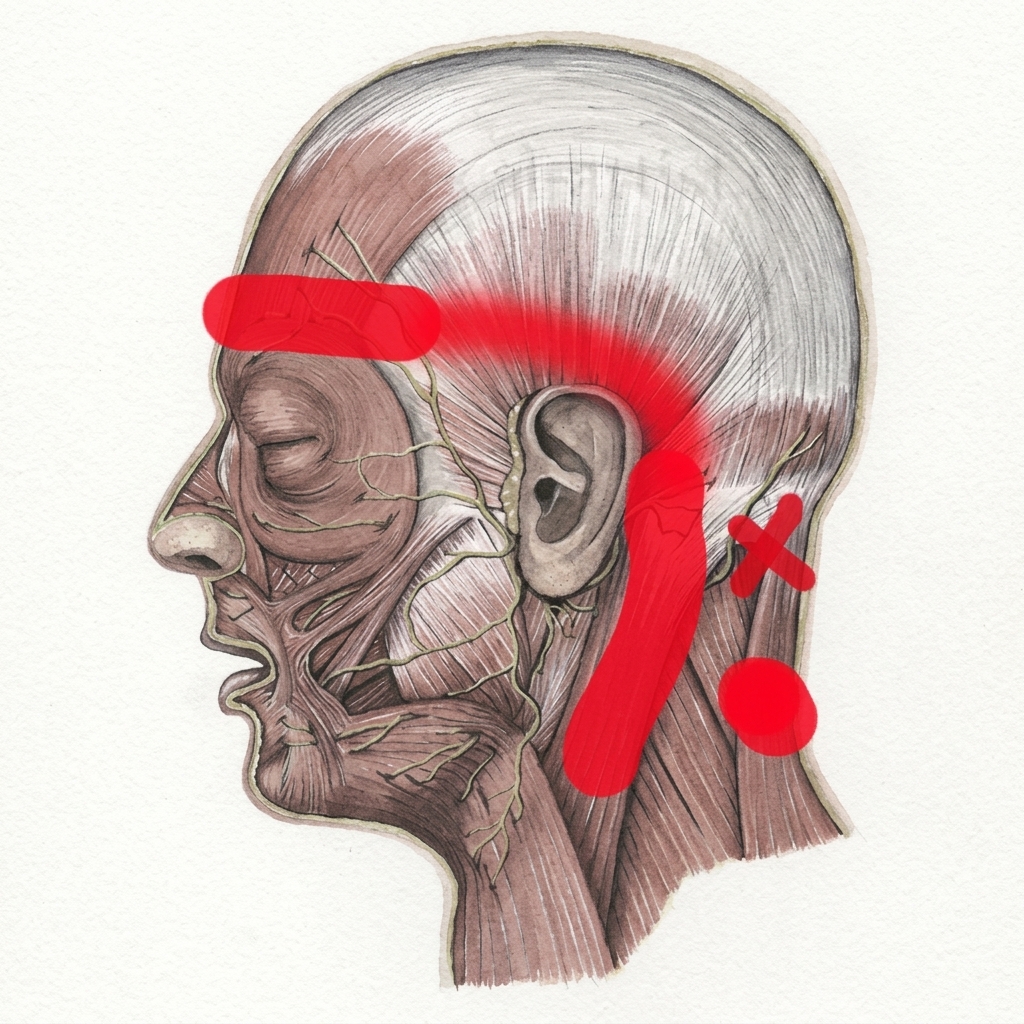
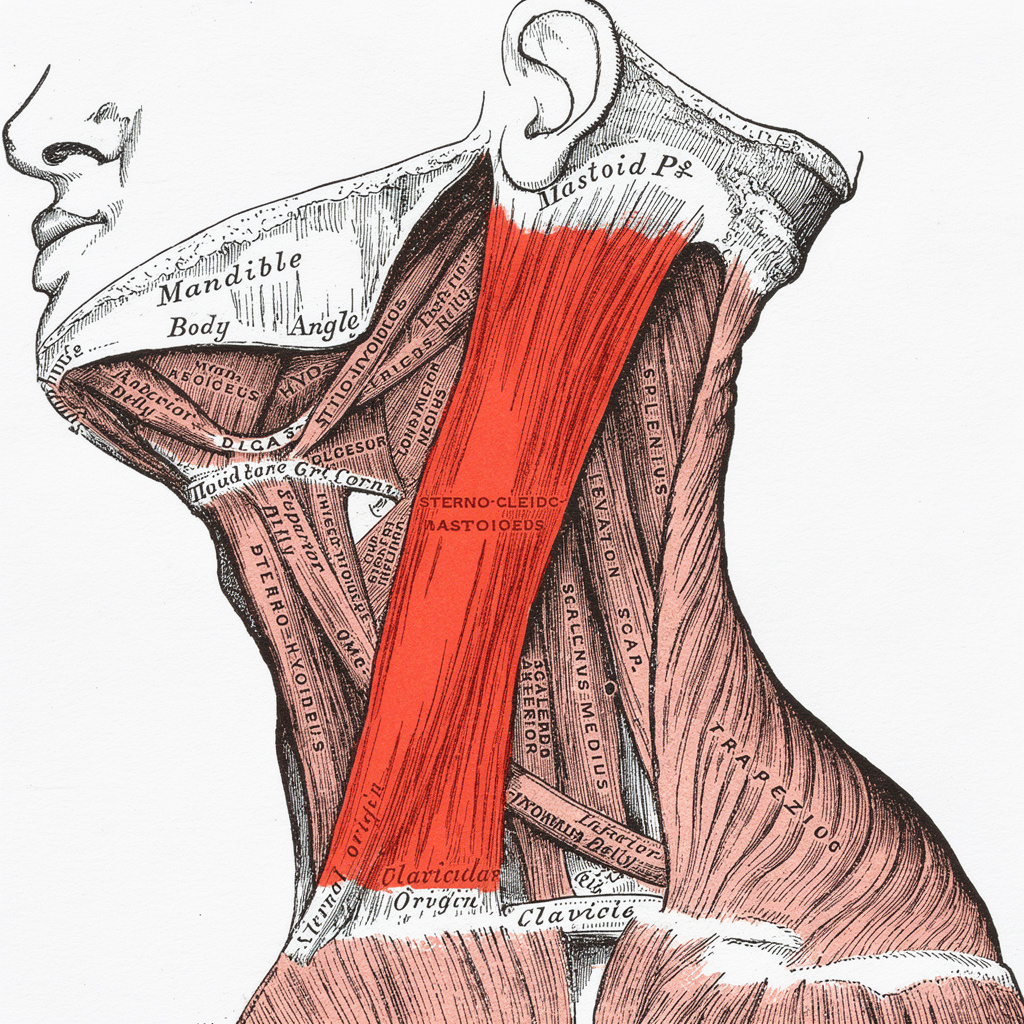
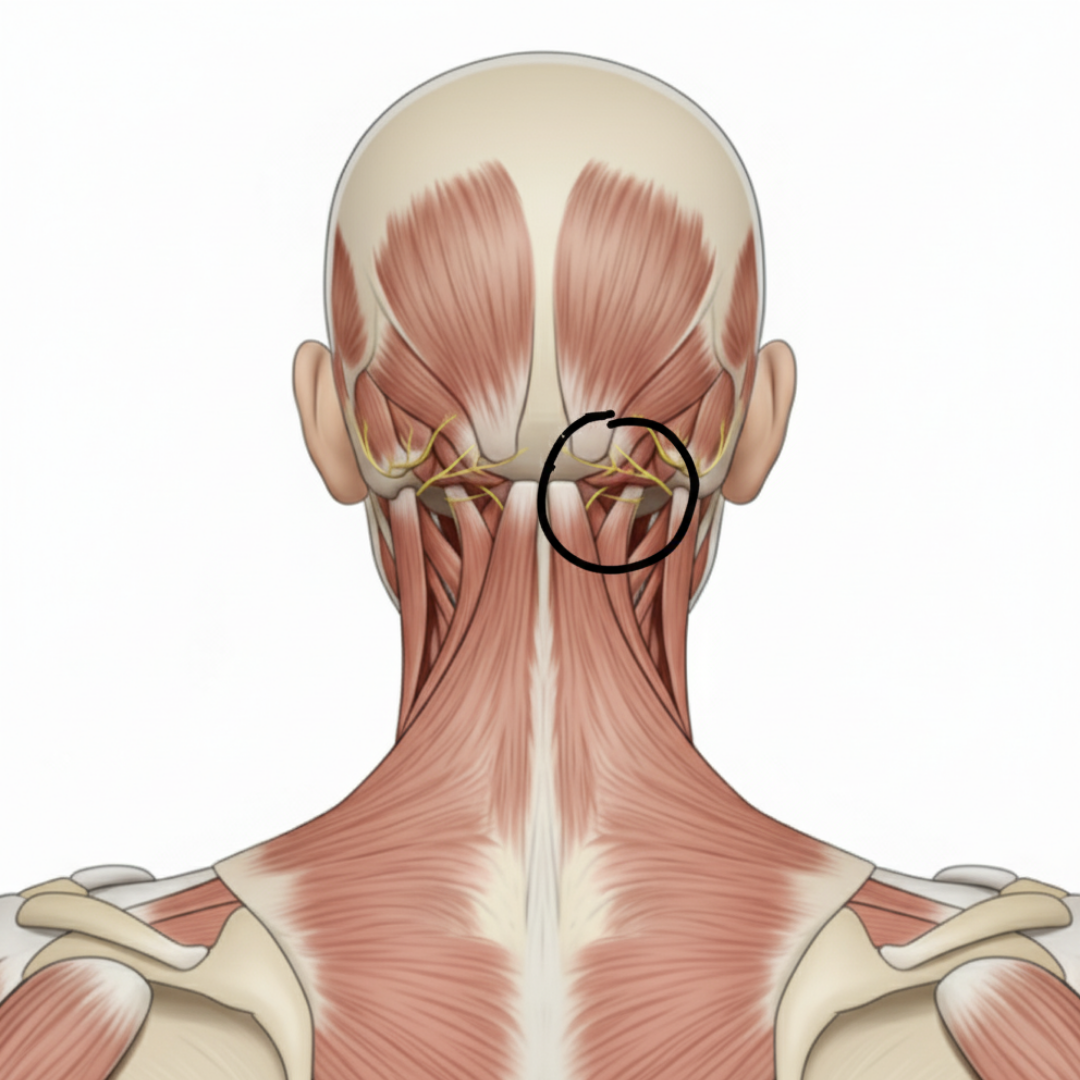
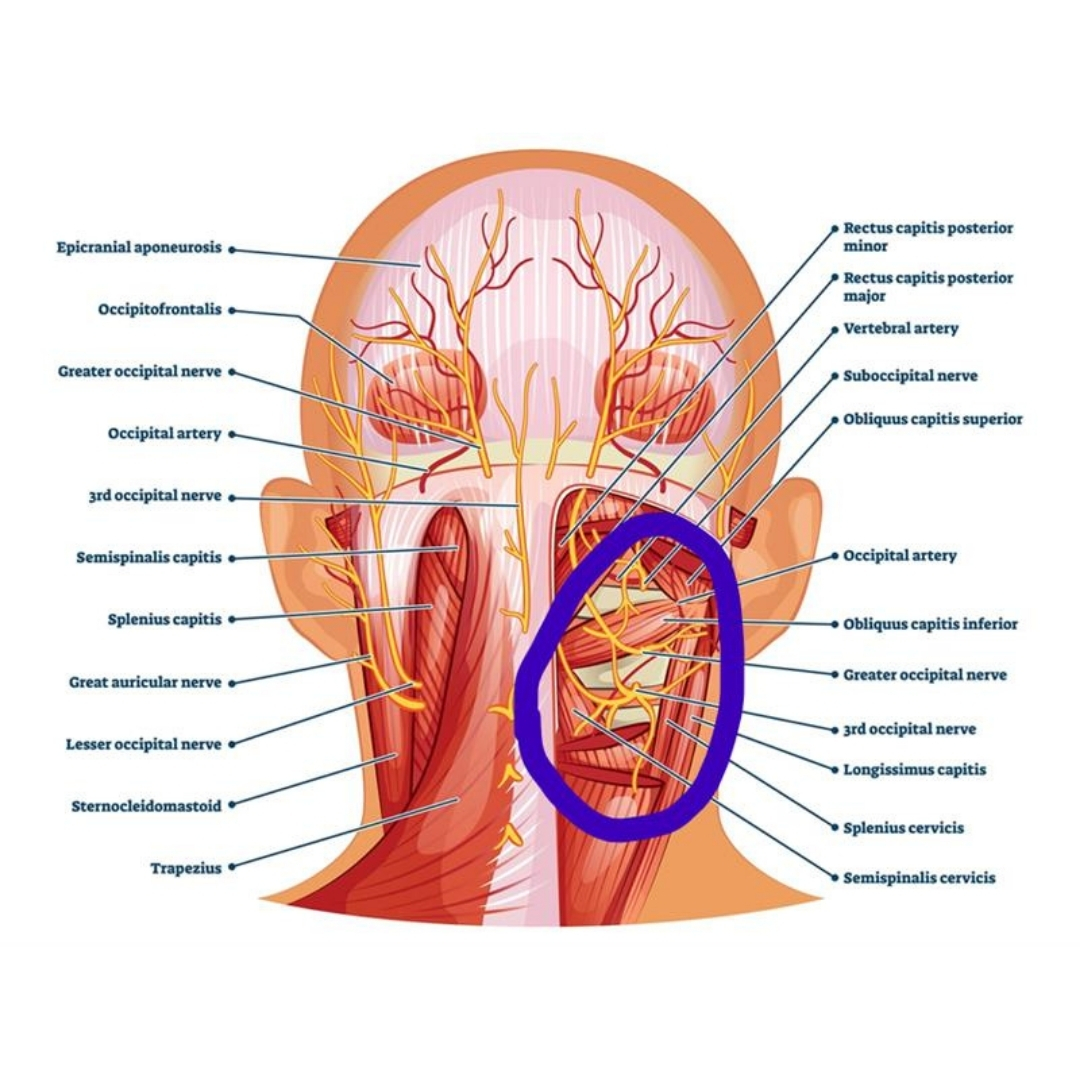
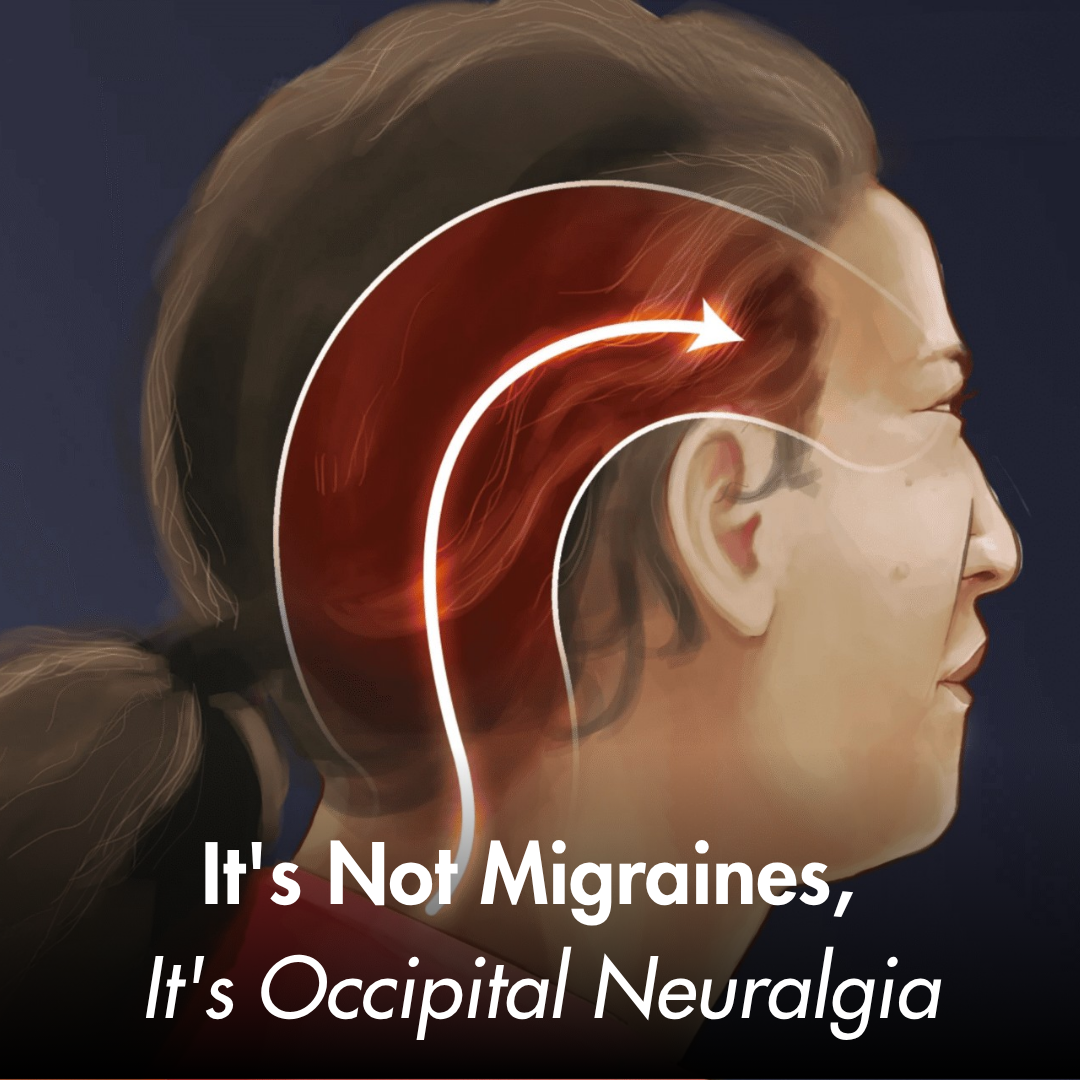
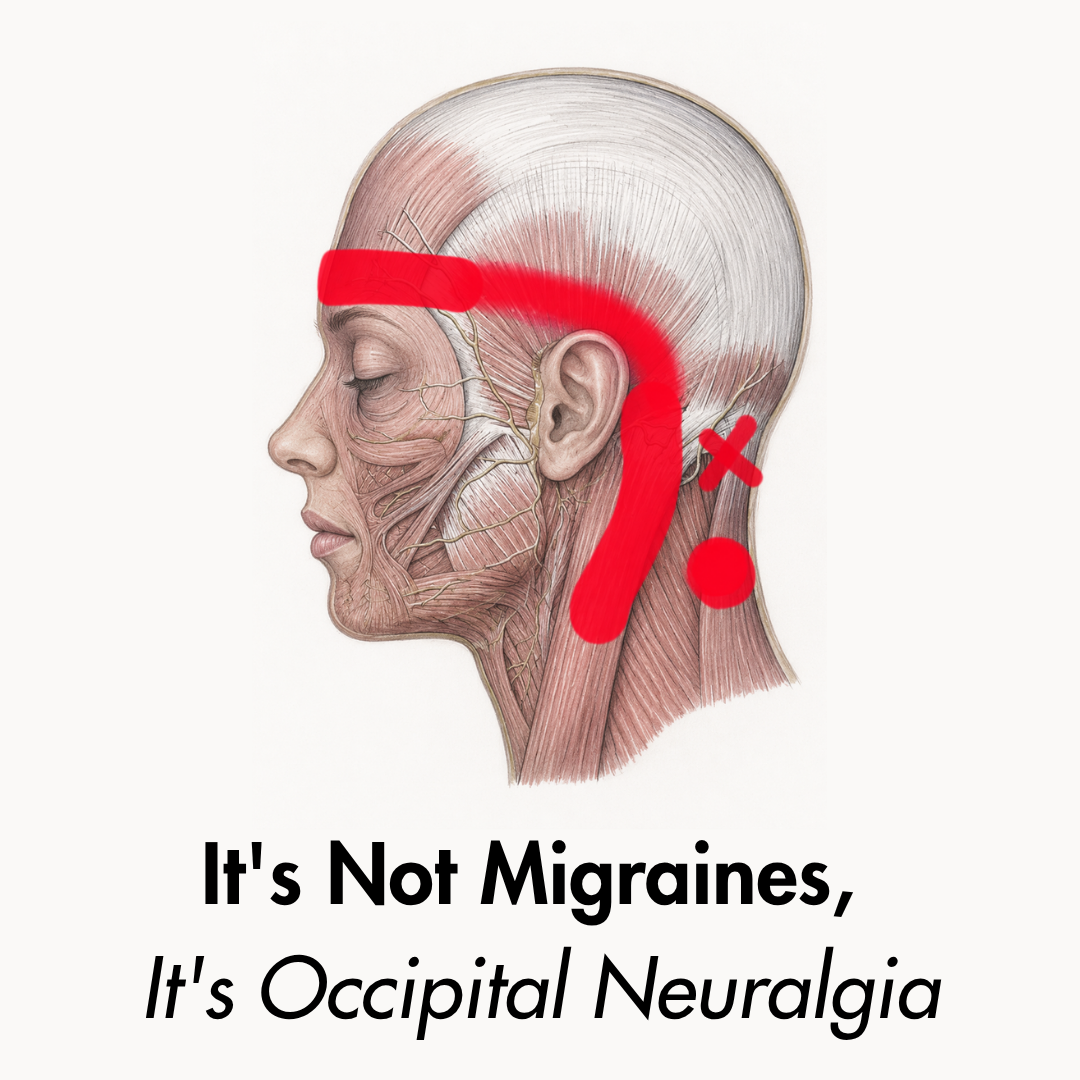
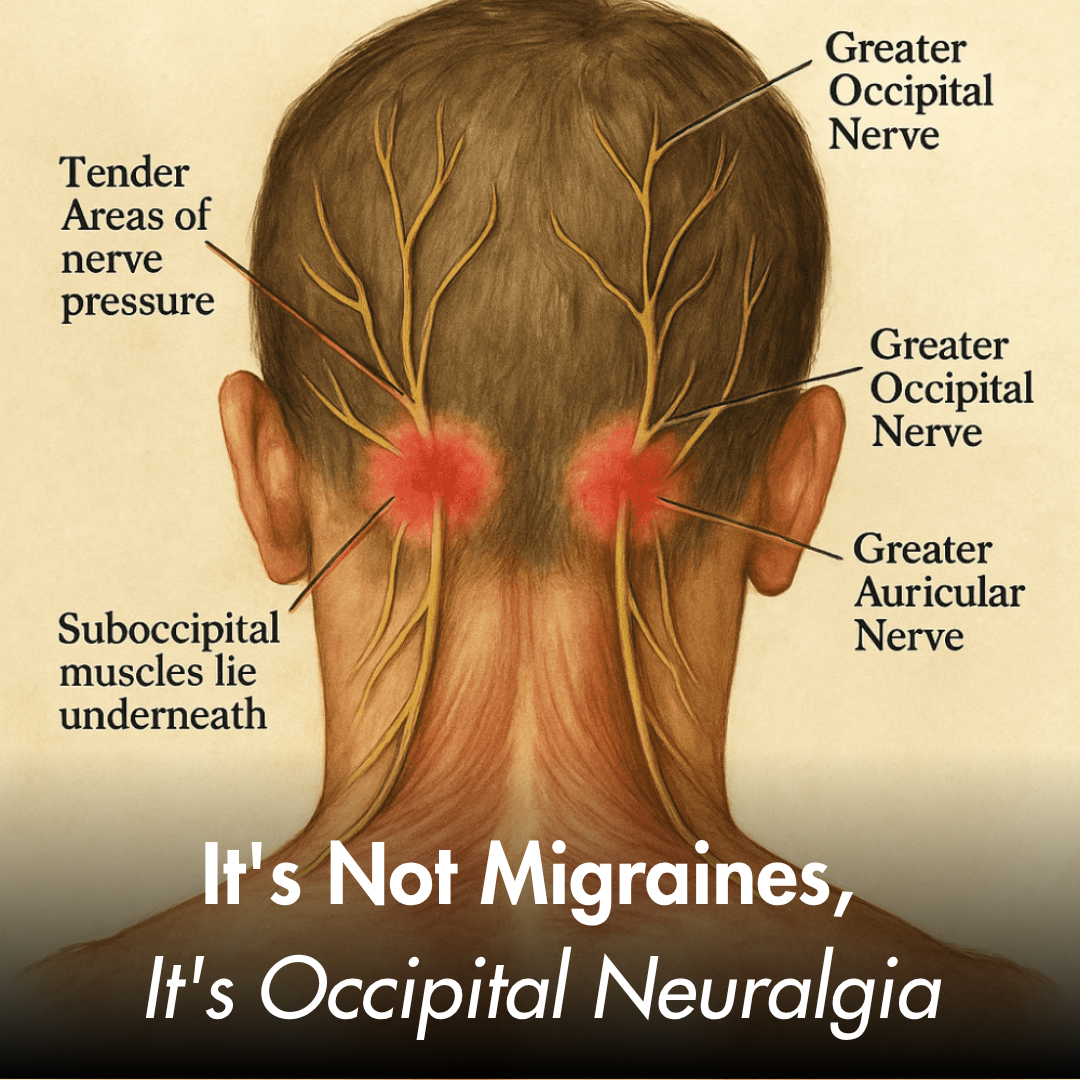
My daughter has been begging me to post this for three months. I told her nobody needed to hear about my problems. She said: "Mom, if it helps one person avoid what you went through, it's worth it." So here I am. I pulled over on the highway last February because I couldn't tell where the road was. Not because of the weather. Not because I was tired. I'd gone to check my blind spot and the dizziness hit the second I turned my head. Three full seconds where I couldn't orient myself. A truck passed me doing seventy. Close enough that the car shook. I sat on the shoulder for forty-five minutes before I trusted myself to drive the six blocks home. The doctors ran every test. Blood work. MRI. Inner ear specialist. Neurologist. And when they finally found the cause, I couldn't believe it. It wasn't my blood pressure. It wasn't my inner ear. It wasn't aging. It was the muscles at the base of my skull. For four years I had pressure at the base of my skull. That grinding, vice-like heaviness right where the neck meets the head. I'd gone to my doctor, a chiropractor, a physical therapist. Done the exercises. Bought the pillows. Taken more ibuprofen than I want to count. Nothing touched it. The specialist pressed along the base of my skull during my appointment and stopped at one specific point. The dizziness came back immediately. "There it is," he said. He explained what nobody had bothered to explain in four years. At the base of the skull there are small muscles called the suboccipital muscles. When they stay chronically contracted — from years of tension, bad posture, old injuries — they compress the occipital nerves running directly through them. That compression is what causes the head pressure. The migraines. The dizziness. "Why didn't massaging them work?" I asked. "Because your fingers or neck devices can't generate enough sustained pressure to reach muscles that deep. The suboccipitals need something different — deep vibration to penetrate that layer, sustained heat to drive blood flow in, and direct decompression to let the tissue actually release." Four years. Nobody had told me this. My daughter called that evening. I told her everything. She was quiet for a moment. Then: "Mom, I think I found something that does exactly that." She showed up two days later with a box. "Just hear me out before you say anything." She pulled out the Fisiorest. The 26-degree angle positions the neck to decompress exactly the suboccipital area. The heat drives blood flow into muscles that have been starved of it for years. The vibration breaks up the chronic tension the suboccipital muscles have locked into. I looked at her face. She wasn't trying to sell me something. She was scared of watching me get worse. I said yes. Week one: the pressure was still there, but quieter. Like something had turned the volume down. Week two: I woke up three mornings in a row without the dizziness. First time in over a year. Week three: I drove forty minutes on the highway, checked my blind spots the whole way, felt nothing. Week four: I stopped taking the ibuprofen I'd been using almost every day. Six weeks in, I went back for my follow-up. The specialist pressed the same spots. The dizziness didn't come. He looked at me. "What did you do?" I told him about Fisiorest. He wrote it down. I'm not someone who posts things like this. But you read what happened to me. Well, three months after that, I got my life back. If you have that pressure at the base of your skull — that heaviness your doctor keeps calling tension — please don't wait for it to get worse. Because it does get worse. Mine took four years to put me on the floor. Fisiorest sells out constantly. Every time someone posts online about occipital nerve compression, inventory disappears for days. Last month, a woman from my PT waiting room — someone I'd been talking to for months about the same pressure, the same dizziness — messaged me asking where to get it. It was sold out. Two weeks later it came back in stock. But by then, she'd had a fall. Lost her balance getting out of the shower, grabbed the towel rail, pulled it clean off the wall. "I should have ordered it when you first told me." I don't want that to be you. If you're reading this and it's in stock — get it. Don't tell yourself you'll do it later. Because here's what four years taught me about this kind of pain: it doesn't stay the same. It finds new ways to show up. One month it's pressure. The next it's dizziness. The next you're on your knees in a grocery store or pulling over on a highway wondering if you're going to make it home. You don't always get a warning before it gets worse. I got a second chance. She got hers — with a bruised wrist and a broken towel rail. Not everyone is that lucky. Fisiorest comes with a 365-day money-back guarantee. If you don't feel a difference, you get every penny back. But I'm confident you will. Because I felt it. The woman from PT felt it, once she finally got her hands on one. Don't wait until you're back in an MRI machine getting the same answers you've already heard. Don't wait until your family is watching you the way my granddaughter watched me that day. Don't wait until the next episode decides it's done being manageable. Get it now. While it's in stock. While you still can.
A story worth sharing
Summary: If you constantly feel tightness, pressure, or tenderness right at the base of your skull and it keeps triggering headaches, neck pain, or brain fog, you’re not imagining it.Most people are told it’s stress, age, or “just tension” but those explanations miss what’s actually happen...
LEARN MORELike this ad? Make it yours.
Crush rebuilds this exact creative around your product — your brand, your colors, your offer — in about a minute.