Cat Wellness Journal
Cat Wellness Journal Facebook ad: “Read if your senior cat is slowing down”
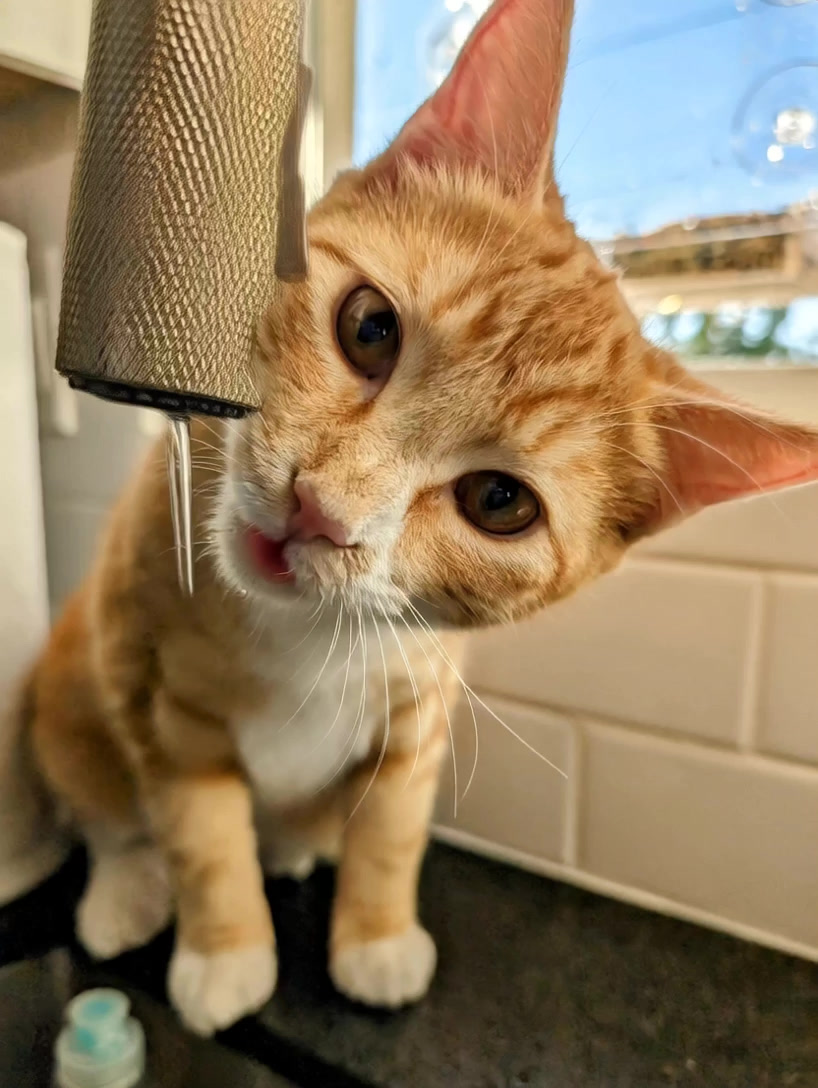
Ran for 11 days, from August 23 to September 3, 2026, the last day Crush saw it.
Run by Cat Wellness Journal on Facebook. Crush is not the advertiser and does not verify its claims. See this ad in Meta's Ad Library(opens in a new tab)
Want an ad like this for your product?
Crush makes new ad images for your product from this ad: your logo, your product photo, your offer.
Trials from $19.95 USD, then $79.95 USD a month. Cancel anytime.
About this ad
- Meta Ad Library ID
- 1000441039694979
- Platforms
- Facebook, Instagram, Messenger and Threads
- Relaunches
- 0
Ad text
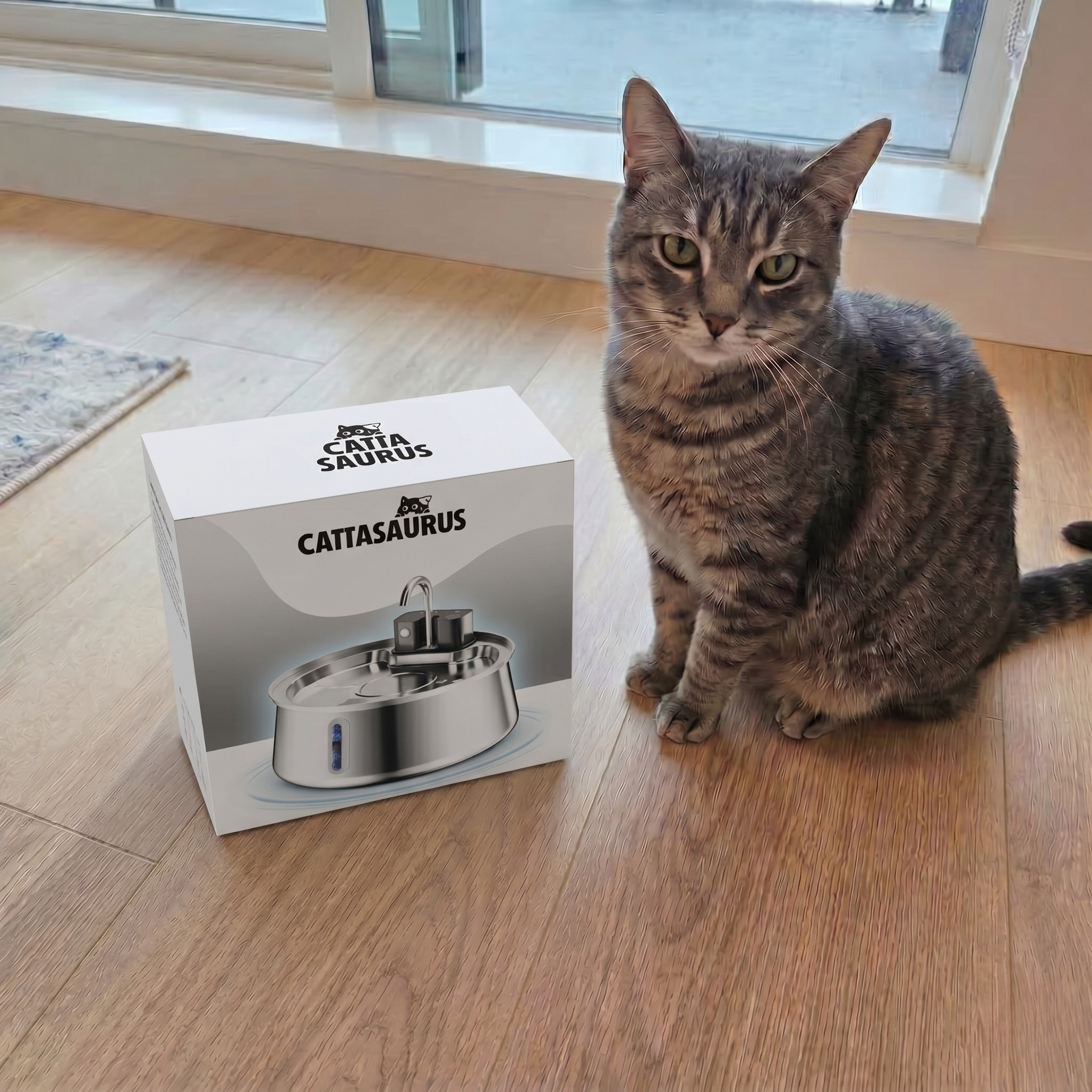
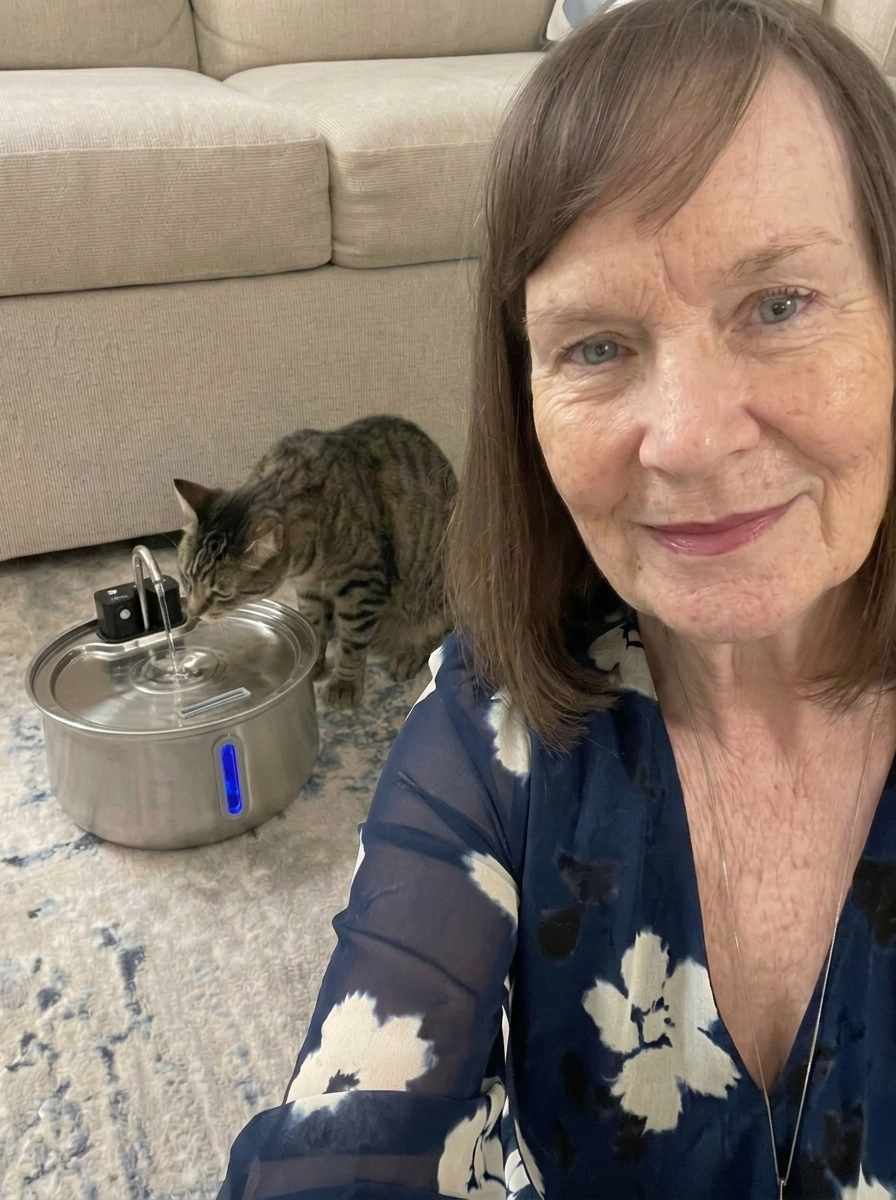
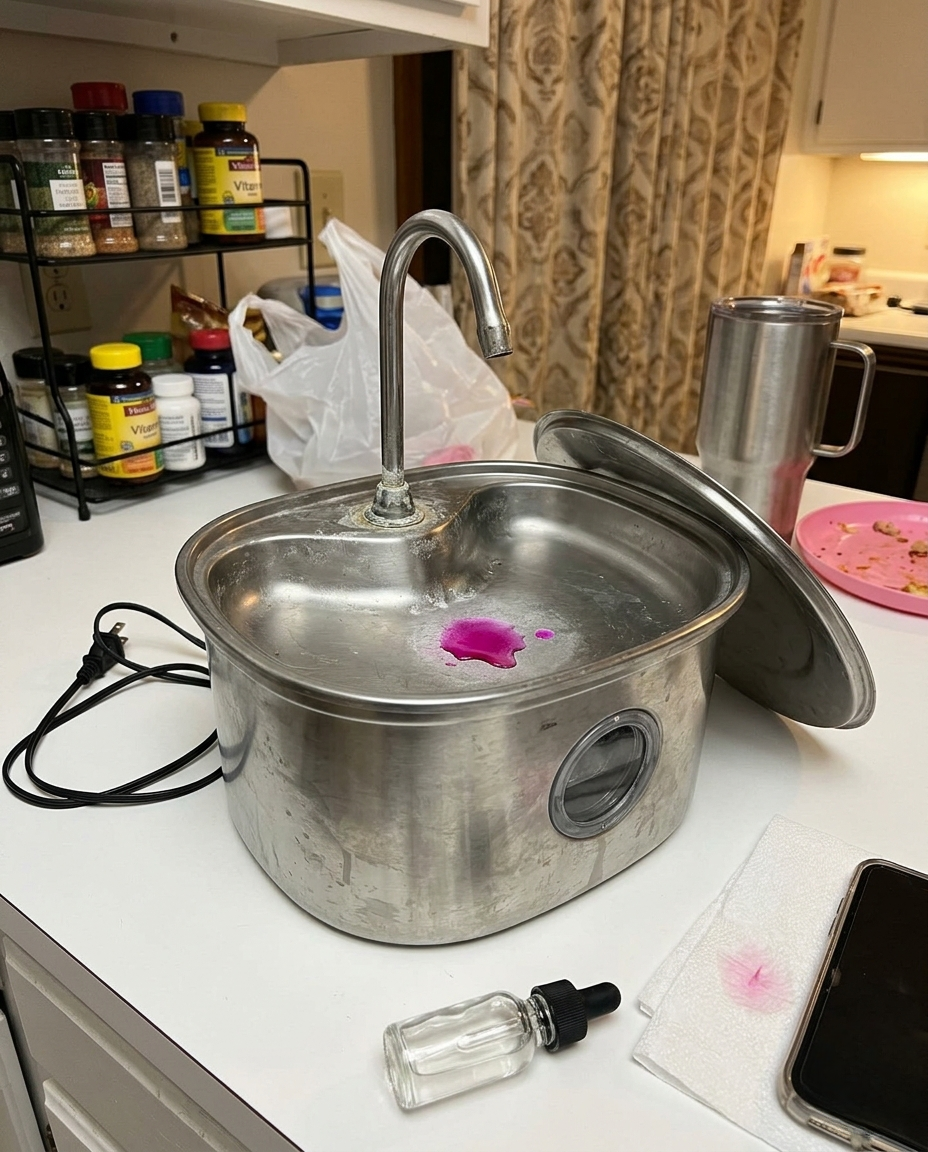
My husband was waiting to receive a heart. I was waiting for the phone to ring. It rang on a Thursday. But not with the news we needed. Richard was 68. Strong his whole life. Built our deck with his own hands the summer we moved in. Coached our son's baseball team until his knees gave out. Never missed a day of work until the diagnosis. His heart was giving out. They put him on the transplant list in March. Said a donor could come any day. Could take months. Could take years. Two years and four months. He ran out of time. I'm Dorothy. I'm 71. I live in the same house in Raleigh that Richard and I bought in 1994. The deck he built is still out back. I sit on it some evenings. Not as often as I should. After the funeral, people said the things people say. "Call if you need anything." "He's in a better place." "You're so strong." Nobody calls. He's not in a better place. And I'm not strong. I'm just still here. The silence in this house is physical. It has weight. You feel it most around 6 PM when you're heating up soup for one and there's nobody to tell about your day. And again at 10 PM when you turn off the lamp and the dark feels permanent. Richard's cardiologist sent me a grief pamphlet. Page four said pets can help. "Companion animals provide routine, purpose, and unconditional presence during bereavement." I threw the pamphlet away. Six months later, I drove to the county shelter. Not because of the pamphlet. Because I woke up on a Tuesday and realized I hadn't spoken out loud in four days. My own voice startled me when I said good morning to nobody. The girl at the front desk asked what I was looking for. "I don't know. Something that needs me." She walked me past the kittens. Past the young cats reaching through the bars. All the way to the back row where it was quieter. "This is Benny," she said. Orange tabby. The shelter estimated him at twelve. Thin. Rough coat. Curled in the back corner of his cage like he'd made peace with being forgotten. The card on his door said: Owner deceased. No family to claim. Age: ~12 (shelter estimate). Stage 2 kidney disease. Daily medication. Hold expires Thursday. Owner deceased. No family to claim. I knew exactly what that felt like. "He's been here five weeks," the girl said. "Most people want kittens. And the kidney disease scares everyone off." I looked at Benny. He looked at me. Blinked slowly. Then put his head back down. "I'll take him." The shelter vet gave me his medications and a careful look. "His kidney values are elevated. BUN at 41, creatinine at 2.5. He needs to stay hydrated. That's the most important thing you can do for him. Fresh water, always available. If his numbers stay stable, he could have a few good years." A few good years. I'd take that. Richard didn't get that. Benny came home. He was cautious the first day. Explored room by room. Sniffed Richard's recliner for a long time. By the second evening, he was on my lap while I watched the news. By the third, he was sleeping at the foot of my bed. The silence didn't disappear. But it got softer. There was breathing in the house again besides mine. There was someone to say good morning to. I was careful about his water. Filled a ceramic bowl every morning. Changed it every evening. Put a second bowl in the hallway near the bedroom. Set both right next to his food so he'd see them every time he ate. Dr. Kenner said hydration was the most important thing. I wasn't going to fail at this. Two weeks in, I noticed the bowls weren't going down much. Benny would approach one, sniff it, sometimes stand there for a few seconds. Then walk away. I figured he was adjusting. New house. New smells. Cats take time. Week three, same thing. Two bowls of water out. Barely touched. I mentioned it at his one-month checkup. Dr. Kenner ran bloodwork. BUN at 45. Creatinine at 2.8. "They went up," she said. "He's not drinking enough." "I have two bowls out. I change the water every day." "Is he actually drinking from them?" "I thought he was. The water level goes down a little." "Evaporation does that. A few reluctant sips does that. But Benny needs real hydration. Consistent drinking throughout the day. And based on these numbers, he's not getting it." She told me to try different bowls. A wider dish. A fountain. I bought a fountain at the pet store. $42. Plastic. "Encourages natural drinking behavior." Benny sniffed it. Used it twice the first day. Once the second day. By day four, he was ignoring it. I bought a different plastic fountain. A fancier one. $58. Same pattern. Two days of use, then nothing. I was watching his numbers climb and I couldn't make him drink. I called Dr. Kenner. "Nothing is working. He won't drink from the bowls. He won't use the fountains. His numbers are getting worse and I don't know what else to do." "Keep trying," she said. "Maybe a different bowl shape. Some cats prefer wider dishes." I hung up and sat in the kitchen staring at two untouched bowls of water and two abandoned fountains. Keep trying. That's what Richard's doctors said too. Keep trying. Stay positive. Something will work. I was done trusting people who didn't have answers. The next morning I called a different clinic. A vet across town my neighbor had mentioned once. Dr. Wynn. Smaller practice. Been there thirty years. I brought Benny in with his full history. The bloodwork. The medications. The two fountains that failed. Everything. Dr. Wynn looked at the numbers. Looked at Benny. Then asked a question Dr. Kenner never asked. "What is he drinking from, and where is it?" "A ceramic bowl in the kitchen. Right next to his food. Another one in the hallway. Two plastic fountains he won't touch." She nodded slowly. "That's what I was afraid of. Let me explain what's happening." She told me cats don't refuse water the way we think they do. They refuse what the water has become by the time it reaches their face. "Plastic is porous," she said. "Microscopically. Even a brand-new plastic bowl or fountain basin has thousands of tiny scratches and pits in its surface. Within 24 to 48 hours of being filled, those pits start colonizing bacteria. That colony turns into biofilm. A thin layer of bacterial slime coating the plastic." "You can't see it. You can barely feel it if you run your finger along the rim — a little slippery maybe. But to Benny, it's obvious. Cats have roughly 200 million scent receptors. Ours is about 5 million. What registers to us as 'fresh water I changed this morning' registers to him as contaminated water his biology will not let him drink." "And the fountains you bought are worse, not better. More plastic surface area. A pump recirculating that water through plastic tubing over and over. The biofilm forms faster because the water is being forced back through the same colonized surfaces constantly." I opened my mouth to argue. I had changed the water every single day. The bowls were clean. She held up a hand. "Changing the water doesn't change the surface. The biofilm lives on the plastic itself. You'd have to scrub that bowl with a brush every single day to keep it down. Most people don't. I don't. No owner does." "Then there's where you put it." I thought I was going to cry. "Cats are descended from ambush predators. In the wild, their ancestors ate prey at a kill site — and that kill site got contaminated within hours. Bacteria, parasites, scavengers. The instinct that kept them alive was: don't drink water near where you eat. The water near food is always suspect." "When you put his bowl next to his food, every bowl of water you offer him — no matter how clean — registers as the same contaminated water his species has been refusing for ten thousand years. His body won't override that instinct. Not for thirst. Not for kidney disease. Not even to survive." I sat there in her exam room. I'd been so careful. Two bowls. Fresh water twice a day. Doing exactly what Dr. Kenner said. And the bowls themselves were the problem. The fountains were the problem. Where I put them was the problem. I thought about Richard. Two years of doing everything his doctors told us. Every medication. Every appointment. Every dietary change. He still died. Because the one thing that mattered, a new heart, never came. Now I was doing everything the vet told me. Fresh water. Multiple bowls. Plastic fountains. And the things that actually mattered — what the bowl was made of, whether the water could sit still and grow biofilm, where I was placing it relative to his food — nobody mentioned. Until I found someone who knew the right questions. "So what does work?" I asked. Dr. Wynn pulled up something on her computer. "There's one fountain I recommend to my kidney patients. It's called Cattasaurus. The basin and reservoir are 304 medical-grade stainless steel — the same grade used in surgical instruments. It's non-porous at a molecular level. Biofilm can't colonize it the way it colonizes plastic. You rinse it, and it's actually clean." "It's also wireless. No cord. And that matters more than it sounds like it should. Corded fountains force you to place them wherever the outlet is — which is usually in the kitchen, right next to the food bowl. A wireless fountain lets you put water where your cat's biology will actually accept it. Away from food. Somewhere quiet." "And because the water circulates continuously through a filter, it doesn't sit still. Still water is what cats avoid. Moving water is what they seek out — it's why your cat probably goes to the bathroom faucet or the toilet. That instinct is telling him moving water is safer than standing water. He's right. This fountain gives him what his instincts are asking for." "You fill it with tap water. The filter handles the rest. The steel handles the rest. You move it away from his food bowl, and you let his biology do what it's been trying to do the whole time." I ordered it that evening. It arrived three days later. Heavy. Real stainless steel. Cold to the touch. This wasn't a pet store toy. I set it up in the living room, near the window. Twelve feet from his food bowl in the kitchen. Turned it on. The water started moving immediately. Almost no sound. Benny was asleep on the recliner. About forty minutes later he walked into the living room. Stopped. His ears moved forward. He walked to the fountain slowly. Sniffed the base. Sniffed the steel. Sniffed the water. For a long time. Then he drank. Long, real laps. Not the two reluctant sips I'd seen at the bowl. Real drinking. Over a minute. I leaned against the counter and cried. Not just for Benny. For Richard. For all the times I did everything I was told and it wasn't enough. For the one time I finally learned what actually mattered. Day two: Benny drank five times. More than I'd seen in the entire previous month. Day four: Six times. I could hear him from the kitchen. Week two: His coat started looking different. Less rough. Some shine coming back. Week three: He jumped onto the windowsill. He hadn't done that since his first week in the house. Week six: Back to Dr. Wynn. BUN at 35. Creatinine at 2.1. "Those are better than when he came from the shelter," she said. "Same cat. Same food. Same medication. Different fountain. Different spot." "His kidneys aren't fighting dehydration anymore. They're just managing the disease. And manageable kidney disease at stage 2 can stay stable for years." That was five months ago. Benny's latest bloodwork: BUN at 32. Creatinine at 1.9. Nearly where a healthy cat should be. He drinks from the Cattasaurus six to eight times a day. Every day. I hear him at it in the morning before I'm out of bed. Late at night when the house is quiet. That small sound of lapping water in the living room is one of my favorite sounds now. I rinse the basin out once a week. The steel wipes clean in seconds. No scrubbing. No slime. No pink film in the corners like I used to find in the plastic ones. Benny is on the recliner right now. Richard's recliner. He sleeps there every afternoon in the patch of sun that comes through the window around 2 PM. He was given a few good years. We're five months in and his numbers are the best they've been. I think about that first month. Watching him refuse the bowls. Watching his numbers climb. Doing everything right except the things that actually mattered. Last week, a woman at my church mentioned her cat was just diagnosed with kidney disease. "The vet said to keep him hydrated. I've been filling his bowl twice a day but he barely touches it." I asked her where the bowl was. Right next to his food. What was it made of. Plastic. I told her about porous plastic and biofilm. About the ambush-predator instinct that won't let a cat drink near where it eats. About what cats smell that we can't. She ordered Cattasaurus that evening and moved it to her bedroom. Called me three days later: "He's drinking from it constantly. I've never seen him drink like this." If your cat has kidney disease and won't drink... If you're filling bowls with tap water and they barely touch it... If your vet says "keep them hydrated" but nothing you try works... It's not the bowl being too small. It's not your cat being difficult. It's not a personality quirk. Plastic fountains grow biofilm within 48 hours that your cat's 200 million scent receptors detect and refuse. Corded fountains force you to place water where your cat's prey-carcass instinct tells him it's contaminated. Your cat isn't failing to drink — his biology is protecting him from water his senses have already flagged as unsafe. Cattasaurus solves the two problems at once. The basin and reservoir are 304 medical-grade stainless steel. The same grade used in surgical instruments. Non-porous at a molecular level — biofilm can't colonize it the way it colonizes plastic. A wipe with a damp cloth is all it takes. Wireless. Battery-powered. Place it anywhere — away from food, away from the litter box, somewhere quiet where your cat feels safe. No cord dictating the location. Continuous filtration and circulation. The water moves. The water stays palatable. Your cat gets what his instincts are asking for. Your cat isn't refusing water. He's refusing what your bowl has turned the water into, and the place you've put it. Give him water his biology doesn't have to fight. P.S. I spent two years watching my husband decline while we did everything his doctors told us. Then I spent a month watching Benny decline while I did everything the vet told me. Fresh water twice a day. Two bowls. Two plastic fountains. Nobody mentioned that the plastic itself grew biofilm that his nose could detect. Nobody mentioned that placing water next to his food activated an instinct ten thousand years older than domestication. All of it registered to him as contaminated water near a kill site. His body wouldn't let him drink it. The day I gave him a stainless steel fountain twelve feet from his food, he drank six times. Five months later his numbers are nearly normal. I couldn't save Richard. But I could save Benny. The difference was knowing what question to ask.
Where the ad sends people
cattasaurus.com
Read if your senior cat is slowing down 👆
Cattasaurus
See details: cattasaurus.com(opens in a new tab)