Cat Wellness Journal
Cat Wellness Journal Facebook ad: “Read if your senior cat is slowing down”
Ran for 24 days, from June 5 to June 29, 2026, the last day Crush saw it.
Run by Cat Wellness Journal on Facebook. Crush is not the advertiser and does not verify its claims. See this ad in Meta's Ad Library(opens in a new tab)
Want an ad like this for your product?
Crush makes new ad images for your product from this ad: your logo, your product photo, your offer.
Trials from $19.95 USD, then $79.95 USD a month. Cancel anytime.
About this ad
- Meta Ad Library ID
- 1744725670211397
- Platforms
- Facebook, Instagram, Messenger and Threads
- Relaunches
- 2
- Niche
- Pets
Ad text
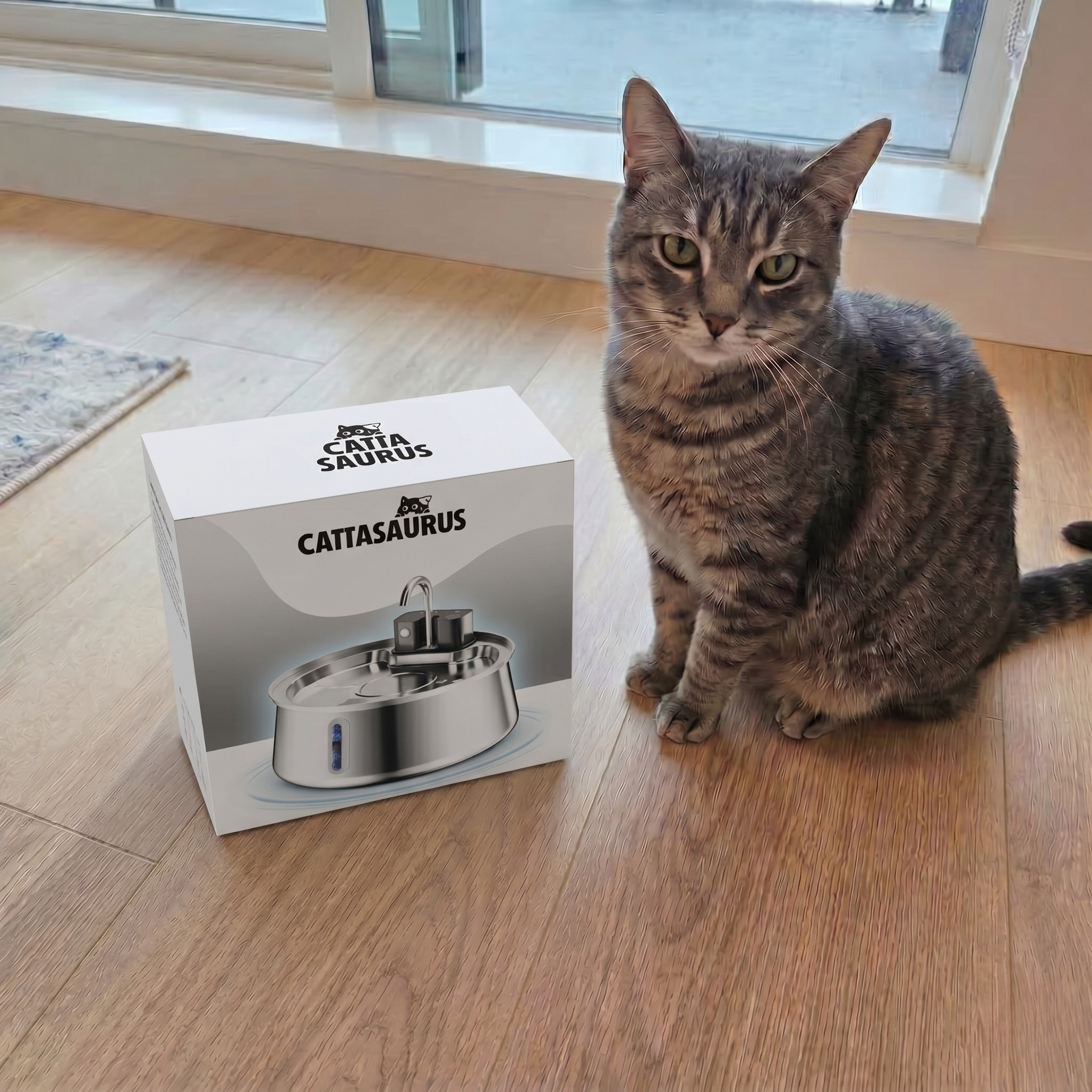
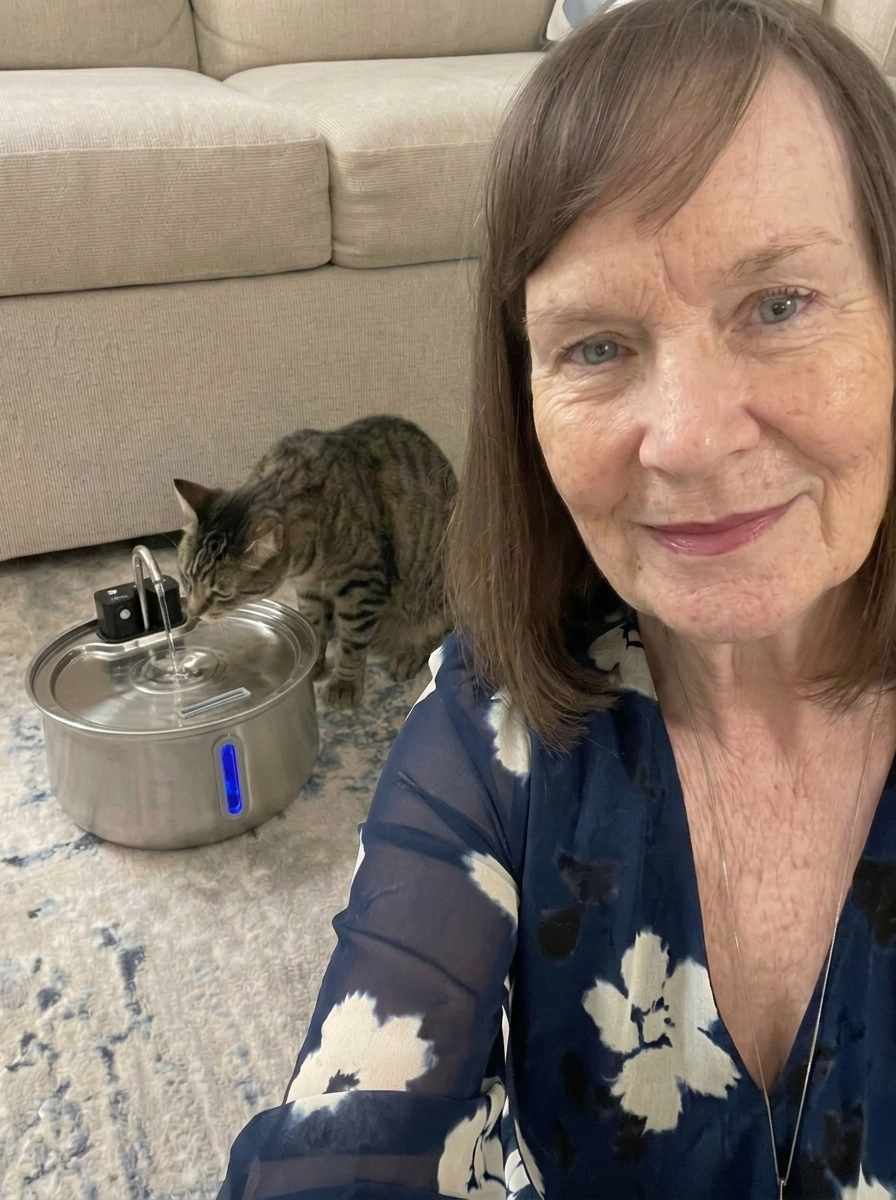
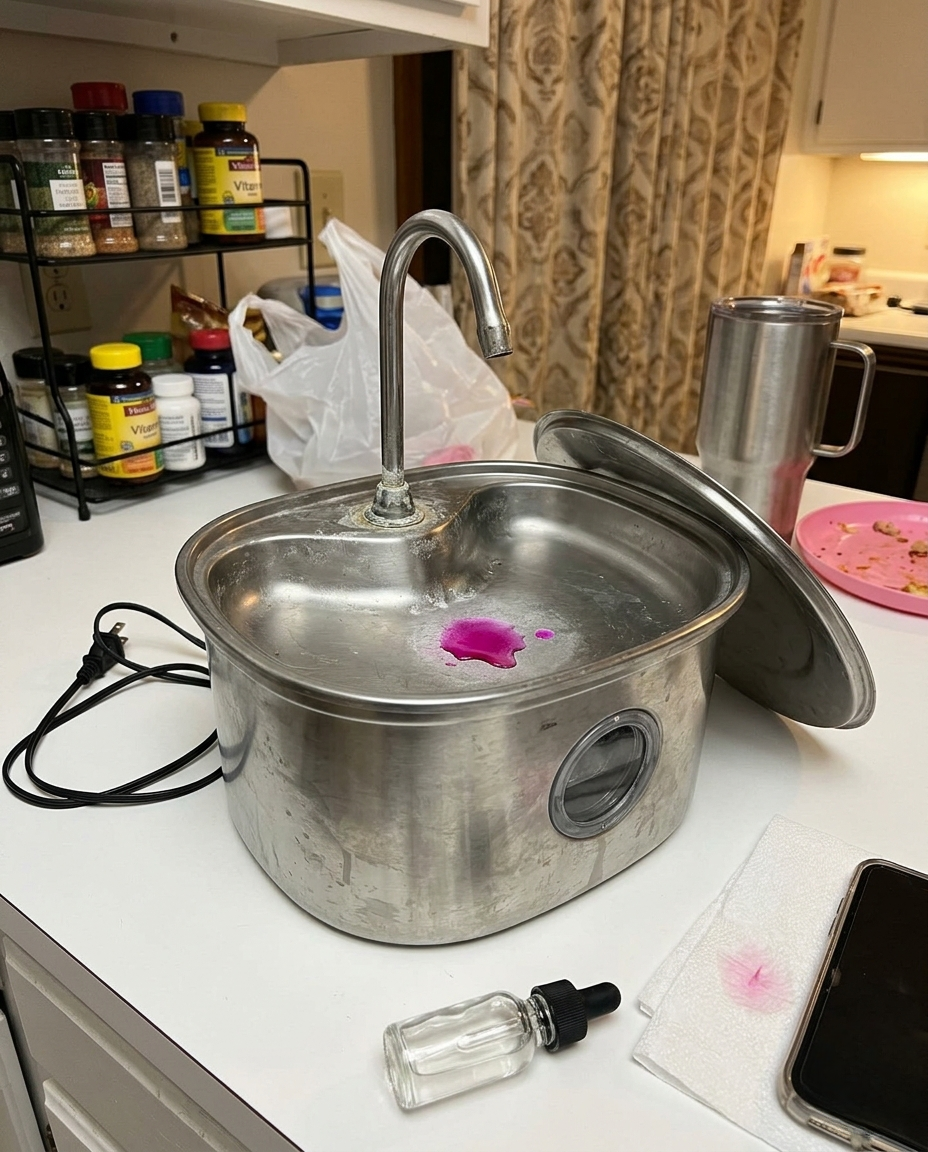
I'm a veterinarian. I've been recommending the same cat water fountain to my patients for two years. Last month I learned that more than half of my patients aren't getting the real product. They're getting a counterfeit sold under the same brand name on Amazon — and it's making their cats sicker than the plastic fountains it's supposed to replace. My name is Dr. James Wilson. I run Cedar Point Veterinary Practice, a small-animal clinic with a heavy feline caseload. I've been a vet for nineteen years. I'm writing this because I owe an apology to my patients. And because if I don't say something publicly, the same thing is going to keep happening. Here's how I figured it out. About six months ago, a cat named Phoenix came in for a routine senior wellness check. Thirteen years old, early-stage CKD, the kind of patient I see twenty times a week. I'd recommended Cattasaurus to his owner a year before. She'd told me she ordered it. I'd written "fountain switch" in his chart and moved on. Phoenix's bloodwork that day was worse than it had been twelve months earlier. Creatinine had climbed. SDMA had climbed. He was progressing the way cats progress when nothing has changed. I asked his owner if she was still using the fountain. "Of course," she said. "He drinks from it every day." Something didn't add up, but I didn't push it. I adjusted his diet plan, scheduled a recheck, and moved on with my afternoon. Two weeks later I had the same conversation with a different owner about a different cat. Then again the next week, then twice in one day. Cats whose owners had bought the fountain I recommended. Cats who were still progressing. The pattern shouldn't have existed. The hydration mechanism is well-established. Cats descend from desert ancestors and have a low thirst drive. They evolved to get water from prey, not from drinking. Plastic water bowls and most plastic fountains develop biofilm — bacterial colonies in the porous plastic surface that cats can detect with their 200 million scent receptors. They reject water that smells contaminated to them, even when we can't smell anything. Stainless steel fountains, specifically 304 medical-grade, don't grow biofilm the same way. The surface is non-porous at the molecular level. Bacteria can't anchor to it. A wireless design also lets owners place the fountain away from food bowls, which is critical because cats won't drink near food — it triggers an instinct from when their ancestors avoided drinking near prey carcasses. When you address all three factors — material, placement, and movement — cats drink more. Hydration markers improve. CKD progression slows or stops. It's not theoretical. I've watched it work hundreds of times. So why weren't Phoenix and the others responding? I called Phoenix's owner. Asked her where she'd bought the fountain. "Amazon," she said. I asked her to take a photo of the box. She sent it that night. The box was unbranded. No Cattasaurus logo. The brand name on the box was something I'd never heard of. The Amazon listing she sent screenshots of had used "Cattasaurus" in the title three different times — but the seller was a different company entirely. I sat at my desk staring at the photos. Then I called the next four owners on my list. Same question. Three out of four had bought from Amazon. None of them had received the actual Cattasaurus. That night I went home and searched "Cattasaurus" on Amazon myself. Half a dozen listings came up. None of them were the real brand. All of them used the name in their titles to capture search traffic. All of them were selling counterfeits made by different companies. I went to cattasaurus.com directly. The actual company doesn't sell on Amazon. They never have. The next day I bought a steel-grade test kit — a chemical reagent that distinguishes between 304 medical-grade stainless steel and the cheaper 202 or 201 grades. The chemistry is well-established. Drop it on real 304 and nothing happens. Drop it on 202 and the surface turns bright pink within seconds. I asked Phoenix's owner to bring his fountain to the clinic. I tested it in my exam room. Pink within seconds — bright pink. I tested three different spots on the basin and got the same result every time. The fountain she'd bought wasn't 304. It was 202 or 201, marketed as "stainless steel" with no specification of grade, exactly the way scam sellers operate. I called another owner and tested her fountain. Pink. I called Gerald's owner — an 11-year-old patient I'd been treating for early CKD for almost a year — and tested her fountain. Pink. I tested seven fountains over the next two weeks. Six of them were 202 or lower. Only one was real 304, and that owner had bought it directly from cattasaurus.com. Six out of seven of my patients had been drinking from counterfeit fountains for months. Some for over a year. The cheap steel matters more than people realize. The microscopic surface porosity of 202 grade is rough enough that biofilm anchors to it almost as readily as plastic. Slower than plastic, yes — but within a week or two of use, the bacterial colonies are already present. Cats can smell them. Cats reject them. The owners I tested all reported the same thing once I asked the right questions. The cat had used the fountain for the first few days, then started ignoring it, then started avoiding it altogether. Most of these cats had gone back to drinking from their old water bowls or from sinks and toilets. In other words: my patients had been drinking less water than before they got the fountain. They'd switched away from the bowl they were used to, didn't accept the new fountain, and ended up with worse hydration than baseline. That's why their bloodwork was worse — not stable, not slowly progressing, but actively worse. I'd recommended a brand. The owners had searched the brand. They'd bought what came up, and none of us had thought to check. I started having different conversations after that. I called Phoenix's owner first and walked her through what I'd found. She returned the Amazon fountain and ordered the real one directly from cattasaurus.com. It arrived four days later. Phoenix sniffed it for about an hour before drinking, and the next day he drank from it five separate times. Three months later his bloodwork came back with creatinine and SDMA both trending down for the first time in over a year. Gerald's owner switched next. He took six days to start drinking but eventually did, and his three-month bloodwork showed improvement on every kidney marker. Nora is a 9-year-old who'd just been flagged with elevated values. Her owner caught the counterfeit before any real damage was done and switched fountains immediately. At her three-month recheck her values were back inside normal range. I've now had eleven patients switch from Amazon counterfeits to direct-purchased Cattasaurus. Nine of the eleven have shown measurable improvement on follow-up bloodwork within ninety days. The other two are still in their first month. I want to be clear about what this means for any vet reading this. Recommending the right brand isn't enough. We have to tell our clients where to buy it. Because there's no version of "search the brand on Amazon" that gets them the real product. The counterfeiters have hijacked the search results. Our recommendations are being intercepted between the clinic and the owner's living room. If you're a cat owner reading this and your vet recommended a stainless steel wireless fountain, here's what you need to know. If you bought from Amazon, your fountain is almost certainly a counterfeit. The product titles using "Cattasaurus" or similar brand names are sold by third-party sellers who are not the brand. The actual Cattasaurus company doesn't authorize any Amazon sellers. Every listing using their name there is a knockoff. If your cat won't drink from the fountain you bought, this is probably why. Your cat isn't picky and the brand isn't overhyped. The cheap steel is growing biofilm your cat can smell and refuses to drink from. If your cat's last bloodwork showed worsening kidney values despite buying a fountain, this could be why. The hydration intervention may not have happened the way you thought it did. You can run the steel test yourself. The reagent costs about $14 online. Drop it on the basin of any fountain claiming to be stainless steel. If it turns pink, it's not 304. Return it. The real Cattasaurus is only sold at cattasaurus.com. 👉 https://cattasaurus.com/pages/wf-advert-03 The real product: ✅ 304 medical-grade stainless steel basin and reservoir ✅ 6-layer filtration removing chlorine, heavy metals, and contaminants ✅ Genuinely wireless and rechargeable so you can place it away from food bowls ✅ Cleaning kit and starter filters included ✅ 90-day money-back guarantee ✅ Second fountain ships free at first filter delivery Today the price is $89 with everything included. If your cat doesn't drink from it within the first two weeks, return it for a full refund with no restocking fee and no return shipping cost. I'm not paid by Cattasaurus. They didn't ask me to write this. I'm writing it because I spent two years recommending a product that more than half of my patients never received, and I have to be the one to fix that. If you bought a stainless steel cat fountain on Amazon thinking you were getting Cattasaurus, return it today. Order the real one from the real website. 👉 https://cattasaurus.com/pages/wf-advert-03 That's the only place the real product exists. — Dr. James Wilson, DVM Cedar Point Veterinary Practice
Where the ad sends people
cattasaurus.com
Read if your senior cat is slowing down 👆
Cattasaurus
See details: cattasaurus.com(opens in a new tab)