
Inactive· since Jun 12, 2026
- 32
- days it ran
- 1
- relaunches
Ad copy
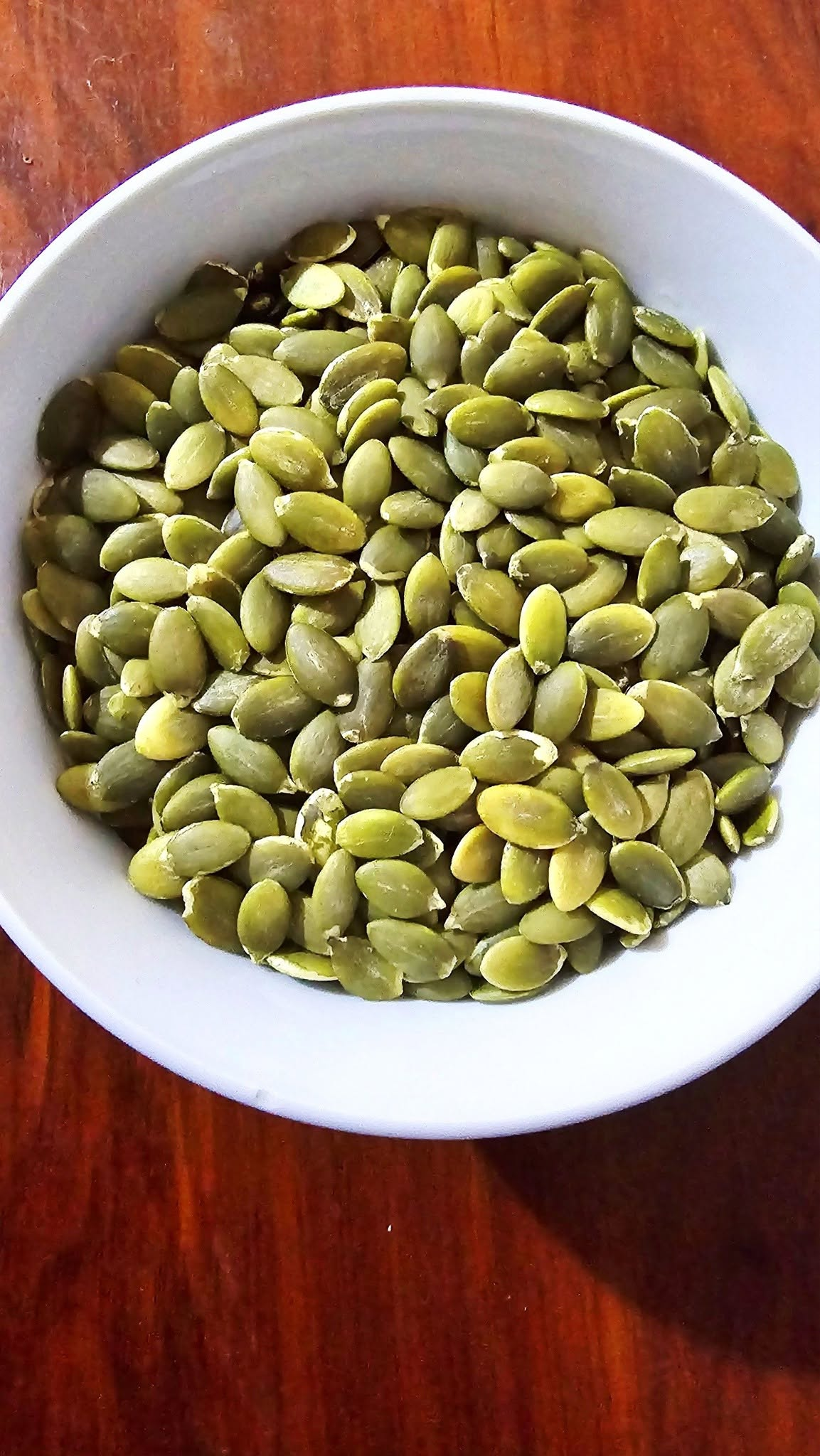
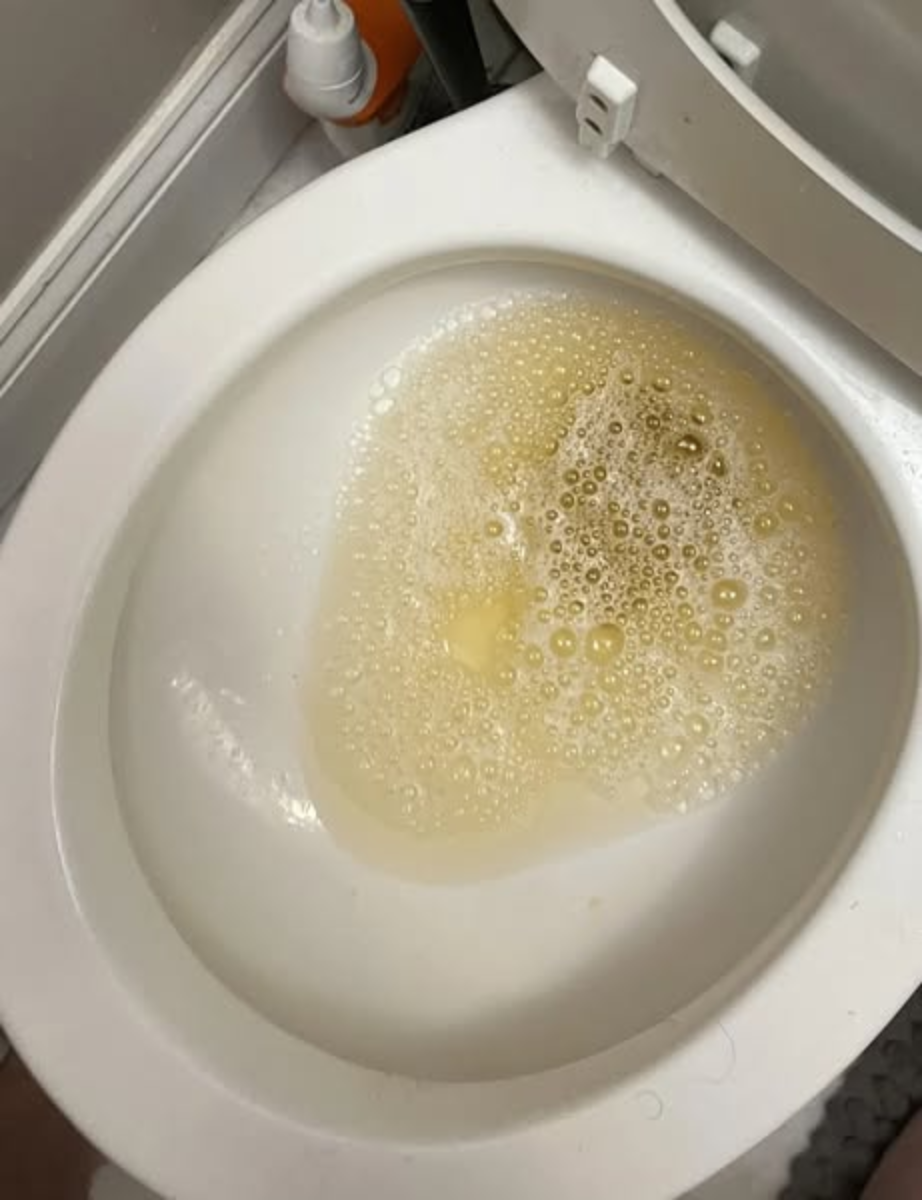
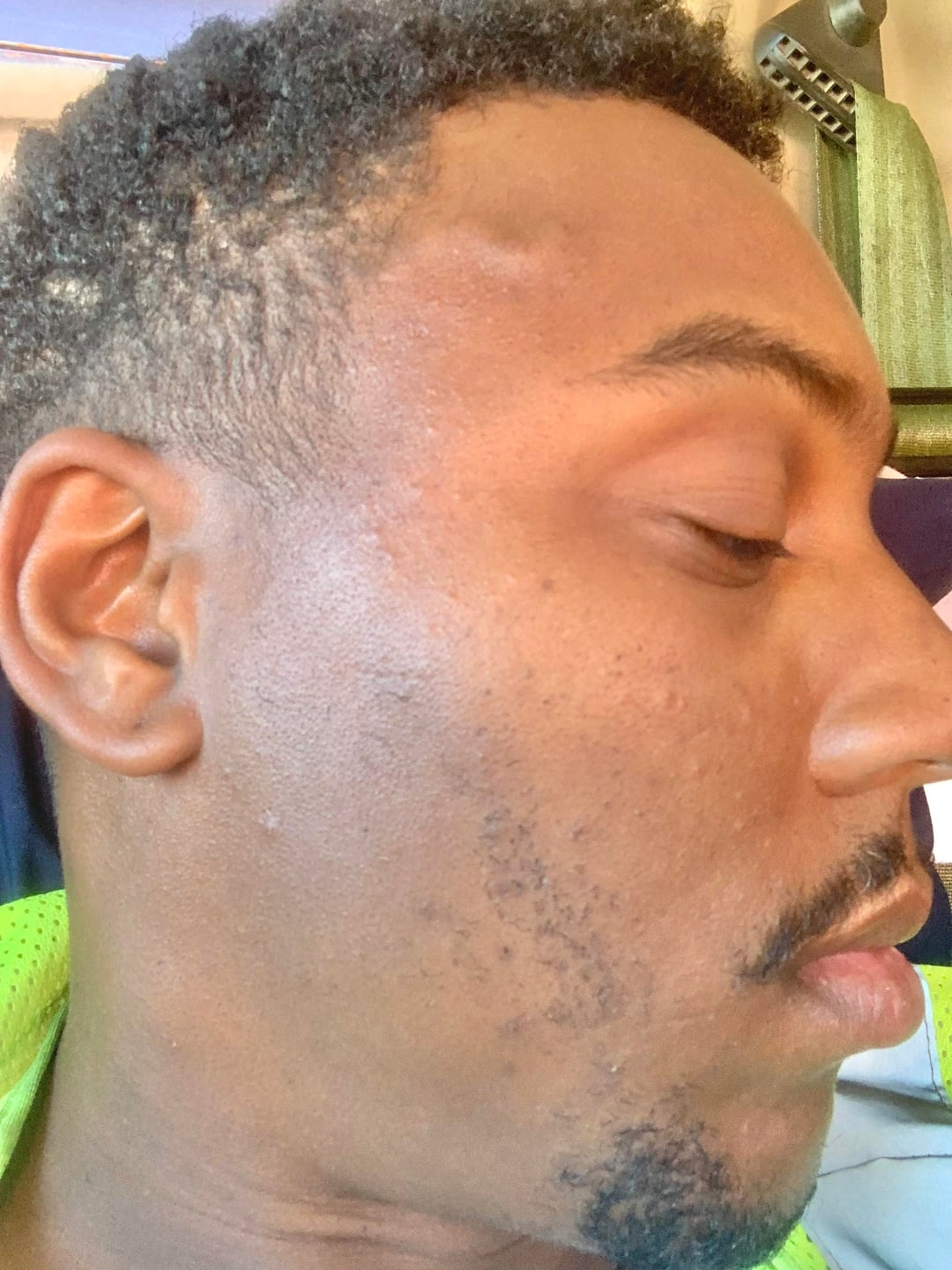
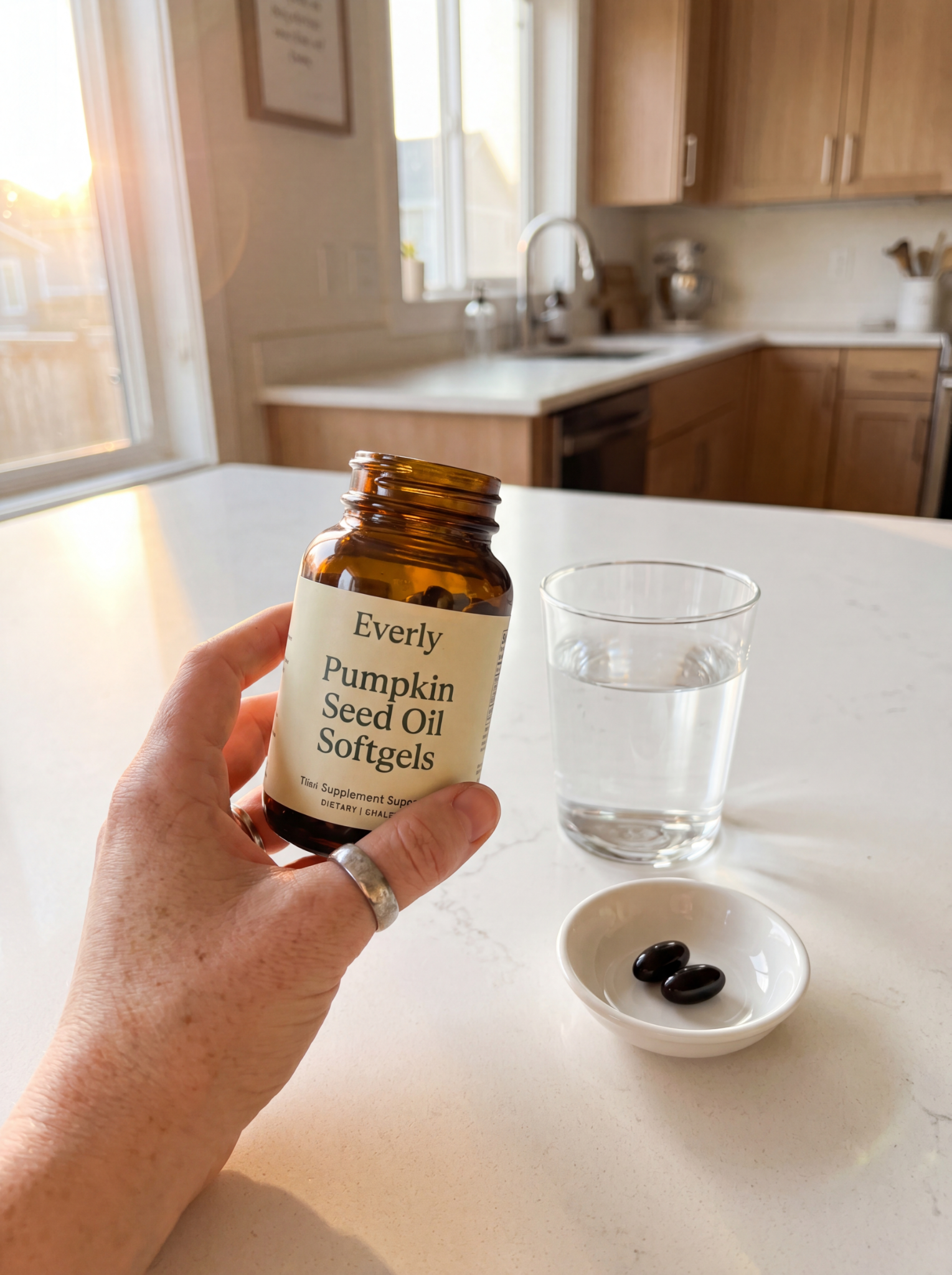
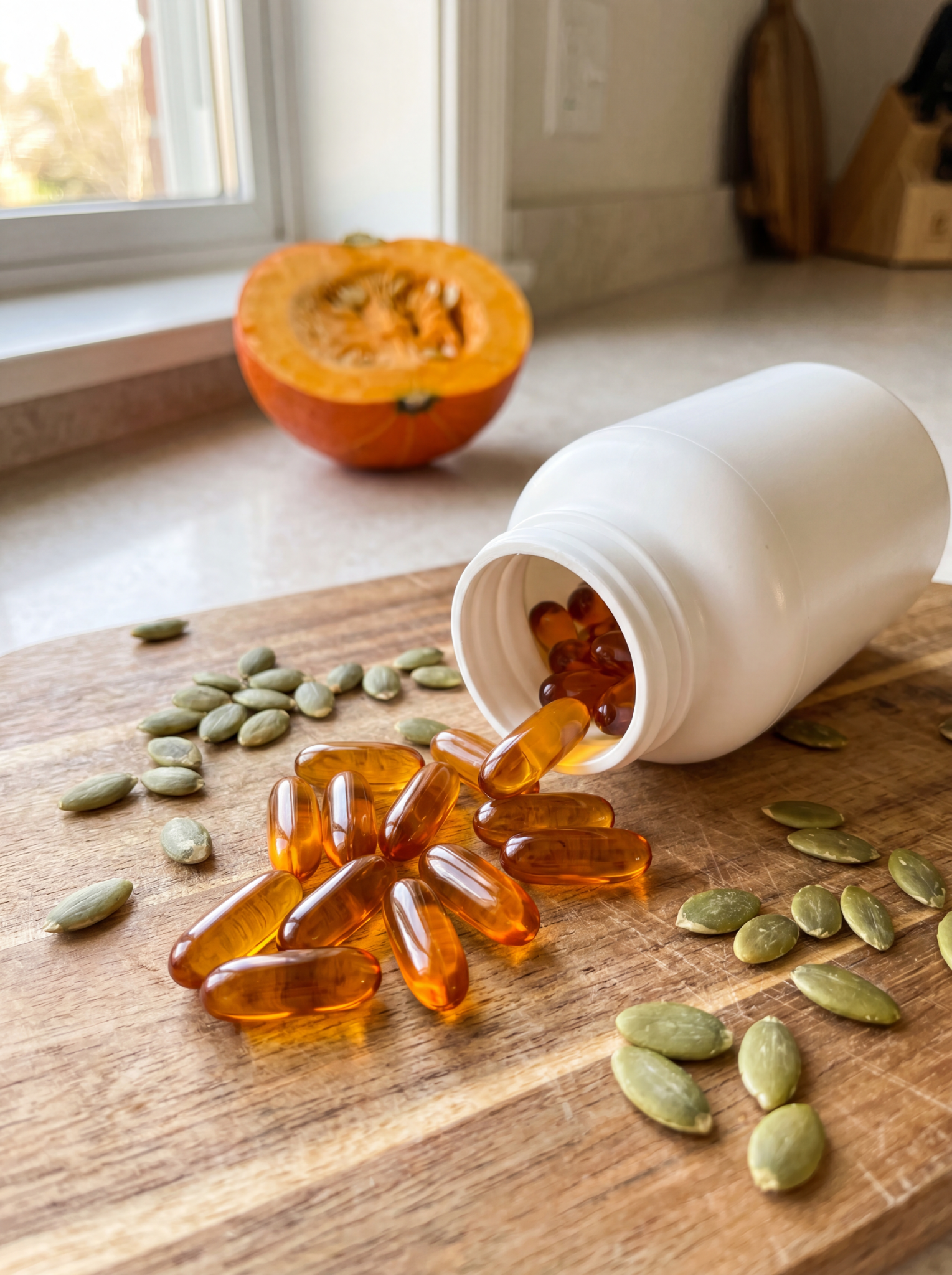
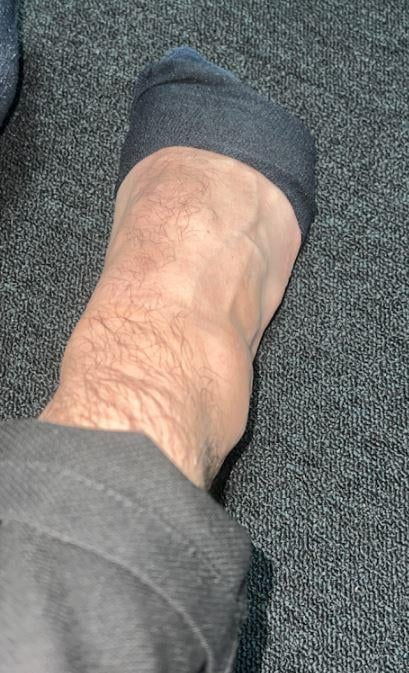
If you've noticed foam in your urine and your doctor told you to "drink more water and we'll keep an eye on it"… I'm about to tell you exactly what's happening inside your kidneys right now — and why water will never fix it. For THREE YEARS my brother Marcus watched his kidney numbers slide — and for the last eighteen months of that he watched everything else follow it down. He was 51 when his doctor first flagged protein in his urine during a routine physical. GFR of 74. "Mildly reduced," she said. "We'll monitor it." She told him to drink more water. Cut back on sodium. Come back in six months. He drank a gallon a day. Cut processed food completely. Came back in six months. GFR — 68. Protein still there. More foam in the bowl every single morning. "It's trending down a bit," she said. "Let's add an ACE inhibitor to protect the kidneys." By year two he was on lisinopril. His blood pressure was controlled. The protein was still there. GFR — 62. His ankles were starting to swell by the end of every workday. His hair was thinning at the crown and the temples — not gradually, not the slow recession you expect — clumps in the shower drain every morning. By year three his creatinine was elevated. GFR — 54. He was tired by 2 PM every single day. Not the kind of tired where you need coffee — the kind where your body feels like it's running through wet concrete. He was getting up three times a night to urinate. His joints ached in the morning. His doctor pulled up his labs and said the sentence every kidney patient dreads. "Marcus, we need to start talking about what happens if this continues." Marcus drove home and called me. "I'm 54 years old," he said. "I've done everything she asked. I drink water all day. I take the medication. I cut the salt. I cut the protein. My kidneys are still getting worse. My hair is falling out. I'm exhausted by lunch. I'm up three times a night. I can see the foam every single time I go to the bathroom. And now she's talking about what happens next." I told him: give me two weeks. --- And every single doctor he'd seen over those three years told him some version of the same thing. "Your GFR is declining but it's gradual. We'll monitor." "The protein in your urine indicates some filtration damage. That's why we have you on the ACE inhibitor." "Hair loss can be related to kidney function but there's not much we can do about that specifically." "Fatigue is common with reduced kidney function. Make sure you're sleeping enough." "The nighttime urination is your kidneys trying to compensate. It may get worse before it gets better." One of them — and this is the part that still makes me clench my jaw — treated every single symptom as a separate issue. The protein leaking — that's a filtration problem, here's the ACE inhibitor. The hair falling out — that's probably age, maybe stress. The fatigue — that's the kidney function declining, not much to do. The swelling — reduce your sodium. The nighttime urination — that's just how compromised kidneys work. Five symptoms. Five separate explanations. Five separate "management" strategies. Not one of them ever asked the question that was staring them all in the face. Why is a man with controlled blood pressure, optimal sodium intake, adequate hydration, and consistent medication compliance — still losing kidney function, still leaking protein, still losing hair, still exhausted, still swelling, still up all night? What single process would produce all five simultaneously — and why is nobody looking for it? --- So here's what they told him to try. And I need you to pay attention here because you've probably done every single one of these yourself. Water — a gallon a day for three years. GFR kept declining. Protein kept leaking. The water runs right through damaged nephrons. It hydrates the body. It does absolutely nothing to repair the filtration membrane that's letting the protein through. ACE inhibitor — eighteen months. Blood pressure controlled. Protein still present. The medication reduces the pressure on the glomeruli. That's all it does. It doesn't repair the tissue. It doesn't address why the tissue is damaged. It slows the pressure. The damage underneath continues. Low-protein diet — eight months, carefully measured. Creatinine continued climbing. Reducing the protein load on damaged kidneys is management. It's not repair. The nephrons that are damaged stay damaged. The ones still working carry a heavier load and eventually — they fail too. The kidney supplements from Amazon — the "kidney detox teas," the herbal formulas with dandelion root and astragalus and nettle leaf. Three different products over fourteen months. Nothing on the GFR. Nothing on the protein. Nothing on the hair. Nothing on the fatigue. $1,800 in kidney supplements that produced zero measurable change on a single lab value. CoQ10 and omega-3s specifically for kidney inflammation — eight months. His nephrologist suggested them. Marginal improvement in one inflammatory marker. GFR unchanged. Protein unchanged. Hair still falling. Still exhausted. Still swelling. Still up all night. Between the medications, the supplements, the specialist appointments, the dietary changes, the lab work every three months — he'd spent over $6,400 in three years. Still declining. Protein still leaking. Hair still thinning. Still exhausted by early afternoon. Still up three times a night. Doctor now bringing up the word "dialysis" at every appointment. Not as an immediate threat — as a trajectory. --- At this point I'm not frustrated anymore. I'm scared. Because I'm watching my brother — doing everything he's told, spending thousands, restricting his diet to the point where eating feels like a medical procedure — continue to lose kidney function across every marker while his doctors prepare him for a future that involves sitting in a chair three times a week hooked to a machine. Managing. Every. Symptom. Separately. Not asking why a man with controlled blood pressure and optimal hydration and medication compliance is simultaneously losing GFR AND leaking protein AND losing hair AND experiencing crushing fatigue AND swelling AND losing sleep — all six together, all six worsening in parallel, all six completely unresponsive to every intervention aimed at each. And that's when I started asking the questions his doctors never asked. Why do kidney decline, hair loss, fatigue, and joint inflammation happen together so consistently in the same patients? What single mechanism would produce all of them simultaneously? Why does managing the blood pressure never touch the protein leakage? Why does reducing the dietary protein never reverse the GFR decline? Why does hydration never clear the foam? What upstream cause is running all of them — and why is nobody looking for it? --- So I went down a rabbit hole. A deep one. I started researching not how to manage kidney numbers or reduce protein load separately — both had been tried for three years — but what single mechanism would produce GFR decline, protein leakage, hair loss, fatigue, AND nighttime urination simultaneously in someone whose blood pressure and hydration were already optimized. Every mainstream site gave me the same recycled answers. Drink water. Reduce sodium. Take your medication. Prepare for decline. Then I found a research paper that reframed everything. Not a wellness blog. Not a TikTok doctor. Peer-reviewed nephrology and nutrition research. And it connected something I had never seen connected in three years of searching. Oxidative stress at the nephron membrane. And why kidney decline, protein leakage, hair loss, fatigue, and fluid retention happen from the same cellular process — in the same patients — at the same time. --- Here's what I learned. Your kidneys filter 200 liters of blood every single day through structures called nephrons. Each nephron has a filtration membrane — a barrier made of specialized cells called podocytes — that decides what stays in your blood and what gets filtered out. Protein is supposed to stay in. Waste is supposed to leave. When oxidative stress damages those podocyte cells, the filtration membrane develops gaps. Protein slips through. That's the foam in your urine. That's the albumin on your lab report. That's the "proteinuria" your doctor is monitoring. But the water you're drinking can't repair a damaged podocyte. The ACE inhibitor can reduce the pressure pushing against the damaged membrane — but it can't rebuild the membrane itself. The low-protein diet reduces what's available to leak — but the gaps stay open. None of them touch the oxidative damage running underneath. And here's the piece that connected the hair loss, the fatigue, the swelling, and the nighttime urination to the same signal. The same oxidative stress damaging the nephron membranes is simultaneously depleting zinc at the follicle level — and zinc is the mineral your hair follicles require to maintain their growth cycle. When zinc drops, follicles shift from growth phase to shedding phase. Not from age. Not from genetics. From the same oxidative depletion that's damaging the kidneys. The fatigue — your kidneys produce erythropoietin, the hormone that tells your bone marrow to make red blood cells. Damaged nephrons produce less of it. Fewer red blood cells means less oxygen delivery. Less oxygen delivery means the concrete-through-your-veins exhaustion that hits by early afternoon and no amount of sleep fixes. The nighttime urination — damaged kidneys lose the ability to concentrate urine properly. The fluid that should be retained during sleep gets pushed through instead. You're not up three times because you drank too much water. You're up because your kidneys can't hold what they're supposed to hold overnight. The joint inflammation and swelling — the same oxidative cascade producing the nephron damage is driving systemic inflammation that accumulates in the joints and extremities. Your ankles swell. Your knees ache in the morning. Same signal. Different output. Five symptoms. One oxidative process. Running all five simultaneously. The protein leaking — oxidative damage to the podocyte membrane creating gaps. The hair falling — oxidative zinc depletion shutting down follicle cycling. The fatigue — damaged nephrons producing insufficient erythropoietin. The nighttime urination — compromised concentration ability in damaged tubules. The swelling and joint pain — systemic inflammation from the same oxidative cascade. All five worsening together. All five unresponsive to separate treatments for each. Because none of those treatments touched the oxidative damage running all five from the cellular level. --- And here's the part that made me sit in the dark staring at my phone screen for twenty minutes. The connection between oxidative stress and podocyte damage is in the nephrology literature. The role of zinc depletion in hair follicle cycling is documented. The relationship between nephron damage and erythropoietin production is textbook physiology. But the standard clinical protocol for patients with declining GFR and proteinuria doesn't include an intervention targeting the oxidative process running all of it. Doesn't ask whether the same damage destroying the filtration membranes is also depleting the zinc and suppressing the erythropoietin and driving the inflammation. Because there's no patented pharmaceutical for nephron-level oxidative repair. You can't bill for it. There's no revenue in identifying the single upstream process and addressing it at the source. There IS revenue in the ACE inhibitor for life. The EPO injections when the anemia gets bad enough. The phosphate binders when the numbers cross another threshold. The dialysis chair when everything finally fails. Each symptom generating its own billing code. Each decline generating its own intervention. None of them repairing the membrane. None of them addressing the oxidative process that damaged it. --- So I kept digging. Looking for what actually protects and repairs the nephron membrane at the cellular level — not manages the output of the damage, not slows the pressure on the broken membrane — actually provides the raw material the podocytes need to resist oxidative stress and maintain structural integrity. And I found one compound appearing consistently in peer-reviewed research — not wellness content — as the specific answer. Pumpkin seed oil. Not the roasted seeds from a Halloween bag. Not the cooking oil from the grocery store. The cold-pressed oil from Styrian pumpkin seeds — Cucurbita pepo — specifically studied for what happens to kidney tissue, zinc status, inflammatory markers, and urinary protein levels when the bioactive compounds reach the nephrons at therapeutic concentration. The research identified the mechanism. Pumpkin seed oil delivers a concentration of Delta-7-sterols, squalene, and tocopherols directly to the nephron tissue. The Delta-7-sterols stabilize the podocyte cell membranes — literally reinforcing the barrier that oxidative stress has been degrading. The tocopherols — natural vitamin E compounds — scavenge the free radicals at the membrane level before they can damage additional podocytes. The squalene supports the anti-inflammatory cascade that reduces the swelling, the joint pain, and the systemic inflammation driving the damage. Simultaneously, the zinc content in cold-pressed pumpkin seed oil is bioavailable at a level that replenishes what the oxidative process has been depleting. Follicles that shifted into shedding phase from zinc depletion begin cycling back. Not from a zinc pill that your gut may or may not absorb — from a fat-soluble delivery system that carries the zinc into the tissues where the deficiency exists. And the phytosterols address the bladder and urinary function directly — relaxing the smooth muscle of the bladder wall, reducing urgency, reducing the nighttime frequency that's been destroying your sleep for months or years. Five mechanisms. One oil. Because the symptoms were always running from the same deficiency. --- My brother tried to find a pumpkin seed oil that matched what the research described. First — the highest-rated one on Amazon. Five stars. Thousands of reviews. Cheap. Six weeks. Nothing changed. Foam still there. Hair still falling. GFR still declining at his next lab draw. Second — a "premium" brand from a health food store. Cold-pressed on the label. Eight weeks. Maybe slightly less fatigue. Every kidney marker unchanged. Foam unchanged. Hair unchanged. He went back to the research. Read the methodology carefully. The studies showing nephroprotective effects and measurable proteinuria reduction used oil from a specific cultivar — Styrian pumpkin seeds — cold-pressed without heat or chemical extraction — at a concentration that delivered therapeutic levels of the Delta-7-sterols and tocopherols to the tissue. He looked at both bottles. The Amazon one listed "pumpkin seed oil" with no cultivar specified, no pressing method, no standardization. Could have been any pumpkin. Could have been heat-extracted. Could have been sitting on a warehouse shelf for two years while the tocopherols oxidized into nothing. The health food store brand was cold-pressed — maybe — but in bulk liquid form where every time you open the bottle the oil oxidizes further. The active compounds degrading with every exposure to air. Fourteen weeks of products that looked right on the label but couldn't reach the nephrons at any meaningful concentration. Between the ACE inhibitor, the dietary protocols, the specialist appointments, the kidney detox teas, the generic pumpkin seed oils — he'd spent over $6,400 in three years. GFR still dropping. Protein still leaking. Doctor still preparing him for what comes next. --- And I'm researching late one night — scrolling through a kidney health group — and I see someone mention a small company called Everly. Different man. Different state. Same story. GFR declining on medication. Protein in the urine that wouldn't resolve. Hair loss accelerating. Fatigue that made every afternoon feel impossible. Tried generic pumpkin seed oils. Nothing changed. He'd found the oxidative connection. Tried Everly. Posted his four-month labs. GFR — up nine points. Protein in urine — reduced by more than half on the dipstick. Hair shedding stopped at week six. Sleeping through the night by week four. Someone in the thread asked what was different about this one versus the others. "Cold-pressed Styrian pumpkin seed oil in softgel form — no air exposure, no oxidation. The bioactives actually reach the tissue intact. The ones in the bottle oxidize every time you open the cap. The cheap ones aren't even the right cultivar. This one is." I went to their site. Ready to be disappointed again. Cold-pressed from Styrian pumpkin seeds. Sealed in individual softgels — no air exposure, no progressive oxidation. The Delta-7-sterols, tocopherols, squalene, and bioavailable zinc preserved from pressing to absorption. No fillers. No unnecessary additives. The active compounds reaching the tissue at the concentration the research actually used. Not a kidney medication. Not a hair supplement. Not a sleep aid. A nephron-level protective oil that addresses the oxidative process running all five symptoms simultaneously. --- My brother started taking Everly. After ten days? He noticed the foam. Not gone — but different. Less dense. Less persistent. For the first time in three years the foam in the bowl didn't sit there for minutes. It started breaking up within seconds. The protein load pushing through the membrane was reducing because the membrane was getting the support it needed to close the gaps. After three weeks? He slept through the night. For the first time in eighteen months he went to bed and opened his eyes and it was morning. No 1 AM trip. No 3 AM trip. No 5 AM trip. His wife told me the next day because Marcus didn't want to say anything yet. He didn't want to jinx it. He slept through the night for four nights in a row. After five weeks? The shower drain. He told me he stood there looking at it after his shower and it hit him — there was almost nothing in it. The clumps that had been accumulating every morning for two years were gone. Not reduced. Gone. The zinc reaching the follicles was cycling them back from shedding phase. His barber noticed at his next appointment. "Whatever you changed up top is working." After eight weeks? The swelling. His wife noticed first — his ankles at the end of the day. The puffiness that had been there for eighteen months was visibly reduced. His shoes fit differently in the evening. The systemic inflammation that had been pooling in his extremities was clearing as the oxidative cascade driving it was interrupted at the source. After twelve weeks? He went back to his nephrologist for quarterly labs. GFR — 63. Up from 54 at his lowest. Nine points. Protein in urine — reduced by more than sixty percent on the quantitative measure. Creatinine — improved. His nephrologist pulled up the previous eighteen months of labs. Looked at the trend. Looked at the current panel. Looked at Marcus. "Your GFR has reversed direction for the first time since I've been seeing you. Your proteinuria is significantly reduced. Your creatinine has improved. What changed?" Marcus told her. The oxidative damage at the podocyte level that none of the medications were addressing. The pumpkin seed oil delivering the compounds that stabilize the membrane and quench the free radicals and replenish the zinc. The softgel form that prevents the oxidation that destroys the active compounds in bottled oils. His nephrologist wrote notes for a long time. "The nephroprotective properties of Cucurbita pepo oil are in the literature," she said. "The Delta-7-sterol data on podocyte membrane integrity is published. I don't typically recommend it because it's outside the standard protocol. But a nine-point GFR improvement and this level of proteinuria reduction in twelve weeks — on the same medications — that's significant." Long pause. "Whatever you're taking — keep taking it. I want to see you back in three months. And Marcus? We're not having the dialysis conversation today." Not having the dialysis conversation. After three years of being prepared for it. --- Total improvement at six months: GFR up 14 points. Protein in urine reduced to trace. Hair regrowth visible at the crown and temples. Sleeping through the night every night. Ankle swelling gone. Joint pain minimal. Energy sustained through the full day. Same medications. Same diet. Same hydration. Adding the one thing his kidneys had been missing — the raw material to repair what was broken. Not from another ACE inhibitor managing the pressure on a membrane that stays damaged. Not from more water flushing through nephrons that can't filter properly. Not from a kidney detox tea that doesn't contain a single compound the podocytes actually need. From giving the nephrons what they require to resist the oxidative damage and rebuild the filtration barrier at the cellular level. One oil. All five symptoms resolving. Because they were always running from the same deficiency. --- This is what they're not telling you. Because the second you provide your nephrons with the Delta-7-sterols and tocopherols they need to stabilize and rebuild — the protein stops leaking through the membrane. The foam clears from the bowl. The zinc replenishes and the hair cycles back. The inflammation subsides and the swelling drains. The kidneys recover enough function to concentrate urine overnight and you sleep through the night for the first time in years. And suddenly you don't need the trajectory they've been preparing you for. --- Now here's what I need you to understand. The oxidative damage doesn't stop on its own. Every month it keeps running is another month of podocytes degrading. Another month of protein leaking through wider gaps. Another month of your GFR sliding toward a number that triggers a conversation you don't want to have. Another month of hair you won't get back. Another month of exhaustion and swelling and broken sleep while your doctor charts the decline and prepares the next intervention. So if you're dealing with ANY of this — foam in your urine that your doctor says to "just monitor," a GFR that keeps sliding despite doing everything right, hair falling in clumps despite your age, fatigue that coffee can't touch, swelling in your ankles by the end of every day, getting up multiple times every night while your doctor prepares you for what comes next — this is the time. Not next quarter when the GFR drops another five points. Not when creatinine crosses the threshold. Not when someone says the word "dialysis" and means it. Right now. Everly Pumpkin Seed Oil Softgels. Cold-pressed Styrian pumpkin seed oil. Sealed softgels — no oxidation, no degradation. Delta-7-sterols, tocopherols, squalene, and bioavailable zinc preserved and delivered intact. Your nephrologist isn't coming to identify the oxidative process degrading your podocytes and depleting your zinc simultaneously. There's no protocol for it. There's no prescription for it. There's no billing code for it. The medications they're prescribing manage the outputs. Nobody is repairing the membrane. You have to repair it yourself. 👉 https://try.shopeverly.shop/esl
🎃 Natural Support for Your Daily Routine
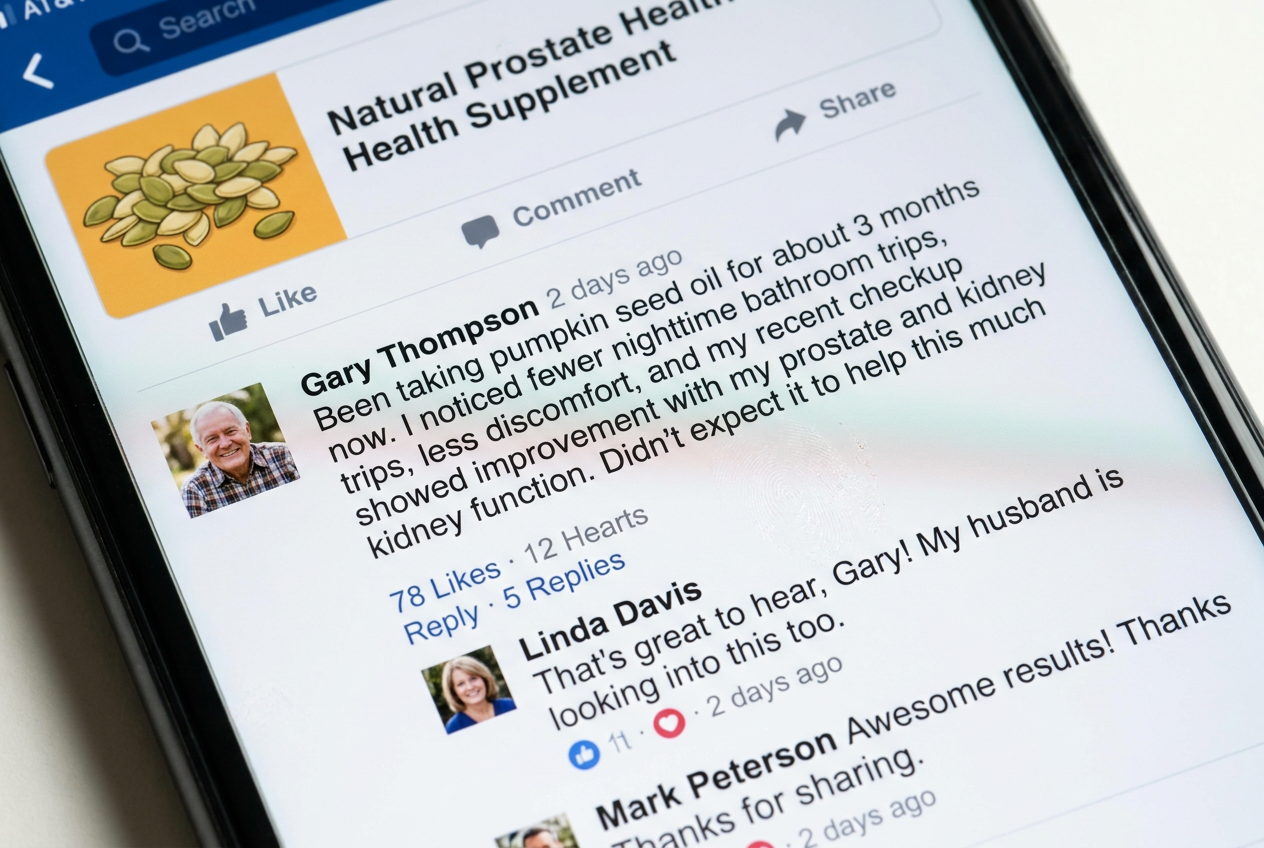
“I’ve been feeling stronger and more balanced since taking Everly Pumpkin Seed Oil. My bladder feels so much calmer, I’m sleeping through the night again, and my hair feels thicker than it has in years. I love how natural it feels — just pure support for my body.”
LEARN MORELike this ad? Make it yours.
Crush rebuilds this exact creative around your product — your brand, your colors, your offer — in about a minute.