
Inactive· since May 1, 2026
- 32
- days it ran
- 0
- relaunches
Ad copy
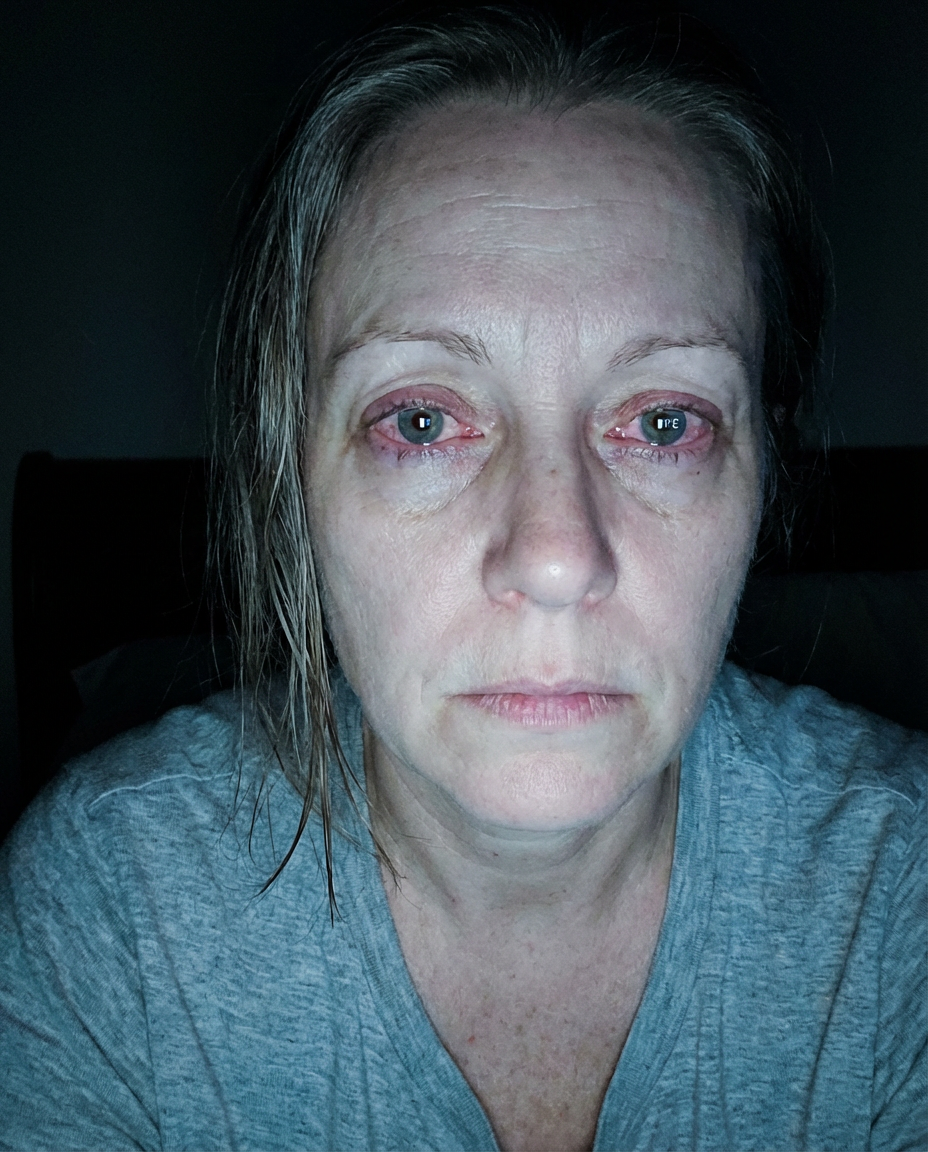
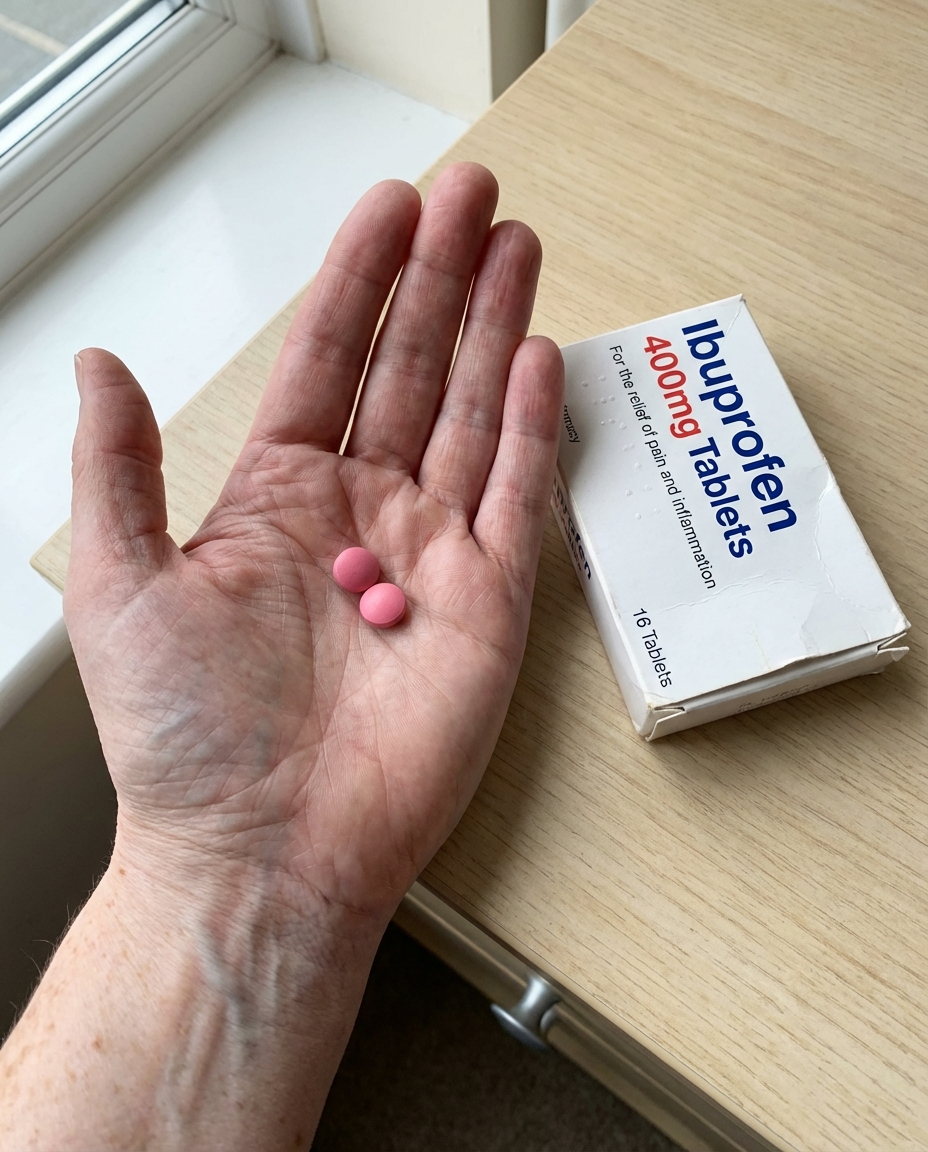
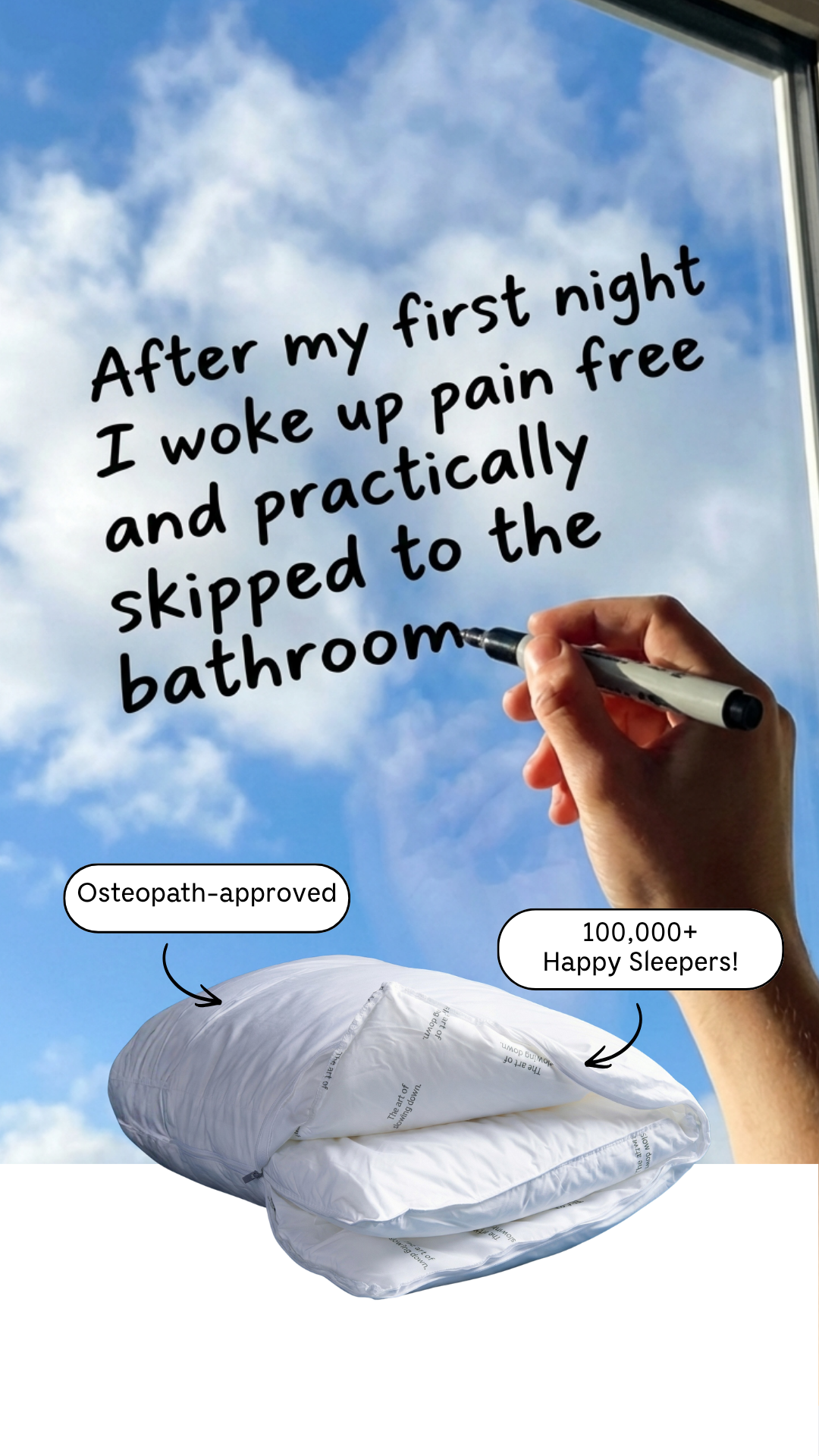
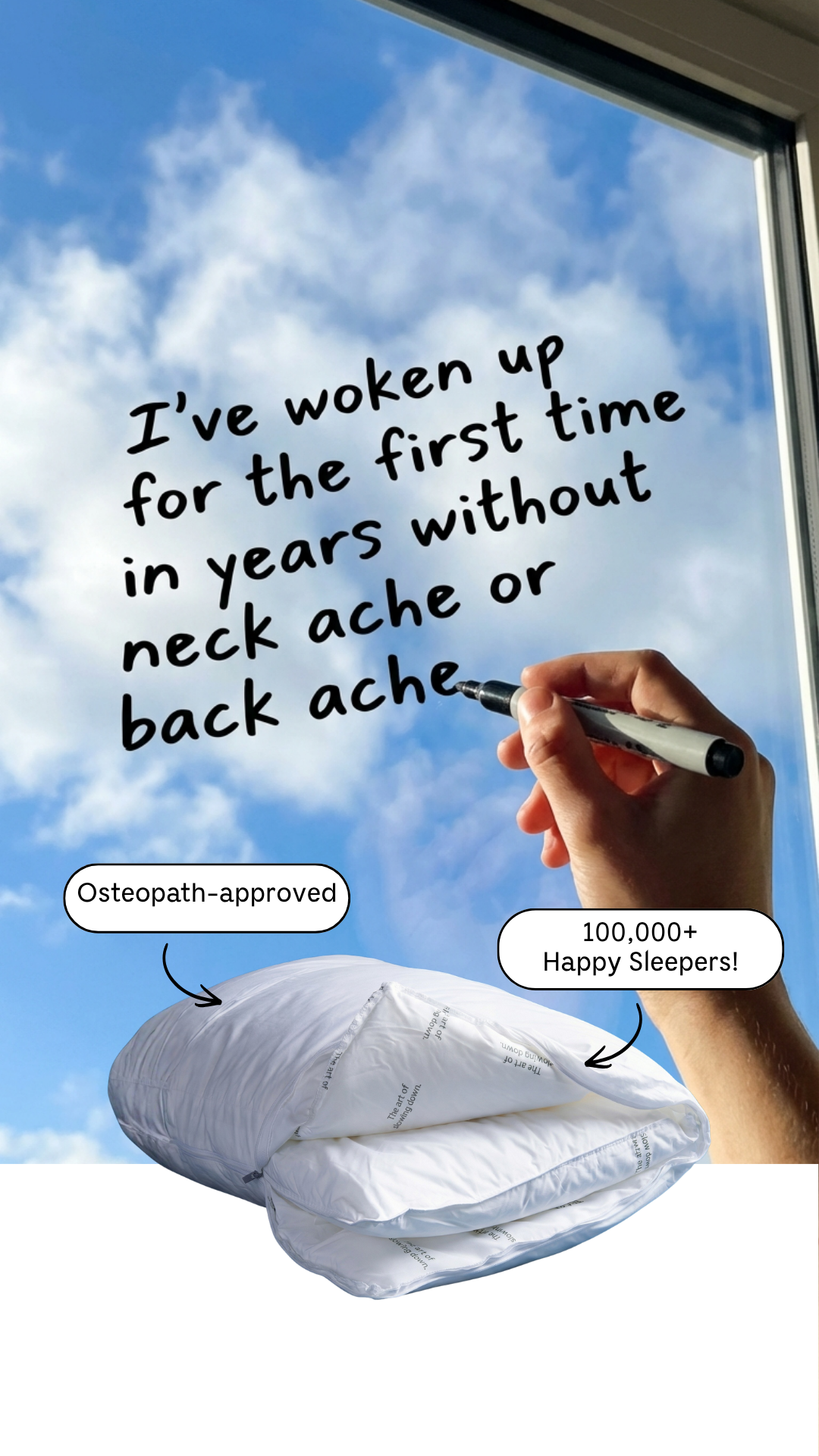
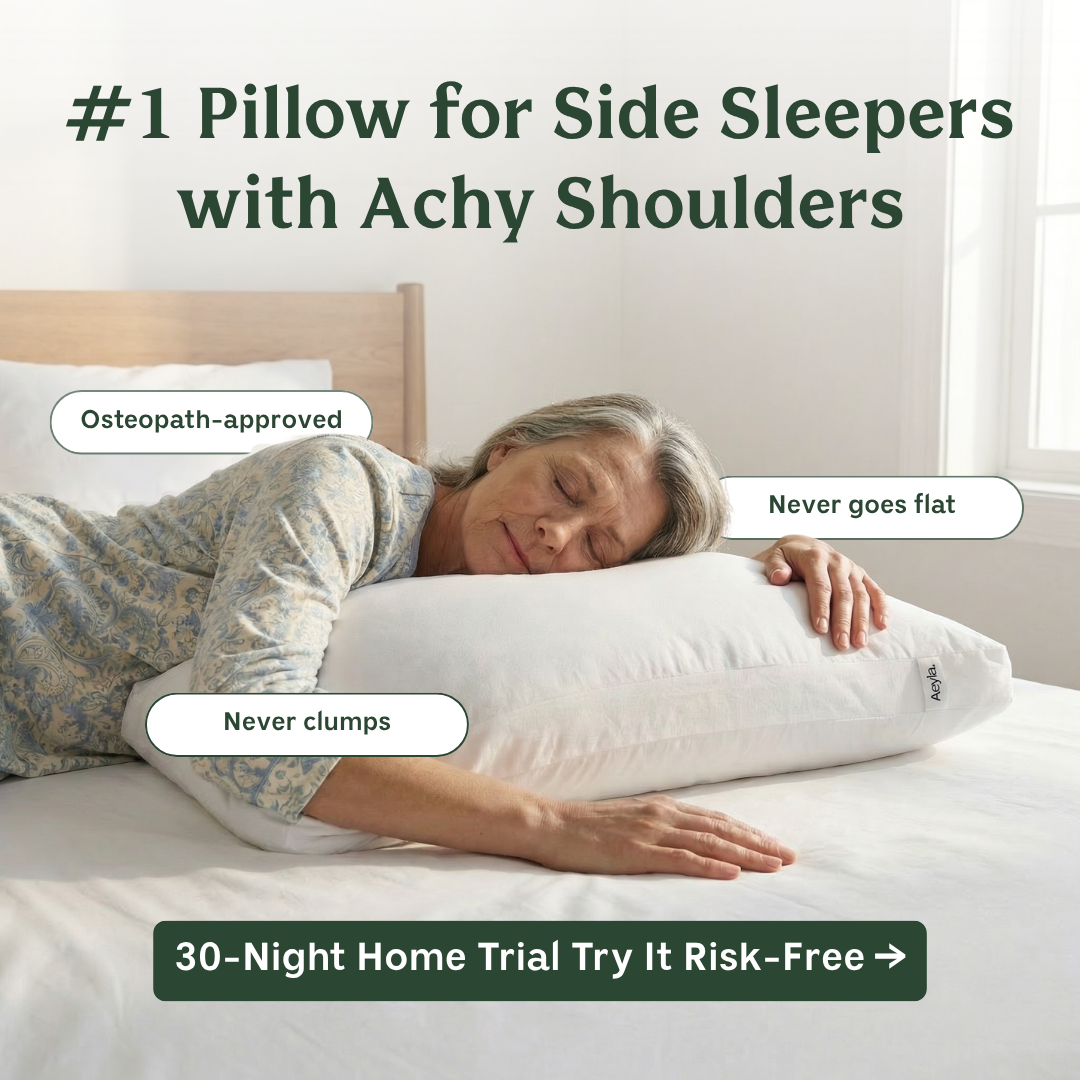
I've had the same pillow for four years. Free with the bedding set. Can't complain. Except I've been complaining to Brian every single morning. I've had the same pillow for four years. Came free with a bedding set from the January sales. Can't complain. Except I've been complaining to Brian every single morning. I'm Pauline. 63. Retired accounts manager from Derby. Did everything right. New mattress three years ago. Good one. £900. Spent three Saturdays in furniture shops lying on display beds feeling ridiculous. Invested in a decent duvet. Bought blackout curtains. Did the whole sleep hygiene thing — no screens after nine, bedroom cool, all of it. Still woke up every morning with the same stiff neck. Not bad enough to stop me functioning. Just there. Before I had moved. Before I had done anything at all. A tightness at the base of my skull, a dull ache across my right shoulder, twenty minutes of careful movement before I felt like myself. Four years of that. Brian stopped asking how I had slept about two years ago. Same reason he stopped asking if it was raining. The answer was always the same and neither of us could do anything about it. Living with it becomes a full-time job. The morning rotation. Standing at the bedroom door rotating my neck before I trusted myself on the stairs. The ibuprofen I kept on the bedside table for the bad days. The way I had stopped sleeping on my left side because the shoulder pain was worse that way. The careful way I got in and out of the car. And through all of it, the pillow sat there on the bed. Free with a bedding set. Never once examined. Never once questioned. But they were free. And you do not complain about free. Last month at my book group, Janet sat down with her tea. "I've sorted my neck," she said. "What do you mean sorted it?" "Changed my pillow. Sixty-nine quid. No more morning stiffness." "Sixty-nine? What is it, one of those memory foam things? I've tried memory foam. Gave me headaches." "No, different. It's two pillows inside each other. Different layers. My daughter sent me an article about it — a UK osteopath tested all the main ones. This one came out best for neck alignment. Same kind of thing they use in hotels apparently." "Any good?" "Pauline, I've not taken ibuprofen in the morning since week two. And I've had it six weeks." I looked at her. Janet is not someone who exaggerates. She is the most practical person I know. If Janet says something works, it works. "Who makes it?" "UK brand. Aeyla. The Dual Pillow. Sixty-nine pounds. Thirty-night trial, full refund if it doesn't work." "And your daughter found this?" "She found the article. The osteopath one. I'll send it over. Read it yourself, make up your own mind." That evening I read it. A UK osteopath with over twenty years in clinical practice had done something I had never seen before. She had examined the structural engineering of the most commonly purchased pillows in Britain and written about precisely why most of them fail — not opinion, not preference, but the specific mechanical reason that a standard single-material pillow cannot do what a sleeping neck actually needs. What she said about standard pillows stung a bit. Not because she was harsh — she was not. But because it described exactly what I had been doing for four years. She explained that the problem was not softness versus firmness. That was the question I had been asking wrong the entire time. Soft pillow, firm pillow, medium pillow — all variations on the same architectural limitation. Your skull weighs between 5 and 6 kilograms. During sleep it needs to be held at a precise height relative to your spine to maintain the natural cervical curve. If it drops too low, the neck muscles engage to compensate. If it sits too high, they engage in the other direction. Either way, those muscles hold sustained tension for eight continuous hours. You do not feel it happening. You feel it before you have even opened your eyes. The additional problem is position changes. Adults shift sleeping position between 20 and 40 times per night without knowing it. A standard single-material pillow is, at best, correctly positioned for one of those positions. At every transition it is either too firm or too soft, and the neck musculature is compensating accordingly all night long. That is what I had been doing for four years. Not because my pillow was cheap. Because it was architecturally incapable of doing two things at once. Then she broke down what the standard alternatives actually give you. Silentnight memory foam at £45–£65 — the most commonly owned pillow in Britain. Single density. Softens progressively as body heat builds through the night. Least supportive during the second half of sleep, precisely when the neck muscles are most fatigued and most dependent on external support. Simba Hybrid at £120–£175 — adjustable fill that sounds clever and migrates to the edges under sustained pressure. By mid-sleep the area directly beneath the skull has lost between 40 and 60 percent of its original density. Works at the moment you lie down. Not at 3am. Dunlopillo latex at £60–£90 — uniform density throughout. No adaptive layer. Works for one sleeping position. Fails at every subsequent transition. John Lewis Specialist Synthetic at £50–£70 — microfibre fill that compresses under 90 minutes of sustained pressure. Measurable height loss by mid-sleep. Medium support means it underperforms at both firmness and comfort simultaneously. Tempur at £150–£180 — premium memory foam with warmth-activated softening. Same progressive support reduction as Silentnight. Firmest when you lie down. Softest — and least supportive — by the early hours. Not one of them could do two things at once. Not one of them was built on an architecture that even attempted to solve both problems simultaneously. She explained what actually solves it. The only pillow construction that maintains correct head height across every position change and cushions the pressure points without compromising the structural support is a genuinely dual-layer design. A firm inner core to hold the skull at the correct height regardless of how many times you shift during the night. A softer outer layer to cushion the contact surfaces — the ear, the temple, the jaw — without allowing the support beneath to give way. Not two densities of the same foam. Two different materials doing two different jobs. She mentioned the Aeyla Dual Pillow specifically. UK brand. Osteopath-endorsed. Oeko-Tex certified — independently verified free from harmful chemicals. A pillow-within-a-pillow construction. Thirty-night trial, full refund, free returns. That made sense to me immediately. I spent thirty-five years in accounts. I know what a structural argument looks like and I know what a marketing argument looks like. This was the former. Brian read it over my shoulder. "It's less than we spent on that useless lumbar support cushion. Just try it." Ordered it that night. Three days later. Proper packaging. Clear information. The kind of presentation that tells you a company expects you to keep the product rather than return it. I unzipped the outer layer before I put it on the bed. Janet had described it and I wanted to see it for myself. The inner core was genuinely firm — structural and resistant in a way that was immediately different from anything I had previously held. The outer layer was genuinely soft without any sense that the support beneath it would compress under body weight. No chemical smell. No synthetic off-gassing. Two different materials doing two different things, exactly as described. I put it on the bed and told myself I had thirty nights and a full refund, and that was the ceiling on my optimism. First night. I noticed the position. My head was higher than it had been. Not uncomfortably higher. Correctly higher. Different. Night three I woke at 5:50am. I had been waking at approximately 3am for over a year with no explanation I had ever been able to identify. Night five I did the morning assessment — lying still before sitting up, waiting for the stiffness to register. It was quieter. Not absent, but background rather than foreground. I sat up without bracing. Week two Brian asked at breakfast if I had changed something. I had apparently stopped doing the neck rotations at the kitchen window that had been part of every morning for so long that neither of us had thought to name them until they were gone. Week three I got out of bed on a Tuesday morning and walked directly downstairs. No pause at the door. No rotation. No assessment. The stiffness that had been the first fact of every morning for four years was simply not there. I stood at the kettle and registered the absence of something I had accepted as permanent. I am not someone who makes a fuss. I made the tea and thought: it was the pillow. Four years. The thing that came free with a bedding set. Six weeks now. The ibuprofen is still on the bedside table. I have not needed it since week two. Janet. Me. Brian ordered his own after watching me for three weeks. My sister Margaret ordered one after I sent her the article — she had been waking with shoulder pain for two years and attributed it to tension at work. Two weeks in, she rang to say the shoulder pain had stopped. Four of us now. Four people who had accepted morning pain as the cost of getting older, or stress, or bad luck, and discovered within a month that it was the cost of sleeping on a pillow that could not do two things at once. Here is what I worked out. £69. Thirty nights included in the purchase price. The pillow will last considerably longer than thirty nights — mine shows no sign of changing at six weeks and the construction suggests years of use. Let us say two years conservatively. £69 divided by 730 days. Less than ten pence per day. I was spending more than that on the ibuprofen. And I nearly did not buy it because the pillow I had was free and I did not question free. Listen, I am not telling you to throw out your pillow. I am 63, not your osteopath. But if you are waking up every morning with a stiff neck and you have spent money on a mattress, a physio, a lumbar support, a standing desk, and anything else that addresses the hours you are awake — and you have not spent a penny examining the thing your head rests on for eight hours every night — you should know there is something worth looking at. Same osteopath-endorsed dual-layer architecture as hotel pillows. Without the price. Without the waiting. Without the compromise. The article Janet's daughter found is here: aeyla.co.uk/pages/best-hotel-pillows-uk-2026 UK osteopath. Tested the main options. Every pillow examined, every structural failure explained. Read it yourself. Make up your own mind. If you do want to try the Aeyla Dual Pillow: aeyla.co.uk/products/the-dual-pillow £69. Thirty-night trial. Free returns. UK brand. Osteopath-endorsed. Oeko-Tex certified. Still £69 last time I checked. Pauline Fletcher, 63, Derby. Four years of free pillow. Turns out ten pence a day was the better deal. P.S. Janet will not stop mentioning it at book group. Every time someone says they slept badly she says: "Have you looked at your pillow?" Margaret says she is insufferable. I have not told her she was right because it will only make it worse. P.P.S. Aeyla do not pay me to write this. I have no commercial relationship with any sleep brand. I am a retired accounts manager from Derby who spent four years accepting morning pain as inevitable, read an article on a Tuesday evening, ordered a pillow, and woke up without pain for the first time in four years on week three. Your neck deserves that.
what no one tells you about your neck pain
We tested 8 hotel-quality pillows. The winner replicates the hotel pillow menu in a single product. From 19p a night.
LEARN MORELike this ad? Make it yours.
Crush rebuilds this exact creative around your product — your brand, your colors, your offer — in about a minute.