
Active· since May 1, 2026
- 136
- days running
- 0
- relaunches
Ad copy
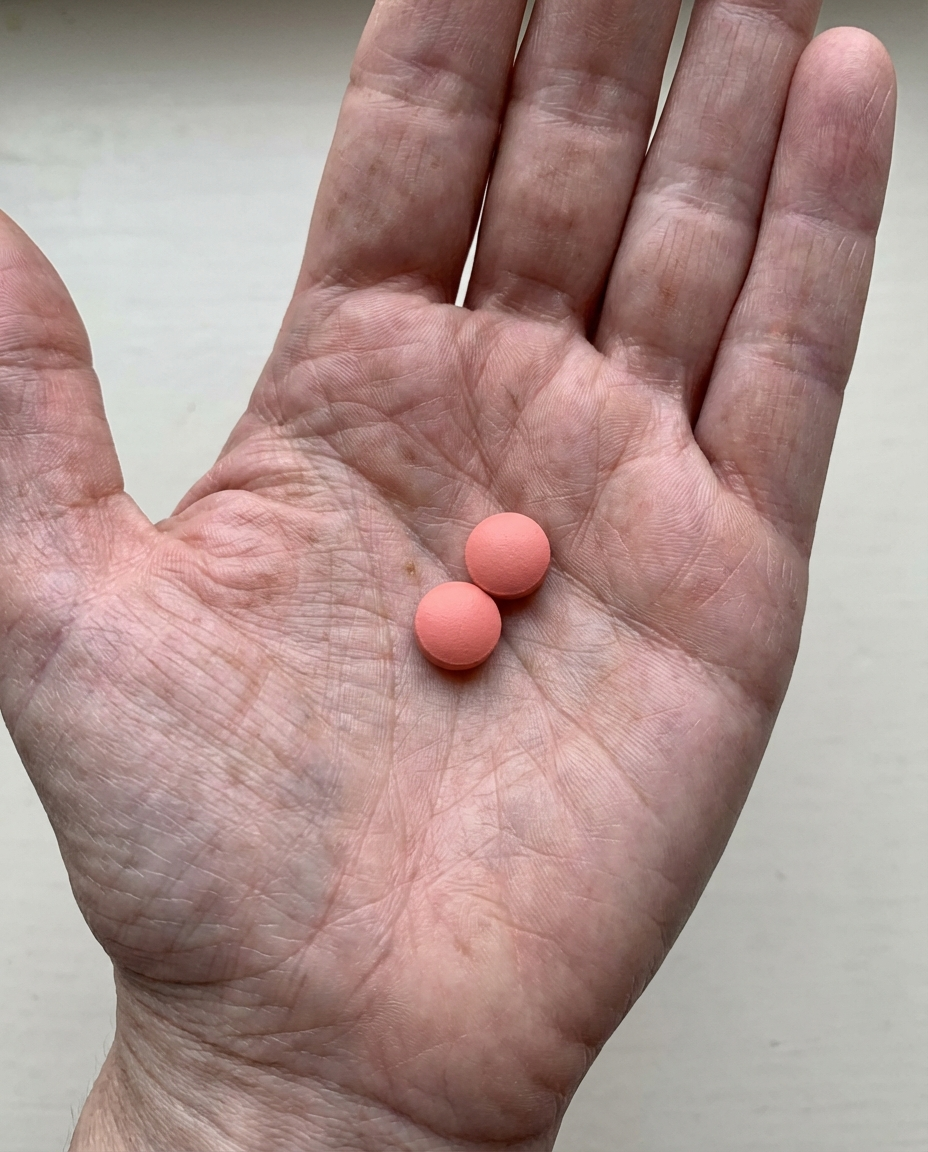
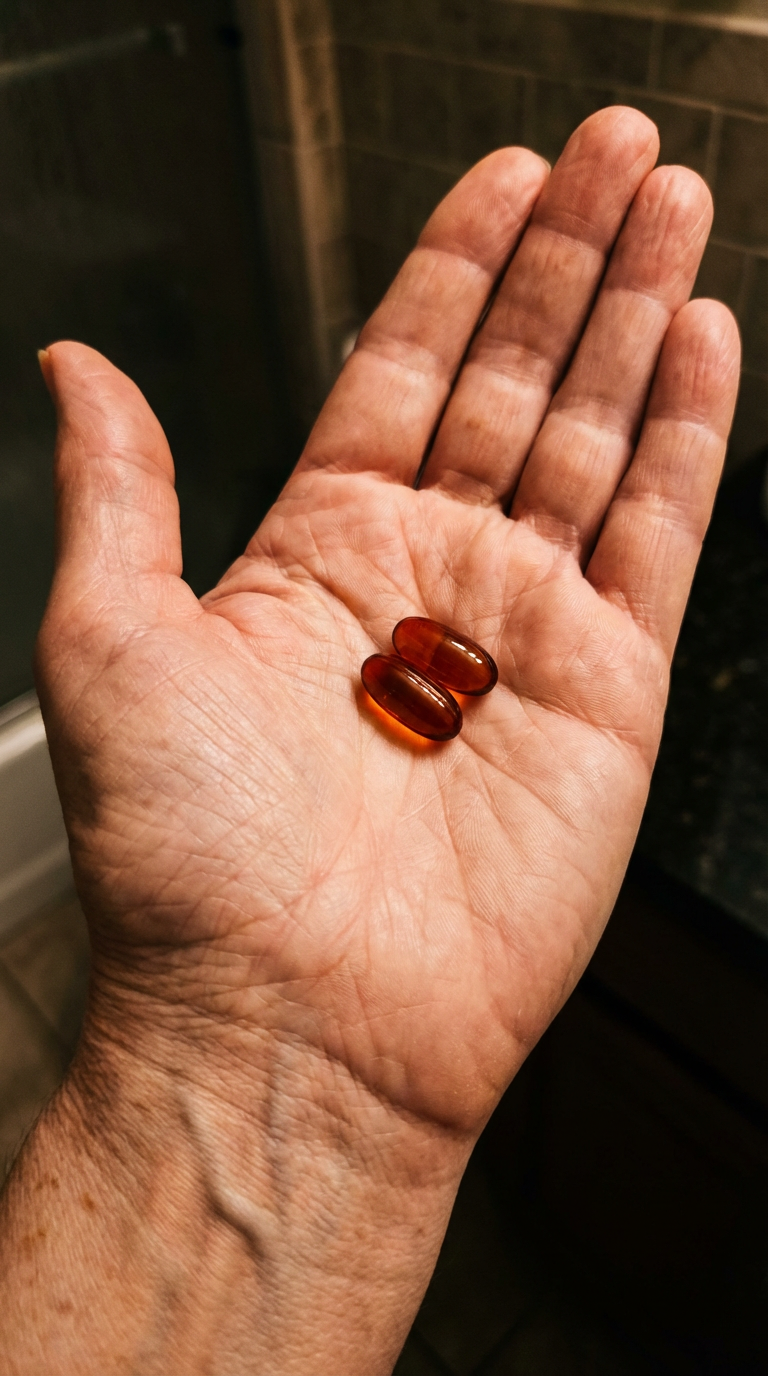
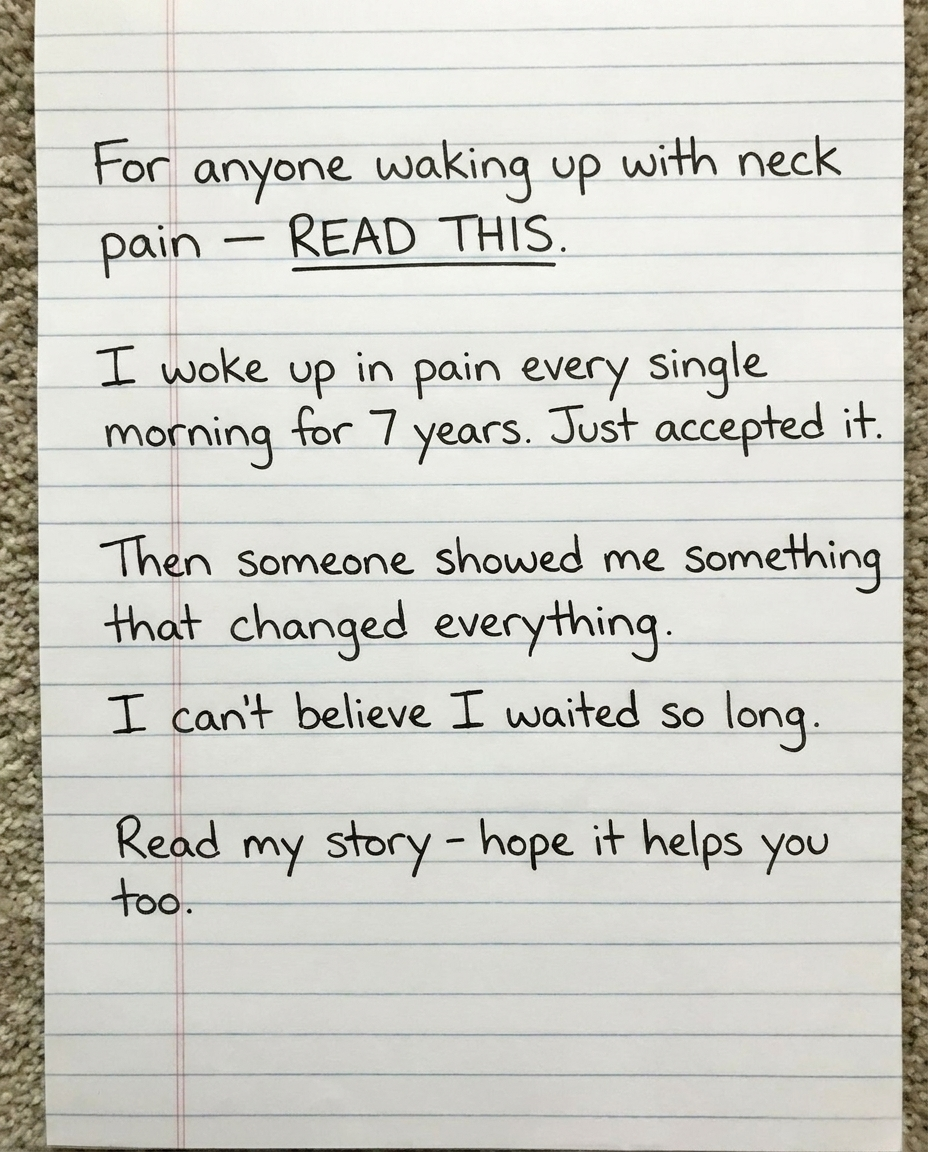
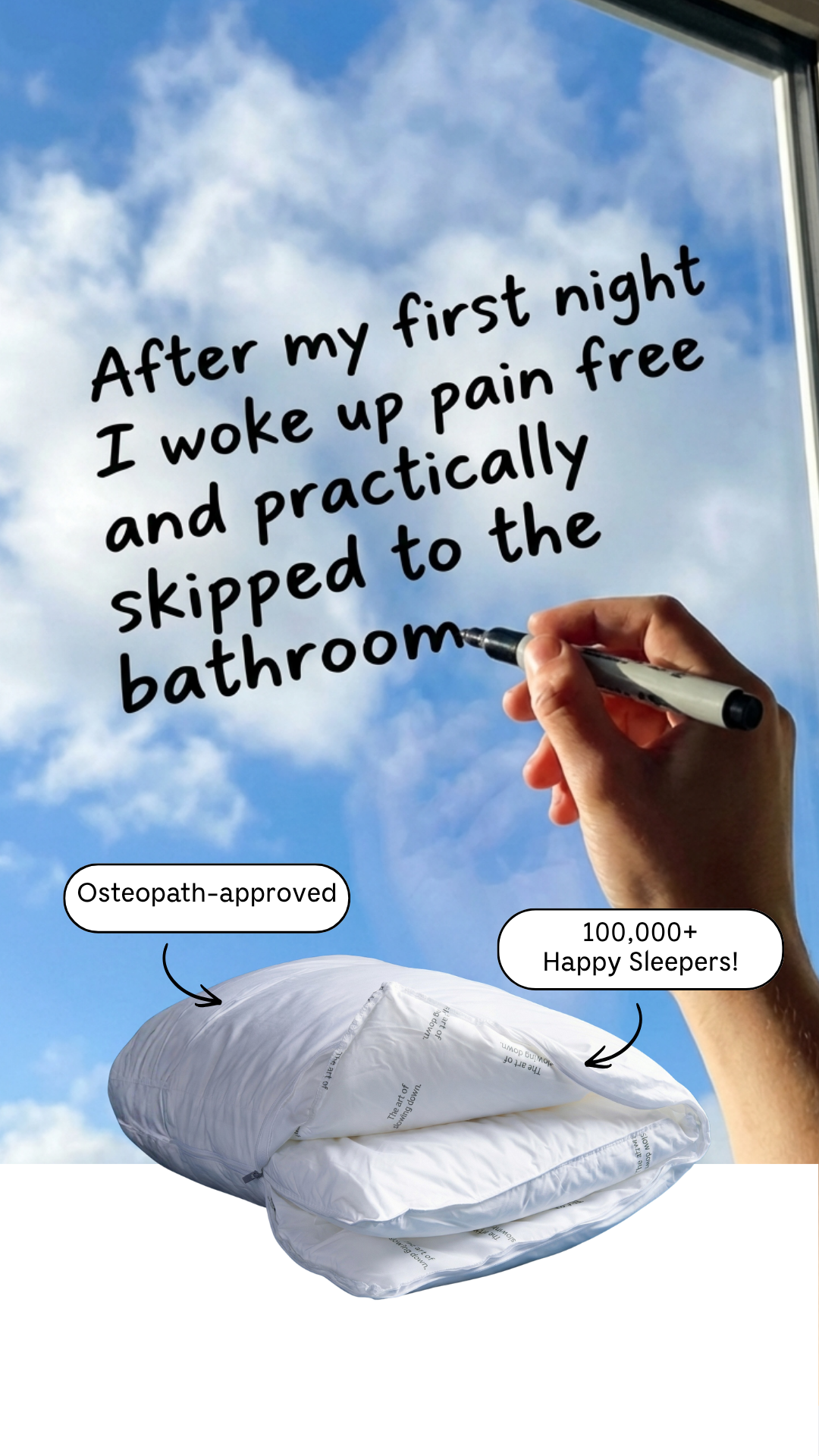
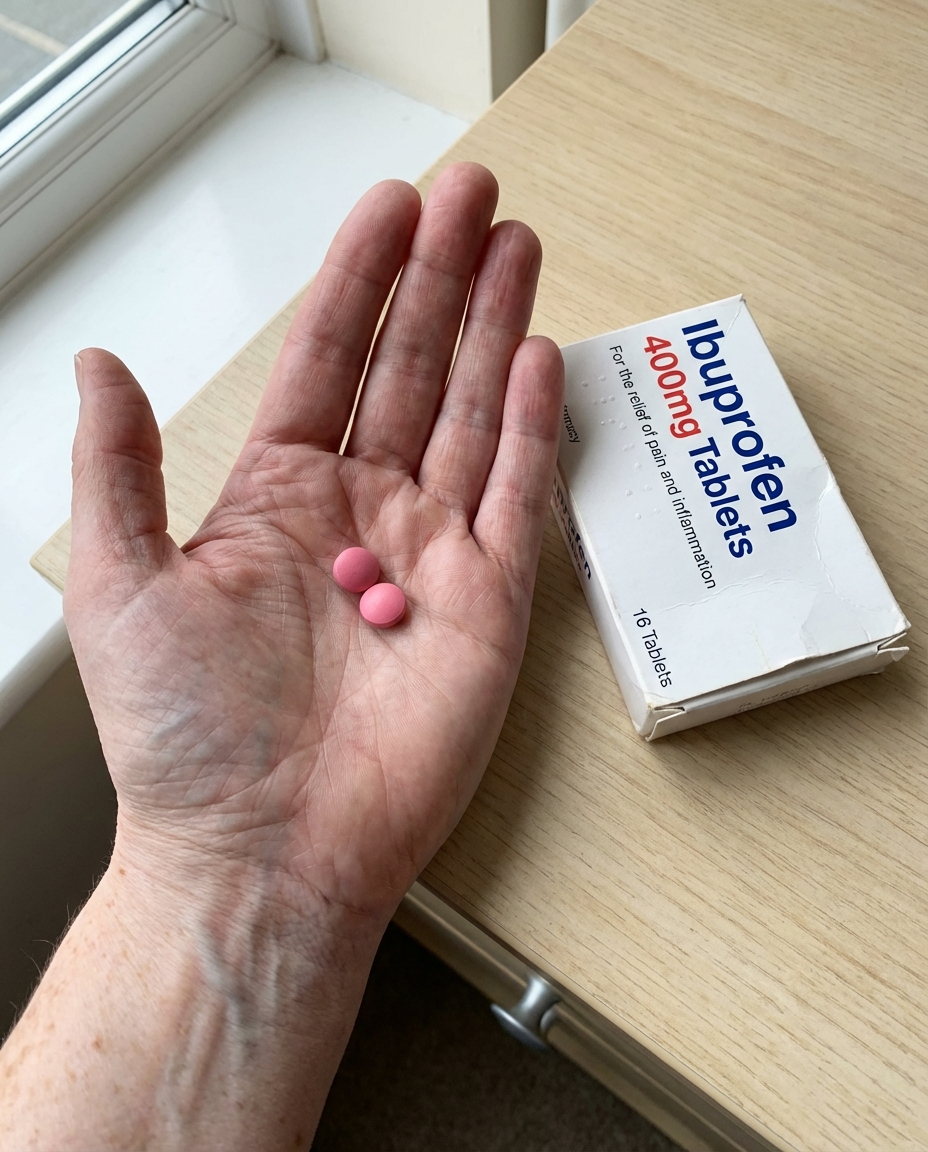
This is my morning routine. Two ibuprofen before I get out of bed. I had been doing it so long I stopped thinking of it as something worth mentioning. This is my morning routine. Two ibuprofen before I get out of bed. I had been doing it so long I stopped thinking of it as something worth mentioning. My name is Linda Marsh. I am 56, I live in Coventry, and I took those two tablets every morning for just over two years before it occurred to me to question whether what I was managing was something that needed managing at all, or something that should not have been there in the first place. The pain started gradually. That is the thing about this kind of pain. It does not arrive dramatically. There is no incident, no injury, no clear before and after. You simply notice one morning that your neck is stiff, and you put it down to how you slept, and the next morning it is still there, and after a few weeks you stop attributing it to a specific cause and start accepting it as a general condition. By the time I had been waking up in pain for six months I had constructed an entire explanatory framework around it. It was my age. It was the stress of work. It was the amount of time I spent at a screen. It was probably a bit of arthritis beginning, the way things do in your mid-fifties. My GP said much the same. She was not dismissive — she was practical. She said anti-inflammatories were appropriate for managing musculoskeletal discomfort, that I should monitor it, and that if it significantly worsened we could look at imaging. So I monitored it. And I managed it. Two ibuprofen, every morning, before I attempted to move properly. Then a cup of tea. Then twenty minutes of carefully graduated movement while my neck and right shoulder decided whether they were going to cooperate with the day. My husband Martin started leaving the ibuprofen on the bedside table the night before so I did not have to go to the bathroom cabinet before I had loosened up enough to walk comfortably. That is the kind of accommodation you build into a life when pain becomes routine. You stop fighting it and start organising around it. I wrote the note — the one in that photograph — in response to a message from my friend Carol, who had asked what my morning routine looked like because she was interested in the wellness habits of people our age. I wrote it as a wry answer. Two ibuprofen. That is the routine. I sent her the photo as a joke. She did not find it funny. She rang me and asked how long I had been doing that. I told her. She said: "Linda, that is not a morning routine. That is a symptom." She was right. I had been so focused on managing the pain that I had entirely stopped interrogating its cause. Carol had recently gone through something similar — a year of morning shoulder stiffness that she had attributed to tension and posture — and had resolved it, she said, by changing her pillow. I did what most people do when a friend attributes a medical-feeling problem to something as mundane as a pillow. I listened politely and remained privately unconvinced. I had tried a different pillow eighteen months earlier. A memory foam one from John Lewis. It had made no discernible difference and was now in the spare room. I told Carol this. She asked what kind of pillow it was. I described it. She said: "That is the problem. That is what I used to have." She explained what she had learned — from an osteopath she had seen briefly before finding the resolution herself — about why standard single-material pillows cannot address the specific mechanics of how the neck is loaded during sleep. I want to share that explanation here because it is the thing that finally made sense of two years of daily ibuprofen, and because I think it is genuinely not widely understood. Your skull weighs between 5 and 6 kilograms. During sleep, it needs to be supported at a precise height relative to your spine to maintain the natural curve of the cervical vertebrae. If it drops below that height — because a soft pillow compresses under sustained body weight — the neck muscles engage to compensate. If it sits too high — because a firm pillow holds it at an angle that does not match the spine's natural position — they engage in the opposite direction. In either case, the neck musculature holds a sustained low-level contraction for the entire duration of sleep. This is not dramatic. You do not feel it happening. You feel it at 6am, before you have moved, as a dull grinding ache at the base of the skull that radiates into the shoulder. The critical word in that description is sustained. This is not a momentary stress. It is eight continuous hours, every night, of muscular effort in a structure that needs rest. And because you shift sleeping position between 20 and 40 times per night without knowing it, the pillow needs to maintain that correct head height across every position change. A single-material pillow — foam, down, latex, polyester, any of them — has one structural property. It cannot be simultaneously firm enough to hold the head correctly and soft enough to cushion the pressure points — the ear, the temple, the jaw — without the musculature bracing against the surface. One density, one job, and the job it does is always a compromise. The memory foam pillow from John Lewis had been too firm at the pressure points and too prone to heat-activated softening in the second half of the night, when it progressively lost the structural quality that made it feel adequate when I first lay down. By 3am it was a different pillow to the one I had fallen asleep on. My neck muscles had been compensating for that transition every night for the six weeks I had used it, and I had attributed the continued pain to the pillow being the wrong choice rather than the wrong architecture. What Carol described — and what I subsequently read enough about to satisfy myself it was not simply marketing language — is a pillow built from two genuinely distinct layers performing two genuinely distinct functions at the same time. A firm inner core that maintains head height and cervical alignment regardless of sleep position. A softer outer layer that cushions the contact surfaces without allowing the structural support beneath to give way. The inner does the structural job. The outer does the comfort job. Neither compromises the other because they are different materials doing different things. She told me the brand was Aeyla. The Dual Pillow. Osteopath-endorsed, Oeko-Tex certified — independently verified free from harmful chemicals — and thirty nights with a full refund if it made no difference. I ordered it the same evening, with the specific and deliberate expectation of very little. I had been disappointed by a pillow before. I had been managing a pain that apparently did not need managing for two years. My optimism reserves were not substantial. I unzipped the outer layer when it arrived and held the two components separately. The inner core was genuinely firm in a structural way — stable and resistant without being rigid against the hand. The outer layer was genuinely soft — cushioning without any suggestion that the core beneath it would compress under body weight. They were physically different in a way that was immediately apparent, and that the John Lewis memory foam, examined in retrospect, had not been. I put it on the bed on a Tuesday evening and went to sleep. The first two nights were unremarkable in the specific way of adjustment — different rather than better or worse, the way any change to a long-established physical routine initially presents as unfamiliar before the body calibrates. Night three I woke at 5:40am. I had been waking between 3 and 4am every night for so long that 5:40am felt architecturally different, like waking up in a different room. Night four I ran the morning assessment — the lying-still-before-moving evaluation that I had been conducting every morning for two years without naming it. The ache at the base of my skull was quieter. Present, but background rather than foreground. I sat up without holding my neck. Week two I realised I had not taken ibuprofen since day three. Not as a deliberate decision. Simply because I had reached the kitchen and the need had not occurred to me. I stood at the kettle and waited to feel what I normally felt. I did not feel it. I made tea and stood at the window and turned my head to look at the garden and the movement was unremarkable, which was remarkable. Martin noticed before I said anything. He asked on the ninth morning whether I had moved the ibuprofen. I told him I had not taken any. He looked at me for a moment and then said, in the way of a man who has watched someone he loves be in quiet daily pain for two years: "Good." Week three the morning stiffness was gone. Not managed. Not reduced to a tolerable level. Gone. I lay still on a Wednesday morning and waited for it the way you wait for a familiar sound, and it did not come, and I got out of bed and walked downstairs and the day began without the twenty minutes of graduated recovery that had been its opening movement for two years. Week four I took the photograph. The two ibuprofen in my palm. The note in my handwriting. My daily routine for my neck and shoulder pain. I sent it to Carol with a single additional line: not any more. I am writing this longer version because the photograph does not contain the part that I think is actually useful — which is not the resolution but the mechanism. The ibuprofen was not the problem. It was the correct response to a problem. The problem was a pillow that could not do two things at once, rebuilding every night what the ibuprofen was partially addressing every morning, in a cycle that I had no particular reason to examine because managing pain feels like solving it until you encounter the alternative. You do not need to have taken ibuprofen every morning for two years to recognise something in that photograph. The morning stiffness that you attribute to age, to stress, to the amount of time you spend at a screen — if it is worst before you have moved, before you have done anything at all, the cause is structural and it is nocturnal and it is being rebuilt while you sleep. And it is addressable tonight, with thirty nights to verify it and nothing lost if it makes no difference. aeyla.co.uk/products/the-dual-pillow £69. 30-night trial. Free returns. Linda Marsh, Coventry. Two ibuprofen every morning for two years. Four weeks on the Aeyla Dual Pillow. Not any more. P.S. Two ibuprofen daily for two years is not a neutral event for the body. I was not thinking about that at the time because I was focused on functioning. I am thinking about it now. If you are taking anti-inflammatories regularly for morning pain that is present before you have moved, it is worth asking whether you are managing a symptom or whether the symptom has a cause that the ibuprofen is simply covering. Mine did. The cause was a pillow. The ibuprofen stopped being necessary four weeks after the pillow changed. P.P.S. Aeyla do not pay me to write this. I am a 56-year-old woman from Coventry who took a photograph of two tablets in her palm as a wry response to a friend's question and ended up examining two years of daily pain management she had accepted as inevitable. I have no commercial relationship with any sleep or wellness brand. After four weeks on the Aeyla Dual Pillow, the routine in that photograph is no longer my routine. Your neck deserves that.
No more ibuprofen
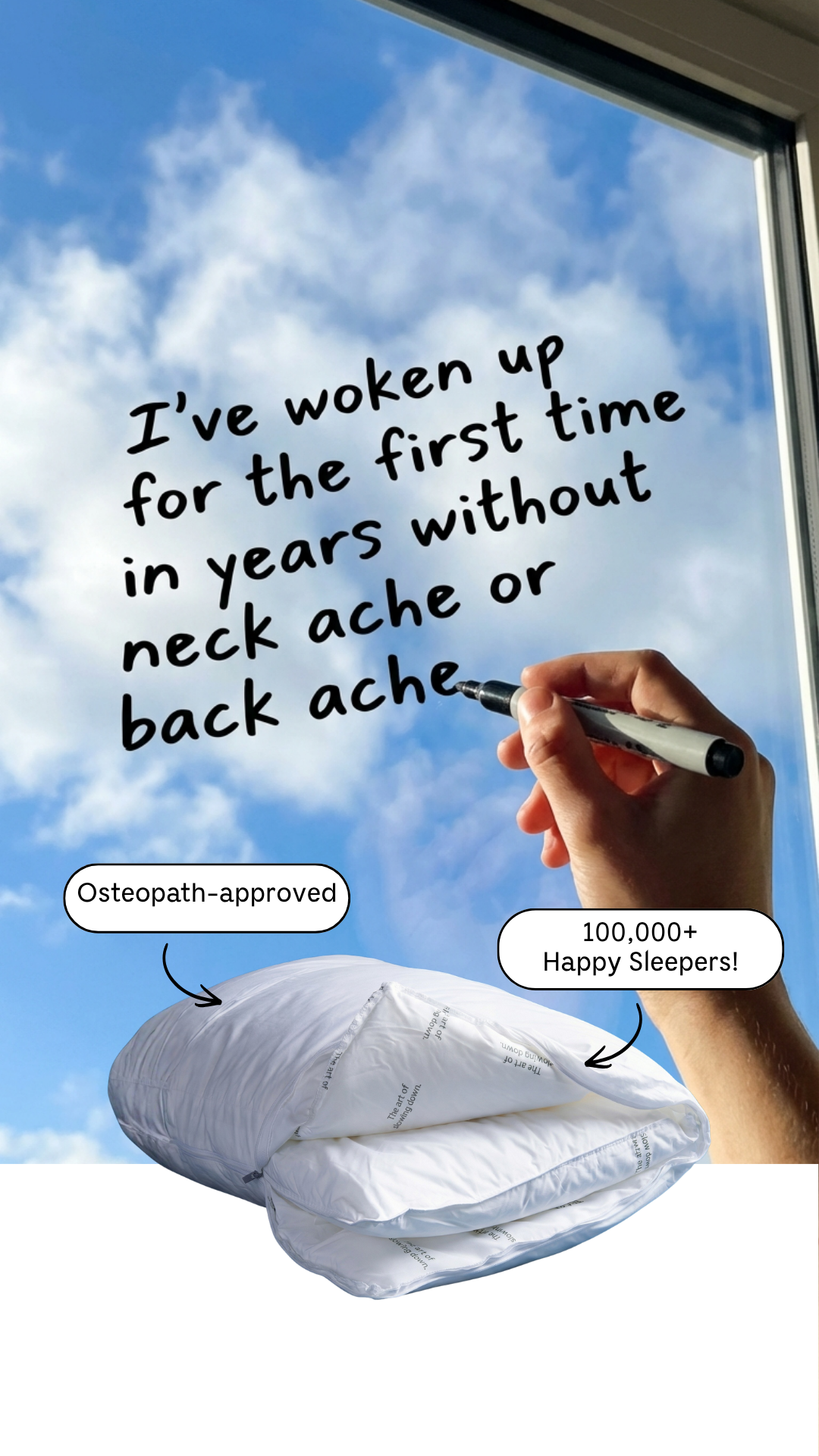
Sink into cloud-like comfort with Aeyla's Dual Pillow, designed to provide effective neck relief with its unique 2-in-1 design for the perfect balance of support and comfort.
LEARN MORELike this ad? Make it yours.
Crush rebuilds this exact creative around your product — your brand, your colors, your offer — in about a minute.