
Inactive· since May 23, 2026
- 31
- days it ran
- 1
- relaunches
- 9
- EU reach
Ad copy
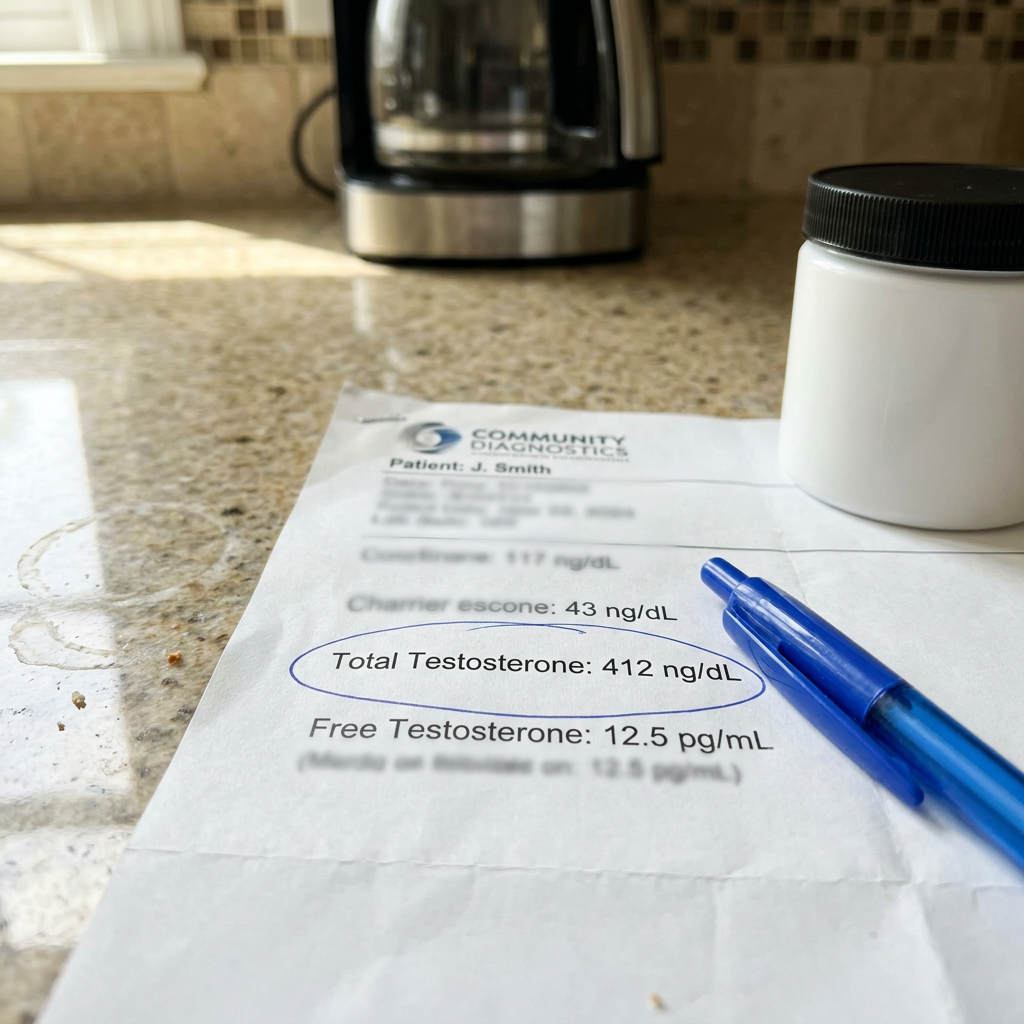
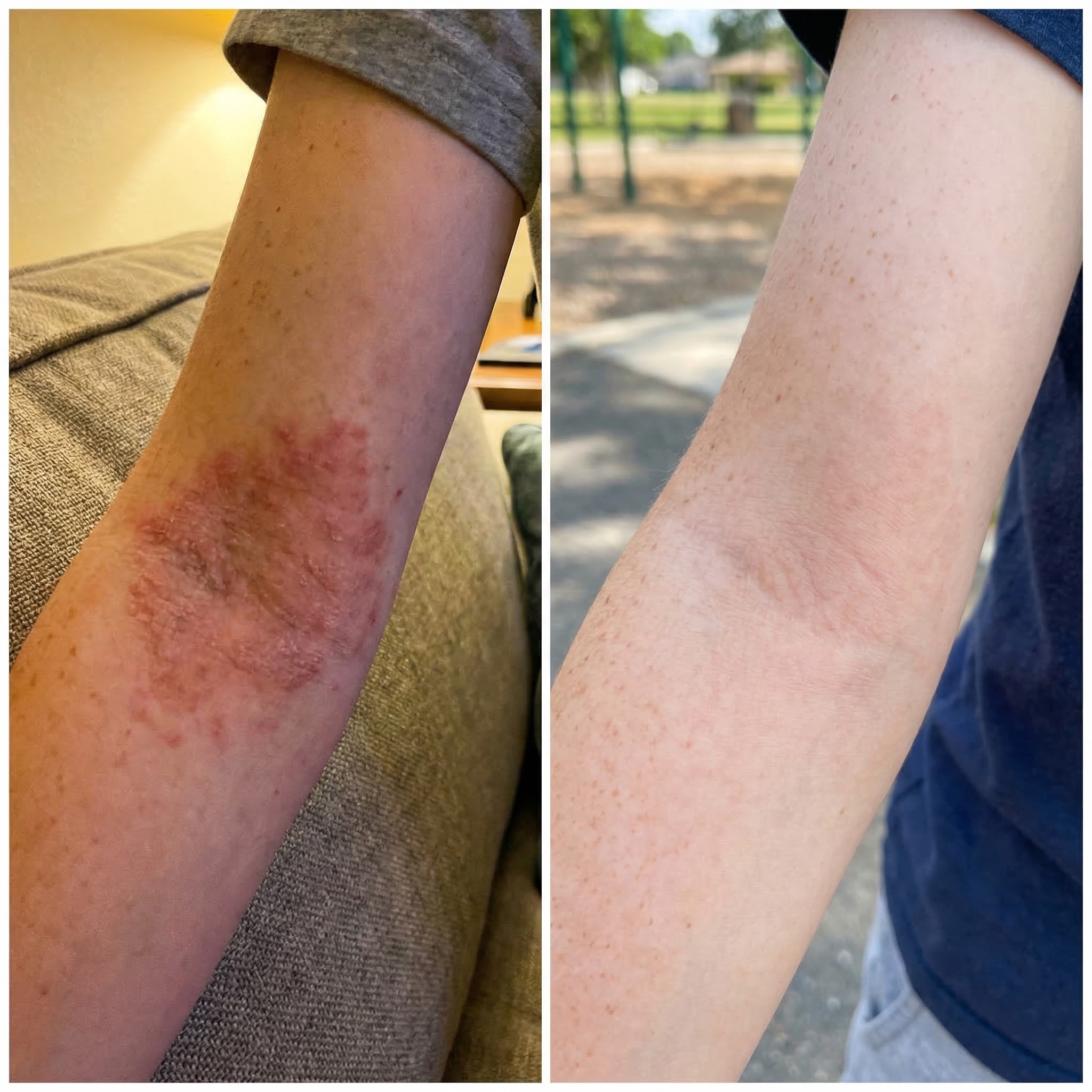
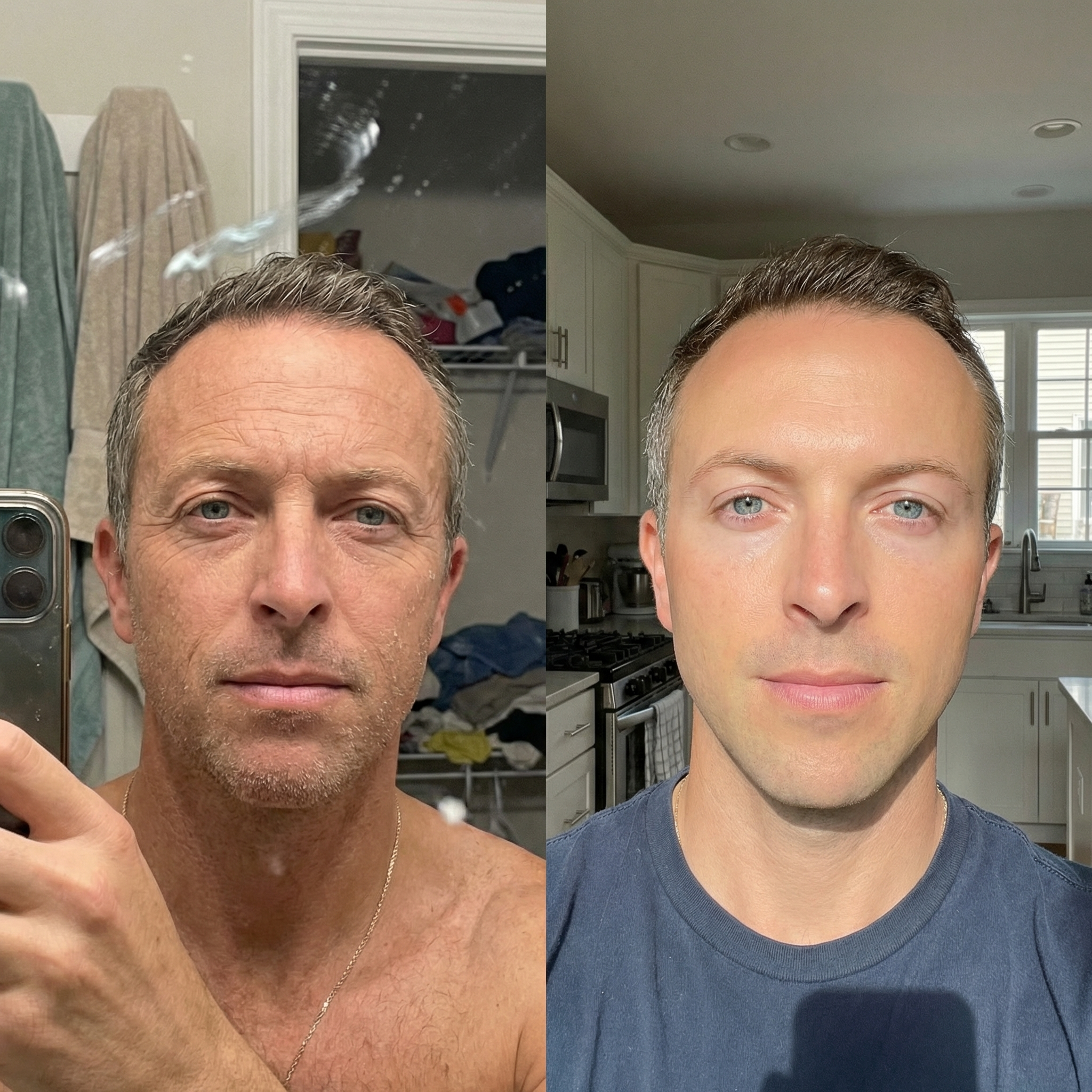
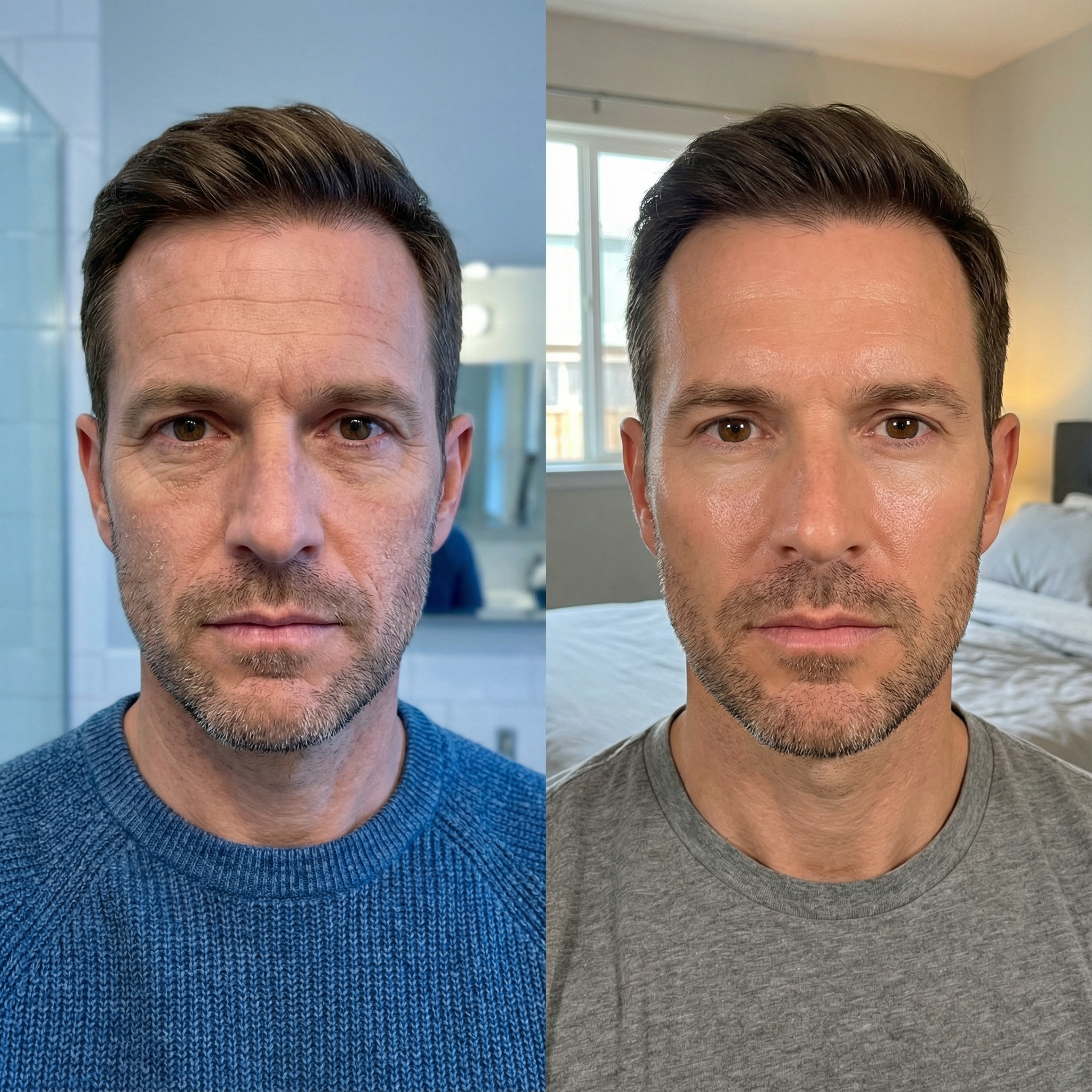
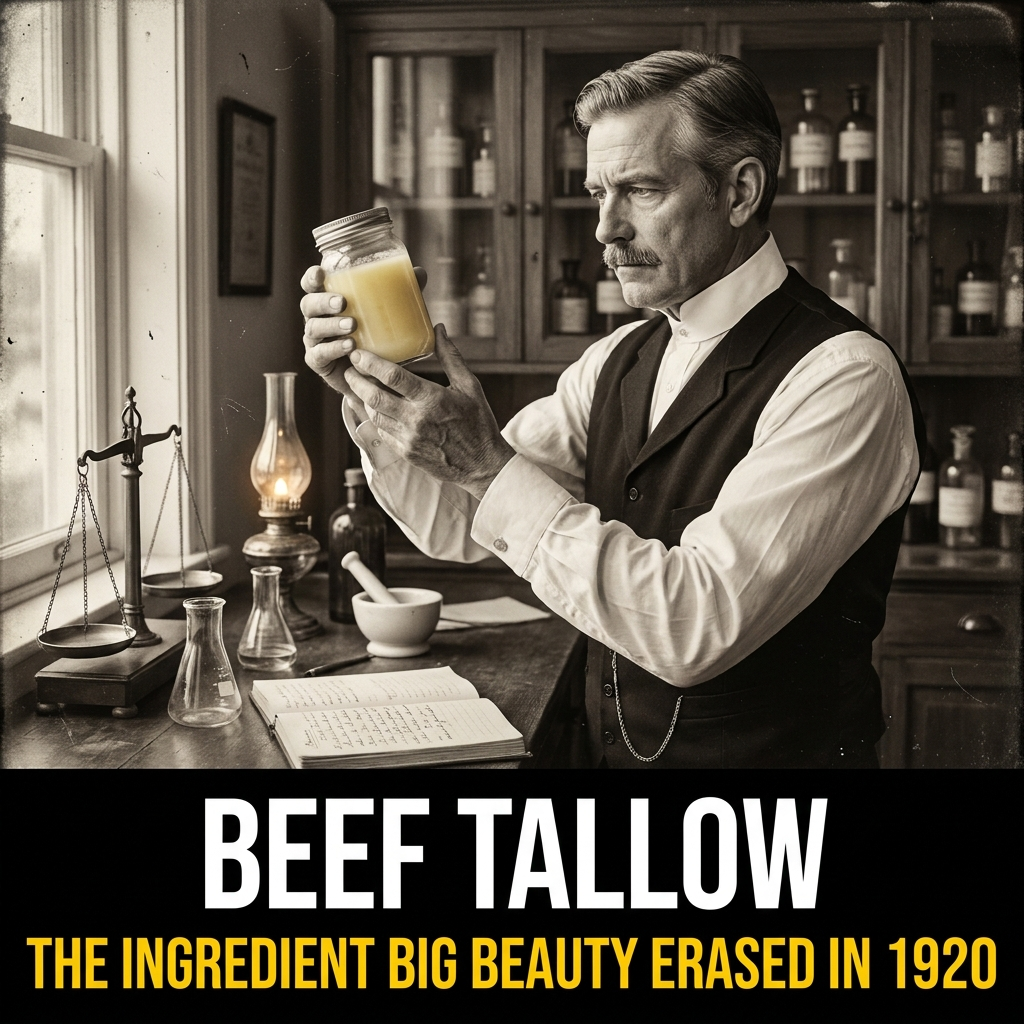
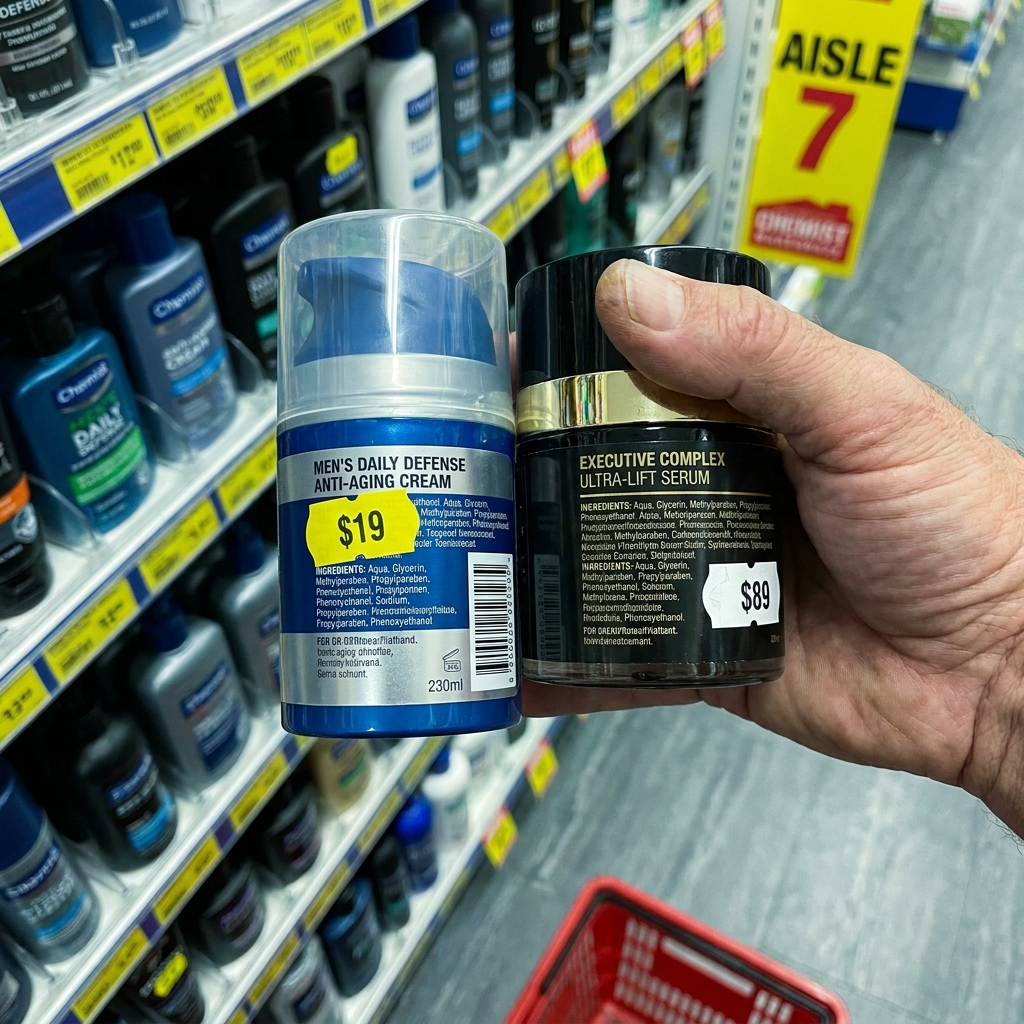
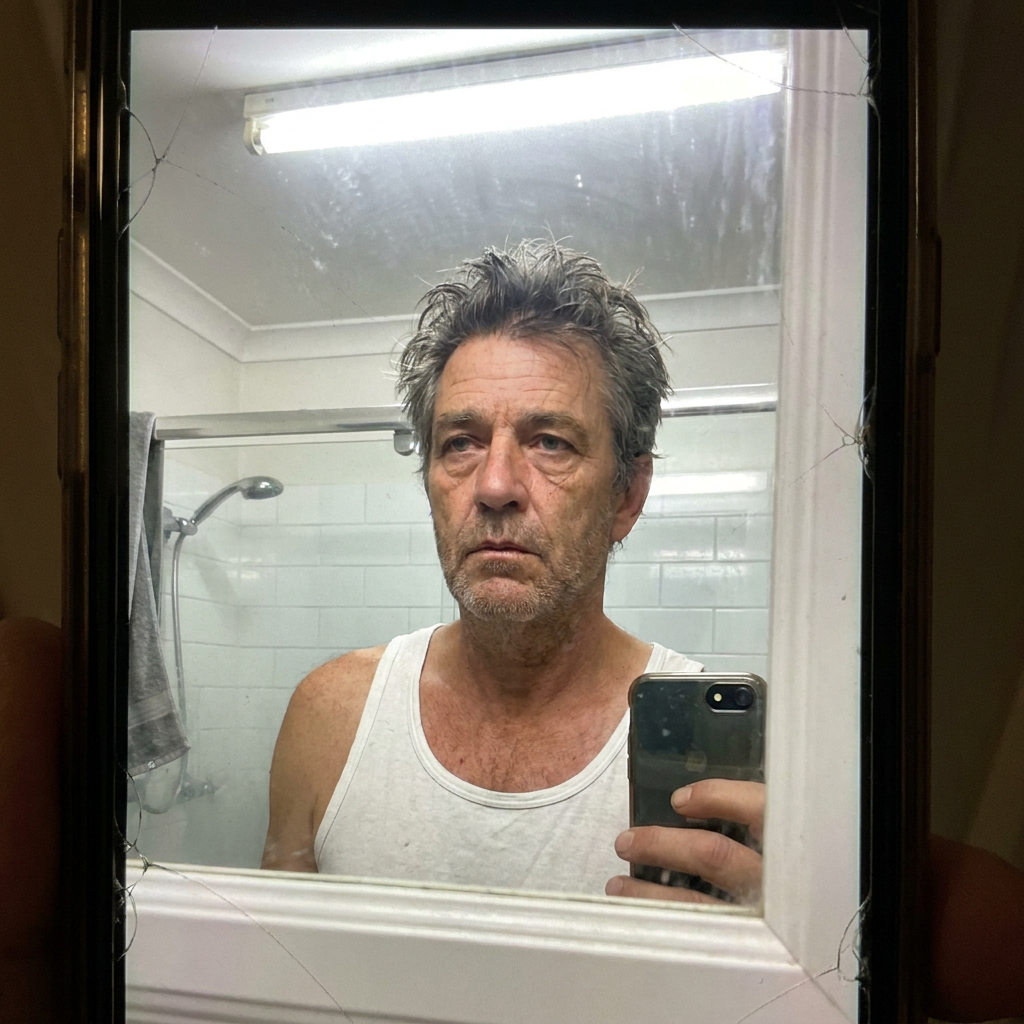
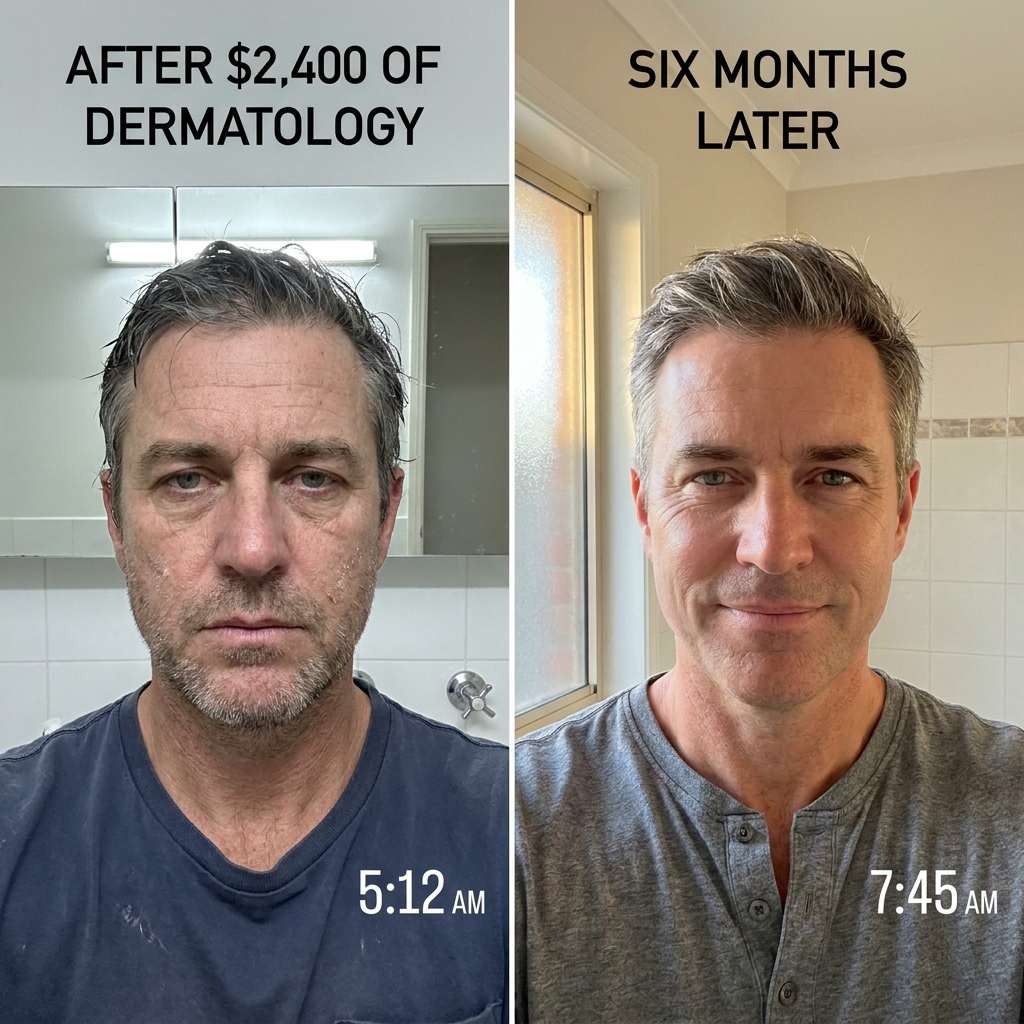
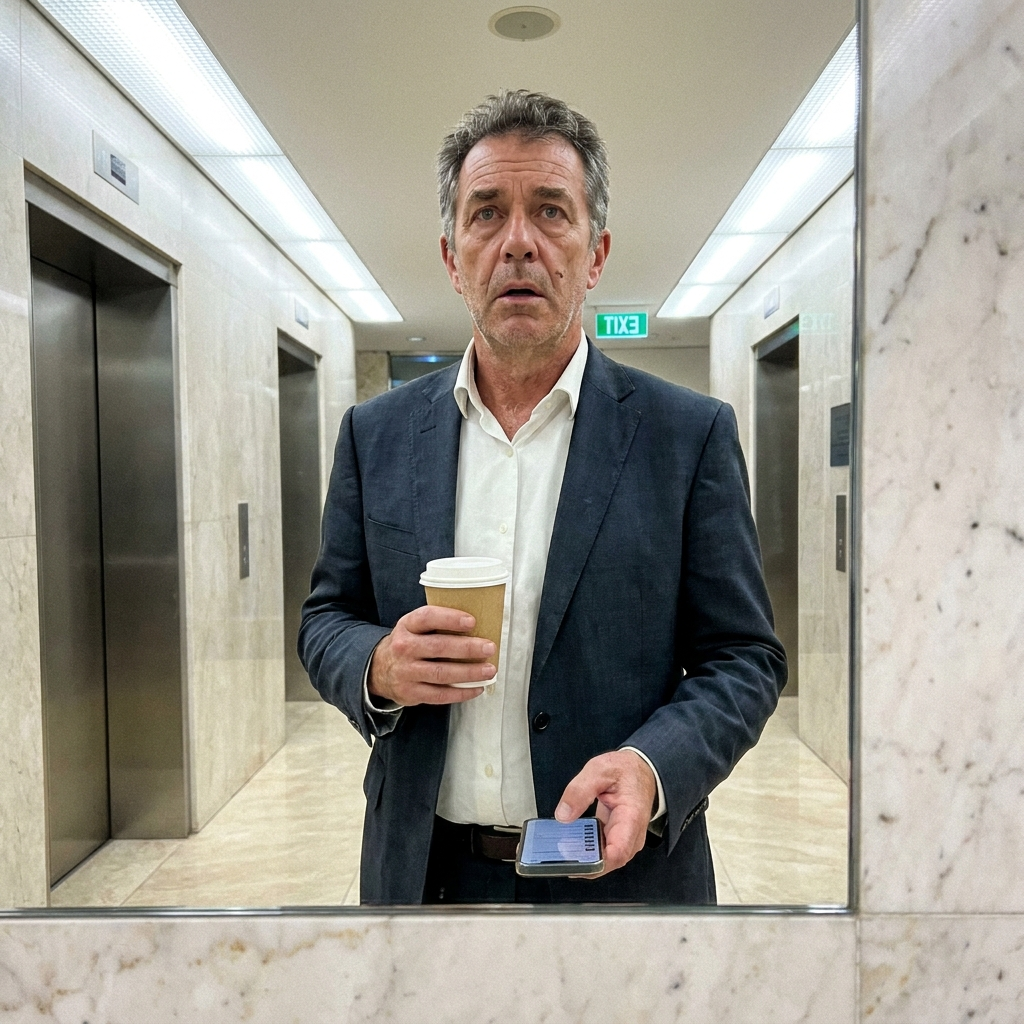
If you're a man over 40 and you've started getting passed over at work — for promotions, for client-facing roles, for the projects that go to "fresh energy" instead of you — I'm about to tell you something nobody at your workplace will say to your face. And once you understand this, you're never going to look at your reflection in a Teams call the same way again. Because there are three things happening right now: One — You've put in the years, you've done the hard work, and somewhere around your mid-40s the recognition started going to younger blokes who haven't earned half of what you have. Two — Every manager will tell you it's about "fit" or "energy" or "the direction the business is going" — but there's a brutal, unspoken reason the 32-year-old keeps getting the room and you keep getting the email — and nobody is allowed to say it out loud. And three — The grooming industry has spent fifty years convincing men that what's happening to their face at 47 is inevitable... but they can't admit that their products are accelerating the very thing costing you the promotion. So let me tell you what happened to me, because my story is going to make you check your reflection in the bathroom at work before your next client meeting. For three years — over a thousand workdays straight — I'd been watching myself get quietly written out of my own career. I'm 47. Project manager. Twenty-two years in commercial construction. I'd worked my way up from the tools to the office to managing $40M builds. I knew my industry better than the blokes ten years older than me and ran circles around the ones ten years younger. But the second I hit 44? Every. Single. Big. Project. Went to someone else. Not because I wasn't qualified. I'd run six of those exact projects in the previous decade. Not because I wasn't available. I was the most senior PM not currently on a major build. Not because I'd done anything wrong. My last three projects had come in under budget and ahead of schedule. But the room had started looking different. By the end of every quarter, I'd noticed the pattern. The 32-year-old PM with two years less industry experience getting the client lunches. The 35-year-old getting flown to Singapore to pitch the Asia-Pacific work. The 38-year-old getting introduced to the board as "the future of the practice." I wasn't being introduced to anyone anymore. I was being asked to "support" the younger PMs. To "mentor" them on projects that, three years earlier, I would've been running myself. The kind of mentoring that, everyone in the room knew, was a polite way of grooming my replacement. By the end of every six months, I'd watched another opportunity quietly go to someone who hadn't earned it the way I had. I stopped getting invited to the client-facing pitches. Started getting cc'd on emails instead of being on the call. Got moved to the "internal advisory" function — the corporate equivalent of being put out to pasture. All. Year. Long. By the end of every twelve months, I'd been doing the maths. How long since I'd led a major client meeting. How long since I'd been the face of a pitch. How long since the senior partners had asked me, instead of someone half my age, for an opinion in front of a client. I stopped volunteering for the high-profile work because I knew exactly what the answer would be. Started doing the back-end planning that nobody else wanted to do. Avoided the company "vision" off-site at the end of the year because I didn't want to hear another speech about "the next generation of leadership." My wife thought I was burnt out. My mates thought I was overthinking it. But I'd been in this industry for twenty-two years and I knew exactly what was happening: the room had stopped seeing me as the future. And nobody — not my manager, not the partners, not HR — was ever going to say the actual reason out loud. Because the actual reason was sitting in the bathroom mirror every morning. I'd aged badly. Fast. Visibly. The canyon lines around my eyes were deep enough you could see them across a boardroom. The sandpaper texture along my jaw caught the light in the conference room ceiling fluorescents and made me look ten years older than I was. My skin had developed that washed-up, slightly grey tone that no amount of "professional dress" could hide. When I sat across from a client at 47, I didn't look like a 47-year-old senior PM at the peak of his career. I looked like a man on the way out. And clients — who'd never say it out loud — read that signal in three seconds. The 32-year-old looked like the future. I looked like the past. Nobody was ever going to say that. But everyone in the room was responding to it. And the worst part? I had been trying to fix it. I'd been using a pharmacy "men's anti-aging" cream for four years. Bought a $180 "executive grooming line" off a website that targeted me with ads on LinkedIn. Tried a peptide serum. Tried a vitamin C serum. Tried a retinoid. Tried sunscreen religiously every single morning before I drove to the office. Zero result. Zero improvement. Just the slow, visible, professionally-fatal acceleration of my own face while the 32-year-old PM took the promotion that should've been mine. My texture got so bad I'd started avoiding the bathroom mirror at the office entirely. I'd go to the disabled toilet on the third floor because it had warmer light. Avoid the floor-to-ceiling mirror in the lift lobby. Pick the worst angle in any conference room so the ceiling fluorescents didn't catch my jaw. Because here's what nobody tells you in a corporate environment: your face is a commercial asset after 40, whether you like it or not. And every man in a client-facing role is being silently graded on it by people who would never admit they're grading it. So I'd been to professionals. Of course I had. Two dermatologists. A "skin clinic" recommended by a colleague. A men's clinic that ran ads on the radio. We're talking $1,800+ in appointments and prescription products over three years. And you know what every single one of them told me? "It's just part of getting older." "Try a stronger retinoid." "Have you considered Botox?" "You're a good candidate for fillers." "Use sunscreen daily." Oh, sunscreen! Right! Because my problem was that I hadn't been wearing SPF 50 every single morning for the last six years. I'd been wearing it religiously. But here's where it gets worse — and this is the part that finally made me stop trusting the system. The second dermatologist suggested I "consider injectables" for the canyon lines around my eyes. $1,200 per session. Three sessions a year. To do, essentially, what my own skin should have been doing for me. I sat in her office, 46 years old, and worked out the maths on a notepad in my head: $3,600 a year for the rest of my working life to maintain a face that the industry I worked in had decided was no longer the face of the future. That was the moment I walked out. And went home and did what a project manager does when a system isn't working. I tested every assumption from first principles. I read the research myself. I started reading dermatology and biochemistry papers in the evenings after work — and every mainstream source was giving the same recycled corporate-friendly answers. "Use retinoids. Apply sunscreen. Consider in-office treatments." But then I found research from a biochemist who actually studies the lipid composition of human skin, not the marketing scripts of the dermatology and grooming industries. And he mentioned something I had literally never heard of in three years of paying licensed dermatologists. The Sebum Decline. Now pause for a second. You know what's insane? I paid two licensed dermatologists $1,800 over three years. They prescribed me four different products. They referred me for two cosmetic procedures. Neither of them — not once — used the word "sebum." And that's not an accident. Because once you understand what sebum decline does, you realise why every product I'd been using for four years actively made me look older — and quietly cost me the promotion that went to the 32-year-old. Here's what sebum actually is: It's the natural oil your skin produces. It's literally the substance that kept your face functional for the first four decades of your life — the thing that gave you smooth, resilient skin in your 20s and 30s, the thing that let you walk into a client meeting at 35 and command the room without thinking about your face once. When it's being produced at normal levels? Sebum maintains the lipid matrix of your skin. The barrier that holds moisture. The texture that makes you look like a man in his prime, not a man on the way out. But when sebum production drops — and it does, significantly, after 40? That's when shit hits the fan. The lipid matrix breaks down. The skin barrier fails. The texture changes. The canyon lines deepen. The washed-up tone develops. And the room responds — without ever saying a word — to a man who suddenly looks like the past instead of the future. It's not that the 32-year-old is more talented than you. It's that the substance keeping your face functional has dropped out of production, and the room is reading the signal in three seconds. And here's the key thing I learned — the thing my dermatologists either didn't know or refused to tell me: Synthetic creams cannot replace sebum. Worse, the hormone-disrupting compounds in most pharmacy creams actively accelerate the decline. The parabens, phthalates and synthetic preservatives in "men's anti-aging" products mimic estrogen and lower testosterone in men over 40 — which directly reduces sebum production. The products marketed to fight aging are accelerating the exact decline costing me my career. My problem wasn't that I wasn't trying hard enough. My problem was that everything I'd been applying to my face for four years was molecularly incapable of solving the problem — and most of it was making it worse. The retinoid stripped my skin. The peptide serum sat on top. The vitamin C oxidised on contact. The pharmacy cream lowered my testosterone. And underneath all of it, the sebum decline was getting worse. And every Monday morning in the office, the room could see it. And here's the part that made my blood boil: The grooming industry KNOWS about sebum decline. The corporate world KNOWS that men over 40 are graded on their faces in client-facing roles. The dermatology industry KNOWS that prescription retinoids accelerate the decline in men with low baseline sebum. But nobody — and I mean NOBODY — is incentivised to tell you the truth. Because there's no patentable synthetic compound that's molecularly identical to human sebum. You can't patent the substance your skin actually recognises. There's no money in telling a 47-year-old project manager that the reason he's losing promotions to a 32-year-old isn't a lack of effort — it's a lack of sebum. There IS money in selling him $180 anti-aging creams, $240-per-visit dermatology appointments, $1,200-per-session injectables, and a quiet sideways move into the "internal advisory" role that gets him out of the client-facing pitches. See how that works? So I kept researching. I'm reading lipid biochemistry journals on the train to work now. Studies on fatty acid composition in human sebum. Talking to blokes in ancestral health forums who'd found something that actually worked — and whose careers had quietly stopped sliding backwards. And I found out there's an actual substance that's molecularly almost identical to human sebum. One the industry replaced around 1920 — right when synthetic chemistry and corporate cosmetics took over personal care. Grass-fed beef tallow. The fatty acid profile is the closest match to human sebum that exists in nature: 1. Oleic Acid (42-50%) — The dominant fatty acid in your skin's own oil. It penetrates the lipid matrix and integrates instead of sitting on top. 2. Palmitic Acid (25%) — Critical for barrier function. Your skin uses this exact fatty acid to maintain its structural integrity. 3. Stearic Acid (18%) — Provides the structural lipid layer that holds everything together. Stops moisture loss without forming a synthetic film. 4. CLA — Conjugated Linoleic Acid. This is the BIG one. It's only present in grass-fed tallow — not grain-fed. Potent anti-inflammatory. Reduces the redness and irritation that prescription retinoids cause. 5. Vitamins A, D, E and K — Vitamin A stimulates collagen production. Vitamin D supports skin immunity. Vitamin E neutralises free radical damage. Vitamin K reduces dark circles and improves elasticity — including the under-eye shadows that read across a boardroom as "tired" and "past it." All four are fat-soluble — only deliverable through a lipid-based carrier. Exactly what synthetic water-based creams cannot do. Now here's what's crazy: I found peer-reviewed studies — actual research — showing that human sebum and grass-fed tallow share nearly identical fatty acid profiles, and that the skin recognises and integrates tallow at the molecular level the way it recognises its own oil. But you'll never hear a dermatologist mention it. You'll never see it advertised on LinkedIn alongside the "executive grooming" products. You'll never hear it in a corporate wellness seminar. Because there's no prescription pad — and no marketing budget — for "use the substance your skin actually recognises." So I tried it. For the first time in four years, I stopped applying everything that had been failing me and started applying something completely different. But here's the problem... I had to render the tallow myself the first time. Buy the suet from a grass-fed butcher in the inner west. Render it down on the stove on a Saturday morning. Filter it. Mix it with raw honey and beeswax to stabilise it. The kitchen smelled like a slow cooker for two days. I was sourcing ingredients from four different places, working out the right ratios — some recipes said 70% tallow, some said 85%, the historical sources had different numbers. I spent two weekends working out the formulation. My wife thought I'd lost it. And I was spending close to half a Saturday on each batch. Every single month. Just to have something my face might actually respond to — after four years of "executive grooming" products that didn't. But you know what? I did it. Because I was furious. And after about a week? The sandpaper texture along my jaw started softening. After three weeks? I caught myself on a Teams call recording — the kind of corporate recording you usually flinch at — and didn't flinch. First time in two years. After six weeks? A senior partner I hadn't spoken to in eighteen months stopped me in the lift lobby and said, "Have you been on leave? You look great." He hadn't said that to me in six years. Three months in, I was put back on a client pitch for the first time since 2023. So now I'm thinking: Okay, this protocol works. It's literally rebuilding the face I should've had at 47. But why the fuck is it so expensive, time-consuming and complicated to make? Turns out, a bloke named Finn Hendriks was thinking the same thing. He's a small business owner from Australia who'd watched his own old man go through the exact same slow professional fade — promotions stopping in his late 40s, dermatology appointments, prescription creams, a man who'd been the centre of his industry quietly moved sideways into an "advisory" role for the last decade of his career. He'd watched his father give up on his own face. He spent close to a year developing Bare Ritual Beef Tallow Honey Balm. The goal was simple: The exact ingredients men have used for thousands of years, in the right ratios, in one jar — no rendering, no kitchen experiments, no Saturday afternoons on the stove. No prescription retinoids. No "executive grooming line" synthetic cocktails. No 27-ingredient creams full of parabens and hormone disruptors. He formulated it with grass-fed Australian beef tallow (the only source with the full CLA and Vitamin K2 profile). Raw honey (natural antibacterial, locks in the lipid matrix). Organic beeswax (stabilises the formula without synthetic emulsifiers). Cold-pressed olive oil (adds Vitamin E and squalene, the substance your skin co-produces with sebum). And most importantly: No hormone hijackers. Because parabens and phthalates in synthetic products lower testosterone in men over 40 — and lower testosterone reduces sebum production, which accelerates the very decline costing men their careers in their late 40s and 50s. A few months later, I kept seeing Bare Ritual mentioned in men's health forums online — specifically by men in client-facing professional roles who'd quietly realised what was happening to them and walked away from the products selling it to them. I went to their site, ready to be disappointed like every "men's executive grooming" product I'd seen. And I almost fell out of my chair. They had EXACTLY what I'd been making myself — but in one jar. All four ingredients. The right ratios. Third-party tested. Grass-fed sourced. Made in small batches. Australian. No prescription compounds. No synthetic emulsifiers, no parabens, no fragrance, no industrial sludge. The jar is a 60-day supply. A pea-sized amount, morning and night — takes 30 seconds. I do it before I leave for the office. I've been using Bare Ritual for eight months now. The canyon lines around my eyes are 70% softer. The sandpaper texture is gone. My skin holds moisture through a 10-hour day on site visits. The grey under-eye shadows that read as "tired" across a boardroom have lifted. I've been put back on three client pitches in the last six months. I've been flown to two interstate meetings. The senior partners are introducing me to clients again. Last quarter I led a $28M proposal that I would never have been in the room for twelve months ago. The 32-year-old PM is still in the firm. He's still good. But the room has stopped reading me as the past. I am not telling you a face cream got me my career back. I'm telling you the industry that was failing my face was costing me the room — and replacing one with the other gave me back the room. Here's what you need to understand: Sebum decline gets worse with age. After 50, production drops even further. The lipid matrix continues to fail. Your face continues to age out of the client-facing room. And that's when men panic — and accept the sideways move, the "advisory" role, the quiet end of their best professional decade. They face decades of being graded on a face they've been actively making worse. Face being moved out of the room they earned their way into. Face watching 32-year-olds collect promotions they themselves earned twice over and never got. Because nobody told them about sebum decline — least of all the dermatologist they were paying $240 a visit, the corporate wellness program they'd signed up for, or the "executive grooming line" they'd been buying off LinkedIn. I'm putting the link below. Even if you're skeptical — I was too, and most of the 470,000 men who've bought a jar were too — grab one. Try it for three weeks. Take a photo on day one and a photo on day 30. Then look at yourself in your next Teams call recording and tell me what the room is going to read. The grooming industry won't save you. The dermatology industry won't save you. Your HR department definitely won't say a word about it. They all profit, in different ways, from keeping you on the slow professional fade. You have to save yourself. Here's what happens when you start Bare Ritual: Days 1-3: Apply a pea-sized amount morning and night. Smells faintly of honey — not beef, despite what you'd expect. You'll notice: "My face actually feels nourished instead of stripped." The lipid matrix starts absorbing the molecularly-matched fatty acids immediately. Days 4-7: The sebum-mimicking effect is building. You'll notice: "The dryness along my jaw is softening." Or if your skin was raw from years of retinoids, the redness is calming down. The CLA reduces the inflammation that synthetic products caused. Weeks 2-4: The cumulative effect of daily lipid matrix support kicks in. You'll notice: "The canyon lines around my eyes have softened" and "the grey under-eye shadows have lifted." Your colleagues notice. Someone at work asks if you've been on leave. The room starts reading you differently. Month 2+: This is when men report the biggest change. You'll notice: "I'm in client-facing meetings again." Some men report being put back on pitches they hadn't been on in years. Most buy a second jar before they finish the first. Most cancel their next dermatology appointment. 90-Day Money-Back Guarantee. If your face hasn't changed significantly, full refund. No return required. No forms. Just email [email protected]. You risk nothing except staying on the slow professional fade that already cost me three years of promotions. Your canyon lines, your washed-up reflection in the lift lobby, your quiet move into the "advisory" role at 47 — it isn't "just getting older" or "just genetics" or "just the direction the business is going." It's your sebum dropping. Your lipid matrix breaking down. The room reading a signal in three seconds that nobody is allowed to say out loud. And it's 100% addressable. The solution: Replace what your skin stopped producing. Use the substance the room actually responds to. Allow your face to integrate the lipid matrix it was designed to run on. Sandpaper texture and canyon lines soften in two to four weeks. Most men get a comment from someone at work within 30 days. None of them will name what changed — but the room reads it instantly, and the room is what you've been losing. It's that simple. Go get it. Stop spending money on $180 "executive grooming" creams that are accelerating the very decline costing you the room. Stop watching 32-year-olds take pitches you earned twice over. You deserve to walk into your next client meeting and have the room read you as the future again. ✅ Grass-fed beef tallow ✅ Raw honey ✅ Organic beeswax ✅ Cold-pressed olive oil 470,000+ jars sold. Buy one get one free. Free worldwide shipping. 90-day money-back guarantee — no return required. 👉 https://menshealthdispatch.pagedeck.app/my-dermatologist-lied P.S. — The 32-year-old isn't more talented than you. He doesn't work harder than you. He hasn't earned what you earned. But the room is reading both of your faces in three seconds and making a decision nobody is allowed to admit they're making. The reason isn't ageism — that part is real, but it isn't the whole story. The reason is that your sebum dropped after 40, the products you've been using accelerated it, and the room is responding to a biological signal you can actually reverse at the molecular level. Stop accepting the slow professional fade as inevitable. P.P.S. — Still skeptical? That's why Bare Ritual offers a 90-day money-back guarantee with no return required. If your face hasn't changed and you're still avoiding the lift lobby mirror, you get every cent back — just email [email protected]. You literally risk nothing except staying on the sideways career track that already cost me three years of promotions.
The Promotion Went To Someone Younger
"I'll be honest — I thought this was a gimmick. My face looked like sandpaper and I'd tried enough things that didn't work. The only reason I bought was the 90-day guarantee. Figured I had nothing to lose. Two weeks in my wife asked what I'd changed. I hadn't told her I was using it. That was all ...
LEARN MORELike this ad? Make it yours.
Crush rebuilds this exact creative around your product — your brand, your colors, your offer — in about a minute.