Lens & Health Weekly
Lens & Health Weekly Facebook ad: “I nearly threw them away”
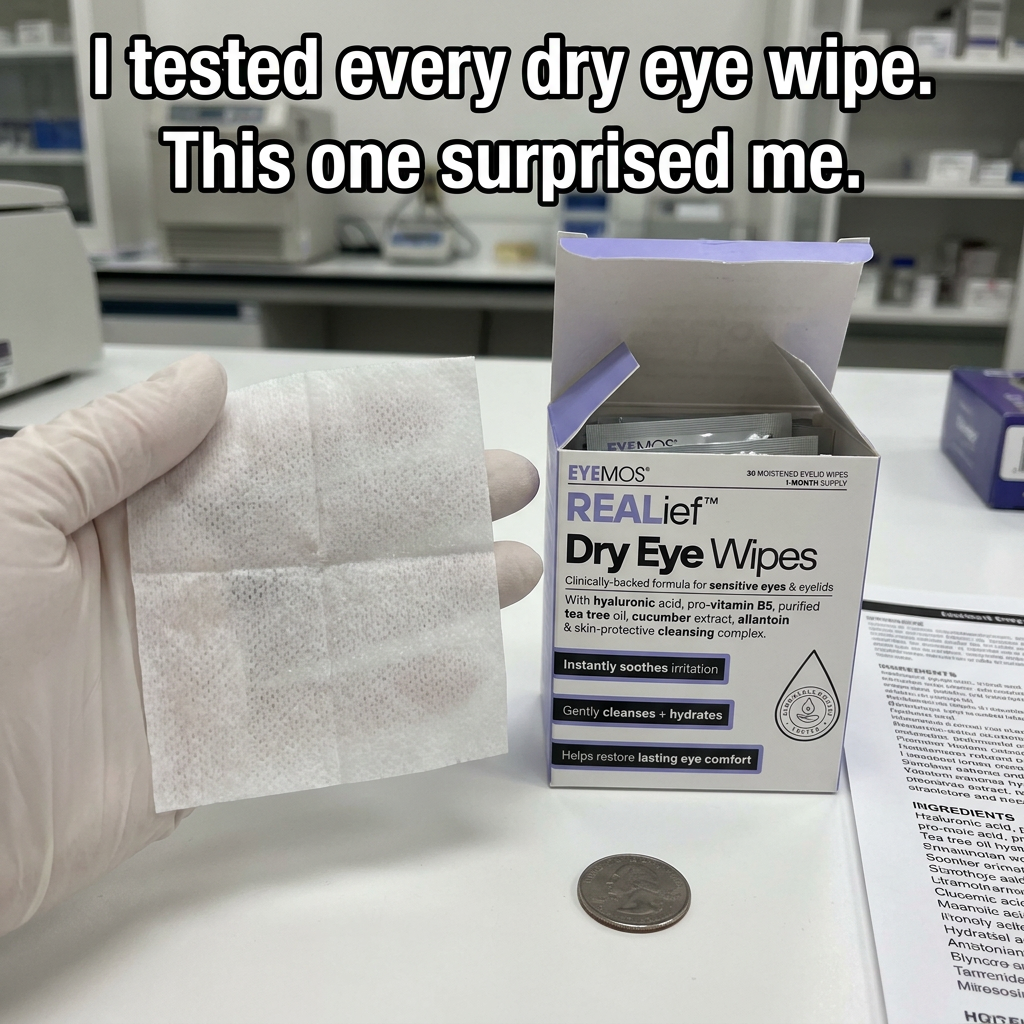
Ran for 8 days, from June 5 to June 13, 2026, the last day Crush saw it.
Run by Lens & Health Weekly on Facebook. Crush is not the advertiser and does not verify its claims. See this ad in Meta's Ad Library(opens in a new tab)
Want an ad like this for your product?
Crush makes new ad images for your product from this ad: your logo, your product photo, your offer.
Trials from $19.95 USD, then $79.95 USD a month. Cancel anytime.
About this ad
- Meta Ad Library ID
- 1004543378894279
- Platforms
- Facebook, Instagram, Audience Network, Messenger and Threads
- Relaunches
- 0
Ad text
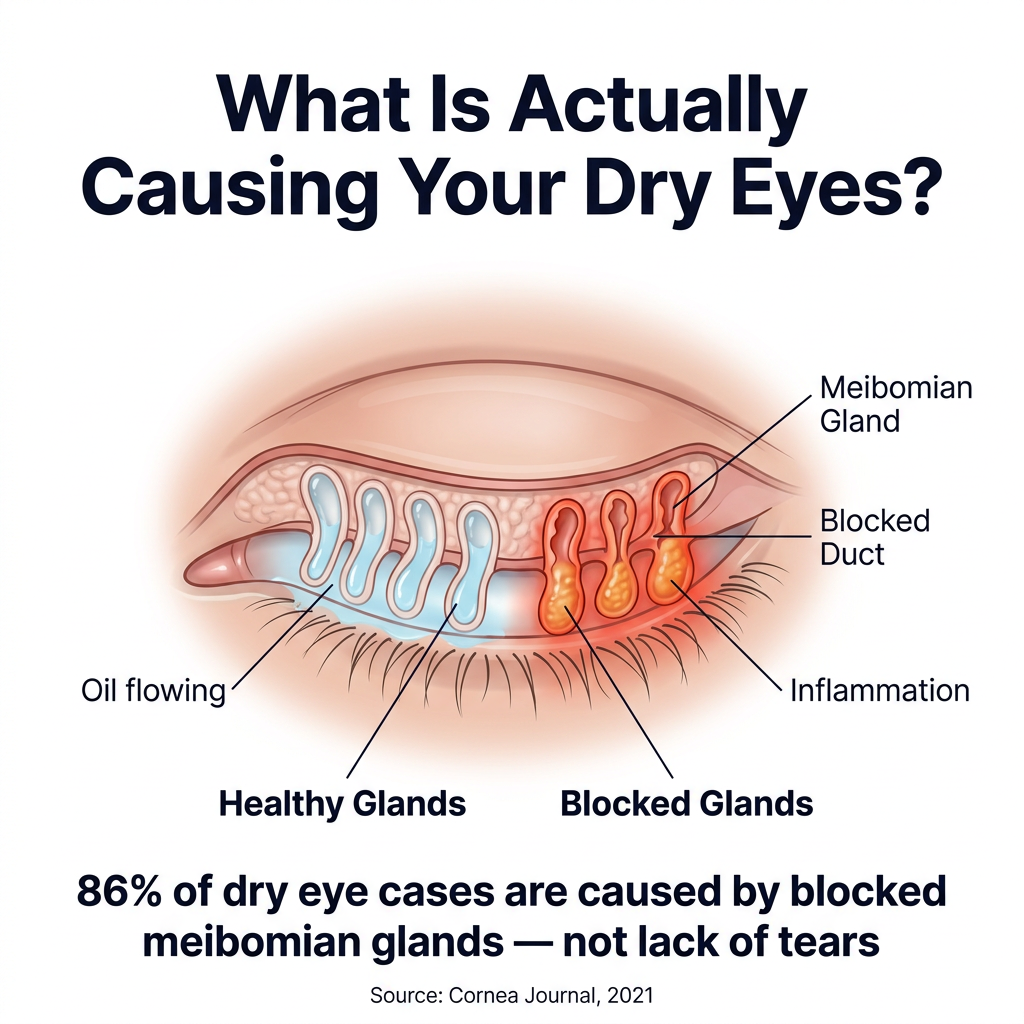
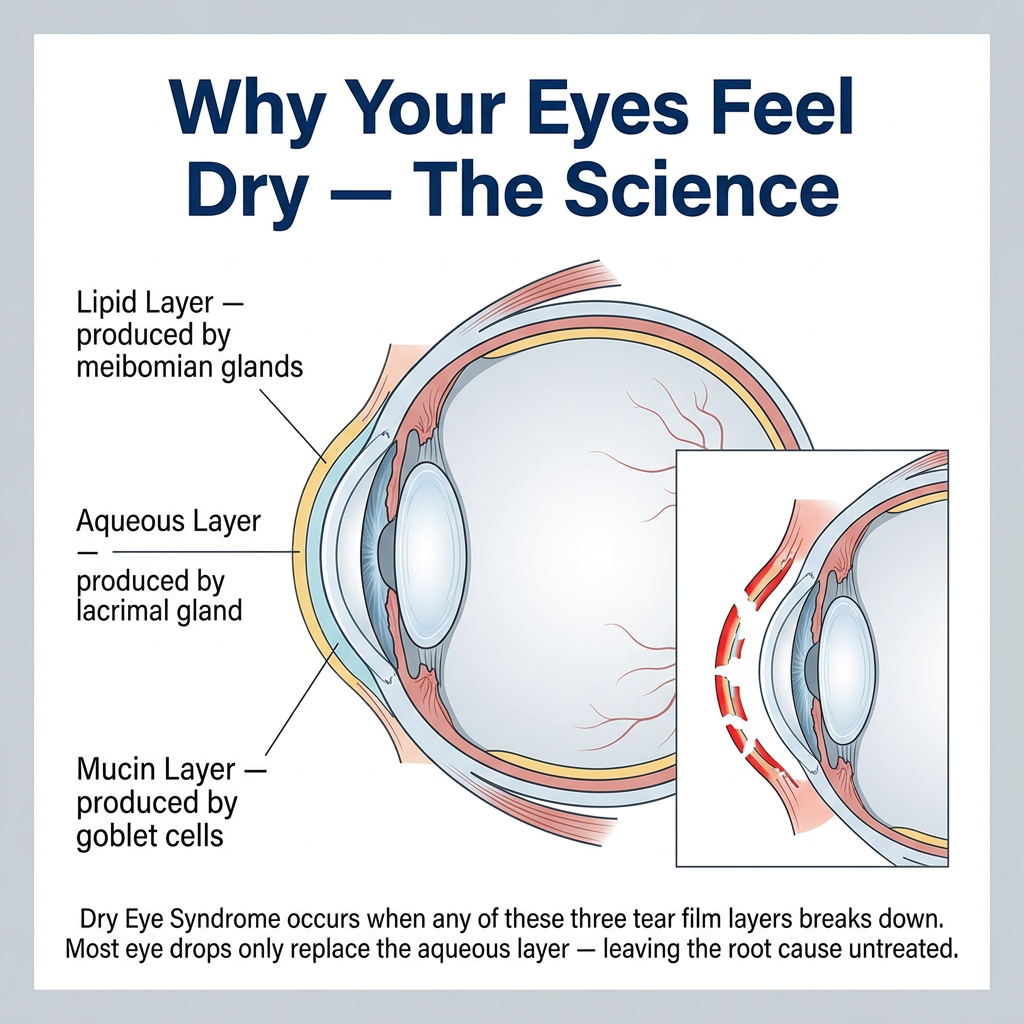
I was two days away from sending these back. Forty-eight hours in and I'm thinking — thirty-five dollars straight in the bin. That's where I was. But I'm getting ahead of myself. Let me start from the beginning. My name is Dr. Patricia Hale. Retired oculist, thirty-one years. I spent those years at an ophthalmology practice in Sarasota, Florida — seeing dry eye patients week in, week out, every single year. Susan was 58 when she first came to see me. Office administrator, eight to nine hours a day on a screen. Reaching for her Systane Ultra every forty minutes. Spending roughly $300 a year on artificial tears. Doing everything right, by the book. She'd been at it for four years when I met her. The redness. The gritty, sandpaper feeling by ten in the morning. Eyes that looked exhausted even when she'd slept eight hours. She told me she'd stopped wearing makeup because she was wiping her eyes so often it didn't last past nine. She'd done warm compresses. She'd tried preservative-free drops. She'd paid $340 for a single box of Restasis. Her eye surface came back normal on the slit lamp. No corneal damage. No anatomical problem. And yet Susan kept suffering. That's the part that stayed with me for three decades. Because here's what I knew — and what I was never telling patients clearly enough. The root cause of chronic dry eye in the vast majority of cases is not the eye surface at all. It's the eyelid margin. I call it the Lid Blockage Loop. And once you understand it, everything else finally makes sense. Your meibomian glands — there are about thirty of them along each eyelid margin — produce the oil layer that sits on top of your tear film. That oil layer is what stops your tears from evaporating. Without it, your tears are gone in seconds. The surface dries. The gritty feeling starts. When debris, bacteria, and dead skin cells accumulate along the lash line, those glands get congested. The oil can't flow freely. Your tear film loses its protective layer. And your eye surface is exposed to every blink, every screen, every draft of air-conditioned air. Eye drops replace moisture temporarily. But they do not unclog the glands. So the drops wear off. You reach for them again. The cycle continues. Warm compresses liquefy the oils, which helps the glands express more easily. I recommended them for years. But a warm compress does not cleanse the lash line. The debris and bacteria that caused the congestion in the first place are still there — still building — every single night. There's something else. Demodex mites. I know how that sounds. But Demodex are microscopic organisms that live in hair follicles — including eyelash follicles — in a significant portion of the adult population. They are one of the most under-diagnosed drivers of chronic lid inflammation. They thrive in debris. They worsen meibomian gland dysfunction. And almost no standard dry eye treatment addresses them at all. Here's what happens when nobody treats the lid: → Eyelids accumulate bacteria and debris along the lash line overnight → Meibomian glands stay congested → Oil layer remains unstable or absent → Tears evaporate within seconds of each blink → Eyes become red, gritty, and fatigued by mid-morning → Drops provide 30 to 60 minutes of relief before the cycle restarts → Watery, runny eyes develop as the eye overproduces low-quality tears to compensate → Puffiness and lid irritation worsen progressively over months and years That last one surprises people. Watery eyes are not the opposite of dry eyes. They are a symptom of dry eyes. When the tear film is unstable, the eye panics and overproduces watery tears. Those tears don't have the oil layer to hold them in place. They spill. And the eye surface is still dry underneath. This is not aging. This is not screen time. This is the Lid Blockage Loop — and it compounds every day you don't address it. Now here is what frustrated me most across thirty-one years of practice. I was sending patients home with drops and compresses. Both of which address symptoms. Not one of the products I was recommending addressed what was sitting on the eyelid margin. I looked at what was actually available. I assessed six of the most commonly recommended and purchased products in this category. Systane Lid Wipes — sold at every major pharmacy. Contains surfactants and preservatives including phenoxyethanol, a known periocular irritant in chronic use. No Tea Tree Oil. No hydration layer. No support for Demodex. Leaves a mild residue on approximately 40% of users per independent customer surveys. OCuSOFT Lid Scrub Original — the most widely sold eyelid cleanser in the US, often listed as a clinical recommendation. Effective surfactant base. Contains parabens. No hydration layer post-cleanse. Leaves the lid skin stripped without restoring moisture. In patients with already compromised skin barriers, repeated use worsened sensitivity within three weeks. Blephaclean — a preservative-free micellar wipe, better tolerated in sensitive patients. Available at specialty pharmacies. No Tea Tree Oil. No active Demodex support. No hydration actives. Functions as a basic cleanser only. Baby shampoo diluted on a cotton pad — still actively recommended in some clinical settings. Strongly alkaline pH, incompatible with the periocular skin's natural acid mantle. Strips the lid margin repeatedly. The dry eye community has largely moved against this recommendation, and rightly so. Cliradex wipes — contain a concentrated form of Terpinen-4-ol derived from Tea Tree Oil, specifically for Demodex. Effective at the antimicrobial function. Frequently causes significant stinging and irritation in sensitive users. No hydration layer. No barrier support. Designed for a single function, not daily maintenance hygiene. Warm compresses alone — no cleansing. No antimicrobial action. No hydration layer applied to the skin. In isolation, addresses only the oil liquefaction stage. The debris and bacteria remain. In many patients, compresses alone provide temporary comfort that delays proper treatment by months. I had recommended several of these. I had told patients they were doing enough. I wasn't wrong about the compress. I was wrong about the rest. Then, eighteen months after I retired, a former colleague mentioned something during a phone call. She'd been consulting for an independent formulation team that had developed an eyelid wipe specifically designed to address the full Lid Blockage Loop in one step. Not just cleanse. Not just soothe. Cleanse, hydrate, fight Demodex, and restore the skin barrier — all four, in a single thirty-second application. I asked her to send me the formula sheet. She did. I'll be honest. I was skeptical. Not because the ingredients were unfamiliar — they weren't. Because I'd seen enough "complete solutions" in my thirty-one years to be cautious about anything that claimed to do more than one thing well. Then I read the formulation properly. Purified Tea Tree Oil at Terpinen-4-ol concentration — the active that directly addresses Demodex and bacterial debris on the lash line. Not the harsh, concentrated form that causes stinging. Purified and precisely dosed for daily periocular use. Hyaluronic acid — binds moisture directly to the delicate lid skin for hours post-application. Not a surface coat. A genuine humectant layer that prevents the stripped feeling that follows most cleansing wipes. Glycerin, Betaine, Sodium PCA, and Hydroxyethyl Urea working together to lock hydration in place and prevent moisture loss throughout the day. Cucumber Extract and Allantoin for immediate soothing and depuffing of the lid margin. Panthenol — Pro-Vitamin B5 — to support skin repair at the lash line and reduce sensitivity over time. Gluconolactone — a gentle prebiotic that strengthens the skin microbiome at the eyelid. In a compromised lid margin, this is the layer of defense that prevents irritation from returning once the glands are clear. And critically: no parabens, no sulfates, no harsh preservatives, no fragrance. The formula uses a clean minimal preservation system — food-grade Sodium Benzoate and Gluconolactone — safe for daily periocular use in even the most sensitive eyes. Safe for post-cataract and post-LASIK patients. Individually sealed. Rinse-free. This is the product: REALief Wipes by EYEMOS. https://eyemos.com/products/dry-eye-relief-eyelid-wipes I brought them to three former patients who had consented to follow up after my retirement. All three had been in the drops-every-hour loop for more than two years. Sandra, 61, Sarasota. Was using Systane Ultra twelve to fifteen times per day. First use — immediate cooling sensation. No sting. Week one: "The sandpaper feeling in the morning is almost gone. I'm reaching for drops maybe four times a day." Week two: "I forgot to take the drops to work on Tuesday. I didn't notice until the afternoon." Week four: "I haven't bought a new bottle of Systane in three weeks. My eyes look completely different." Donna, 67, Tampa. Post-cataract, eighteen months prior. Chronic morning crustiness and lid redness since surgery. Her ophthalmologist had told her it was a normal part of the healing process. Eighteen months was not a normal healing process. Week one: "My eyelids don't look angry anymore." Week three: "The morning crustiness is gone. I wipe once in the morning and I'm done." Margaret, 54, Sarasota. Screen work eight hours daily. Had tried five different brands of eyelid wipes before I reached out to her. Reported stinging with all of them. First use: "No sting. That's new." Week two: "My eyes are comfortable until at least three in the afternoon. That hasn't happened in two years." These are not miracles. This is what happens when you address the lash line properly — with everything it actually needs — and stop asking drops to do a job they were never designed for. 92% of users feel noticeable relief from dryness after the first use. 89% report less morning dryness within the first week. 87% report eyes feel more comfortable throughout the day. 85% find they use significantly fewer artificial tears. That is from a survey of 732 repeat customers across eight weeks. These numbers held up across every age group. The wipe takes thirty seconds. Once daily is enough for most people. Wipe down on the upper lid, up on the lower lid, across the lash line. No rinsing. No residue. One box is a 30-day supply. Individually sealed for hygiene. You do not need a prescription. You do not need a specialist's referral first. You do not need to finish your current supply of drops before starting. You can use these alongside warm compresses — in fact, I'd recommend it. Compress first to loosen the oils, then wipe to cleanse the debris. That is the complete protocol. The link to REALief Wipes is here: eyemos.com/products/dry-eye-relief-eyelid-wipes There is a 30-day money-back guarantee. Most people feel the difference within seven days. If your eyes are not more comfortable within thirty, contact them for a full refund. If you have been reaching for drops every hour, if mornings feel like sandpaper, if you've been told your tests are normal and yet nothing improves — what I'm describing is the piece that has been missing. Patricia Hale, O.D. Retired Oculist, 31 years Sarasota, Florida P.S. Every week the Lid Blockage Loop continues unchecked, the meibomian glands become more congested and more difficult to clear. Early intervention produces faster, more complete results. The longer the buildup has been accumulating, the more consistent daily hygiene the lash line needs to restore proper function. Do not wait for the next bad morning to decide. P.P.S. EYEMOS does not pay me to recommend REALief Wipes. I am not affiliated with the company. I am a retired practitioner who spent thirty-one years watching patients suffer through a problem that daily eyelid hygiene — done properly — could have addressed. I receive nothing for writing this. After three decades and thousands of dry eye consultations, this is the only eyelid wipe I would recommend without reservation. Your eyes deserve that.
Where the ad sends people
theperfectsightmagazine.com
I nearly threw them away
Learn more: theperfectsightmagazine.com(opens in a new tab)