Lens & Health Weekly
Lens & Health Weekly Facebook ad: “Your eyes are trying to tell you something”
Ran for 11 days, from July 6 to July 17, 2026, the last day Crush saw it.
Run by Lens & Health Weekly on Facebook. Crush is not the advertiser and does not verify its claims. See this ad in Meta's Ad Library(opens in a new tab)
Want an ad like this for your product?
Crush makes new ad images for your product from this ad: your logo, your product photo, your offer.
Trials from $19.95 USD, then $79.95 USD a month. Cancel anytime.
About this ad
- Meta Ad Library ID
- 879749891855011
- Platforms
- Facebook, Instagram, Audience Network, Messenger and Threads
- Relaunches
- 0
Ad text
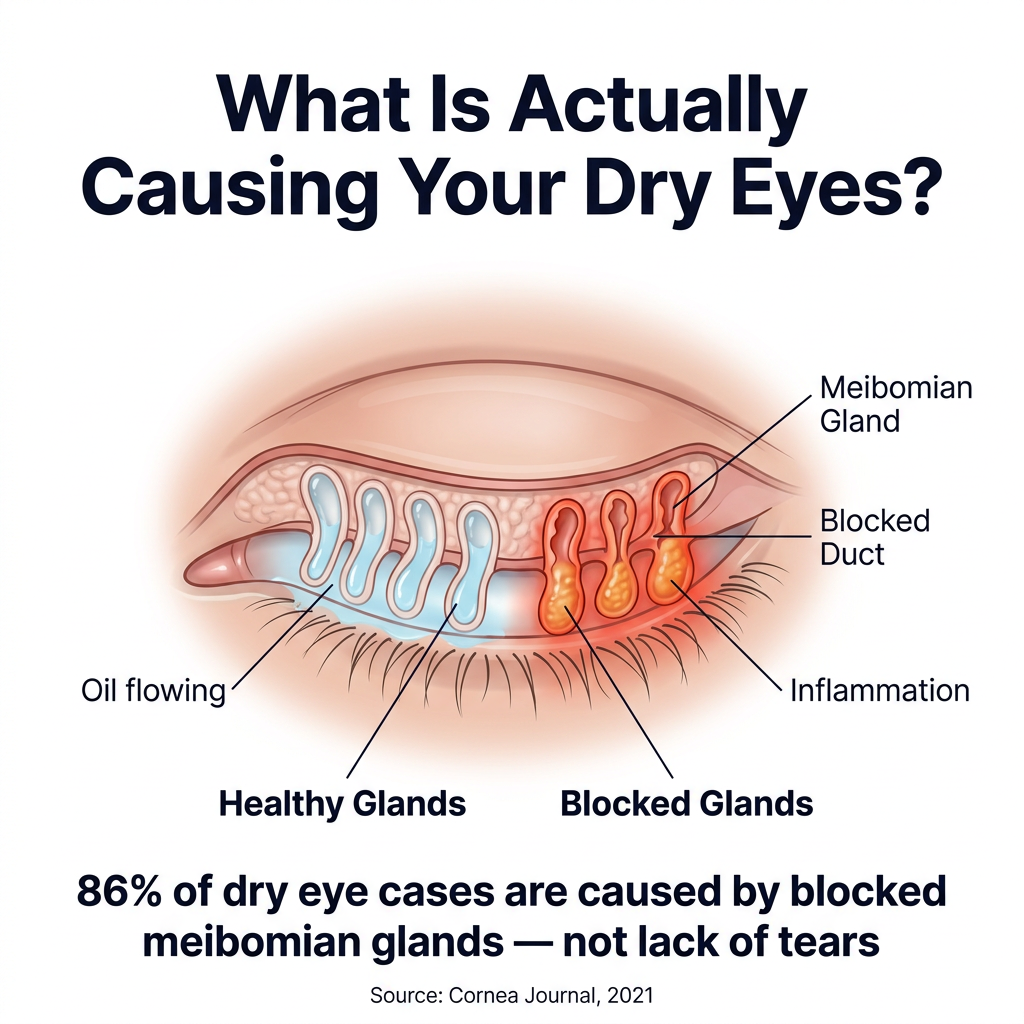
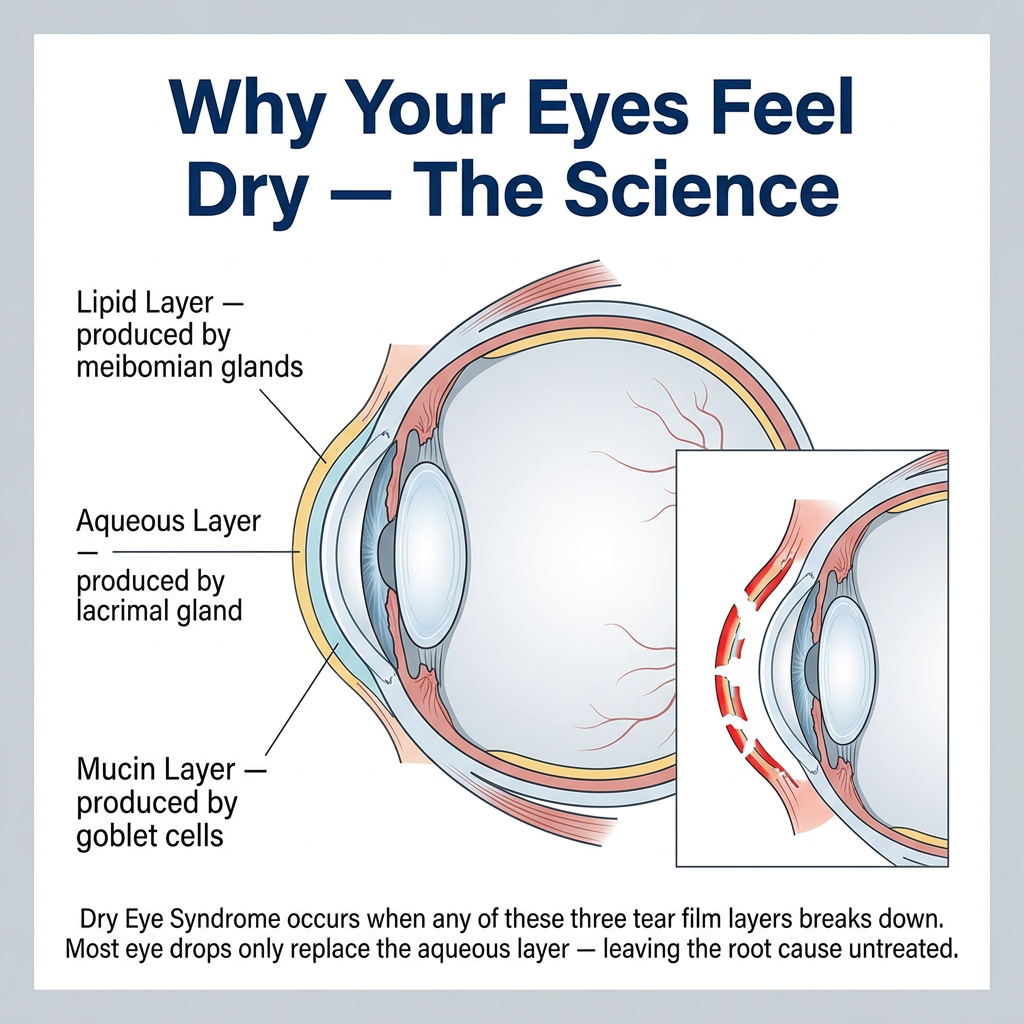
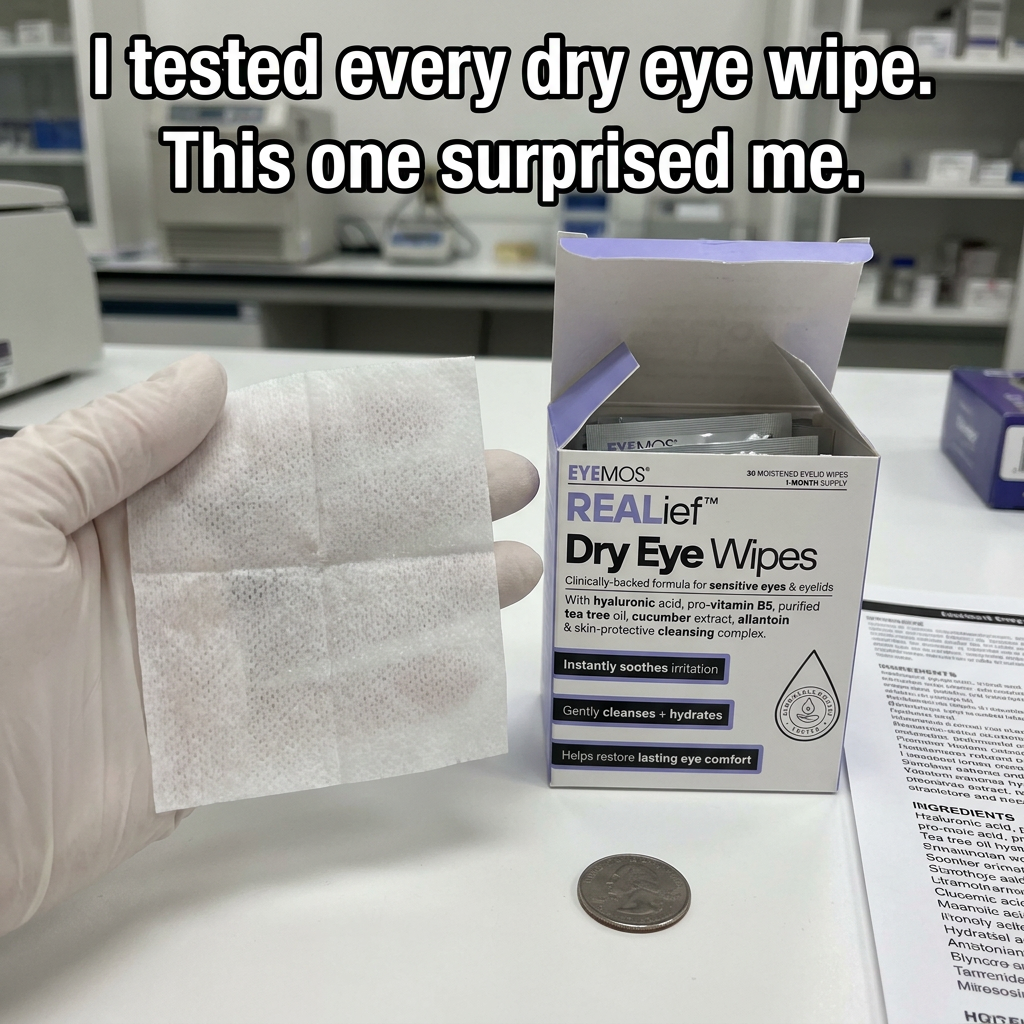
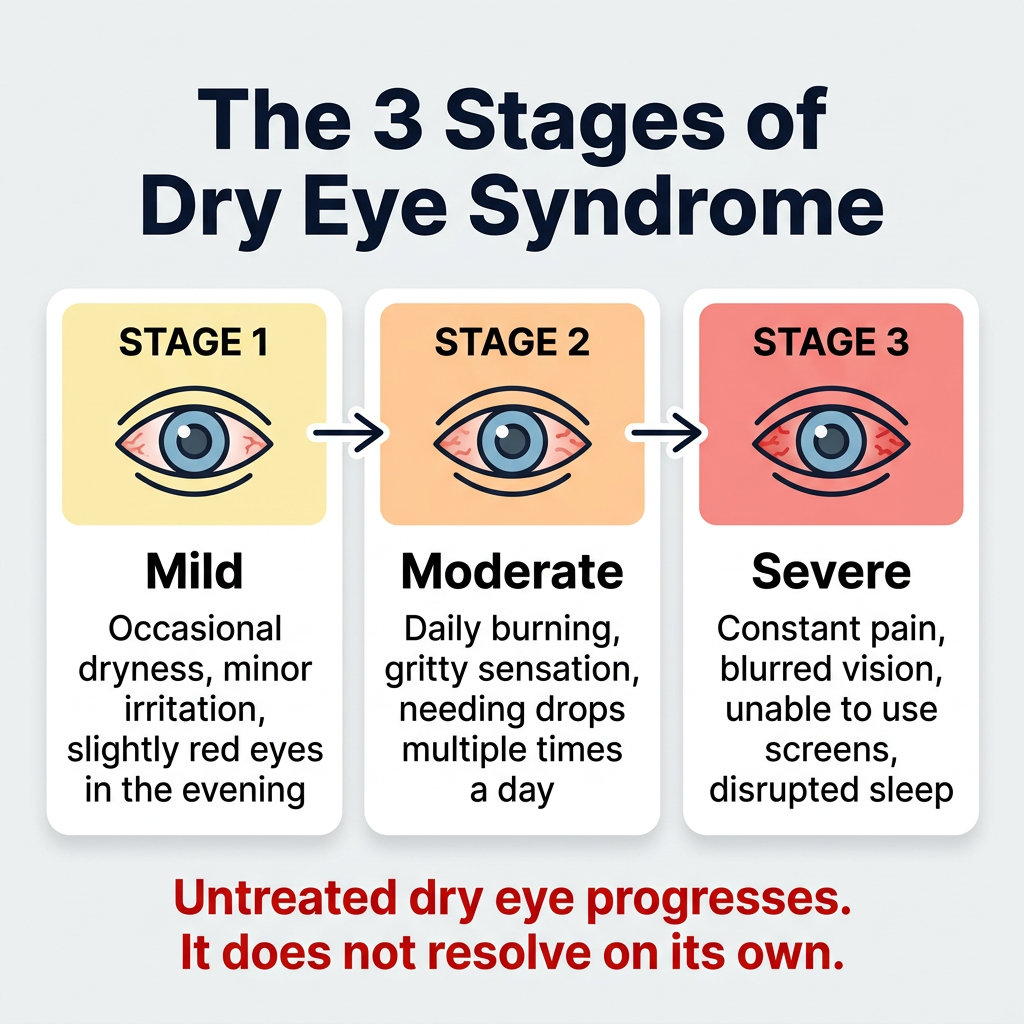
I spent the better part of six years convinced my eyes were just dry. That's what I told myself every time I reached for the drops. Every morning when I woke up and the first sensation was a burning, gritty feeling like someone had pressed sand into both eyelids while I slept. Every afternoon at my desk when the screen became impossible and I had to close my eyes and sit for a moment just to reset. Every night when I woke up at two in the morning and fumbled for the nightstand bottle in the dark. Just dry eyes. Everyone gets dry eyes. My name is Frank Delano. I'm 71 years old. Retired contractor from Sarasota, Florida. I built things for a living for forty-three years and I know the difference between a patch and a fix. For six years, I was patching. The symptoms started mild. Slightly red eyes in the evening. Minor irritation that I blamed on the Florida sun, on the dust from the last renovation job, on anything that made sense. That's Stage 1. That's what dry eye looks like when it starts — occasional dryness, slightly red eyes, minor irritation you can explain away. Then it became daily. Daily burning. The gritty sandpaper sensation that starts the moment you open your eyes and doesn't leave until you put in the drops. Needing drops multiple times a day just to get through normal tasks. That's Stage 2. That's where I lived for most of those six years — and where I watched the problem slowly get worse no matter what I did. The worst part was the screens. I couldn't watch television for more than thirty minutes without my eyes protesting. Reading became a physical effort. My grandkids would ask me to watch something with them and I'd be sitting there blinking constantly, rubbing the corners of my eyes, pretending everything was fine. It wasn't fine. Here is what none of the doctors, none of the pharmacists, and none of the boxes of drops ever explained to me clearly. Dry Eye Syndrome is not a water problem. It is not your eyes failing to produce enough tears. Your tear film has three layers. The outer layer is a lipid layer — an oil layer — produced by glands along your eyelid margin called meibomian glands. That oil layer is what stops your tears from evaporating. Underneath it sits the aqueous layer — the watery component produced by the lacrimal gland. And beneath that, the mucin layer, produced by goblet cells, anchors the whole tear film to the eye surface. Most eye drops — every bottle of Systane, every vial of Refresh, every single OTC drop on the pharmacy shelf — only replace the aqueous layer. The water. They do not touch the lipid layer. They do not address the oil. And here is the number that changed everything for me when I finally found it. 86% of dry eye cases are caused by blocked meibomian glands — not lack of tears. That statistic is from the Cornea Journal, 2021. It means that for 86 out of 100 people who reach for drops every day, the drops are addressing a component that isn't the primary problem. The water layer is being replaced. The oil layer — the layer that stops the water from evaporating within seconds — remains compromised. You are mopping the floor with the tap still running. I had been doing this for six years. The drops gave me about ninety minutes of relief. Sometimes two hours if I was sitting still in a cool room. Then the sandpaper feeling returned, the burning came back, and I reached for the bottle again. Eight, sometimes ten times a day. Every day. What nobody told me was this: my symptoms weren't just "dry eyes." They were the predictable result of something specific happening along my eyelid margin — something that drops were never designed to fix. The meibomian glands get congested. Bacteria, debris, dead skin cells, and in many adults over 50, microscopic organisms called Demodex mites, accumulate along the lash line. That accumulation blocks the oil glands. The oil can't flow. The tear film's protective lipid layer thins or disappears. Every blink evaporates the tear film faster than your eyes can regenerate it. The burning, the grittiness, the redness, the sensitivity to screens — those are not the problem. They are the symptoms of a blocked lid margin that is compounding every day it goes uncleaned. And the watery eyes — if you've ever had the confusing experience of eyes that water constantly but still feel completely dry — that is this same mechanism. When the tear film is unstable, your eye panics and overproduces watery tears. Those tears don't have the oil layer to hold them in place. They run down your face. And the eye surface is still dry underneath. I call this the Lid Blockage Loop. And once I understood it, I understood why six years of drops had never solved anything. I wanted to find out what actually would. I spent three weeks researching. Not the first page of Google results. I went into dry eye forums. Reddit communities. Facebook groups with tens of thousands of chronic sufferers who had tried everything available and were willing to talk honestly about what worked and what didn't. Then I found an article written by a former eye clinic director — thirty-two years running an ophthalmology practice in Atlanta before he retired — who had published a direct comparison of every major eyelid hygiene product on the market. Not a sponsored review. Not a brand partnership. He was retired. He had nothing to sell and no clinic to protect. He had tested six products against the four things a compromised lid margin actually needs: cleansing, Demodex treatment, deep hydration, and skin barrier repair. Here is what he found. OCuSOFT Lid Scrub is the most widely recommended eyelid cleanser in clinical settings. It cleans. But it uses a surfactant formula that strips the lid margin without restoring moisture. It leaves the skin drier than before, with no hydration layer applied after cleansing. It contains parabens. And in patients with already sensitive eyelids, repeated stripping without restoration worsened inflammation within weeks. Cliradex contains Tea Tree Oil — the active that addresses Demodex mites directly. For that single function it works. But the concentration is harsh. The most consistent complaint across user reviews is severe stinging on application, with irritation lasting ten to fifteen minutes post-use. It contains no hydration actives. No barrier repair. It addresses one of the four things the lid margin needs and leaves the other three completely unaddressed. Systane Lid Wipes are the convenience-branded version of the Systane eye drop line. They contain phenoxyethanol — a preservative that is a known periocular irritant in chronic use. No Tea Tree Oil. No Demodex treatment. No hydration layer. No barrier support. He described them as a hygiene-adjacent product, not a therapeutic one. Baby shampoo diluted on a cotton pad is still recommended in some clinical settings. He was direct about this one. Baby shampoo has an alkaline pH. Periocular skin has a natural acid mantle at approximately pH 4.5 to 5.5. Applying an alkaline solution to that skin repeatedly disrupts the barrier, strips natural oils, and worsens sensitivity over time. He said this recommendation needs to stop appearing on ophthalmology websites. Blephaclean is preservative-free and better tolerated in sensitive patients. Basic cleanser. No Tea Tree Oil. No hydration actives. No barrier support. Cleans and leaves. Nothing more. Warm compresses. He gave them full credit — they help liquefy congested meibomian oils and improve gland expression. He recommended them as part of a complete protocol. But in isolation, they do not cleanse the lash line. The bacteria and debris that caused the congestion remain. The Lid Blockage Loop restarts every night. Then he named the product that addressed all four things simultaneously. I'll be honest about my first reaction. A $35 box of wipes from a brand I had never heard of — after three weeks of research and six years of suffering — felt like the wrong answer. That's $1.16 a day. I had been spending $68 a month on drops that weren't working. Something this inexpensive solving something that expensive felt wrong to me. He included the full formula. I read it. Purified Tea Tree Oil at Terpinen-4-ol concentration. This is the pharmaceutical-grade active that directly targets Demodex mites and bacterial debris on the lash line. Not the concentrated form in Cliradex that causes stinging. Purified and precisely dosed for daily periocular use — effective without the burn. Hyaluronic Acid, Glycerin, Betaine, Sodium PCA, and Hydroxyethyl Urea. Five hydration actives working together in the same wipe. This is what every other product I had read about was missing. After the lash line is cleansed, it needs to be hydrated — not stripped and left dry. This formula does both steps in thirty seconds. Cucumber Extract and Allantoin. Immediate cooling and soothing of the lid margin. The reason users describe a noticeable, cooling sensation on first use. Panthenol — Pro-Vitamin B5. Supports active skin repair along the lash line, reducing sensitivity progressively with consistent daily use. Gluconolactone. A prebiotic that strengthens the skin microbiome at the eyelid margin. This is the defense layer that prevents the Lid Blockage Loop from restarting once the glands are cleared. Not one product in his entire comparison contained anything like it. No parabens. No sulfates. No fragrance. No harsh preservatives. A clean minimal system using food-grade Sodium Benzoate and Gluconolactone, safe for daily periocular use on the most sensitive eyes — including post-cataract and post-LASIK recovery. Individually sealed. Rinse-free. One wipe covers both eyes. The product is REALief Wipes by EYEMOS. $35 for a 30-day supply. I ordered that evening. Three days later: proper packaging, individually sealed foil pouches, no chemical smell. First use: a cooling sensation along the lash line. No sting. No burning. After six years of putting things near my eyes that stung, the absence of it was the first thing I noticed. Day three: I woke up and the sandpaper feeling was not there at the same level. I lay there for a moment noticing it. Reduced. Not gone. Reduced. Week one: I used drops three times on Thursday. I had been using them eight to ten times a day for years. Three times was a number I had not seen in a long time. I didn't track it deliberately. I noticed at the end of the day that the bottle had barely moved. Week two: my neighbor commented at the mailbox that my eyes looked less tired. I hadn't mentioned I was trying anything new. That was the first outside confirmation. Week three: I drove to the hardware store — forty minutes round trip — without once thinking about whether I had drops in my pocket. For six years I had not left the house without drops in my pocket. I did not realize how much mental space that had occupied until the day it wasn't there. Week four: I went back through my pharmacy receipts. I had not bought a box of Systane in thirty-one days. Thirty-one days without buying drops. After six years of $68 a month. 92% of users feel noticeable relief from dryness after the first use. 89% report less morning dryness within the first week. 87% say their eyes feel more comfortable throughout the day. 85% find they significantly reduce their use of artificial tears. That is from a survey of 732 repeat customers across eight weeks of tracked use. → Zara, 45: "Used them morning and night for just over a week. My eyelids look healthier and the sandpaper feeling is finally gone. Worth every penny." → Carol, 58: "I've tried five brands. These don't sting, don't smell, and actually hydrate. The others never hydrated." → Susan, 59: "My eyes used to get so dry by lunchtime. Now I get through most of the day comfortably. It really is a relief." → Dorothy, 68: "I wipe in the morning before work. My eyes used to get so dry by lunch. Now most days I don't even think about it." These are not dramatic recoveries. This is what happens when the Lid Blockage Loop is interrupted daily — with everything the eyelid margin actually needs — instead of asking drops to replace a water layer while the real mechanism continues unchecked underneath. The routine is thirty seconds. Once daily. Wipe down on the upper lid, wipe up on the lower lid, wipe across the lash line. No rinsing. No residue. No appointment required. No prescription needed. I use it alongside a warm compress — two minutes to loosen the oils, then the wipe to cleanse the debris. That is the complete protocol. One box is 30 individually sealed wipes. A full month's supply. $35. → eyemos.com/products/dry-eye-relief-eyelid-wipes 30-day money-back guarantee. Most people feel the difference within seven days. You have the full thirty to decide. If your eyes are not more comfortable, contact them for a full refund. No conditions. Dry Eye Syndrome does not resolve on its own. It progresses — from mild to moderate to severe — when the underlying mechanism is left unaddressed. The Lid Blockage Loop compounds every day it continues. The tap can be turned down. You just have to stop only mopping the floor. Frank Delano Retired Contractor, Sarasota, Florida 71 years old. Six years of drops. Done. P.S. The longer the meibomian glands remain congested, the harder the blockage is to clear and the more damage accumulates to the lid margin over time. My ophthalmologist confirmed this at my last appointment: early and consistent lid hygiene produces faster and more complete results than starting late. If you have been on drops for more than a year and the problem has not resolved — it will not resolve on its own. The mechanism driving every symptom has not been touched. That is what the wipe addresses. Do not wait for another bad morning to decide. P.P.S. EYEMOS does not pay me to write this. I have no affiliation with the brand, no connection to the clinic director whose comparison I read, and no financial interest in whether you buy this product or not. I am a 71-year-old retired contractor who spent six years on drops, found an honest comparison written by someone with 32 years of clinical experience, used the product for thirty days, and stopped buying Systane. That is my entire qualification for writing this. Your eyes deserve an honest answer.
Where the ad sends people
theperfectsightmagazine.com
Your eyes are trying to tell you something
Learn more: theperfectsightmagazine.com(opens in a new tab)