James Walsh
James Walsh Facebook ad: “Read this if you wash pet bedding in your washer”
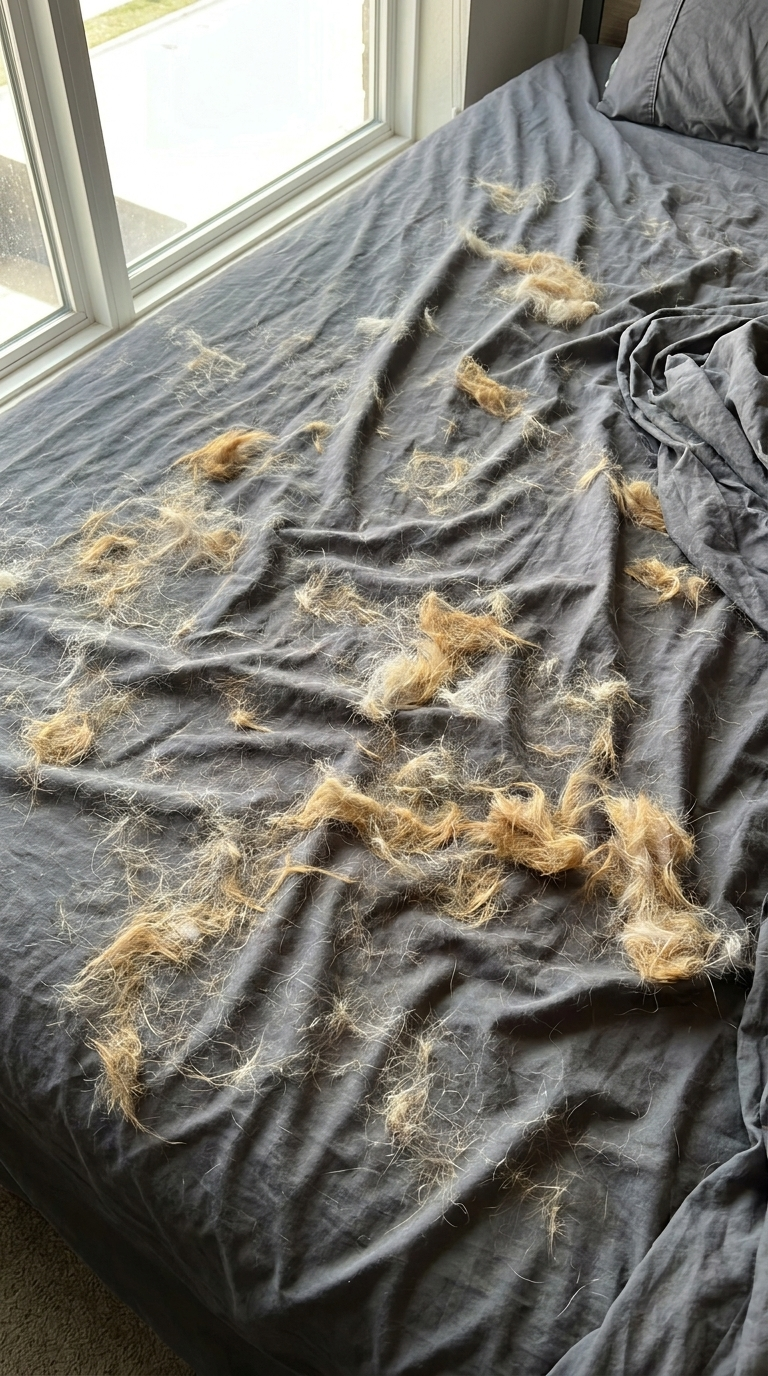
Ran for 5 days, from May 17 to May 22, 2026, the last day Crush saw it.
Run by James Walsh on Facebook. Crush is not the advertiser and does not verify its claims. See this ad in Meta's Ad Library(opens in a new tab)
Want an ad like this for your product?
Crush makes new ad images for your product from this ad: your logo, your product photo, your offer.
Trials from $19.95 USD, then $79.95 USD a month. Cancel anytime.
About this ad
- Meta Ad Library ID
- 1005043692394991
- Platforms
- Facebook, Instagram, Audience Network, Messenger and Threads
- Relaunches
- 0
- Niche
- Pets
Ad text
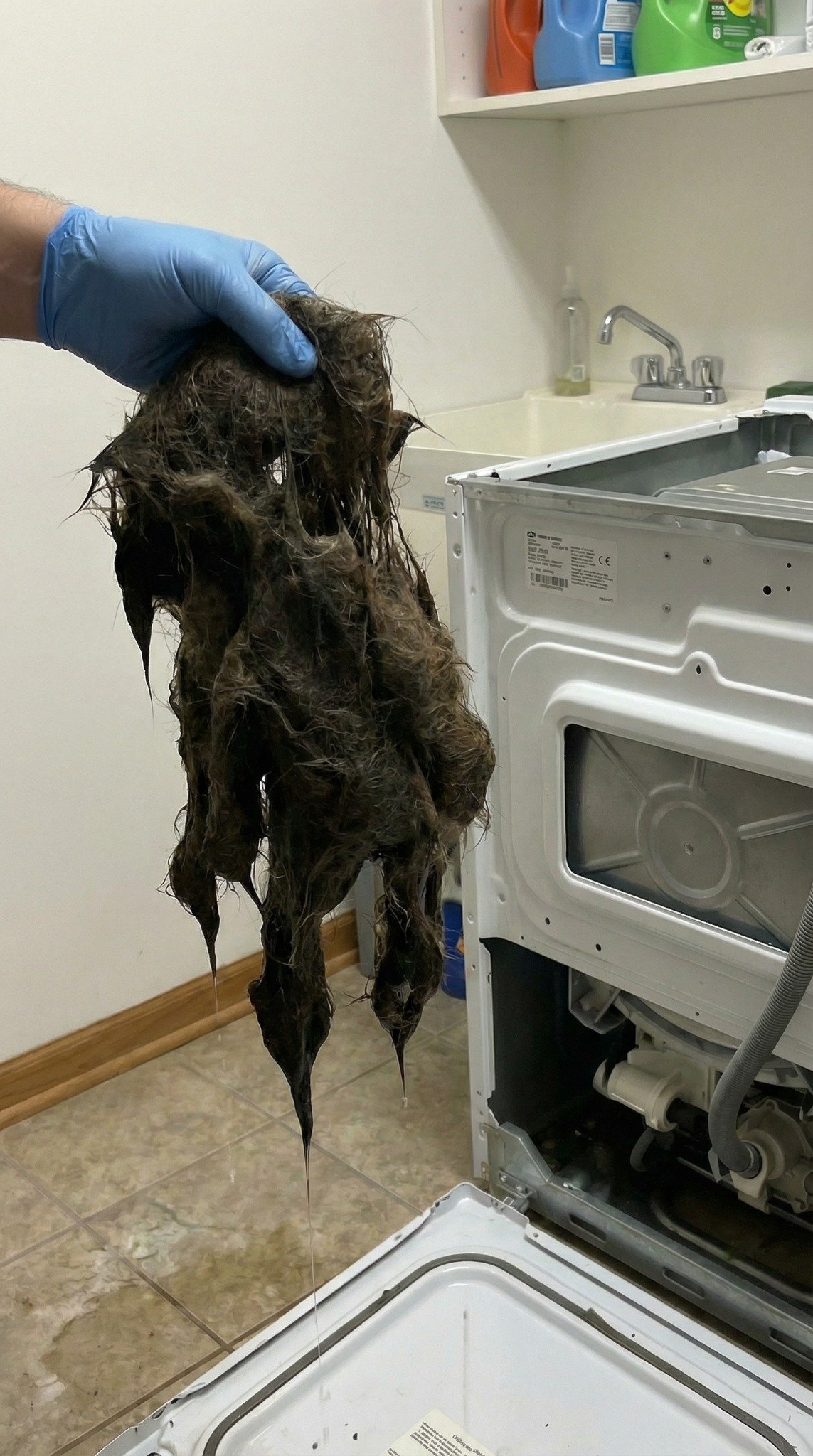
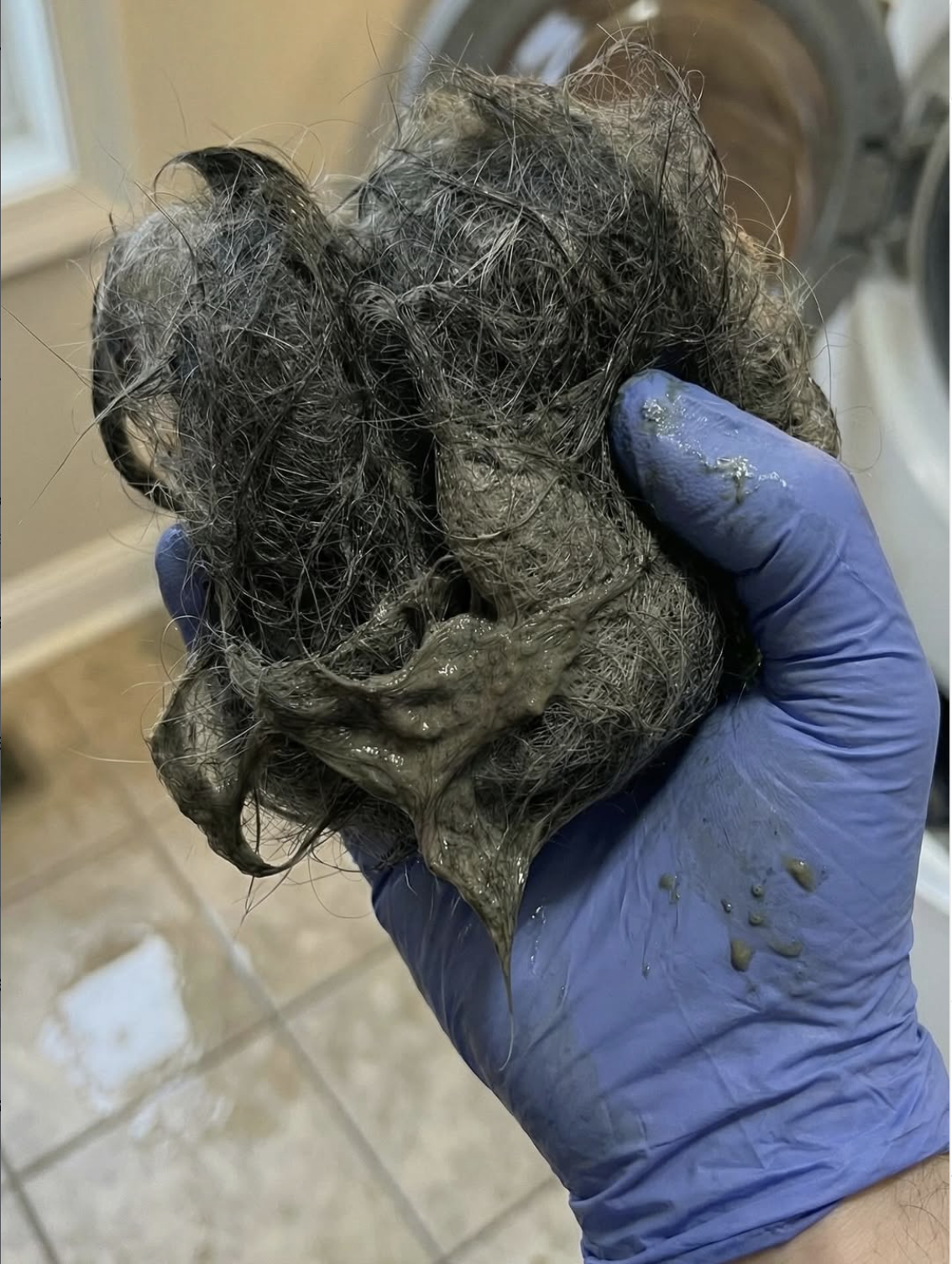
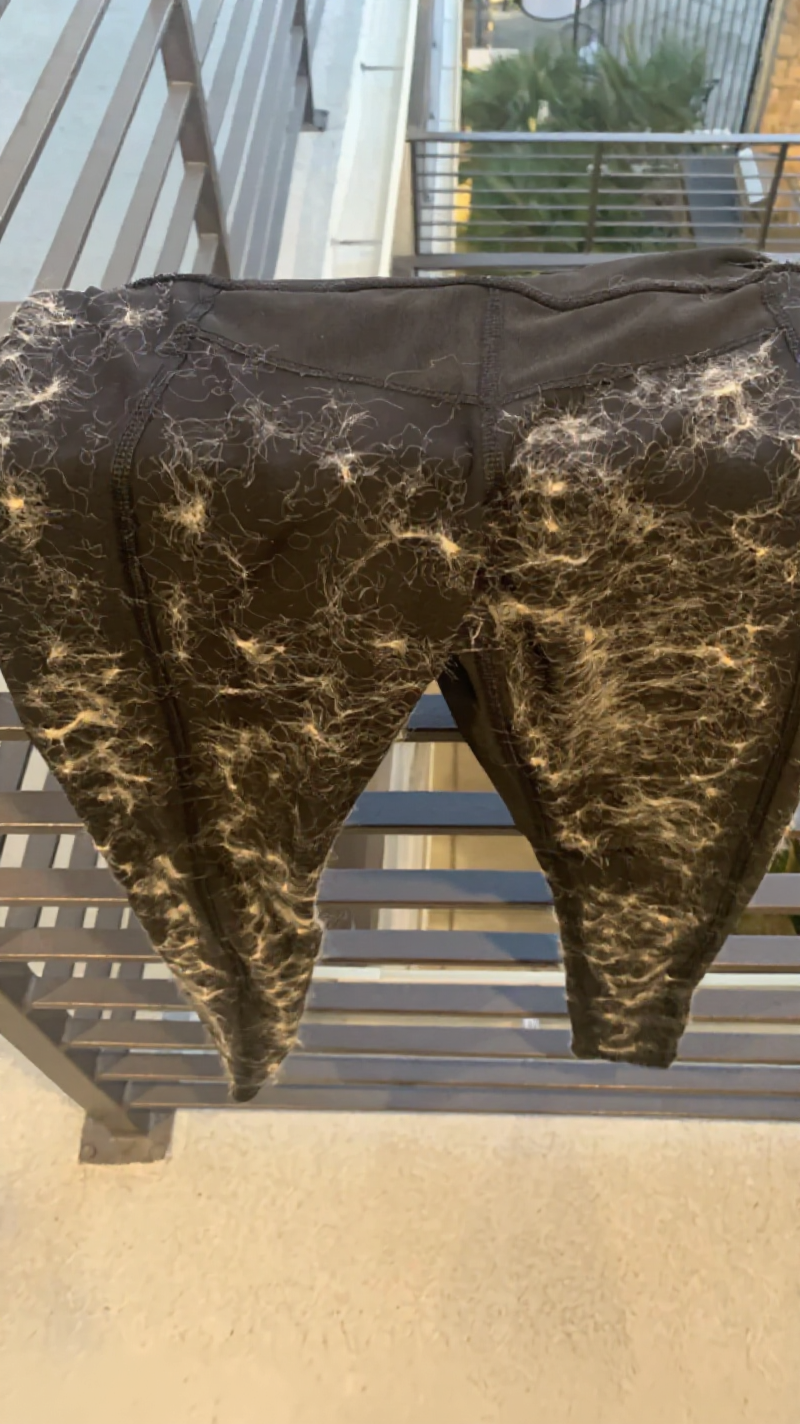
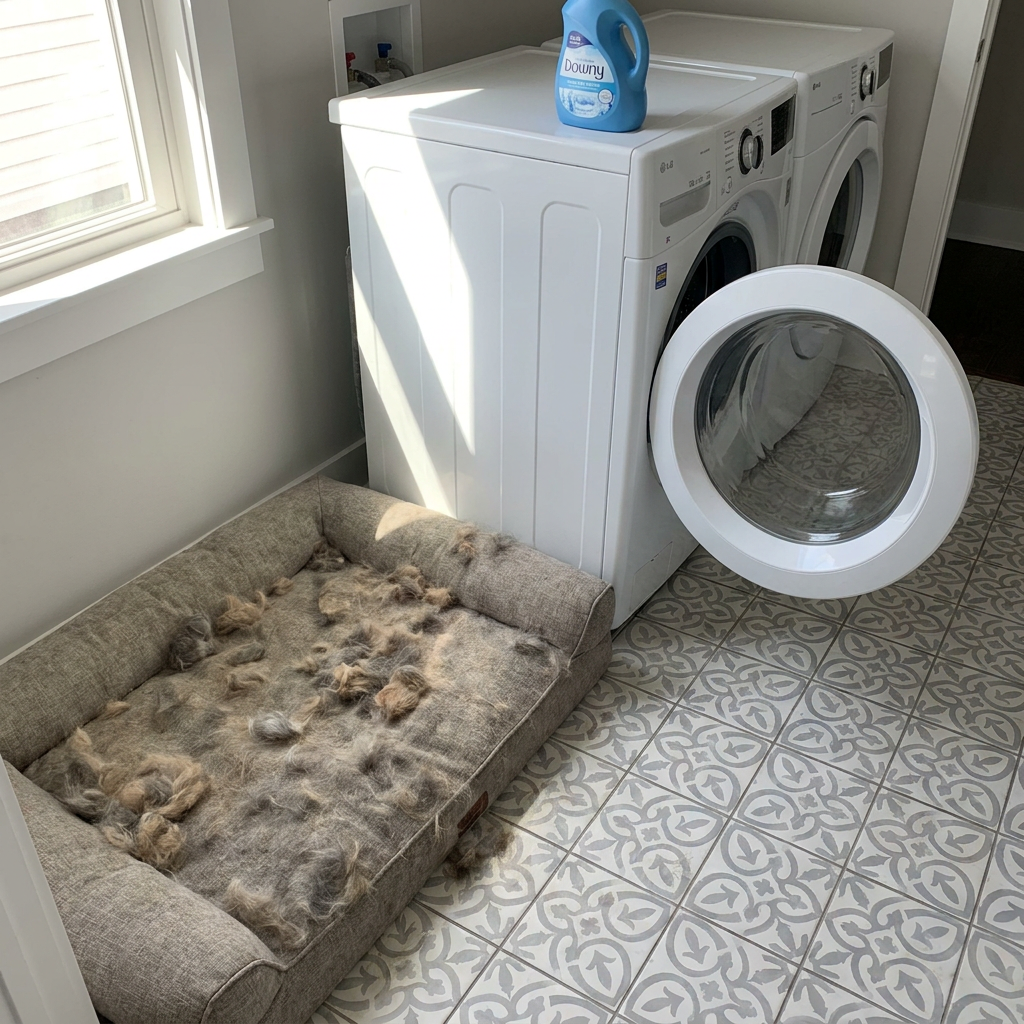
Retired plumber here. Please STOP washing your dog's bedding in your washing machine like most of my customers did. I replaced 200+ drain pumps because of it, and every single one was a $350 bill that could've been prevented. I worked as a plumber for 28 years. The same repair kept happening, to different families, in different houses, every single year without fail. And when I retired last spring I decided I wanted to say something about it. Because what I watched happen, repeatedly, for nearly three decades, was completely preventable. And nobody was telling people why. Here's what your washing machine manual doesn't explain. When you put your dog's bedding in the drum, you're not just washing a piece of fabric. You're washing something covered in a very specific type of hair that your machine was never engineered to handle. Dog hair is made of keratin. The same stuff your own hair and nails are made of. Keratin is a protein. And the moment keratin gets wet, it does something most people wouldn't expect. It becomes sticky. Not just slightly tacky. It grips surfaces inside the drum with real force. It wraps itself around internal components. It threads into the gaps between moving parts. It slips down past the drum and works its way into the drain lines where you can't see it and the water barely reaches. Now here's the part that turns a nuisance into an expensive problem. Your regular laundry detergent, whatever you're using right now, was formulated to break down dirt and oils. That is what it was designed to do. Dirt and oils. It was never formulated to break down protein. So when the water and detergent move through a full wash cycle, the mud comes out, the smell largely comes out, and the surface dirt comes out. But the hair? At a structural level, the detergent leaves it completely intact. The water moves some of it into the rinse and out through the drain. But a large amount of it stays exactly where it settled. Clinging to the drum walls. Sitting in the drainage path. I had a woman in Houston who ran an empty hot wash through her machine every single month. Vinegar in the drum, no clothes, let it run. She was more on top of her machine maintenance than most people I ever met. Called me anyway. Eighteen months of monthly vinegar cycles and there was still a compacted mass in the drain pump the size of my fist. Another customer, a man in his sixties in Dallas, had bought one of those mesh laundry bags specifically to trap the hair before it went anywhere. Used it every single wash for over a year. Still called me. The bag was catching what came off the bedding during the cycle. The hair already sitting in the drain lines from the year before the bag arrived wasn't going anywhere. Both of them had done more than most people bother to do. And I still had to come out. Because none of it was touching the keratin already compacted where the real damage happens. And over weeks, it starts to accumulate. Over months, it compresses. After a year or two of washing dog bedding the same way most people do, I've reached into drain pumps with my hands and pulled out clumps of compacted hair the size of softballs. Dense, solid masses that have completely blocked the water from draining out. And the machine doesn't know that blockage is there. It just keeps trying to do its job. The pump strains against the obstruction every single cycle. The motor works harder than it was ever built to work. And you start noticing things that seem small and easy to explain away. The cycle takes a little longer to finish than it used to. There's a noise during the spin that wasn't there six months ago. The machine vibrates a bit more than normal, enough that you've noticed it but not enough that you've called anyone. You figure it's just getting older. Now I know what some of you are thinking. You've been washing the dog bed in that machine for years and it's been absolutely fine. I heard that from almost every customer I ever had. Right up until the day they called me. Here's what I need you to understand about how this actually works. The hair doesn't build up gradually and then slowly start causing problems you can catch in time. It compresses silently for months and years with no signal at all, and then the pump fails. One day the machine runs fine. The next day it doesn't drain. And in 28 years of doing this work, the customers who had been washing pet bedding the longest were almost always the ones with the worst blockages inside. Five years of hair building up is more compacted than two years of hair building up. The longer it's been going on, the closer to the tipping point you are. You just can't see that from the outside. The machine running isn't proof the pump is clean. It's proof the blockage hasn't reached the point where it stops the pump yet. Those are two very different things. Then one morning the bedding is sitting in standing water and the machine won't drain. Or it stops mid-cycle and gives you an error. That's when you call someone like me. I come out, open it up, and there it is. The blockage that started building from the very first time that dog bed went in the drum. Sometimes the pump is just blocked and needs clearing. Sometimes it's already burned out from months of fighting against that mass, and it needs replacing entirely. Either way, you're looking at a $350 bill. And that's if you catch it before the pump burns out completely. Because when a pump fails from sustained strain, it doesn't always fail alone. It takes other components with it. And that's when the bill stops being a repair and starts being a decision about whether the machine is even worth fixing. I had that conversation hundreds of times over the years. And every single time I handed over that invoice, I knew it didn't need to happen. That money should still have been in their pocket. The problem isn't washing the bedding. Bedding needs washing. Of course it does. The problem is that nothing in a standard wash cycle actually dissolves the keratin in pet hair before it has the chance to build up inside the machine. Detergent does what detergent was made to do. Protein was never on that list. So after I retired, I took my 2 Labradors in for a groom one Saturday morning. I got talking to the woman who runs the salon, the way you do when you're standing there waiting. I mentioned what I'd done for a living, and she nodded like she'd heard it before. She said she'd been recommending something to her clients for exactly this reason. Said she'd started sending people home with a tub of it after noticing how many of them were coming back with the same story about their machines making strange noises or taking too long to drain. She showed me a tub of something called Sorvaq Pet Hair Dissolver. A powder, specifically designed to break down keratin at a molecular level. That's the part that caught my attention straight away, because that was exactly the right answer to the right problem. Where your regular detergent leaves the protein structure of dog hair completely intact, Sorvaq uses a chemistry that actually dissolves it. The hair that's been building up inside the machine breaks down completely. And everything that's been sitting in the drain lines and compacting around the pump flushes out cleanly with the water instead of staying there. What I do now is straightforward. Every two weeks I pour 2 tablespoons directly into an empty drum. Nothing in the machine. No bedding, no clothes. Just the powder and the self-clean cycle. The machine runs its cleaning cycle at the high heat the formula needs to work properly and everything that's been building up in the drainage path breaks down and rinses out. Then I wash the dog bedding separately as I normally would. The bedding gets clean. And the machine stays clean underneath, where it actually matters. That's the whole process. Two tablespoons every two weeks on an empty drum. Nothing complicated, nothing that takes any real time out of the day. My wife thought I was being overly cautious about it when I first started using it. She said the machine had been running fine for years, which was true. But I knew what fine looks like from the outside. I also knew what the inside of a machine looked like after two years of washing dog bedding without anything to break the hair down. And those two things are not the same picture. A few months after switching to Sorvaq I did something I'd never done at my own house before. I opened up the drain pump housing just to have a look inside. What I found was about what I'd hoped for. No compacted mass forming. No buildup in the drainage path. Just a clean pump doing the job it was built to do. Twenty-eight years of watching the same failure happen in other people's homes, and my machine wasn't heading in that direction. That was good enough for me. I'm one retired plumber with two dogs and an opinion built from nearly three decades of the same service call. What I know for certain is what keratin does when it gets wet, how regular detergent responds to it, and what I've pulled out of drain pumps with my own hands. The families who called me would have been very happy to spend a fraction of that $350 bill on something that actually prevented the repair. But if you've got a dog and you're washing their bedding in your machine, this is the thing I wish someone had said to my customers before they needed me to come out.
Where the ad sends people
sorvaq.com
Read this if you wash pet bedding in your washer👆
Sorvaq™
Shop now: sorvaq.com(opens in a new tab)