
Active· since Jun 8, 2026
- 102
- days running
- 0
- relaunches
Ad copy
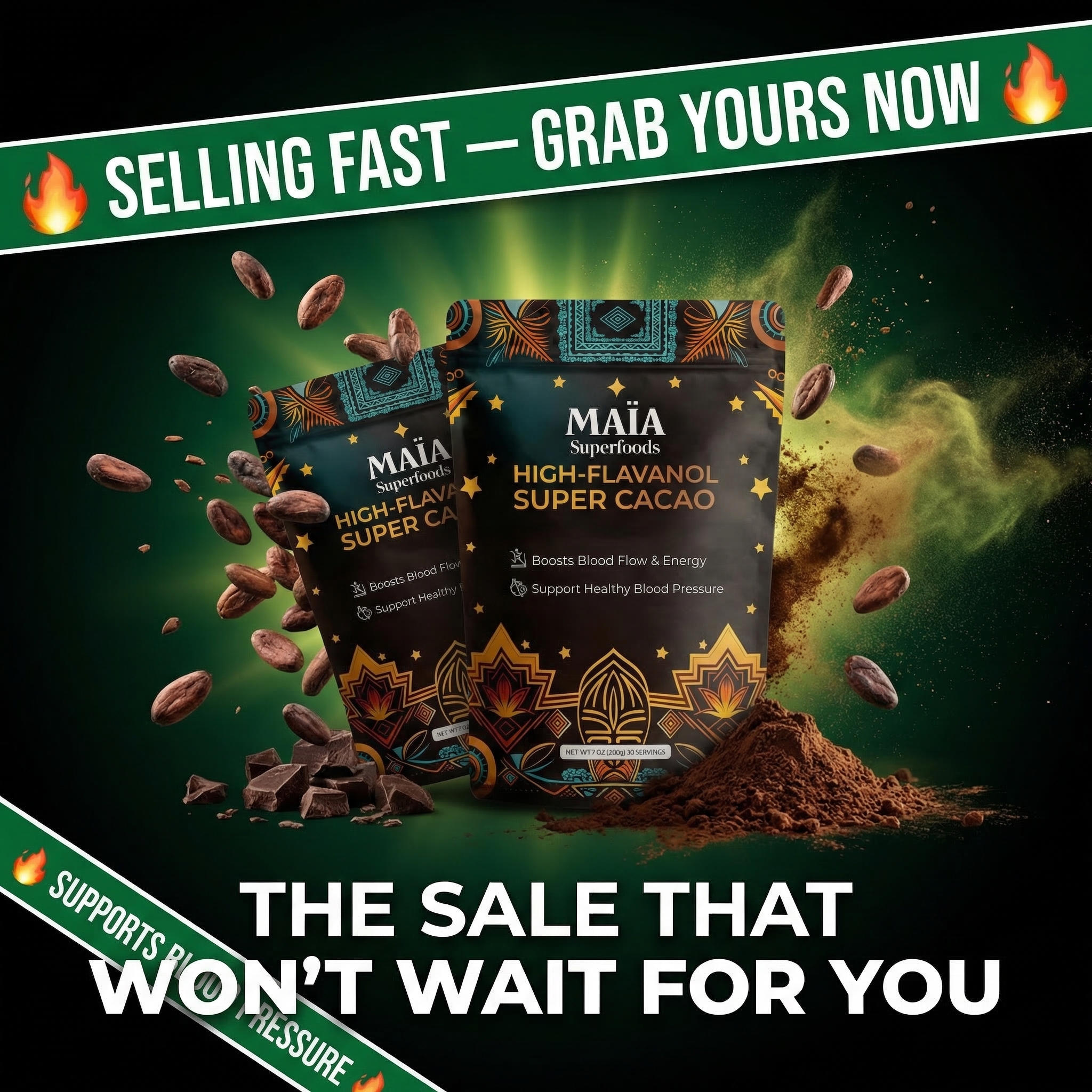
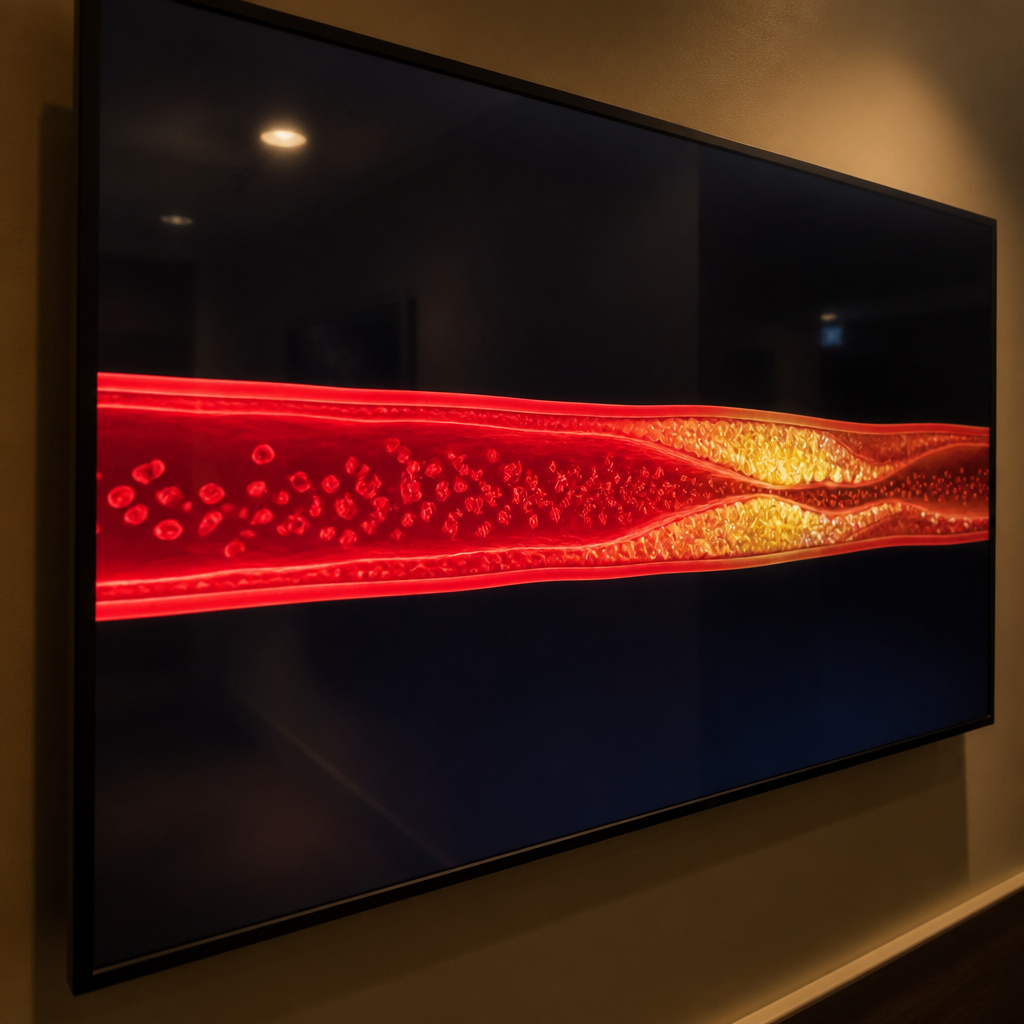
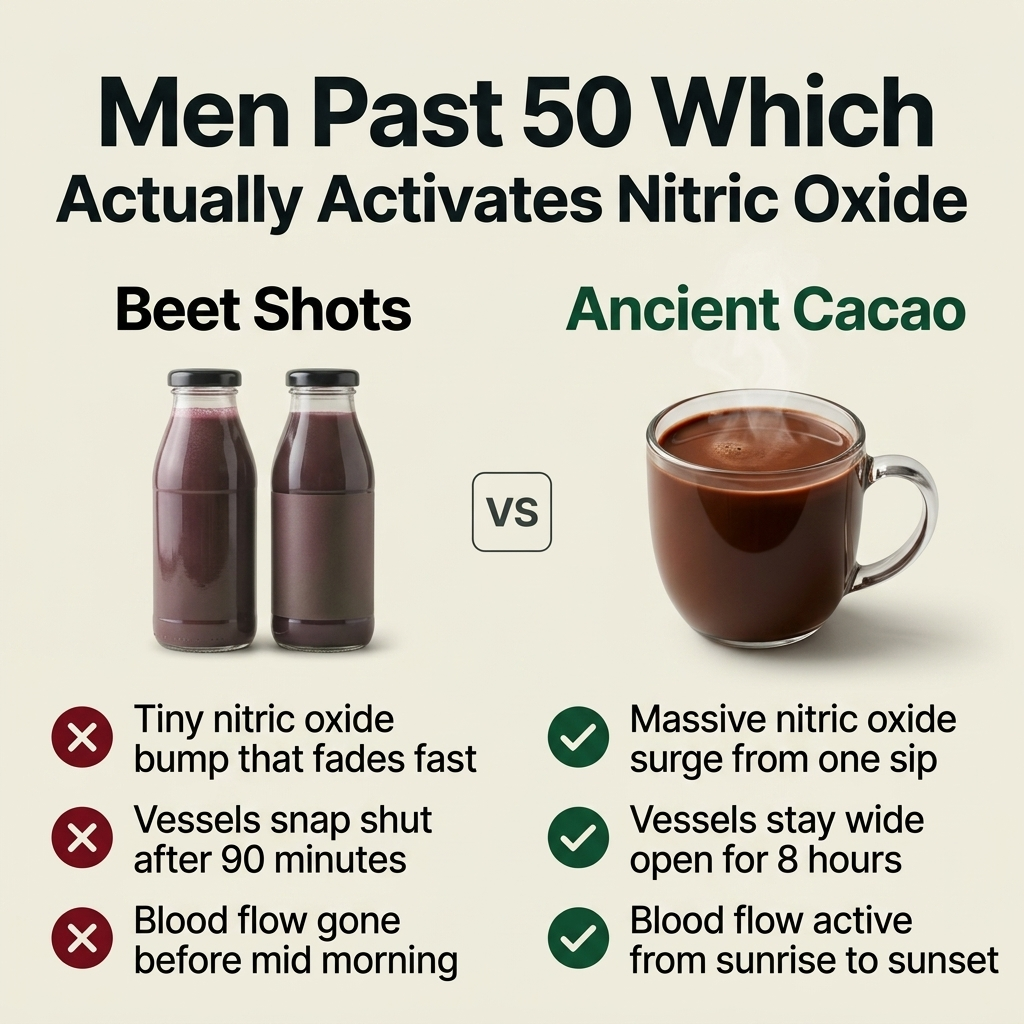
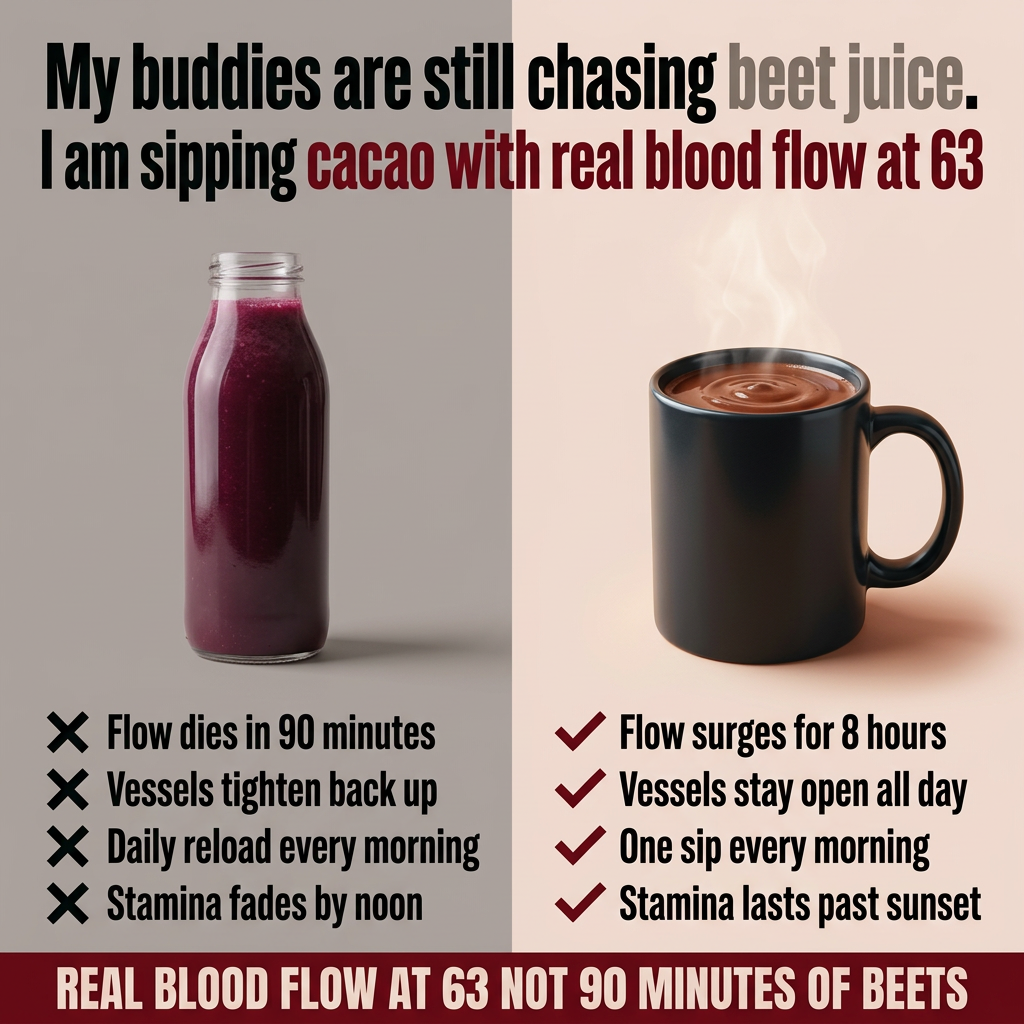
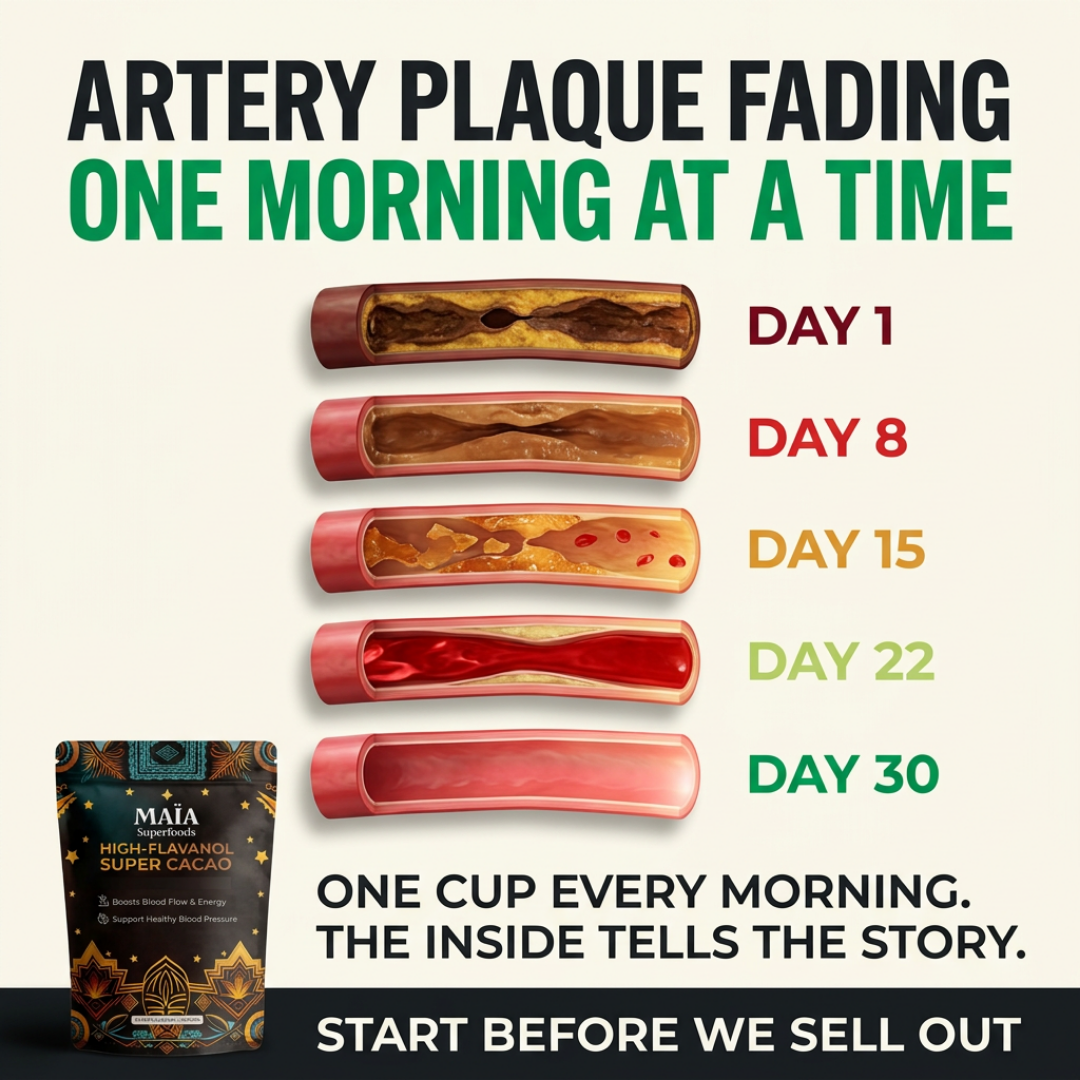
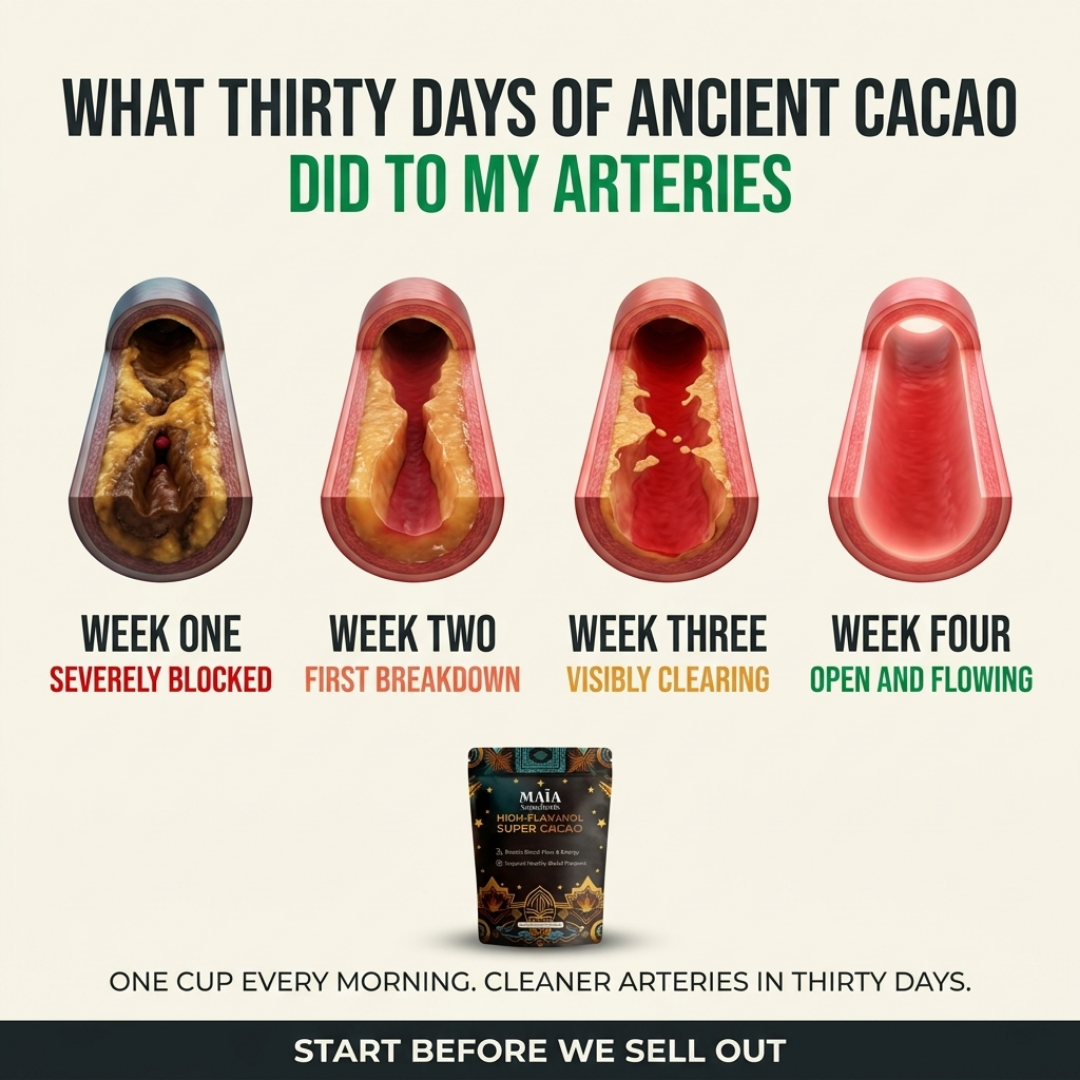
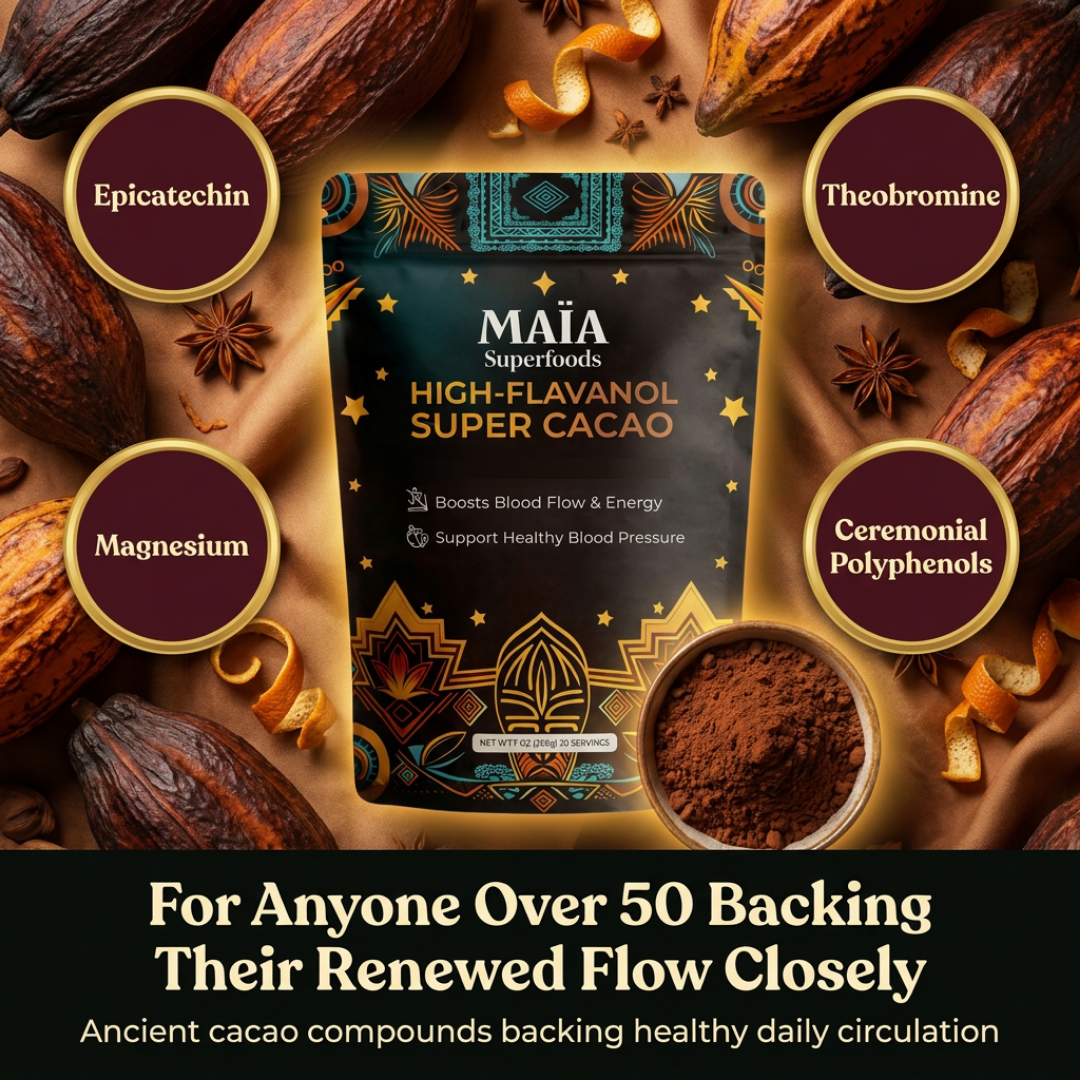
My artery plaque scan put a number on my chest that I couldn't stop thinking about for nine straight months. 637. That was the number. The cardiologist gave it to me on a Tuesday morning in February. He turned the screen toward me, showed me the white specks scattered across the silhouette of my chest, and said the words "moderately to severely elevated." I'm 61 years old. I went home that afternoon and I told my wife. Then I went into my office. I closed the door. I sat at my desk and stared at the printout for an hour. Nine months. That number lived in my head for nine straight months. It was the first thing I thought about when I woke up at 4am. It was the last thing I thought about before I fell asleep. It was in the background of every meal. Every walk. Every time I climbed the stairs in my own house. Every time I picked up my granddaughter. I would be sitting at a dinner with friends, laughing at a story, and the number would be there in the back of my mind like static. I would be driving to the grocery store and catch myself doing the math. How long do I have before that number becomes a stent. Or worse. I stopped sleeping through the night. I started getting up at 3am and sitting at the kitchen table with the lights off. My wife noticed. She would come downstairs at 4am and find me sitting there with a cold cup of coffee. She'd sit down across from me without saying anything. She'd put her hand on top of mine on the table. That was all she could do. The number was on my chest. She couldn't carry it for me. I did everything I could think of. I cut salt to nothing. I cut red meat to nothing. I cut sugar. I cut alcohol. I walked three miles every morning. I lost 14 pounds in five months. I tried fish oil three times a day. Garlic capsules. CoQ10. Niacin. Vitamin K2. Red yeast rice. Beet juice every morning for four months. Three different "circulation support" products from the health food store. Nothing moved. But the symptoms kept getting worse. A pressure across my chest walking up the staircase at home. Cold hands every winter. Heavy legs walking from the truck to the front door. A dull pressure behind both eyes that wouldn't quit. I started flinching when my granddaughter ran toward me wanting to be picked up. Not because of her. Because of the number. In November, nine months after the scan, my brother Dan came up for Thanksgiving. Dan is 69. Retired pharmacist. 35 years at a hospital pharmacy outside Pittsburgh. The careful, quiet kind of smart that makes you want to listen. We were sitting on the back porch the day after Thanksgiving, both of us in jackets, watching the kids play in the yard. I told him everything. The scan. The number. The 4am kitchen table. The granddaughter. The supplements that didn't work. Dan was quiet for a long time. And then he said, "Tom. I want to tell you what a colleague of mine taught me six years ago. Nobody is talking about this and they should." Here's what he said. Most people picture artery plaque as cholesterol stuck inside a pipe. That picture is incomplete. The real story is happening at the lining of your blood vessels. That lining is called the endothelium. It is one cell thick. A healthy endothelium produces a molecule called nitric oxide. Nitric oxide keeps your arteries flexible. It keeps the inner wall smooth. It keeps the blood flowing without resistance. When the endothelium is healthy, plaque cannot easily attach. When the endothelium is damaged, the body treats it like a wound. It sends cholesterol, calcium, and inflammatory cells to seal the injury. Over decades, that patch hardens. That patch is plaque. So the question isn't really how to scrape the plaque off. The question is how to heal the endothelium underneath it. When the endothelium starts producing nitric oxide again, the arteries regain their flexibility. The inflammation cools down. The body stops sending new patches. The plaque you already have stops growing. After 50, nitric oxide production drops by as much as 50 percent. By 60, it can be down 60 percent or more. Three things accelerate the drop. Decades of stress and processed food damage the endothelium. Chronic inflammation interferes with nitric oxide production at the cellular level. And almost nothing on the supplement aisle actually reaches the endothelium. Fish oil supports inflammation, but doesn't reach the lining. Garlic has a small effect. CoQ10 works on a different system. Red yeast rice works on cholesterol production, not on the wall. Beet juice has a small short-term effect. None of them feed the endothelium. None of them restore the body's ability to produce nitric oxide. Dan said what I actually needed was a specific plant compound called a flavanol. The kind found in raw cacao. I said, "Dan. Chocolate?" He said, "Tom. It's not chocolate. It's cacao. Raw. Real." Cacao flavanols have been studied in dozens of clinical trials for their effect on the endothelium. They support nitric oxide production directly. They support healthy vascular flexibility. They support healthy arterial function. They may help maintain healthy blood flow. But here is the trap. Almost every cacao product on the shelf has been destroyed before it reaches you. The raw cacao bean is one of the densest sources of flavanols on earth. Roasting destroys 40 to 60 percent of the flavanols. Dutching with alkali destroys another 30 to 50 percent. Sugar, dairy, and emulsifiers dilute what's left. By the time it reaches the grocery shelf, 60 to 90 percent of the flavanols are gone. You're getting flavor. You're not getting function. I had been eating dark chocolate squares for two years. They had done nothing. Dan said the cacao that works has to be: Raw. Cold-processed. Never roasted. Never dutched. Made from a heirloom bean called Criollo. Dosed at clinical levels of flavanols. Third-party tested. He said in six years of looking, he had only found one small company that hit every criterion. A company called MAÏA. The only one he had found that disclosed the exact flavanol content right on the label. Cold-processed. Criollo beans. Third-party tested every batch. No sugar. No dairy. No fillers. Just cacao, the way it has been made for five thousand years. I ordered it that night. It arrived four days later. I drank a cup every morning with hot water and a splash of milk. The first week, nothing dramatic. It tasted like real chocolate. Earthy. Deep. The way chocolate used to taste before everything got sweet. By week three, my hands felt warm in the morning for the first time in two winters. By week four, the pressure on the stairs was gone. By week six, I picked my granddaughter up and spun her around in the kitchen. She squealed. I held her against my chest and didn't think about the number for the first time in nine months. By week eight, I was sleeping through the night. By month three, I was walking five miles every morning. By month five, I went back for another scan. I sat in the same chair. Same screen. Same cardiologist. He pulled up the two scans side by side. He looked at the screen for a long moment. He looked at me. He said, "Tom. This is significant movement in the right direction. What have you been doing." I told him. He wrote it down on a yellow legal pad. I drove home with the printout on the passenger seat. My wife was at the kitchen island when I walked in. I held up the printout. She walked over slowly. She took it from me. She read the number. And then she said the thing she had been wanting to say for nine months. She said, "Tom. You can stop carrying it now." I want to say something to the men reading this. If a number has been living on your chest. If you have been waking up at 3am to think about it. If you have been sitting at a kitchen table in the dark. If you have been flinching when your grandchildren run toward you. If you have been doing the math in your head about how long you have before it gets worse. You are not powerless. You are not done. Your endothelium is damaged. Your nitric oxide production is dropping. Your arteries have stopped flexing. And the supplements you have tried so far cannot reach the place where the actual problem lives. MAÏA offers a 30-day money-back guarantee. That is the only reason I had the nerve to order it. If it doesn't work for you, they refund every dollar. They are a small company. They sell out. Last time I reordered, they were on backorder for over a week. So if you click below and they're out, I'm sorry. Try again next week. But if they have it. Get it. Don't carry the number for one more month. Don't sit in the dark at 4am. Don't flinch when your grandchildren run to you. You can come back. I came back. The number is going the other way. The link is below. https://checkout.getmaia.co/shocking-discovery-plaque
The Ancient Protocol For Artery Plaque
LEARN MORELike this ad? Make it yours.
Crush rebuilds this exact creative around your product — your brand, your colors, your offer — in about a minute.