The Daily Edit
The Daily Edit Facebook ad: “Real Reason For Bladder Leaks”
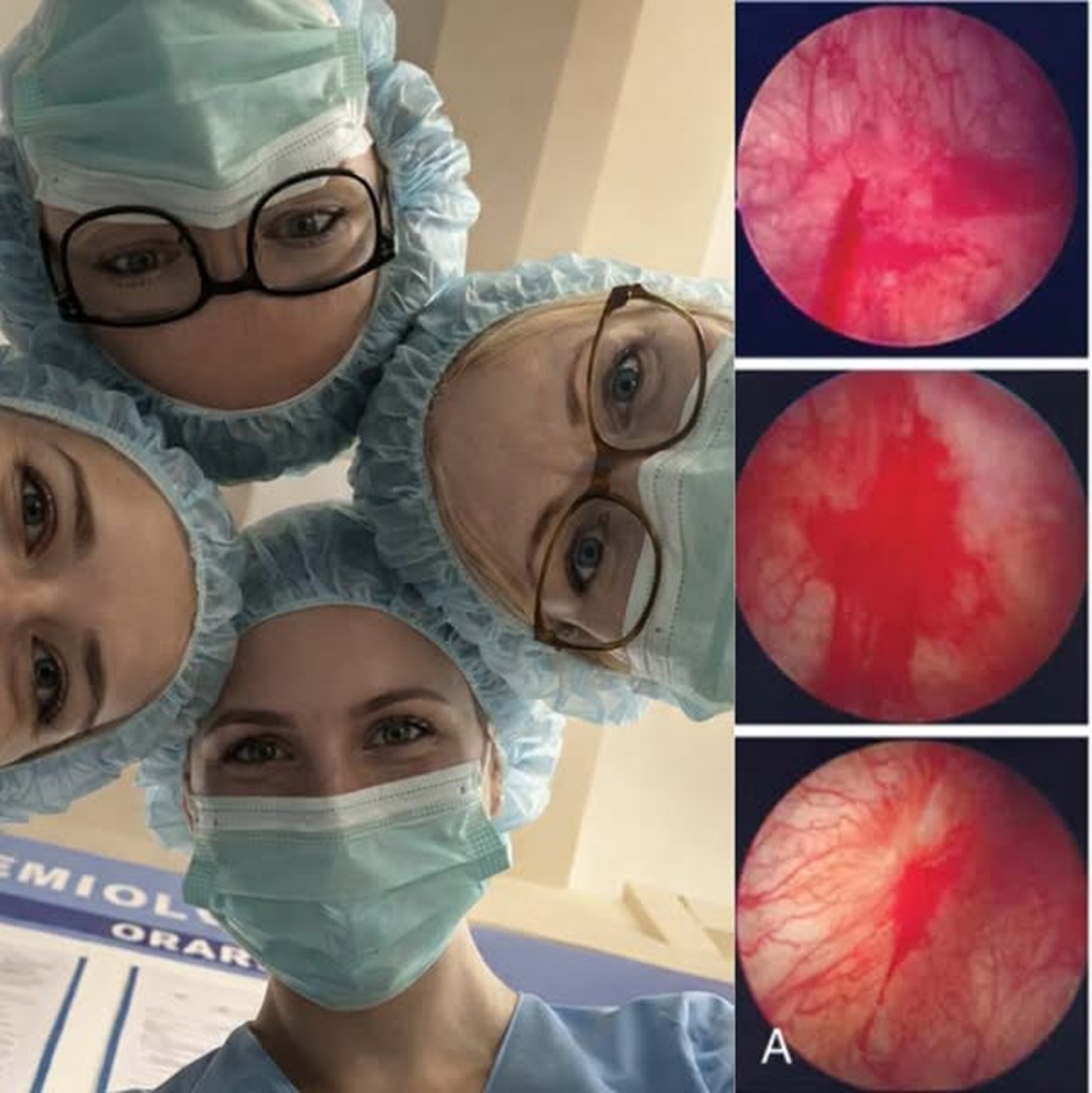
Ran for 16 days, from June 4 to June 19, 2026, the last day Crush saw it.
Run by The Daily Edit on Facebook. Crush is not the advertiser and does not verify its claims. See this ad in Meta's Ad Library(opens in a new tab)
Want an ad like this for your product?
Crush makes new ad images for your product from this ad: your logo, your product photo, your offer.
Trials from $19.95 USD, then $79.95 USD a month. Cancel anytime.
About this ad
- Meta Ad Library ID
- 1006749655101632
- Platforms
- Facebook, Instagram, Audience Network, Messenger and Threads
- Relaunches
- 1
Ad text
If you've had three or more UTIs in the past year despite doing everything right, your GP keeps prescribing nitrofurantoin to "clear the infection," and every cranberry capsule from Boots has done absolutely nothing, I'm about to tell you exactly what they're not telling you and why they'll NEVER give you the real answer. And by the end of this, you're going to be furious. Because there are three things happening right now: One. Your body is screaming at you that something is seriously wrong. And it has NOTHING to do with how you're wiping. Two. The NHS pathway is gaslighting you into thinking this is just "what happens after the menopause," your anatomy, or a condition you have to manage forever. And three. There's a multi-billion-pound antibiotics and women's health industry that profits every single day your real problem stays hidden. So let me tell you what happened with my sister, because her story is going to open your eyes to how broken this really is. For FOUR YEARS my sister Penny was watching her body become unrecognisable. She had her first UTI at 56. About six months after her last period. Put on a 3-day course of nitrofurantoin immediately. GP told her this would clear it completely. Within five months? She had her second one. By year two? She was getting UTIs every 6 to 8 weeks. She'd learned to recognise the exact moment the burning started, that particular pressure low in her pelvis that meant she had maybe 24 hours before it became unbearable. She'd started ringing the surgery on the first morning of symptoms because the receptionist had heard her name enough times to put her straight through. Her GP called it "self-start treatment." She called it living in fear of her own bladder. By year four? She had been through 11 rounds of antibiotics. Nitrofurantoin. Trimethoprim. Two courses of ciprofloxacin when the others stopped working as well. She was getting UTIs every 4 to 6 weeks. Some months she was on antibiotics more days than she was off them. The bacteria kept coming back. "Classic recurrent UTI in postmenopausal women," according to her urogynaecologist. But nobody asked why the bacteria kept coming back. Or what environment was allowing them to colonise so easily, so repeatedly. They just kept killing them. The pain. She'd stopped planning anything she couldn't cancel. She turned down a Mediterranean cruise with her husband for their fortieth wedding anniversary because she couldn't guarantee she wouldn't spend it in a foreign A&E. She started saying no to weekend visits to her grandchildren in Edinburgh because the four-hour drive terrified her. She told her best friend she just wasn't up to the National Trust days they used to do. The real reason was that she was bracing for the next infection at every moment. The antibiotics themselves. God, the antibiotics. Eleven rounds in four years. Her gut was demolished. She developed thrush after almost every course. She started getting diarrhoea from the medication that was supposedly treating her. Her GP noted "antibiotic-associated GI upset" in her chart and suggested live yoghurt. She wasn't fragile. She wasn't unhygienic. She wasn't doing anything wrong. But every doctor told her the same thing. "Wipe front to back. Stay hydrated. Pass urine after intercourse." "Try D-Mannose. Some women find it helpful for prevention." "Here's another prescription. Come back if it doesn't clear." "If the recurrences continue, we can discuss low-dose prophylactic antibiotics. A small dose every day to prevent infection." One of them, and this makes me want to put my fist through a wall, told her that "postmenopausal women just get these," and she should consider this her new normal and a long-term condition to manage. She was 58 years old sitting in that office absorbing the implication that her bladder was structurally broken and she'd be on rotating antibiotics indefinitely. Nobody had once asked what was making her bladder so easy to infect in the first place. Another suggested daily prophylactic nitrofurantoin. A small dose, every night, indefinitely. She asked what happens to her gut and her liver after years on daily antibiotics. The GP said "we'll monitor with bloods every six months." She left and did not fill the prescription. She went through four doctors in four years. Two GPs, a urogynaecologist, and a private urologist who charged £280 for forty minutes. Not one. NOT ONE. Ever looked beyond the infection itself and asked WHY her body had stopped fighting E. coli the way a healthy body should. So here's what they kept telling her to do. And I need you to pay attention because you've probably tried all of this too. D-Mannose powder. The supplement every UTI forum recommends. Four months. The logic is sound. D-Mannose blocks E. coli from sticking to bladder walls. Took it daily. Had two more UTIs while taking it. Cranberry juice. Three glasses of Ocean Spray a day for two months. UTI came anyway. Her urogynaecologist told her the juice doesn't contain enough of the active compound to do anything clinically meaningful. She'd been drinking £4 bottles for nothing. Cranberry supplements. Three different capsule brands from Boots and Holland & Barrett. All claimed to prevent UTI. One came six weeks in. Another came eight weeks in while she was still taking it daily. Generic probiotics. A women's probiotic from Holland & Barrett. Twelve weeks. Four strains, none of them clinically validated for urinary tract protection. UTI came at week nine. Hygiene changes. Changed soaps to the non-perfumed Sanex. Switched to cotton M&S knickers. Started showering after intimacy. Made no observable difference to infection frequency. Vaginal oestrogen cream. The GP eventually prescribed it after a year of fighting for it. Used it religiously twice a week. Helped a bit with the dryness. Didn't move the UTI frequency at all. Low-dose prophylactic antibiotics. She eventually caved and tried three months of nightly trimethoprim. While she was on it? No UTI. The moment she came off? Infection within 17 days. And her next culture showed trimethoprim resistance developing to the drug she'd been using prophylactically. Between the supplements, the cranberry juice, the prescription courses, the out-of-hours GP appointments she couldn't avoid, the private urology consultations, and the probiotics, she spent over £2,800 in four years. 11 antibiotic courses. Still infected every 4 to 6 weeks. Antibiotic resistance beginning to develop. And every doctor telling her she was being managed appropriately. At this point I'm not frustrated any more. I'm angry. Because I'm watching my sister, who is following every instruction, spending thousands, taking every prescribed medication, doing every hygiene thing they said, get a UTI every five weeks while her doctors shrug and offer another prescription to kill the latest infection. Killing. The. Bacteria. Not fixing it. Not reversing it. Not even trying to figure out WHY bacteria kept colonising so easily in the first place. Just, prescribing another antibiotic while she developed tolerance and resistance and her gut flora became more destroyed with every course, while they treated each infection as a separate isolated event requiring a separate antibiotic. And that's when I started asking the questions nobody wants you to ask. Why are GPs so quick to prescribe nitrofurantoin, then trimethoprim, then prophylactic antibiotics, but never investigate what's allowing the bacteria to colonise so easily every time? Why does the NHS pathway treat recurrent UTI in postmenopausal women as a permanent condition requiring lifelong pharmaceutical management, like there's nothing upstream to investigate? Why does every UTI supplement on the high street contain the same D-Mannose and generic cranberry that clearly don't stop the infections, and nobody questions it? And why does NOBODY ever talk about the protective ecosystem that's supposed to prevent E. coli from reaching the bladder in the first place, and how antibiotics and the menopause together destroy exactly that ecosystem with every single round? So I went down a rabbit hole. A deep one. I started researching why a postmenopausal woman would keep getting infected even on prophylactic antibiotics, even with every hygiene protocol, even taking every supplement her GP recommended. And every mainstream NHS site gave me the same recycled answers. "Stay hydrated. D-Mannose. Wipe correctly. Vaginal oestrogen. Prophylactic antibiotics if needed." But then I found a research paper that changed everything. Not a blog. Not a wellness influencer. A peer-reviewed urology paper from a research group in Italy. And it mentioned something I had literally never heard anyone connect to recurrent UTI in postmenopausal women in my entire life. Two things, happening at the same time, after the menopause. One. The protective inner lining of the bladder, called the GAG layer, made up of compounds called glycosaminoglycans, starts to thin out. Oestrogen had been keeping it plump and intact for decades. When oestrogen drops, the lining fails. The wall becomes permeable. Bacteria can grip onto the thinned tissue. Once they're embedded in the wall itself, antibiotics kill the surface bacteria but the ones embedded in the tissue survive. They wait. They multiply. They resurface as the "next infection." It's not a new infection. It's the same bacteria coming back from inside the wall. Two. The vaginal microbiome, which had been dominated by Lactobacillus crispatus producing lactic acid and keeping vaginal pH below 4.5, collapses after the menopause. The protective Lactobacillus crispatus depletes as oestrogen drops. The vaginal pH rises. E. coli, which couldn't survive at pH 4.5, now has a clear path from the perineum to the urethra. Now pause for a second. You know what's insane? Every NHS UTI protocol focuses on the bacteria. Every GP talks about which antibiotic kills E. coli, how to flush the bacteria out, how to prevent adhesion with D-Mannose. Every supplement is aimed at keeping bacteria from sticking after they've already reached the bladder. But nobody, and I mean NOBODY, talks about the two protective barriers that are supposed to prevent the bacteria from getting there in the first place. The bladder lining. And the vaginal microbiome. Both depleted after the menopause. Both depleted further by every course of antibiotics. Both unrebuilt by every protocol the NHS pathway recommends. And that's not an accident. Because once you understand what these two barriers do, and how antibiotics and oestrogen depletion systematically destroy exactly the protective ecosystem that's supposed to keep E. coli out, you realise that everything Penny tried, and everything YOUR GP has probably told you, is addressing the wrong target entirely. Here's what I learned. A healthy postmenopausal bladder needs both barriers intact. The GAG layer inside the bladder, that smooth protective coating, keeps urinary irritants and bacteria away from the muscle and nerves underneath. And it stops bacteria from gripping onto the bladder wall itself. A healthy postmenopausal vaginal environment, with the Lactobacillus crispatus that survived the menopausal shift, keeps the local pH low enough that E. coli cannot establish in the urethral area in the first place. Together, those two barriers are your built-in UTI defence system. Not antibiotics. Not cranberry juice. A protective biological architecture that makes recurring infection biologically very difficult. But here's what nobody tells you. Antibiotics don't distinguish between Lactobacillus crispatus and E. coli. They kill both. Every single course of antibiotics prescribed to treat a UTI destroys more of the Lactobacillus crispatus that was preventing the next UTI. And the chronic low-grade inflammation from repeated infections damages the GAG layer further. So Penny was: Taking nitrofurantoin that killed the E. coli causing her current infection while simultaneously wiping out the Lactobacillus crispatus that was her last line of defence against the next one. Taking D-Mannose that blocked E. coli adhesion in her bladder while the GAG layer thinning that was letting E. coli grip onto her bladder wall and embed in the tissue ran completely undisturbed. Taking generic probiotics that didn't contain Lactobacillus crispatus specifically, so the most critical protective strain was never being replenished between infections. Her cultures showed E. coli. Her doctors treated E. coli. Nobody asked why E. coli kept getting through, or what protective barriers had been depleted that were supposed to stop it. No D-Mannose dose can restore a Lactobacillus crispatus colony that antibiotics have systematically destroyed. No cranberry capsule from Boots can rebuild a vaginal pH barrier that's been wiped out by 11 rounds of broad-spectrum antibiotics. No amount of proper hygiene can compensate for a bladder lining so thinned that bacteria can embed in the wall and resurface every six weeks regardless of what you wipe with. THAT'S why she kept getting infected despite every intervention. The two protective barriers nobody was rebuilding, her GAG layer and her vaginal Lactobacillus, had been stripped away with every antibiotic course while her doctors focused exclusively on killing the bacteria that the depleted ecosystem was allowing through. She wasn't anatomically broken. She wasn't unhygienic. She wasn't a difficult case. She had a bladder lining so thinned by the menopause and a vaginal microbiome so depleted by repeated antibiotics that E. coli had an unobstructed path to her bladder, and a thinned bladder wall to embed in once it arrived, while four doctors focused exclusively on killing each infection without once asking why the biological barriers that should prevent it kept failing. And here's the part that made my blood boil. The medical literature KNOWS about both mechanisms. They're documented in urology and gynaecology research. The connection between Lactobacillus crispatus loss, vaginal pH elevation, and recurrent E. coli colonisation is published. The role of GAG layer thinning in postmenopausal recurrent UTI is published. The mechanism by which embedded bacteria resurface after antibiotic treatment is published. All of this is in the peer-reviewed literature. But the NICE pathway for recurrent UTI in women doesn't include either intervention as standard. Doesn't evaluate Lactobacillus crispatus status. Doesn't assess GAG layer integrity. Doesn't ask whether the treatment being used to address the infection is destroying the protection against the next one. Because there's no pharmaceutical drug for antibiotic-depleted Lactobacillus crispatus and menopause-thinned bladder lining. You can't patent the mechanism. There's no money in telling someone their antibiotic courses are destroying the exact biological defences that are supposed to prevent them from needing antibiotics. There IS money in keeping you on nitrofurantoin. Then trimethoprim when that stops working. Then ciprofloxacin. Then prophylactic daily antibiotics. Specialist appointments every three months where they count the infections they're treating while the microbiome and the lining enabling them continue to be destroyed. And eventually? "Let's discuss long-term antibiotic prophylaxis." Or "Some women find that bladder instillations help in private urology." Or "This is just how postmenopausal urinary tracts behave." See how that works? Kill each infection with an antibiotic. Never restore the lining and the vaginal flora that antibiotic just depleted. Watch the next infection arrive 5 weeks later. Prescribe another antibiotic. Destroy more protective flora. Repeat until resistance develops. Then switch to a stronger drug and continue. So I kept digging. Reading urology journals. Research on the GAG layer and bladder wall integrity. Studies on Lactobacillus crispatus and vaginal pH. Clinical evidence on what actually rebuilds the protective barriers in postmenopausal women. And I found a combination of compounds that kept appearing, not in wellness content, in peer-reviewed research, as the specific protocol for the recurrent UTI cycle in postmenopausal women. Hyaluronic acid. The exact compound the GAG layer is made of, used in intravesical instillations across European hospitals for years to rebuild the bladder lining directly. Taken orally at therapeutic dose, it supports the same rebuild from the inside. Sea buckthorn omega-7. Regenerates mucosal membranes throughout the urogenital tract. Red clover phytoestrogens. Restores the oestrogen-sensitive tissue signal that supports the vaginal environment Lactobacillus crispatus depends on, without being a hormone. Cranberry standardised to PAC concentration. Proanthocyanidins, the actual anti-adhesion compound. Not juice. Not generic cranberry extract. Standardised PAC concentration from 50:1 extract. Pumpkin seed at therapeutic dose. 2000mg, the clinical research dose, not the 500mg in supermarket bottles. Calms the bladder muscle hypersensitivity from years of recurring infection. Magnesium citrate, the absorbable form. Calms the chronic nerve hypersensitivity that's been keeping the bladder on edge for years. Six compounds. Three jobs. Rebuild the bladder lining the menopause has thinned. Restore the oestrogen-sensitive vaginal environment so Lactobacillus crispatus can re-establish. Block any bacteria that do get through, and calm the inflammation underneath. Not killing bacteria after they've reached the bladder. Restoring the biological environment that stops them from getting there in the first place. Penny tried to find a product that actually matched what the research described. First. The highest-rated UTI supplement on Amazon UK. Five stars. Thousands of reviews. D-Mannose and "cranberry extract." Took it for eight weeks. Two UTIs. Same frequency as before. Second. A well-known women's bladder supplement from Holland & Barrett. Ten weeks. Had pumpkin seed at 500mg and cranberry powder. No hyaluronic acid. No sea buckthorn. No red clover. No magnesium citrate. No standardised PACs. Another UTI at week seven. She went back to the research. Read the methodology. The studies showing meaningful improvement used specific doses. Hyaluronic acid at a meaningful daily dose. Cranberry standardised to 36mg of proanthocyanidins from 50:1 extract. Pumpkin seed at 2000mg, four times what's in the supermarket bottle. Magnesium citrate, not the cheap oxide most brands use. She flipped over both bottles she'd tried. Neither listed standardised PACs. Neither contained hyaluronic acid. Both had pumpkin seed at a quarter of the clinical dose. She'd been taking the wrong formulas for eighteen weeks. Between the cranberry juice, the generic supplements, the antibiotic courses, the out-of-hours visits, and two rounds of useless probiotics, she'd spent over £2,800 in four years. And I'm in a postmenopausal women's health group on Facebook one night, because I'd joined to find answers for her, and someone mentions a small UK company called Lovi. The product is called UroControl. So I go to their site. Ready to be disappointed like I had been with every other UTI product I'd looked into. And I almost dropped my phone. Hyaluronic acid. Listed specifically. At a meaningful daily dose. The same compound used in European intravesical instillations. Sea buckthorn. Listed. Red clover phytoestrogens. Listed. Cranberry standardised to 36mg PACs from 50:1 extract. The specific concentration the clinical research used. Not "cranberry extract" with no standardisation. Standardised PAC content. Pumpkin seed at 2000mg. The clinical research dose. Not the 500mg of the supermarket bottle. Magnesium citrate. The absorbable form. Third-party tested. Certificates of analysis published on the website. Made in the UK. No proprietary blends. Every amount listed. Not a generic UTI supplement with D-Mannose that doesn't address the lining thinning and microbiome depletion driving reinfection. A complete protocol that rebuilds the bladder lining the menopause has thinned, restores the oestrogen-sensitive tissue that supports the vaginal environment, calms the chronic inflammation, and blocks adhesion if any bacteria do get through. Penny started taking UroControl. After two weeks? The constant low-grade awareness she'd had about her bladder, that background vigilance, checking in on herself every hour, analysing every sensation to decide if it was "normal" or "the beginning," quieter. She rang me on a Wednesday. "I went all day without thinking about whether I was getting a UTI. I don't remember the last time that happened." After three weeks? She was supposed to get an infection. She'd been tracking. Every 4 to 6 weeks, almost to the schedule. Week five. Nothing. She waited. Checked every morning. Nothing. Week six. Nothing. She rang me. "It should have started by now. It hasn't." After four weeks? She slept through the night without waking up to wee. Something she hadn't done consistently in three years, because her bladder had become so hypersensitive from repeated infection cycles that urgency woke her most nights even when she wasn't actively infected. "I slept seven hours straight," she said. "I forgot what that felt like." After six weeks? She made plans. Actual plans. Non-cancellable ones. She rebooked the Mediterranean cruise. She told her best friend they were doing the Lake District weekend they'd been postponing for two years. She stopped keeping a spare nitrofurantoin pack in her bedside drawer because she realised she'd stopped needing it as a security blanket. After eight weeks? Still no UTI. Eight weeks. The longest stretch she'd gone without an infection in three years. After twelve weeks? She went back to her urogynaecologist for her routine follow-up. "No UTI in twelve weeks," the consultant said, scanning her chart. "That's, unusual for you." "I rebuilt the GAG layer your antibiotics had been destroying," Penny said. "And restored the Lactobacillus environment the menopause had collapsed." The consultant looked up from the chart. "Walk me through that." She did. The GAG layer thinning after the menopause. The mechanism by which bacteria embed in the bladder wall and resurface as new "infections." Lactobacillus crispatus depletion and the vaginal pH rise. The way every antibiotic course was making her more vulnerable, not less, to the following one. The consultant typed notes. "The GAG layer and the microbiome connection to recurrent UTI in postmenopausal women is documented," she said slowly. "I typically focus on the infection itself because it's what the patient presents with, and our pathway doesn't include barrier assessment." "The infection is the result," Penny said. "The depletion is the cause. Nobody treated the cause for four years." Long pause. "Whatever you're doing, you've had zero recurrences in twelve weeks when your previous pattern was infection every four to six weeks. I'm comfortable discontinuing the prophylactic prescription. Continue what you're taking." Discontinuing the prescription. Not adding another one. She walked to her car. Got in. Sat there. Then she rang me. "Twelve weeks. Zero infections. She's taking me off the prophylactic nitrofurantoin. The lining and the microbiome are doing what eleven rounds of antibiotics couldn't. Not because we're killing the bacteria. Because we finally rebuilt the environment that keeps them out." I didn't say anything for a moment. "Four years," she said. "Four doctors. £2,800. And every single one of them was treating the infection. None of them looked at what was letting the infection happen." Total improvement at five months: Zero UTIs. Prophylactic antibiotic prescription discontinued. No out-of-hours visits in four months. Off nitrofurantoin entirely. Sleeping through the night. Travelling without fear. The cruise booked. The Lake District weekend done. Living without the bladder vigilance that had become her permanent background state. Not from another antibiotic course killing another infection. From rebuilding the bladder lining and supporting the vaginal environment that prevent E. coli from reaching, gripping, and embedding in the bladder in the first place. This is what they don't want you to know. Because the second you rebuild the GAG layer that lets bacteria embed, and you restore the oestrogen-sensitive tissue that lets Lactobacillus crispatus re-establish, you don't need their rotating antibiotic prescriptions that keep destroying the protection they never rebuild. You don't need their prophylactic daily antibiotics accelerating your resistance while stripping your gut flora to prevent an infection that restored barriers would have blocked naturally. You don't need their specialist visits managing each infection while the depletion enabling them continues undisturbed. Your bladder lining heals. Your vaginal Lactobacillus re-establishes. E. coli loses both its pathway and its anchor point. The infections stop. The way they would have stopped years ago, if someone had looked upstream of the bacteria and asked what happened to the biological barriers that were supposed to keep them out. Now here's what I need you to understand. A menopause-thinned GAG layer and antibiotic-depleted Lactobacillus crispatus don't wait for you to figure this out. Every antibiotic course you take destroys more of the protective flora you haven't restored. Every month after the menopause your bladder lining keeps thinning if it isn't being supported. Every infection treats the symptom of a depletion that grows more severe with each round. Every month the barriers stay depleted is another month of E. coli with a clear path to your bladder, another month of bacteria embedding in tissue, another month of antibiotic resistance building, another month of gut flora damage compounding. The depletion worsens. The resistance accelerates. The infection cycle shortens. And every pharmaceutical aimed at killing the bacteria leaves the depleted environment that invites them completely untouched. So if you're dealing with ANY of this. UTIs that return within weeks of finishing antibiotics. Infections that seem to come no matter how careful you are. Burning and urgency that's starting to feel like just how your body is after the menopause. Antibiotics that used to work in 3 days now taking 7. The low-grade fear every time you feel any pelvic sensation. An out-of-hours appointment becoming a routine part of your life. The first time the words "prophylactic antibiotics indefinitely" came up at your last GP visit. This is the time. Not next month when your GP suggests a stronger antibiotic. Not when you've been through two more courses and resistance has developed further. Not when you've spent another year living around your bladder. Right now. UroControl by Lovi. Hyaluronic acid for the GAG layer. The same compound used in intravesical instillations across European hospitals. Sea buckthorn for the mucosal membrane. Red clover for the oestrogen-sensitive vaginal and urethral tissue. Cranberry standardised to 36mg PACs from 50:1 extract, the clinical concentration. Pumpkin seed at 2000mg, the clinical dose, four times what's in the supermarket bottle. Magnesium citrate in the absorbable form. Six compounds. At the doses the research actually used. Third-party tested. Made in the UK. No proprietary blends. Every amount listed. 90-day money-back guarantee. Use every capsule. If your infection frequency doesn't drop, if you don't feel the difference, if you're not living without that constant bladder surveillance, full refund. No questions asked. Because your GP isn't coming to rebuild the lining her antibiotics helped to damage. There's no NICE protocol for it. There's no pharmaceutical for it. There's no revenue in it. You have to fix this yourself. 👉 https://www.trylovi.com/pages/menouro
Where the ad sends people
trylovi.com
Real Reason For Bladder Leaks ☝️
Lovi
Learn more: trylovi.com(opens in a new tab)