The Daily Edit
The Daily Edit Facebook ad: “The Hidden Reason Behind Bladder Leaks”
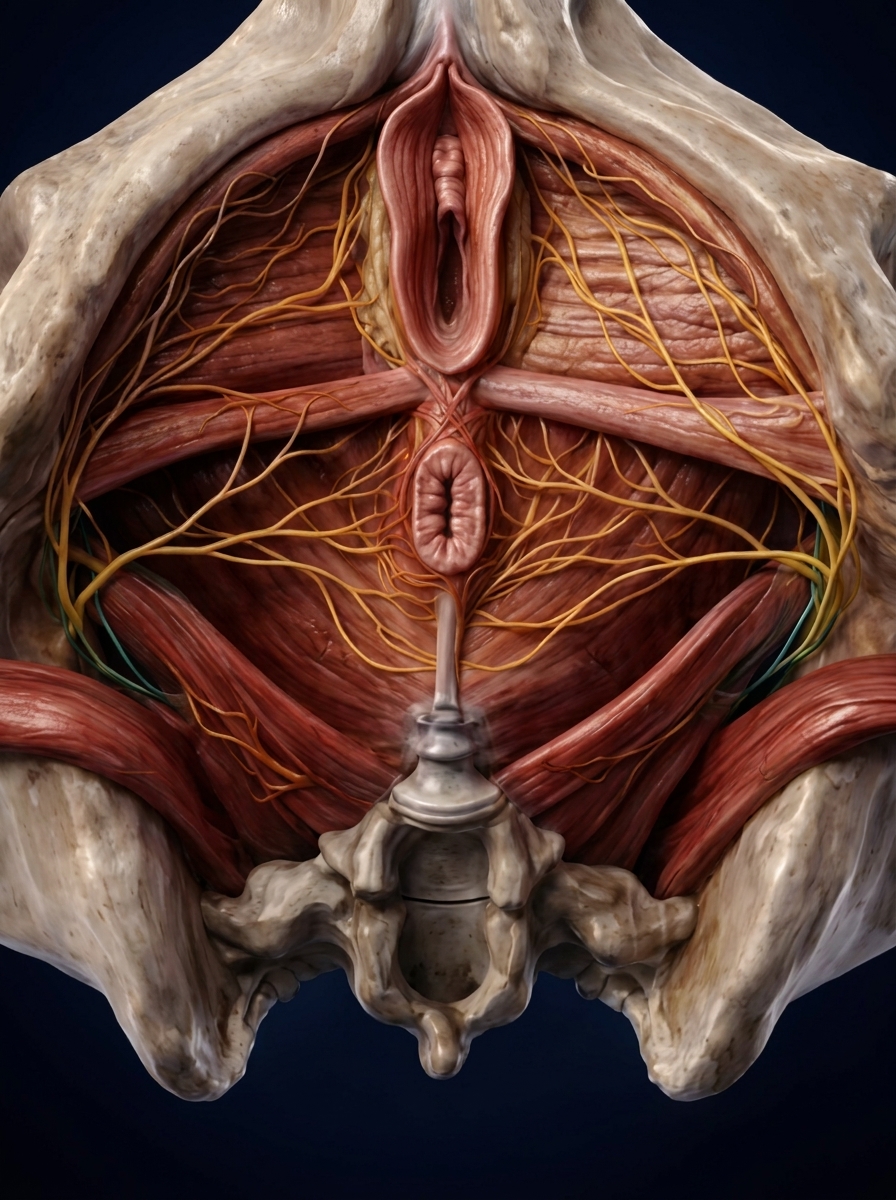
Ran for 11 days, from July 3 to July 14, 2026, the last day Crush saw it.
Run by The Daily Edit on Facebook. Crush is not the advertiser and does not verify its claims. See this ad in Meta's Ad Library(opens in a new tab)
Want an ad like this for your product?
Crush makes new ad images for your product from this ad: your logo, your product photo, your offer.
Trials from $19.95 USD, then $79.95 USD a month. Cancel anytime.
About this ad
- Meta Ad Library ID
- 877971628206819
- Platforms
- Facebook, Instagram, Audience Network, Messenger and Threads
- Relaunches
- 1
Ad text
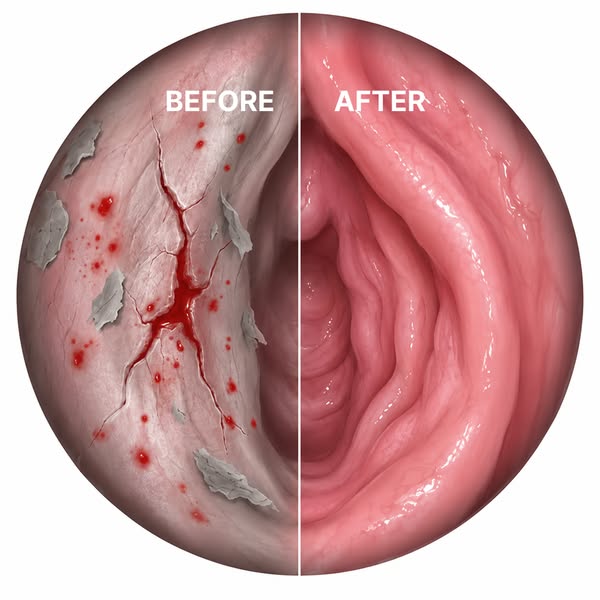
I had a bladder problem on a Mediterranean cruise. The ship's doctor was from Austria. She asked me ONE question that made my NHS GP look 15 years behind. I'm 63 years old. My husband and I saved for two years for this cruise. Two weeks through the Mediterranean. Greece, Italy, Spain. Day four, we're walking through Santorini. Cobblestone streets. Steep hills. Beautiful. But my bladder is killing me. That relentless pressure — the one I've carried for six years — is building with every step up the hill. My pad is already soaked from a coughing fit earlier. I can feel it. I've been wearing the thick overnight ones during the day now, and even those aren't enough. By the time we get back to the ship, I've had two more leaks. One when I laughed at something my husband said on the way down. One when I climbed the gangway. My linen trousers have a damp patch I've been trying to hide with my cardigan. My husband looks worried. "We need to get you looked at." I don't want anyone looking at me. I haven't told a soul about this in four years. Not my sister. Not my best friend. Not my GP after the last useless appointment. Not my husband, not really — he knows I "have some bladder trouble" but he doesn't know I've stopped going to the theatre, that I map every loo before I sit down anywhere, that I cry sometimes when I'm changing pads in a public toilet. But the walk back was bad enough that I don't have a choice. The next morning, I go to the ship's concierge. "I need to see the doctor about a personal matter." She makes a call. Gets me an appointment that afternoon with the ship's physician. Her office is small. Clean. On Deck 3 near the medical centre. Dr. Weber. Austrian accent. Maybe mid-50s. She asks me questions. Daytime frequency. Night wakings. Urgency. How long. What I've tried. "The immediate issue is that your bladder is overreactive and misfiring," she says. "But this has been going on for six years. How have you been treating it?" "Kegels," I say. "For years. My GP prescribed oxybutynin last year but I came off it — dry mouth, brain fog, my mother had dementia and I'm not risking it. So I'm back to pads." "Has anyone discussed the GAG layer with you?" I stare at her. "What's that?" She looks at me for a moment. Then sets down her chart. "Your bladder has an inner lining," she says. "It's called the GAG layer. It works exactly like the moisture barrier in your skin. After menopause, oestrogen withdrawal causes it to thin and dry out. A dry bladder becomes hyper-reactive. It overreacts to small amounts of urine. It fires false alarms. It can't hold under any pressure. And it wakes you at 3am when it barely needs to." "But the bigger issue is what your treatments have been aimed at. Kegels strengthen the external pelvic floor. Your problem is internal — the lining. Oxybutynin blocks the urgency signal but doesn't rebuild anything. Every exercise you've done, every pill you were on, they've all missed the actual barrier. Your bladder isn't broken. It's dry. And nothing you've been given addresses that." I'm listening. But I don't understand why my GP never explained this. "My GP never said anything about a GAG layer." Dr. Weber nods slowly. "It's not commonly discussed in NHS practice," she says. "Most focus on pelvic floor exercises and anticholinergics as the escalation. But in European gynaecology, the role of the GAG layer in postmenopausal urinary symptoms has been understood for over a decade." "So what do I do?" I ask. "There's a body of clinical research on rebuilding the lining nutritionally," she says. "Oral hyaluronic acid — the same compound the lining is made of. Sea buckthorn omega-7 for the mucosal tissue. Magnesium citrate to stabilise the detrusor muscle so it stops misfiring. Delivered systemically. Not exercises. Not signal-blockers. Actually rebuilding the lining that's been thinning since menopause. It's been showing significant results in postmenopausal women — especially those who've failed pelvic floor exercises and medication." "My GP never mentioned anything like that." "It's well-established in European clinical practice," she says. "But not standard protocol in the NHS yet. If I were you, I'd look into it when you get home." She paused. Then added: "Six years of Kegels for a muscle that isn't the problem is not treatment. It's exercise while the lining continues to thin." I thank her and leave. But I can't stop thinking about it. For the rest of the cruise, it's in the back of my mind. Six years. My GP had been telling me to keep doing the Kegels. Prescribing oxybutynin when I said they weren't working. Watching the leaks get worse from a few drops when I sneezed to soaking through pads on a walk. Telling me it was just my age. But she never once mentioned that my bladder has a lining and that the lining had thinned. Or that a dry bladder becomes hyper-reactive and that's what causes the false alarms. Or that there was research on rebuilding the lining nutritionally through the bloodstream. When we got home, I couldn't let it go. The night we unpacked, I opened my laptop. It was 11:45 PM. I started searching. "GAG layer bladder oestrogen" "postmenopausal bladder lining research" "European clinical hyaluronic acid bladder" At 1:30 AM, I found it. Peer-reviewed gynaecology and urology research. Published in clinical journals. Study after study confirming exactly what Dr. Weber had told me. The GAG layer thins dramatically in postmenopausal women. Oestrogen decline depletes magnesium, which destabilises the detrusor muscle. Oral hyaluronic acid demonstrates direct rebuilding of the lining. Sea buckthorn omega-7 restores mucosal tissue integrity. All delivered systemically through the bloodstream. The research was there. Published. Peer-reviewed. Some of it over a decade old. I read the studies three times. I felt something rising in my chest. Not anger. Something else. Disbelief, maybe. My GP had been telling me to "keep doing the Kegels" since 2019. Six years. And there was published research — from before she even started treating me — showing that Kegels can't address a thinned lining and that the actual barrier could be rebuilt systemically. Why hadn't she mentioned it? I kept reading. More studies. European research. Clinical data. All showing the same mechanism. Same results. At 2:50 AM, I started looking for products. Most bladder supplements were rubbish. Single-ingredient pumpkin seed at underdosed levels. Cranberry pills that don't touch the lining. Generic "bladder support" blends with fillers and nowhere near the clinical doses the research used. But I found one UK company making a pharmaceutical-grade formulation. Lovi. Six ingredients targeting every dimension of what Dr. Weber described — the GAG lining, the detrusor muscle, the hormonal environment, the mucosal tissue. Clinical doses. Hyaluronic acid. Sea buckthorn omega-7. Magnesium citrate. Red clover. Pumpkin seed. Cranberry. Two capsules with breakfast. I read the reviews. Women describing exactly what I was going through. Years of Kegels that did nothing. Oxybutynin they came off because of the brain fog. Then, within weeks of switching to the systemic rebuild, sleeping through the night for the first time in years. I ordered a bottle at 3:15 AM. When it arrived, I started immediately. Two capsules with breakfast. No exercises. No mapping. No timing my fluids. No planning my day around the loo. Sixty seconds. Done. Week one: The morning urgency — that panicked first-thing dash I'd carried for years — was calmer. Something was reaching the tissue from inside. Week two: I slept through the night. Actual straight-through sleep. First time in five years. I lay there in the morning and cried. Week four: I went shopping in town with my sister. Didn't map a single loo. Didn't leak once. On the drive home I realised I'd forgotten to change my pad after lunch — because I hadn't needed to. Week eight: We went to my granddaughter's school play. I sat in the middle of a row. For ninety minutes. No leaks. No urgency. No creeping out to find the toilet. When we got home I took my pad off and put on ordinary underwear for the first time in four years. At three months, I went back to my regular GP. She examined me. Asked how I was managing. Then she stopped. "Your symptoms haven't just plateaued," she said. "The urgency and frequency are significantly improved. That's unusual on Kegels alone." "I stopped the Kegels three months ago." Her head came up. "You stopped?" "I found something else. A capsule. Pharmaceutical-grade formula. Hyaluronic acid, sea buckthorn, magnesium — systemic delivery through the bloodstream. Rebuilds the lining that the Kegels couldn't reach." My GP looked at my notes. "I'm not familiar with that approach," she said. "But the results speak for themselves. Keep doing whatever you're doing." I left her surgery feeling something I hadn't felt in years. Not angry. Not betrayed. Just aware. My GP wasn't hiding anything from me. She just didn't know. The research existed. The studies were published. The results were documented. But it wasn't part of her training. It wasn't standard protocol in the NHS. So she did what she was taught: prescribe Kegels, escalate to oxybutynin, refer to urogynaecology for a sling or Botox if it got severe. Meanwhile, in European gynaecology clinics, they'd been using systemic GAG layer restoration as an approach for over a decade. I'm 64 now. I sleep through the night. And I think about that cruise ship doctor all the time. The one who took ten minutes to explain what my bladder is made of. What the GAG layer does. Why Kegels can't rebuild a thinned lining. Something my GP had never mentioned in six years. If your GP is telling you to "keep doing the Kegels" and "just live with it at your age" with no improvement after months or years, you need to know something. The research exists. Published clinical studies. Peer-reviewed data. Showing that Kegels only address the external muscle and that systemic rebuilding of the GAG layer with hyaluronic acid, sea buckthorn omega-7, and magnesium at clinical doses can restore the lining itself. Your GP probably hasn't seen it. Not because she's incompetent. But because NHS training focuses on pelvic floor exercises, anticholinergics, and surgical referral. Systemic GAG layer restoration through nutritional support isn't standard protocol yet. So when your GP says "keep doing the Kegels," she's telling you what she was trained to recommend. But she's not telling you about the research that could actually address why the leaks keep coming — because the lining itself hasn't been rebuilt. The brand I use is Lovi UroControl. Pharmaceutical-grade. Hyaluronic acid, sea buckthorn omega-7, magnesium citrate, red clover, pumpkin seed, cranberry. Two capsules with breakfast. I don't get anything from sharing this. I just know what it's like to do Kegels every day for six years with no improvement. And I know what it's like to have a doctor on a cruise ship — someone I met by accident because I couldn't hide the damp patch on my trousers — explain in ten minutes what my GP never mentioned in six years. If you're being told to "keep doing the Kegels" and "just get on with your life at your age," you deserve to know there's research your GP might not have seen. Research that could rebuild the lining without dementia-linked pills or a sling. Research that's been understood in European gynaecology for over a decade. You don't have to wait for the NHS to catch up. You can look into it yourself. 👉 https://www.trylovi.com/pages/listeuro 90-day money-back guarantee. If you're still leaking after eight weeks, full refund. — Christine Ashworth, 64 P.S. — My husband took a photo of me in Santorini. Dark linen trousers. In 30-degree heat while every other woman was in a sundress. Last month, we went to my niece's wedding and I wore the pale blue linen dress that had been folded at the back of my wardrobe for six years. He looked at me and said, "I haven't seen you in that in years." It had been in the wardrobe since before the leaks got bad. It fits perfectly now that I'm not planning my outfit around a pad.
Where the ad sends people
trylovi.com
The Hidden Reason Behind Bladder Leaks
Lovi
Shop now: trylovi.com(opens in a new tab)