Linda Williams
 Facebook ad: “Tank Was Put Down At 6. Juno Started Doing The Same Thing”
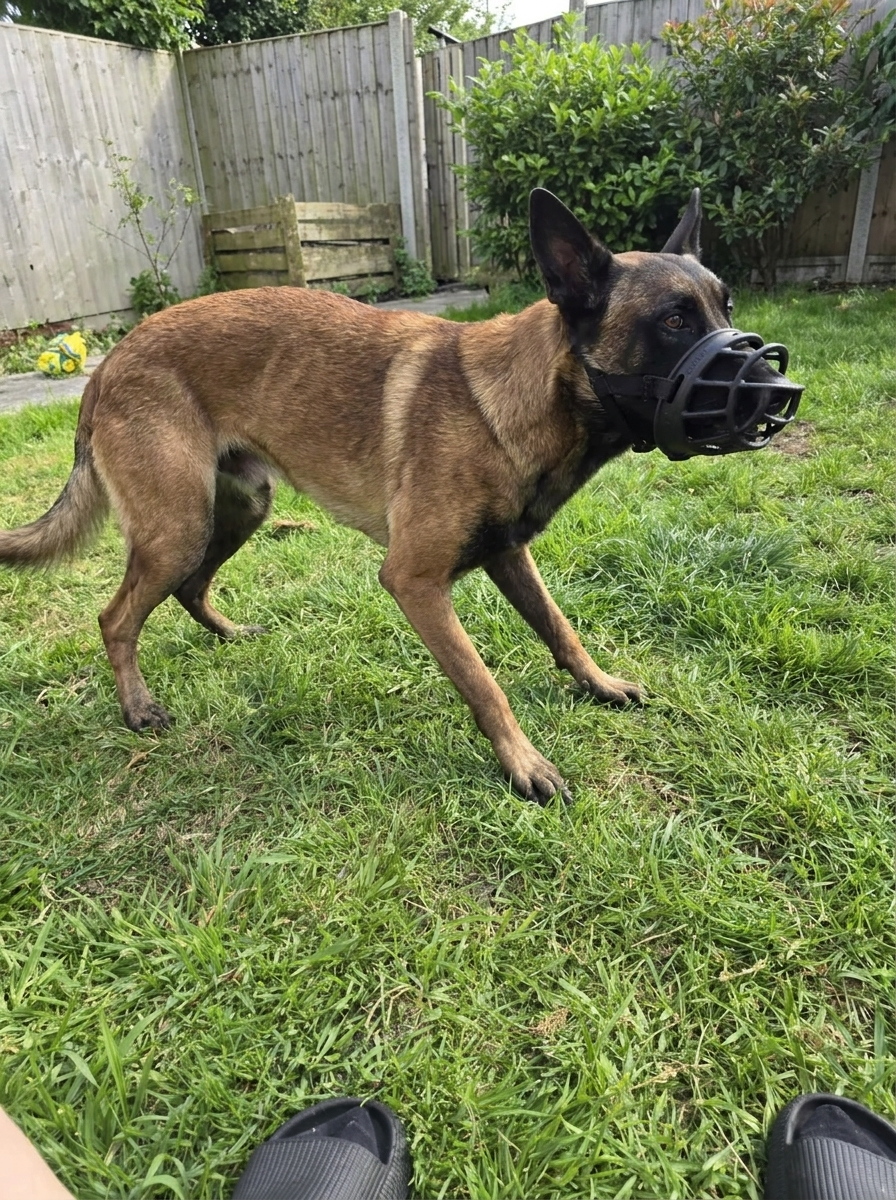
Ran for 89 days, from June 28 to September 25, 2026, the last day Crush saw it.
Run by Linda Williams on Facebook. Crush is not the advertiser and does not verify its claims. See this ad in Meta's Ad Library(opens in a new tab)
Make your own version of this ad
Crush makes it, launches it in your own Meta ad account, scales the winners and pauses the losers.
About this ad
- Meta Ad Library ID
- 1006992308749282
- Platforms
- Facebook, Instagram, Audience Network, Messenger and Threads
- Relaunches
- 0
- EU reach
- 1,522
Ad text
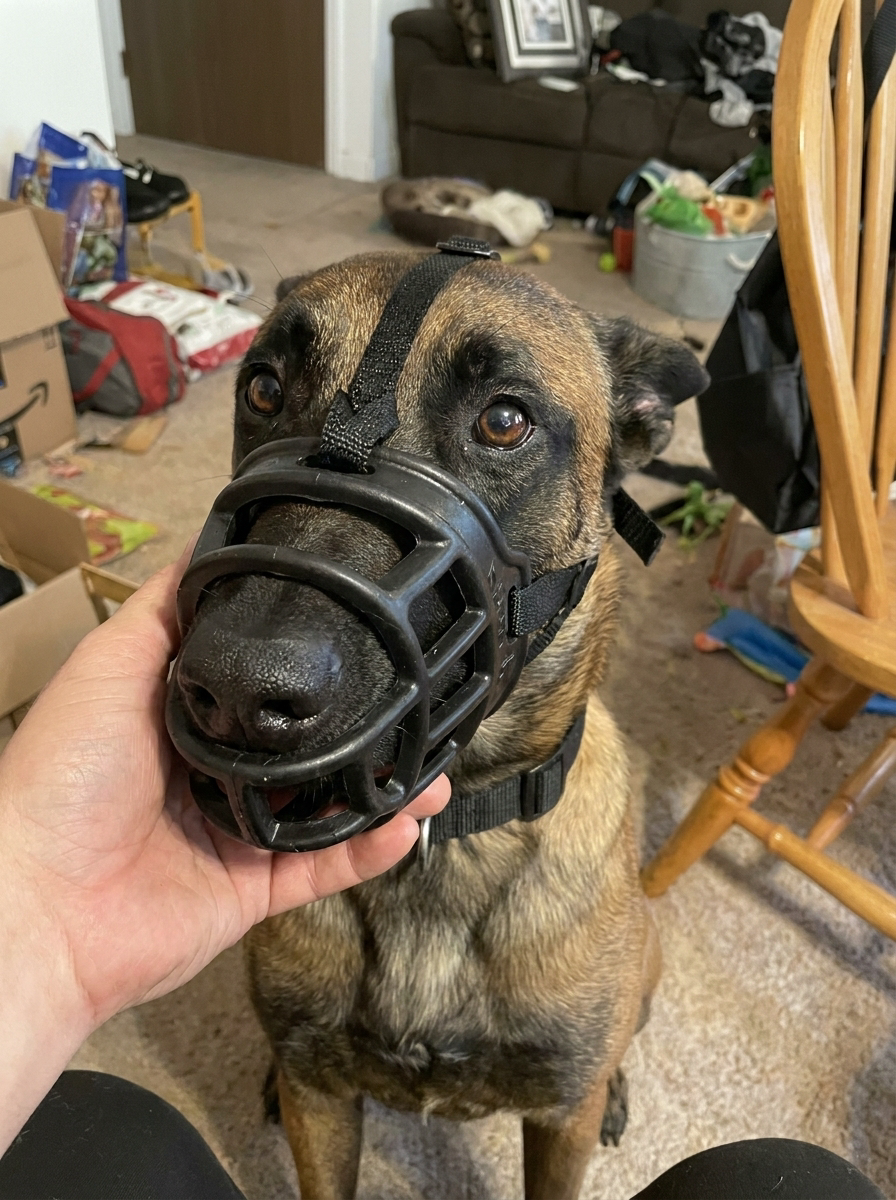
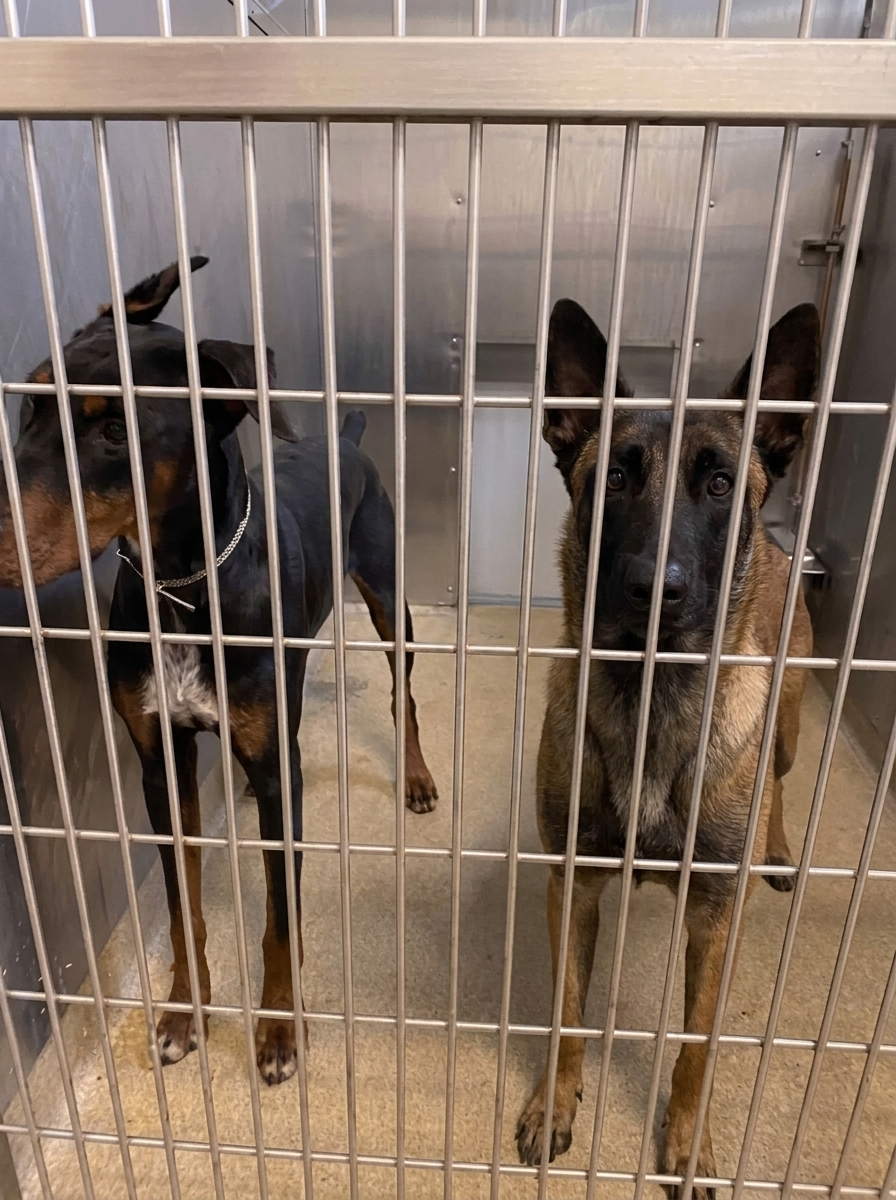
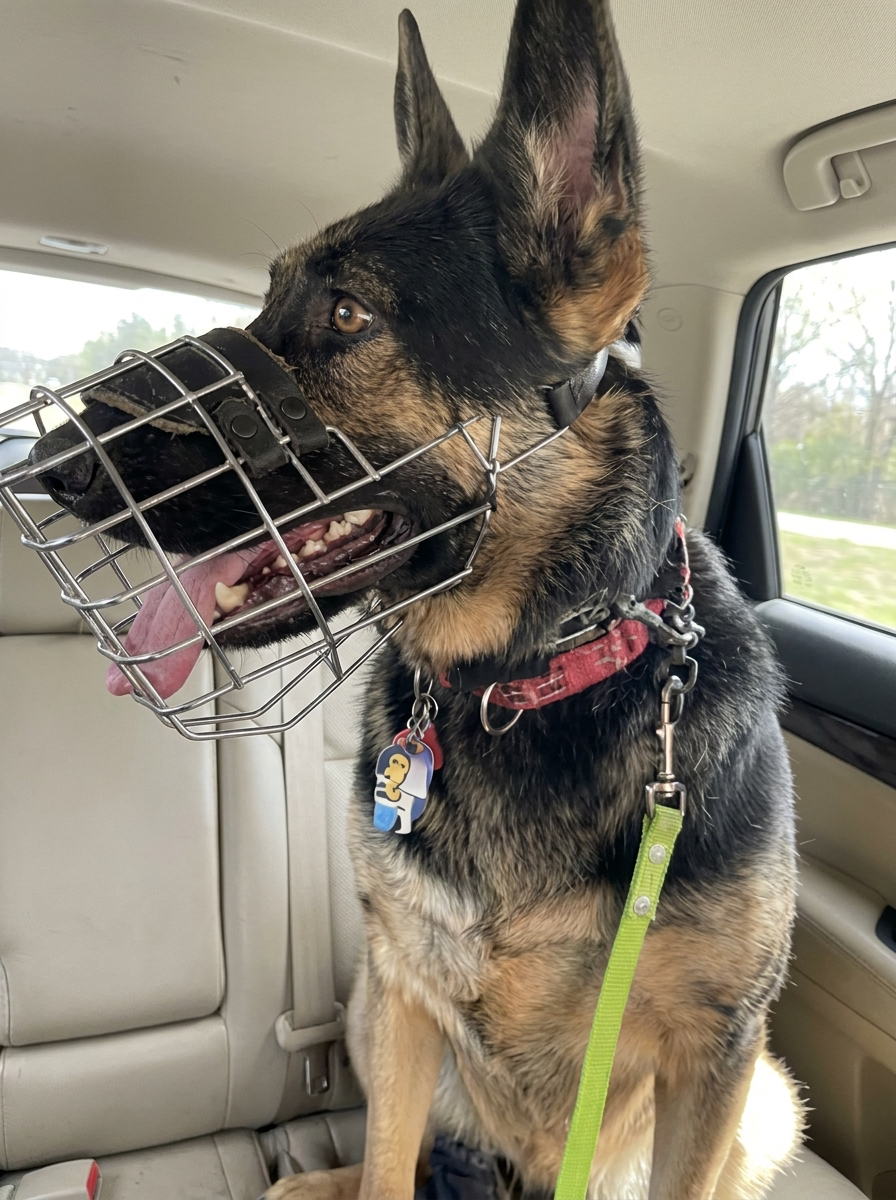
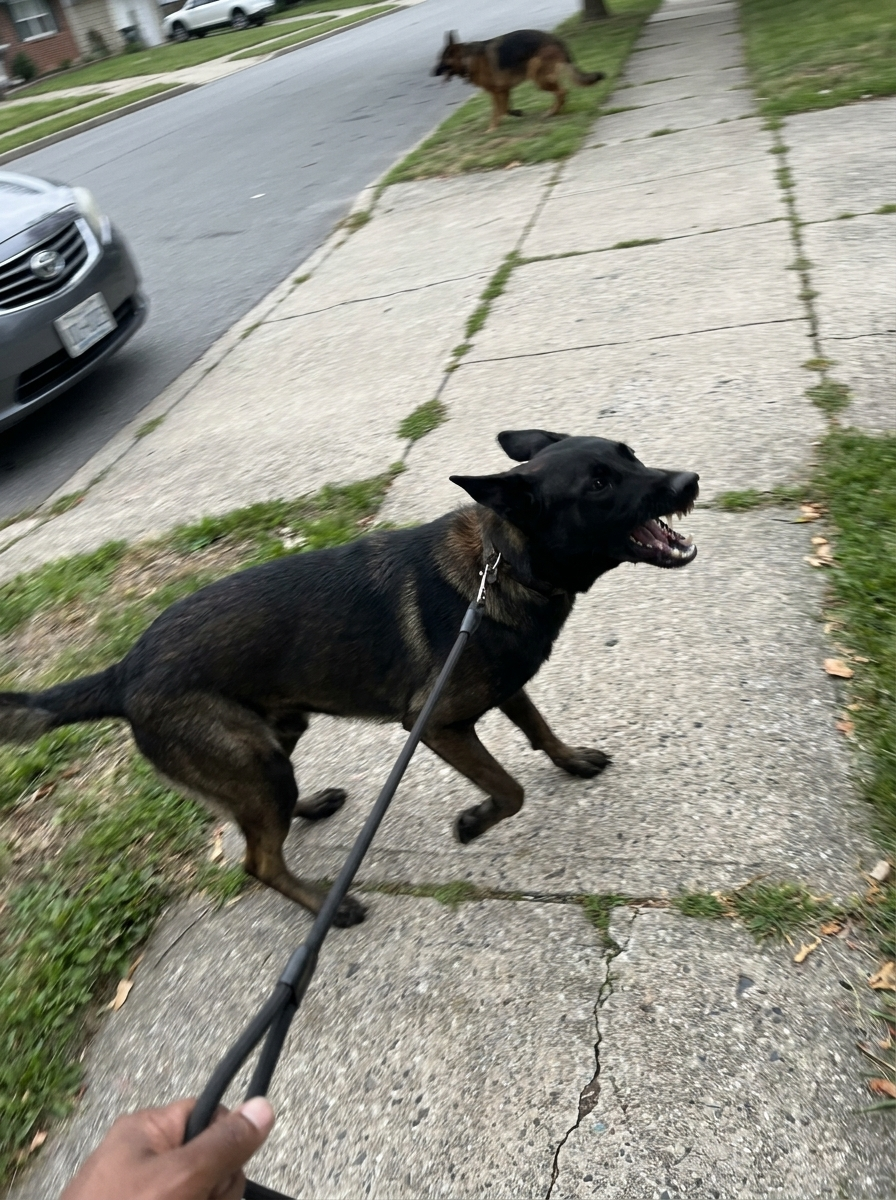
I'm going to say something nobody who works with rescue dogs wants to hear and I don't give a f*k if it upsets you. Switching to another training method is not going to save your dog. Not balanced. Not positive-only. Not the $4,000 board-and-train your vet recommended last week. Not gentle leaders. Not prong collars. Not the e-collar trainer the woman at the dog park swears by. NONE OF IT IS GOING TO WORK. I know because I tried all of it. Every method. Every certification. Every protocol. For four years. And my dog was put down anyway. Six years old. Behavioral euthanasia. Because I spent four years treating a training problem that was never a training problem. And the worst part? My second dog started doing the same things. Same lunging. Same hypervigilance. Same restless nights. And I almost let it happen again because I was still listening to the same advice that killed my first dog. I'm done being polite about this. If your dog is reactive and you're in the comments asking what trainer to try next, you are wasting time your dog does not have. Read this entire post. Every word. Because the answer is in here and it is NOT another training method. My name is Linda. I'm 41. I'm a certified shelter behavior consultant — twelve years at a regional animal shelter outside Denver, Colorado. I evaluate sixty to eighty reactive dogs a week. I'm the one who runs the temperament tests. I'm the one who decides which dogs are adoptable and which ones aren't. I'm the one who sits on the floor with the surrender families while they cry. I have spent twelve years telling other people what's wrong with their dogs. And I missed it in my own. Tank was a six-year-old Belgian Malinois mix I pulled from death row at a county shelter outside Pueblo when he was two. Big triangular ears. Gray muzzle by the time he was four. The kind of dog who'd plant himself on your feet whenever you sat down on the couch, like he was anchoring you in place. Juno is a three-year-old Australian Shepherd rescue. Blue merle. Quieter. Follows me from room to room. Sleeps with her head on my knee. Two completely different dogs. But they had the same problem. They both lunged on leash. They both paced at 3 AM. They both stopped eating when they got "off." For Tank, it started about four years ago. He'd see another dog from forty feet away and his whole body would lock up. Ears pinned. Hackles up. Then the lunge — fast, hard, full body weight against the leash. Sometimes a snap of teeth in the air. Always a vocalization that didn't sound like barking. It sounded like something deeper. I asked the behaviorist who consults at our shelter about it. "Probably classic leash reactivity. Try a head halter. Start a desensitization protocol. Maybe consider Prozac if the threshold doesn't change." So I started the protocol. For the first three weeks, the lunging stayed about the same. Then it got worse. He started reacting at sixty feet. Then eighty. Then he started reacting to dogs across the street. The behaviorist — a board-certified veterinary behaviorist I trust completely — added 20mg fluoxetine daily. Six weeks in, the reactivity threshold improved. He could pass another dog at thirty feet without exploding. I thought: finally. It's working. Four months later, the explosions came back. Same threshold. Same intensity. Plus a new symptom — he started resource guarding food from the other shelter dogs at intake. Then from me. We added trazodone PRN. Then gabapentin. Then a switch to Reconcile. And then he started pacing at night. Not every night. But maybe four nights a week, I'd hear his nails on the hardwood at 2:14 AM. He'd walk from the bedroom to the kitchen to the front door to the bedroom. Over and over. Like he was waiting for something terrible to happen. I posted in a behavior tech Facebook group. "My own dog. Four years of leash reactivity, resource guarding, now night pacing. Fluoxetine works for a few months and stops. Protocol isn't moving the needle. Where am I missing something?" Everyone had suggestions. "Try CBD. 10mg twice daily. My reactive dog improved dramatically." "Could be pain — get a full ortho workup. Reactive dogs are often in pain." "Have you tried Karen Overall's Protocol for Relaxation? It's twelve weeks but it works." "My dog had the same thing. We did a thyroid panel. T4 was low. Once we treated it, the reactivity dropped." So I tried. I did the full ortho workup. Spent $640. Nothing. I did the thyroid panel. $180. Normal. I bought CBD. Three different brands. I did Karen Overall's Protocol every single day for fourteen weeks. I added Solliquin. I added L-theanine capsules from Amazon. I switched his food to a low-protein "calming" diet. I spent over $4,800 in four years on Tank's "behavior issues." He still lunged. He still resource guarded. He still paced at night. And then Juno started doing it too. She'd been fine for the first eight months I had her. Goofy. Soft. The kind of dog who'd roll over on her back when other dogs approached. But around six months ago, she started freezing on walks. Just freezing. Locking up at the sight of another dog at distance. Just a little at first. After certain triggers. I figured she was reading Tank's energy. Then it became every walk. Then she started lunging too. Then she started pacing at 3 AM, just like Tank. I knew. The second I heard her nails on the hardwood at 3:21 AM, I knew. Whatever was wrong with Tank was wrong with Juno too. But by then, Tank was getting worse fast. He started guarding the couch. Then he guarded doorways. Then he guarded ME — he'd snap at my husband when he reached past Tank to hand me something. Three near-bites in two weeks. Then a real one. My husband's hand. Six stitches. We laughed it off because we knew Tank, we knew he didn't mean it, we knew it was reactivity. Then my nephew came over. He's nine. Tank had known him since he was five. I was in the kitchen pulling something out of the oven. My nephew walked past Tank's spot on the couch to hand me a glass. Tank lunged at his face. Six stitches. Right cheek. Quarter-inch from his eye. The bite report was filed by the ER. Animal control came the next morning. I knew before they knocked what I was going to be told. I scheduled the appointment with the same board-certified veterinary behaviorist I'd been working with for four years. She sat across from me in her office. She had Tank's file in front of her. She'd been my backup. My voice in my own head saying it'll get better. "Linda. You know the data. Bite escalation pattern. Predictable triggers becoming unpredictable. Resource guarding now generalized to family members. We've maxed his medication protocol. We've tried four different behavior modification approaches. The kindest thing you can do for him — and the only ethical thing you can do for the people in his life — is end his suffering and prevent the next bite." I stared at her. "He's six. He's six years old. He's not a vicious dog. He's a reactive dog who I failed." She looked at me with the same face I've seen her use on a hundred owners. "You didn't fail him. The science failed him. We did everything the literature recommends. Sometimes it just doesn't work." I drove home with Tank in the passenger seat. He was wagging his tail. He had no idea. I made the appointment for the following Tuesday at 7 PM. After the shelter closed. So none of my coworkers would see. That Tuesday in March, I came home from work at 6:14 PM. Tank met me at the door doing his bounce thing — front paws on the floor, back end wagging. I sat down on the couch and he immediately planted himself on my feet like he always did. I sat there for forty-three minutes with my hand on his head. I drove him to the vet at 6:55 PM. The vet was a friend of mine from school. She didn't say much. She handed me the consent form. I signed it. Tank sat on my feet in the exam room while we waited. He looked up at me and licked my wrist. Once. The way he did every morning when I made coffee. The doctor came in. I told her I wanted to be on the floor with him. So I got down on the linoleum and he laid down across my lap like he was tired. The injection went in at 7:34 PM. The last thing he did was the foot thing. He pressed both his back paws into my thigh, the way he did when he was settling in for a nap. I drove home with his empty collar on the passenger seat. I don't remember the next two weeks. But I remember this: every time Juno lunged on a walk, my chest tightened. Every time she froze at the sight of a dog across the street, I wanted to throw up. Every time I heard her nails on the hardwood at 3 AM, I lay in bed staring at the ceiling thinking — it's happening again. It's happening again and I'm a certified shelter behaviorist and I don't know how to stop it. So I did what I should have done four years earlier. I got obsessive. I stopped reading behavior forums and started reading neuroscience papers. I read everything I could find on chronic reactivity in dogs that didn't respond to standard treatment. I read animal behavior journals I hadn't opened since grad school. I read the literature on the gut-brain axis. I read studies in journals I'd never heard of. And I kept seeing the same pattern. Dog has chronic reactivity → owner does behavior modification → no improvement → vet adds fluoxetine → works for a few months → stops working → vet adds trazodone → works for a few months → stops working → owner does board-and-train → temporary improvement → reactivity returns → years pass → bite incident → behavioral euthanasia. The reactivity wasn't a training problem. It was the first warning sign. And I'd ignored it for four years because that's what I'd been trained to do. Then, buried in a 2019 study from a Polish veterinary microbiology journal, I found one paragraph that stopped me cold. It described a population of working dogs in rural southern Poland — sheepdogs, hunting dogs, farm dogs. Almost zero behavioral disorders. Almost zero leash reactivity. Almost zero euthanasia for aggression before age fourteen. The single common denominator: every family kept a fermentation crock. Sauerkraut, fermented beets, kefir whey. The dogs got a daily ladle of the brine, mixed into their food. For their gut. I sat at my kitchen table at 1 AM and I said out loud, to nobody: "Oh my god." Because I'd been telling clients for twelve years that reactivity was a training problem. I'd been recommending desensitization and counterconditioning for twelve years. And I knew — every behavior consultant knows — that 60-70% of chronic reactivity cases plateau or regress on standard behavior modification alone. The science says it. The data says it. We just don't talk about it because we don't have an alternative. Tank's behavior protocols had been the gold standard. That didn't mean they were enough. It meant the standard couldn't reach the root cause. I went on Amazon at 1:30 AM and bought the first postbiotic dog supplement I could find. $24. Four-star reviews. "Calming postbiotic blend." It arrived two days later. I started Juno on it the same day. One scoop into her food, twice a day, exactly per the label. Week one: still lunging, still freezing. Week two: still lunging, still freezing. Week three: still lunging, still freezing. Plus she'd started licking her paws now. Wet, obsessive, late at night. I was sitting on my back deck on a Sunday afternoon watching her gnaw at her paw and I started crying. I was watching the same thing happen all over again. That's when Dr. Magdalena Nowak walked over. Maggie is a Polish-born veterinary microbiologist who consults part-time at our shelter doing intake medical evaluations. Mid-fifties. Came to the U.S. eight years ago after twenty-five years of research at the Wrocław Institute of Veterinary Microbiology. She rents the carriage house behind my bungalow — we share a back fence. She'd been transplanting tomatoes in her garden and she saw me crying. She came through the gate without asking. Sat down on the deck step next to me. Didn't say anything for a minute. Then she said, "Tell me about her." I told her everything. About Tank. About Juno. About four years of fluoxetine and trazodone and behavior modification and CBD and ortho workups. About the bite. About the euthanasia. About the Polish village study and the Amazon postbiotic that wasn't working. She listened without interrupting. When I was done, she asked to see the bottle. I handed it to her. She turned it over. Read the label. Read it again. Then she made a small noise — somewhere between a sigh and a laugh. "Linda. This is rubbish." "What do you mean?" She set the bottle down on the deck. "Your study was correct. The fermentation. The village dogs. All of it. That's not folk medicine — that's microbiology. The active compounds are short-chain fatty acids — butyrate, propionate, acetate — plus specific Lactobacillus metabolites. They're one of the only natural substances that can modulate vagal tone and serotonin production through the gut-brain axis." "Gut-brain axis?" She nodded. "Ninety-five percent of your dog's serotonin is produced in the gut. Not the brain. When the gut microbiome is dysregulated — from stress, antibiotics, kibble diet, shelter conditions, genetics — serotonin production collapses. The brain stays stuck in fight-or-flight. Permanently. No amount of behavior modification can fix that. You're not training a behavior problem. You're training a serotonin deficit." "And postbiotics fix that?" "At high enough concentration, yes. The postbiotics — the actual metabolites, not just the bacteria — cross the gut-blood barrier, activate vagal afferents, signal the brain to downregulate the sympathetic nervous system. Then the dog can actually learn. Then the behavior protocols start working. Then the reactivity — the lunging, the guarding, the night pacing — it stops. Because they were never training failures. They were inflammation responses to a gut that couldn't produce calm." I picked up the Amazon bottle. "So why isn't this working?" Maggie took it from me again. "Because this is dead bacteria. Probiotics. Maybe inactive metabolites at 0.1% bioactive content. To affect the gut-brain axis you need at least 0.85% bioactive postbiotic metabolites — verified post-fermentation, not just labeled. This bottle is barely a snack. You could give her a whole jar a day and it wouldn't reach therapeutic threshold." "How do you know that number?" She smiled, a little sad. "Because my grandmother kept the crock. Real fermented brine. Kapusta kiszona. Southern Poland, deep-cellar storage, fermented at controlled temperature for six weeks minimum — that's when metabolite concentration peaks. Every working dog in our village got a ladle. Every day. None of them had what your dogs have. It took me ten years of research in two countries to understand the mechanism." I stared at her. "You're telling me my entire profession is missing this?" "I'm telling you your entire profession is trained to modify behavior with patentable molecules. There is no patent on what comes out of a cabbage crock. There is no quarterly earnings report from a Polish grandmother. So nobody studies it. Nobody recommends it. And rescue dogs like Tank get euthanized for 'temperament' at six years old while their owners spend five thousand dollars on board-and-train." She handed the bottle back to me. "This — throw away. It's worse than nothing because it makes you think you tried." "So what do I do?" She stood up. "Wait here." She went through the gate and came back five minutes later with a small white jar. CanisLabs label. She set it on the deck between us. "I started recommending this nine months ago after I sent it to the lab in Warsaw where my former colleagues still work. Third-party tested. 0.85 percent bioactive postbiotic metabolites, verified. Paired with L-Theanine at 100mg per chew, plus chamomile extract and hemp seed powder for vagal support. The only American product I've found that meets the therapeutic threshold." "And it works?" "On thirty-eight of my chronic reactivity cases at the shelter in the last nine months, thirty-four had complete or near-complete resolution of symptoms within eight weeks. The other four had partial resolution. Zero adverse events. No prescriptions. No suppression. Just real gut-brain regulation at the cellular level." "Why didn't you tell me about this before?" She looked at me for a long moment. "Because you're a shelter behaviorist, Linda. You spent twelve years telling owners that reactivity is a training problem. I didn't think you would listen. I'm sorry. I should have tried." I started Juno on CalmAxis Postbiotic Chews that night. One chew, with breakfast, every day. Days one through five: nothing changed. Day six: she froze twice on our walk instead of her usual eight times. Day eight: she didn't pace at 3 AM for the first time in months. Day eleven: I came home from a twelve-hour shelter shift and she didn't react to the neighbor's dog through the fence. Not a single lunge. Not a single bark. She looked, then looked away. Week three: zero lunging on leash walks. Zero pacing. Zero paw licking. Week five: her threshold changed. She could pass another dog at fifteen feet without freezing. She could be next to a strange dog at the vet's office. She started initiating play with the foster puppies we had at the time. Week eight: I brought her to the shelter for a formal behavior reassessment. Threshold for trigger response: increased from eight feet to thirty-five feet. Bite inhibition: normal. Resource guarding: gone. Cortisol panel: down 47% from baseline. My behaviorist colleague read the results twice. "Whatever you're doing — keep doing it." That was four months ago. Juno has not lunged at another dog in four months. Has not frozen. Has not paced at night. She sleeps through to 6 AM. She greets the foster dogs that come through my house. She rolls over on her back when other dogs approach the fence — the same thing she used to do before any of this started. She's the dog she was supposed to be. But Tank is gone. And every day I think about what I missed. For four years his body was screaming at me. The leash reactivity was a serotonin deficit from gut dysbiosis. The resource guarding was a hypervigilant nervous system stuck in survival mode. The night pacing was vagal tone disruption. The escalation was inflammation crossing into the central nervous system. And the bite? The bite wasn't him. It was a brain that had been in fight-or-flight for four years straight. A brain whose serotonin production had collapsed because the gut couldn't make it. A brain that finally couldn't tell the difference between a nine-year-old reaching for a glass and a threat. By the time I scheduled the euthanasia, his gut had been dysregulated since I rescued him. Four years of stress, shelter food, antibiotics, fluoxetine — every single intervention had made the underlying biology worse while suppressing the surface symptoms. The behaviorist should have caught it. I should have caught it. Maggie should have spoken up sooner. But the system is built to miss it. The training assessments miss it. The bloodwork misses it. The fluoxetine suppresses the surface so well that everyone forgets there was ever a root cause. I'm writing this because I see the same posts in behavior tech groups every single week. "My dog has been on Prozac for two years and the reactivity is back." "My dog resource guards no matter how much training we do." "My dog paces at 3 AM and the vet says it's just anxiety." "My dog's behavior is unpredictable no matter what protocol I run." "Spent $5,000 on board-and-train — still reactive." You're not doing anything wrong. The training isn't the problem. The medications aren't going to fix it. Your dog has chronic gut dysbiosis suppressing serotonin production in their enteric nervous system. The standard behavior assessment misses it. The Prozac suppresses the surface symptoms so you stop noticing. But every single day, the gut is failing to produce serotonin. Every single day, the brain stays in fight-or-flight. Every single day, the threshold for explosion drops. Every single day, your dog is getting closer to where Tank ended up. And here's what Maggie told me that I think about every night. Eighty-five percent of rescue dogs come from environments that cause gut dysbiosis. Kibble-only diets, multiple antibiotic courses, chronic stress, early weaning. The American Veterinary Behaviorist Association data shows reactivity-related euthanasias up 38% since 2015. If your dog is a rescue, was on kibble, ever had antibiotics, or experienced early-life stress — and they have — their gut microbiome is compromised. Subclinical gut dysbiosis isn't a fringe diagnosis. It's the default state of American rescue dogs. It's just that nobody is allowed to say it out loud, because there's no patent on fermented cabbage. You can give 0.85% bioactive postbiotic metabolites every day forever and not hurt your dog. The body uses what it needs and excretes the rest. There is no toxicity at therapeutic dose. There are no withdrawal symptoms. There are no dependencies. But if your dog is one of the 85% that's been exposed — and they are — you could be the difference between a six-year-old behavioral euthanasia and a fifteen-year-old still doing the foot thing. Don't wait for the bite to catch it. By the time the bite catches it, it's too late. I wasted three weeks on Amazon postbiotics. Three weeks where Juno's gut kept inflaming. Three weeks where her threshold kept dropping. Three weeks I will never get back. Maggie tested every postbiotic product on the U.S. market. The one her colleagues' lab in Warsaw verified at 0.85% bioactive postbiotic metabolites, paired with 100mg L-Theanine and a vagal-supporting botanical complex, was CalmAxis Postbiotic Chews from CanisLabs. One chew, with breakfast, once a day. Within four to six weeks, the gut microbiome stabilizes. The serotonin production restarts. The vagal tone improves. The chronic symptoms — the reactivity, the guarding, the pacing, the unpredictability — they stop. Juno hasn't lunged in four months. Her cortisol panel is normal. She's pressed against my leg right now while I write this. But Tank is gone. And I'll spend the rest of my life wishing I'd opened that Polish journal four years sooner. Your dog isn't lunging because of training failures. Your dog isn't guarding because of "dominance." Your dog isn't pacing because of anxiety. Your dog has subclinical gut dysbiosis that your vet's tests aren't finding, and every day you wait is another day in fight-or-flight. Don't let your dog be Tank. 👉 https://trycanislabs.com/products/calmaxis-chews — Linda Certified Shelter Behavior Consultant, 12 years Denver, CO --- EDIT: A lot of people are messaging me asking if they can buy this on Amazon. Don't. Maggie warned me about this — there are counterfeit listings using the CalmAxis name with fake third-party test results. The real product is only sold direct from CanisLabs. The link is above. If you see it on Amazon or Chewy, it's not the verified Warsaw-tested batch. I learned this lesson the expensive way with the first postbiotic I bought. P.S. The Amazon postbiotic I gave Juno for three weeks tested at 0.14% bioactive content — 6x weaker than what's needed to reach therapeutic threshold. Her symptoms got worse during those three weeks because the inflammation kept compounding. Four weeks on CalmAxis and the lunging stopped completely. Eight weeks and her cortisol was normal. Don't waste time on postbiotics that can't reach the gut-brain axis. Your dog's brain can't wait. P.P.S. Tank lunged at other dogs for four years before he bit my nephew. The lunging wasn't "just reactivity" — it was the first warning sign that his gut was inflamed and his brain was running on a fraction of the serotonin it needed. I thought I had time. I didn't. If your dog has chronic reactivity, resource guarding, 3 AM pacing, or unpredictable triggers — start 0.85% bioactive postbiotics today: https://trycanislabs.com/products/calmaxis-chews
Where the ad sends people
trycanislabs.com
Tank Was Put Down At 6. Juno Started Doing The Same Thing 😢
CanisLabs develops natural, vet-endorsed supplements that solve real problems for rescue dogs and chronic-reactivity cases that standard training and medication can't reach.
Order now: trycanislabs.com(opens in a new tab)