
Active· since Jul 25, 2026
- 4
- days running
- 0
- relaunches
Ad copy
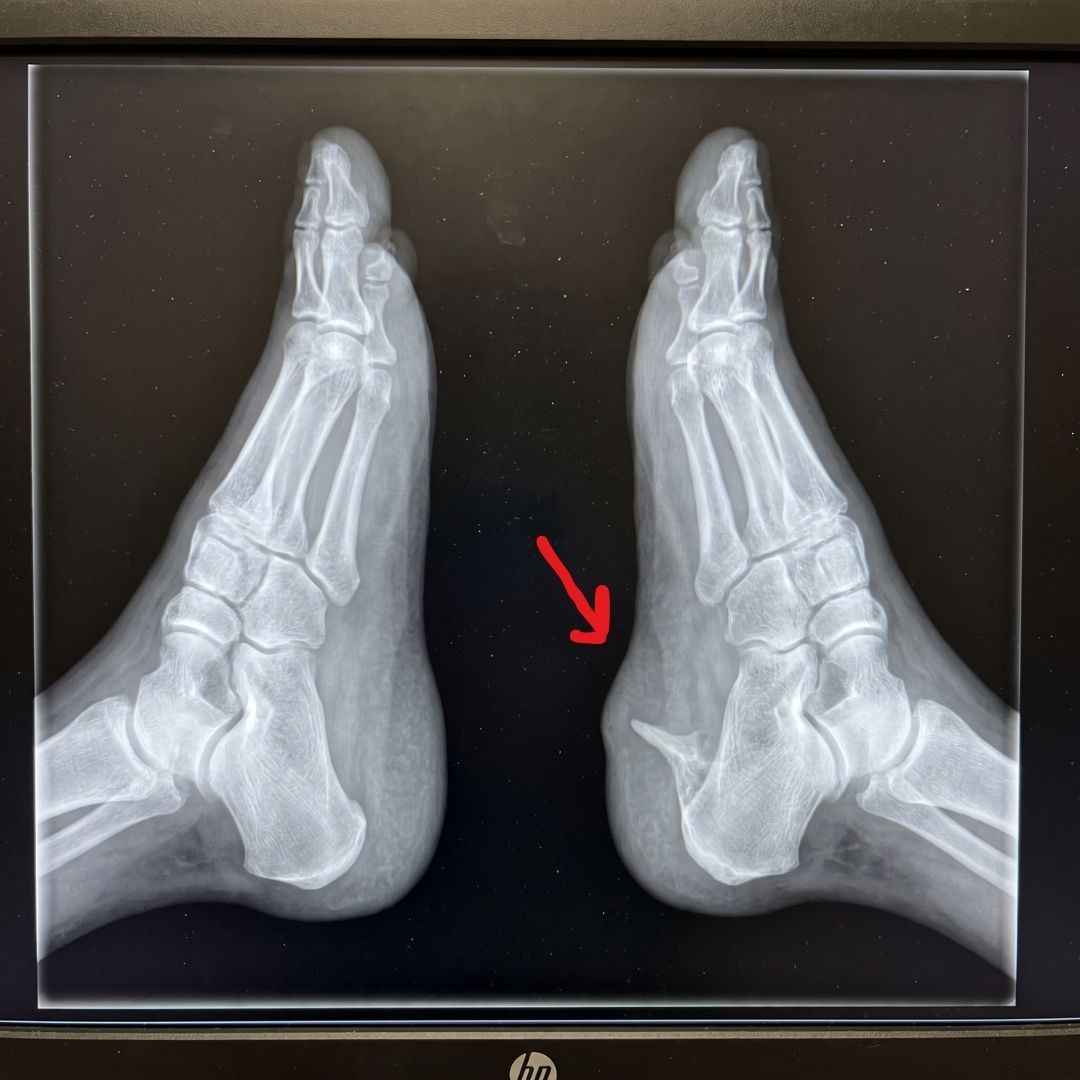
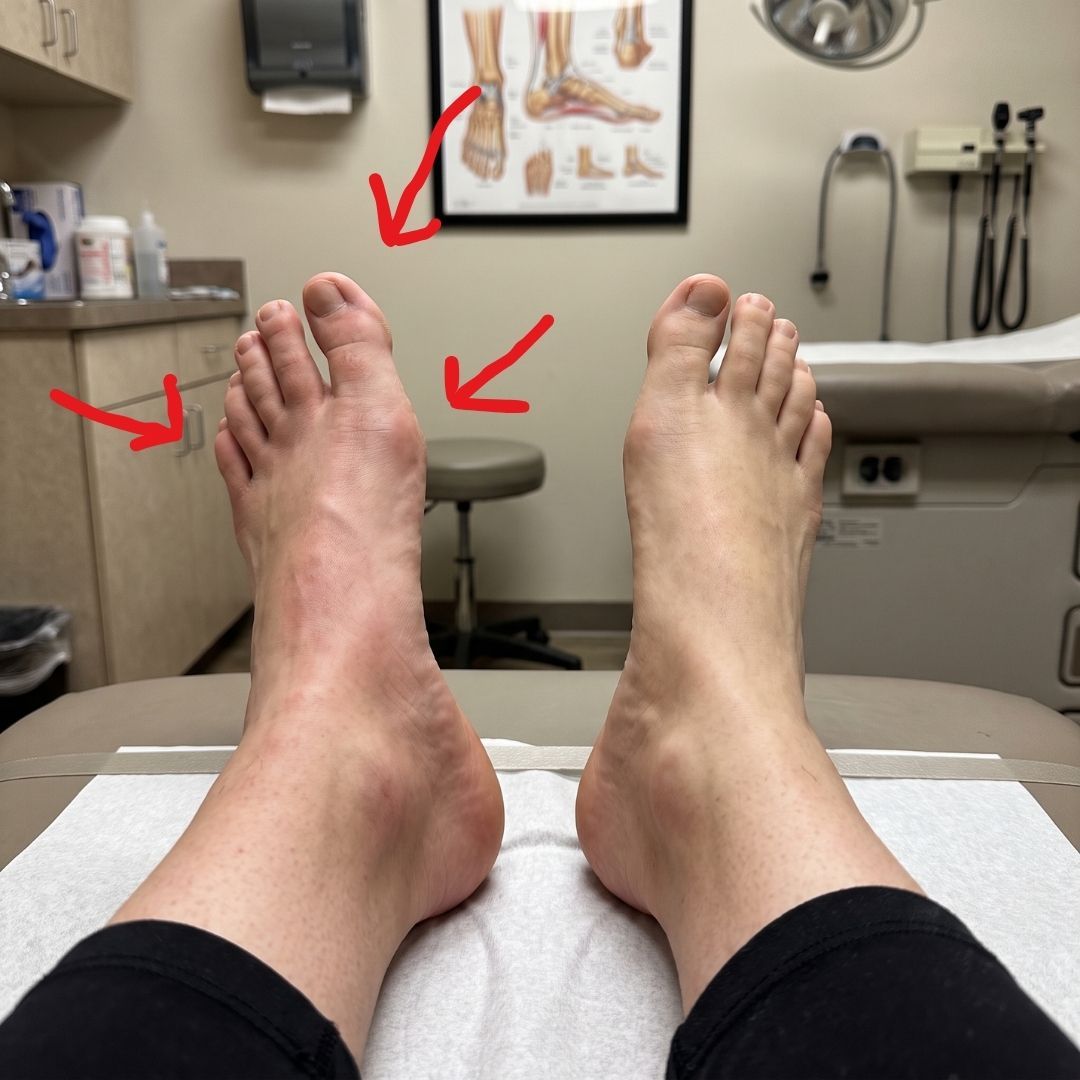
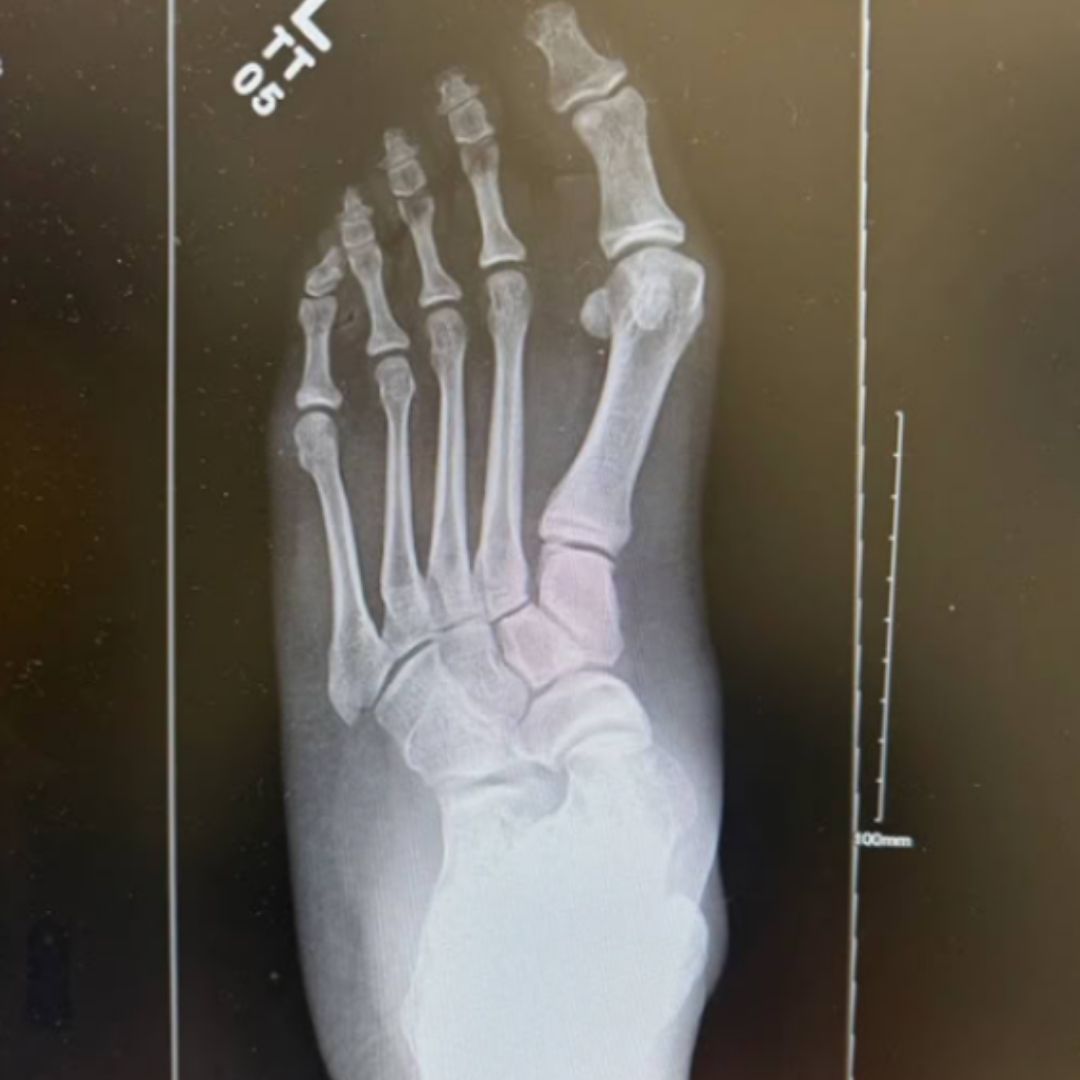
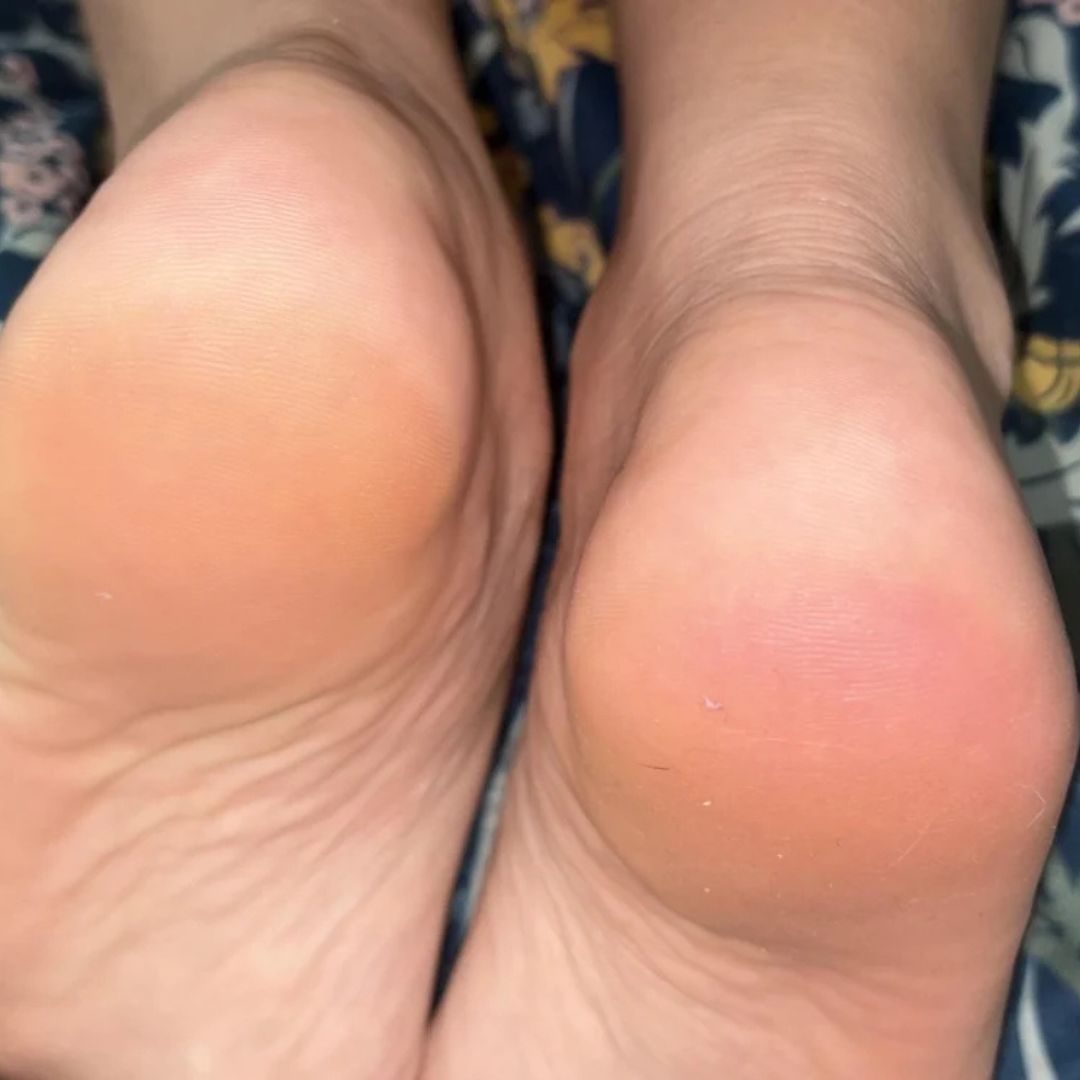
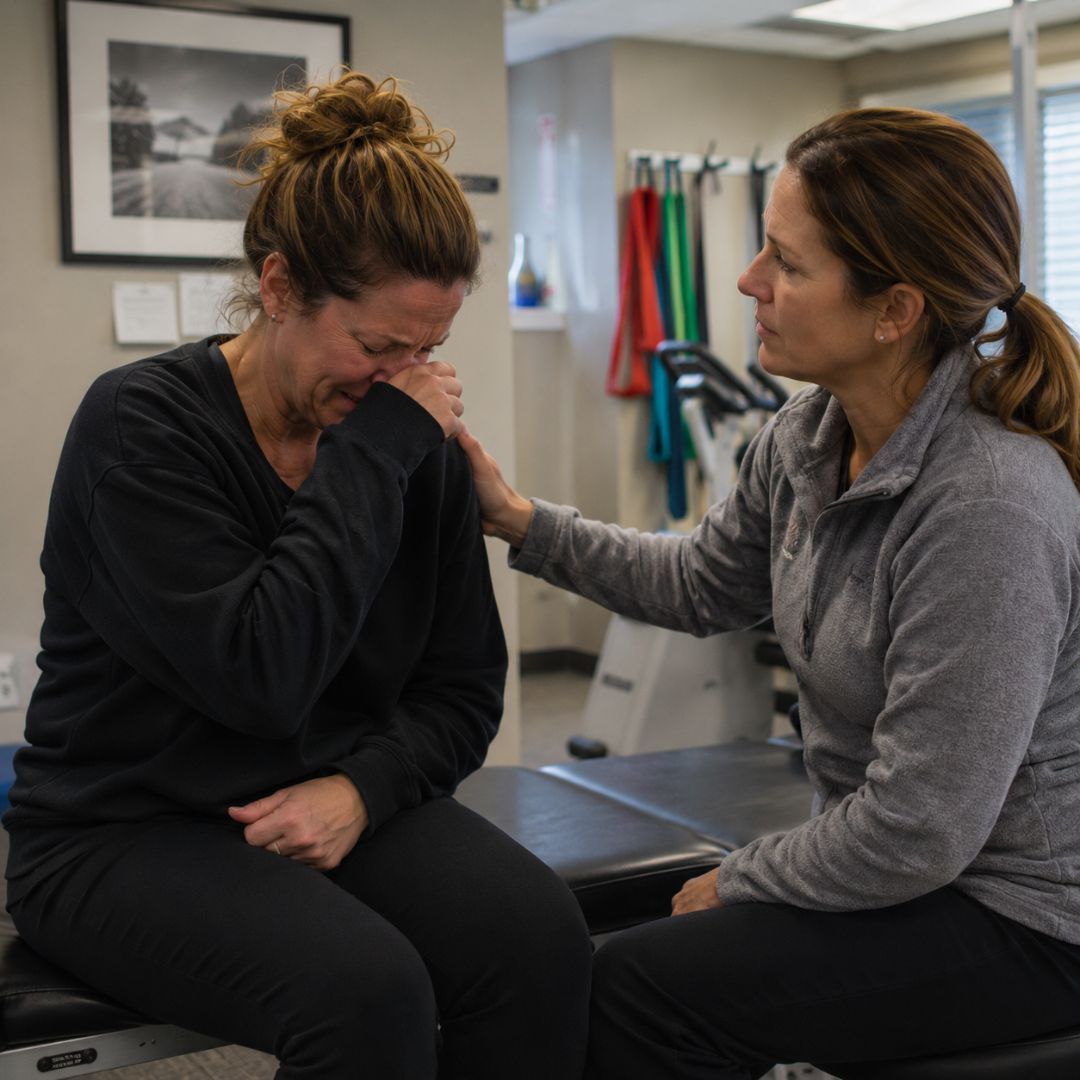
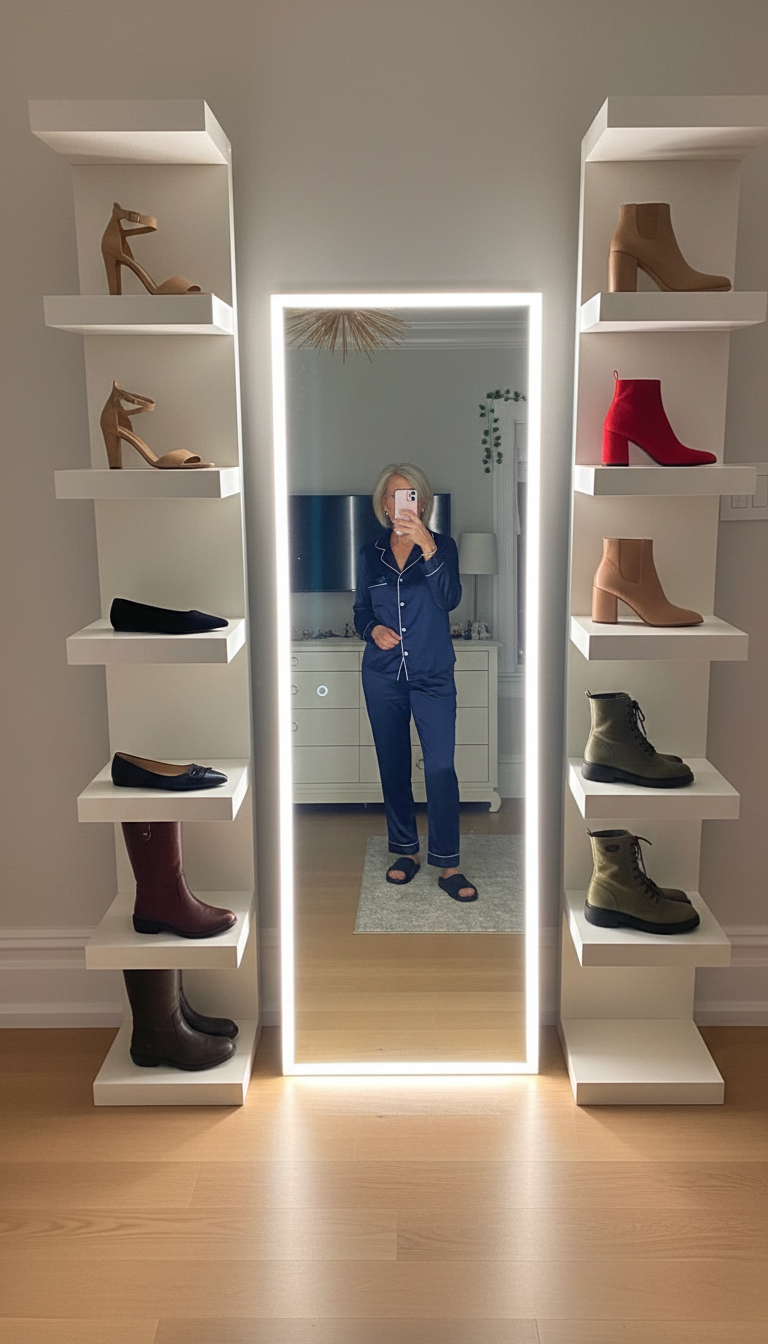
I read 60 threads on the best shoes for plantar fasciitis. Bought the top 4. They all miss the same thing. And it's the reason not one of those shoes ever fixed my feet. I'm 51. I've had this in my left foot for a little over two years. If you have this, you've searched for shoes. Everyone with this has. Eleven at night, foot throbbing, typing "best shoes for plantar fasciitis" into your phone and reading every thread you can find. I did it for months. I've opened more Reddit threads about foot pain than I've read actual books. And I bought them. Not one pair. 4 that cost almost $200 each. I bought the Hokas everyone swears by, the ones with the big cushioned sole. I tried the wide-toe-box ones people talk about, the Topos. I have Oofos for around the house. I have the little plastic heel cups you order off Amazon. Some of them helped. I won't pretend they didn't. A good pair took the edge off. On a good day, in the right shoe, I could get across a parking lot. But still leaned most of my weight on the shopping cart. But not one of them gave me my life back. And after a while I started to understand something nobody in those threads was saying. They were all the same answer to the wrong problem. I'll come back to that. First I have to tell you what this actually cost me, because it wasn't the parking lots. It cost me my closet. Not one pair. All of it. The heels, the little flats, the boots I used to live in every fall, the sandals. It all just sits there. I own maybe fifteen pairs of shoes I'm not allowed to wear and two pairs of sneakers I wear to absolutely everything. Dinners. Church. A wedding last spring where I stood in the back in running shoes with a dress and hoped nobody looked down. I'm 51 and I felt like I'd stopped being a woman and turned into a patient. That's the part I couldn't say to anyone. It sounds so small. "I can't wear my shoes." But it isn't about the shoes. It's catching yourself in a window reflection in your running sneakers and your good dress and not recognizing the person who used to get dressed up and mean it. I stopped going to things. It was easier than standing there feeling like that. I did everything they told me too. Three podiatrists. Custom orthotics. Stretches every morning. The frozen water bottle. The night splint. A cortisone shot I was terrified of that worked for about five weeks and then came back worse. The breaking point came in a shoe store, which I suppose is fitting. I was trying on yet another "supportive" sneaker, and I couldn't get up off the little bench without pushing off my knees. A girl who worked there asked if I was okay. I said yes, and I went out to my car, and I didn't go back in. My podiatrist had already started saying surgery. Not pushing it. Just letting it sit there. But it was beginning to look like my only option with him So I got one more opinion. Not because I was hopeful. Because I was done. The man I saw had been doing feet for twenty years. He watched me walk. He asked how long. I said a little over two years. He put his pen down and said, "Then you're being treated for the wrong thing." I almost laughed at him. I'd had three podiatrists. I had an MRI. I had it in writing. I said, I have plantar fasciitis. Everyone agrees I have plantar fasciitis. He said, "You did. Two years ago." And I sat there and felt my face get hot. Because I thought he was going to give me another bandaid solution or immediately resort to surgery. He saw the confused and angry look on my face and laughed. Like “I know this sounds crazy” kinda laugh He explained that The word ends in "itis." Itis means inflammation. And when this starts, that's a fair description. You overload the fascia. You get tiny tears in it. Your body sends inflammation, because that's what a body does when something tears. That's not the problem. That's the repair crew showing up. The trouble starts when the repair crew never gets to finish the job. Because you can't stop using your foot. You have to walk to the bathroom. You have to stand at the sink. So the tissue gets torn again before it's finished healing from the last time, and again before it finishes healing from that, and it never once completes a repair. And a tissue that never completes a repair doesn't stay the same. It changes. He told me the fibers in there are supposed to lie down straight and tight, like the strands of a rope. When the healing keeps getting interrupted, they become. Tangled. Disorganized. Weak. The rope stops being a rope and starts being frayed cord. That has a name. It's not fasciitis anymore. It's fasciosis. Osis, not itis. Not an inflammation. A degeneration. I made him say it twice. Degeneration. My foot wasn't sitting there inflamed and waiting for the swelling to go down. It was breaking down. Getting structurally worse, month over month, for two years, while I iced it and stretched it and hunted for shoes. And that's when the shoes finally made sense. I asked him. I said, I have spent a fortune on good shoes. The ones everyone recommends. Why did none of them help? He said, because a shoe can't. Not the good ones. Not the expensive ones. None of them. And here's the thing he said that I haven't stopped thinking about. A shoe works from underneath. That's all a shoe can do. It sits under your foot. The cushion softens the landing. The support spreads the pressure. The Hokas, the Oofos, the Topos, every one of them is doing the same job, and it's a job that happens under your foot. But the fraying isn't under your foot. It's inside it. No shoe reaches inside the foot. No shoe puts blood into a starved tissue. No shoe holds the fascia so it stops tearing at the source. They cushion the step. They can't touch the thing that's actually breaking. That's the one thing all 60 threads missed. Everyone arguing about which shoe. Nobody stopping to say the answer was never going to be a shoe at all. And once he said it, two years rearranged themselves in front of me. The mornings. I always thought the first step hurt because the foot went stiff overnight. It's the opposite. At night, off your feet, the fascia finally get to rest and your body starts to patch it. But it's patching with almost no blood, because that tissue sits furthest from your heart and you're lying still. So the patch is thin. Then you stand up and your whole weight comes down and tears it right back open. That's the first step. It's not stiffness. It's you ripping open the little bit of repair you got overnight. The orthotics. Same as the shoes. Support from below. A pillow under a wound. The stretches. Pulling on a cord that was already coming apart. The cortisone. An anti-inflammatory, aimed at inflammation. It quieted things for five weeks while the rope kept fraying, and then I got the same foot back, five times worse. Nothing I did failed because I did it wrong. All of it failed for the same reason. Everything I tried was chasing the pain. Not one thing was reaching the tissue that was actually falling apart. I asked him why nobody had told me this in two years. He was honest. He said the first-line treatments are the first-line treatments. They get written down and handed out, and for most people they work. Most people get better and everybody feels good. The ones who don't get better keep coming back, and they get the next thing on the list, and then the shot, and then the conversation about surgery. Then he said the quiet part. There's no money in telling you the tissue just needs a real chance to rebuild. There's money in the injection. There's money in the operation. So I asked him what does reach it. He opened a drawer and put something in my hand. It was a sleeve. Sort of like a thick sock with the toes cut open, and a couple of straps across the middle. It looked like nothing. That was my honest first thought. Two years of this and the answer is a sock. He told me he's been at this twenty years and he didn't learn this part in school. He learned it watching people like me come back a fourth and fifth time. And once he understood what was actually happening in there, he started sending people to this instead of to the next injection. He said the straps take the load off the arch, so the tissue stops getting torn open every time I take a step. And the compression pushes blood down into a fascia that's been starved for two years, and blood is the thing that rebuilds it. Two things at once. The one thing every shoe I owned couldn't do, and the other thing none of them could do either. Keeping pressure off the fascia all day and night so it doesn’t keep tearing, and compression bringing blood flow to the fascia so it can properly heal I'll be honest. I still didn't believe it. Nothing else had worked. Why would a sock. I put it on that night the way you'd humor someone. It goes on like a sock. You pull the straps snug across the arch and you feel them take hold, like a hand cupping the bottom of your foot from underneath. And I stood up, and I put my weight down wrong the way you do when you're not thinking, and I braced for it. It didn't come. I stood in my kitchen and put my weight on that foot again on purpose, just to check. Two days later I walked to the bathroom in the morning without holding the doorframe and lowering my heel down in stages. I just walked. I said "huh" out loud to nobody. Three weeks in I made dinner and stood the whole time. And then came the day I found out it was real. It was laundry day I had the sleeve in the wash. I had the whole day at home and nothing to put on, and I thought, fine, it's one day, I'm not going anywhere. By that afternoon I felt it. Not the old thing. Nothing close to the old thing. A dull ache coming up through the arch, low and steady, the way a bruise reminds you where it is. I sat at my kitchen table and I understood two things at once. That ache used to be my good day. That was the best my foot felt in two years and I used to be grateful for it. And I hadn't thought about my feet in three weeks. Not once. Not on the stairs, not at the sink, not getting out of bed. I've been wearing them since spring. And a few weeks ago I did the thing I actually want to tell you about. I went to the closet. I took down the heels. I put them on in my bedroom, just to see, the way you try on something you're sure won't fit anymore. And I stood up in them. I walked the length of the hall and back, and I looked in the mirror at the end of it, and there she was. The dress-up version. The one who used to mean it. I wore them out to dinner that Friday. And my bag had my keys and my wallet in it and nothing else. No slides. For two years there was always a second pair of shoes in that bag, the way out, the relief I'd change into the second I was allowed. That Friday I didn't need a way out. That's the thing I would have paid anything for. Not "less pain." I wanted to open my own closet and have all of it back. I wanted to get dressed and recognize myself. They're called Koprez Foot Sleeves. If you're up at night reading shoe threads, hear the part it took me two years and a fortune in sneakers to understand. It was never going to be a shoe. Not because you haven't found the right one. Because a shoe works under your foot, and no shoe can truly stop your fascia from tearing, its just a cushion for every step. Every pair you buy is aimed at the ground. None of it reaches the tissue that's actually fraying. And every month you spend hunting for the perfect shoe, that fascia goes another month without the one thing it's been starving for. They ship free. There's a 30-day guarantee, so you wear them and if nothing changes you say so and they make it right. No trial that turns into a subscription. Nothing to mail overseas. You slip them into the shoes you already own and you find out for yourself. Put them on and go stand in your kitchen. That's all I'd ask you to do. I won't call it a miracle. I'll tell you I have a closet full of shoes I couldn't wear for two years, and last Friday I wore the ones I liked best.
I spent over $1,000 on shoes for plantar fasciitis, they all missed the most important part
If you've been dealing with this foot condition for more than a month, and icing, stretching, and orthotics aren't working anymore, there's a specific reason why. And it isn't what most people, or many doctors, are telling you.
SHOP NOWLike this ad? Make it yours.
Crush rebuilds this exact creative around your product — your brand, your colors, your offer — in about a minute.