
Active· since Jun 4, 2026
- 99
- days running
- 0
- relaunches
Ad copy
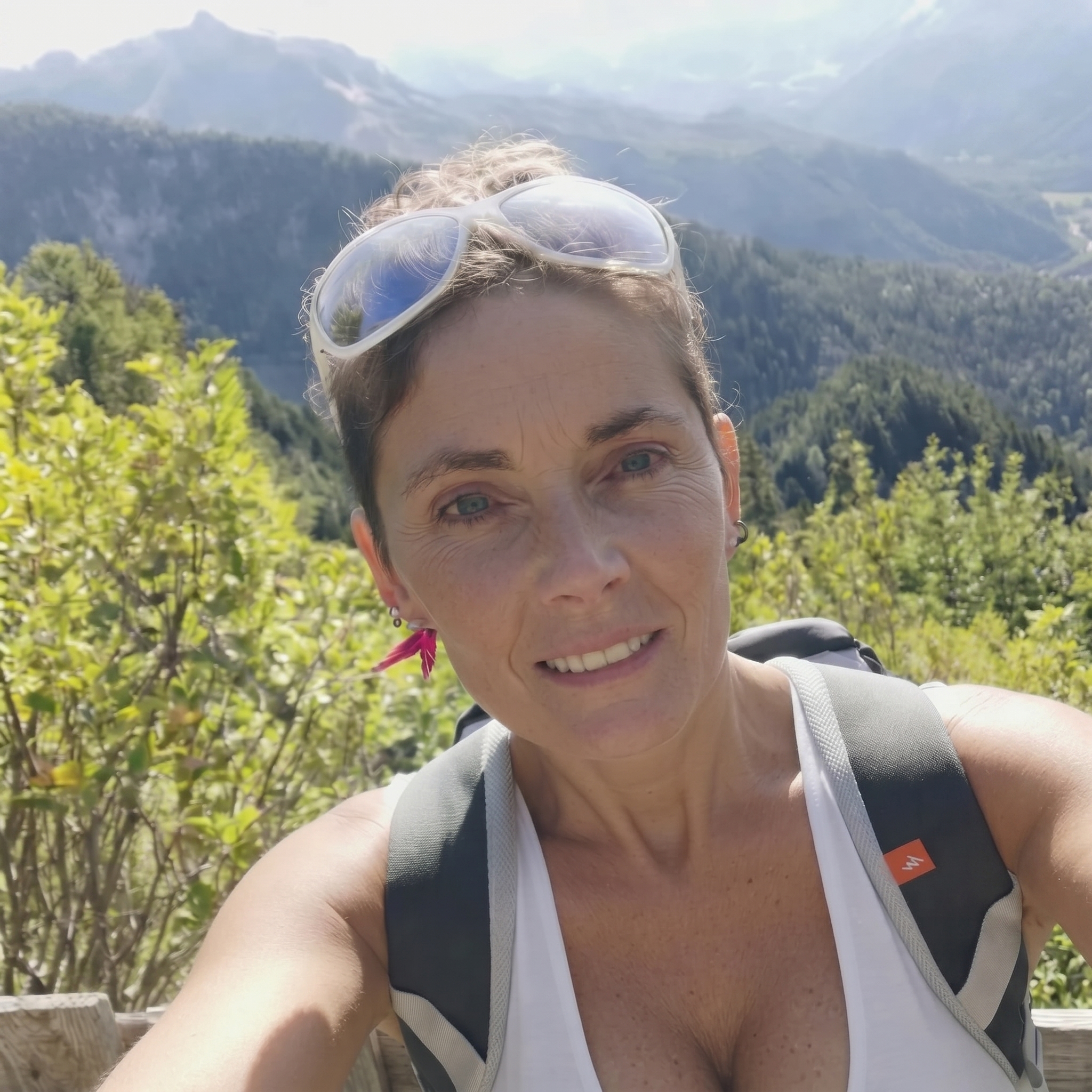
My doctor said if I refused to quit drinking she'd document it in my chart as non-compliance against medical advice. I had eleven minutes with her. She'd never met me before. Dr. Chen's retirement letter came on a Tuesday. Standard form letter. "After 30 years of practice I'm stepping away effective September 1st. Your care will be transferred to Dr. Nadia Okafor." I sat at the kitchen table staring at it. Fourteen years. I'd been seeing Dr. Chen for fourteen years. He knew my history. My lifestyle. My work as a nurse. He'd always worked with me. "You know what you're doing Laura. Keep watching the diet. Keep watching the wine. Come back in six months." Now he was gone. My first appointment with Dr. Okafor was October 3rd. Routine physical. Transfer of records. Meet the new doctor. I sat in the exam room. Same room I'd been in for years. Same posters about liver disease and alcohol. Different doctor. Dr. Okafor walked in. Young. Maybe 38. Laptop in hand. "Ms. Mitchell." Firm handshake. All business. "I've been going through your file." She sat down. Pulled up my records. Scrolled. Her expression changed. "Your ALT history." She turned the screen toward me. "2020: ALT 74. 2021: ALT 79. 2022: ALT 84. 2023: ALT 89. Today: ALT 91." She looked at me. "Four years of progressively worsening liver enzymes. Fatty liver confirmed on ultrasound. No meaningful intervention." "Dr. Chen and I had a plan. I was monitoring my own labs. Cutting back on—" "Cutting back?" Her voice was sharp. "Ms. Mitchell your ALT has climbed eleven points in four years. Cutting back isn't working. We need permanent abstinence. Starting now." "I'd rather—" "This isn't a discussion. Your liver enzymes are in dangerous territory. If you refuse to quit drinking I'm required to document it in your chart as non-compliance against medical advice." The printer hummed. She handed me a pamphlet on alcohol cessation and a referral to a support group. "Follow up in twelve weeks. We'll do a full panel and assess your compliance." She stood. Left the room. The whole appointment took eleven minutes. I sat there holding the pamphlet. Hands shaking. Non-compliance against medical advice. I was a nurse. I'd handed patients that same documentation a hundred times. In the parking lot I called my husband. "How was the new doctor?" "She says four years of cutting back wasn't enough. Wants me to stop drinking permanently. Starting now." Silence. "What?" "She said if I refuse she documents it as non-compliance. Those are my options. Stop completely or it goes in my chart that I refused treatment." "But Dr. Chen always said you were—" "I know what he said. She doesn't care. Eleven minutes and she's already decided." That night I couldn't sleep. Lay in bed staring at the ceiling. My husband's breathing steady next to me. Dr. Chen had respected me. We'd worked together for fourteen years. My ALT had climbed yes. But gradually. I was a nurse. I knew my own numbers. I'd been watching them carefully. Was he wrong to be patient with me? Was I walking around with my liver silently scarring and didn't even know it? At 2 AM I went downstairs. Sat at the kitchen table with my laptop. fatty liver permanent abstinence results quitting alcohol liver disease outcomes does stopping drinking reverse fatty liver Every article said the same thing. Stop drinking. Reduce calories. Exercise. Monitor. The same four instructions I'd been giving patients for years. Maybe Dr. Okafor is right. Maybe I've been reckless. But then I searched: patients who quit drinking still develop cirrhosis And my mother's face flashed. My mother had been diagnosed with fatty liver seven years before she died. She quit drinking the same week her doctor told her to. Completely. Permanently. No wine at Christmas. No champagne at her granddaughter's graduation. No rosé at the book club she'd hosted in her living room every third Thursday for sixteen years. My mother was the kind of woman who made a room feel like somewhere you wanted to stay. She remembered everyone's birthday. She knew how you took your coffee. She had a dinner party the way other people have conversations — effortlessly, generously, like it cost her nothing even when it cost her everything. When she quit drinking she quit hosting. Said it was too hard to be around it. Easier to just stay home. The book club moved to someone else's house. She stopped going after a few months. Too tired by evening. The table that had seated twelve people every third Thursday sat empty. She stopped going to my sister's cookouts. Said she didn't want to be the one not drinking. Too many questions. Too much explaining. The granddaughter's graduation was the last big event I watched her push through. She sat at the edge of the party all afternoon. Left early. Called me that night and said she was glad she went but she was exhausted in a way sleep didn't fix anymore. That was 2019. Her doctor told her the numbers were stable. That the compliance was working. That staying off alcohol was the most important thing she could do. She did everything they told her. For four years. The last year was hard. She stopped suggesting we visit. I'd call and she'd say she wasn't up for company. The woman who had people at her table every week for thirty years wasn't up for company. Her fibroscan in the spring showed F3. The gastroenterologist used the word transplant. She went on the list that fall. She died at 67. Liver failure. Still abstinent. Still compliant. Still doing everything they told her. Four years of giving up everything she loved. And it didn't save her. I closed the laptop. Rubbed my face. What do I do? The pamphlet on alcohol cessation sat on the counter. Mocking me. I didn't call the support group. One week passed. Then two. Dr. Okafor's office called. "Ms. Mitchell our records show you haven't confirmed your abstinence plan. Dr. Okafor wants to—" "I need more time." "Ms. Mitchell Dr. Okafor noted this as urgent—" "I said I need more time." I hung up. My husband found me in the kitchen that evening. "Laura. Talk to me." "I'm looking for options." "Options? The doctor said your liver needs—" "I know what she said. But my mother did everything they told her. For four years. She stopped going to her own book club. She missed her granddaughter's graduation party. She gave up everything she loved. And her liver failed anyway." His voice softened. "But what if—" He stopped. "I don't want to lose you." "You won't. I just need to find another way." "What other way?" I didn't have an answer. Not yet. That weekend I tried everything. Milk thistle. The supplement every website and every liver forum says to take. Twice a day. The good kind — 80% silymarin not the drugstore version. Four months. My ALT went from 91 to 87. Four points. Four months. Cut my wine in half. A glass instead of two at dinner. Sparkling water at the girls' dinners I used to actually enjoy. The belly didn't move. The fatigue didn't move. ALT went from 87 to 84. Three points. In three months of cutting back. Liver detox supplements from the health store. Two different brands. One with seventeen ingredients I couldn't identify. Took them for two months. Nothing shifted. He was right. And the worst part? Through all of it my numbers barely moved. And I couldn't figure out why. I was doing everything you're supposed to do. Everything the health store recommends. Everything the forums say works. None of it moved the needle. I was running out of time and running out of ideas. Three weeks before my follow-up appointment I was back at my kitchen table at 2 AM going in circles. Reading the same supplement forums. The same Reddit threads. The same dead ends. Then I changed the search. I stopped searching for supplements. Started searching for the mechanism. "Why does fatty liver keep progressing even when you stop drinking?" And I found something that changed the way I understood everything I'd been doing wrong. It was in a hepatology journal — the kind of paper I'd walked past on bulletin boards in the hospital for years without reading. Basic liver biochemistry. Not hidden. Not controversial. Just not something anyone had ever connected to the patients sitting in exam rooms being told to stop drinking. Your liver uses one compound to filter everything that passes through it. Every drink. Every medication. Every processed food. Every environmental toxin. One compound runs the entire filtration system. It's called glutathione. I read that and stopped. Read it again. A nurse who had administered NAC IV drips in acute liver failure for years and never once connected it to this. When glutathione is present your liver does its job. It neutralizes what passes through. Clears fat from liver cells. Processes alcohol and everything else. The system runs clean. But alcohol doesn't just create the damage. It depletes the only compound the liver uses to repair it. Every drink drains the defense at the same moment it creates the attack. Cumulative depletion on top of age-related decline. By the time most women reach their 40s and 50s they've lost a significant fraction of their production capacity without knowing it. Stopping the alcohol slows how fast you drain what's left. It does not refill what's already gone. That image hit me like a physical thing. Because it was exactly what I'd been doing. Real effort. Genuine compliance. All of it aimed at slowing the drain while the one compound the system needed to run kept depleting and nobody told me. That was why my mother quit for four years and her liver kept failing. The tank stayed empty. Nobody had ever told her she could refill it. Nobody had ever told her that stopping the drain wasn't the same as fixing the system. So what actually restores glutathione? That's where I fell down a hole I didn't come out of for two nights. I wasn't reading wellness blogs. I was on PubMed. Reading the same journals that sat in the hospital library I'd walked past for fourteen years. NAC — N-Acetyl Cysteine. I already knew this compound. I'd administered it through an IV in my unit when a patient's liver was shutting down. What I'd never connected was this: NAC forces the liver to rebuild its own glutathione supply from the inside out. Emergency medicine reaches for it when it needs to save a liver fast because it works at the cellular level in a way nothing oral can replicate. I found a trial in the Journal of Hepatology — 78 subjects, twelve weeks. Then a larger cohort study in Gut. Then a 2021 meta-analysis pooling data from nine controlled trials across four countries. Over 600 subjects total. Consistent findings across all of them. This wasn't fringe science. This was sitting in the same journals my colleagues read every day. Nobody had connected it to the women being told to just stop drinking. I almost stopped there. But I'd already been taking NAC capsules from the pharmacy for six weeks. Numbers barely moved. I went back to the research and found what I'd missed. There's a reason hospitals inject NAC through an IV instead of handing you a capsule. A liver running low on glutathione can't absorb an oral compound properly before it gets excreted. The active ingredient passes through the organ that's already struggling and gets excreted before it does anything. I'd known this. I'd administered IV NAC precisely because oral bioavailability in a compromised liver is too low to be therapeutic. I just hadn't connected it to my own medicine cabinet. The pharmacy capsules were the wrong format. Right compound. Wrong delivery. Whatever therapeutic value was in those capsules never arrived. That explained the capsules. It didn't explain what to do instead. At 4 AM I searched: glutathione restoration fatty liver liquid bioavailable formula One product kept coming up in the research-oriented forums. People who'd clearly done the same deep dive I was doing. Not wellness blogs. Nurses and patients posting actual ALT panels and fibroscan results and tracking month by month. Purelia. Liquid formula. NAC and L-Glutathione together at clinical concentrations. Choline — the compound the liver needs to package and export fat from liver cells. Artichoke and Dandelion — opening the drainage pathway so what gets processed actually leaves. Delivered in liquid form so the compounds reach the bloodstream directly instead of passing through a compromised organ unused. I looked into it the way a nurse looks into something. Checked the formulation. Checked the concentrations. Checked third party testing. This wasn't a liver supplement with liver support on the label. This was a formula built around the specific depletion I'd spent two nights reading about. I had a feeling this was different from everything else I'd tried. Not because the marketing was better. Because the mechanism was different. Everything else I'd tried had been aimed at the drain. Slowing the alcohol. Protecting the cells. This was aimed at the source. Restoring the compound that runs the filtration system. Refilling the tank instead of rationing what was left in it. They had a 60-day money-back guarantee. Buy two get one free. I'd spent more on milk thistle and liver supplements that did nothing than three months of this was going to cost. I ordered it that night. The bottle arrived four days later. Two droppers in water every morning before my shift. I drank it with breakfast. Didn't expect much. I'd been wrong before. First week — the 2pm crash that had been hitting me mid-shift was gone. Not fading. Not happening. I'd been blaming it on 12-hour shifts and age. Made it through a full shift without hitting the wall. That night I slept through. Actually slept through. No waking at 2am. No lying there calculating how many hours before my alarm. Just sleep. When I woke up I lay there for a moment trying to understand what was different. Week two — the belly softening. Not temporary relief from skipping a meal. Not the fake flat from cutting carbs for a week. Actual sustained reduction in the hardness I'd been carrying around my middle for two years. I noticed it getting dressed on a Thursday. Stood in front of the mirror for a long time. My husband said something first. "You look different." "Different how?" "Less puffy. Like something's working." Week three — the ache under my right ribcage. The one I'd been pressing on every morning out of habit. The one that had been there so long I'd stopped mentioning it because nobody ever had anything useful to say about it. I pressed on the spot. Nothing. No tenderness. No pressure. I pressed harder. Nothing. I stood in the hospital bathroom between patients and pressed on the spot three times. Three times nothing. Week four — I ordered my own labs through the hospital system. Sat at the nurses' station waiting for the results the way I'd sat with patients waiting for their results for years. ALT: 61. Down from 91. I stared at the screen. Read the result twice. Checked the patient name. Checked the date. Thirty points. In four weeks. After four months of milk thistle moving it four points and three months of cutting back moving it three. I sat at the nurses' station and didn't move for a full minute. Week ten I ran labs again. ALT: 22. Normal range. For the first time since my diagnosis. I sat at my desk and read the line three times before I believed it. Four years of slightly elevated. Four years of cutting back. Four months of milk thistle. And the number had finally moved — not because I'd cut anything new but because I'd given the system what it needed to repair itself. Around the same time a colleague asked if I'd been on vacation. I hadn't. I just didn't look gray and worn out anymore. Two days before my follow-up appointment I had my pre-visit labs drawn. The results would be in my chart before Dr. Okafor walked in. At the appointment I sat in the same exam room. Same posters about liver disease and alcohol. Different feeling. Dr. Okafor walked in. Opened my chart. Stopped. "ALT 22." She looked at 91. Then 22. Then back at me. "You stopped drinking." "No." She looked up. "No?" "I found the mechanism. The one the standard protocol doesn't address." She looked at the numbers again. Then at me. "What specifically are you taking?" I told her. Glutathione depletion research. NAC forcing the liver to rebuild from the inside out. L-Glutathione replenishing directly at the cellular level. Choline exporting the accumulated fat. Artichoke and Dandelion opening the drainage pathway. Liquid formula because a compromised liver can't absorb a capsule. The hepatology journals. The clinical trials. The meta-analysis. "I can send you everything tonight. I saved all of it." She typed it in. Read for a long time. Long pause. "Continue what you're doing. Back in twelve weeks. If it holds at this level we discuss quarterly monitoring." She didn't say stop drinking. First time in every appointment I'd ever had with her. I walked out of that office and sat in my car for ten minutes. Called my husband. "ALT 22." He went quiet. Then: "No abstinence?" "No abstinence. Quarterly monitoring if it holds." He didn't say anything for a moment. When he did his voice was tight. "I knew you'd find something." That was four months ago. Last week I got my follow-up panel. ALT 19. Still normal. Still no abstinence documentation in my chart. My ALT dropped from 91 to 19. My doctor monitors me quarterly. No abstinence requirement. No lectures. No compliance documentation. Just numbers she can't argue with. If you're reading this you're in the same position I was. Cornered. Pressured. Feeling like permanent abstinence is the only option your doctor will accept. Here's what I learned after four months of failed supplements and two nights of actual research in hepatology journals. The reason cutting back and milk thistle don't work is they're aimed at slowing the drain. Your liver needs glutathione to repair everything that passes through it. By the time you're symptomatic it's been depleting for years. Stopping the alcohol slows how fast you drain what's left. It does not restore what's already gone. That's why my mother quit for four years and her liver kept failing. The tank stayed empty. Nobody told her she could fill it. Nobody told her that stopping the drain wasn't the same as fixing the system. Purelia is the only formula I found that addresses the depletion directly. NAC and L-Glutathione in liquid form to restore what's been running out. Choline to export the fat that's been accumulating. Artichoke and Dandelion to open the drainage pathway. Liquid delivery so it actually arrives. After 31 years as a nurse I know exactly what changes a doctor's mind. Numbers. Not lifestyle promises. Not compliance documentation. Numbers she can't argue with. And I finally had them. If you feel cornered — give this 60 days. Order your own labs at week four. Then again at week eight. Track it yourself. Then walk into your next appointment with the data. Try it for 60 days. If your numbers don't move — full refund. No questions asked. You risk nothing. Because here's what four months taught me about risk. The risk isn't trying something new. The risk is another year of slightly elevated and come back in six months while your fibroscan gets worse and your life gets smaller and you keep sitting at the girls' dinners with sparkling water wondering if the thing they told you to give up was ever really the problem. Purelia. Liquid formula. Two droppers a day. Not protecting. Restoring. 👉 https://try.officialpurelia.com/liver-support-pdp1 — Laura M., RN P.S. — I felt the difference by week one. ALT dropped 30 points by week four. Normal range by week ten. Still going to the girls' dinners. Still having wine at dinner. Still wearing the fitted dresses. Just finally giving my liver what it had been running without. 60-day money-back guarantee. Your timeline may vary but 60 days is the window and you risk nothing. P.P.S. — The research exists. The mechanism is real. It's in the same journals my colleagues read every day. They just never connected it to the women sitting in their offices being told to stop drinking. I did the connecting. Now you have the answer. Order now. 👉 https://try.officialpurelia.com/liver-support-pdp1
Natural Relief in Weeks
Try Purelia for 60 days. If you don't see real changes in your energy, mornings, or how you feel overall, we'll refund every cent. Just an email. That's it.
SHOP NOWLike this ad? Make it yours.
Crush rebuilds this exact creative around your product — your brand, your colors, your offer — in about a minute.