
Inactive· since Jul 10, 2026
- 5
- days it ran
- 0
- relaunches
Ad copy
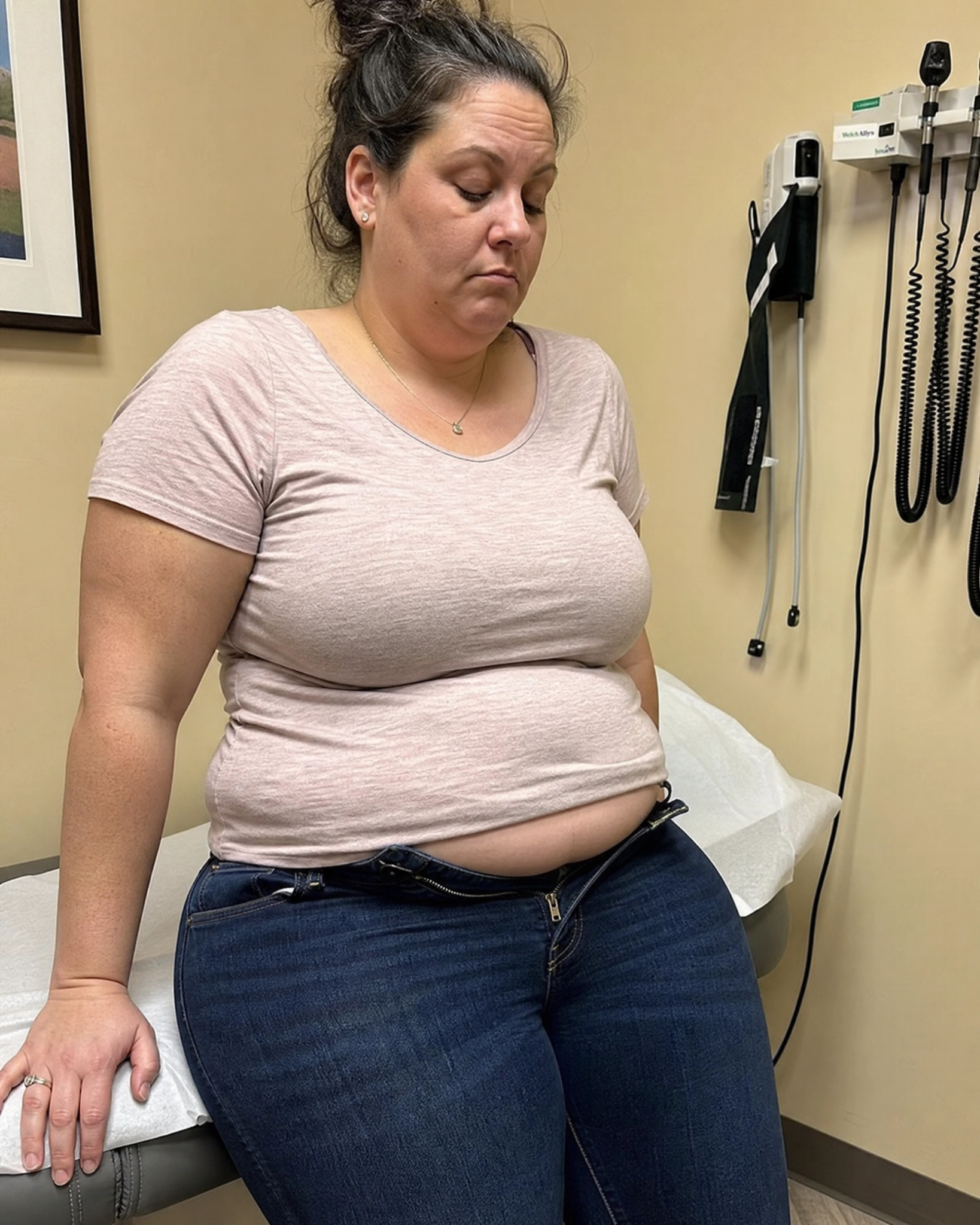
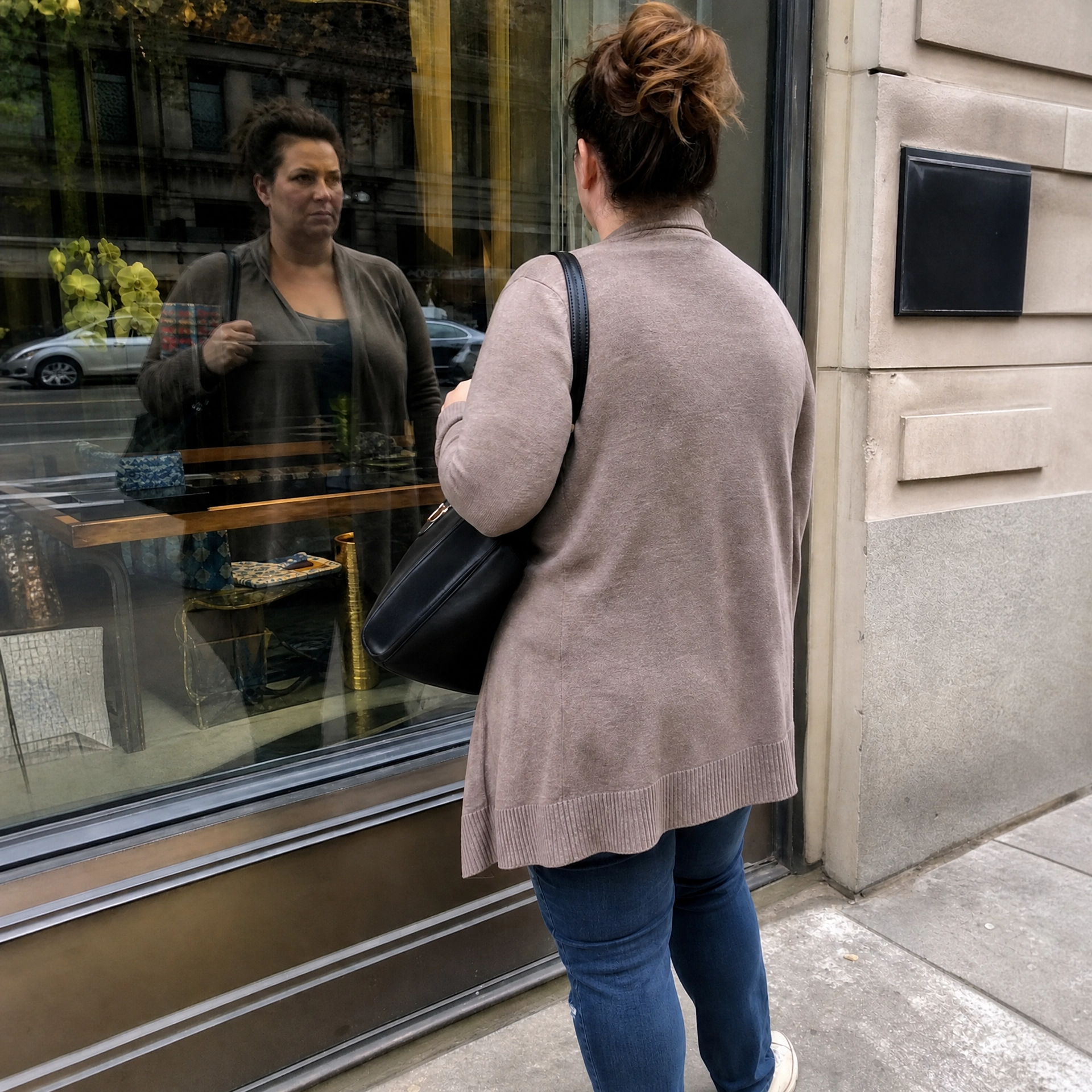
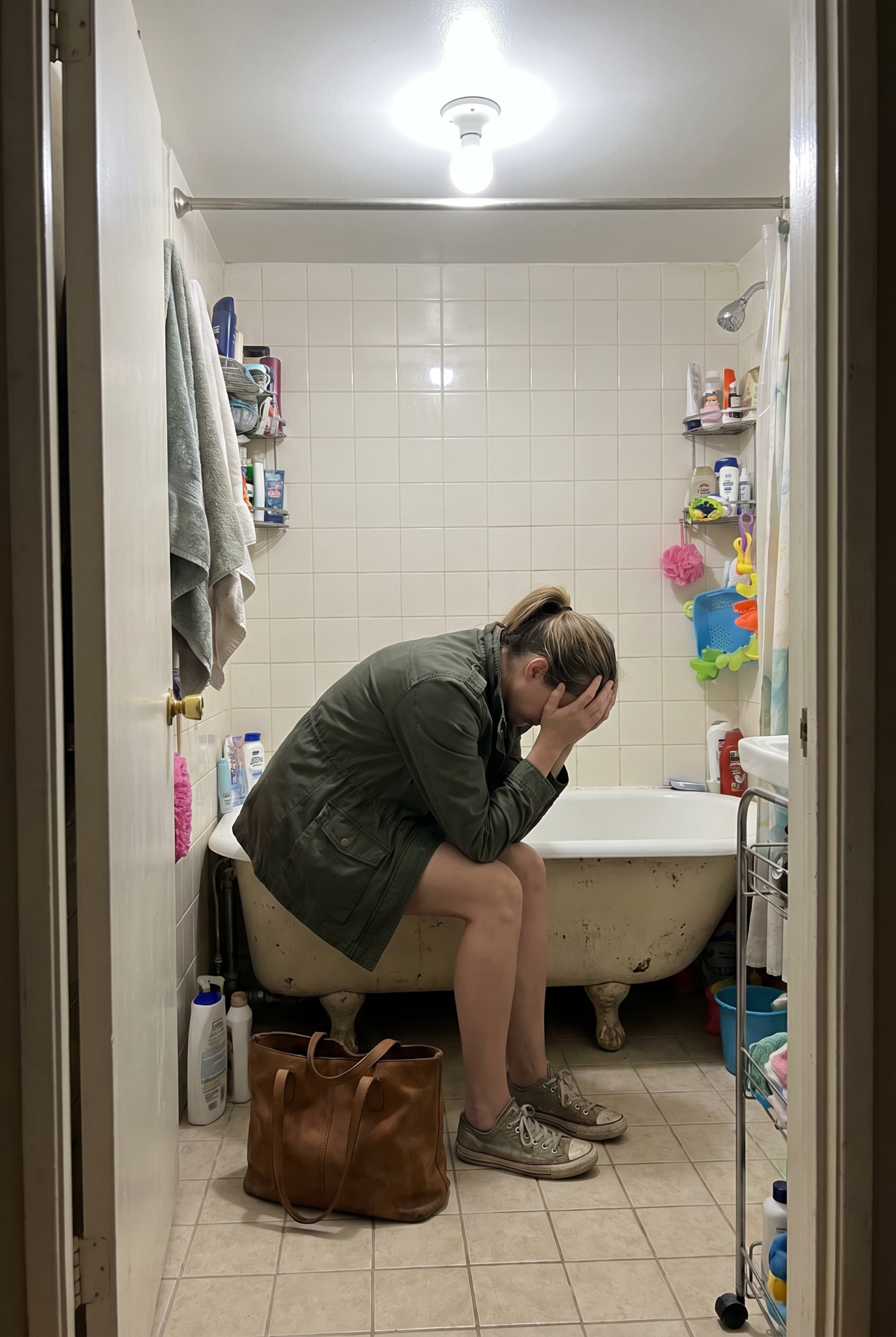
I was sitting on the crinkly paper of the exam table when my doctor told me I needed to eat less. I looked at him. I was eating 1,400 calories a day. I was weighing my food on a digital scale. I had completely stopped eating carbs. "Your TSH is 1.6," he said, tapping his pen against his clipboard. "Your thyroid is perfectly regulated. The medication is doing exactly what it's supposed to do." "I've gained 35 pounds in two years," I said. My voice was shaking. "My hair is falling out in clumps. I am so exhausted by 3 PM that I have to sleep in my car before I drive home from work." He gave me a tight, sympathetic smile. The kind of smile you give a child who doesn't understand math. "Metabolisms slow down as we enter our forties, Rachel. It's very common. And you have a stressful job. Stress can cause fatigue. Let's refer you to a nutritionist, and we can discuss an antidepressant if the fatigue continues." He was telling me it was my fault. Because the numbers on his paper looked good, my reality didn't matter. The medication was working. The patient was the problem. For three years, I let the medical system gaslight me while my body systematically shut down. I was diagnosed with Hashimoto's at 38. I was put on levothyroxine. I was told it would replace my missing hormones and I would feel like my old self again. Within the first year, I gained 22 pounds. By year two, I was up 35 pounds. I was eating 1,400 calories a day. I bought a food scale. I tracked every single macro. I worked out four days a week until I felt like I was going to pass out. My TSH was 1.8. "Perfectly managed," according to my doctor. But I was so exhausted I had to take a nap in my car on my lunch break just to make it through the afternoon. My hair was falling out in clumps in the shower. My brain fog was so severe I forgot my own ATM PIN code while standing at the machine. I went to my endocrinologist and begged for help. He looked at his iPad, didn't even make eye contact, and said: "Rachel, you're in your early forties. Metabolisms slow down. Try keeping a food journal—sometimes we eat more than we think we do. And if the fatigue is really impacting your life, I can refer you to a psychiatrist. Sometimes depression masks itself as fatigue." He was telling me I was fat because I was secretly overeating, and I was tired because I was secretly depressed. Because my lab numbers looked "perfect" on his screen, he didn't have to investigate any further. The medication was working. The patient was the problem. I walked out of his office, got into my car, and sobbed until I couldn't breathe. It is a very specific, terrifying kind of loneliness to know that your body is failing, and to have the person in charge of fixing it tell you that you're fine. I spent the next two years trying to fix myself. If you have Hashimoto's, you probably have a failed solutions graveyard that looks exactly like mine: Selenium and Zinc: Six months. My antibodies dipped slightly. Weight kept climbing. The AIP Diet (Autoimmune Protocol): I lived on chicken and sweet potatoes for four months. I lost 4 pounds. The exhaustion got worse. Keto: Gained 6 pounds in two months while in ketosis. $60/month "Thyroid Support" supplements: Full of ashwagandha and iodine. They gave me heart palpitations and did absolutely nothing for my metabolism. Intermittent Fasting: Made the afternoon crashes so severe I almost fell asleep at my desk. Between the supplements, the special diets, and the specialist copays, I spent over $3,500. I was 35 pounds heavier, thousands of dollars poorer, and every doctor was telling me I was "fine." I wasn't just frustrated anymore. I was furious. I was watching myself decline into a heavier, more exhausted version of myself, while my doctors shrugged and suggested I see a psychiatrist. They were managing the numbers on a chart. They weren't trying to figure out why the medication wasn't working. I started asking the questions nobody wants you to ask. Why do doctors act like thyroid weight gain is just inevitable? Why do they suggest antidepressants instead of investigating why the levothyroxine isn't being converted into the form your cells can actually use? And why does NOBODY ever talk about what is actually preventing the thyroid hormone from being activated before it reaches the cells? I went down a deep research rabbit hole. I bypassed the wellness blogs and went straight to clinical endocrinology papers. And I found a research paper that changed everything. It mentioned something I had literally never heard anyone connect to thyroid weight gain in my entire life: The cortisol-liver-thyroid conversion pathway. You know what's insane? Every doctor talks about adjusting the dose. Every protocol is about the hormone level in the blood. But nobody talks about what happens to the hormone after it enters your bloodstream. Specifically, what has to happen in your liver before that hormone can do anything at all. Here is what I learned. Your thyroid produces hormone in an inactive form called T4. Levothyroxine is synthetic T4. It is biologically inert. It does absolutely nothing. It gives you zero energy. It burns zero fat. About 60% of that conversion—from inactive T4 into the active T3 that your cells can actually use—happens in the liver. When that conversion works properly, your levothyroxine enters the blood, travels to the liver, gets converted to active T3, reaches your cells, and your metabolism runs. But when that conversion fails? That's when everything goes to hell. And here is what is causing the failure that nobody is talking about. Chronic stress keeps cortisol elevated. The low-grade, constant stress of managing a job, a family, and a chronic illness keeps your body in a state of fight-or-flight. And chronically elevated cortisol attacks the thyroid conversion pathway at THREE checkpoints simultaneously. First: The Liver Fat Suffocation Cortisol packs fat around the liver. A liver wrapped in cortisol-driven fat loses its conversion capacity. The deiodinase enzyme responsible for activating T4 into T3 cannot function properly in fatty, inflamed liver tissue. The T4 from your levothyroxine sits in the blood. It looks perfect on a test. But it arrives at your cells inactive and useless. That's why your TSH is "perfect" and you feel terrible. Second: The Brain Signal Suppression Cortisol suppresses the brain signal that tells the thyroid how much hormone to produce in the first place. This reduces your natural thyroid output below what the body actually needs, compounding the conversion failure. Third: The Reverse T3 Flood Cortisol floods your thyroid receptors with Reverse T3. This is a decoy molecule. It looks exactly like active thyroid hormone. It binds to the exact same receptor sites on your cells. But it does absolutely nothing. It's like a key that fits every lock perfectly but turns none of them. So I was taking T4 that my cortisol-compromised liver couldn't convert to T3. I was running on reduced natural output. And what little active T3 I did produce was being blocked at the receptor level by Reverse T3 decoys. My labs looked perfect. My cells were functionally hypothyroid. No diet on earth can compensate for cells that aren't receiving the hormone that controls metabolism. No calorie deficit can generate energy from mitochondria that are starving for active thyroid hormone. That is why I was gaining weight on 1,400 calories. My metabolism was running at absolute minimum because the hormone my cells needed was being blocked at three separate checkpoints by the same cortisol signal nobody had ever investigated. I wasn't eating too much. I wasn't lazy. I wasn't depressed. I was taking medication every morning that cortisol was systematically preventing from reaching my cells. It was like filling a car with fuel while something blocked the fuel line from the tank to the engine. The tank reads full. The engine starves. And the medical system KNOWS about the cortisol-liver-thyroid conversion connection. It's in the endocrinology literature. But the clinical protocol doesn't include a cortisol assessment. It doesn't check liver conversion capacity. It doesn't measure Reverse T3. Because there's no pharmaceutical drug for cortisol-driven thyroid conversion failure. You can't patent it. There's no money in telling someone their stress hormones are blocking their medication from working. There IS money in keeping you on levothyroxine at escalating doses. There is money in referring you to psychiatrists and weight loss clinics. I kept digging through the research. I wanted to know how to clear the cortisol blockade. And I found one compound that kept appearing in peer-reviewed research as the specific solution to cortisol-driven thyroid pathway dysfunction. Rhodiola Rosea. Not marketed for thyroid. Not sold as a weight loss supplement. Researched for cortisol—and specifically for what happens to the thyroid conversion pathway when the cortisol signal disrupting it is removed. The active compounds in Rhodiola (rosavins) act directly on the hypothalamus—the brain structure producing the cortisol command. When cortisol output normalizes, the liver begins clearing the fat burden impairing its conversion capacity. The deiodinase enzyme responsible for activating T4 starts working again. Reverse T3 production drops. The receptor sites occupied by Reverse T3 decoys begin clearing. The T4 from the levothyroxine I'd been taking every morning for three years finally completes its journey. It converts to active T3. It reaches the receptors. My metabolism could run for the first time in three years. Not because the dose changed. Because the three checkpoints cortisol had been blocking were finally cleared. I immediately bought the highest-rated Rhodiola supplement on Amazon. I took it for eight weeks. Nothing moved. I bought a more expensive adaptogen brand. Ten weeks. Marginal energy improvement. Weight unchanged. I went back to the research. I read the methodology of the clinical trials. The studies showing thyroid conversion results used a specific standardization: 3% rosavins and 1% salidroside. That is the ratio at which hypothalamic cortisol normalization was measured in human trials. I flipped over both bottles I had tried. No standardization listed on either. Just "Rhodiola Rosea extract." No ratio. No active compound guarantee. I had been taking expensive capsules of ground plant material for eighteen weeks. There was also the absorption problem. The active compounds are fat-soluble. Without BioPerine—a specific absorption enhancer—a significant portion never reaches the bloodstream. It gets destroyed by stomach acid. Most Rhodiola manufacturers skip this because it costs more. I was taking the wrong product, at the wrong standardization, with no absorption support. I spent days searching for a product that actually matched the clinical research. And I found a company called Rosava. Rhodiola Rosea standardized to exactly 3% rosavins and 1% salidroside. The exact ratio from the clinical research. At the clinical dose—not a trace amount designed to make a label look good. BioPerine included for absorption. The only Rhodiola product in this category doing this. Third-party tested. Made in the USA. No proprietary blends. Every amount listed. It was a cortisol reset formula that removes the three-checkpoint blockade preventing the medication I was already taking from reaching my cells. I ordered a three-month supply. It came with a 60-day money-back guarantee. I started taking one capsule every morning, two hours after my levothyroxine. Here is exactly what happened. Week 2: The brain fog started lifting. I felt "awake" for the first time in months. My thoughts were clear. I stopped losing words in the middle of sentences. Week 3: The afternoon crash vanished. I didn't need to sleep in my car on my lunch break anymore. I had steady, flat energy all day long. Week 4: The bloating that had been making me look six months pregnant by dinner every night—gone. The visceral fat that cortisol had built around my organs was beginning to clear as the cortisol normalized. Week 6: The scale moved. Down 6 pounds. And it didn't feel like diet weight loss. It felt like my metabolism had switched back on. Like the fuel that had been in the tank for three years was finally reaching the engine. Week 8: Down 13 pounds. My hair stopped falling out in the shower. I looked in the mirror and actually recognized the woman looking back at me. Week 12: I went back to my doctor for follow-up labs. My Free T3 had risen into the upper third of the range. On the same dose of levothyroxine I'd been taking for three years. "Whatever you changed, keep doing it." "Your conversion improved significantly," the doctor said, looking confused. Same medication. Same dose. The cortisol blockade was cleared. The T4 was reaching the liver. The enzyme was converting it. The Reverse T3 occupying my receptors had dropped. My metabolism was running for the first time in three years. Total weight lost at five months? 29 pounds. Not from starving. Not from antidepressants. Not from a gym I was too exhausted to use. From removing the cortisol that had been blocking my medication from working at three checkpoints simultaneously, while every doctor told me my labs looked fine. This is what they don't want you to know. Because the second you reset the cortisol blocking your thyroid conversion, you don't need their psychiatric referrals anymore. You don't need their weight loss clinics. You don't need their specialist visits every six months watching your weight climb while they shrug and suggest eating less. Your medication starts converting. Your metabolism starts running. The weight moves. The way it was always supposed to work—before cortisol built a three-checkpoint blockade that nobody told you existed and nobody was looking for. Cortisol-driven conversion failure doesn't wait for you to figure this out. Every month the blockade stays in place is another month of your medication sitting in your blood converting to nothing. Another month of Reverse T3 occupying your receptors. Another month of metabolic damage compounding. The fat cortisol is building around your liver accumulates further. The Reverse T3 production increases. The weight gets harder to address. If you are dealing with any of this—weight gain your doctor can't explain despite eating almost nothing, a TSH that's "perfect" while you feel terrible, exhaustion that no amount of sleep fixes, brain fog, hair falling out—this is the time. Not next month when you've gained 3 more pounds. Not six months from now when your doctor suggests antidepressants. Right now. Rosava. Rhodiola Rosea standardized to 3% rosavins and 1% salidroside. Clinical dose. BioPerine for absorption. Third-party tested. No proprietary blends. They offer a 60-day money-back guarantee. Use every capsule. If your conversion doesn't improve, if the weight doesn't start moving, if you don't feel the difference—full refund. No questions asked. They have nothing to hide. Your endocrinologist isn't coming to fix your conversion. They profit too much from managing your TSH while the cortisol blockade runs undisturbed. You have to fix this yourself. Clear the blockade. Get your life back. https://tryrosava.com/products/rhodiola
Reactivate your body
Clinically-dosed Rhodiola Rosea (500mg/day, standardized to 3% rosavins + 1% salidroside) formulated for women with Hashimoto’s who are medicated but still exhausted. 60 capsules — a 30-day supply.
SEE DETAILSLike this ad? Make it yours.
Crush rebuilds this exact creative around your product — your brand, your colors, your offer — in about a minute.