
Inactive· since Jul 9, 2026
- 6
- days it ran
- 0
- relaunches
Ad copy
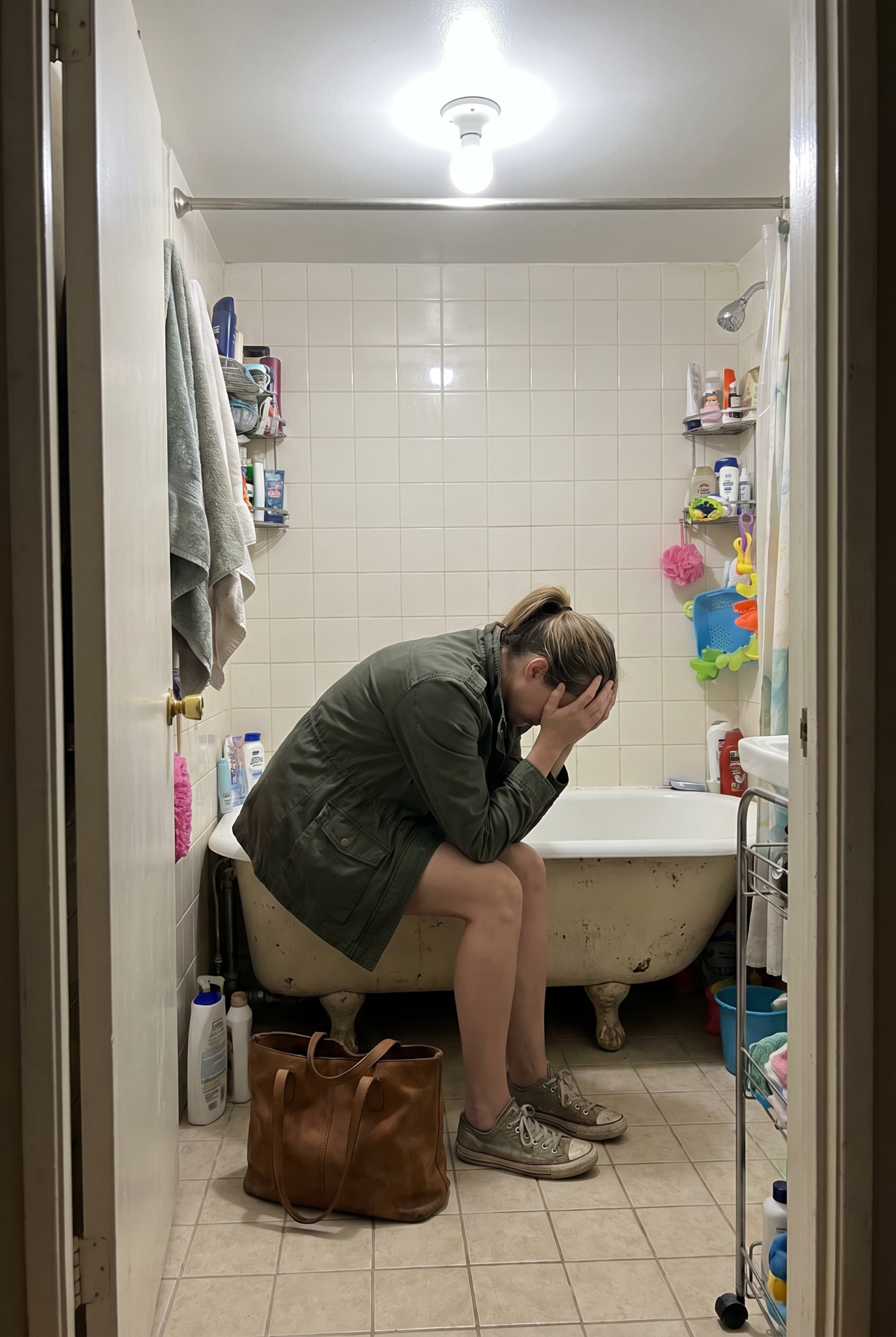
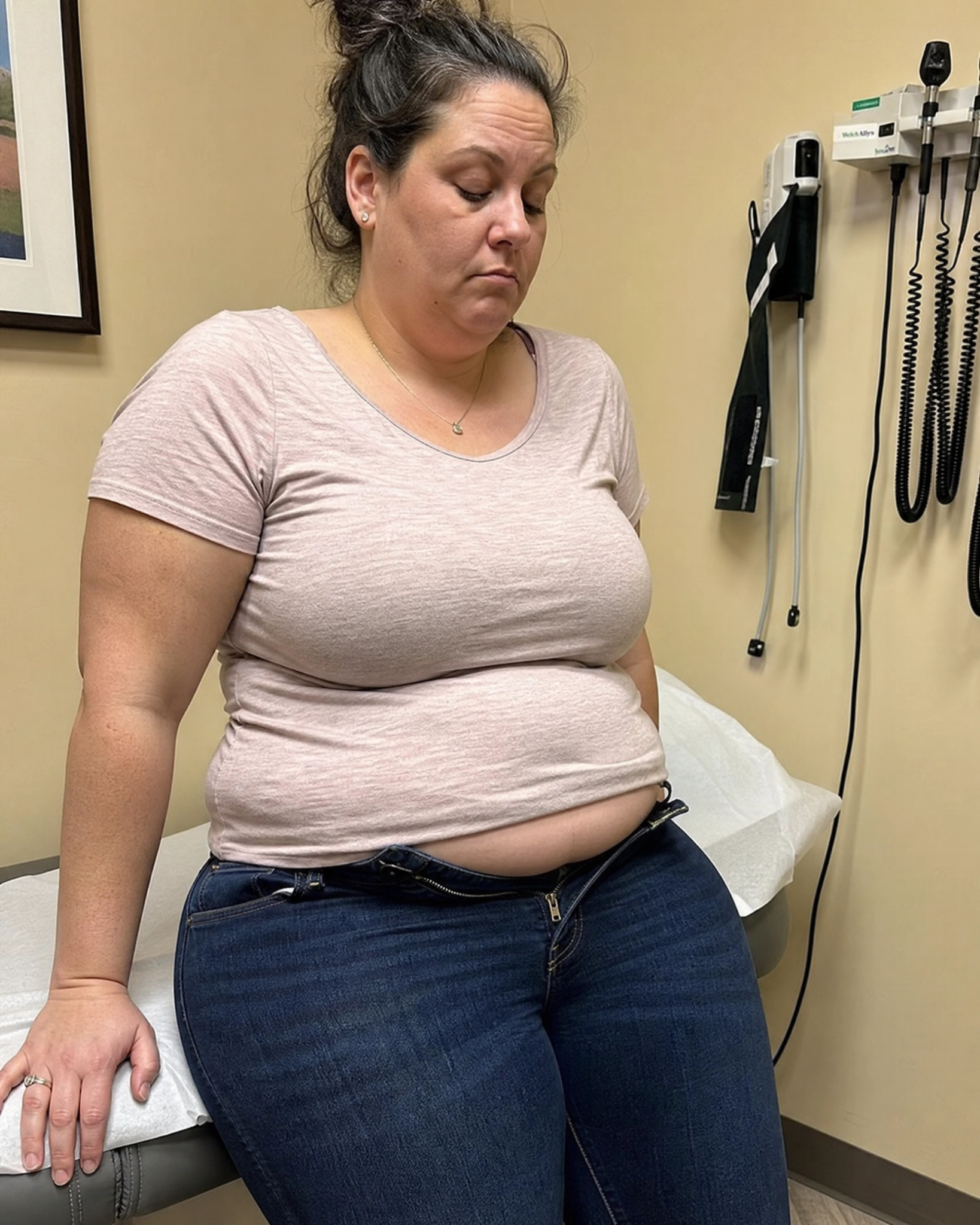
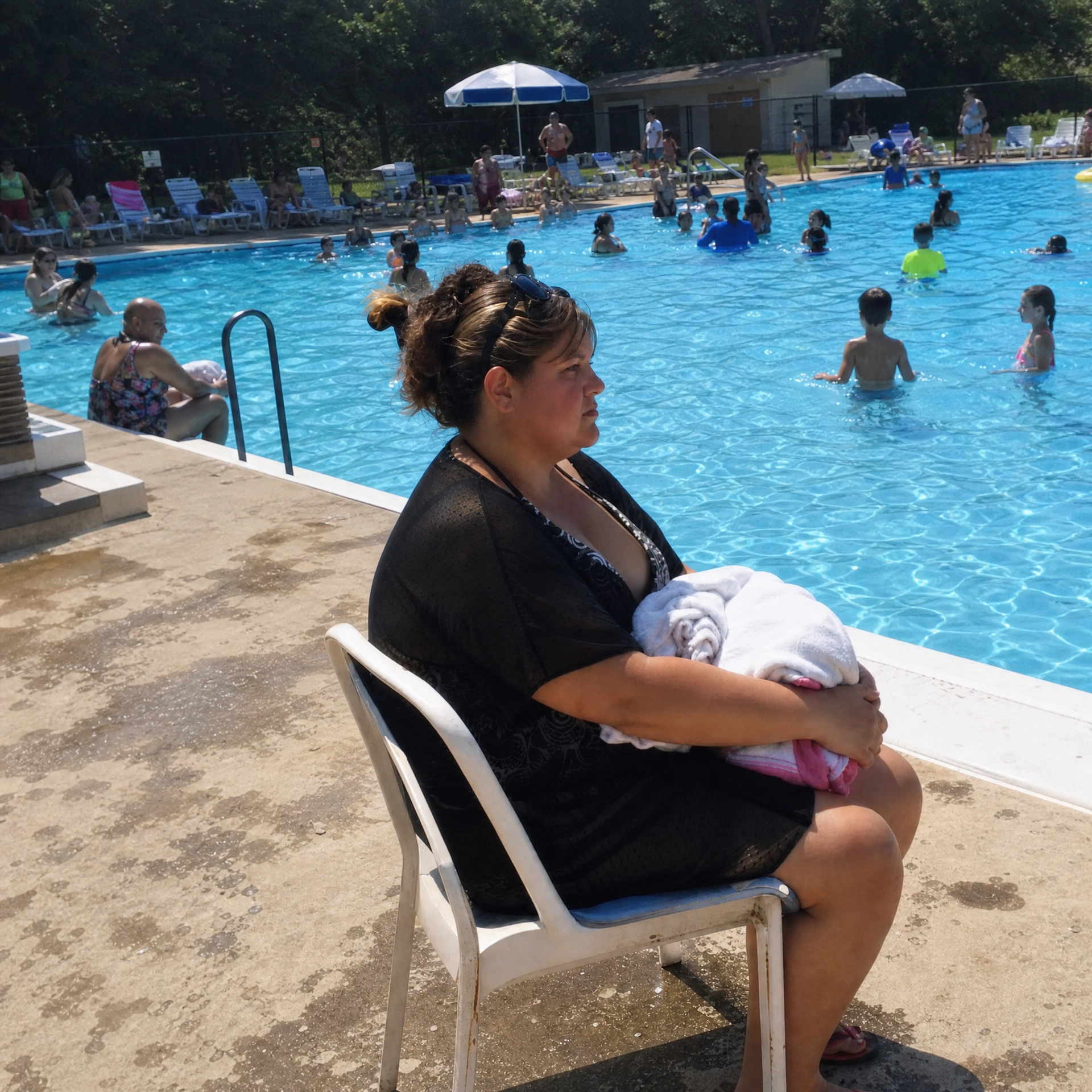
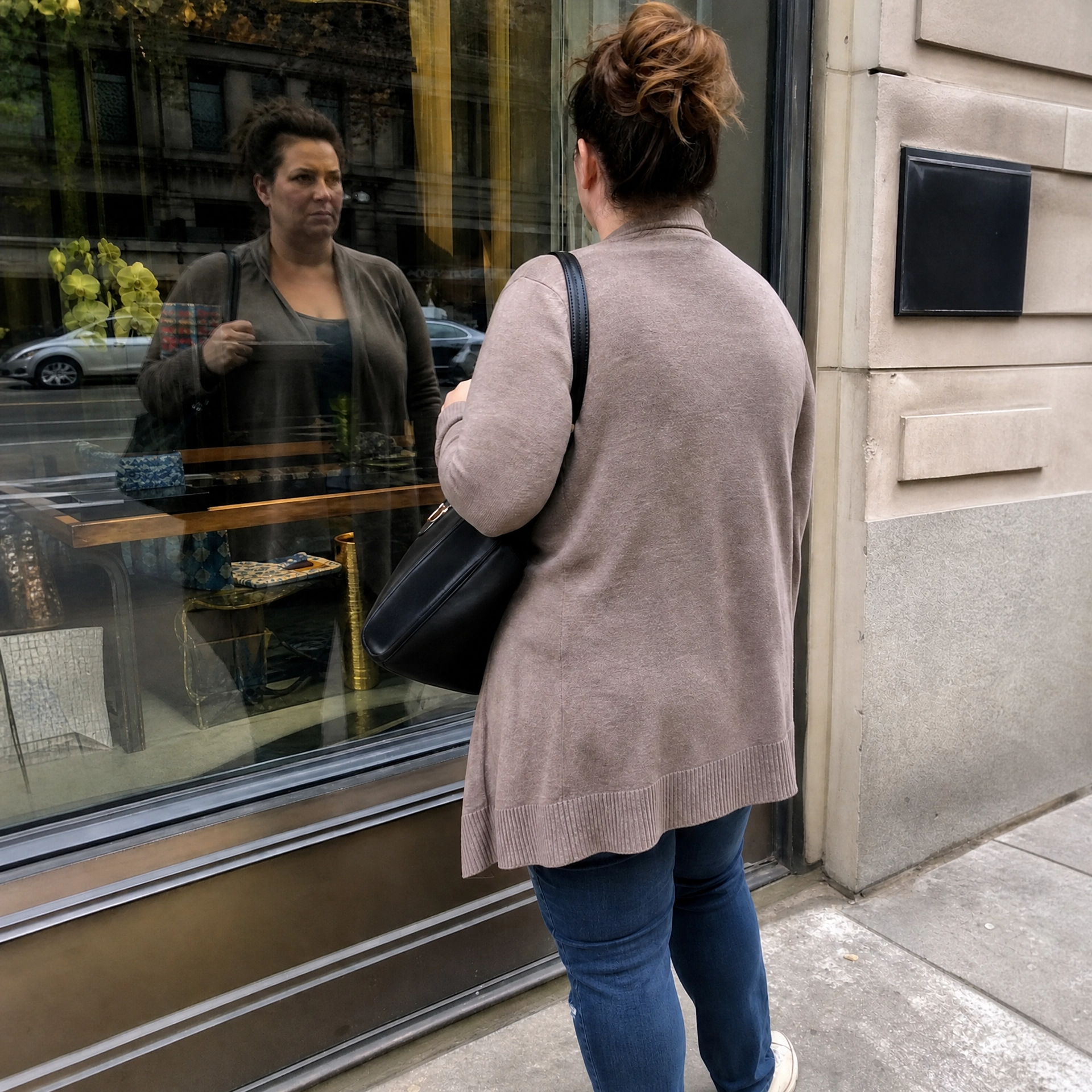
Nobody told me Hashimoto's would make me a stranger in my own body. I caught my reflection in a store window last month and stepped aside to let the heavier woman pass — then realized it was me. Nine years on thyroid medication that was supposed to fix this. Forty pounds I couldn't lose no matter what I did. And a body I didn't recognize as mine anymore. Here's how I finally got myself back. I have Hashimoto's. Nine years on levothyroxine, labs "normal" almost the whole time. And somewhere in those nine years, I lost the body I used to live in — and with it, the woman who lived in it. Nobody warns you about this part. They talk about the number on the scale like it's a vanity thing. It isn't. It's that you look down and it isn't you. You catch yourself in a window and flinch. You stop recognizing the person in the photos, so you stop being in the photos. The weight didn't just change my size. It made me a stranger to myself. I used to be comfortable in my own skin. Not perfect — just me. I'd throw on a dress and feel like myself. I'd catch my reflection and think nothing of it, because the woman looking back was the woman I expected to see. And over nine years, that stopped being true. The weight came on and would not come off. And I did everything — I want to be clear about that, because I know how this sounds. I tracked every bite on MyFitnessPal. I was eating 1,200 calories a day and gaining three pounds a month. I cut the gluten everyone swears by, did it properly for a full year. The scale didn't care. I'd lose two pounds and gain back four. My clothes stopped fitting. I bought bigger ones and hated myself in the fitting room, hated the fluorescent light, hated the woman it kept showing me. I stopped wearing the things I loved. Stopped going to the pool with my kids. Became the mom in the cover-up on the chair, the one holding the towels, the one taking the pictures so she'd never be in them. I disappeared, on purpose, one event at a time — because it hurt less to hide than to see myself in someone else's camera roll and not know who that was. And the whole time, my labs were normal. I'd tell the doctor I don't feel like myself, the weight won't move no matter what I do, and he'd glance at the number and tell me my thyroid was well-managed. I'd drive home thinking: then it's me. I must be doing it to myself. I must be eating more than I think, or lazier than I admit, or just a woman who let herself go and won't own it. I made my peace with her — the heavier, quieter stranger in the mirror. I decided she was just who I was now. That's the part I can't quite forgive: I grieved myself, and then I accepted the grief, and filed it under getting older. And here's why I almost didn't try one more thing. Because I'd tried everything. The diets. The macros. The gluten-free year. I took selenium and zinc for six months because someone said it helped conversion — nothing. I took ashwagandha because it was supposed to help with the stress, and it made my heart race and my anxiety worse. I saw a functional-medicine guy who ran eight hundred dollars of tests and sold me a shelf of powders that changed nothing but my bank balance. Between the supplements, the special foods, and the doctor visits, I spent thousands of dollars. By the time I found what actually worked, I wasn't hopeful. I was exhausted from hoping. So if you've done the diets and the supplements and the expensive nonsense, and you're reading this thinking sure, one more thing — I get it. I was you. Let me tell you what was actually different, because it wasn't another product. It was finally understanding why none of the others could have worked. Everything I'd tried was aimed at the wrong place. Your thyroid medication is not the same thing as active thyroid hormone. The levothyroxine your doctor prescribes is T4. It's an inactive storage version that has to convert into T3 before it can actually do anything. T3 is the active hormone that runs your metabolism, your energy, your body temperature — every cell in your body runs on T3 arriving and doing its job. That conversion from inactive T4 to active T3 happens primarily in the liver. When that conversion works properly? Your medication enters the blood, travels to the liver, gets converted to active T3, reaches your cells, and your metabolism runs. Weight stays stable. Energy is normal. But when that conversion fails? That's when everything goes to hell. And here's what's causing the failure that nobody is talking about. Chronic stress keeps cortisol elevated. Not dramatically — just constantly. The low-grade, never-fully-switches-off kind that every woman managing a job and a family and a health condition lives with every single day. And chronically elevated cortisol attacks that thyroid conversion pathway at three separate checkpoints simultaneously. First — cortisol packs fat around the liver. The same way it packs fat around every organ it targets under sustained stress. A liver wrapped in cortisol-driven fat loses its conversion capacity. The enzyme responsible for activating your medication cannot function properly in fatty, inflamed liver tissue. The medication sits in your blood, looks perfect on a test, and arrives at your cells completely useless. That's why your TSH is "perfect" and you feel terrible. Second — cortisol suppresses the brain signal that tells your thyroid how much hormone to produce in the first place. Often not enough to move your TSH dramatically outside normal range. But enough to reduce your thyroid output below what your body actually needs — compounding the conversion failure with a production shortfall that standard testing never catches. Third — cortisol floods your thyroid receptors with reverse T3. This is a decoy molecule that is structurally identical to active thyroid hormone. It binds to the same receptor sites but does absolutely nothing. Like a key that fits every lock perfectly and turns none of them. So even the small amount of medication that does get converted gets blocked at the receptor level by these decoys. So I was simultaneously: Taking medication my cortisol-compromised liver couldn't convert. Running on reduced thyroid output my TSH reading didn't reflect. And having what little hormone I did produce blocked at the receptor level. My labs looked perfect. My cells were functionally starving. No diet on earth can compensate for cells that aren't receiving the hormone that controls metabolism. No calorie deficit can generate energy from mitochondria that are starving for active thyroid hormone. THAT'S why I was gaining weight on 1,200 calories. My metabolism was running at minimum because the hormone my cells needed was being blocked at three separate checkpoints by the same cortisol signal nobody had ever investigated. I wasn't eating too much. I wasn't lazy. I wasn't undisciplined. I was taking medication every morning that cortisol was systematically preventing from reaching my cells. So the real question was how you bring cortisol down, so the conversion pathway comes back online and your body can finally use its own medication. I went deep into the endocrinology literature, and one compound kept appearing in the peer-reviewed research as the specific solution to cortisol-driven thyroid pathway dysfunction. Rhodiola Rosea. Not marketed for thyroid. Not sold as a weight loss supplement. Researched for cortisol — and specifically for what happens to the thyroid conversion pathway when the cortisol signal disrupting it is removed. The rosavins in Rhodiola act directly on the hypothalamus — the brain structure producing the cortisol command. When cortisol output normalizes, the liver begins clearing the fat burden impairing its conversion capacity. The enzyme responsible for activating T4 starts working again. Reverse T3 production drops. The receptor sites occupied by decoys begin clearing. The medication you've been taking every morning — the medication that's been in your blood while your cells starved — finally completes its journey. Converts to active T3. Reaches the receptors. Your metabolism runs. Not because the dose changed. Because the three checkpoints cortisol had been blocking were finally cleared. I tried to find a Rhodiola supplement that actually matched what the research described. I bought the highest-rated one on Amazon. Took it for eight weeks. Nothing moved. I went back to the research. The studies showing thyroid conversion results used a specific standardization: 3% rosavins and 1% salidroside. That's the ratio at which hypothalamic cortisol normalization was actually measured in human trials. I flipped over the bottle I'd bought. No standardization listed. Just "Rhodiola Rosea extract." I'd been taking expensive capsules of ground plant material. There was also the absorption problem. The active compounds are fat-soluble. Without BioPerine — a specific absorption enhancer — a significant portion never reaches the bloodstream. Most manufacturers skip this because it costs more. I was taking the wrong product at the wrong standardization with no absorption support. Then I found a company called Rosava. Rhodiola Rosea standardized to exactly 3% rosavins and 1% salidroside. At the clinical dose. With BioPerine included for absorption. No proprietary blends. No iodine (which makes Hashimoto's worse). Just the exact ratio from the clinical research, made absorbable. It doesn't replace your levothyroxine. It removes the thing that's been blocking it. I ordered it with nine years of low expectations. After two weeks, the brain fog started lifting. I told my husband I felt "awake" for the first time in months. My thoughts were clear. I could hold conversations without losing the thread mid-sentence. After four weeks, the afternoon crash stopped. I had energy after work for the first time in years — enough to actually walk because I wanted to, not because I was forcing another diet. After six weeks, the scale moved. Down. For the first time in nine years, on the same 1,200 calories I'd been eating all along — because now my body could finally use them. I stood on it twice to make sure it wasn't broken. After eight weeks, I was down eleven pounds and still falling. A dress I'd shoved to the back of the closet years ago actually zipped. I put it on and made myself look in the mirror — the thing I'd been avoiding for years — and I didn't flinch. I stood there and I actually recognized her. The woman looking back was starting to be me again. I hadn't seen her in so long I'd stopped believing she existed. That's what this illness does that nobody warns you about. It doesn't just change your body. It evicts you from it, and convinces you it was your own fault. And when it lifts, it isn't only about the weight coming off. It's that you look in a mirror and it's you again. You catch your reflection in a window and you don't step aside for a stranger — because there's no stranger. It's you. Finally. If you're doing everything right — taking your medication, eating clean, exercising — and your body won't budge and won't feel like yours: You did not do this to yourself. You are not lazy. You didn't let yourself go. It's the cortisol blocking your body from converting the medication you're already taking, leaving your metabolism running on hormone it can't switch on. And no standard lab is built to see it. Rosava is single-ingredient standardized Rhodiola at the clinical dose, made absorbable with BioPerine, built to bring high cortisol down so your body can finally use its own medication. It works alongside your levothyroxine, not instead of it. Give it a few weeks. The sleep steadies first. Then the energy. Then the scale starts moving — and one day you catch yourself in a mirror and recognize the woman looking back. I spent nine years as a stranger in my own body. I'm back in it now. You can be too. 👉 https://tryrosava.com/products/rhodiola P.S. — Give it 3 to 4 weeks minimum. The stuck cortisol built up over years and settles over weeks. The sleep and energy tend to come first; the scale usually starts moving around week four to six, once your metabolism comes back online. P.P.S. — If you've already tried "a thyroid supplement" or an adaptogen and felt nothing — don't take that as proof nothing works for you. I did the exact same thing. It was almost certainly the wrong mechanism, the wrong absorption, or both. There's a 60-day money-back guarantee, so if it does nothing, the risk isn't yours — it's theirs.
Reactivate your body
Clinically-dosed Rhodiola Rosea (500mg/day, standardized to 3% rosavins + 1% salidroside) formulated for women with Hashimoto’s who are medicated but still exhausted. 60 capsules — a 30-day supply.
SEE DETAILSLike this ad? Make it yours.
Crush rebuilds this exact creative around your product — your brand, your colors, your offer — in about a minute.