
Inactive· since May 21, 2026
- 113
- days it ran
- 0
- relaunches
Ad copy
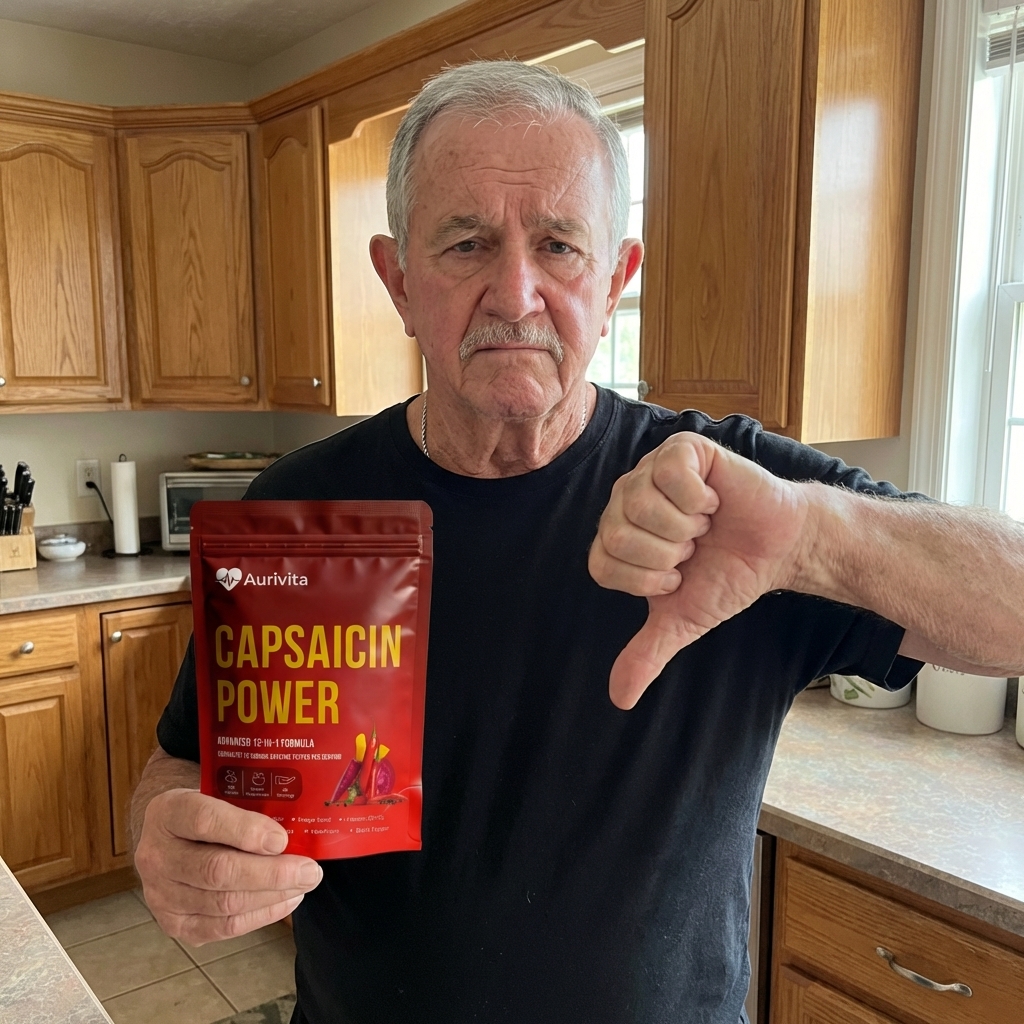
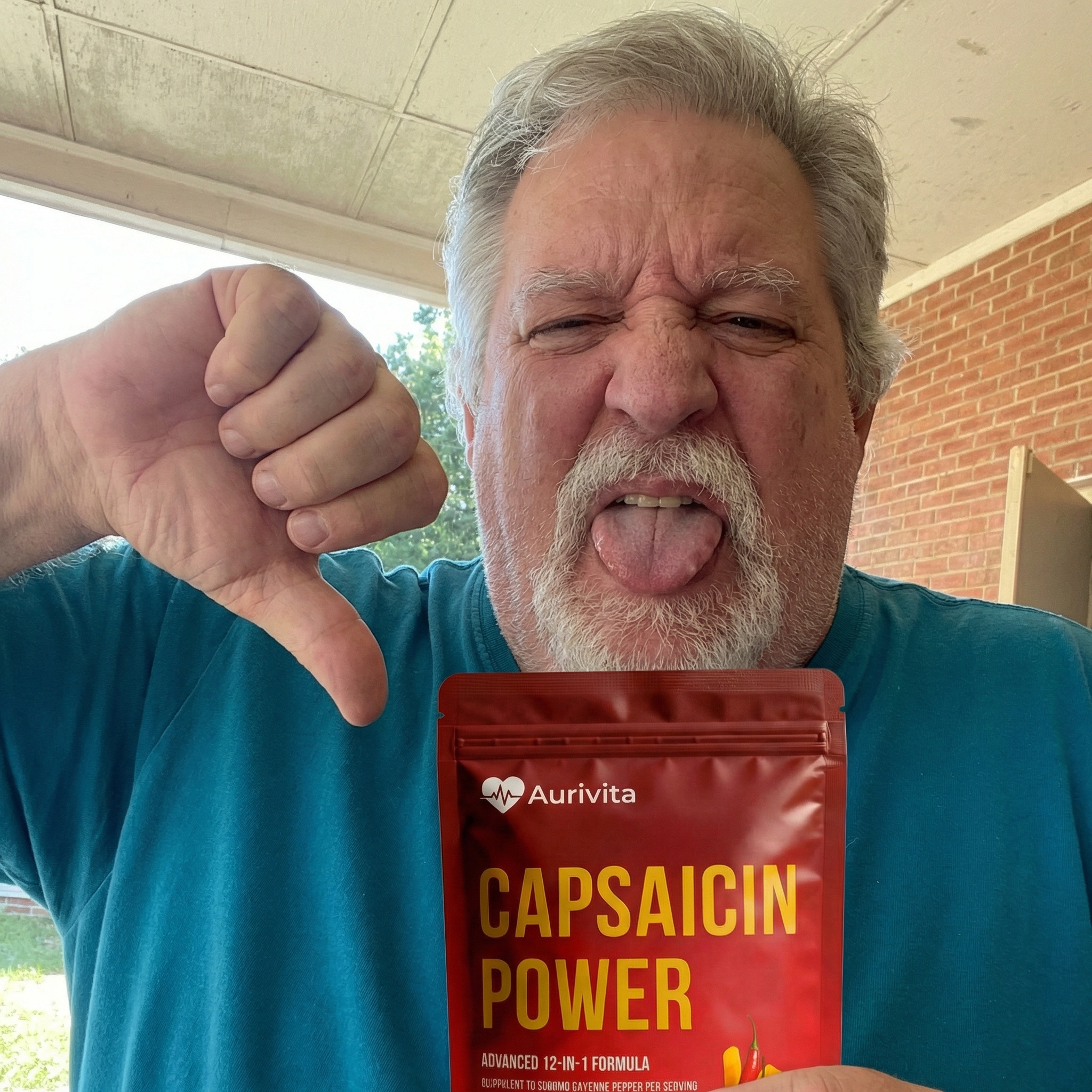
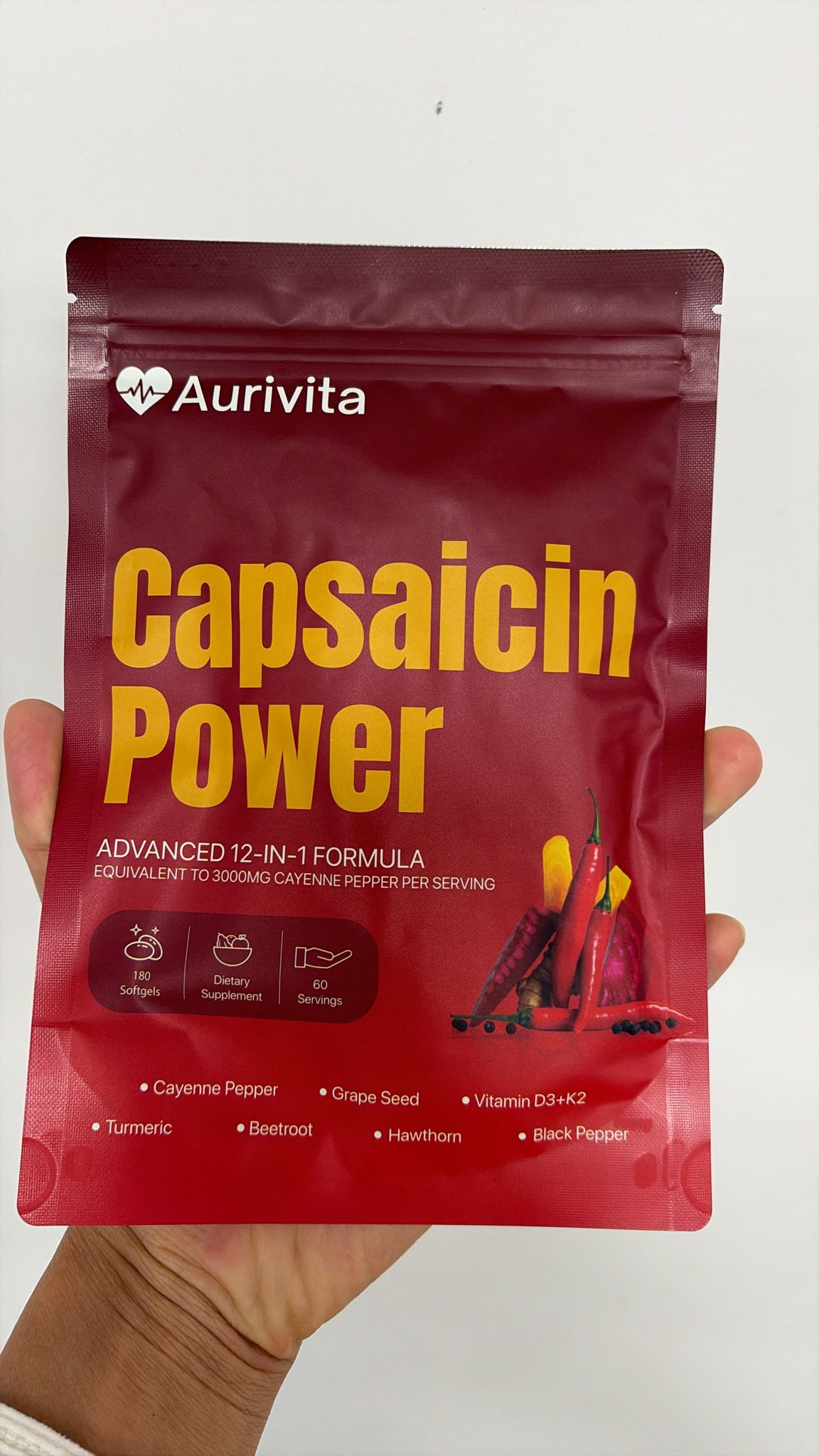
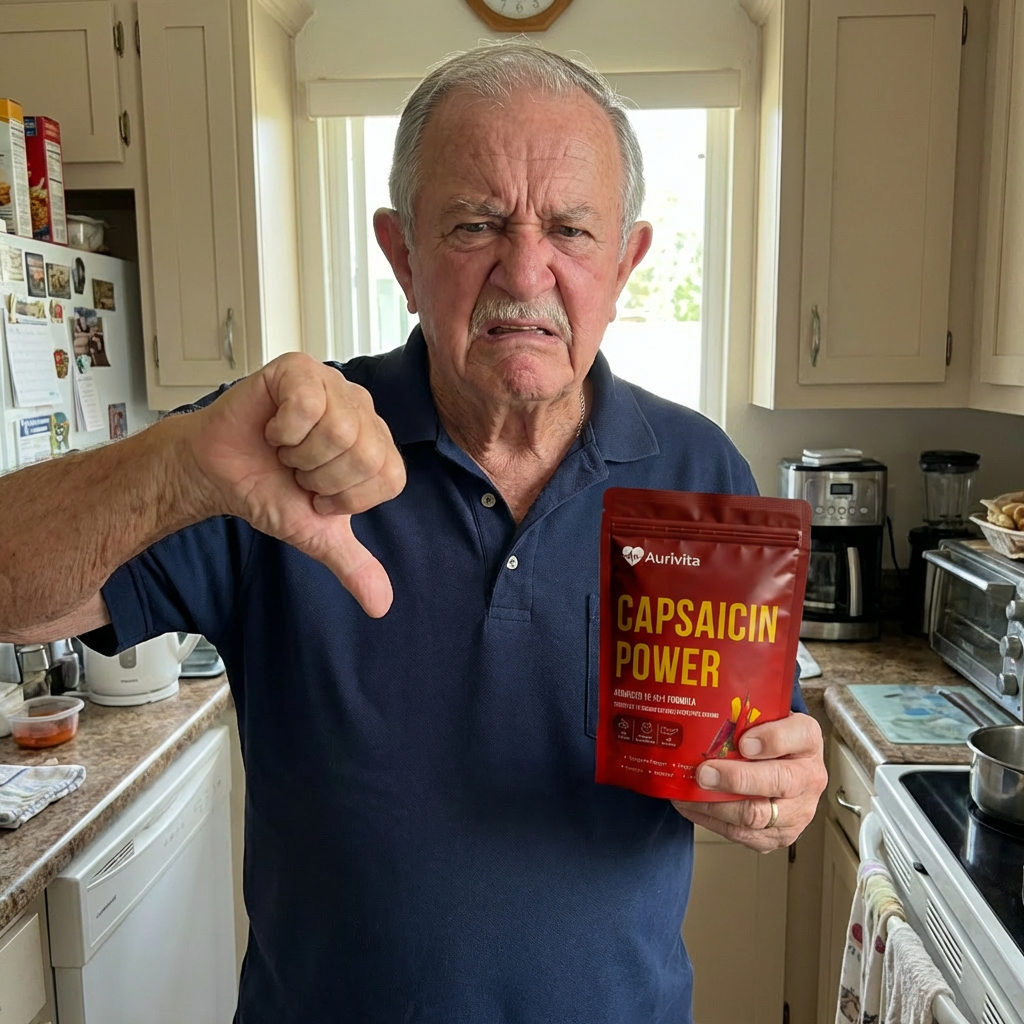
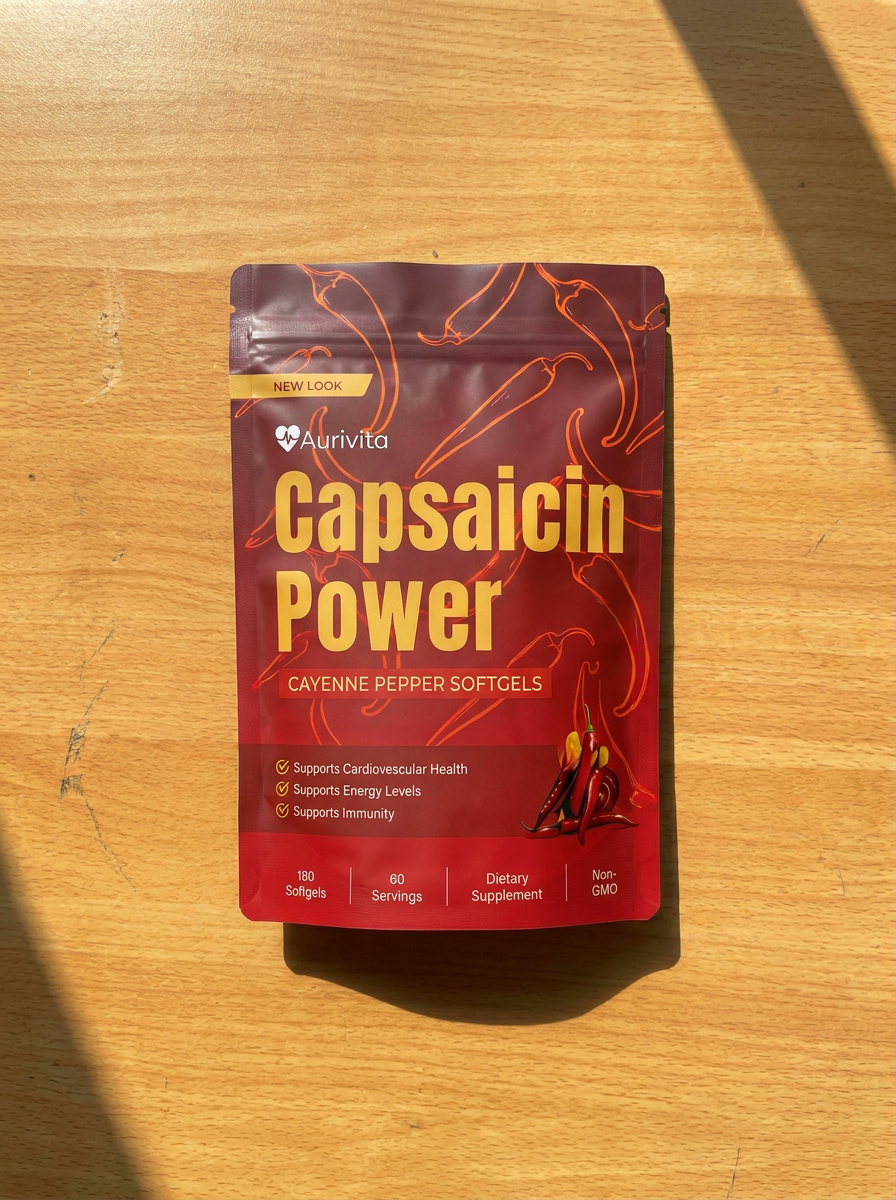
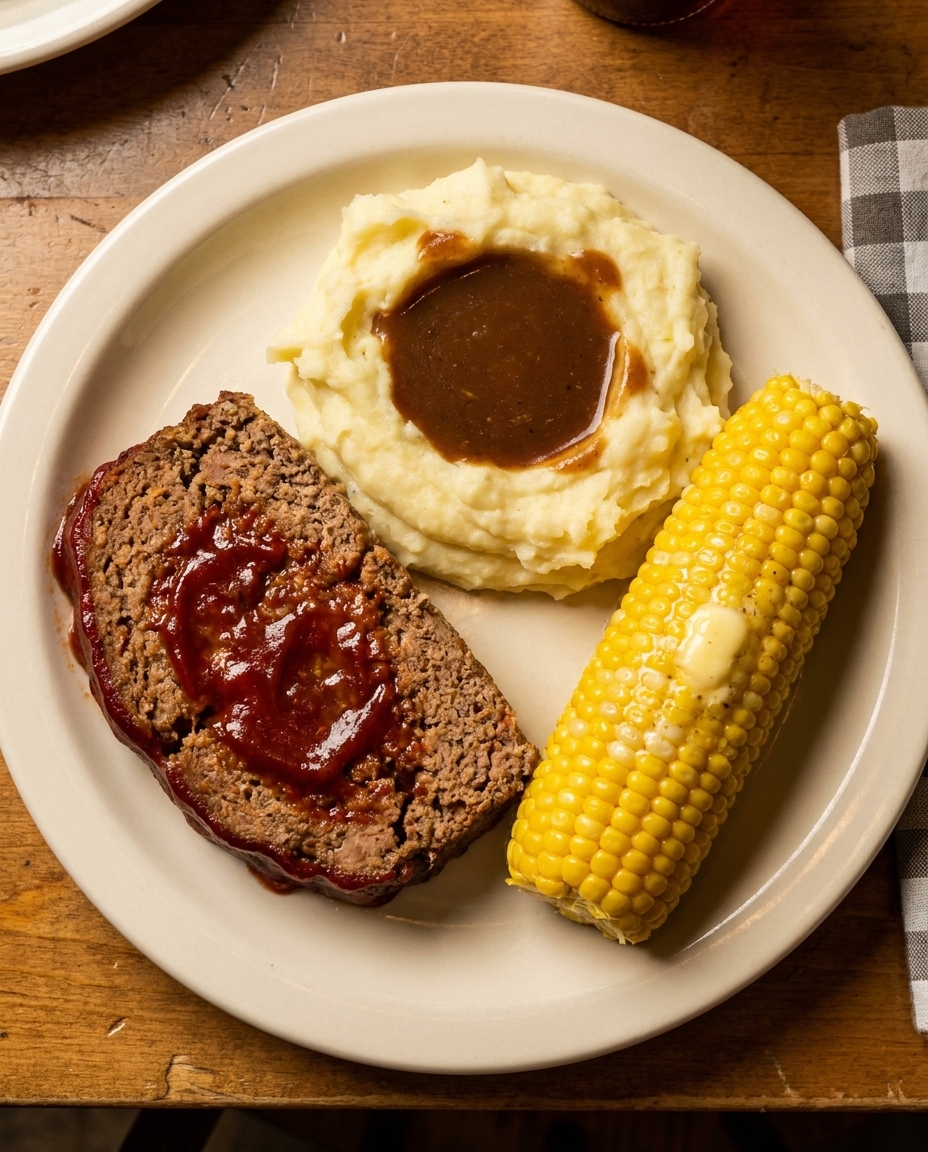
My grandmother cooked three meals a day from scratch until she was 84. Never saw a cardiologist. Never filled a blood pressure prescription. Never owned a pill organizer. She died at 91. Her doctor said her cardiovascular system looked twenty years younger than her age. He'd never seen anything like it in all his years of practice. I used to think she was just lucky. Then I started paying attention to what she actually ate every single day. And luck had nothing to do with it. Her kitchen always smelled like cayenne pepper. It went into everything. The beans. The soups. The eggs in the morning. A pinch here, a shake there, without thinking about it — the same way her mother cooked, and her mother before that. She never thought of it as medicine. It was just how you cooked. I'm a cardiologist. Twenty years in practice. I grew up eating my grandmother's food. Then I spent two decades watching what happens to people who didn't. The pattern is impossible to ignore once you see it. The patients cycling through Lisinopril and Amlodipine and still not hitting their targets — still dealing with fatigue, cold hands and feet, circulation that feels off even when the numbers look acceptable — they all share one thing in common. They grew up eating processed food. Their grandmothers didn't cook the way mine did. Or if they did, that stopped somewhere along the way. I don't think that's a coincidence anymore. Here's what changed in one generation. In 1960, the average American family cooked most of their meals at home. Real ingredients. Food that came from the ground. Herbs and spices in everything — including cayenne pepper, which went into cooking the way salt and pepper do today. Then the food industry happened. Seed oils replaced animal fats. Packaged meals replaced home cooking. Artificial preservatives and flavor enhancers filled the space where real ingredients used to be. The whole thing happened so gradually, over so many decades, that nobody really noticed the transition. It just became normal. Processed food became food. By now, over 70% of what Americans eat every day is classified as ultra-processed. And right alongside that shift came something else. Something the data shows clearly, even if nobody in medicine wants to say it plainly. Blood pressure stopped being an old person's problem. It became everyone's problem. 1 in 3 American adults now. People in their 40s. Their 30s. People who exercise and watch what they eat and still can't get their numbers down. People doing everything right by the standards of modern nutrition — and still ending up in my office asking why their body isn't cooperating. I think I know why. There's a compound called capsaicin — the active component in cayenne pepper — that does something very specific inside your blood vessel walls. It activates receptors in the cells lining your arteries that trigger natural nitric oxide production. Nitric oxide is the signal your vessels need to relax and stay open. Without it, vessels stay tense. Pressure builds. My grandmother sent that signal three times a day without knowing it existed. The Amish in Lancaster County still do. Researchers who screened those communities found people in their 60s and 70s with blood pressure readings you'd associate with someone half their age. No medication. No intervention. Just food that never got replaced by a factory product. The rest of America stopped sending that signal somewhere around 1980, when processed food finished its takeover of the American kitchen. Lisinopril doesn't restore it. It works around it — blocking an enzyme to force pressure down mechanically. Which is why it helps but never quite fixes things. And why it comes with a list of side effects that are exactly what you'd expect from forcing a biological process that was supposed to happen naturally. My grandmother never needed any of that. I think about her a lot when I'm sitting across from a patient who's been on two blood pressure medications for a decade and still isn't where they need to be. Someone who is genuinely trying. Who isn't doing anything wrong by any conventional measure. They're just missing something their grandmother's cooking used to provide every single day. That's the thing about processed food. It didn't just add bad ingredients. It removed good ones. Quietly. Without announcement. Without anyone keeping track of what was lost. Capsaicin was one of the things that got lost. For patients who want to restore it without rebuilding their grandmother's kitchen from scratch — and without eating raw cayenne peppers three times a day the way the Amish do, which almost nobody can sustain — I've been recommending Aurivita Cayenne Pepper Softgels. Delayed release, so there's no burn, no gastric irritation, nothing uncomfortable. The capsaicin bypasses the stomach and releases in the small intestine, where it's supposed to absorb. It's not a medication. It's not a cure. It's just putting back something the food system quietly took away. My grandmother would have found the whole thing absurd. Why would you need a supplement for something that used to just be in the food? She's right. You shouldn't need it. But here we are. 👉 aurivita.co/products/cayenne-pepper-softgels
Over 70% of what Americans eat every day is classified as ultra-processed.
Revive your circulation today with our powerful cayenne pepper and beetroot extract formula.
LEARN MORELike this ad? Make it yours.
Crush rebuilds this exact creative around your product — your brand, your colors, your offer — in about a minute.