Sharon Brown
Sharon Brown Facebook ad: “Shelter Vet Reveal The Truth…”
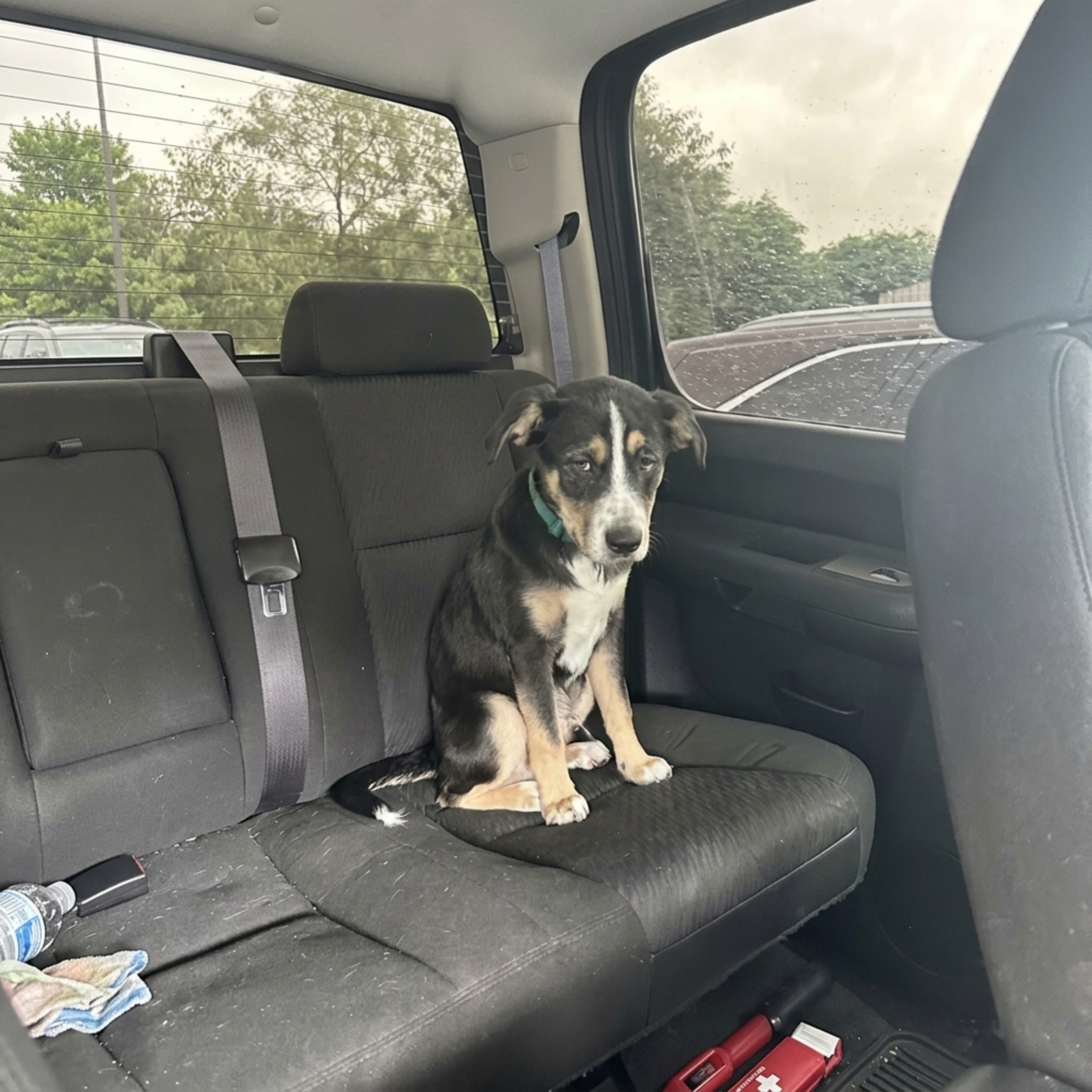
Ran for 3 days, from July 11 to July 14, 2026, the last day Crush saw it.
Run by Sharon Brown on Facebook. Crush is not the advertiser and does not verify its claims. See this ad in Meta's Ad Library(opens in a new tab)
Want an ad like this for your product?
Crush makes new ad images for your product from this ad: your logo, your product photo, your offer.
Trials from $19.95 USD, then $79.95 USD a month. Cancel anytime.
About this ad
- Meta Ad Library ID
- 1013485561426938
- Platforms
- Facebook, Instagram, Audience Network, Messenger and Threads
- Relaunches
- 0
Ad text
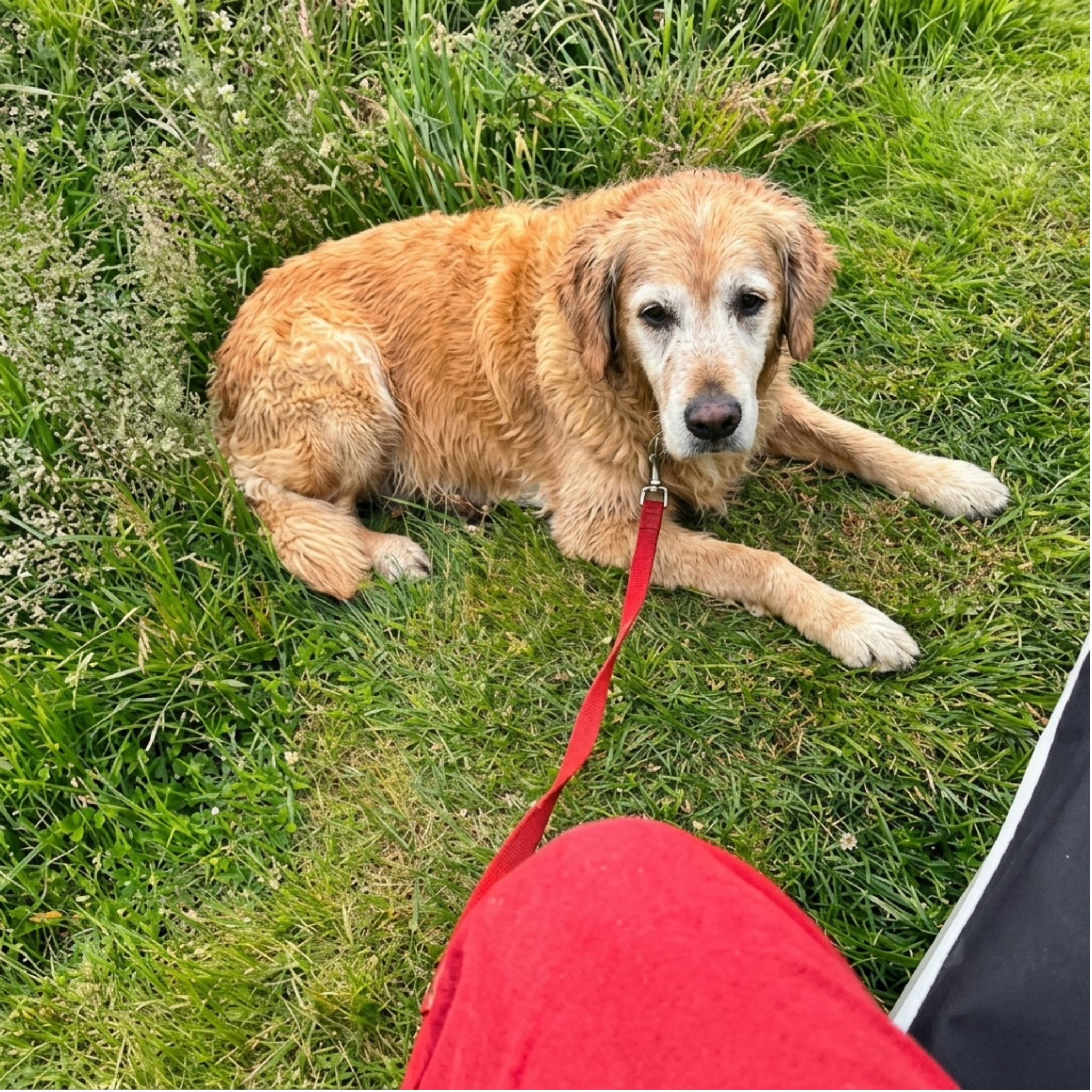
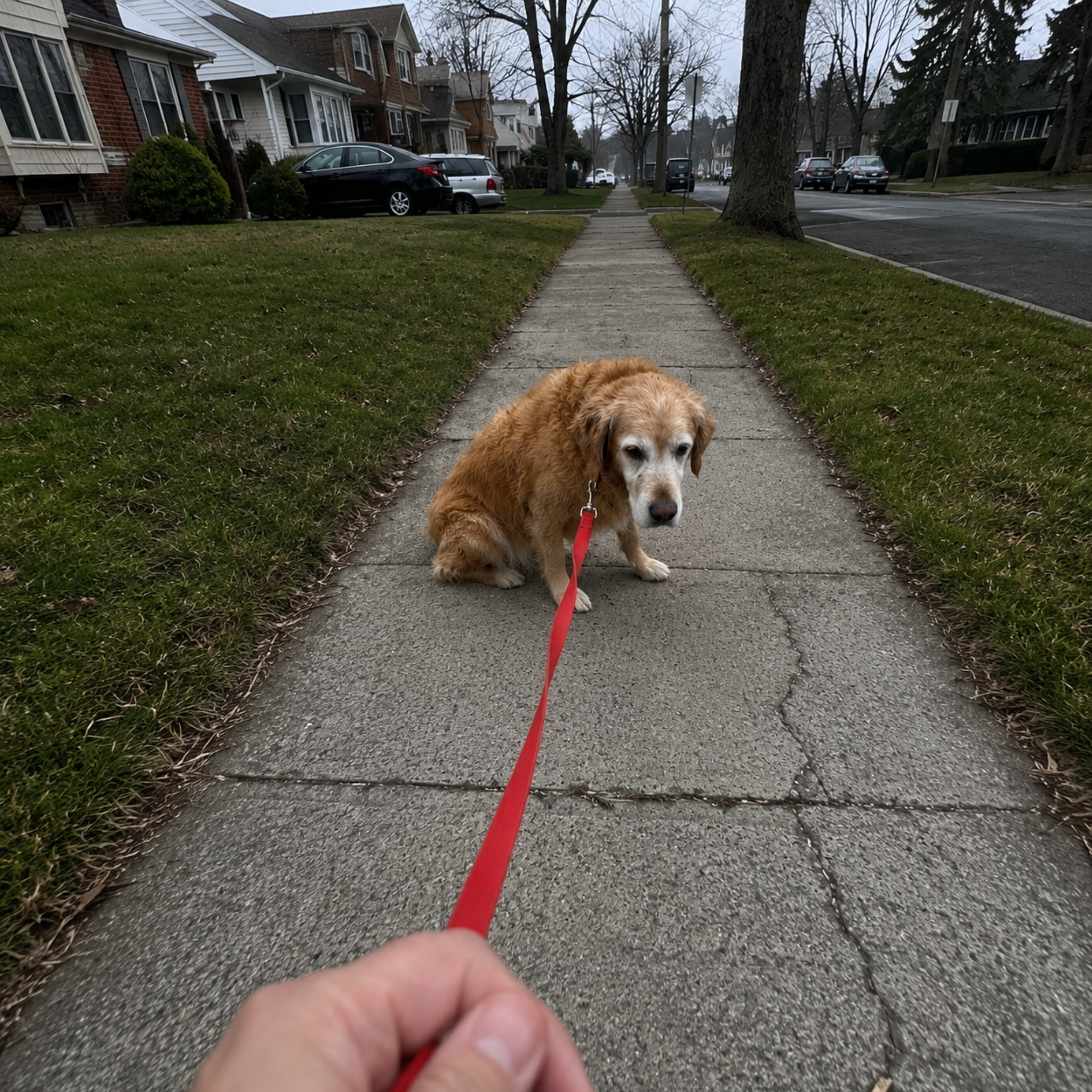
I left my dog with my neighbour for a month. When I came back, I didn't recognise him. Not because he looked different. Because he acted like a completely different dog. No slipping. No stumbling. Running around like a puppy. For two weeks, I tried to figure out what my neighbour did while I was gone. What I finally discovered made my jaw drop. And made me realise my vet has been hiding something from me for years. My name is Sharon Brown. I'm 51. I live in York. And I need to tell you what happened because I think your vet is hiding the same thing from you. Let me start from the beginning. Two years ago, I adopted a dog named Alfie from the shelter. He was perfect. Beautiful. Sweet. But his back leg would frequently give out on him. Two or three times a day. Every single day. Sometimes it was on the stairs. Sometimes on a walk. Sometimes just standing up. I took him to the vet. "It's just old age," he said. "Totally normal." He sold me glucosamine joint chews. £28. Alfie still slipped. I went back. "Early arthritis," he said. "Let's try prescription joint food." £65 a bag. Alfie still slipped two or three times a day. I tried every food. Royal Canin. Hill's. Burns. Arden Grange. Nothing worked. For two years, I just accepted it. "Older dogs stumble. It's what they do." That's what my vet kept saying. Then last summer, my husband surprised me with a month-long trip to Europe. Paris. Rome. Barcelona. I was so excited. But then I realised: what do I do with Alfie? My mum couldn't watch him. She's allergic. My friends were all busy. Kennels were too expensive for a whole month. Then I remembered my neighbour, Barbara. She lives two doors down. Mid-60s. Retired. Really sweet. We'd talked a few times. She mentioned she loved dogs. I knocked on her door one afternoon. "Hey Barbara, this is kind of last minute, but would you be able to watch my dog for a month? I'll pay you, of course." Her face lit up. "Oh, I'd love to! I miss having a dog around." "I have to warn you though," I said. "Alfie's back legs give out on him sometimes, usually on walks or on the stairs. My vet says it's normal, but it's a bit worrying to watch. You might need to steady him or help him up." Barbara waved her hand. "Oh, don't worry about that. I'm sure he'll be fine." I felt so relieved. I dropped Alfie off at Barbara's house the day before we left. Showed her where the food was. His lead. His bed. Everything. "Call me if there are any problems," I said. "He'll be perfect," Barbara said. "Have fun on your trip!" We flew to Paris the next morning. For the first week, I was so anxious. I kept thinking about Alfie slipping and struggling to get up at Barbara's house. I texted Barbara a few days in. "How's Alfie doing? Is he slipping a lot?" Barbara texted back: "He's wonderful! No problems at all." I figured she was just being nice. Week two, I texted again. "Seriously, if Alfie's being a problem, let me know. I know the way his legs go is worrying." Barbara: "He's perfect! Honestly, he's such a sweet boy. No issues." Okay. Maybe Alfie was behaving because he was in a new environment. By week three, I stopped worrying. Barbara kept sending me pictures. Alfie curled up on the couch. Alfie in the garden. He looked... happy. We got back from Europe five weeks later. I drove straight to Barbara's house to pick up Alfie. Barbara opened the door with this huge smile. "Sharon! How was the trip?" "It was amazing. How was Alfie?" "Oh, he was wonderful. Come in, I'll get him." I walked into Barbara's living room. And that's when I heard it. Running. Fast paws on the wooden floor. Alfie came sprinting around the corner. I almost didn't believe it was him. His coat was shiny. Glossy. Like he'd just come from the groomer. He was running. Actually running. I hadn't seen Alfie run like that in months. He jumped up onto the sofa, looked at me, then jumped down and ran to the door. Playing. Alfie never played. "Oh my god," I said. "What did you do to him?" Barbara laughed. "Nothing! He's been like this the whole time." "Did his legs go out on him at all?" Barbara thought for a second. "Maybe in the first one or two weeks. But after that, no. He's been totally fine." I stared at her. "One or two weeks? That's it?" "Yeah. Why?" "Barbara, Alfie slips two or three times a day at my house. Every single day. For two years." Barbara's face changed. "Really?" "Yes. My vet says it's normal. Just old age and early arthritis." She frowned. "Huh. Well, he definitely hasn't been slipping here." I didn't understand. "What did you feed him?" "Oh, just what you left. That big bag of food. And some wet food in the evenings." Same food I always gave him. "Did you do anything different? Different water? Different walks?" Barbara shrugged. "Not really. He just ate, slept, played. Normal dog stuff." I took Alfie home that day completely confused. For three days, Alfie was perfect. No slipping. Energetic. Playing with his toys. Then on day four, his back leg went out on the stairs. Day six, it happened again on a walk. By the end of the first week back home, it was happening most days. His coat started looking dull again. He stopped running around. He went back to lying down all day. I felt like I was losing my mind. What happened at Barbara's house? For two weeks, I obsessed over it. I changed Alfie's water bowl. Still happened. I changed his bed. Still happened. I moved his food to a different spot. Still happened. I tried walking him at different times. Still happened. Nothing worked. I posted in my Facebook dog group. "My dog stayed with a neighbour for a month and his legs never went out on him once. Now he's back home and it's happening most days again. What changed?" Everyone had theories: "Maybe he was stressed at home and relaxed at the neighbour's?" "Could be something in your house. Slippery floors?" "Try yoga mats." I tried everything they suggested. It kept happening. By the third week, I was so frustrated I wanted to scream. Alfie had been perfect at Barbara's house for an entire month. And I couldn't figure out why. Finally, I just gave up trying to figure it out myself. I walked over to Barbara's house and knocked on her door. "Barbara, I need to ask you something." She opened the door. "Of course! Come in." We sat in her living room. "Alfie's legs are giving out on him again," I said. "Most days now. Just like before. But he was perfect at your house. I've tried everything to figure out what you did differently, and I can't. Please, what did you do?" Barbara looked at me for a moment. "Sharon, I should probably tell you something I didn't mention before. I'm a retired veterinarian. I worked at animal rescue centres for 30 years." My mouth fell open. "You're a vet?" "Was. I retired five years ago." "Why didn't you tell me?" She shrugged. "You didn't ask. And honestly, I didn't think it mattered. I was just watching your dog." I leaned forward. "Barbara, Alfie was perfect at your house for a month. You're a vet. You had to have done something." "Well," she said. "I did treat Alfie the way I treated every senior dog at the rescue centre. It's just... automatic for me after 30 years. I don't even think about it anymore." "What do you mean?" "At the rescue centre, we had a protocol. Day one for every senior dog: check their joints, make sure they're eating properly, and start them on NMN and NAD+ supplements." "NAD+? What's that?" "It's a compound every muscle cell needs for energy. Dogs' natural production drops sharply with age. We saw depletion in almost every senior dog that came through our doors. So we just started giving it to everyone automatically." I stared at her. "You gave Alfie NAD+?" "Yes. It's standard protocol. Every single senior dog at the rescue centre got it because we saw legs giving out, muscle wasting, dull coats—all signs of depletion—in probably 80% of the senior dogs we took in." "But Alfie eats expensive food. My vet recommended it. It has everything he needs." Barbara shook her head. "Most senior dog food is heat-processed at high temperatures, which destroys the natural precursors dogs need to keep producing NAD+. And even the best diet can't replace what their own bodies are producing less and less of as they age." I pulled out my phone and looked at Alfie's food. "Complete and balanced" on the label, nothing about NAD+ or NMN at all. "So the food can't fix this at all?" "Exactly. The processing destroys it before it even reaches the bag. At the rescue centre, we'd see dogs come in eating premium food—£60, £70 bags—and they'd still be severely NAD+ depleted. That's why we just gave it to everyone. Didn't matter what food they were on." "And that's why his legs go out?" "Almost certainly. NAD+ is critical for muscle function. Without enough, the mitochondria — the tiny engines inside every muscle cell — can't keep the muscles firing properly. Dogs' legs weaken mid-stride. They lose muscle mass. Their coats get dull. All the things you described." I felt like someone had punched me in the stomach. "Why didn't my vet tell me this?" Barbara was quiet for a moment. "Sharon, I don't want to speak badly about your vet. But in 30 years working with rescues, I saw this pattern constantly. Dogs would come in from private vets who'd been treating chronic weakness in the legs for months or years. The vet would sell them joint chews, joint food, run tests, prescribe medications. But they never tested NAD+ levels. And when we did? Almost always depleted." "So my vet should know about this?" "Every vet should. But it's not emphasized in private practice the way it is in rescue medicine. At rescues, we can't afford to treat symptoms forever. We have to fix the root cause. That's how I learned about NAD+—out of necessity." I stared at her. "So for two years, Alfie's been depleted and my vet never caught it?" "Probably." "Where do I get this? Can I just buy it?" I couldn't believe something this simple existed and I'd never heard of it. Barbara walked to her kitchen and pulled out a small bottle from her cabinet. "This is what I used at the rescue centre. Zoomies NAD+. It's liposomal liquid. After testing dozens of brands over the years, this was the only one that was consistently pure and properly dosed." She handed me the bottle. "Give Alfie one dropper a day mixed into his food. You should see a difference within a couple of weeks." I took the bottle home. Started giving it to Alfie that same day. Day 1: his leg went out once, on a short walk. Days 2 through 10: nothing. By day 14, I couldn't believe it. Alfie hadn't had a single episode. His coat started getting shiny again. He was playing. Running around. Acting exactly like he did at Barbara's house. Week 4: still nothing. Week 6: nothing. By week eight, I called Barbara. "It worked. His legs haven't gone out on him in weeks." "Good," Barbara said. "That's what we saw at the rescue centre every time. Give their bodies the NAD+ they need, and it just... stops." That was eight months ago. Alfie's legs haven't gone out on him once since I started the NAD+. Not once. And I'm so angry I could cry. Because this is standard protocol at animal rescue centres. Every rescue vet knows about this. They give NAD+ to every senior dog because they've seen this problem thousands of times. But my private vet? In two years, never mentioned it once. He just kept selling me expensive joint food. Kept running expensive tests. Kept telling me it was "normal." And Alfie suffered. I asked Barbara why private vets don't do what rescue vets do. She sighed. "Different incentives, I think. At the rescue centre, our job was to get dogs healthy as quickly and cheaply as possible so they could be adopted. We couldn't afford to manage symptoms forever. We had to fix the root cause." "And private vets?" "Private vets make money from ongoing treatment. Prescription joint food. Monthly vet visits. Tests. Medications. There's no money in telling someone to buy a supplement that fixes the problem permanently." "That's insane." "That's the industry. At rescues, we'd joke that if private vets ran rescues the way they run practices, we'd never get a single dog adopted. They'd all be on prescription diets forever." I started asking around in my Facebook groups. "Has anyone's vet ever mentioned NAD+ depletion?" Almost no one. Out of hundreds of responses, maybe five people had vets who tested for it. Everyone else? Their vets said it was old age. Early arthritis. "Just what dogs do." And they were all spending hundreds or thousands on food and vet visits. Just like I had been. The pet food industry is in on it too. They know high-heat processing destroys the precursors dogs need for NAD+ production. They know natural NMN production slows with age too. But they use that processing anyway because it's cheap and extends shelf life. And they can still claim "complete and balanced" on the label. Even though the dog's body can't keep up. It's a scam. The whole thing is a scam. And dogs like Alfie are suffering because of it. If your dog's legs are giving out or he's slipping regularly, ask your vet about his muscle mass and mobility. If your vet brushes it off as just old age, find a different vet. Or better yet, just start giving him NAD+ supplements. Because that's what every rescue vet in the country does. It's standard protocol. And there's a reason for that. Barbara saved Alfie's life. Not by doing anything complicated. Just by following the same protocol she followed for 30 years at the rescue centre. Something my private vet should have known about. I don't work at a rescue. I'm not a vet. But I can give Alfie what he needs now. One dropper of Zoomies NAD+. Every day. Mixed into his food. That's it. Alfie's legs haven't gone out on him in eight months. He's healthy. Happy. Playing. Just like he was at Barbara's house. If you're reading this and your dog's legs give out or he keeps slipping, I'm telling you what your vet won't. It's probably not just old age. It's probably not early arthritis. It's standard protocol at animal rescue centres to give every senior dog NAD+ supplements. Because they see this problem every single day. But your private vet either doesn't know or doesn't want you to know. I'm telling you now because I wish someone had told me two years ago. The NAD+ I use is the same one Barbara used at the rescue centre. Zoomies NAD+. I order it online. Takes two days to arrive. I don't work for them. I don't get paid to say this. I'm just a regular person who spent two years watching my dog suffer. And finally found out why. Here's where I get Alfie's NAD+: tryzoomies.com/products/zoomies-nb-1 Your vet won't tell you this is standard protocol at rescue centres. The pet food companies won't tell you their food doesn't work. But I'm telling you. Because Alfie deserves to be healthy. And so does your dog. P.S. My neighbour is a retired rescue centre vet. For 30 years, she gave NAD+ to every single senior dog on day one. It's standard protocol at rescue centres. My private vet never mentioned it once in two years. Ask yourself why. P.P.S. Animal rescue centres can't afford to treat symptoms forever. They have to fix the root cause. That's why every rescue centre senior dog gets NAD+. Your private vet makes more money managing your dog's mobility problems than preventing them. One dropper a day fixes it permanently.
Where the ad sends people
tryzoomies.com
Shelter Vet Reveal The Truth…
Zoomies
See details: tryzoomies.com(opens in a new tab)