
Active· since May 29, 2026
- 108
- days running
- 0
- relaunches
- 2,525
- EU reach
Ad copy
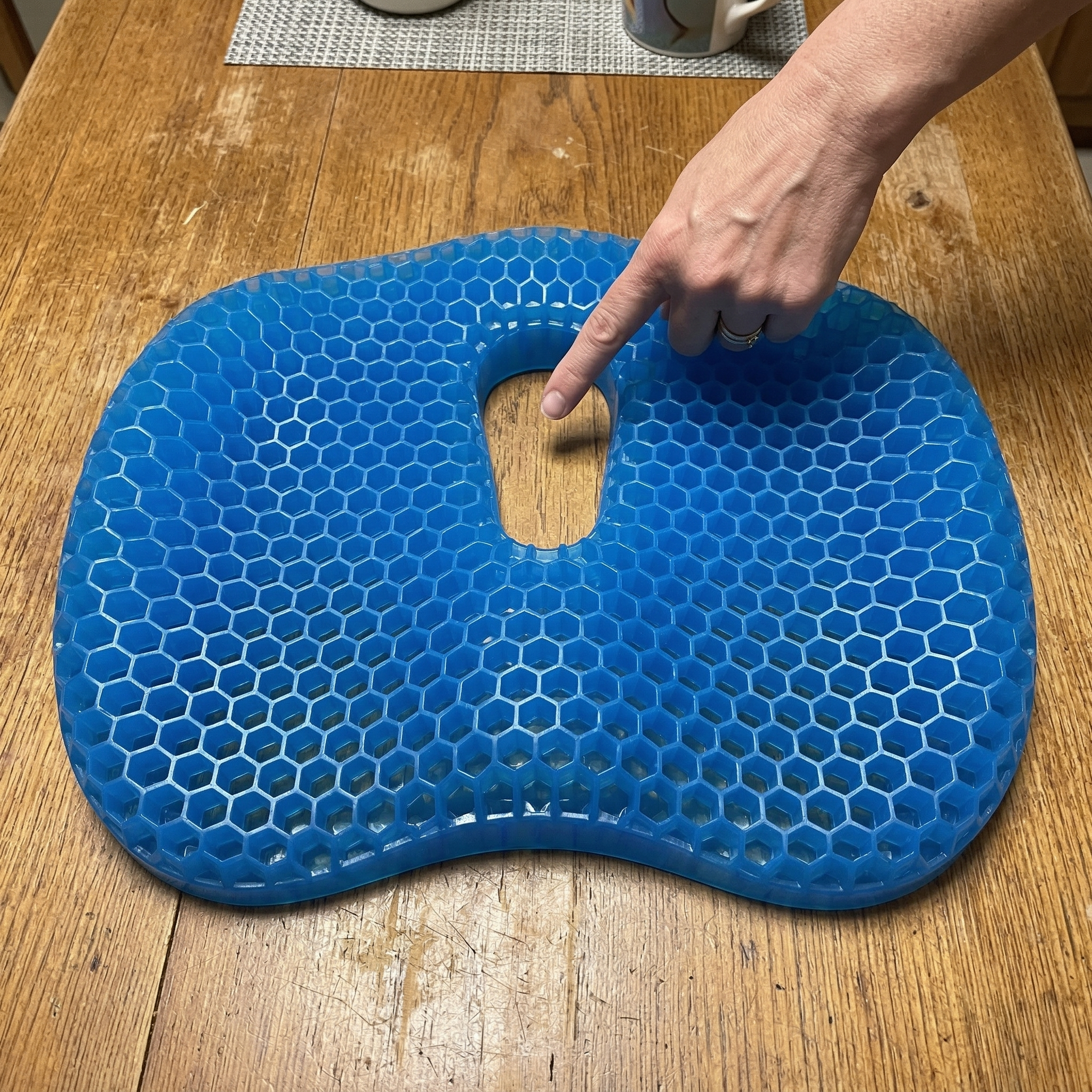
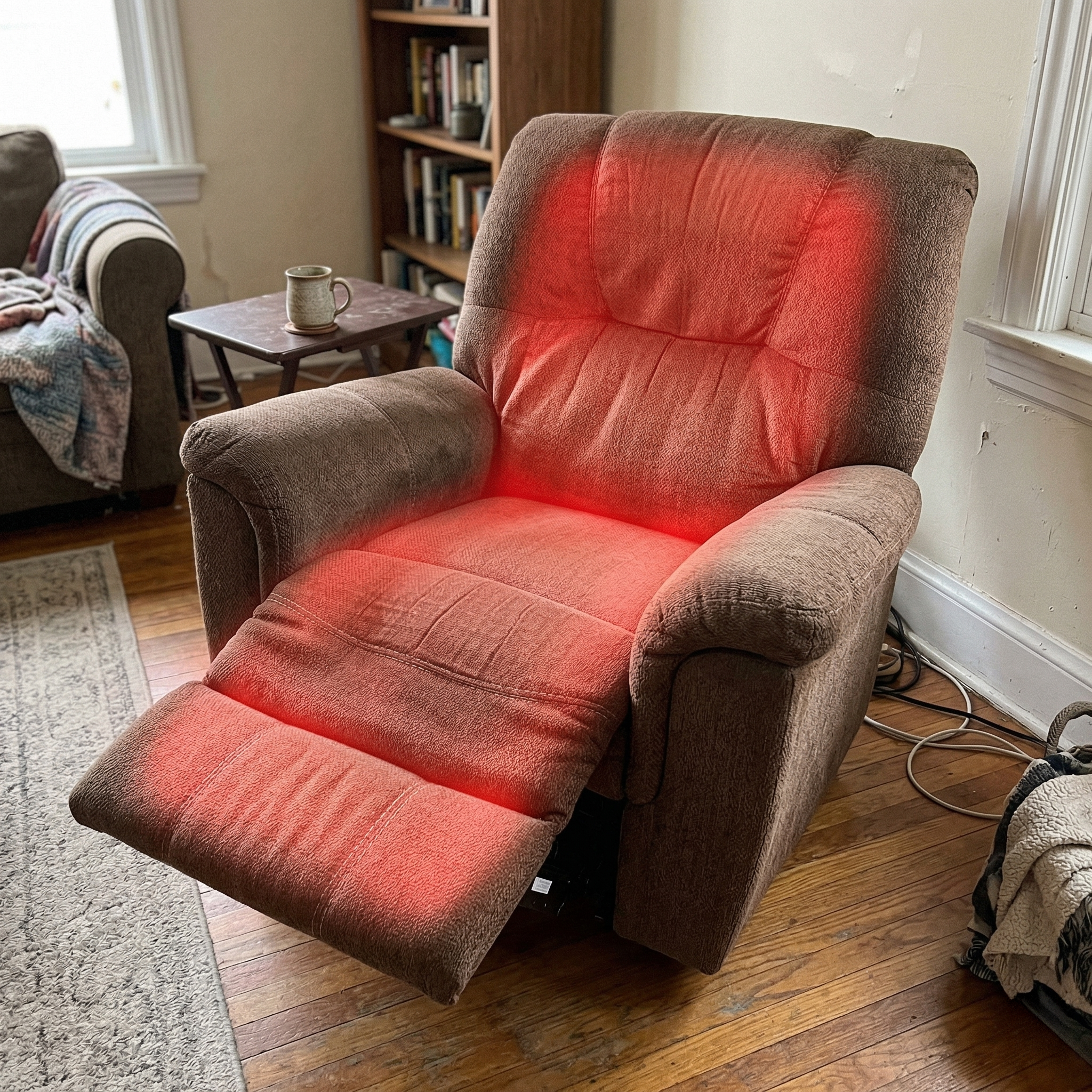
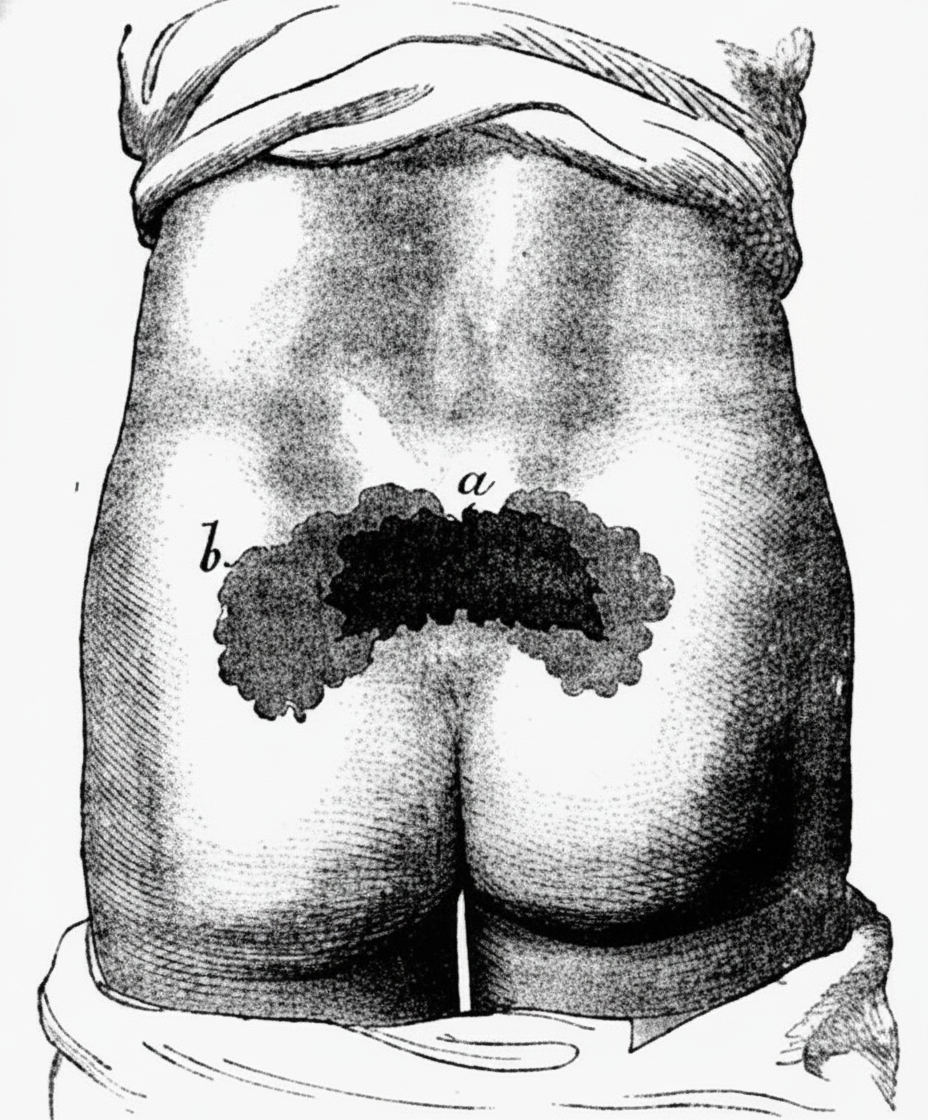
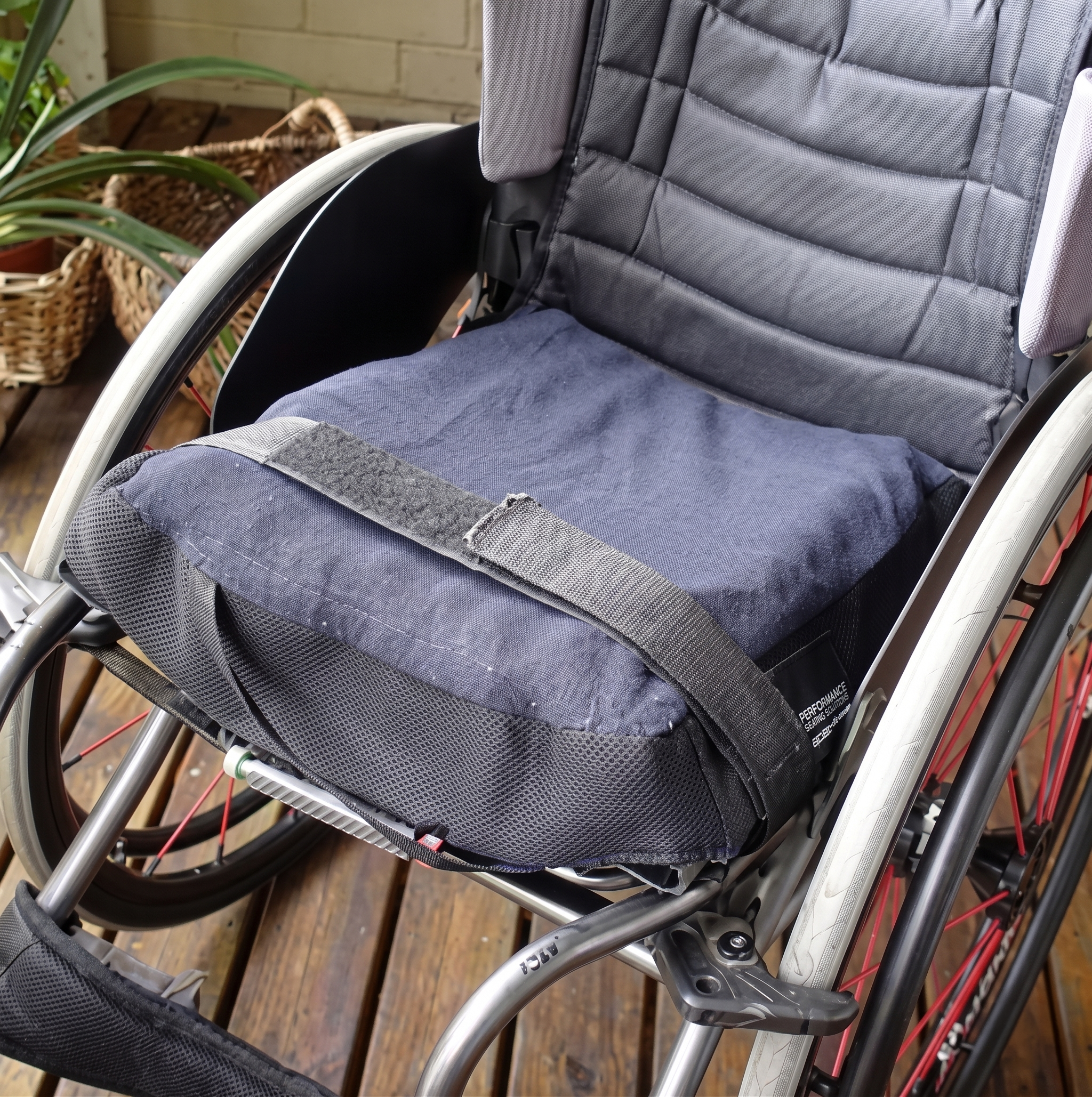
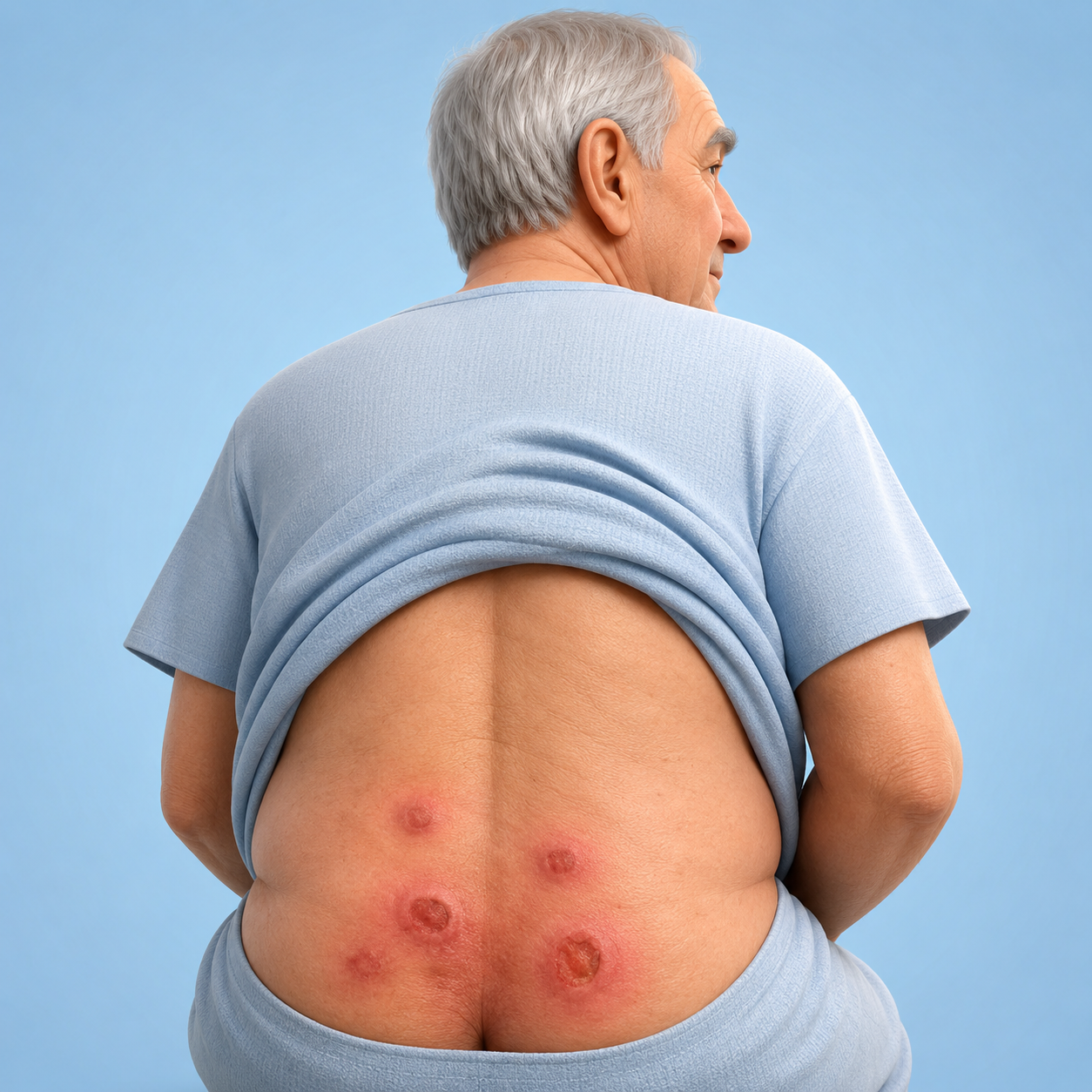
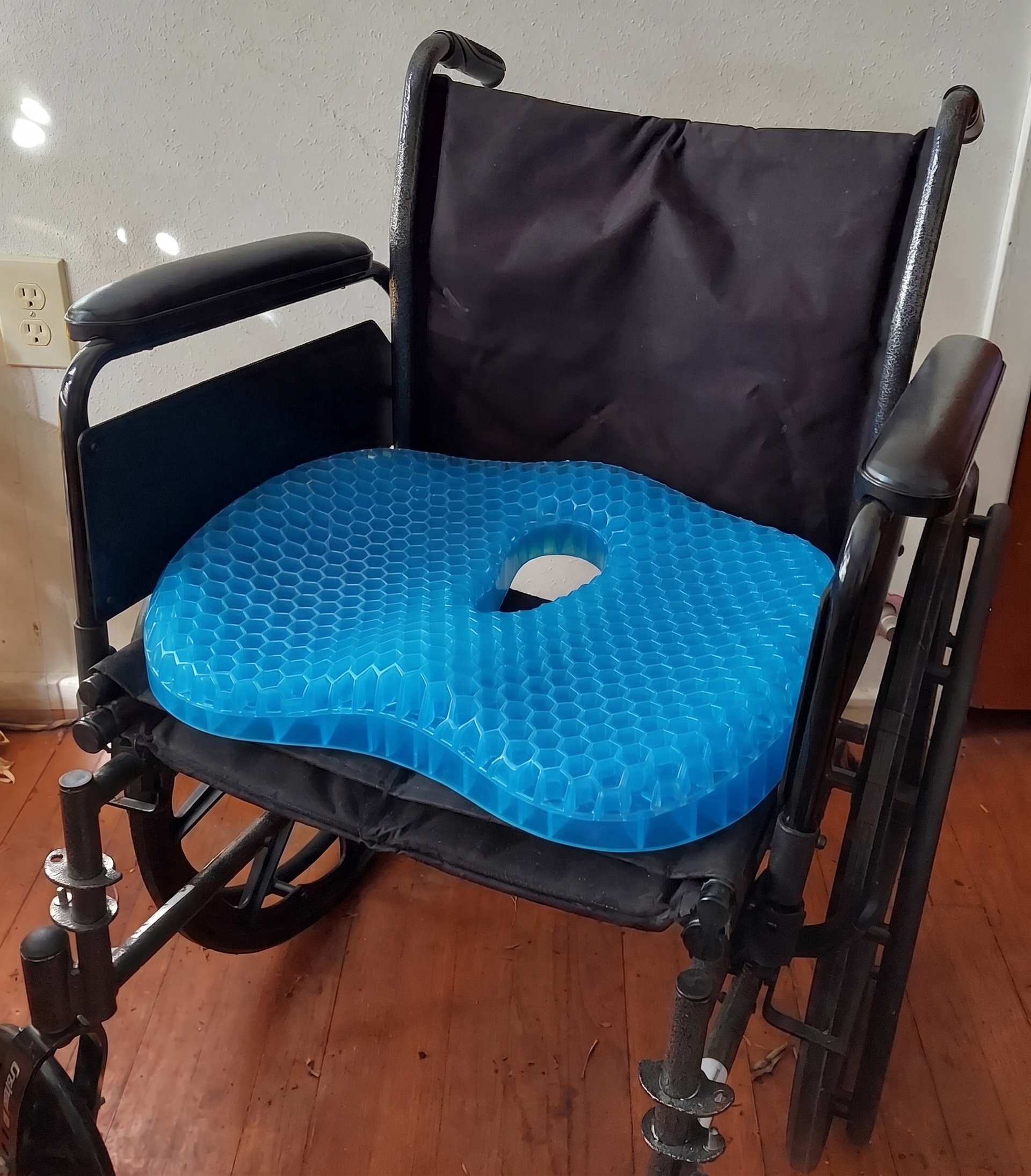
Before you buy another gel cushion for your elderly parent, read this. Most of them are missing the one thing that actually matters. I know because I bought four of them. Memory foam. Gel-infused foam. Orthopedic grade. Even a prescription one the doctor recommended. Each one promising pressure relief. Each one with hundreds of five star reviews. My mother's pressure sores kept coming back anyway. Every time one healed I'd feel that brief relief. We'd caught it. We'd fixed it. Then three weeks later I'd be helping her change and see the skin breaking down again in exactly the same spot. I couldn't understand it. She was 79. Spent most of her day in the recliner by the front window. Her spot. The one she'd had for fifteen years. The wound care nurse came twice a week. Dressed the wounds. Gave me instructions. I followed them perfectly. Nothing held. Then on a Tuesday in March the nurse did something different. Instead of going straight to the wounds she walked over to my mother's chair first. Picked up the gel cushion I'd bought two months earlier. The good one. Sixty dollars. Hundreds of reviews. The one I'd been so sure about. She pressed her palm flat into it. Her hand went straight to the bottom. She looked at me. "This is redistributing pressure everywhere except where it matters most." I didn't understand what she meant. She explained it like this. A flat gel cushion — even a good one — still puts material directly under the tailbone. The gel spreads some of the pressure outward. That's better than foam. But the tailbone is still in contact with a surface. And anything touching the tailbone is still creating pressure. "For a younger person with healthy skin and natural fat padding that's fine," she said. "For your mother? That contact point is still restricting blood flow. Still starving the tissue of oxygen. Still causing the damage you keep treating." She let that sit for a moment. "The gel cushion isn't wrong. It's just incomplete." I thought about all the money I'd spent. All the reviews I'd read. All the times I'd pressed my hand into a cushion in the store and thought — this is soft, this will protect her. None of those reviews mentioned this. Not one. "So what's the answer?" I asked. She pulled out her phone and showed me a picture. A gel cushion with a cutout directly where the tailbone sits. Not a foam donut — those actually concentrate pressure around a ring and make things worse. A proper cutout in a medical grade honeycomb gel cushion. No material under the tailbone at all. "Zero contact means zero pressure," she said. "Not reduced. Zero. The tailbone floats. Blood flows freely. The tissue gets oxygen. The wound heals and stays healed because the cause has been eliminated not just reduced." She explained the rest of the cushion too. The honeycomb gel structure around the cutout isn't foam with gel mixed in. It's pure gel columns engineered to flex sideways under weight instead of compressing downward. The pressure spreads across the entire sitting surface. Every contact point gets support. No single point gets crushed. "This is what hospitals use for their highest risk patients," she said. "Most families don't know it exists because the regular gel cushions are everywhere and look similar. But they're solving a different problem." I ordered one that night. It arrived two days later. I put it in my mother's chair before she came downstairs. She lowered herself in slowly the way she always does. Then stopped. Shifted slightly. Settled. "That's different," she said. "That actually feels like something." I put my hand under the cushion while she was sitting. I could feel the gel columns flexing sideways, spreading her weight outward. And directly under her tailbone — nothing. Air. Zero contact. It was working in a way I could actually feel. The first day I checked her skin after an hour. No redness. None. After two hours. Still nothing. Day 4 the wound care nurse came for her Tuesday visit. She looked at the wounds and then looked at me. "These look better than last week." Day 9 she returned. "Whatever you changed, keep doing it." Day 17 the first wound had closed completely. For the first time in eight months. Day 24 still closed. No sign of returning. My mother is in her chair right now. Watching her shows. Feeding the dog his crackers. Calling out things about the neighbors. I check her skin every evening. Eleven weeks. Nothing. If you've been buying gel cushions for your elderly parent and the wounds keep coming back — this is why. Gel cushions are better than foam. But most of them still put material directly under the tailbone. Still generating contact. Still creating some pressure at the exact point where the damage happens. The wound care visits keep treating the result. But the cause — that contact point — never gets eliminated. A tailbone cutout eliminates it entirely. Not reduced pressure. Zero pressure. The difference between a surface that helps and a surface that actually solves the problem. Here's what to look for. Medical grade honeycomb gel — not gel infused foam, not memory foam with a gel layer, but actual gel columns that flex sideways under weight. And a proper tailbone cutout — not a donut shape, but a full cutout that removes contact at the highest risk point completely. That's what hospitals have used for decades. That's what the wound care nurse showed me on a Tuesday in March. And that's what finally stopped my mother's wounds from coming back after eight months of recurring damage and twice weekly nurse visits. Press your hand into whatever cushion your parent is sitting on right now. If it goes flat under your palm, it's failing them. If there's no cutout under the tailbone, it's leaving the most dangerous area exposed. The cushion that finally worked for my mother is linked below. Honeycomb gel with a proper tailbone cutout. The same technology hospitals use. Not a comfort cushion. A prevention system. You can see it by clicking Learn More below.
Like this ad? Make it yours.
Crush rebuilds this exact creative around your product — your brand, your colors, your offer — in about a minute.