Alopecia Reset
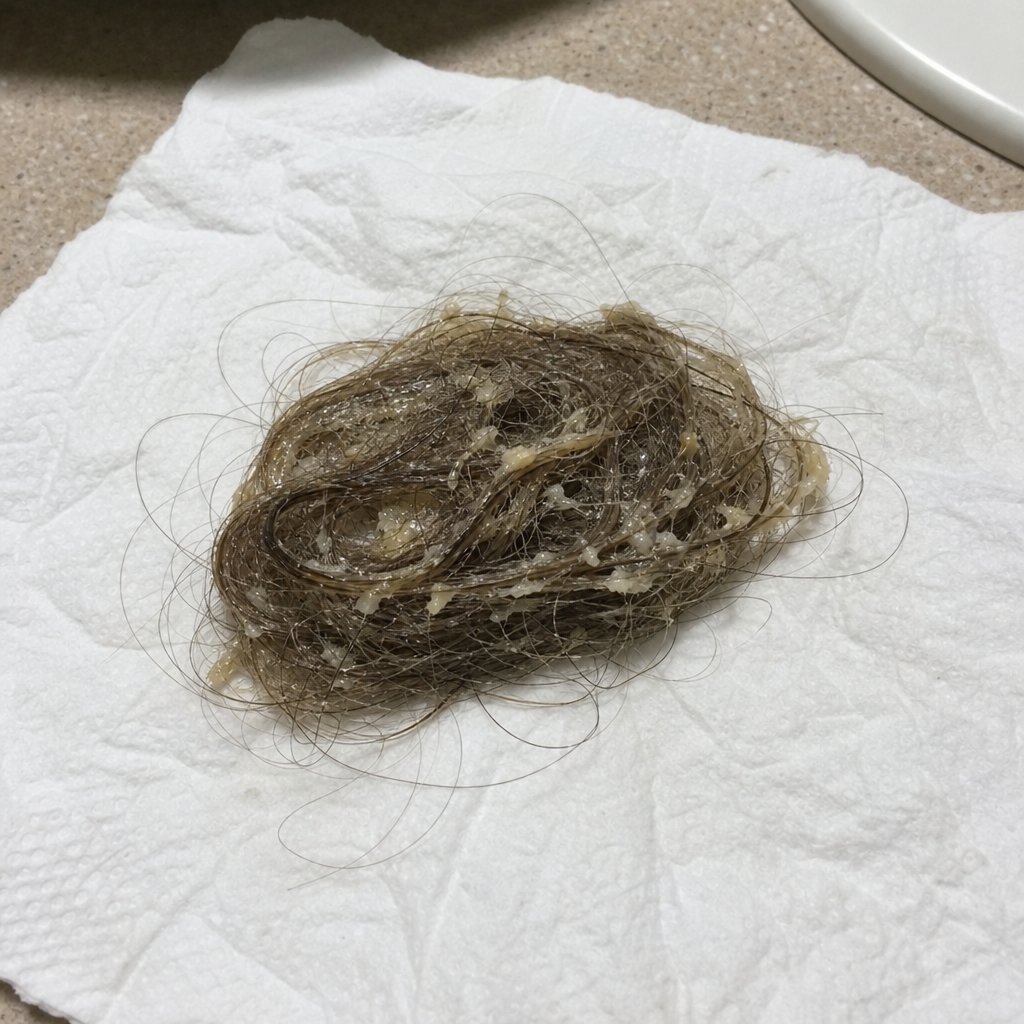
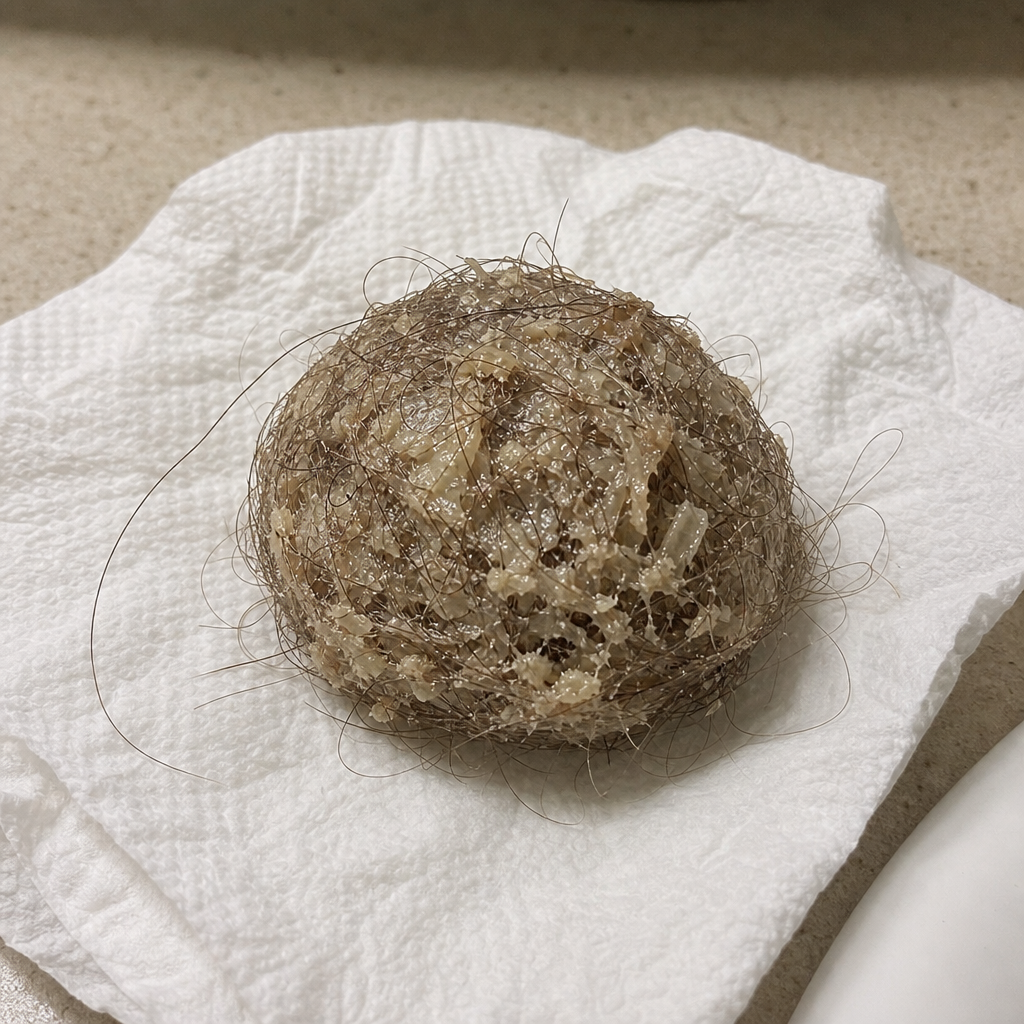
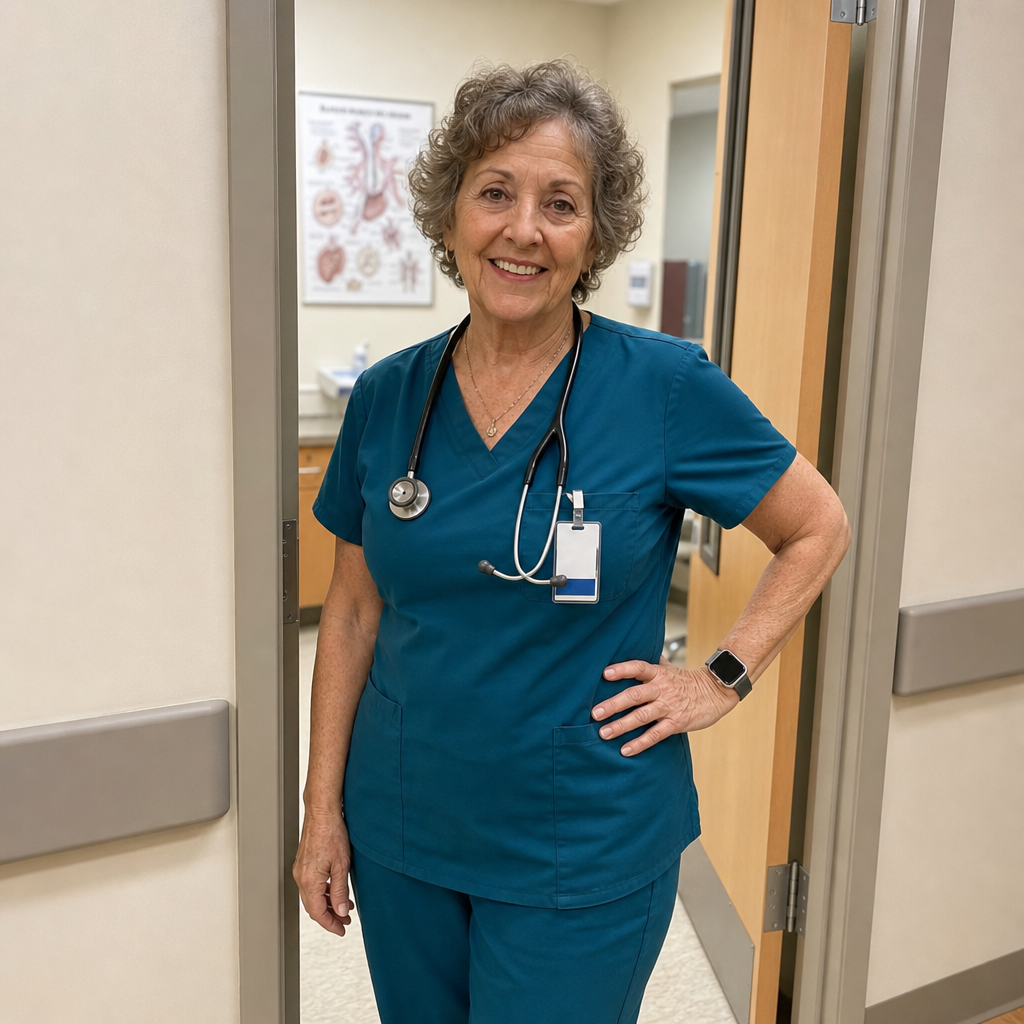
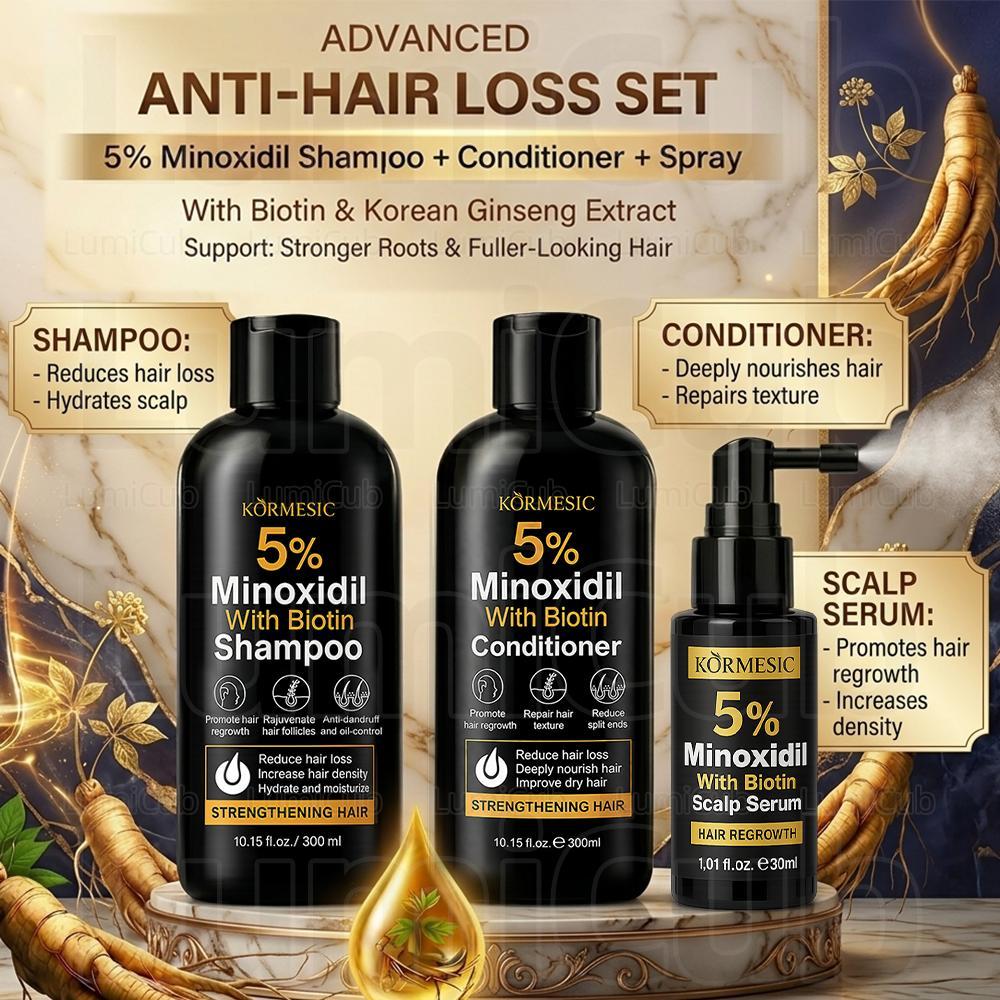
Alopecia Reset Facebook ad: “She did everything right. Her hair fell anyway”

Ran for 35 days, from July 15 to August 19, 2026, the last day Crush saw it.
Run by Alopecia Reset on Facebook. Crush is not the advertiser and does not verify its claims. See this ad in Meta's Ad Library(opens in a new tab)
Want an ad like this for your product?
Crush makes new ad images for your product from this ad: your logo, your product photo, your offer.
Trials from $19.95 USD, then $79.95 USD a month. Cancel anytime.
About this ad
- Meta Ad Library ID
- 1015535298137277
- Platforms
- Facebook, Instagram, Audience Network, Messenger and Threads
- Relaunches
- 0
- Niche
- Hair Care
Ad text
My sister was diagnosed with menopausal hair thinning in June 2022. She massaged serum into her scalp every day of her life. After the diagnosis, she cut out sugar. Went on the Mediterranean diet. Used the derma roller twice a day. Got the biotin regimen. She lost most of her crown coverage on October 19th, 2024 at 4:17 PM. She was 58 years old. She started the derma roller on June 8th. Did the Mediterranean diet for two years and three months. Massaged minoxidil twice a day. Walked our golden retriever three miles every single morning before work, rain or shine. She did everything the dermatologist told her. The transplant quotes came to $71,000. The follow-up grafts were going to be $11,400. Her old thick-hair photo is still in the frame on the mantel. I can't look at it. If I look at it, that hair is really gone. I need to tell you what happened to Diane. Because every week I see posts on Facebook from women like me, "my hair is all over the shower drain, the derm said try minoxidil, any tips?", and it makes me physically sick. If you're a woman over 45 who got the thinning diagnosis, or your sister or mother got it, please read this whole thing. I know it's long. I know you're scrolling. I know you have things to do. Sixteen months ago I would have given anything, everything, for someone to tell me what I'm about to tell you. Diane went in for her dermatology checkup on June 9th, 2022. She felt fine. Better than fine. She'd just turned 56. She was still coaching her niece's softball team. She still mowed her own lawn. She thought her hair was healthy and honestly so did I, she'd always had a thick ponytail, never skipped a wash, her mom was 87 and still had a full head of hair. Three days later her dermatologist called her back in. A widening part measured in millimeters. Shedding at almost every wash. The scalp exam came back with visible thinning at the crown. The dermatologist confirmed it two weeks later. Menopausal thinning with seborrheic scalp. Already advanced. "There's no pill for this. We treat it with minoxidil. Twice-daily foam, get the follicles stimulated, wash and massage every day. We'll re-check in six months." Diane hung up the phone and sat at the kitchen table for forty minutes without saying anything. Then she stood up, opened the bathroom cabinet, and started filling a trash bag. I watched her throw out the old dry shampoo. The volumizing sprays. The scented dry-scalp mousse. Three tubes of the gel our grandkids used when they came over. Two bags of the hard candies she loved. The entire bottom shelf of the pantry, the gummies, the toffee, the caramel chews she loved. "That's it," she said. "I'm done." And she was. For 28 months, she didn't break the routine once. No sugar. No skipped serum. No missed foam. Not at her best friend's wedding in Phoenix. Not on her 35th anniversary in Charleston where they brought out a complimentary slice of pecan pie and she asked them to take it back. Not at her own 58th birthday dinner where I made her grilled salmon and a salad and she smiled and said it was the best birthday meal she'd ever had. She stopped going to the Sunday cookouts at her cousin's because everyone was taking photos and she couldn't bear pictures from above. She stopped going to the diner where she and her friends had been meeting for Saturday breakfast since 1994 because she was too self-conscious about her thinning part to sit under the bright lights. She lost her friend Maureen, who told her "you're no fun anymore" and stopped inviting her. She lost a piece of herself she'd been carrying for 35 years. And she did it anyway. Because the dermatologist said to. She did six scalp treatments that year. She used the roller on Riley, no, she massaged and rolled twice a day, summer and winter, didn't matter. She bought a $200 red-light cap. Diane. With a fancy laser helmet. I still can't picture it. She used the ketoconazole shampoo her dermatologist "wasn't against." She bought the special scalp serum. She rinsed with apple cider vinegar every morning. She did exactly what they told her to do. She did everything right. The follow-up check came back on December 6th, 2022. Part: still widening. Shedding: still at nearly every wash. Six months of doing everything right and the numbers had barely moved. The dermatologist said, "The follicles respond slowly. Give it more time. We'll re-check in six months. Keep doing what you're doing." So she did. June 2023 check: part wider. Shedding worse. December 2023 check: crown visibly thinner. More flaking. The exam in January 2024 showed she'd lost more coverage. She had progressed. Diane came home that night and sat at the kitchen table. The same table she'd sat at after the first phone call. She didn't say anything for a long time. Then she said: "Linda, I gave up everything. Everything I loved to eat. I massage that foam twice a day. For 19 months. And it's getting worse." I told her to give it more time. I told her the dermatologist said it could take two years. I told her to trust the process. She nodded. She kept rolling. She kept eating the salmon and the spinach. She kept rinsing with the ketoconazole. Five days later, five days, she woke up at 2 AM scratching a scalp that burned so badly it doubled her over. I drove her to the urgent care. By the time they saw her at 4:30 AM, the crown of her head had shed so much the scalp showed through in the light. Not "a little." Showing through. Like bare pink skin. Like someone had thinned the top of her head with a razor. The on-call doctor, a young woman, couldn't have been 35, looked at Diane's scalp and her face did this thing. "Ms. Brennan, your crown coverage is almost gone. There's very little density left up here. The follicles are struggling. We're referring you to a specialist." "But I've been massaging that foam for over two years," Diane said. The doctor just looked at her. "I know, Ms. Brennan. I'm so sorry." Diane spent the next 6 weeks chasing referrals. I learned things about hair loss I never wanted to know. I learned that when the follicle sits in an inflamed scalp, the hair that grows out of it gets weaker, and the yeast your scalp produces every single day, the Malassezia, mostly, keep feeding on the oil and firing the inflammation where no serum can reach. They call it the follicle lockdown. It means your sister stops being able to wear her hair down. She looks at her part like she's trying to figure out how to hide it. She says things itch that never itched before. One night, Diane ran her fingers through her crown three times in twenty minutes and asked me if I could see more scalp. I could. We hadn't seen it a year before. I learned that they inject something called a steroid into the scalp when a follicle is inflaming. The specialist told me it's the same approach they use to try to calm the flare. She said it forces the inflammation down for a little while so the follicle might hold, something they hoped could buy her time. It bought her a few weeks. By week 4, two more patches had thinned. The specialists talked about a transplant. Then they talked about her not being a good candidate because of how fast the crown was going. Then they stopped talking about saving the hair altogether. By week 5, her whole crown was flaking and thinning across every part. They told her the top would keep going. The specialist called it progressive loss. I called my daughter. October 19th, the day of the consult, I was in the waiting room down the hall. They'd asked me to step out. At 4:11 PM I heard them call my name down the corridor. At 4:17 PM, a young assistant I'd never seen walked into the waiting room. I knew. "Ms. Hayes. I'm so sorry. We couldn't save it. The crown density is mostly gone." I drove her home at 6:30 PM. The laser cap was still on the counter. Her walking shoes by the back door. The ketoconazole on the windowsill above the sink, right next to the special serum. The photo of her old thick hair was on the mantel where it sat. Where it sits today. She sat in her recliner. She didn't speak for seven hours. The house was so quiet I could hear Riley breathing on the rug. 36 years of sisters. And the loudest thing in her house was a sleeping dog. The wig fitting was October 26th. Diane's daughter flew in from San Diego. Our cousin came up from Atlanta with the grandkids. Our other sister flew in from Denver. The grandkids wore little dresses that were too big for them. My five-year-old granddaughter asked me: "Grammy, why won't Aunt Diane take her hat off in the pictures?" I told her Aunt Diane's head was sore right now. She said: "Can the doctor make it better?" I had to walk out of the room. After the consult, I tried to go back to normal. I couldn't. Because every time I opened Facebook I saw women my age, sisters of women Diane's age, posting things like, "my hair thins at 71 every wash, derm said borderline thinning, anyone tried a laser cap?" Or, "Mediterranean diet for 6 months, her part hasn't stopped widening, what else can we try?" And I knew, I KNEW, some of them were doing exactly what Diane did. The diet. The serum. The rolling. The ketoconazole. And ending up where she is. I couldn't just sit there and watch it happen. So I started researching. Not because I wanted to. Because I had to. Because if Diane gave up two years and four months of everything she loved for nothing, if I can't save even one other family from what happened to mine, then I can't live with that. I read for weeks. PubMed papers I had to read three times to understand. Hair-loss forums where people described Diane's exact trajectory. Studies out of Japan and Germany. And one thing kept coming up, over and over, that no dermatologist ever told us. The reason Diane's hair kept thinning is that the serums and foams only sit on the surface. They don't reach what's already broken. Specifically: the scalp environment. The scalp environment is the inflamed, yeast-crowded layer down around the follicle bulb, where the Malassezia yeast feeds on the oil and keeps the inflammation flaring, protected from everything that passes over the top of your scalp, every foam, every serum, every rinse, every drop of minoxidil, every massage. Every follicle down there is sitting in that hostile soil. And here's what no one told us. The scalp's oily layer is lipid-based. It's hydrophobic. Water-based serums bead off it like water beads off a greasy pan. Modern scalp treatments, foams, rinses, sprays, are all surface products, so they just sit on top and grease the pillow. By the time the inflammation is deep in the follicle, the serum you dab on physically can't reach it at all, it stops at the surface. When that environment is inflamed, your follicles keep getting attacked but nothing reaches the source. Yeast multiplies down in the oil. Inflammatory signals keep firing. The follicles keep shedding. The damage has nowhere to go. Read that again. Diane's hair wasn't lost because she ate the wrong food. It was lost because the yeast and inflammation were hiding down in an oil-rich layer that water cannot penetrate, and once that environment turns hostile, even the most diligent scalp routine in the world will slowly lose the density up top. And here's why washing clean alone didn't save her: cleaning the surface removes some flakes. It doesn't calm the inflammation already locked into the follicle layer. That hostile soil was already there by the time the dermatologist told her to massage more. That's why her thinning wouldn't stop. She gave up everything she loved to eat to scrub a surface while the real enemy sat protected down where her serums couldn't reach. I sat with that for three days. And then I started looking at what I'd been doing. I'd thrown out Diane's ketoconazole the week after the consult. But I bought a new minoxidil foam for myself. Because I'm 57. Because my last wash came back with "mildly elevated" shedding too. Because I was terrified. I used it for a month. My dermatologist, a different one than Diane's, who I called because I trusted her, smiled when I told her. "Linda, minoxidil sits on top. But you cannot calm an inflamed follicle layer from the surface. It runs over the top while the yeast stays sealed underneath. It doesn't reach anything." Then she said something I'll never forget. "If Diane had been on something that actually reached that scalp environment, her story might have been very different." I stopped breathing for a second. "Why didn't her dermatologist tell her that?" She was quiet for a long time. "Because we don't prescribe supplements. And the thing that actually reaches the environment isn't a prescription." I went to CVS the next day. I stood in that aisle for forty-five minutes. Volumizing shampoo. Thickening serum. Scalp-care conditioner. 30-day "regrowth" kits. Multivitamins with "hair support." Generic derma roller tips, $14.99 a bag, the cheap stuff. I bought the strongest thickening serum. Used it for three weeks. Got re-checked. Nothing. I started digging again and what I found made me throw the bottle in the trash. A surface serum can't reach the inflamed follicle layer at all. Most of it never touches the source. The serum runs over the oily scalp that's already inflamed before it ever reaches the follicle underneath. You're paying for liquids that never get where they need to go. The scalp works from the inside. Serums bounce off the top. I had been doing the right thing in the wrong form. I was furious. I'm still furious. About two weeks later I was up at 1 AM on the female hair-loss subreddit, the same one I'd been reading since Diane's consult, and a woman in Ohio posted something that stopped me cold. She said her sister had been diagnosed with menopausal thinning at 54. Advanced. She did the foams. Her part widened anyway, sound familiar?, and then she found an oil-based softgel that combined wild oregano oil with black seed oil, taken internally, that reached the scalp environment from the inside and calmed the inflammation smothering the follicles. Her shedding slowed to almost nothing in twelve weeks. Her next photo showed the part holding. Without changing anything else. I read that post four times. I started looking into the formula she mentioned. And what I learned is that there are three things a serious scalp support has to do at the same time, or it's a waste of your money. It has to clear the yeast overgrowth crowding the follicle. That's carvacrol, the active in wild oregano oil. Lipid-soluble, so it merges with the oily scalp layer and works on the yeast the way oil cuts through grease that water just beads off of. It has to actually reach the follicle layer where serums and foams can't go. That's the oral oil delivery, taken internally it's absorbed from the gut and carried through the bloodstream to the scalp, where surface products that stop at the top physically cannot reach. It has to calm the inflammation that's smothering the follicles. That's thymoquinone, the active in black seed oil. It dampens the inflammatory signals firing around the follicle bulb so the immune system stands down and the scalp environment can settle. This is the part nobody told Diane. She was massaging the cleanest surface of her life and the inflammation down in her follicle layer had a waterproof bunker. There was no way to reach it because every product she owned sat on top. And it has to be oil-based and taken internally. Because a surface product physically cannot reach an inflamed follicle layer. Three things. All three. At the same time. In oil-based softgel form. I went through every product I'd looked at in CVS. Not one of them did all three. Most did none. The expensive ones just sat on the surface. Not a single oil-based softgel in the whole aisle. That's when I found Orgatics. It was the only formula I could find that hit all three. Carvacrol from wild Mediterranean oregano oil. Thymoquinone from cold-pressed black seed oil. 6,000mg per serving. Oil-based softgels, two softgels at night. 90-day money-back guarantee tied to your actual scalp, if your shedding and your part don't improve, you get every penny back, no questions asked. I almost didn't order it. After the CVS aisle. After the serum. After Diane. After everything. But my friend Frances was sitting on a widening part and a "borderline thinning" diagnosis her dermatologist said to "watch." My niece in Atlanta had just been told her exam showed early crown loss. I had my own shedding creeping in the wrong direction. I ordered it. My friend Frances first. Part widening. Diagnosed with thinning eighteen months ago, doing the foams, watching the density drop anyway. I didn't ask. I sent her a bottle and a note that said, "If you don't take this every night I will never speak to you again, Frances, I mean it." She took it. She didn't give up her snacks, she's stubborn the way Diane was stubborn, but she took the two softgels every night. She went back to her dermatologist last month for her re-check. Shedding: down to almost nothing. Down from clumps every wash. In ten weeks. She hadn't changed anything else. Same diet, same walks, same life. The only thing she changed was the two softgels she took before bed. She called me crying. My 61-year-old friend. Crying on the phone like a kid. She said, "Linda, I think Diane lost her hair because nobody told her about this." I had to hang up. Then there's my niece in Atlanta. 39, two little girls, early thinning on her last exam. Started taking it eight weeks ago. She says the itching and flaking she'd had every morning for two years, the flakes on her dark cardigan her derm told her was "probably just dandruff", is gone. She says her scalp stopped burning for the first time since the diagnosis. My neighbor across the street, Patricia. Her sister lost most of her hair fourteen months before Diane's consult. Two of us on the same cul-de-sac watching our sisters' hair disappear. She started taking it three days after I told her, just for prevention. She says it's the first time since then that she doesn't feel like she's waiting for her own hair in the drain. I told my other sister. I told Diane's daughter in San Diego. I told the women in my Bible study. I told Diane's old softball friends when they came by to drop off a casserole. I'm not a dermatologist. I'm not a scientist. I'm not selling anything and I don't get one penny from any of this. I'm a 57-year-old woman sitting in my sister's recliner at 2 in the morning because I can't sleep and I can't stop thinking about Frances and my niece in Atlanta and the women on the hair-loss subreddit posting "my hair won't stop shedding, what else can we try." Here's what I know because I lived it: Washing clean removes some flakes. It doesn't calm the inflammation that's already locked into the follicle layer. It doesn't reach the damage. Serums and foams sit on top. But you cannot calm an inflamed follicle layer from the surface. A surface product cannot reach an inflamed follicle layer. It works from the inside. Diane gave up everything she loved to eat for 28 months and it didn't save her hair because nobody told her what was actually broken. I wish someone had told us before June 9th, 2022. Before the diagnosis. Before the trash bag of candy in the pantry. Before the 28 months of plain grilled salmon. Before October 19th at 4:17 PM. I can't go back. Diane's hair can't come back. Her old thick-hair photo is still in the frame on the mantel and it's going to stay there. But you can still go forward. Your sister can. Your friend can. You can. The page that explains all of this, the scalp-environment mechanism, why washing and serums alone wasn't enough, what your dermatologist doesn't know about oil-based delivery, and exactly what's inside Orgatics, it's the page I found at 3 AM. Not on top. From the inside. That's the line that finally made it click for me. I want you to read it. Not for me. For whoever you'd hate to watch go through this. 👇 https://tryorgatics.com/pages/alopecia Diane used to say, "You can't change what already happened. But you can change what happens next." You can change what happens next. Linda Hayes, age 57, Naperville, IL P.S. Her old thick-hair photo is still in that frame on the mantel. I still can't look at it. Every morning I walk past it and for one second I forget. For one second I think she's about to call and ask me where Riley's leash is. She's not. $71,000 in transplant quotes. $11,400 for grafts. 28 months of her giving up every food she loved for nothing. And softgels that cost less than the bag of organic spinach she was eating every day, softgels my own dermatologist told me could have changed everything if we'd known. Please. Don't end up here. Don't let someone you love end up here. 👇 https://tryorgatics.com/pages/alopecia P.P.S. I don't work for Orgatics. I don't get a penny from this. I'm writing this at 2:38 AM because I can't sleep and Diane's widening part is still in my mind and Frances is 61 and the women on that subreddit are still posting at 2 AM and I'm terrified every time my phone rings. Share this with anyone you love who is losing their hair. Even "mild." Even "borderline." Even if they're doing everything perfectly. Especially then. Please.
Where the ad sends people
tryorgatics.com
She did everything right... Her hair fell anyway
Try Orgatics for 90 days. If you don't see real changes in your scalp, your shedding, or how your hair feels overall, we'll refund every cent. Just an email. That's it.
Learn more: tryorgatics.com(opens in a new tab)