Nutragrace
 Facebook ad: “The Triple Relief Solution No One Talks About”
Running for 110 days since July 16, 2026. Crush last saw it on November 3, 2026.
Run by Nutragrace on Facebook. Crush is not the advertiser and does not verify its claims. See this ad in Meta's Ad Library(opens in a new tab)
Make your own version of this ad
Crush makes it, launches it in your own Meta ad account, scales the winners and pauses the losers.
About this ad
- Meta Ad Library ID
- 1015791197971396
- Platforms
- Facebook, Instagram, Audience Network, Messenger and Threads
- Relaunches
- 0
Ad text
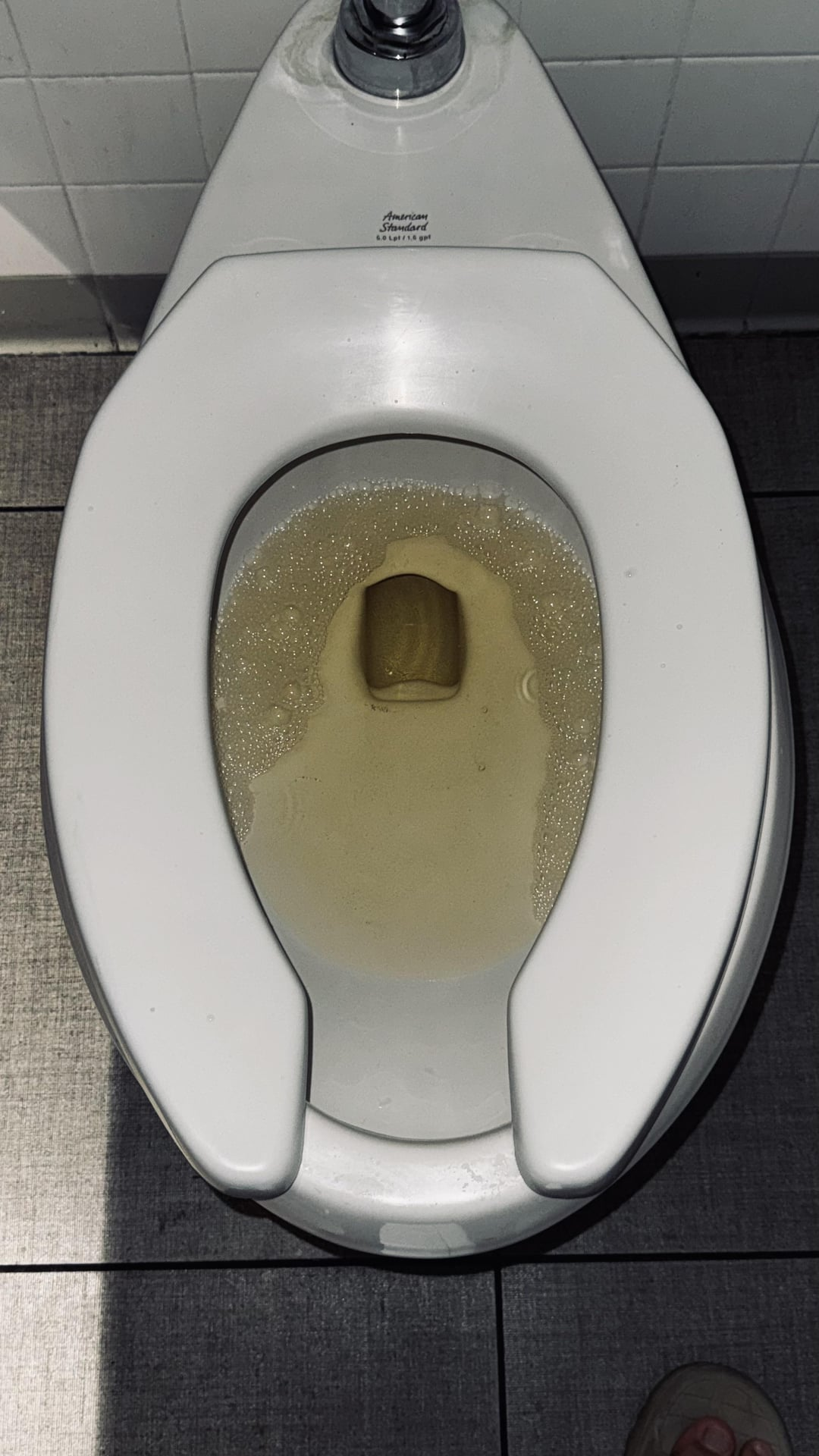
My Doctor Said "Start Dialysis." I Asked for 8 More Weeks. Here's What Happened to My Kidneys. I've worked in renal care for 22 years. I've watched kidneys fail in slow motion more times than I want to count. Not the dramatic kind. The quiet kind. The kind where someone comes in, and their GFR has dropped another three points, and nobody says anything because three points doesn't sound like much. But I know what three points means. Three points, twice a year, for five years — that's the difference between living your life and sitting in a chair with a tube in your arm three days a week. The one I couldn't let go of was Arthur. He was 63. Retired shop teacher. Hands like leather. He used to bring homemade birdhouses to the clinic for the nurses. Whittled them himself. He came in every six months like clockwork. GFR 48. Then 44. Then 39. Then 31. Every visit I watched that number drop and I watched his face change. Not all at once. Slowly. The way a lamp dims when the power's going out. His doctor kept saying the same thing. "We're monitoring it. When you hit 15, we'll start the conversation about dialysis." Arthur didn't say anything to that. He just nodded. But one afternoon, while I was drawing his blood, he said something very quietly. "Gloria, I built my granddaughter a playhouse last summer. Took me nine weekends. I don't think I could lift that lumber now." His GFR was 27. He was 65. Eight months later, Arthur started dialysis. Three days a week, four hours a session. He stopped bringing birdhouses. His wife told me he hadn't been in his workshop since November. That was the one that broke something in me. Because here's what nobody says out loud in a renal clinic: by the time your doctor mentions your kidneys, the damage is already years old. Kidneys don't complain. They don't send pain signals. They just quietly stop filtering — and by the time the foam shows up in the toilet, by the time the legs start swelling, by the time the fatigue hits you like a wall at 2 PM every single day — you've already lost function you're probably not getting back. I watched it happen to Arthur. I watched it happen to 200 patients after Arthur. And then, about four years ago, it started happening to me. It was the foam that got my attention first. I'm a renal nurse. I know what foamy urine means. I know it means protein is spilling through the glomerular membrane — the kidney's filter — because the filter is damaged. I know that protein in the urine is the first whisper before the scream. So when I looked down one Tuesday morning and saw thick, white, dish-soap foam sitting on top of the water — the kind that doesn't pop — I stood there for a full minute. I told myself it was dehydration. I told myself I'd been working 12-hour shifts and not drinking enough water. I told myself every excuse I'd heard a hundred patients tell me before they got their own bad news. I went and got my labs done the following week. GFR: 54. Down from 68 the year before. That's 14 points in twelve months. Creatinine: 1.4. Creeping up. Protein in urine: positive. My doctor — Dr. Nguyen — sat across from me and said exactly what I'd heard him say to two dozen of my own patients. "We need to start managing this aggressively. I'm going to put you on an ACE inhibitor, get you on a low-protein diet, and we'll recheck in six months. If the GFR keeps dropping, we'll talk about your options." Your options. That's the clinical way of saying dialysis. I nodded. I took the ACE inhibitor. I cut my protein. I drank water until I couldn't stand water anymore. I avoided salt like it was poison. I did everything right. Six months later: GFR 51. Down three more points. I sat in the parking lot of the clinic and thought about Arthur in that dialysis chair. About the birdhouses he stopped making. About his granddaughter's playhouse that took nine weekends and hands that could still lift lumber. And I thought — for the first time in 22 years of renal care — what if we're not looking at this right? Let me explain what I mean, because this is the part that changed everything for me. In the clinic, we track two numbers: GFR and creatinine. GFR measures how well your kidneys are filtering. Creatinine measures waste buildup. When GFR drops and creatinine rises, the kidneys are losing function. That's what we treat. That's the whole model. But here's what we don't track — what nobody in a standard renal panel even looks at — and it's the thing that's actually destroying the kidneys in the first place. Oxidative stress. Your kidneys filter about 180 liters of blood every single day. They are the highest-oxygen-demand organs in your body relative to their size. That means they produce enormous amounts of free radicals — reactive oxygen molecules — as a byproduct of all that filtering. When those free radicals overwhelm your body's antioxidant defenses, they attack the glomerular membrane directly. They damage the tiny filtration units — the nephrons — one by one. They cause the inflammation that scars the tissue. They're the reason the filter breaks down and starts leaking protein into the urine. GFR doesn't measure that. Creatinine doesn't measure that. By the time those numbers move, the oxidative damage has been accumulating for years. The ACE inhibitor I was taking reduces blood pressure in the kidneys to slow the damage. It does nothing — nothing — about the oxidative stress causing it. It's like turning down the water pressure in a pipe that's already rusted through from the inside. That's why Arthur went from 48 to dialysis on medication. That's why my GFR dropped from 54 to 51 while I was doing everything right. We were treating the measurement. Not the mechanism. I didn't learn this from a supplement ad. I learned it because about eleven months ago, one of my long-term patients — Brenda, 69, retired teacher, Stage 3A kidney disease for six years — came in for her labs and something was different. I'd been watching Brenda's numbers decline for years. GFR in the low 40s. Protein in the urine every single time. Fatigue. Swollen ankles. She'd tried everything. Low sodium. Low protein. Restricted potassium. She was miserable and her kidneys were still getting worse. But this time she walked in and her ankles were normal. Her face looked different. Rested. She sat down in the chair and said something that made me stop what I was doing. "Gloria. My GFR came back at 58." I checked the chart. Her last reading six months ago had been 41. I said, "Brenda. That's 17 points." She said, "I know. And I haven't changed anything except one thing. I started taking pumpkin seed oil softgels. Cold-pressed ones. Three a day." I didn't say anything. Because I'd heard every supplement story you can imagine in 22 years of renal care. Turmeric. Apple cider vinegar. Alkaline water. Cranberry pills. Baking soda. I'd watched patients spend hundreds of dollars chasing hope while their kidneys kept getting worse. But Brenda is not that person. Brenda is a woman who balances her checkbook by hand and reads the nutrition label on everything she buys. She doesn't try things on a whim. And her GFR had gone from 41 to 58. In six months. On a number that almost never goes up. That night I couldn't sleep. I got up at midnight and sat at the kitchen table with my laptop. I typed: "pumpkin seed oil kidney oxidative stress research." What came back stopped me. A 2023 study in the Journal of Functional Foods. Pumpkin seed oil — cold-pressed, from Cucurbita pepo — demonstrated significant nephroprotective effects in subjects with early-to-moderate kidney damage. Not from lowering blood pressure. Not from reducing protein intake. From neutralizing the oxidative free radicals that were destroying the nephrons. The mechanism was specific. Pumpkin seeds contain one of the highest natural concentrations of tocopherols — a class of Vitamin E compounds — along with phytosterols, zinc, and a particular set of polyunsaturated fatty acids. Together, they form a powerful antioxidant complex that crosses the renal barrier and neutralizes the exact reactive oxygen species that damage the glomerular membrane. They don't change the GFR number from outside. They protect the kidney tissue from the inside — the same tissue that's being silently destroyed while the doctor "monitors" the decline. I read three more studies. One from Food & Function showed that cold-pressed pumpkin seed oil reduced renal inflammation markers by 36% in eight weeks. Another from Phytotherapy Research showed measurable nephron preservation — the actual filtration units were degrading slower. A third showed significant reduction in proteinuria — protein in the urine — which is the single most reliable predictor of kidney failure progression. I sat there at the kitchen table and my hands were shaking. Because I thought about Arthur. I thought about every patient I'd ever watched go from Stage 3 to Stage 4 to that dialysis chair while we tracked the number and treated the blood pressure and never once addressed the oxidative damage that was eating their kidneys from the inside. The next morning I ordered pumpkin seed oil softgels. The first brand I tried was a grocery-store bottle. $11. The capsules were light yellow, almost clear. I took three a day for three weeks. I ran my labs. GFR: 52. Up one point from 51. Creatinine unchanged. Foam was the same. Better than declining. But not what happened to Brenda. So I went back and started reading more carefully. And that's when I understood why most pumpkin seed oil doesn't work. Here's what I found. There are two kinds of pumpkin seed oil on the market. The first is refined, heat-extracted, bulk-processed oil made from commodity pumpkin seeds grown for volume. High heat destroys tocopherols. Refining strips phytosterols. The seeds themselves are hybridized for yield, not nutrient density. The oil that ends up in the capsule is golden-colored, mild-flavored, and nearly inert. It looks like pumpkin seed oil. It is not pumpkin seed oil. It's a ghost of one. That was my $11 bottle. The second is cold-pressed oil from heirloom Styrian pumpkin seeds — Cucurbita pepo var. styriaca — the hull-less seed variety that's been cultivated for oil in Central Europe for over 300 years. Styrian pumpkin seeds have no hard outer shell. All of the nutrients — the tocopherols, the phytosterols, the zinc, the delta-7-sterols — are concentrated directly in the seed meat. When you cold-press them without heat, you get a deep, dark emerald-green oil that's so thick it's almost opaque. That deep green color is the tocopherols. If your pumpkin seed oil isn't dark green, the active compounds aren't there. The pumpkin seed oil that actually protects kidneys has to be: — Styrian heirloom seed variety (not commodity hybrids) — Cold-pressed at temperatures below 40°C (heat above that destroys the tocopherols) — Unrefined, no chemical extraction — Standardized to clinical levels of tocopherols and phytosterols — Third-party tested with a certificate of analysis I went looking. And I kept seeing one name come up in the reviews, in the forums, in the kidney health groups. Everly. Cold-pressed from Styrian pumpkin seeds. 1,000mg per softgel. Dark green oil — the real kind, not the clear yellow kind. Third-party tested. COA available on their site. I ordered it. The softgels arrived in five days. When I opened the bottle, I could tell immediately. The capsules were deep emerald green — almost black-green. I put one on the counter next to my morning coffee. Took it with my first sip. I noticed something within the first few days that I wasn't expecting. The fatigue lifted. Not dramatically. Not like a switch. More like fog clearing from a windshield. I'd been dragging through the back half of every shift for two years. By day four, I finished a 12-hour without sitting down during the last two hours. I hadn't done that in a long time. By the end of the first week I noticed the foam. I'd been checking every morning — I'm a renal nurse, it's what we do. Day eight, I looked down and the foam was different. Thinner. Lighter. Not the thick, dish-soap kind that sits on the water and doesn't pop. This was normal. Bubbles that disappeared in seconds. I wrote it down. I circled the date. Week three I ran my own labs at the clinic. GFR: 57. Up from 51 in three weeks. I checked it twice. Creatinine: 1.2. Down from 1.4. Protein in urine: trace. Down from positive. Week eight I went in to see Dr. Nguyen. I handed him the bloodwork without saying anything. He looked at it. Scrolled up. Scrolled down. Looked at my previous results. Back to the new ones. GFR: 64. Up from 51. Thirteen points in eight weeks. Creatinine: 1.1. Protein in urine: negative. For the first time in over a year. Negative. He took off his glasses. "Gloria. Your kidneys are... what did you change?" I told him. The pumpkin seed oil. The cold-pressed kind. The Styrian seeds. Three softgels a day. He didn't roll his eyes. He didn't say "placebo effect." He was quiet for a long time. Then he said, "I want to run a renal oxidative stress panel. It's not something we typically order." I said, "Run it." Four days later he called me at home. "Your malondialdehyde levels — that's the primary marker for renal oxidative damage — should be around 4.2 to 5.8 nmol/mL based on your age and history. Yours came back at 2.1." He said it twice. Then he said something he had never said to me in 22 years. "Gloria. I'm taking the ACE inhibitor conversation off the table. Whatever you're doing — keep doing it." I sat in my car in the driveway for ten minutes before I went inside. It's been five months now. My GFR at last check was 71. That's normal range. I haven't been in normal range in three years. The foam is gone. Completely gone. I check every morning out of habit and every morning it's clear. Last month I worked four 12-hour shifts in a row — something I hadn't been able to do in two years without my legs swelling and my back screaming by day three. On the fourth day I came home, made dinner, and walked two miles around the park with my husband. He looked at me and said, "You've got your energy back. I don't know what you're doing but keep doing it." I almost started crying in the middle of the walking path. And last Tuesday I got a text from Brenda — the patient who started all of this. She'd been on the Everly softgels for nine months now. Her latest GFR: 63. Up from 41 when she started. Her nephrologist told her she's been reclassified. She's no longer Stage 3A. She's Stage 2. Her doctor used the word "remarkable." She sent me a photo of herself at her granddaughter's soccer game. Standing on the sideline. No swollen ankles. No compression socks. Just standing there cheering. I've told nine of my patients about Everly specifically. Not the grocery-store brand. Not the clear-yellow Amazon ones. The cold-pressed, Styrian-seed, dark-green ones. Seven have reported back so far. Brenda: GFR from 41 to 63. Reclassified from Stage 3A to Stage 2. A man named Curtis, 61, whose wife called me crying because his GFR had been dropping every visit for four years. After ten weeks on Everly: up 11 points. His nephrologist postponed the dialysis conversation. A woman named Lorraine, 72, who told me she hadn't slept through the night in three years because she was getting up to use the bathroom five times. Week six: twice a night. Week twelve: once. Her exact words were, "I forgot what it felt like to wake up rested." A man named Gerald, 58, who'd been losing his hair for two years — handfuls in the shower every morning. His wife noticed it first, around week four. "The drain isn't clogging anymore." By week eight his barber asked him what he was doing differently. Here's what I know now that I wish I'd known when Arthur was still at 48. The kidneys aren't just failing because of blood pressure or protein intake or age. They're failing because oxidative stress is destroying the nephrons faster than the body can repair them — and nothing in a standard renal treatment plan addresses that. Not the ACE inhibitor. Not the low-sodium diet. Not the water. Real pumpkin seed oil — cold-pressed, from Styrian heirloom seeds, with the tocopherols and phytosterols intact — delivers the antioxidant complex directly to the renal tissue. It doesn't mask the number. It protects the tissue that the number measures. Curtis postponed dialysis. Brenda got reclassified. Lorraine sleeps through the night. Gerald's hair is growing back. My foam is gone, my GFR is 71, and I haven't felt this good since my 40s. This is what I'd give to go back and hand Arthur before his GFR hit 27. I'd have driven to his house. I'd have set the bottle on his workbench next to his carving tools and said, "Try this. Please. Before it's too late." I can't do that. But Curtis is on it now. Brenda is on it now. Lorraine and Gerald and five more people I care about are on it now. And the door is open. It wasn't a year ago. It is now. If your urine foams. If your GFR is dropping. If your doctor has said the word "monitor" or "manage" or "options." If you're exhausted by 2 PM every day and you don't know why. If your legs swell. If you're losing hair you shouldn't be losing. If you've been told your kidneys are at Stage 2 or 3 and you're watching the number creep in the wrong direction every six months and nobody's doing anything except watching — I'd try the pumpkin seed oil first. The real kind. Three softgels a day with your morning coffee. You'll know within the first week whether it's going to work. The energy is the first thing. That fog clearing from the windshield. You'll notice it before your bloodwork confirms it eight weeks later. It's three softgels. It's once a day. It's on the counter next to your coffee mug. That's the whole protocol. Try it. See what happens. If I'm wrong, you get your money back. If I'm right — and after 22 years in renal care, and five months of my own numbers, and Brenda's doctor using the word "remarkable" — I know I'm right — you get your kidneys back. ~ Gloria M., RN --- P.S. — Everly has a money-back guarantee. Every penny, no questions asked. Your doctor doesn't offer that with the ACE inhibitor. If it doesn't work for you, you're not out anything but time. And you'll know it's working within the first week. The energy. The foam. You'll know. P.P.S. — Here's what my numbers did, for anyone who wants the diary version. Week 0: GFR 51. Creatinine 1.4. Urine protein: positive. Foam every morning. Exhausted by 2 PM. Week 3: GFR 57. Creatinine 1.2. Urine protein: trace. Foam thinning. Energy returning. Week 8: GFR 64. Creatinine 1.1. Urine protein: negative. Foam gone. Working full shifts again. Month 5: GFR 71 — normal range. Malondialdehyde 2.1 nmol/mL (should be 4.2–5.8). No swelling. No fatigue. No foam. ACE inhibitor conversation permanently off the table. P.P.P.S. — Nine patients, seven reported back. Brenda reclassified from Stage 3A to Stage 2. Curtis postponed dialysis. Lorraine sleeping through the night. Gerald's hair growing back. I'll update when the other two check in. P.P.P.P.S. — I keep two bottles in the house now. Everly is a smaller company and the cold-press process takes time. The last time I ordered, it was backordered for six days — they'd run through the current pressing. If you're going to try it, I'd grab it while it's in stock. They're running a bundle deal right now, which is how I stock up. I went 22 years in renal care without recommending a supplement to anyone. This is the one. ~ GM
Where the ad sends people
try.shopeverly.shop
The "Triple Relief" Solution No One Talks About
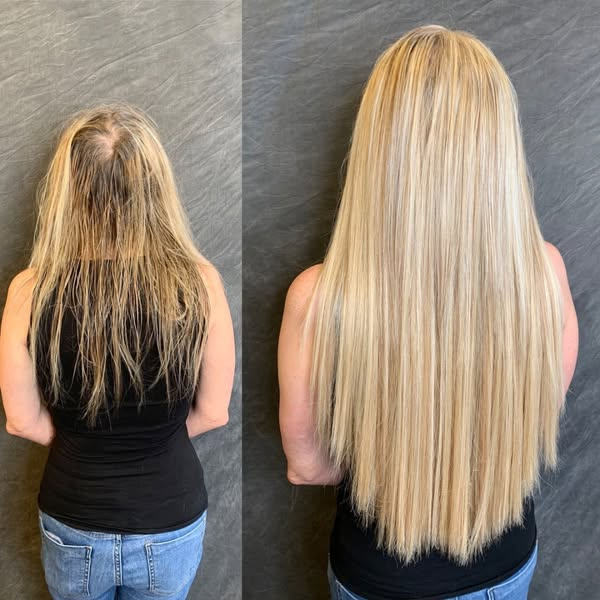
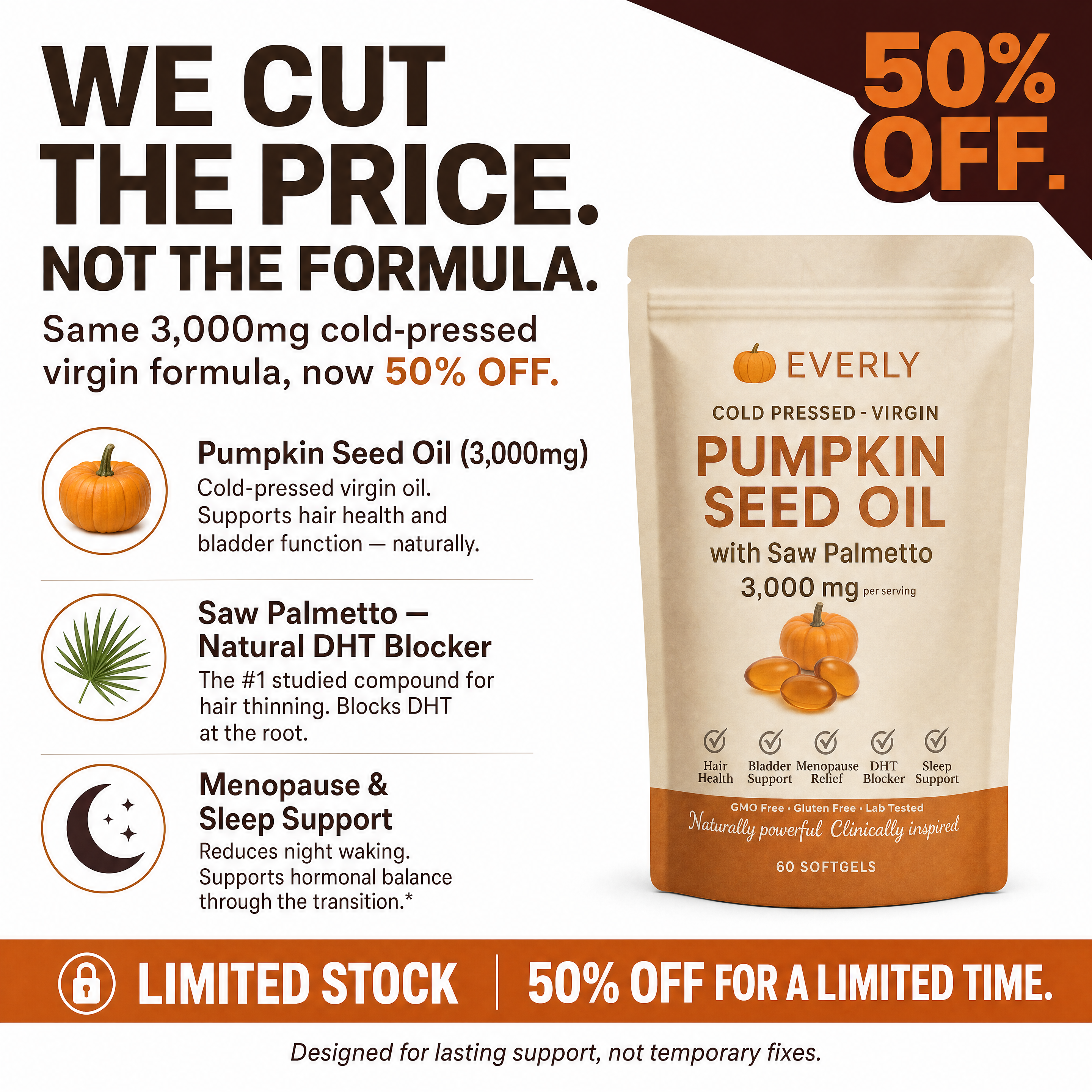
“I’ve been feeling stronger and more balanced since taking Everly Pumpkin Seed Oil. My bladder feels so much calmer, I’m sleeping through the night again, and my hair feels thicker than it has in years. I love how natural it feels — just pure support for my body.”
Learn more: try.shopeverly.shop(opens in a new tab)