
Active· since Jun 12, 2026
- 91
- days running
- 0
- relaunches
Ad copy
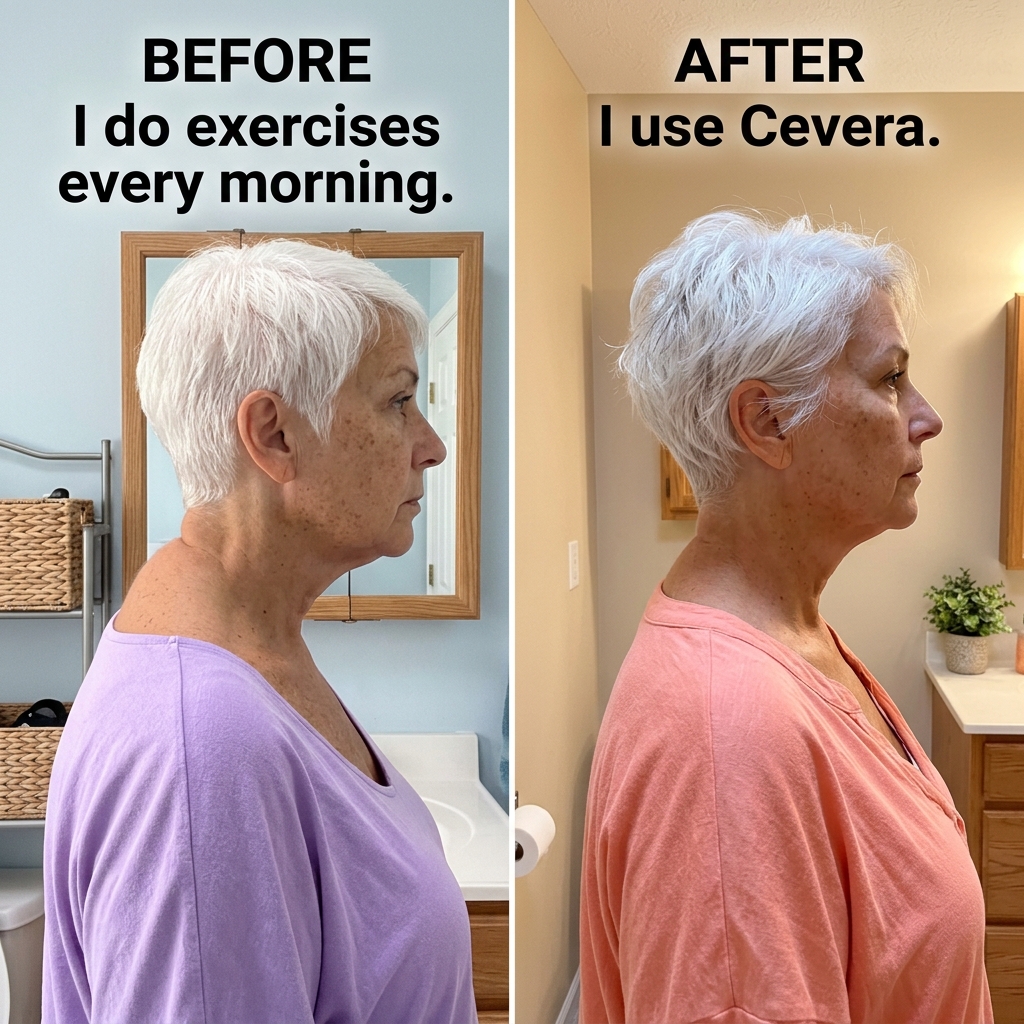
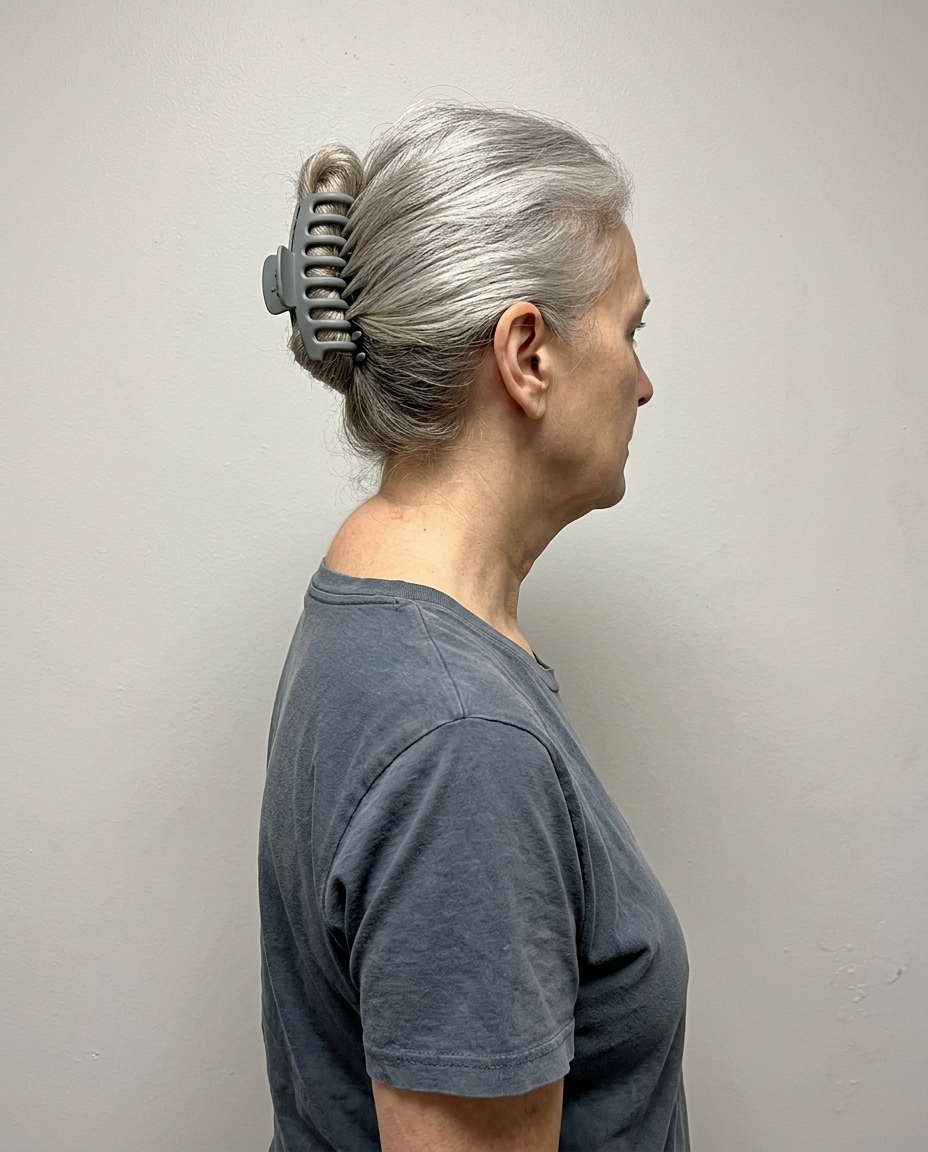
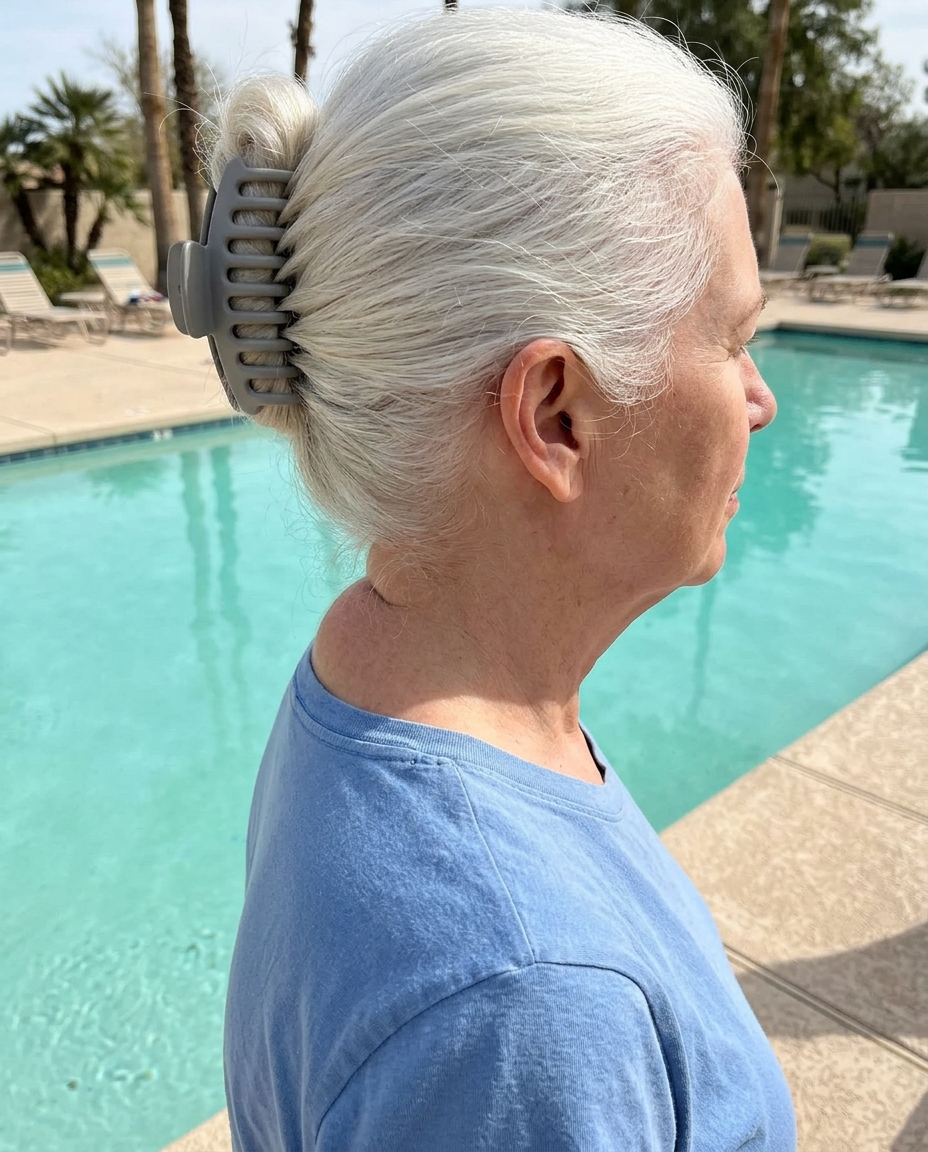
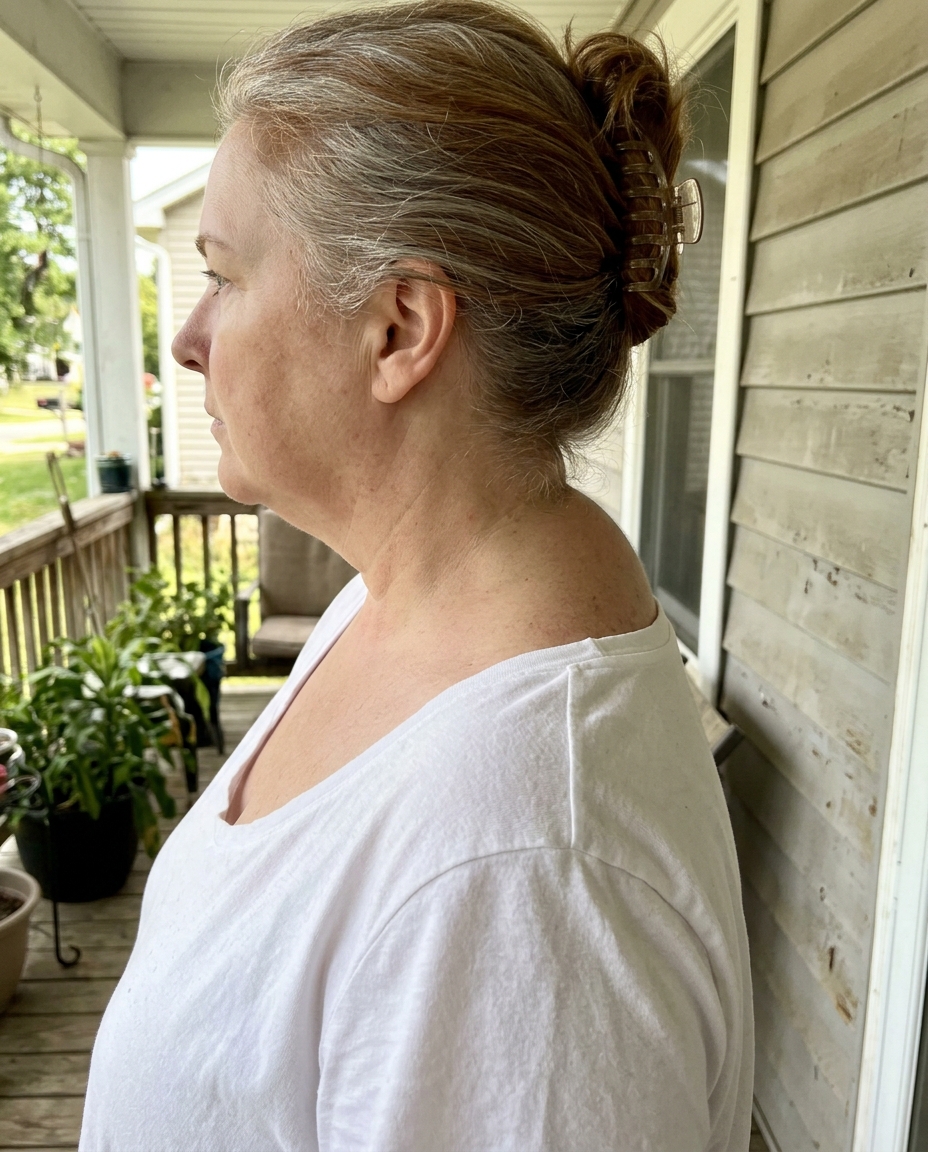
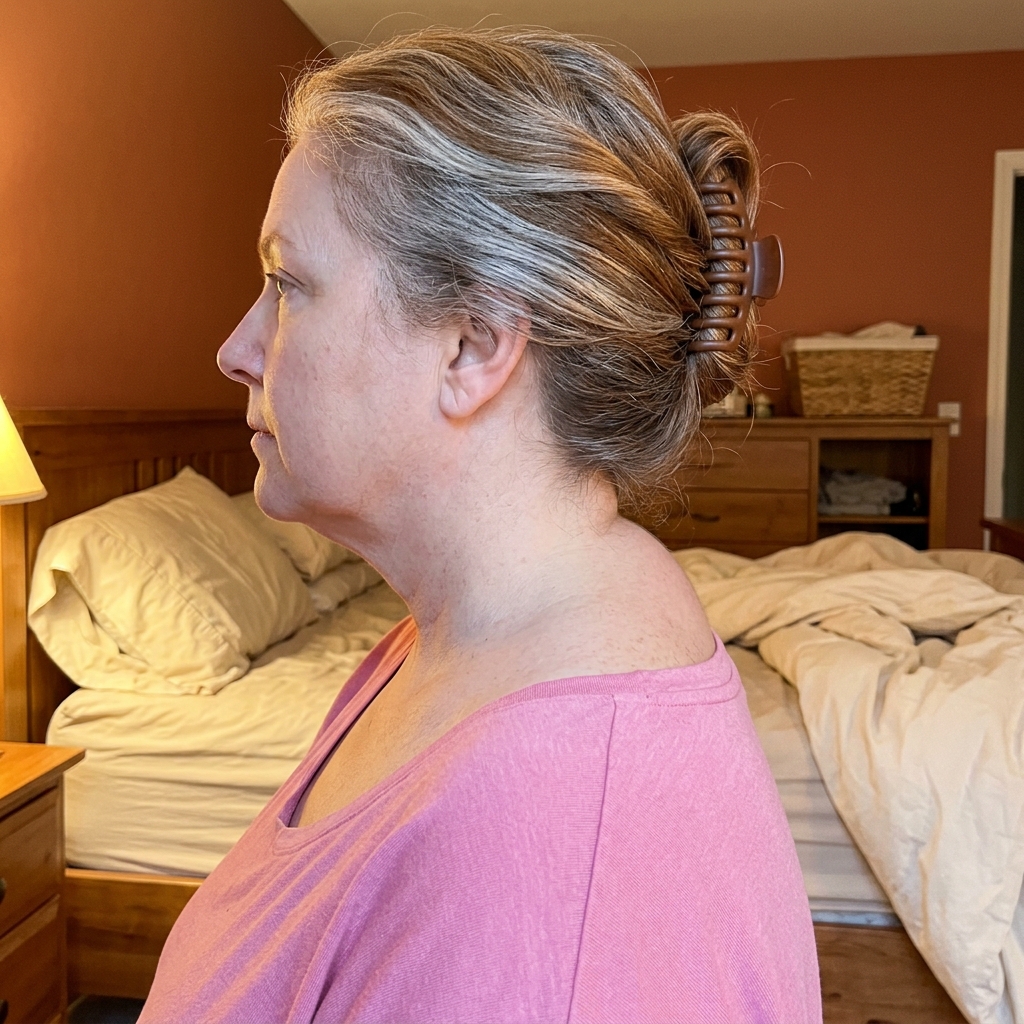
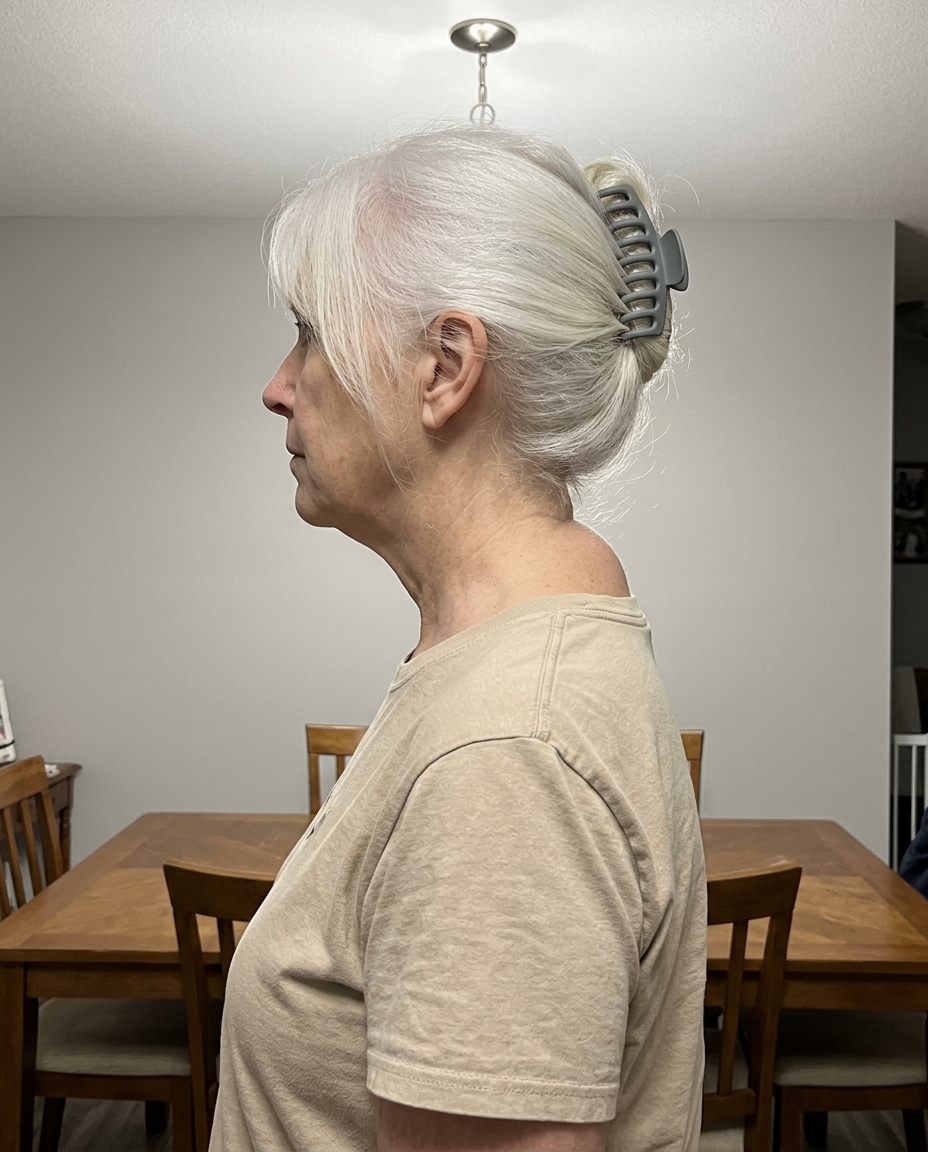
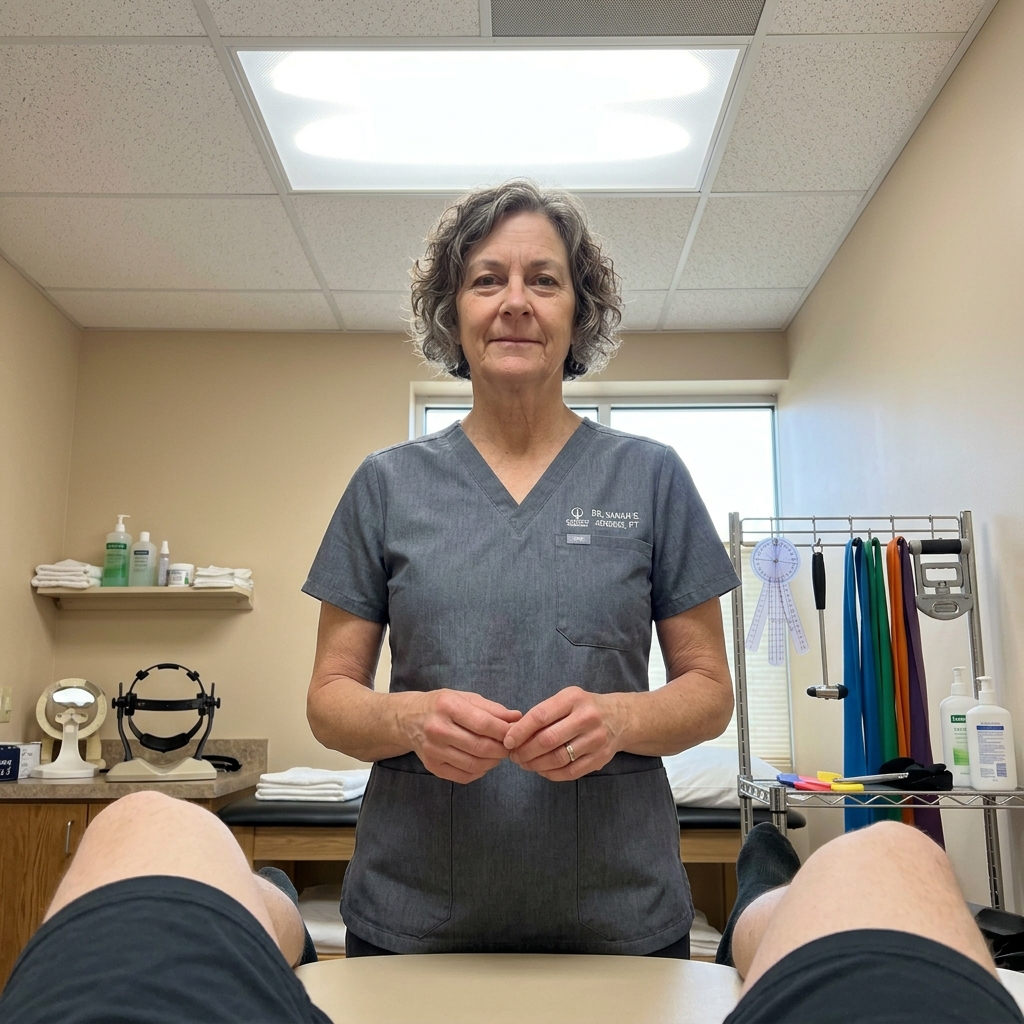
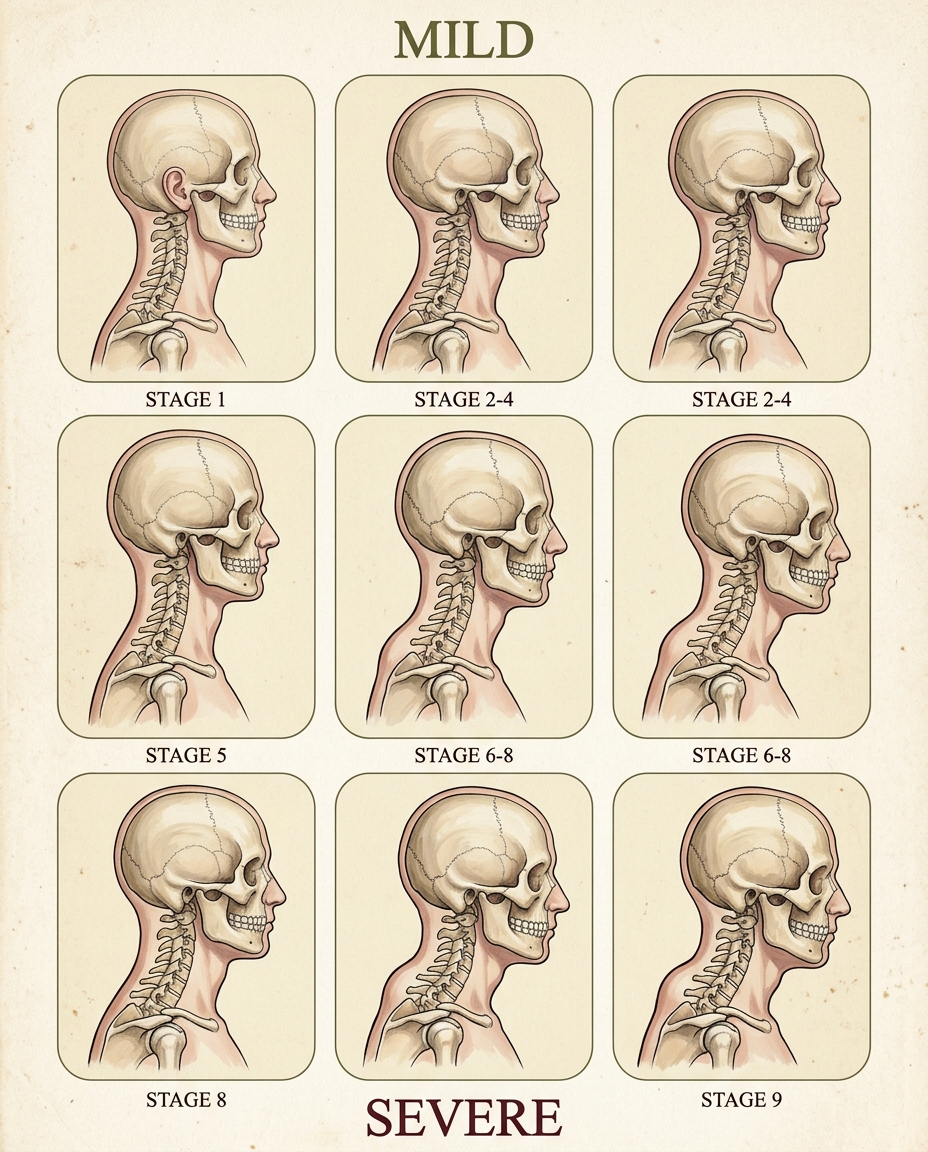
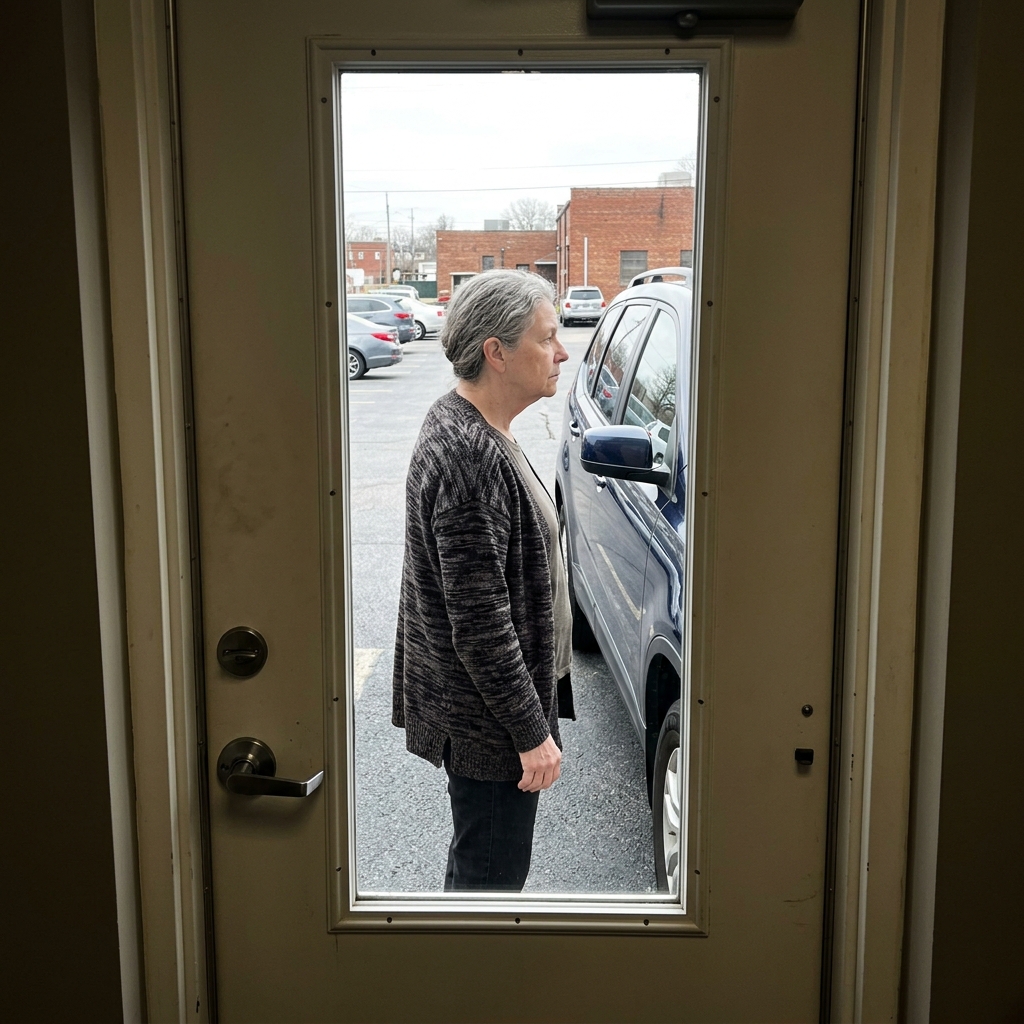
I watched a patient slip out of the clinic between her two morning sessions and stand at a car window in the car park, checking her own cervical profile in the reflection. I flagged her to our practice coordinator, certain the tissue measurements from her morning session had to be equipment error — because what I was seeing outside made no sense given the numbers on her chart. Her tissue measurement came back at 1.8cm. I'm Linda Marsh. Fifteen years now as a manual therapist. I've watched tissue progression build in real time. I've seen cervical contractures lock so deep that nothing standard ever shifts them. I've sat with patients through escalated protocols and watched the measurements climb anyway. So when this woman — assessed that morning at a forward head translation of 3.1cm, attending her third consecutive daily intensive session — slipped out between appointments, crossed the car park, and stood at the passenger window of a silver sedan looking at her own cervical profile from the side, I followed her back inside ready to document a protocol compliance concern. "You're between sessions. You shouldn't be out there." She looked at me and said, "I know. But look." She turned sideways in the clinic hallway mirror. And she just stood there. Looking. Without calculating. Without the micro-positioning adjustments I'd been watching her make every time she passed a reflective surface since she first walked through our door. An hour later I ran her full assessment again at the end of the morning block. 1.8cm. Steady. I looked at the meter. Then her chart. Then her admission measurements from three days before. None of it added up. I documented it for the practice coordinator. Said the assessment equipment needed calibration — because a 1.3cm reduction in three days wasn't something standard management produced. They sent our senior therapist around an hour later to run an independent assessment. 1.8cm again. Same patient. Same chart. Same impossible numbers. Our senior therapist sat down with her that afternoon and asked: "What are you using between sessions that isn't on your protocol?" The patient reached into her bag and pulled out a small precision tool. Two foam nodes. Said her sister had brought it the evening after her first session. Her sister's physiotherapist had mentioned it quietly, after our clinic had declined to fast-track her onto the escalated management list. Three inputs. Delivered simultaneously. Every night before sleep. Called Cevera. Our senior therapist carried the tool to the assessment station. I watched her pull the mechanism documentation up on the screen and read through the cervical biomechanics research for a solid 20 minutes. When she came back, she sat down and walked us through what was going on. "There's more than one layer to cervical tissue progression. There are two. The tissue you can see and measure at the surface, and the dormant release mechanism locked underneath it at C1-C2. Every session she's had mobilises the joint above the mechanism, but it never touches what's locked below it." "A cervical pillow can't fix a dormant release mechanism. It's surface-level — all it does is support the position sitting on top of the lock." I stood in the doorway listening. In 15 years of manual therapy, it was the clearest explanation of stuck cervical progression I'd ever heard. She kept going: "Picture her release mechanism like a valve that's been shut for years. Sessions mobilise the joint above the valve, but the valve stays locked. The tissue above keeps building — more sessions, more frequency — hoping the valve finally opens. It won't. The mechanism below is still locked in place." "This doesn't add more mobilisation above. It opens the valve directly." I drove home that night and couldn't sleep. My own morning calculation had been stuck at 25 minutes for over a year. My forward head translation sat at 2.9cm. Our senior therapist had suggested I consider the escalated protocol, but I'd seen what that looked like from the practitioner side — patients attending twice weekly for years with tissue that kept building anyway. I'd tried everything in our standard toolkit. Foam roller, twice daily. Cervical pillow, every night. Posture brace, six hours daily. Three different traction devices. Nothing shifted the deep mechanism more than a session or two of temporary relief. And here was a patient assessed at 3.1cm that morning, standing at a car window in the car park between sessions, looking at a cervical line that had dropped to 1.8cm. At 2:47 AM, still wide awake, I started digging. The two-layer cervical trap. The reason standard management keeps failing on established tissue progression. Not the surface tissue you can measure — a locked release mechanism that's been cemented at the base of the skull for years, with the suboccipital muscles buried under continuous contraction, unable to fire the release signal. The first thing I came across was on cervical contracture dormancy — how years of accumulated forward load gradually depletes the suboccipital muscles' ability to fire the release signal until the mechanism goes completely quiet. The second was on direct C1-C2 input — how exact placement at the suboccipital address actually reaches the locked muscles rather than the joint above them. The third was a paper on gravity-assisted sustained delivery and threshold hold duration — those buried release muscles finally receiving the sustained input they need to fire the signal again. I kept reading. The mechanism lined up exactly with what our senior therapist had explained. The morning calculation that brings no lasting improvement isn't only about accumulated load. It's a release mechanism that's been locked at the base of the skull for years, held in place by chronic contracture, with the signal pathway buried beneath it and unable to fire. A management session mobilises the joint above the locked mechanism. It produces real temporary improvement. But it never opens the valve. It eases the joint while the mechanism re-engages below. Cevera does something different. Its three simultaneous inputs land directly at the C1-C2 suboccipital address — not above it, not approximated — and unlock the release mechanism the way a key opens a valve. They reach the mechanism at the base, not the tissue on top. But opening it isn't the whole job. The suboccipital muscles are also depleted from years of continuous contraction — and that's where the sustained gravity-assisted delivery comes in. Your own head weight provides the consistent, unvarying force those muscles require. Not a practitioner's hand that fatigues and varies in pressure. Consistent delivery means the input accumulates rather than resetting. Then there's the ten-minute hold, which gives the release mechanism enough continuous input to complete the signal rather than just begin it. And the exact C1-C2 placement, which ensures the input reaches the locked muscles rather than the tissue above them. The valve finally opens. The release signal fires. Your cervical structure finishes the job it had been straining to do for years. The mechanism is finally restored. The system works again. And here's the part that matters most — why exact placement and not standard tools. Use a broad pressure ball and it spreads across the thoracic spine and mid-cervical region, approximates the suboccipital address, and only whatever input survives that imprecision ever reaches C1-C2. Most of it never arrives at the right address. That's exactly why the standard tools did nothing for me. The input never showed up where it needed to. The right delivery is exact C1-C2 placement that stays at the locked mechanism — not a broad tool that approximates the address from a distance. I ordered Cevera that morning. Week 1, the morning awareness eased. I'd carried a background calculation for years and attributed it to occupational habit. The first thing I noticed wasn't a measurement. It was that I stopped running the angle check between waking up and reaching for my clothes. Easier, quieter mornings. That evening I lay down without running through the positioning routine. I woke at 6:45. I hadn't recalculated once through the night. No 3 AM wardrobe review. No positioning thoughts fighting for priority before sleep. I slept through to morning for the first time in 14 months. Week 2, it happened. At the morning mirror, I looked at my cervical profile without immediately running the calculation. The tissue at the cervicothoracal junction was visibly different — less prominent than the week before. I just stood there noticing it. The Release, our senior therapist had called it — the locked mechanism finally opening. I ran the assessment three mornings straight because I couldn't quite believe it. Week 3, my 25-minute morning calculation dropped to six. I stopped running the angle check before entering rooms. I walked into the clinic each morning without positioning at the entrance mirror. Week 6, my morning routine was down to two checks and a coffee. I hadn't reached for my posture management tools before a client session in three weeks. Week 10, my assessment came back. Forward head translation at 1.8cm. Down from 2.9cm. Our senior therapist looked at it. Ran another measurement. Same result. "Your translation is consistently down 1.1cm." "Yes." "Your morning calculation is gone. You're moving through the clinic without positioning." "Yes." She looked up at me. "What did you do?" "A precision home tool. Two foam nodes at exact C1-C2 placement. Gravity-assisted delivery through my own head weight. Ten-minute hold before bed. There are studies. I brought them." I handed her a folder with six published cervical biomechanics papers. She paged through them. Read for five minutes. Closed the folder. "Your tissue index is down. Your cervical alignment has measurably improved." I nodded. "Whatever you're doing — keep doing it." That patient I reported? I ran into her at her six-month follow-up. "I flagged you to the coordinator because I was sure the measurements had to be wrong." She smiled. "I know. But my translation is at 1.6cm now. I haven't needed to escalate since. I get dressed in four minutes. And I still work at a desk eight hours a day." Her mechanism wasn't permanently dormant. It just needed the right input. I've recommended Cevera to six patients since. Every one of them has come back and told me the same thing. A quieter morning calculation in the first week. Tissue visibly changing inside two. Their morning routine halved by week three. Appearing in photographs without stepping back within the first couple of months. One patient broke down when she told me she'd stood in the front row of a family photograph for the first time in two years. Another patient's translation went from 3.2cm to 2.1cm in three months. Her specialist told her to keep using whatever it was. But here's what I really need you to understand. Most of what gets sold for this flat-out fails. I tried the standard tools first myself. Generic pressure balls. My morning calculation barely moved. Here's why most of it doesn't work. It addresses the wrong address. A broad pressure ball compresses the thoracic spine or mid-cervical region and only whatever input survives that imprecision ever reaches C1-C2. Most never arrives at the locked mechanism. You can't fix a suboccipital release mechanism by addressing the tissue above it. It only reaches the surface. Standard cervical pillows support the position sitting on top of the contracture and slide right off the locked mechanism below. They're addressing the layer that was never the root cause. It isn't held long enough. Most tools are designed for short-duration use. The release mechanism requires eight to ten minutes minimum. A two-minute hold starts the signal but never completes it. The tool that actually worked — the one that patient had, the one I switched to — is Cevera. Three simultaneous inputs. Exact C1-C2 anatomical placement to reach the locked mechanism directly. Gravity-assisted sustained delivery through your own head weight to provide the consistent unvarying force. Ten-minute protocol to accumulate the threshold input required to complete the release signal. The only tool delivering all three simultaneously at the exact suboccipital address. Third-party documented mechanism specifications. Precision-engineered. Every specification published. The difference between that first generic and Cevera was the difference between my morning calculation dropping a few minutes and dropping from 25 minutes to 5. Same idea. Completely different outcome. If you're done with assessments showing continued progression while you keep attending sessions that don't hold, try Cevera risk-free. They run a 90-day money-back guarantee. No questions asked. If you don't notice the morning calculation shortening, if your tissue doesn't visibly change, if you don't appear in a single photograph without stepping back — you pay nothing. But when that locked mechanism finally opens — when you're not dreading the next assessment, when you're standing at the front of a photograph again — you'll see why manual therapists quietly recommend this to the patients they care most about. Your mechanism isn't permanently dormant. It just needs the right input. Use it for ten minutes before bed. Most people notice a quieter morning calculation within three to seven days. Tissue visibly changing around week two. The morning routine shrinking between weeks two and four. Full results — getting dressed without calculating, the tissue reduction, the cervical line that finally looks like you — at eight to twelve weeks. They sell out. Small company, and stock keeps going. If you click through and see limited availability, get on the notification list. If it's in stock, order now. There's a promotion running right now. 90-day money-back guarantee. Free shipping. If you're living with: A morning calculation that's turned into twenty-five minutes before you can start your day. A cervical line that won't shift no matter how consistently you attend. Stepping back from photographs automatically. A wardrobe that's reorganised itself around high collars and structured layers. Sessions that hold for a day and re-engage by the next morning. The quiet sense that the tissue is permanently part of who you are now. Try this. Give it 90 days. See what changes at the mirror. See how you stand at the next family event. If it doesn't work, you get your money back. But if it works the way it worked for me, for the patient I followed back inside from the car park, for the six patients I've sent this way... You'll wonder why you didn't try it sooner. I went from a 25-minute morning calculation to five. From tissue that wouldn't shift to a measurement I didn't believe when I first saw it. From stepping back at every mirror to standing still in front of one. That patient went from a 3.1cm translation to 1.6cm — and she still works at a desk eight hours a day. Your mechanism isn't broken forever. It just needs the right input. Tap below and try Cevera while it's still available. 👉 https://trycevera.com/pages/adv-womens-wellness-report ~ Linda Marsh, PT, Manual Therapist, 15 years
I Reported A Patient For Sneaking Out To Check Her Reflection. Then I Saw Her Tissue Measurement 😳
She'd left between sessions to check her cervical line in a car window outside. I was certain the measurements had to be wrong. They came back 1.8cm. Down from 3.1cm three days before. I went home and couldn't sleep.
LEARN MORELike this ad? Make it yours.
Crush rebuilds this exact creative around your product — your brand, your colors, your offer — in about a minute.