Tom Richmond
Tom Richmond Facebook ad: “Raise a Kid Who Can Handle Life”

Ran for 33 days, from September 4 to October 7, 2026, the last day Crush saw it.
Run by Tom Richmond on Facebook. Crush is not the advertiser and does not verify its claims. See this ad in Meta's Ad Library(opens in a new tab)
Want an ad like this for your product?
Crush makes new ad images for your product from this ad: your logo, your product photo, your offer.
Trials from $19.95 USD, then $79.95 USD a month. Cancel anytime.
About this ad
- Meta Ad Library ID
- 1018089451287972
- Platforms
- Facebook and Instagram
- Relaunches
- 0
- Niche
- Parenting & Kids
Ad text
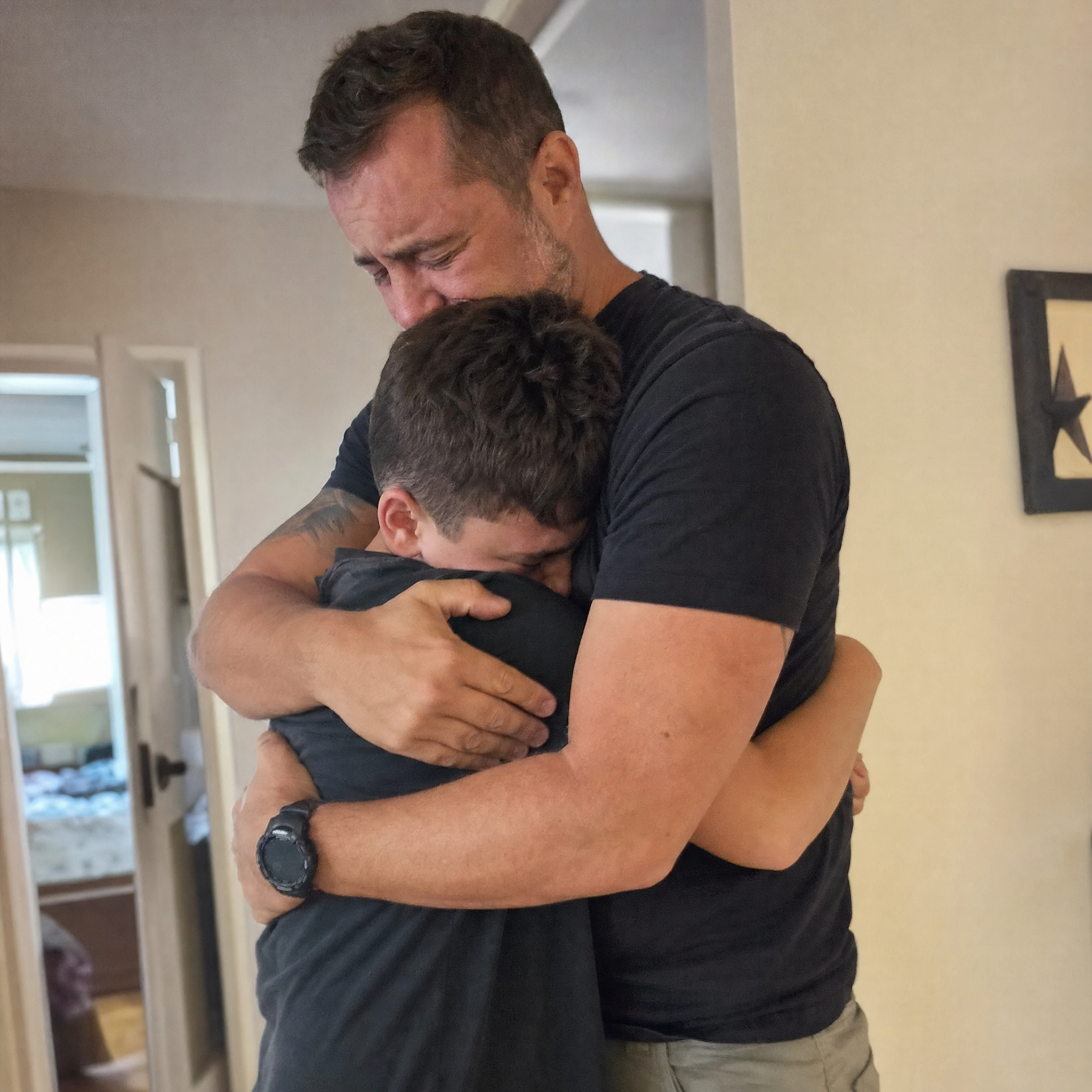
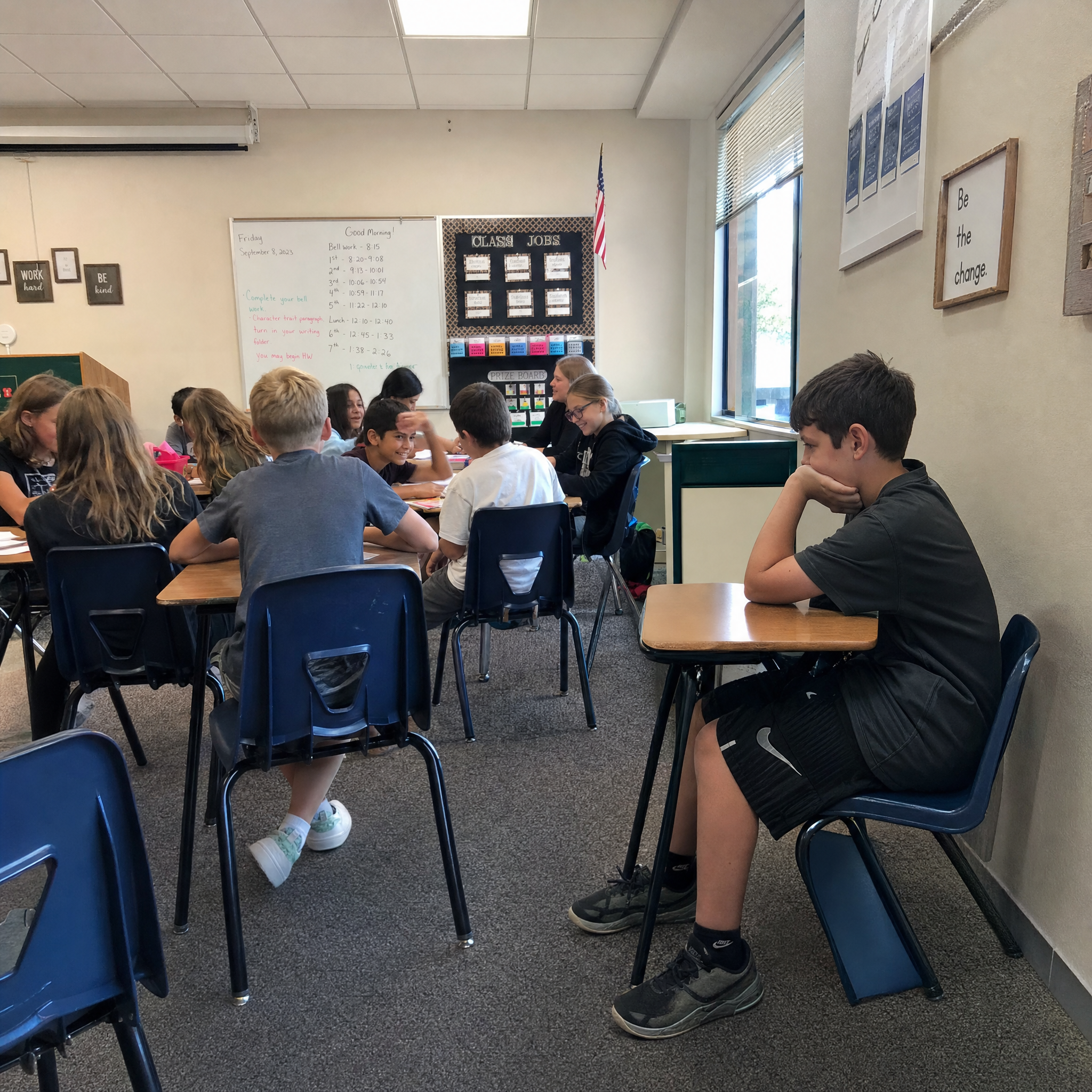
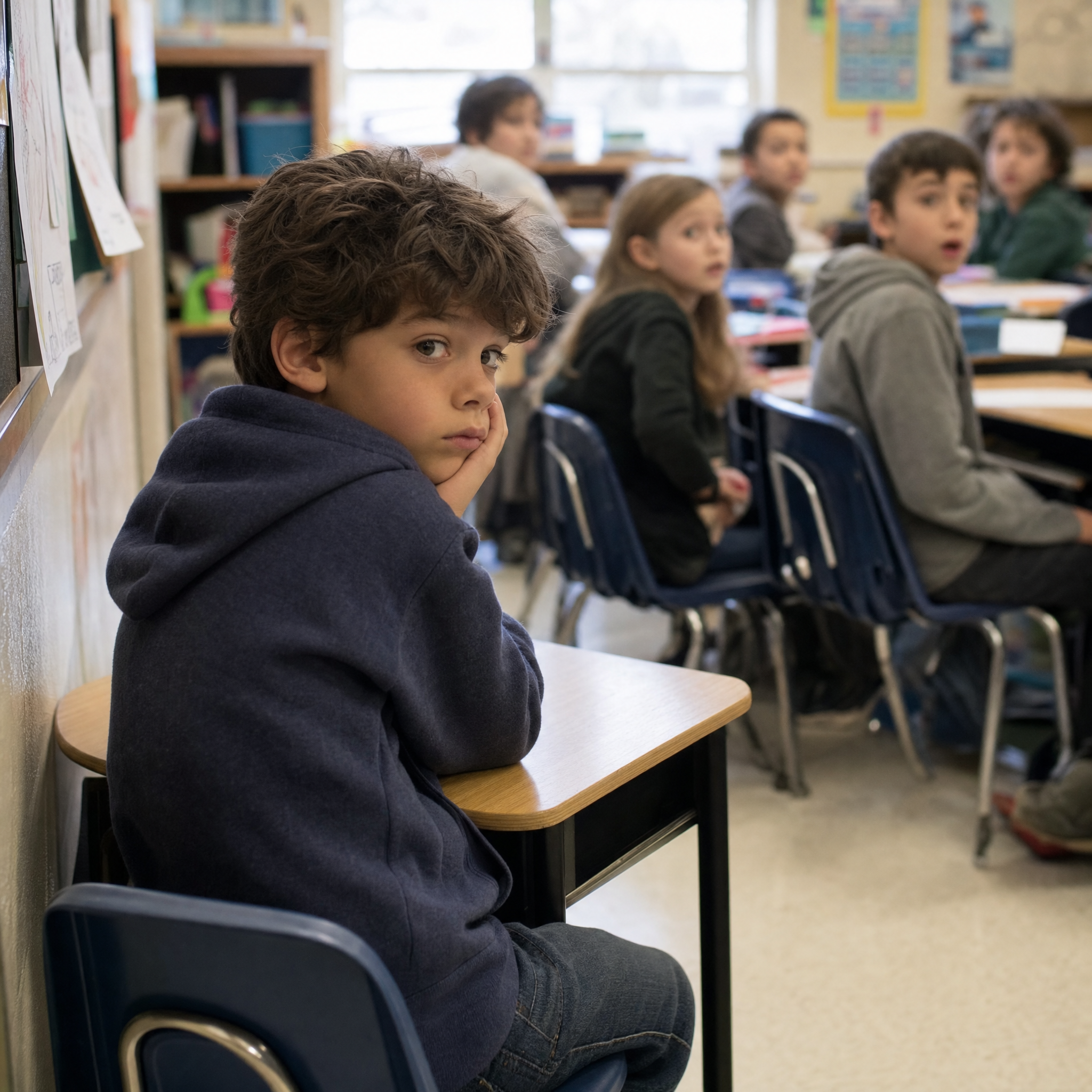
I'm a single dad. Last Tuesday I found out my 11-year-old autistic son had been getting bullied every single day since September. The school knew. Nobody called me. Nine months. He was getting destroyed every single day for nine months. And I had no idea. My name is Marcus. I'm a single dad. My son Ethan is eleven. He's autistic. High-functioning, they call it. Which basically means he looks normal enough that people forget he's wiring the world completely differently than they are. I thought I was doing everything right. Good school. Meetings in place. Occupational therapy twice a week. I read every book. Joined every support group. I learned his triggers. His sensory needs. His routines. I became an expert on my son. But I missed it. For nine straight months. Ethan stopped asking to go to the park. He used to beg every weekend. Then suddenly... nothing. I thought: "Good. He's managing his social battery better." He started wearing the same shirts every day. Even when they were dirty. Even in summer. I thought: "Comfort item. Sensory thing. Totally normal for him." He'd come home from school and go straight to his room. No snack. No decompression time. Just straight upstairs. Door closed. I thought: "He needs alone time. That's how he regulates." Every Sunday night, meltdown. Screaming. Crying. Throwing things. Every Monday morning, he'd go nonverbal. Wouldn't get dressed. Wouldn't eat. Just rocked back and forth. I thought: "Transition anxiety. School is hard for autistic kids." Nine months of signs screaming at me. And I explained every single one away. Because with an autistic child, everything looks like a sensory issue. Everything looks like regulation. Everything looks like just another autism thing. Until it's not. Last Tuesday changed everything. School called at 10 AM. Ethan had locked himself in the sensory room. Wouldn't come out. Wouldn't speak. When I got there, they'd already called the crisis team. Two administrators. The school psychologist. His case manager. All standing outside the door. Talking about him like he wasn't even there. "He's probably just overstimulated." "Autistic kids do this sometimes." "We've tried everything." I pushed past them. Opened the door. Ethan was in the corner. Hands over his ears. Rocking. Not crying. Just... gone. I sat down next to him. Didn't touch him. Didn't talk. Just sat there. After maybe ten minutes, he looked at me. And he said something that shattered me: "Dad, why do they hate me?" My stomach dropped. "Who hates you, buddy?" "Everyone. The kids in my class. They laugh at me. They take my stuff. They make videos of me when I'm stimming and post them." He started rocking faster. "They call me 'the weirdo.' They say I talk like a robot. They push me in the hallway and then say it was an accident." "Ethan... how long has this been happening?" He looked at his hands. "Since September." It was May. Nine months. "Why didn't you tell me?" "Because you'd just call a meeting. And then the teachers would talk to them. And then it would get worse." He looked at me with these hollow eyes. "Dad, every time you try to help, it gets worse." That night I couldn't sleep. I kept thinking about every meeting I'd had with the school. Every time I advocated. Every time I pushed for accommodations. Every time I thought I was helping. And I realized something horrible: Ethan was right. The school system is designed for neurotypical kids. When a neurotypical kid gets bullied, there's a playbook. Talk to the teacher. Document incidents. Hold a mediation. But for an autistic kid? That playbook makes everything worse. Because autistic kids can't always articulate what happened. They can't read social cues to know they're being set up. They can't tell the difference between teasing and cruelty until it's too late. And when you force a mediation? You're asking an autistic child to sit in a room with their tormentors. Make eye contact. Explain their feelings. Advocate for themselves. Everything that's already impossible for them. So the bullies learn exactly what hurts. And do it more carefully next time. Wednesday morning I called an emergency meeting. Demanded answers. How did nobody notice this for nine months? The principal said: "Mr. Harrison, we have 600 students. We can't monitor every interaction." The counselor said: "Ethan never reported anything to us." His teacher said: "He seemed fine in class." I said: "He locked himself in the sensory room yesterday and went nonverbal." Silence. Then the school psychologist said something I'll never forget: "Mr. Harrison, have you considered that Ethan might just be struggling with the social demands of middle school? Many autistic students do better in alternative settings." She was suggesting I pull him out. Not fix the problem. Just remove my son. Make him someone else's problem. I looked around that table. Six adults. All paid to protect children. And not one of them had a real solution. I walked out. That weekend I didn't know what to do. I couldn't pull Ethan out of school. I'm a single dad. I work full time. I can't homeschool him. I can't afford private school. I can't quit my job. But I also couldn't send him back to that place. Sunday afternoon I called my brother Jake. He's a special education teacher. Fifteen years working with autistic kids. I told him everything. He was quiet for a long time. Then he said: "Marcus, the school can't fix this." "What do you mean they can't fix it?" "Because they're trying to fix the environment. But the environment isn't the problem." Silence. "The problem is Ethan doesn't understand how social games work." "He's autistic, Jake. Of course he doesn't—" "No. Listen. Neurotypical kids learn social dynamics by osmosis. They just absorb it. But autistic kids need it spelled out." He paused. "Ethan doesn't know why kids bully. He thinks they hate him. But they don't hate him. They're testing who reacts. And he reacts every time." "So what am I supposed to do? Send him to social skills therapy?" "Marcus, he's been in social skills groups for three years. Can he make eye contact now?" "Sometimes." "Can he read sarcasm?" "No." "Can he tell when someone's lying to him?" "Not really." "Then it's not working. Because social skills therapy teaches surface-level stuff. But it doesn't teach him how people actually think." He paused. "What Ethan needs is a manual. Like... an instruction guide for how neurotypical social dynamics work." "Does that exist?" "Yeah. My kids use it. It's called Raise Children Street Smart." "A book?" "It's a comic book. Nearly 100 scenarios. Shows exactly why people do what they do. What they're testing for. How to respond without escalating." He paused. "Marcus, autistic kids need everything explicit. This book makes it explicit. No subtext. No hidden social rules. Just clear explanations." "Jake, he's eleven. He's not going to read a—" "It's a comic. He'll read it. My students with autism read it faster than my neurotypical kids. Because it finally makes sense to them." I ordered it that night. When it arrived, I didn't make a big deal. Just left it on the coffee table. Next to his favorite sensory toy. Saturday morning, Ethan came downstairs. Saw it. Picked it up. Flipped through a few pages. Put it down. I didn't say anything. Two hours later, he was still reading. By Sunday night, he'd finished half of it. Monday after school, something changed. He came home. Didn't go straight to his room. Sat down at the table. And said, completely matter-of-fact: "Dad, I figured something out." "Yeah?" "The kids at school don't actually hate me. They're just testing to see who gets upset. And I always get upset. So they keep doing it." I stared at my son. "Where'd you learn that?" He held up the book. "It's in chapter twelve. It explains why bullies pick certain people. It's not because you're weird. It's because you react." He paused. "I've been reacting this whole time." Week two. Ethan came home and told me what happened at lunch. A kid knocked his tray over. On purpose. Everyone laughed. Waited for Ethan to have a meltdown. But this time, Ethan didn't react. He just looked at the kid. Said: "Okay." And walked away. The kid stood there. Confused. Then walked away. Ethan said: "Dad, he looked bored." "Like the game wasn't fun anymore." I wanted to cry. Week four. I got an email from Ethan's teacher. Unsolicited. She said Ethan seemed more confident lately. Was participating more in class. Seemed happier. "I don't know what changed at home, but keep doing it." I hadn't told her anything. She just noticed. Week six. Ethan asked if his friend Noah could come over. First time in six months he'd mentioned a friend's name. Noah came over that Friday. They played Minecraft. Laughed. Normal eleven-year-old stuff. I stood in the kitchen listening to my son laugh. And I realized something. I didn't save him. The school didn't save him. A comic book gave him what nine months of meetings couldn't. It taught him how neurotypical social dynamics work. Not in therapy-speak. Not in vague "use your words" advice. In clear, explicit, step-by-step explanations. Why people test each other. What they're looking for. How to respond without looking weak. Here's what the book actually does: It's not social skills training. It's not a feelings workbook. It's 100 chapters. Each one shows a real scenario. Someone excludes you at lunch. What do you do? Someone makes fun of how you talk. What do you say? Someone posts a video of you online. How do you respond? And it explains why people do these things. Not in abstract terms. In literal, concrete language autistic kids can actually process. Ethan read it in one week. Then read it again. Now he references it like a manual. "Chapter 34 says when someone tries to embarrass you in public, you don't react. You just act like you didn't notice." "Chapter 58 says fake friends test you by leaving you out. If you chase them, they know you're desperate." He's not masking. He's not pretending to be neurotypical. He's just finally understanding the rules of a game nobody ever explained to him. Last week something happened that broke me. We were at the park. A kid from Ethan's class walked by. Saw Ethan. Said something under his breath to his friend. They both laughed. I waited for Ethan to shut down. To go nonverbal. To have a meltdown. Instead, he just looked at me and said: "Dad, that's Connor. He used to mess with me every day." "Does he still?" "No. He got bored like three weeks ago." Ethan went back to his book. Like it was nothing. Like Connor was just background noise. I sat there stunned. Because three months ago, Connor was the reason Ethan locked himself in the sensory room. Now Connor was irrelevant. Here's what I need you to understand: If your autistic child has stopped talking at dinner... If they're having more meltdowns than usual... If Sunday nights are suddenly impossible... If they're refusing to go to school... They're not just "struggling with transitions." They're not just "having a hard time with social demands." They're being destroyed by kids who know exactly how to exploit their differences. And the school can't protect them. Meetings don't stop hallway shoves. Accommodations don't prevent group chat screenshots. Social skills groups don't teach your child how to read a room before it turns dangerous. But this book does. It gives autistic kids what neurotypical kids learn by instinct. A clear explanation of why people do what they do. And exactly what to do about it. Ethan still has hard days. But he doesn't hide anymore. He doesn't go nonverbal when someone's mean. He doesn't think they hate him. He understands the game. And once you understand the game, it stops being scary. Last night at dinner, Ethan said something I never expected. "Dad, I'm glad I'm autistic." I looked up. "Yeah?" "Yeah. Because now I understand how people work better than most kids. I just had to learn it differently." He paused. "I think that makes me smarter than them." I wanted to cry. Not because I was sad. Because for the first time in nine months, my son felt powerful. If you're a single parent... If your child is autistic or neurodivergent... If the school keeps having meetings but nothing changes... If you feel like you're failing because you can't fix this... You're not failing. The system is failing you. But you can fix it at home. Before middle school ends. Before your child stops trusting you completely. Before they believe the lie that something's wrong with them. Ethan is eleven. He has seven years before he's an adult. Seven years to practice what he's learned. Seven years to build the confidence that will carry him through high school, college, life. I almost pulled him out of school. I almost gave up. A comic book taught him what nine months of Meetings couldn't. How to survive a world designed for neurotypical kids. Click the link below. Read about how it works. See if it's right for your child. It might save them years of pain. And it might save you from watching your child disappear. Like I almost did. 👉 https://wonderfulbookclub.com/pages/bully-proof-listicle
Where the ad sends people
wonderfulbookclub.com
Raise a Kid Who Can Handle Life
The real world doesn't come with a warning. This book does.
Shop now: wonderfulbookclub.com(opens in a new tab)