Tom Richmond
Tom Richmond Facebook ad: “Raise a Kid Who Can Handle Life”
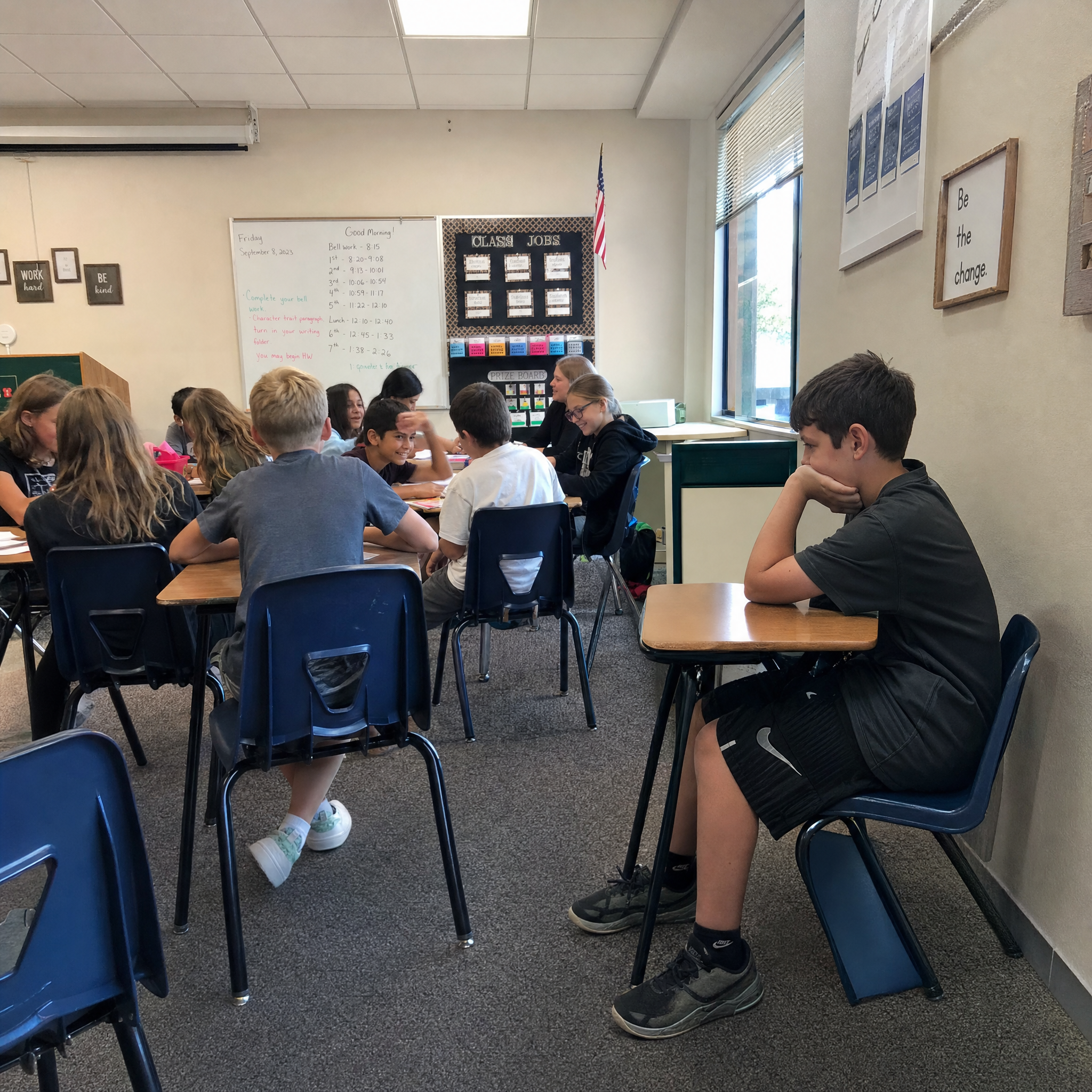
Ran for 37 days, from July 29 to September 4, 2026, the last day Crush saw it.
Run by Tom Richmond on Facebook. Crush is not the advertiser and does not verify its claims. See this ad in Meta's Ad Library(opens in a new tab)
Want an ad like this for your product?
Crush makes new ad images for your product from this ad: your logo, your product photo, your offer.
Trials from $19.95 USD, then $79.95 USD a month. Cancel anytime.
About this ad
- Meta Ad Library ID
- 1585386326374922
- Platforms
- Facebook, Instagram, Audience Network, Messenger, WhatsApp and Threads
- Relaunches
- 1
- Niche
- Parenting & Kids
Ad text
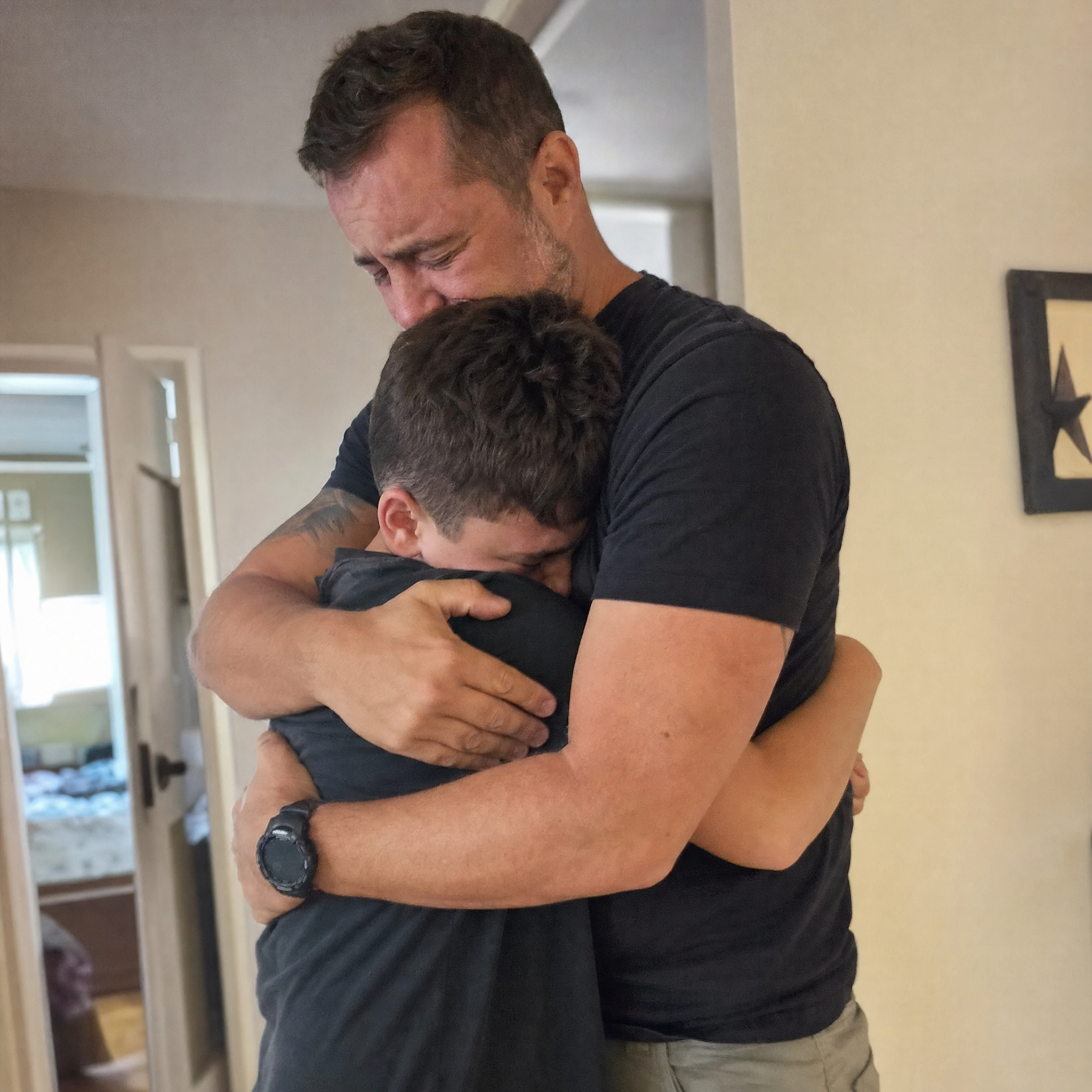
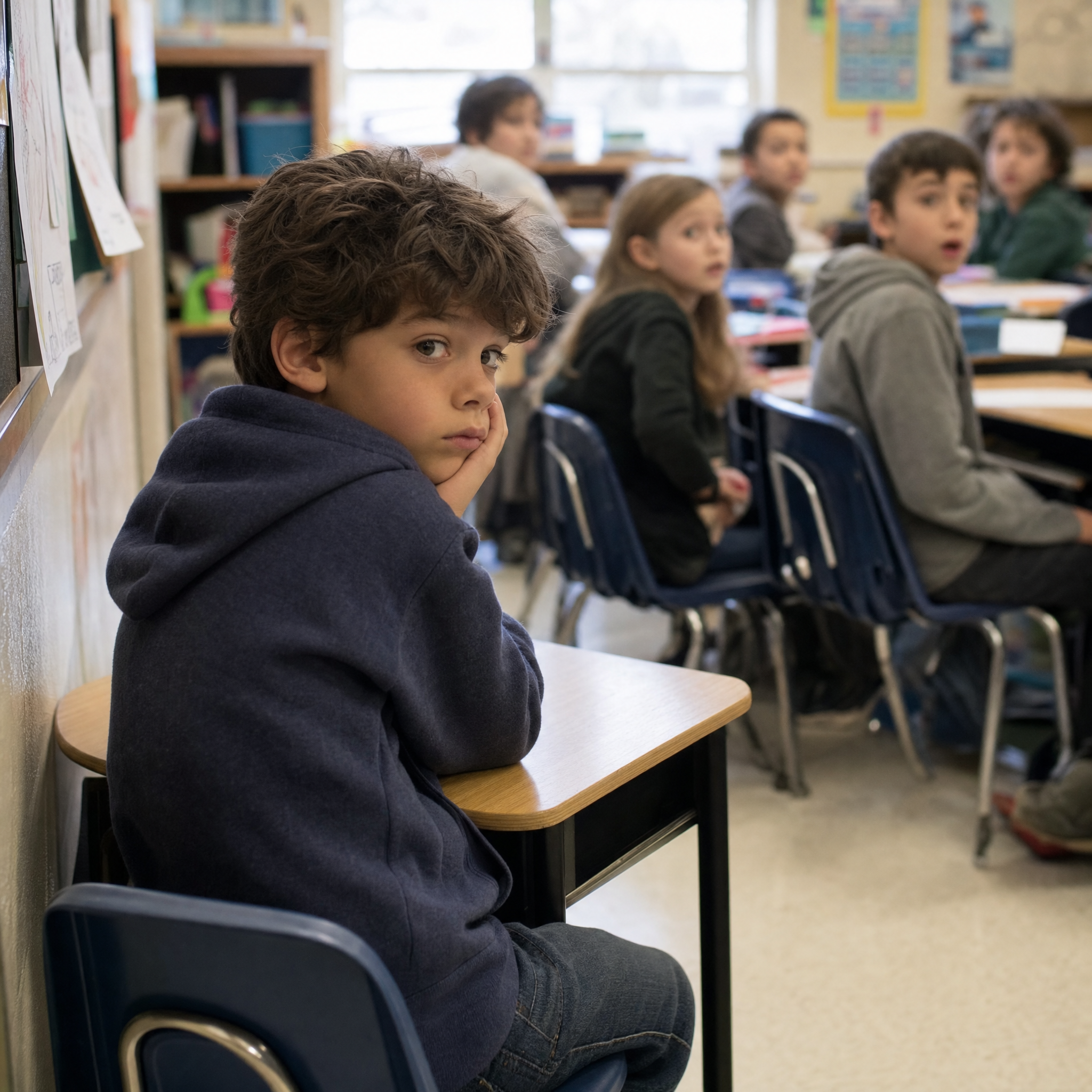
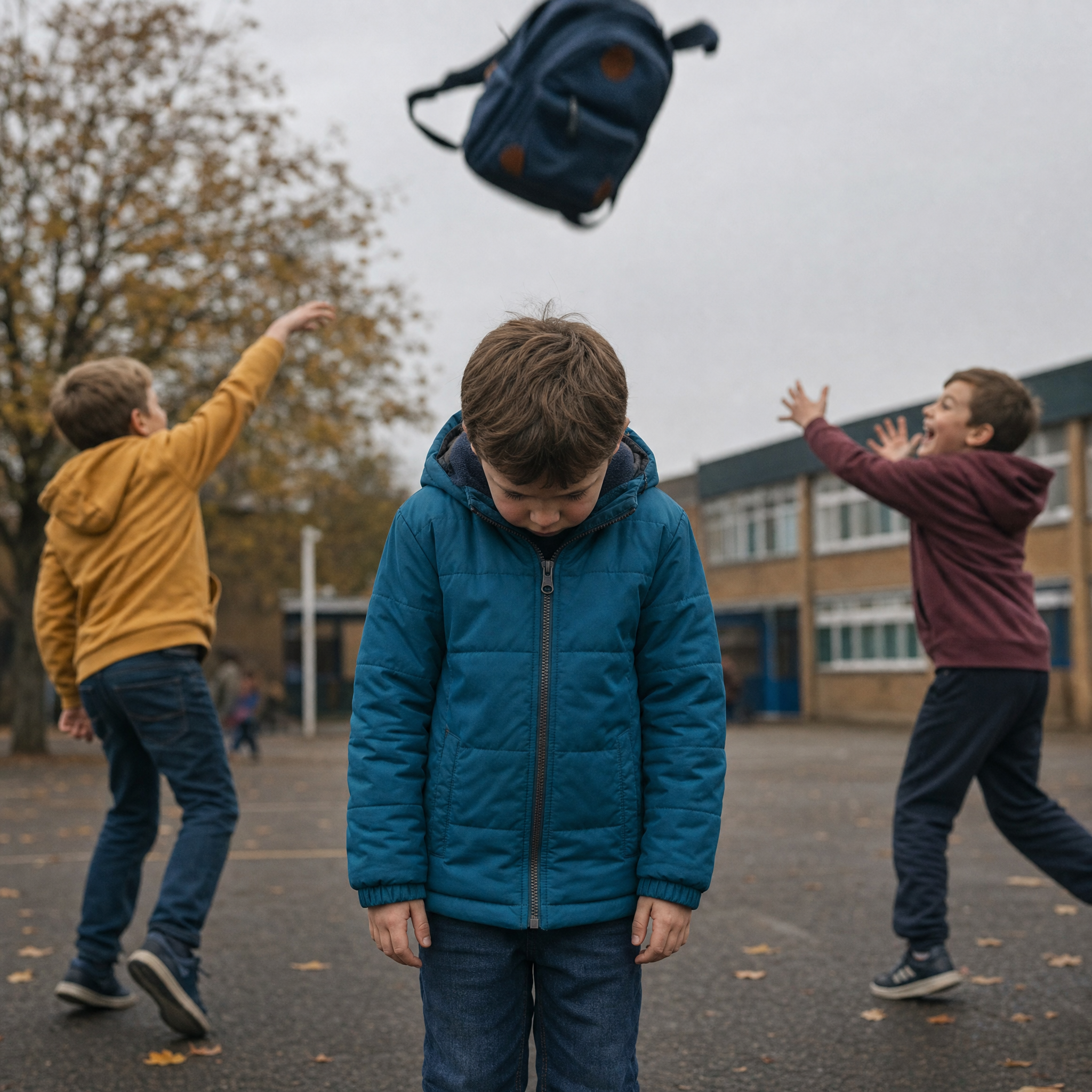
I quit my job of 15 years the week I found out my 9-year-old had been getting bullied EVERY day since last September. My son was getting bullied every day for nine months. And I had no idea. Nine months of daily torture. And he hid it from me perfectly. Because he thought if he told me, I'd make it worse. My name is David. I have two kids. Nathan is twelve. Emma is nine. I thought I was doing everything right. Good school in a safe neighborhood. Open communication. Family dinners every night where we actually talked. I asked about their day. I checked homework. I showed up to every game and concert. But I missed it. Completely missed it. For nine straight months. Nathan stopped asking if friends could come over. He used to beg for sleepovers every single weekend. Then suddenly… nothing. I thought: "Great, he's becoming more independent." He started wearing his hood up everywhere. Even indoors. At the dinner table. Watching TV on the couch. Always covering his face. I thought: "Pre-teen thing. He wants privacy." He'd come home from school and go straight to his room. No snack in the kitchen. No "how was your day." Just straight upstairs. Door closed. I thought: "He's tired. Long school day." Every Sunday night, stomach ache. Every Monday morning, a battle to get him out of bed. I thought: "He's lazy. Doesn't want to do homework." Nine months of signs screaming at me. And I explained every single one away. Because I didn't want to believe what was actually happening. Then last Tuesday, everything shattered. I came home early from work. Nathan didn't hear me come in. His door was cracked. He was on the phone with my sister. And I heard him say something that broke me: "I can't tell Dad. He'll just call the school and make it ten times worse." I stood there frozen. My sister asked: "How long has this been going on?" "Since September." It was May. Nine months. I waited until he hung up. Knocked on his door. Sat on his bed. And I asked him directly. He cried for twenty minutes before he could even talk. Then it all came out. The group chat where they ranked who smelled worst and put his name at the top. The kid who "accidentally" knocked his lunch tray every single day in the cafeteria. The game where they'd throw his backpack around the hallway while he chased it. The Instagram account someone made called "Nathan's Fails" with edited photos of him. Every single day. For nine months. And here's the part that destroyed me: I asked why he didn't tell me sooner. He said: "Because Dad, when parents get involved, it just makes you a bigger target." "The school can't do anything about group chats." "They can't stop people from bumping into you in the hallway." "And if you call someone's parents, then everyone knows you snitched, and it gets worse." He was twelve years old. And he'd already learned that the system designed to protect him… couldn't. I wanted to drive to that school right then. March into the principal's office. Call every single parent. But Nathan begged me not to. "Please, Dad. You'll make it worse. I'm serious." And the worst part? He was right. I'm not stupid. I know how this works. Schools have cameras in common areas, but bullying happens in blind spots. Teachers can't monitor bathroom conversations or group chats or "accidental" shoves between classes. Calling parents just makes your kid the snitch who got someone in trouble. The system can't protect them. And if I fight his battles for him, what happens when I'm not there? Middle school. High school. College. Life. I can't follow him around forever. So I was stuck. Do nothing and watch my son suffer? Or intervene and possibly make it worse? That night, I called my brother Mike. He's a school counselor. Fifteen years working with middle schoolers. I told him everything. He was quiet for a long time. Then he said: "The kids who survive middle school aren't the ones whose parents fight for them." "They're the ones who learn how to read a room." "How to respond without looking weak." "How to protect themselves without needing an adult." I said: "So what am I supposed to do? Send him to therapy? Get him into martial arts?" He laughed. "David, therapy teaches him how to process emotions after the damage is done." "Martial arts might help him physically defend himself, but that just gets him suspended." "What he needs is to understand how people work." "Why bullies pick certain targets." "What makes someone keep going or give up." "How to respond in a way that makes them lose interest." Then Mike said something I'll never forget: "Most parents spend thousands teaching their kids skills." "Piano lessons. Swim team. Coding classes." "But zero dollars teaching them how to read people." "Then we're shocked when they can't navigate social situations that could destroy them." He told me about this book. A comic book, actually. Called "Raise Children Street Smart." He said half the counselors in his district keep copies in their office. Not for therapy sessions. Just left on the table for kids to pick up. He said: "It teaches them what we can't. How people actually work. What drives behavior. How to spot manipulation. How to protect yourself without fighting." I ordered it that night. When it arrived, I didn't make a big deal about it. Didn't sit Nathan down for a serious conversation. Just left it on the kitchen counter. Next to his favorite snacks. Like it had always been there. Three days went by. Nothing. Then on Saturday morning, I came downstairs. He was at the table. Reading it. Eating cereal. Completely absorbed. I didn't say a word. Just made my coffee and left him alone. Two hours later, he was still reading. By Sunday night, he'd finished half of it. Monday after school, something changed. He came down for a snack. Didn't go straight to his room. He grabbed an apple and said, casually: "Dad, you know how some people are just mean for no reason?" I said: "Yeah?" He said: "It's not for no reason. They're testing to see who reacts." "If you react, they know they have power over you." "So they keep doing it." Then he just went upstairs. Like it was the most obvious thing in the world. But I sat there stunned. Because that's exactly what Mike had said. That's exactly what the book taught. And Nathan had just absorbed it. Without me lecturing him. Without therapy sessions. Without me fighting his battles. Week two. Nathan came home and told me what happened at lunch. The kid who always knocked his tray "accidentally" bumped into him. But this time, Nathan didn't chase him. Didn't yell. Just calmly picked up his backpack. Walked to another table. And sat down like nothing happened. The kid stood there for a second, confused. Then walked away. Nathan said: "He looked bored, Dad." "Like the game wasn't fun anymore." I wanted to cry. Week three. I got an email from his English teacher. Unsolicited. She said Nathan had been participating more in class. Seemed more confident. Was engaging with other students again. I hadn't told her anything. She just noticed. Week five. Nathan asked if his friend Ryan could sleep over. First time in four months he'd mentioned a friend's name. Ryan came over that Friday. They played video games. Laughed. Normal twelve-year-old stuff. Emma asked me later: "Why is Nathan happy again?" I didn't have a perfect answer. But I knew. That book gave him something I couldn't. It didn't teach him to fight back. It didn't teach him to "stand up to bullies" with some dramatic confrontation. It taught him how people work. Why they do what they do. And how to navigate it without getting destroyed. Here's what the book actually does: It's not a parenting book. It's not a workbook with exercises. It's a 100-chapter comic that kids actually want to read. Each chapter teaches one principle about human behavior. Why some kids get picked on and others don't. How to spot when someone's testing you. What to say when someone tries to embarrass you in front of others. How to read a room and know who's safe and who's not. The difference between respect and fear. When to walk away and when to stand your ground. How to make friends without looking desperate. It's everything we wish we could teach them. But explained in a way they'll actually absorb. Because it's not us lecturing them. It's not a therapist asking how they feel. It's a story. With characters they recognize. In situations they've lived through. And it works because kids finish it. Not because we force them to. But because it's actually engaging. Nathan read the whole thing in five days. Then read it again. Emma picked it up last week. She's nine. And she's already using it. She told me yesterday: "Dad, you know how some kids try to get you in trouble by doing something mean when the teacher's not looking?" "The book says if you react, you're the one who gets caught." "So now I just don't react." "And they stop." She's nine. And she already understands social dynamics better than I did at twenty-five. So here's what I need you to hear: If your kid has stopped inviting friends over... If they wear their hood up constantly... If they go straight to their room after school... If Sunday nights are suddenly filled with stomach aches... If they're quieter than they used to be... You're not imagining it. And they're not going to tell you. Because they think you'll make it worse. And depending on how you handle it, they might be right. The school can't protect them. Cameras don't catch hallway shoves or group chat screenshots or "accidental" lunch tray spills. Teachers can't monitor every interaction. Calling parents just makes your kid the snitch. You can't fight their battles forever. But you can give them the tools to fight their own. Before the damage becomes permanent. Before they stop trusting you completely. Before they spend the rest of middle school hiding. That's what this book does. It doesn't turn your kid into a fighter. It turns them into someone who understands the game. So they stop being an easy target. So they can protect themselves when you're not there. So they can walk through middle school without getting destroyed. Nathan still has hard days. But he comes home and talks now. He doesn't hide in his room. He doesn't wear his hood at dinner. And last week, he laughed at something Emma said. A real laugh. The kind I hadn't heard in nine months. If you think your kid might be going through this... Or if you just want to prepare them before it starts... Click the link below. Read more about how it works. See if it's right for your family. It might save your kid years of pain. And it might save you from realizing too late that you missed all the signs. Like I almost did. 👉 https://wonderfulbookclub.com/pages/bully-proof-listicle
Where the ad sends people
wonderfulbookclub.com
Raise a Kid Who Can Handle Life
The real world doesn't come with a warning. This book does.
Shop now: wonderfulbookclub.com(opens in a new tab)