
Active· since Jul 29, 2026
- 52
- days running
- 0
- relaunches
Ad copy
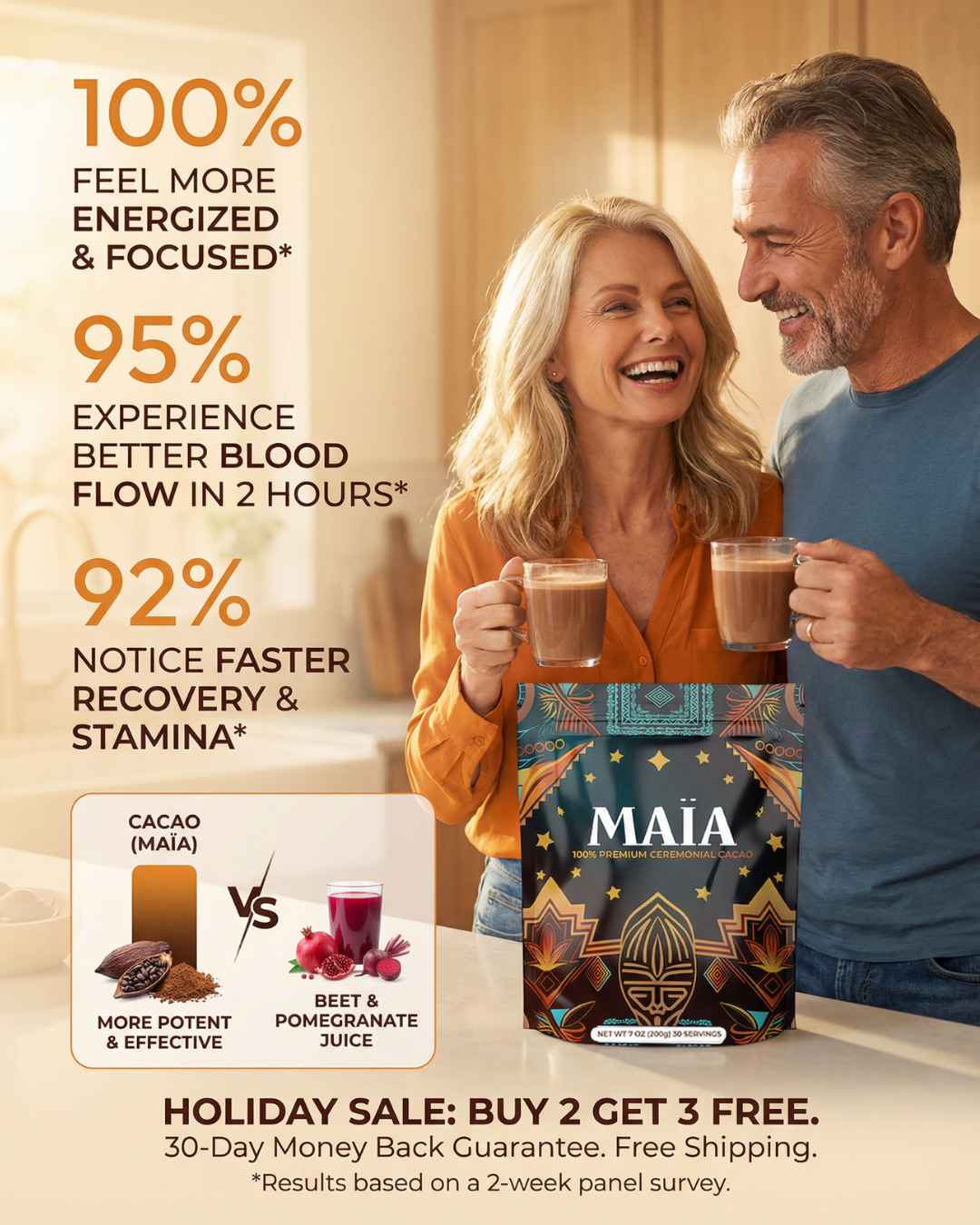
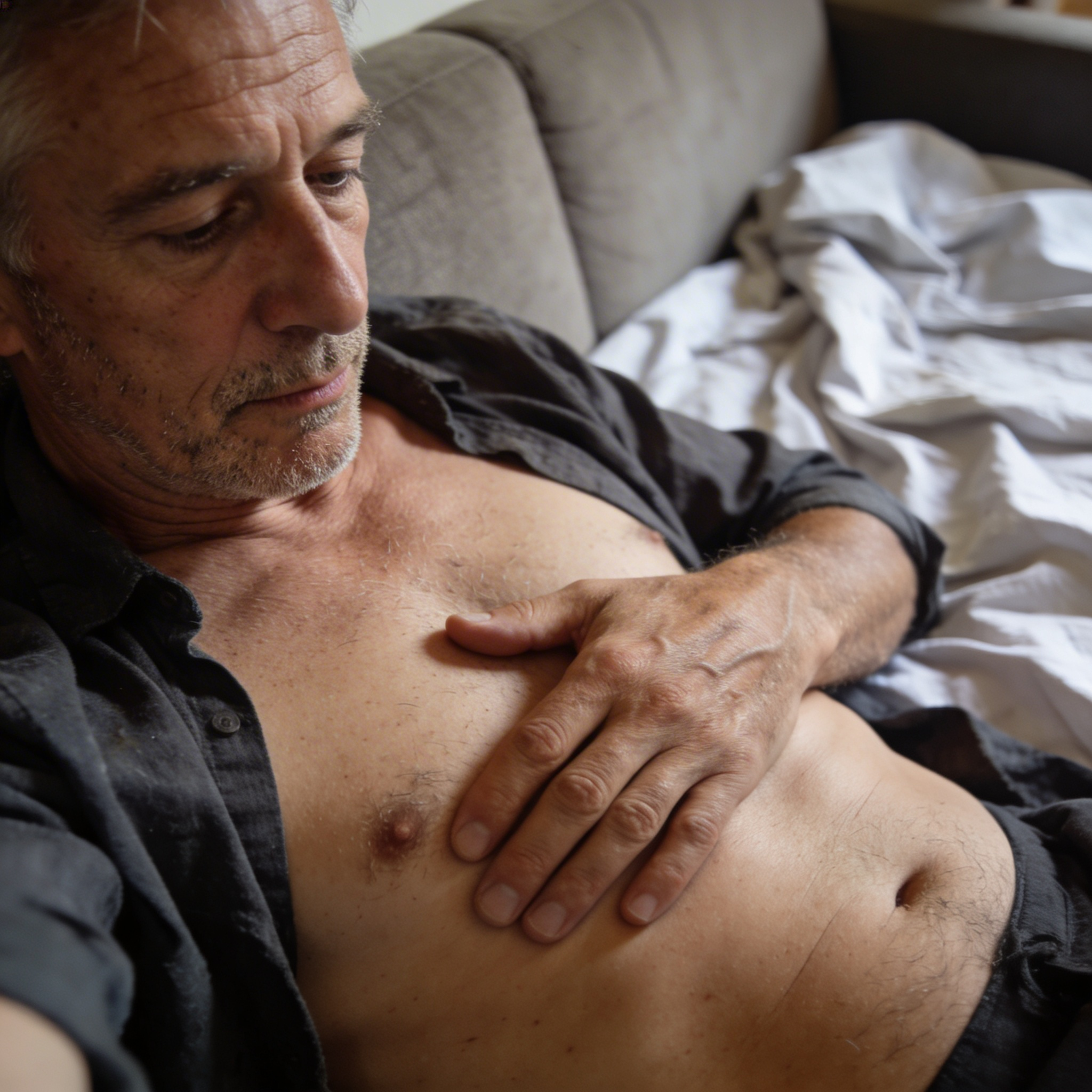
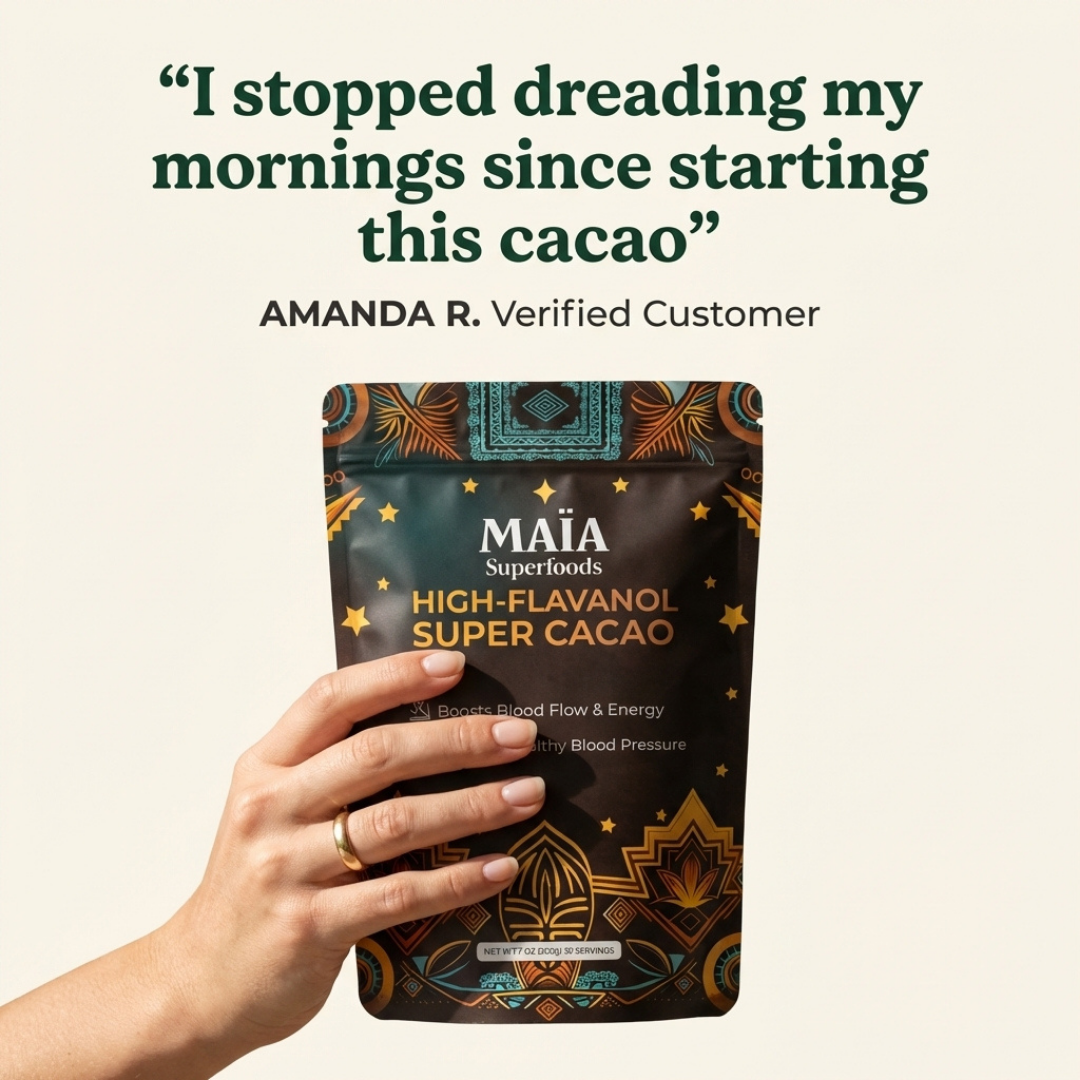
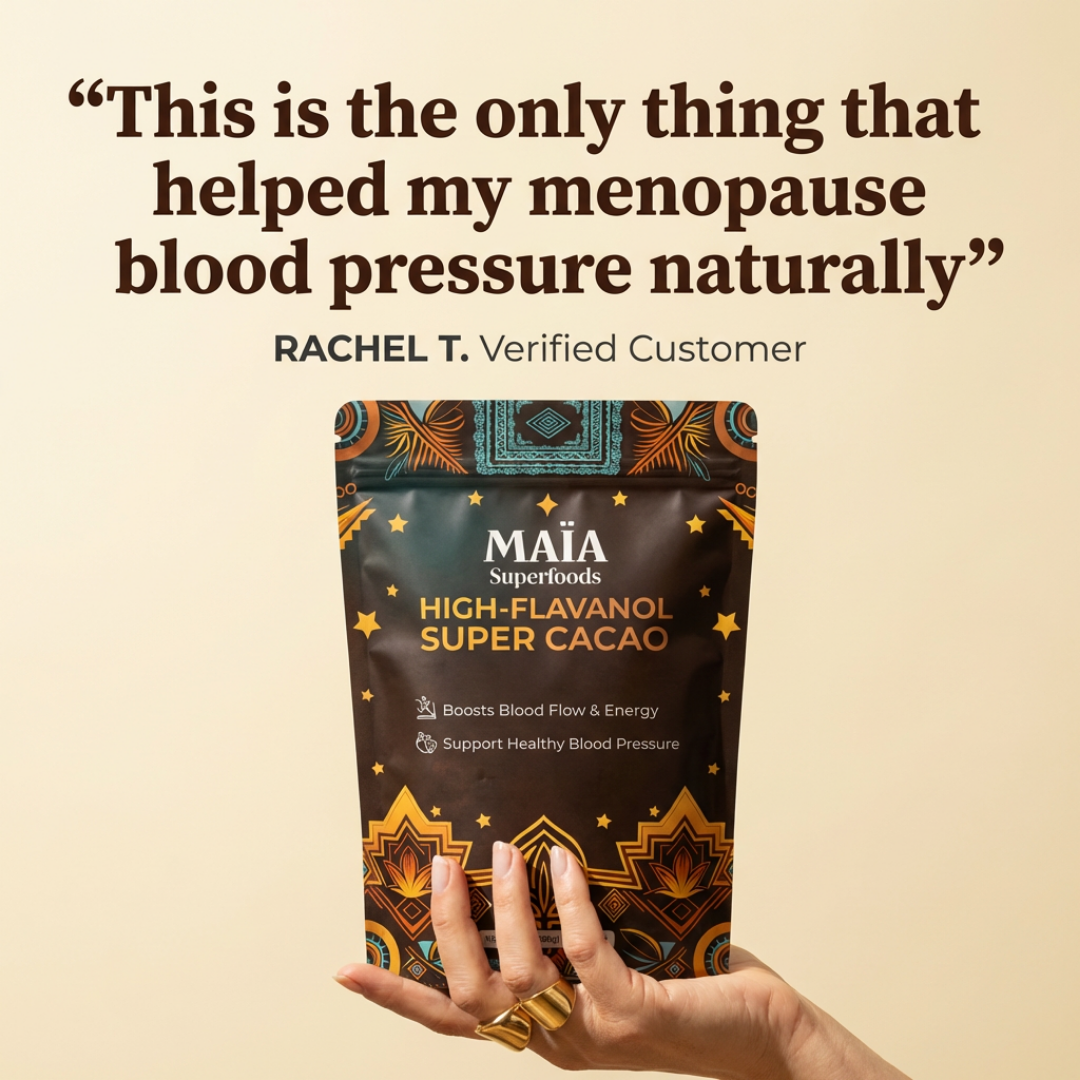
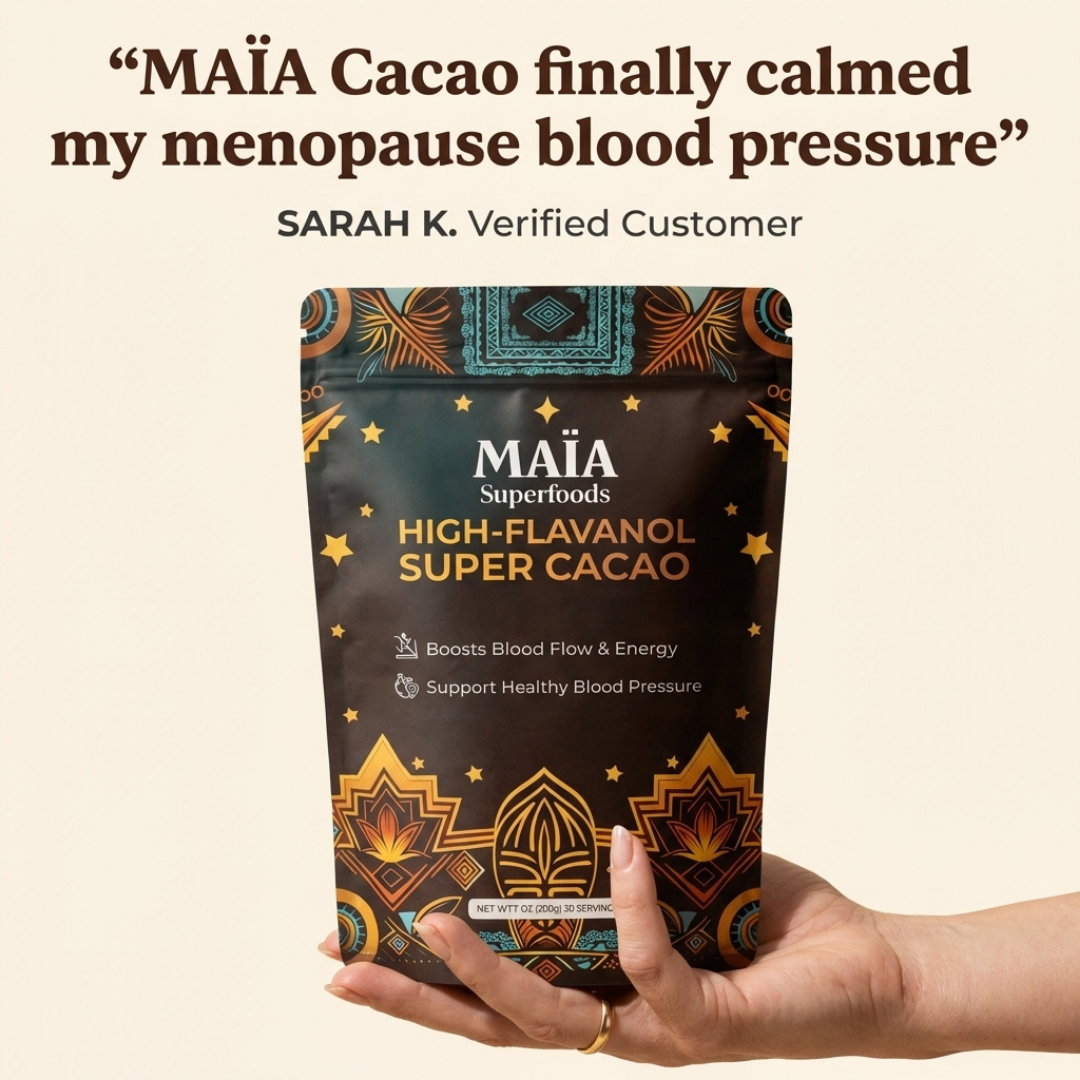
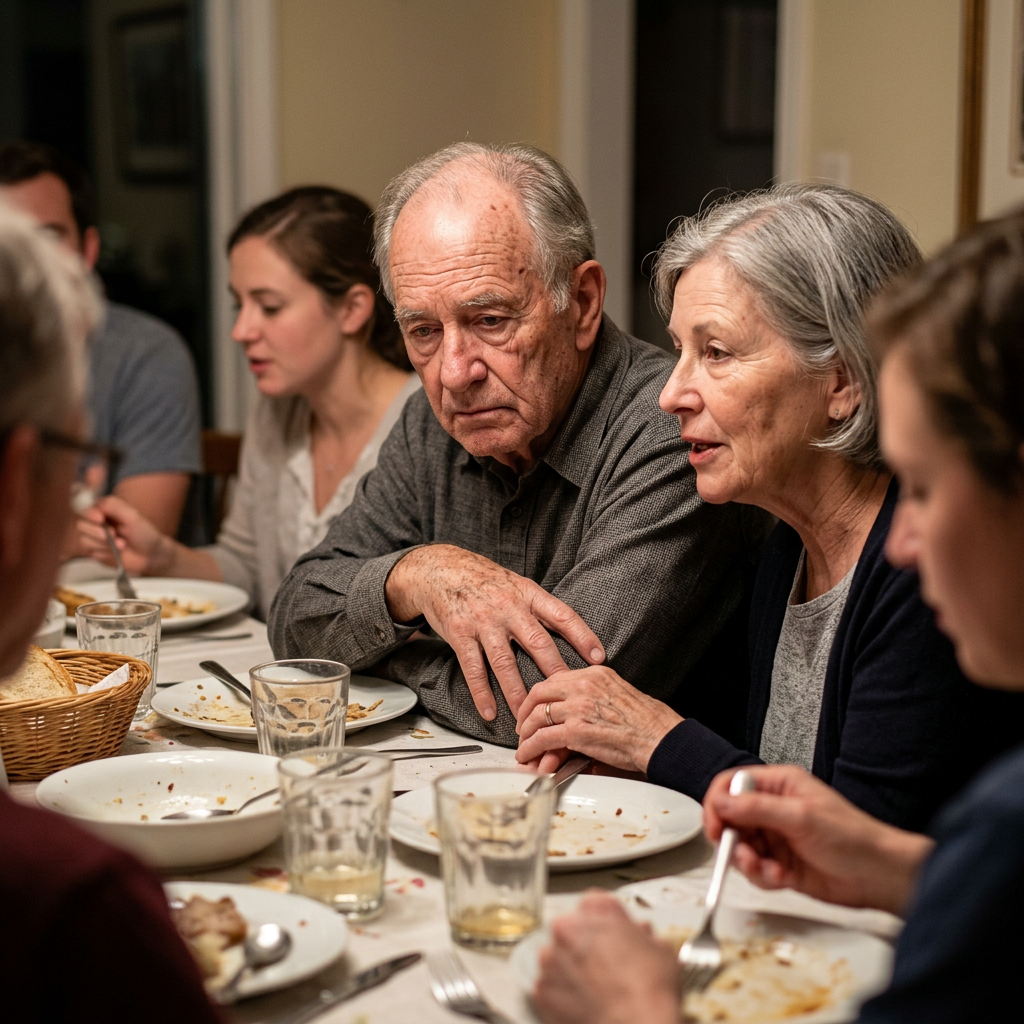
It was 6:47 on a Sunday morning when my phone lit up with a text from my father that I still have saved: "Are you up. Something happened yesterday. Don't call your mother." I'm 41. That man has never once asked me to keep something from her. I called anyway. He picked up on the first ring, which told me he'd been sitting there waiting. "I got turned around coming home from Lowe's," he said. "Same store for twenty-two years. I sat at the light on Fourth and I could not remember which way to go. Ten minutes, Katie. I sat there ten minutes." Then he went quiet and said the thing that started all of this. "I think it's starting. And I'd rather know now." I'm Katie. I read research for a living and translate it for people who don't have three hours to spend inside a study. So I didn't panic and I didn't cry. I went and read everything. And if you're a man over 55 who's been noticing things lately, or you love one who has, I need you to stay with me here. Because by the end of this you're going to be angry. There are three things happening right now. One. Your body has been telling you for years that the delivery system feeding your brain isn't keeping up with demand anymore. Two. You've been handed the phrase "normal aging" by people who had eleven minutes and nothing to prescribe. And three. There is a multi-billion dollar brain health aisle that quietly profits every single month you keep buying the wrong lever. So let me tell you what happened with my dad. Because his three years show you exactly how broken this is. ... For about three years, my father had been shrinking. Not sick. Nothing you could point at on a chart. Just less of him every time I visited. He'd start a story at Sunday dinner and lose the middle of it. Stop. Wave his hand. Say "ah, it's not important," and go back to his plate. My mother would finish it for him. And every single time she finished it for him, he got quieter. He stopped reading. Thirty years of paperbacks stacked next to that recliner, and the same one had been sitting on top since March. He stopped driving after dark. Said the headlights bothered his eyes. That was not true. He'd walk out to the garage he built with his own hands and just stand there. Waiting for his own head to tell him what he came out for. By 2pm he was finished. Not sleepy. Finished. Sat in the chair with the TV going and didn't watch it. And here's the part that still makes my jaw tight. He was managing it. Building little systems so nobody would catch on. Notes in his shirt pocket. Not answering questions when there were more than three people in the room. Letting Mom order for him at restaurants. A proud man will hide this for years before he'll say it out loud once. ... So he got checked out. Of course he did. My mother made sure of it. Twice. Thousands of dollars. Bloodwork, imaging, the memory screening where they hand you three words and ask you to draw a clock face. He drew a perfect clock. He was a tool and die man for thirty-one years. Of course he drew a perfect clock. Here's everything they told him. "Your bloodwork looks fine." "Nothing structural is showing up." "Are you getting enough sleep?" "Have you tried staying more socially engaged?" "You're within normal range for your age." Within normal range for your age. Read that one more time, because I've come to believe it's the single most destructive sentence spoken to men over 60 in this country. It does not mean you're fine. It means nothing is broken badly enough to bill for. So go home. It means this is your life now. It means get worse quietly, sir, and come back when it's worse enough to name. They gave my father a pamphlet about crossword puzzles. A pamphlet. ... Then came the part where my parents spent about eleven hundred dollars discovering what does nothing. Fish oil. The expensive kind with the certificate on the bottle. Ginkgo. Two brands. Six months each. Because everybody's brother-in-law swears by ginkgo. B12 shots for a while. A brain training app my brother put on his phone. He hated it. Deleted it in nine days. Crosswords. Sudoku. Cutting out sugar. Longer walks. And more coffee. He went to six cups a day trying to force his head to switch on. Three years. Nothing changed. Same fog. Same 2pm shutdown. Same unfinished stories at the table. So at that point I got angry, and when I get angry I read for eleven days straight. And I started asking the questions nobody asked in either appointment. Why is every single product on that shelf aimed at brain tissue, and not one of them aimed at what feeds it? Why is "normal aging" an acceptable answer for something that is taking a man's personality away from him? What actually changes inside a human head between 45 and 68 that nobody bothered to explain to my father? ... Here's what I found. Sit down for this. Your brain is roughly two percent of your body weight. It consumes about twenty percent of your blood supply. Twenty percent. For two percent. And it cannot store fuel. No pantry. No reserve tank. Nothing set aside for later. Every name you pull up, every sentence you finish, every time you track four people talking at once at a birthday party, gets paid for by blood that has to arrive in that exact moment. And that blood arrives through vessels so small that if you laid them end to end they'd run for hundreds of miles. Threads. Thinner than a hair. Every one of those threads is lined with a single layer of cells called the endothelium. The endothelium has one job that matters for this conversation. It produces a signaling molecule called nitric oxide, which tells the vessel to relax and open when demand goes up. That's the entire system. Demand spikes. Nitric oxide releases. The vessels widen. Blood floods in. You think clearly. Now here's the part that made me set the laptop down and stare at the wall for a while. Nitric oxide production declines with age. Steadily. Beginning in your forties. Research suggests a man in his sixties may be producing a fraction of what he made at twenty-five. Then stack on decades of processed food, poor sleep, stress and oxidative damage. Those small vessels get stiffer. Less responsive. They don't rupture. They don't fail. Nothing dramatic happens at all. They just stop opening on cue. So the blood shows up late. And short. Think about the water in an old house. The main line is fine. The fixtures are fine. But run the dishwasher and the shower at the same time and the upstairs faucet gives you a trickle. Nothing is broken. The system simply cannot deliver when demand spikes. That is what "I lost my train of thought" feels like from the inside. That's standing in your own garage with no idea why you walked out there. That's ten minutes at the light on Fourth Street. It isn't damage. It's delivery. ... Now pause, because here's what's insane. Everybody talks about brain health. Omega-3s. Puzzles. Sleep. Staying social. Nobody ever sat a 60 year old man down and explained that the tissue can only perform as well as the supply line feeding it. And once you understand that, you can see exactly why every single thing my parents bought was a waste of money. Fish oil works on cell membranes. Fine. A membrane can't think if nothing arrives. Ginkgo has been sold on this promise for thirty years, and the research has never once impressed me when I read the papers instead of the label. Crosswords are exercise for a room you can't get blood into. Demand more from a muscle with a narrow supply line and you don't get strength. You get fatigue. And the six cups of coffee? Caffeine can constrict blood vessels. He was standing on the gas and the brake at the same time and wondering why the truck wouldn't move. Here's the part that made my blood boil. None of this is hidden. The relationship between vascular function and how well the brain performs is not fringe science. It has been studied for years. But you cannot write "your small vessels aren't opening on demand" on a prescription pad. And you cannot sell it in a plastic bottle with a glowing head on the label. There is no money in delivery. There is enormous money in another jar of ginkgo, another omega-3, another subscription app, another follow-up appointment, every year, for the rest of a man's life. See how that works? ... So I kept reading. Studies now. Actual journals. And when I found the compound the research kept circling back to, I laughed out loud at one in the morning. Cacao. Chocolate. The thing you put in a mug with marshmallows on it. I almost closed the tab. But the studies kept coming. Controlled research on cocoa flavanols, which are the natural plant compounds in raw unprocessed cacao. Epicatechin is the one that matters most. Flavanols support the body's own nitric oxide production. That is the exact lever I had spent eleven days reading about. And then I found the one that made me order that night. Researchers gave adults cocoa flavanols and measured brain oxygenation directly. The flavanol group showed faster and greater oxygenation responses in the brain. And here's the detail I have never been able to shake. Their performance improved specifically when the task was difficult. Not on the easy questions. On the hard ones. Exactly where my father was failing. Exactly where a delivery system gets tested. The researchers concluded that the same vascular mechanism behind flavanols' effects on circulation in the body appears to be at work in the brain. Then I went backwards through history and got chills. The Aztecs called cacao the food of the gods. They drank it bitter and unsweetened, in ceremony, for five thousand years. Warriors drank it before long marches. Runners drank it before covering distances that would put a modern athlete in a wheelchair. They had no idea what nitric oxide was. They just knew what it did. ... But here's where I wasted another three weeks, so let me save you the trouble. I went to the grocery store and bought cocoa powder. Nothing happened. Nothing at all. Because nearly every cocoa product on an American shelf has been ruined on purpose. It's called Dutching. Alkalizing. It makes cocoa darker, smoother, less bitter, and manufacturers love it. And flavanols are the reason raw cacao is bitter in the first place. Read that again. The bitterness IS the active part. Alkalizing has been shown to destroy the large majority of the flavanol content. Some analyses put the loss as high as ninety percent. Then high-heat roasting degrades more of whatever survived that. So there's an entire aisle of brown powder with the actives cooked out of it, sitting next to the sugar. And it gets worse. Most "healthy chocolate" products are mostly sugar, dairy and filler. Almost none of them print the flavanol content in milligrams anywhere on the package. Not because they don't know the number. Because they do. A square of dark chocolate gives you a small fraction of the amounts used in the research, plus all the fat and sugar that comes with it. And then there's the heavy metals reporting that's been all over the news these last few years. Cadmium and lead turning up in chocolate products. For a 68 year old man drinking something every single morning, that is not a footnote. So my list was: cold-processed, never Dutched, never roasted hot, ceremonial grade, third-party tested, flavanol number printed where I could read it. It took me nine days to find one that checked every box. ... There's a small company called MAÏA. I went to the site fully prepared to be disappointed, the way I'd been by roughly twenty other cacao brands that week. And then I read the specs twice, because I didn't believe them the first time. Criollo cacao. The rare heirloom bean. Not the cheap bulk stuff. Cold-processed. Never high-heat roasted, which is the whole point, because that's what preserves the flavanols instead of cooking them off. Never Dutched. Never alkalized. A full flavanol dose per serving, in line with the amounts used in the large independent research on cocoa flavanols. And they print the number instead of burying it in a footnote. Third-party tested every batch, including for heavy metals. No sugar. No dairy. No fillers. No sweeteners. Cacao. That is the entire ingredient list. When my dad was trying to piece something like this together himself, comparing labels that wouldn't disclose anything, it was nearly impossible. This was one pouch. One scoop. Hot water, splash of oat milk, ninety seconds at 6:40 in the morning while the dog eats. Cocoa flavanols support the body's natural nitric oxide production, support healthy blood flow, support vascular flexibility, and support healthy circulation to the brain. That's what the compound does. What happened in my parents' kitchen is a longer story. ... Week one, nothing. He said it tasted like the inside of a tree. I told him to keep drinking it. Week two, he mentioned in passing that his hands were warm. My father has had cold hands since I was in middle school. He said it like small talk. I wrote it down. Week three, my mother called me. "He answered a question at dinner," she said. Not a big question. Somebody asked when they redid the roof. He said "fall of '09, right before your mother's knee." No pause. No searching for it. Week four, the paperback moved. He finished it in six days and asked her to bring him another one. Week six, he drove out to my brother's place after dark. No GPS. Said he knew the way. He did. Week eight is the one I'm going to keep for the rest of my life. Twenty people in the backyard for my nephew's birthday. Loud. Kids everywhere. And my dad told the story about the frozen pipe job in '98. The whole story. The long version. With the timing. With the pause before the punchline that he used to be so good at. Everybody laughed. And I stood by the cooler and cried into a paper napkin like an absolute idiot, because I had not heard that man finish a story in front of people in over two years. He's 70 now. He reads. He drives at night. He argues with me about the news and he wins sometimes. He is, as far as I'm concerned, entirely himself. ... Now here's what I need you to understand about timing. These small vessels do not get more responsive while you think it over. This doesn't hold steady and wait for you to feel ready. It gets quieter. That's the direction it moves. He stops telling stories. He stops driving after dark. He stops offering an opinion in a room with more than three people. He shrinks his world down to the rooms he can still manage, and he does it politely, so nobody has to have an uncomfortable conversation about it. Every month you wait is another month of that. And there's a practical piece too. This stuff goes out of stock. Criollo cacao is not something you reorder on a Tuesday, and cold-processing it properly is slow. When a batch runs out it's gone until the next one clears testing. I've watched that happen three times since we started buying it. I put the link below. https://checkout.getmaia.co/shocking-discovery-bloodflow There's a 30-day money-back guarantee, so even if you're skeptical, get one pouch. Drink it every morning for three or four weeks. See if your body responds the way my father's did. If nothing shifts, send it back and you're out nothing but the time. Because nobody is coming to fix this for you. There's too much money in a pamphlet about crossword puzzles and another shelf full of ginkgo. You handle it yourself, or it doesn't get handled. 👉 Get MAÏA Super Cacao here https://checkout.getmaia.co/shocking-discovery-bloodflow P.S. If you're the son or the daughter reading this because you've been noticing things in your dad and you have no idea how to bring it up... don't bring it up. Do not make it a conversation about his memory. He will shut it down in four seconds flat and you'll both feel terrible for a week. Just send him this. Let him read it alone in the garage. Let it be his idea. That's the only reason my father ever tried it. https://checkout.getmaia.co/shocking-discovery-bloodflow
Forget Beetroot. Try This
Controversial "circulation miracle" is 3X more powerful than beet powders and may soon be pulled from shelves - adults over 50 who've discovered it are REFUSING to share their secret
LEARN MORELike this ad? Make it yours.
Crush rebuilds this exact creative around your product — your brand, your colors, your offer — in about a minute.